What Food Stylists Actually Do to Make Dishes Look That Good and Why You Cannot Replicate It

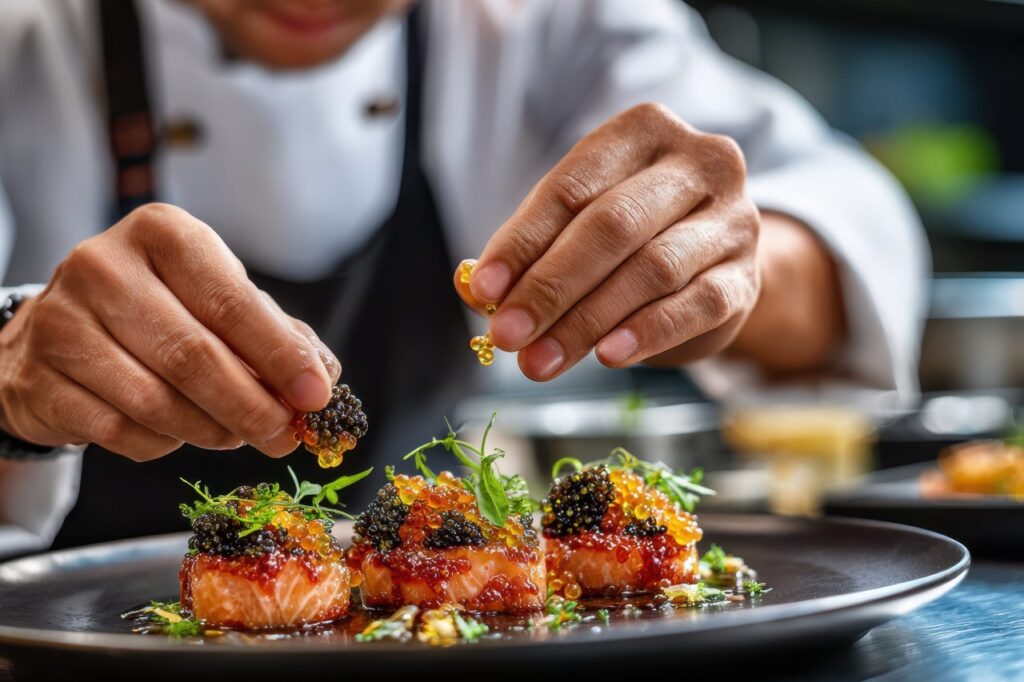
The moment a perfectly styled burger appears on screen, or a glossy dessert fills your feed, it’s hard not to feel a mix of admiration and quiet frustration. Why does it look so flawless there, yet so different on your own plate? What most people don’t realize is that these images are not just about cooking. They are the result of careful design, technical precision, and a deep understanding of how food behaves under a lens. Every element, from the shine on a bun to the placement of toppings, is adjusted to create a sense of perfection. What appears effortless is actually a controlled setup where each detail is refined to capture attention and trigger appetite instantly.
Behind every stunning food photo is a process that extends far beyond the kitchen and into a highly controlled creative environment. Lighting is adjusted to highlight textures, colors are enhanced to appear richer, and timing is managed so the food looks fresh at the exact moment it is captured. Stylists often make subtle changes that viewers never notice, such as adding gloss, adjusting structure, or replacing elements that do not photograph well. These techniques create a version of food that feels natural but is carefully constructed. Once you understand this process, it becomes clear why real food, even when perfectly cooked, rarely looks the same in everyday conditions.
The Illusion Behind Perfect Food
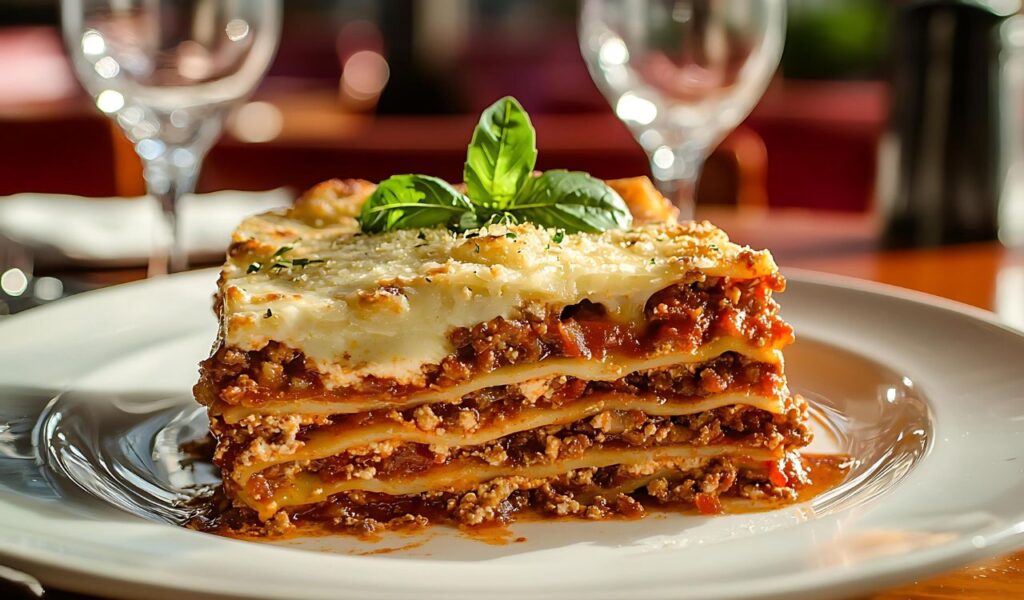
What appears to be a simple, appetizing dish in an advertisement is rarely just food placed naturally on a plate. It is a carefully engineered visual designed to capture attention instantly and create a strong sense of desire. Food stylists approach each dish with a precise understanding of how elements like light, texture, and structure translate through a camera lens. They control how sauces fall, how layers are stacked, and even how steam rises, ensuring everything looks fresh and perfectly timed. The focus is not on how the food would normally exist, but on how it can be presented at its most visually appealing moment.
To achieve this level of perfection, many techniques are used that prioritize appearance over practicality or taste. Ingredients are often handled in ways that preserve structure rather than flavor, such as slightly undercooking vegetables to keep their color vibrant or brushing surfaces with oil to create a glossy finish. Tools like tweezers, pins, or supports are commonly used to hold elements in place, even if they would not be stable otherwise. What seems like an effortless image is usually the result of repeated adjustments and careful planning, turning the final dish into a visual composition rather than a true reflection of how it would be served or eaten.
Why Real Food Falls Short
When you try to recreate visually perfect dishes at home, the difference becomes clear almost immediately. Real food responds to time, temperature, and environment in ways that are difficult to control outside a studio setting. Fresh herbs wilt within minutes, sauces begin to spread and lose definition, and heat causes steam to disappear quickly. Even small delays can change how a dish looks, making it appear less vibrant or structured. Without precise lighting and controlled conditions, colors may look duller and textures less defined, which is why home-cooked meals often fail to match the crisp, polished appearance seen in professional images.
Another important reason lies in the purpose behind cooking itself. In everyday kitchens, the focus is on flavor, nourishment, and comfort rather than visual perfection. Food is allowed to behave naturally, with ingredients blending, settling, and interacting as they should. Portions are realistic, and plating is done for ease rather than presentation. In contrast, styled food is carefully assembled layer by layer, often with adjustments made solely to highlight specific details. This difference in intention creates a clear gap between how food looks in real life and how it is presented in highly controlled, professionally styled visuals.
The Skill That Makes the Difference
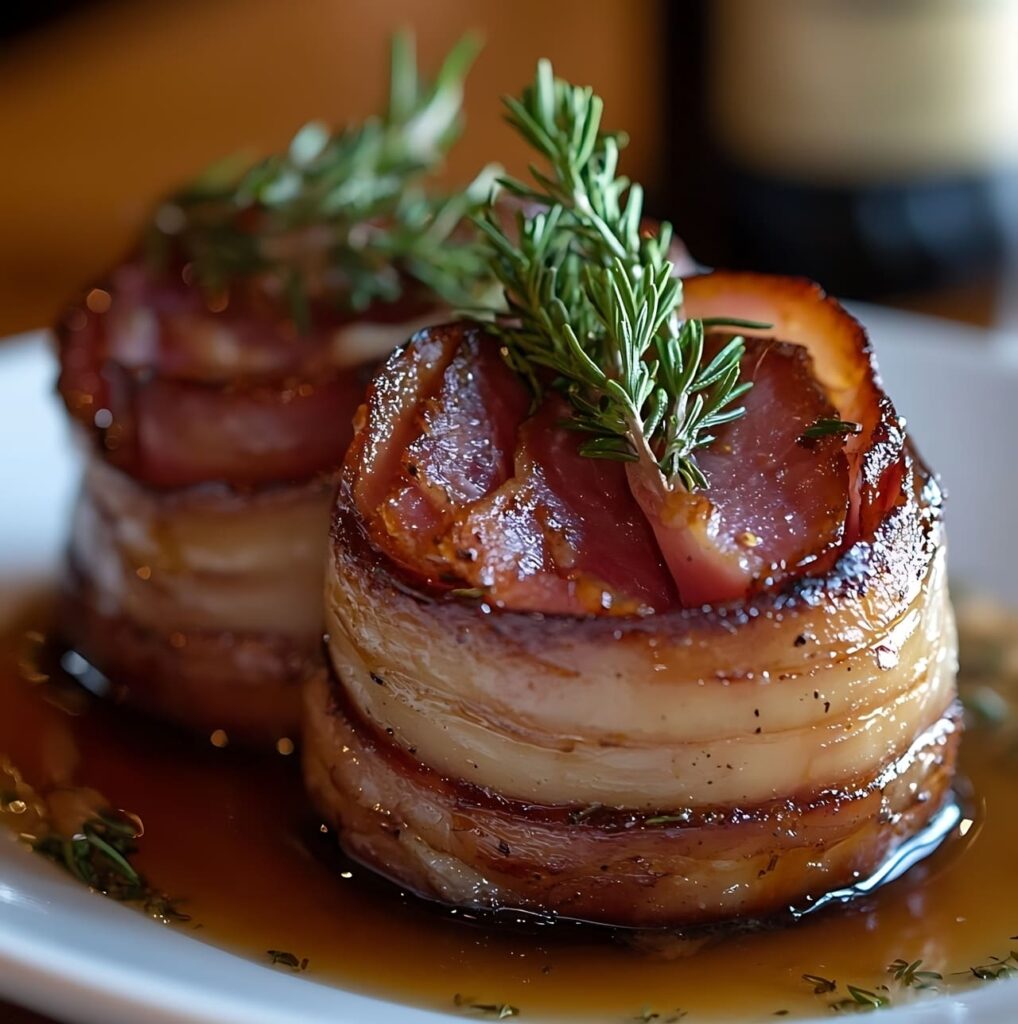
Food styling may look simple on the surface, but it is built on a deep understanding of both food behavior and visual composition. Stylists study how ingredients react to air, heat, and time, and they use that knowledge to control every stage of the presentation. They know exactly how long a vegetable can sit before losing its color, how to slice proteins to highlight texture, and how to build height so a dish appears more abundant. Every element is placed with intention, ensuring the final result looks balanced, fresh, and visually appealing from the camera’s perspective rather than from a diner’s seat.
Equally important is the collaboration between the stylist and the photographer, where every visual detail is carefully aligned with lighting and framing. A slight turn of a plate, a repositioned garnish, or a minor shift in angle can completely transform how a dish appears in an image. Stylists often make repeated adjustments while observing how each change interacts with shadows and highlights. This process requires patience, precision, and a trained eye that understands how viewers perceive food visually. It is this combination of technical skill and artistic judgment that makes professional food styling difficult to replicate without experience.
What You Can Realistically Recreate
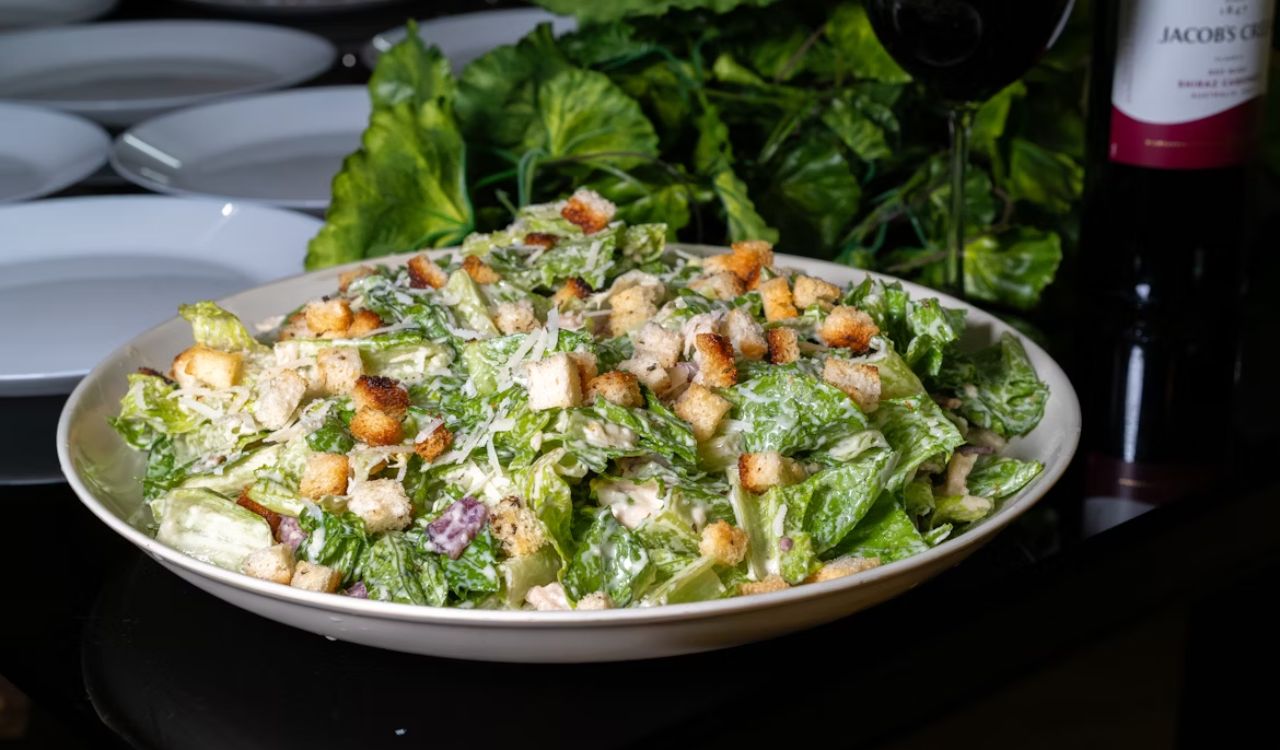
While professional food styling often relies on controlled environments and specialized tools, many of its core ideas can still be applied in a simple way at home. The focus should be on clarity rather than perfection. Clean plating makes an immediate difference, as even a great dish can look unappealing if the plate is messy. Using fresh ingredients with natural color helps food stand out without effort. Creating contrast, such as pairing bright elements with neutral backgrounds, improves visual balance. Small finishing touches like herbs or a drizzle can make the dish feel complete and thoughtfully presented without adding complexity.
Lighting and timing are just as important as plating when it comes to presentation. Natural light from a nearby window brings out real colors and textures better than most artificial lighting. Soft, indirect light helps avoid harsh shadows and keeps food looking fresh. Positioning the dish slightly can add depth and highlight key details. Serving or photographing food soon after preparation also matters, since textures and structure begin to change quickly. While these steps will not fully match professional styling, they can significantly improve how your food looks, making everyday meals feel more appealing and visually satisfying.
Seeing Food Styling With a New Perspective
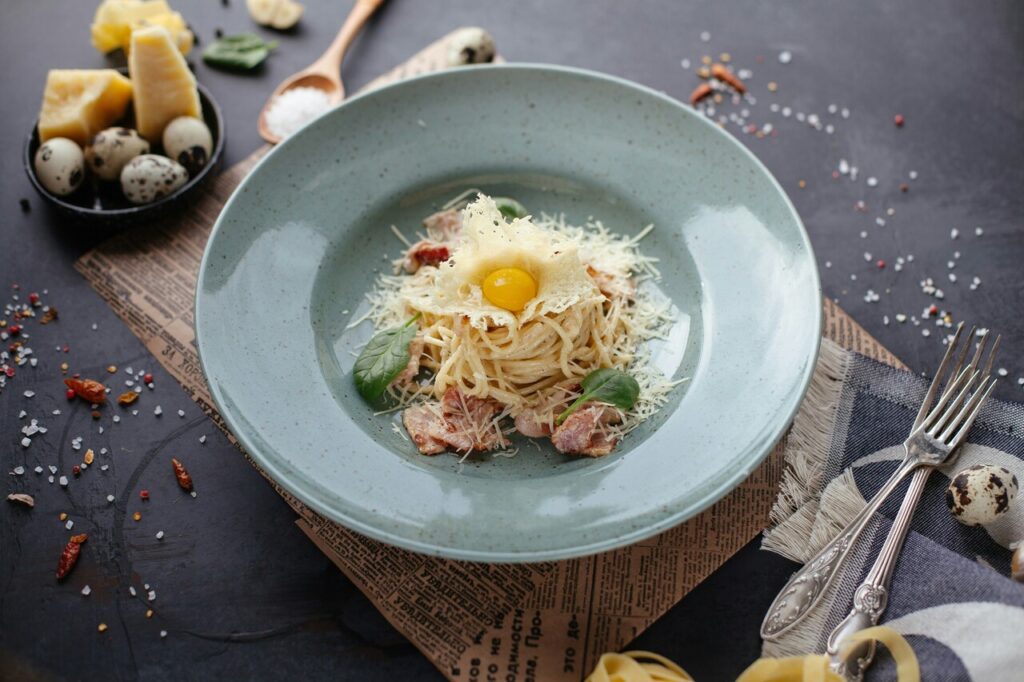
Once you begin to understand what goes into food styling, the way you see those flawless images naturally starts to shift. What once felt like a standard to live up to becomes easier to recognize as a carefully constructed visual. These images are designed with a specific goal, which is to attract attention and create desire within seconds. Every highlight, shadow, and placement is controlled to achieve that effect. Realizing this helps separate expectation from reality. It allows you to view styled food as a form of visual storytelling rather than a direct reflection of everyday cooking, reducing the pressure to compare your own meals to something built for a completely different purpose.
At the same time, this awareness brings a clearer appreciation of what your own food represents. Meals prepared at home are meant to be enjoyed for their taste, comfort, and nourishment, not just their appearance. They are allowed to be imperfect, to change as they sit, and to reflect real conditions rather than controlled ones. By shifting your perspective, you begin to value authenticity over perfection. This does not take away from the creativity of professional styling, but instead places it in context. It becomes something to admire and learn from, without feeling the need to replicate it exactly in your own kitchen.