How Ghost Kitchens Are Quietly Replacing the Restaurant You Think You Are Ordering From

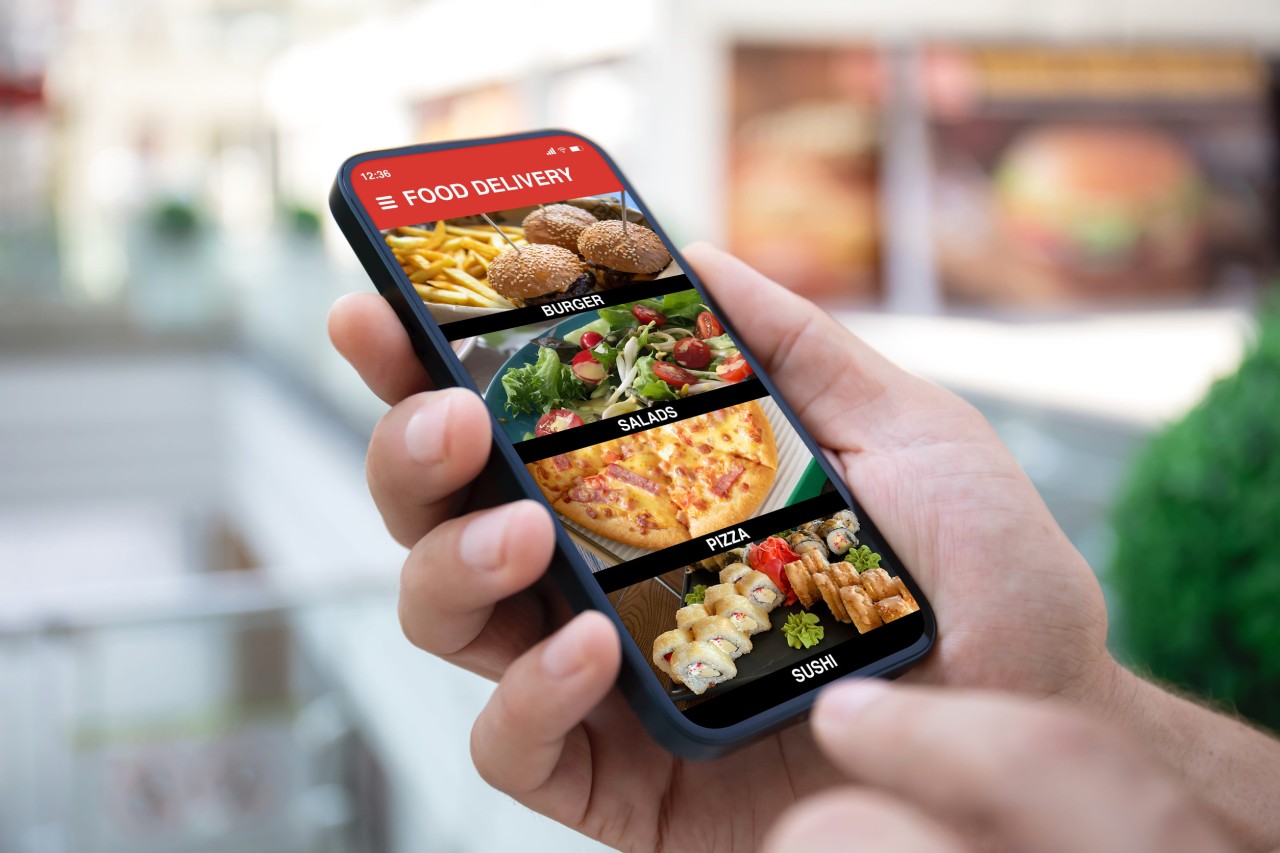
It feels simple enough. You open a delivery app, scroll through familiar names, and place an order from what looks like a local favorite. The photos are tempting, the reviews reassuring, and within minutes, your meal is on the way. But behind that smooth and convenient experience, something far less visible is taking place. The restaurant you believe you are ordering from may not exist in the traditional sense. There may be no storefront, no dining space, and sometimes no clear connection between the brand name and a physical location. What appears familiar is often carefully designed to feel trustworthy, even when the reality behind it is far more complex.
This is the world of ghost kitchens, where entire food brands are created specifically for digital platforms and operate out of shared or hidden kitchen spaces. These setups are built for efficiency, allowing multiple menus to run from a single location without ever interacting with customers face-to-face. Driven by convenience and algorithm-based visibility, this system can blur the line between what is real and what is purely virtual. As these kitchens continue to grow, they quietly reshape how food is presented, discovered, and consumed, revealing an industry shift that most people experience regularly without ever fully noticing.
Rethinking Where Your Food Comes From
What feels like ordering from your favorite neighborhood restaurant is not always as straightforward as it appears. In many situations, the meal that arrives at your door is prepared in a kitchen that has no storefront, no seating, and no visible presence tied to the name you selected. These operations, often called ghost kitchens, work quietly in the background, producing food for multiple virtual brands from a single space. The same kitchen can prepare entirely different cuisines under different names, each designed to appeal to preferences. This setup creates a sense of familiarity and choice, even when there is no physical restaurant connected to the brand you recognize.
This shift is changing how people understand where their food actually comes from. The name, logo, and menu presented on a delivery app are often crafted for digital appeal, focusing on what attracts attention rather than reflecting a traditional restaurant identity. While the food may still be prepared by trained staff, the link between brand and location becomes less clear. Customers may assume they are supporting a specific place when in reality they are ordering from a shared kitchen serving many identities. This growing gap between perception and reality makes it harder to trace the true origin of a meal, quietly reshaping expectations around trust, transparency, and local dining.
The Shift You Barely Notice
The shift toward ghost kitchens has not happened overnight, which is exactly why it often goes unnoticed. It has grown quietly alongside the rise of food delivery apps that prioritize speed, convenience, and endless choice. These platforms are designed to highlight variety, making it seem like you are choosing from dozens of different restaurants. In reality, many of these listings may operate from the same kitchen, using different brand names to target specific cravings. Because the interface focuses on images, ratings, and quick decisions, the physical origin of the food becomes less important, allowing this model to blend seamlessly into everyday ordering habits.
Since the entire experience takes place through a screen, most customers rarely question how the system works behind the scenes. Decisions are guided by star ratings, appealing photos, discounts, and delivery time rather than location or ownership. This removes the need to think about where the food is actually being prepared. Over time, this convenience-driven approach makes the structure feel normal, even if it lacks transparency. As more people rely on delivery for regular meals, ghost kitchens continue to expand quietly, becoming an accepted part of the food landscape without drawing much attention to how significantly they are changing it.
What It Means for Your Dining Choices
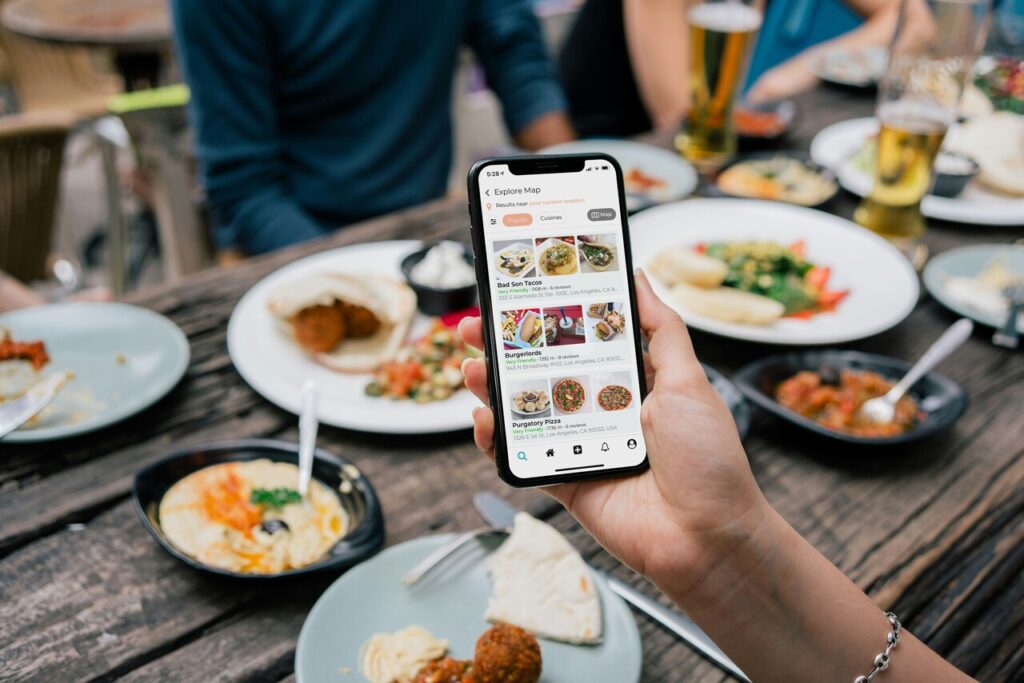
The way you choose what to eat has quietly shifted from personal familiarity to digital influence. Instead of relying on a restaurant’s reputation, location, or experience, decisions are now often shaped by how items appear on an app. Algorithms play a major role in this process, pushing certain listings higher based on popularity, pricing strategies, or promotional partnerships. This can create the impression of endless variety, even when several options are coming from the same kitchen. What feels like exploring new places is often a guided experience, where visibility is carefully managed to influence your final choice.
This change also affects how quality and consistency are perceived. Without a physical space to visit, you cannot observe how food is prepared or get a sense of the environment behind it. Instead, you rely heavily on reviews, ratings, and photos, which may not always reflect the full picture. Some ghost kitchens maintain strong standards and deliver consistent meals, while others prioritize speed and volume to keep up with demand. This uneven landscape makes it harder to judge reliability, placing more responsibility on you to read between the lines and make decisions based on limited but carefully presented information.
Understanding how ghost kitchens operate can make a noticeable difference in how you approach food delivery. Instead of relying only on branding, it helps to look a little deeper into the details presented on the app. Checking the listed address, comparing menus across similar restaurant names, and reading customer reviews more carefully can reveal patterns that are not immediately obvious. You may notice repeated descriptions, overlapping dishes, or identical packaging mentioned by different listings. These small clues can help you identify whether multiple brands are coming from the same kitchen, allowing you to make more informed choices that better match your expectations.
This awareness also encourages a more intentional way of ordering, where convenience is balanced with clarity. Choosing restaurants that have a visible identity or those you have experienced in person can offer a stronger sense of trust and consistency. At the same time, it is important to recognize that ghost kitchens are now a significant part of the food industry and are not always negative. Many operate efficiently and deliver good-quality meals. By understanding how the system works, you can adapt your habits without feeling uncertain, making decisions that feel both convenient and aligned with what you value in your food experience.
The Future Behind Every Order
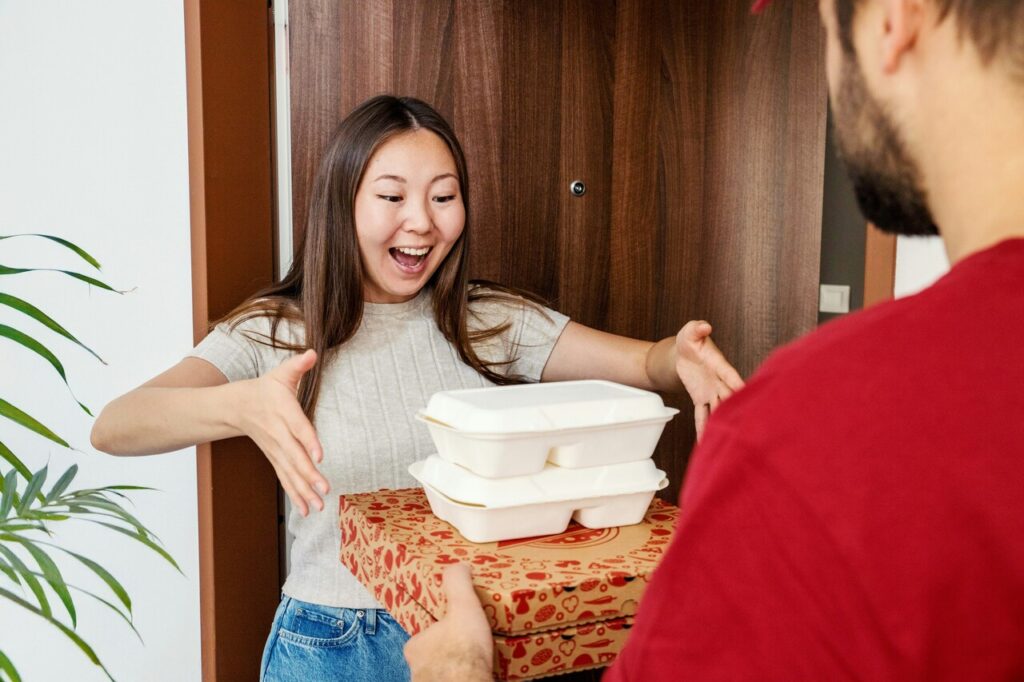
The rapid growth of ghost kitchens signals a deeper transformation in how the food industry is structured and how businesses respond to changing consumer habits. As more people rely on delivery for convenience, speed, and variety, restaurants are increasingly shifting toward models that reduce overhead and maximize reach. Ghost kitchens offer exactly that, allowing multiple brands to operate from a single location without the cost of maintaining a physical dining space. This flexibility enables faster expansion and experimentation with new concepts, leading to a rise in virtual brands designed specifically to perform well on delivery platforms rather than in traditional settings.
At the same time, this evolution brings important questions about trust, transparency, and the long-term impact on dining culture. As virtual brands continue to grow, customers may begin to expect clearer information about where their food is prepared and who is actually behind the brand. Businesses will likely need to balance efficiency with authenticity to maintain credibility in an increasingly digital environment. Traditional restaurants are unlikely to disappear, but their role may shift as both models coexist. What is emerging is a blended system where physical and virtual dining work side by side, reshaping how people discover, choose, and experience food.