10 Restaurant Tricks That Make Hotel Food Taste Better Than It Should

Hotel food has a reputation for being predictable, yet sometimes a simple room service meal or buffet plate tastes surprisingly good. That’s rarely an accident. Many hotels quietly borrow the same techniques professional restaurants use to elevate flavor, texture, and overall enjoyment. From how food is plated and seasoned to how temperature, aroma, and texture are managed, small details shape how your brain experiences each bite. Fat carries flavor, acidity keeps dishes lively, and careful prep creates consistency that feels polished rather than mass-produced. What this really means is that even ordinary ingredients can taste better than expected when the fundamentals are handled well. These behind-the-scenes tricks explain why hotel meals sometimes punch far above their weight.
1. Strategic Plating That Primes Your Brain Before You Taste Anything

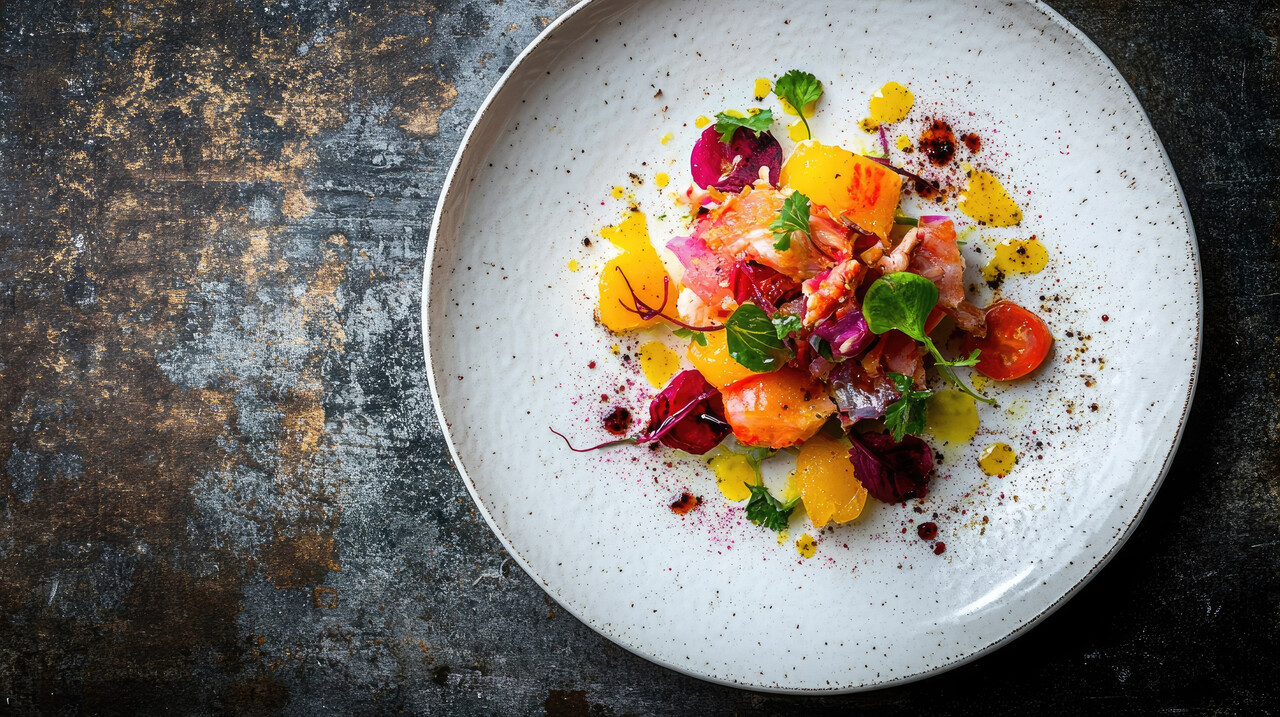
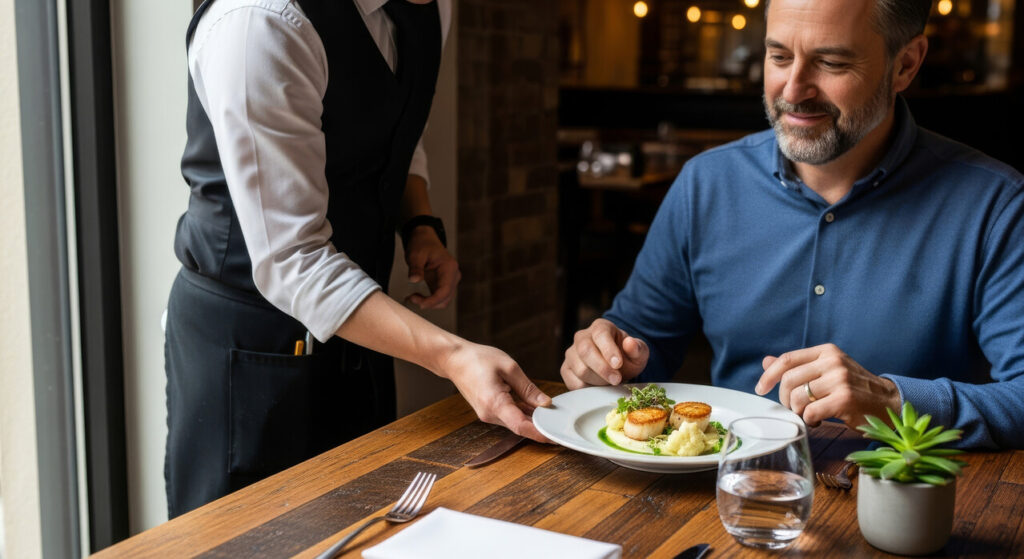
The first bite actually happens with your eyes, and hotels borrow this restaurant trick constantly. Clean plates, intentional spacing, contrasting colors, and neat stacking subtly tell your brain that the food is higher quality than you might expect. That expectation changes how flavor registers on your palate. A grilled chicken breast looks more appealing when it’s sliced on a bias and layered slightly rather than dropped flat on a plate. A drizzle of sauce adds visual movement that suggests care and freshness. Even simple garnishes like herbs or citrus zest cue brightness and aroma before the fork ever touches your mouth. Hotels also pay attention to plate temperature and shine because smudges or cold porcelain subconsciously signal neglect. What this really means is your brain is already leaning toward enjoyment before flavor even enters the picture. The food doesn’t change, but your perception of it absolutely does.
2. Heavy Use of Butter and Fat to Carry Flavor and Aroma

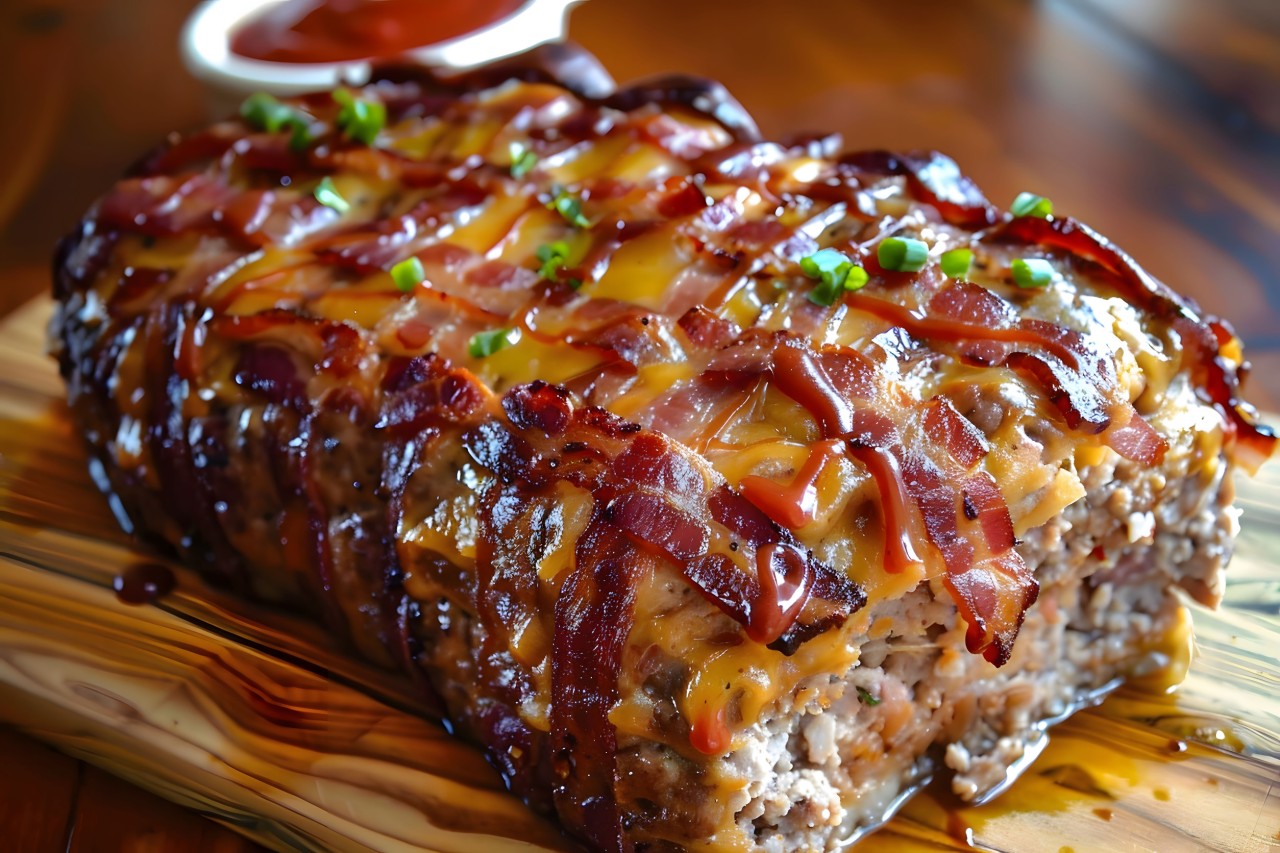
Restaurants rarely fear fat, and hotel kitchens quietly follow the same rule. Butter, cream, oils, and rendered fats act as flavor carriers, helping aromas travel and coat the palate evenly. Fat also softens sharp edges in seasoning, making salt, herbs, and spices taste rounder and more integrated rather than harsh. A pan sauce finished with butter feels silkier and more luxurious than the same sauce thickened with starch alone. Vegetables sautéed in oil taste fuller and sweeter because fat helps dissolve fat-soluble flavor compounds that water cannot. This is why hotel mashed potatoes taste richer, sauces cling better, and proteins stay juicier. It’s not about excess. It’s about strategic use in small amounts at the right moment. That quiet richness makes even ordinary dishes feel satisfying and complete.
3. Layered Seasoning Instead of One Big Salt Dump at the End
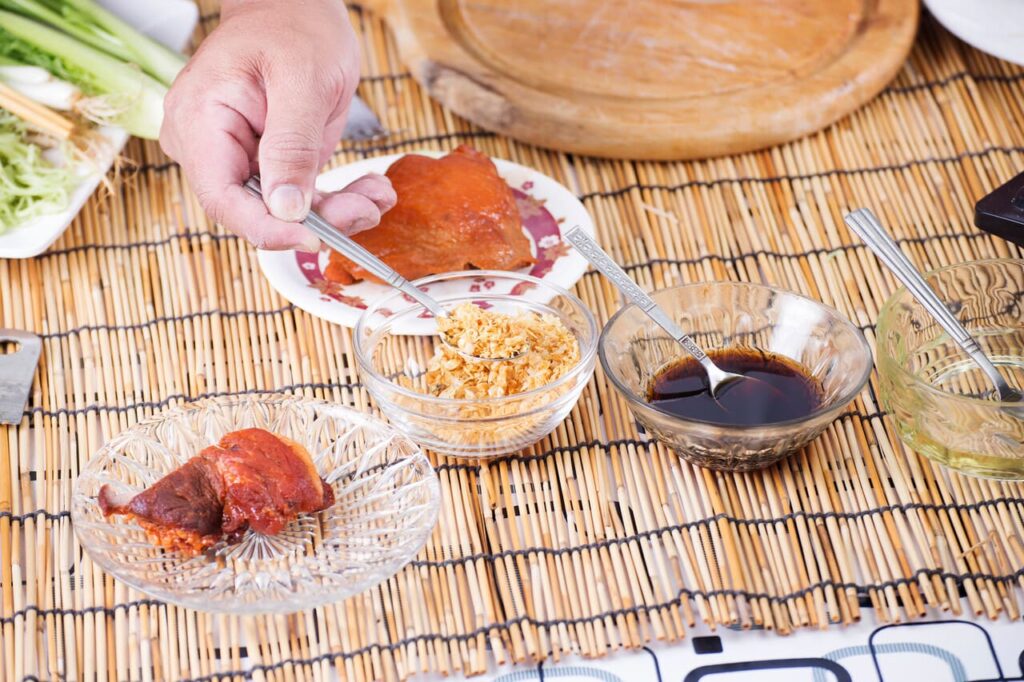
Professional kitchens season in stages, not all at once. Salt and seasoning are added during prep, cooking, resting, and final plating so flavor penetrates the food instead of sitting only on the surface. This builds depth and prevents bland interiors. When chicken is seasoned before cooking, its proteins retain moisture better and taste seasoned all the way through. Vegetables benefit from early salting to release moisture and concentrate sweetness. Sauces gain balance when acidity, salt, and fat are adjusted incrementally rather than guessed at the finish. Hotels adopt this approach because it creates consistency across large batches while preserving flavor integrity. The result feels more polished and evenly seasoned than most home cooking, where salt often arrives too late to do real work.
4. Deep Stock and Base Sauces Doing Most of the Heavy Lifting

Great hotel soups, gravies, and braises rely on strong foundations built from real stock and slow simmering. Bones, vegetables, herbs, and time extract gelatin and natural glutamates that create mouthfeel and savory depth. Even a simple chicken noodle soup tastes dramatically better when the broth has body rather than watery thinness. Reduced stocks thicken sauces naturally without heavy thickeners and carry flavor farther across the palate. This foundation approach allows hotels to create multiple dishes from one base while maintaining quality. A rich stock elevates everything it touches, from rice to vegetables to pan sauces. Guests rarely see this work, but they absolutely taste the payoff in richness, clarity, and balance.
5. Precise Temperature Control That Protects Texture and Flavor

Temperature affects aroma release, fat behavior, and texture more than most people realize. Hot food needs to arrive hot, so fats stay fluid and aromas stay active. Cold dishes need to remain cold so dairy stays firm and greens stay crisp. Hotels invest in warming lamps, heated plates, chilled holding zones, and tight timing to keep dishes in their ideal range. A steak that cools too fast becomes greasy and dull. A salad that warms up wilts and loses snap. When temperature is controlled correctly, flavors appear brighter and textures feel intentional. It’s a behind-the-scenes discipline that quietly improves every bite without the diner ever noticing the mechanics.
6. Consistent Knife Work That Creates Even Cooking and Better Mouthfeel
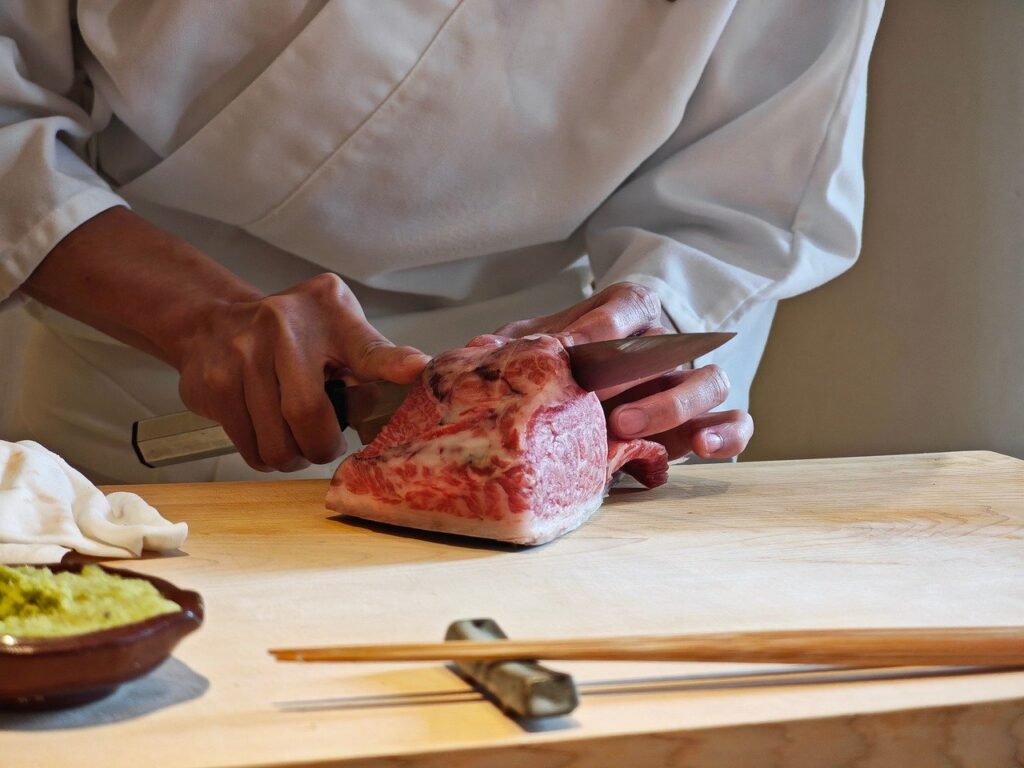
Uniform cutting isn’t just about looks. When ingredients are similar in size, they cook at the same rate and deliver consistent texture in every bite. A stew with evenly diced vegetables avoids mushy carrots and crunchy potatoes in the same spoonful. Salads feel more pleasant when greens, proteins, and toppings are distributed evenly instead of clumping. Hotels emphasize knife consistency because it improves efficiency and quality at scale. Even heat exposure preserves moisture, reduces bitterness from overcooking, and creates a smoother eating experience. Texture consistency directly influences how flavorful food feels because uneven doneness distracts the palate and interrupts balance.
7. Bright Acidity Used to Wake Up Rich or Heavy Dishes
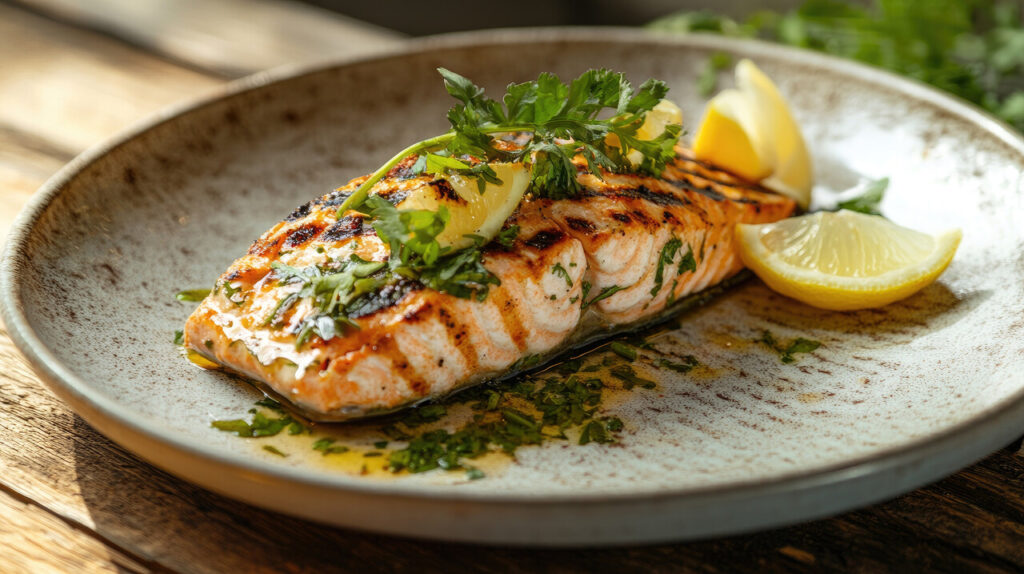
Acid is the invisible flavor booster in many restaurant-style dishes. Lemon juice, vinegar, wine reductions, yogurt, pickles, and fermented ingredients lift richness and prevent food from tasting flat or greasy. Hotels use acid strategically to cut through butter, cream, and protein density so dishes remain lively rather than heavy. A squeeze of citrus on fish sharpens flavor. A splash of vinegar in soup brings clarity. Even a small amount of acid at the end of cooking can make flavors pop dramatically without adding salt or fat. This balance keeps hotel food feeling vibrant rather than sluggish, especially in buffet or banquet settings where dishes must hold their appeal longer.
8. Texture Contrast That Keeps the Palate Engaged
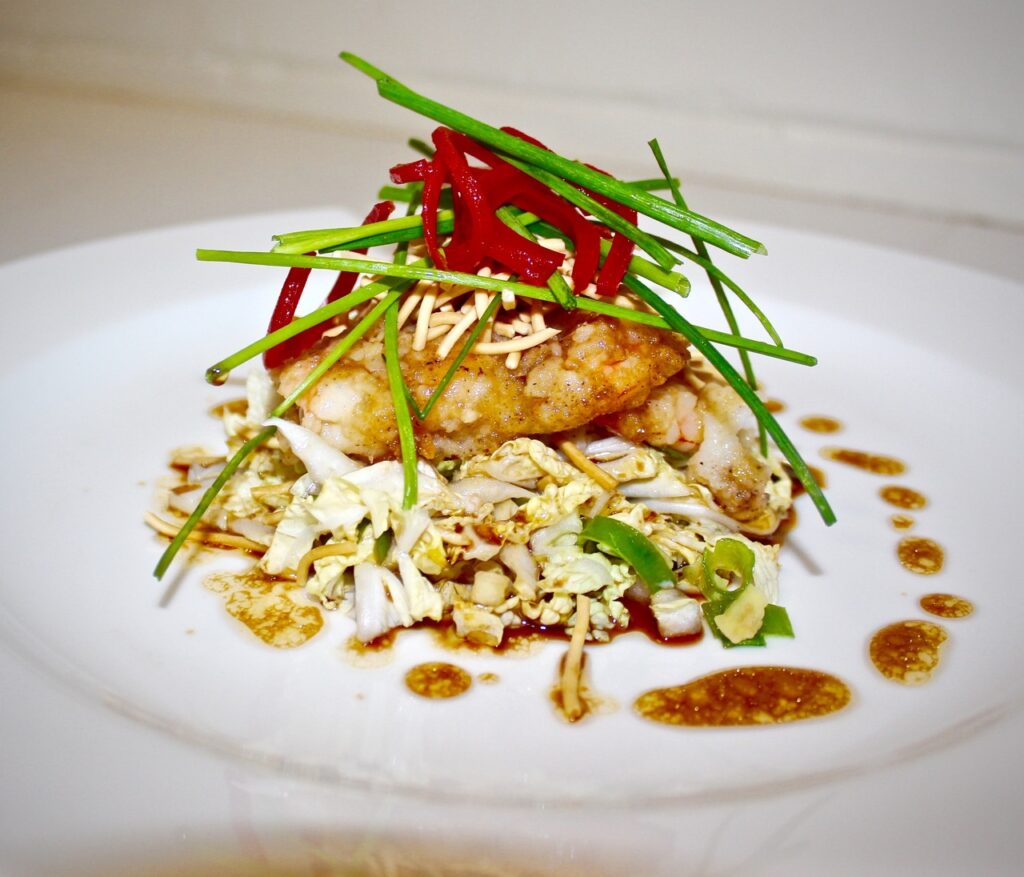
Restaurants think about texture as much as flavor, and hotels borrow this approach intentionally. Crunch balances softness, creaminess offsets chew, and crisp elements keep dishes from feeling monotonous. Toasted nuts on salads, crispy garnishes on soups, and crunchy vegetables alongside tender proteins all stimulate interest and satisfaction. Texture contrast makes each bite feel dynamic instead of flat. This matters especially for large batch cooking, where flavor repetition can fatigue the palate quickly. Even modest additions like croutons, fried herbs, or pickled vegetables create enough contrast to elevate perception of freshness and craftsmanship.
9. Aroma Management That Enhances Perceived Freshness
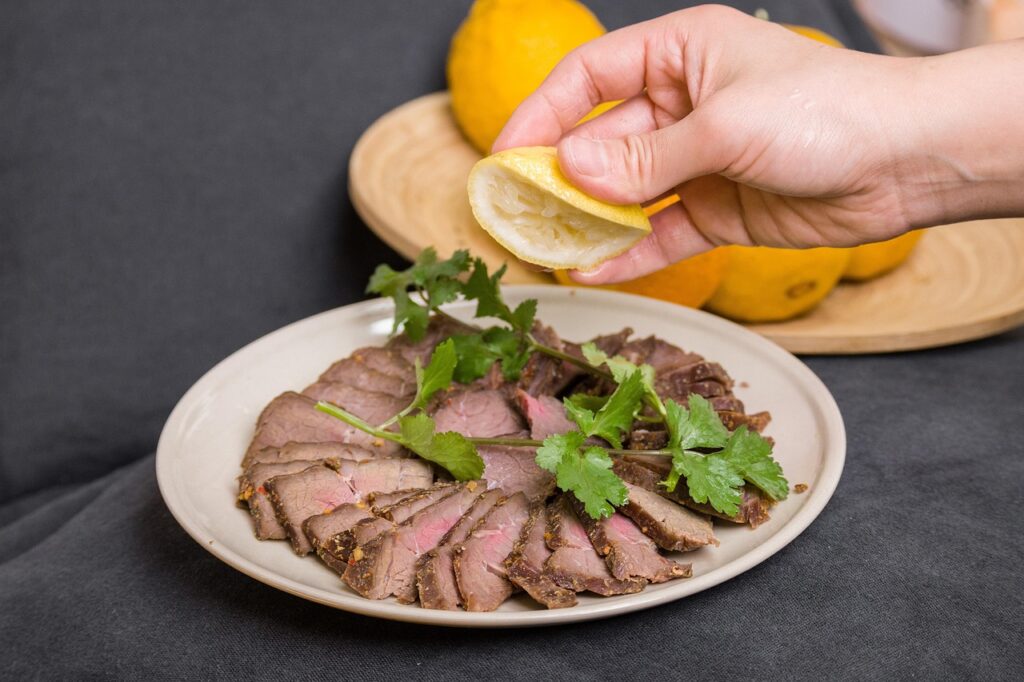
Smell drives much of what we interpret as taste. Hotels manage aroma by using fresh herbs, warm spices, citrus zest, and freshly heated fats that release volatile compounds quickly. Steam rising from hot plates carries scent directly to the diner, stimulating appetite before tasting. Even subtle aromatics like garlic-infused oil or toasted spices activate memory and expectation. When aroma feels lively and clean, the brain assumes freshness and quality. Stale or muted aromas do the opposite. Professional kitchens pay attention to this because aroma cues guide satisfaction almost subconsciously.
10. Portion Framing and Plate Balance That Prevents Flavor Fatigue

Restaurants understand that how much food appears on the plate affects enjoyment. Overcrowded plates overwhelm the senses and dull flavor perception. Balanced spacing allows each component to stand out and gives the diner visual breathing room. Hotels apply this by portioning thoughtfully so plates look generous without feeling chaotic. Smaller, well-balanced portions also prevent palate fatigue, allowing flavors to remain sharp through the entire meal rather than blending into heaviness. This framing keeps meals feeling polished and intentional instead of mass-produced, even when feeding large numbers of guests.