11 Fast Food Recipe Changes That Sparked Major Fan Backlash

Fast food loyalty runs deeper than most brands realize. People don’t just order a burger or fries; they return for the exact flavor, texture, portion, and ritual they’ve built into their routines for years. When a chain tweaks a recipe, swaps an ingredient, or quietly removes a favorite item, customers notice immediately. Even small changes can feel like a broken promise when the taste no longer matches memory. Sometimes the shift comes from health goals, supply issues, or cost savings, but the emotional response often outweighs the logic behind it. What this really means is that consistency matters more than novelty in fast food. These recipe changes show how quickly fans speak up when something familiar no longer tastes the way it used to.
1. McDonald’s Fries Tasting Different After Cooking Oil Changed
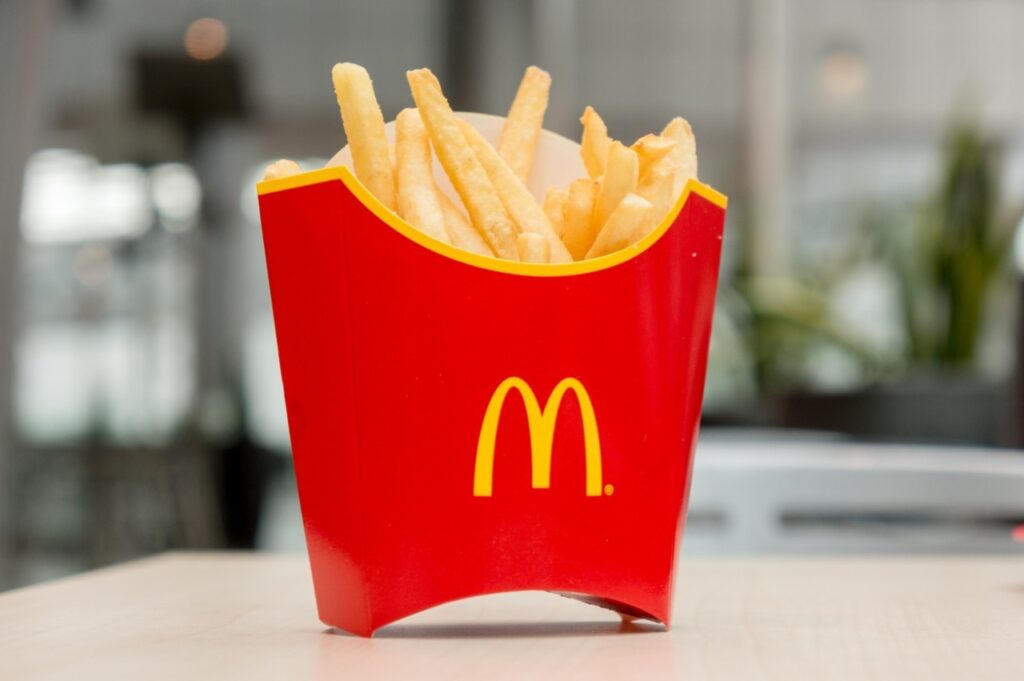
One of the earliest and most enduring fast food controversies revolves around McDonald’s French Fries. For decades, McDonald’s cooked its fries in beef tallow, which gave them a rich, savory depth and that signature golden crispiness. In the early 1990s, the chain switched to vegetable oil for health reasons, and while the fries remained popular, many fans felt the flavor and texture suffered. The original savory taste simply couldn’t be replicated with the cleaner, lighter vegetable oils, and customers expressed their disappointment loudly online and in person. For many, the change was about more than taste; those fries were tied to memories and habit, and altering that core recipe was seen as disrupting something truly iconic.
2. McDonald’s Baked Apple Pies Replacing the Fried Originals
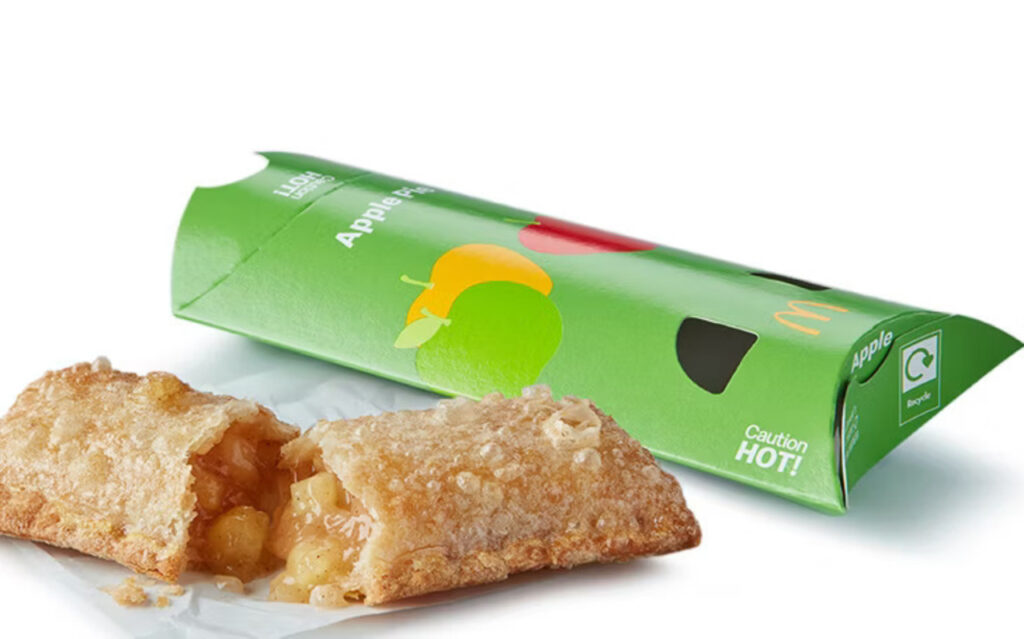
Another recipe change that sparked widespread debate was McDonald’s decision to switch its classic apple pies from deep-fried to baked versions. The fried pies had a crispy, warm shell and piping hot filling that fans associated with nostalgic visits and comfort food. When the chain baked them instead, partially to align with healthier positioning, the texture and flavor changed enough that many longtime customers lamented the loss. Even years later, the baked pies are frequently compared unfavorably to the originals in online forums and fast food retrospectives.
3. McDonald’s Discontinuing All-Day Breakfast
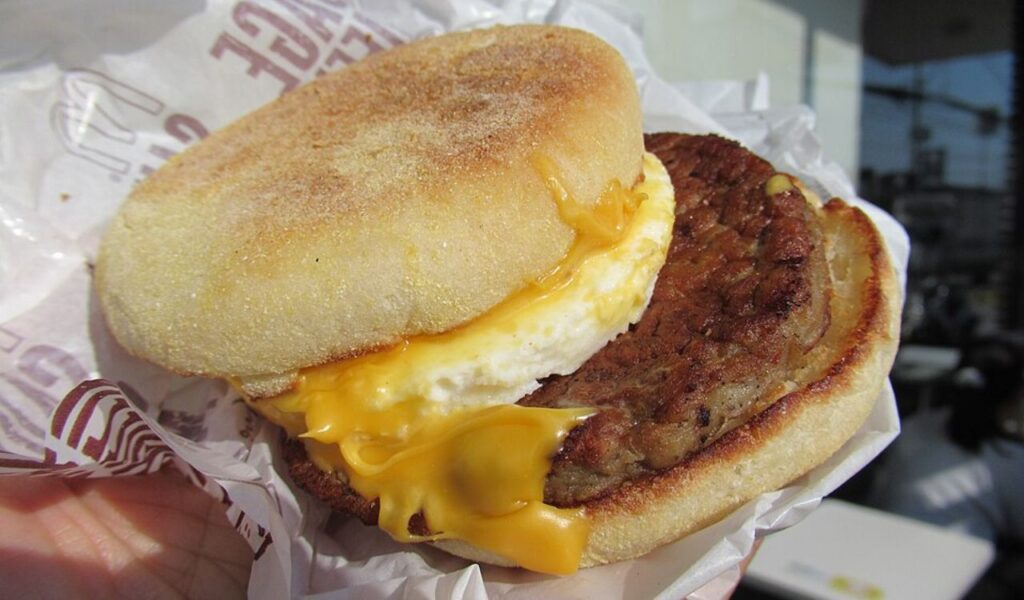
When McDonald’s first introduced all-day breakfast, it felt like a gift to fans who wanted Egg McMuffins and hash browns at any hour. Breakfast items had a surge in popularity, and customers embraced the flexibility. But during the COVID-19 pandemic, the chain suspended all-day breakfast to simplify operations, and that change stuck in many markets. Loyal customers who had come to rely on late breakfast grabs reacted strongly, calling out the decision to eliminate a beloved convenience and recurring favorite from the menu.
4. Pulling Popular Nuggets and Sandwich Items Off the Menu
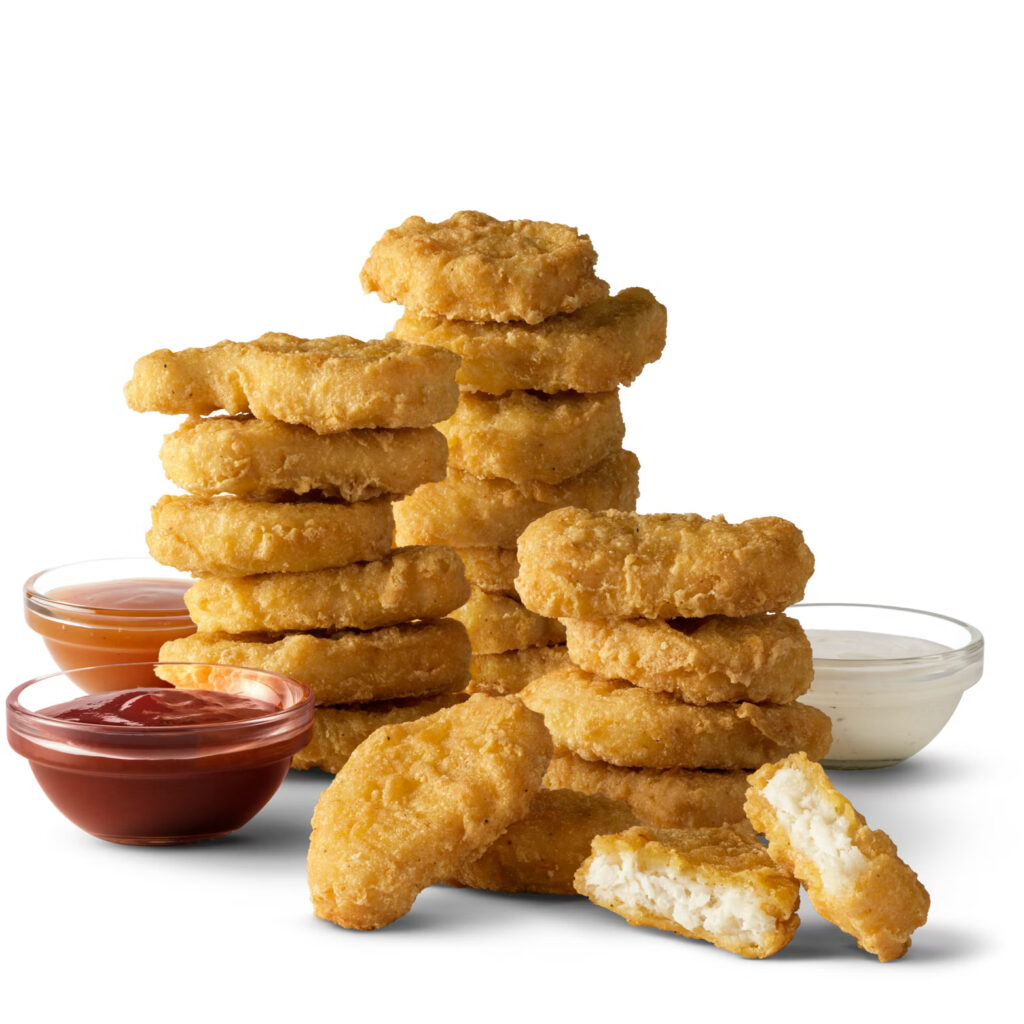
McDonald’s has a history of testing new chicken items, only to remove them later, which doesn’t always go over well. One example is the removal of chicken tenders from the menu, which outraged fans when they disappeared because they were a simple, reliable choice many customers loved. Efforts to streamline menus during times like the pandemic meant these products were cut, but fan reaction showed just how much these seemingly small choices matter. Even when items like Fish McBites were only seasonal, their quick disappearance prompted calls for their return from diners who genuinely liked them.
5. Wendy’s Lettuce Swap That “Ruined” Sandwich Texture
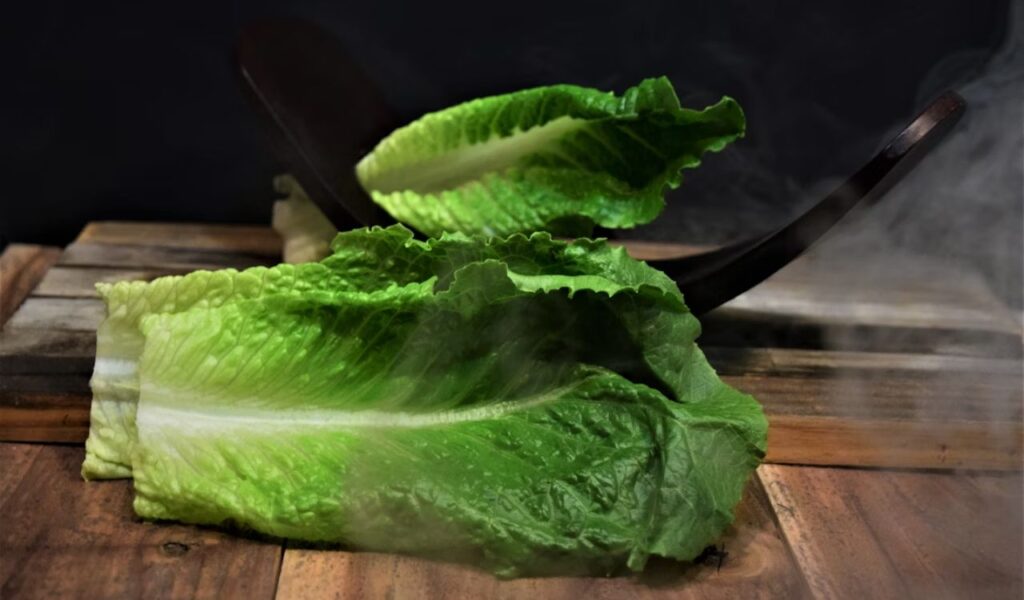
Wendy’s quietly switched from whole leaf romaine lettuce to shredded iceberg lettuce on its sandwiches and burgers, and fans weren’t shy about their displeasure. Rather than crisp, broad leaves, shredded lettuce tends to turn soggy quickly and lacks the satisfying crunch many associate with fresh burgers. Online discussions on Reddit and social media platforms highlighted customers calling the sandwiches bland or cafeteria-style compared to the previous texture, and some food lovers speculated the change was cost-driven. The emotional response shows how even minor tweaks to familiar items can provoke strong backlash when they alter the eating experience.
6. Chick-fil-A’s Waffle Fries Recipe Adjustment Feeling Bland

Chick-fil-A updated its iconic waffle fries with a new coating that included pea starch, aimed at keeping them crispier longer. However, the change drew criticism because fans felt the new version lacked the distinctive taste of the originals and became mealy more quickly once cooled. Loyal customers expressed disappointment that the fries’ familiar texture and flavor profile had shifted, with some saying they preferred the old version even if the new fries tasted better. This reaction highlights how fans notice subtle sensory differences and care deeply about consistency.
7. Chick-fil-A Switching Drink Cups and Impacting Flavor Perception
Another controversial change at Chick-fil-A wasn’t strictly food, but it altered how fans experienced their meals. The chain replaced its iconic Styrofoam cups with paper and plastic alternatives to meet environmental standards, but some customers objected, saying the new cups changed how drinks tasted and how long they stayed cold. While the intent was to reduce non-biodegradable waste, the backlash showed that even packaging changes can feel personal when they disrupt longstanding sensory expectations tied to a brand.
8. KFC Replacing Potato Wedges With Seasoned Fries
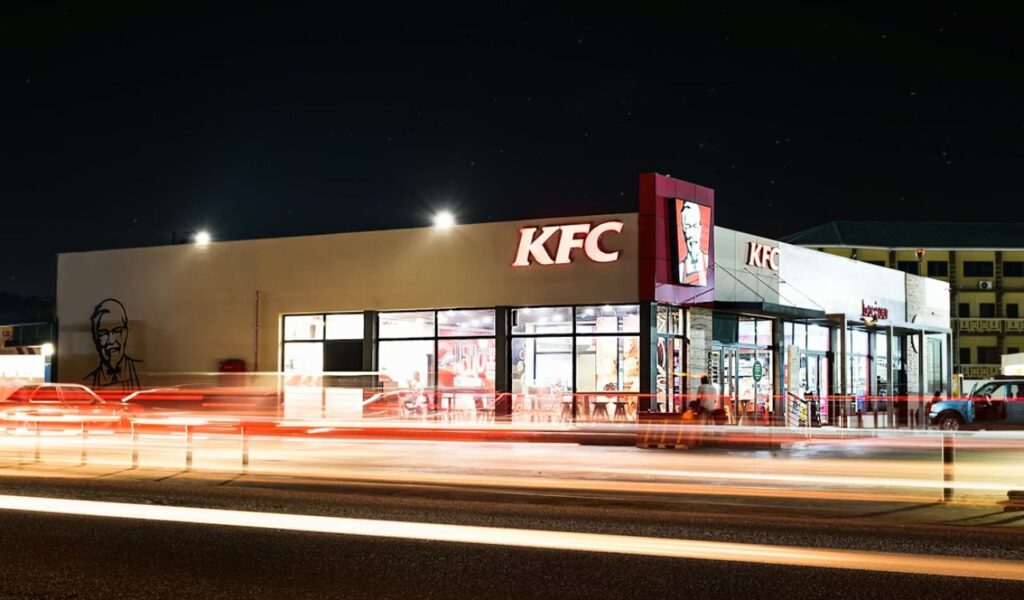
KFC stirred debate when it replaced its classic potato wedges with seasoned fries, a shift that divided customers who felt the wedges offered a more satisfying texture and flavor. Wedges had a loyal following because of their thicker cut and creamier interior, and swapping them for thinner fries felt like giving up a defining element of KFC’s sides lineup for a more generic option. Fans took to social media to express their preference for the wedges, and the reaction highlighted how side items, not just main dishes, influence overall satisfaction.
9. Wendy’s Fry Recipe Tweaks That Left Fans Divided
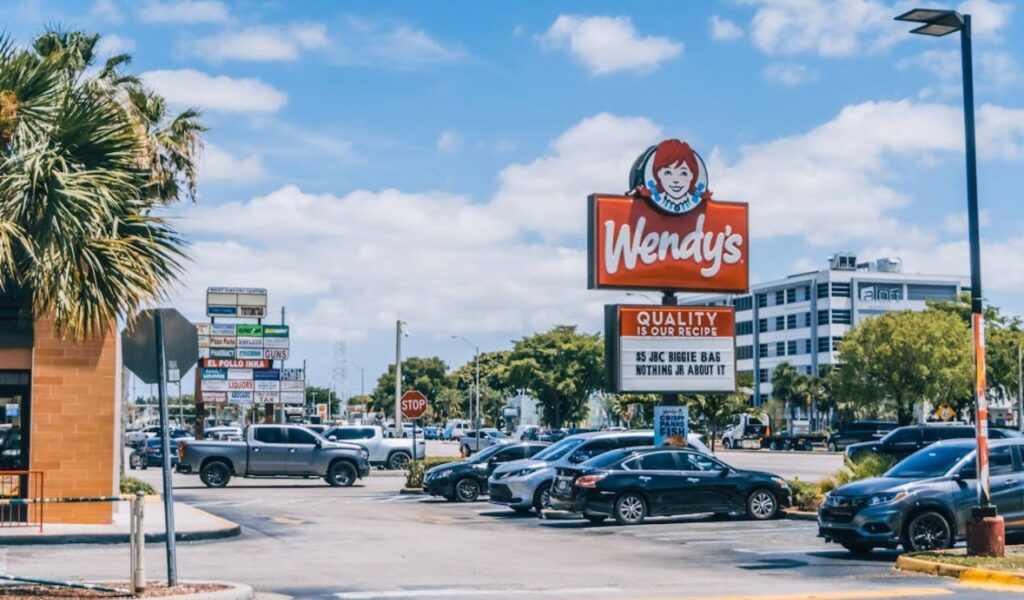
Wendy’s has changed its fry recipe more than once, and each time stirred discussion online. The switch to hand-cut, sea-salt seasoned fries was divisive because it eliminated the original crisp style some customers cherished. Later tweaks to batter and crispiness triggered further debate because fans felt the changes, while aiming to improve texture, sometimes resulted in inconsistency. These reactions illustrate how even a staple side like fries can trigger nostalgia and strong opinions when recipes evolve.
10. Subway’s Price and Portion Changes Impacting Perception of Value
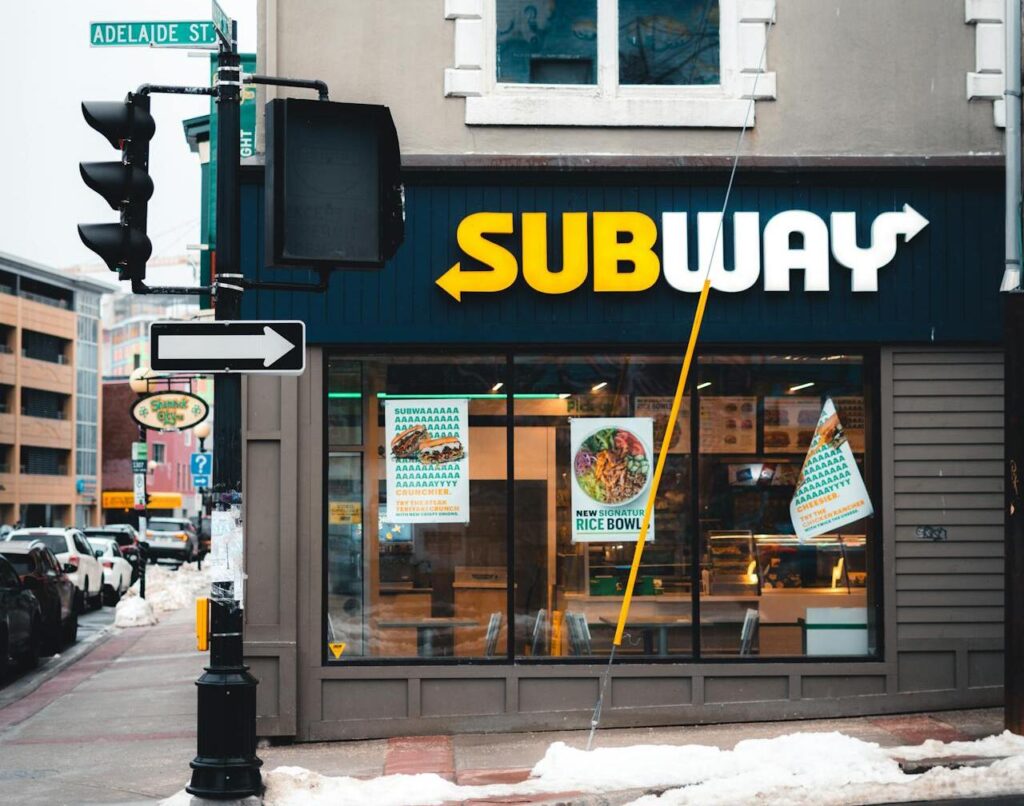
While not a direct recipe change, Subway’s adjustment of its iconic $5 Footlong and shifts in deal sizes stirred similar backlash because customers tied the original value and portion expectations to how they perceived the brand’s food. Removing or altering familiar price points and offerings can feel like altering the food itself because it changes how fans experience consistent portioning and value they remember from years of ads and meals.
11. McDonald’s Limited-Time Items That Disappeared Too Soon
Some items ignite enthusiasm only to frustrate fans when they’re removed. McDonald’s Snack Wraps, for example, developed a dedicated following before they were discontinued. Public petitions and online campaigns eventually brought them back, showing how deeply customers can react when a favored item is changed or shelved. Fans equate these loyal-favorite removals with recipe betrayal, and the long fight to restore them underscores that reaction.