8 Insect-Based Dishes From Around the World That Push Every Comfort Zone

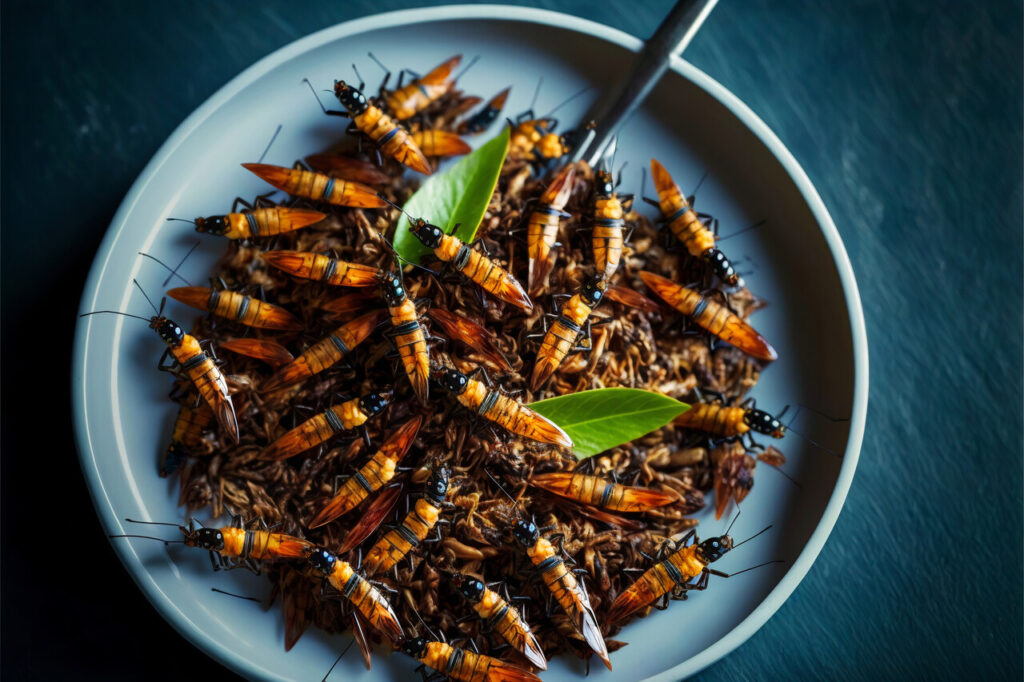
Some foods challenge the senses before they ever touch the plate. Insect-based dishes sit right at that edge, where curiosity battles instinct and culture reshapes what we consider normal. Across the world, entire cuisines have embraced insects not as dare foods, but as everyday sources of protein, texture, and deep regional identity. It only cares how it’s treated, seasoned, and respected. These eight insect-based specialties push comfort zones for many diners, yet continue to thrive because they simply taste good and tell powerful stories about the people who cook and cherish them.
1. Escamoles Mexican Ant Larvae
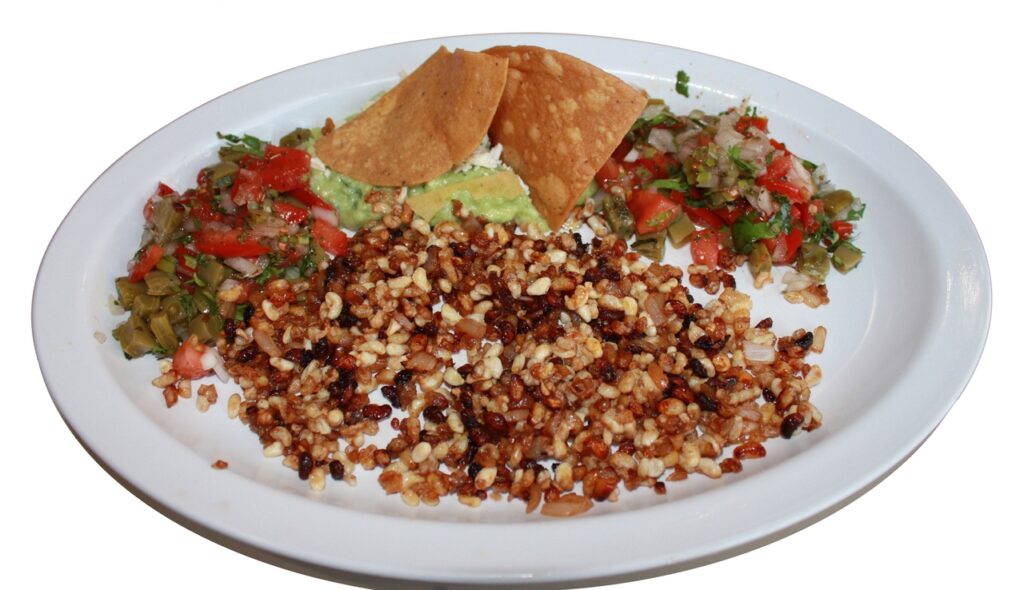
Calling escamoles unusual barely scratches the surface. These pale, rice-sized ant larvae come from the roots of agave plants in central Mexico and have been harvested for centuries, long before modern farming existed. What surprises most first-timers is how delicate the flavor actually is. When gently sautéed in butter with garlic, onion, and herbs, escamoles develop a creamy texture that feels closer to soft scrambled eggs or cottage cheese than anything insect-related. The taste is mildly nutty and slightly sweet, which is why chefs often keep seasoning simple to let the natural flavor come through.
2. Beondegi Korean Silkworm Pupae
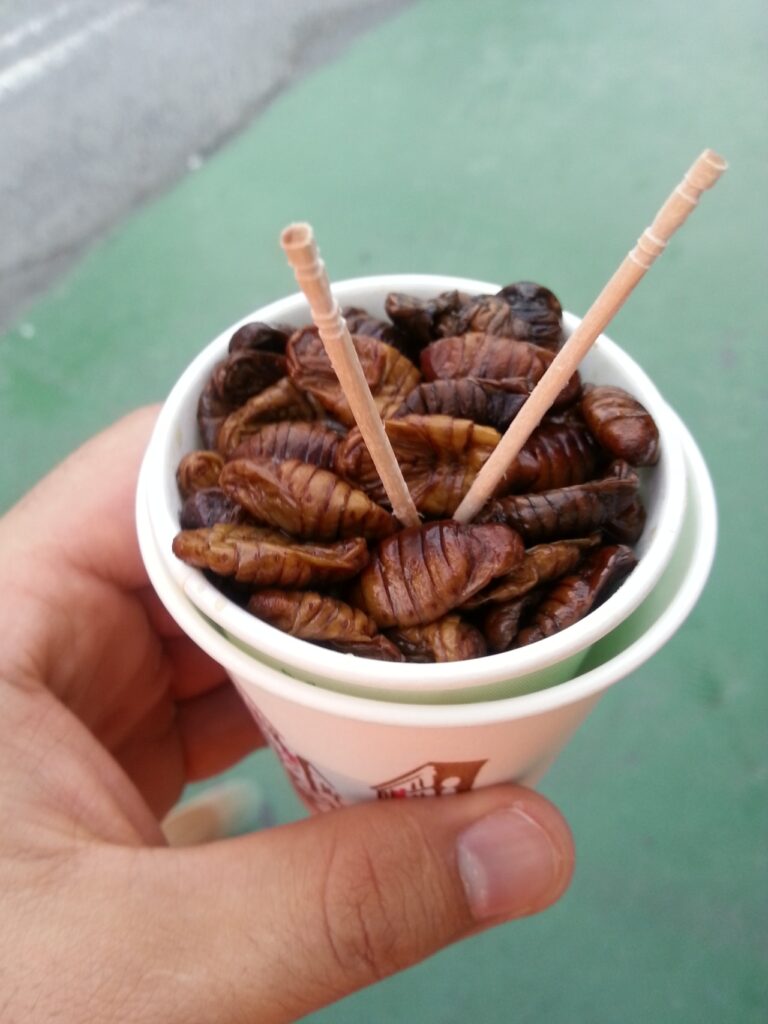
Beondegi has one of the most recognizable aromas in Korean street food culture. Vendors sell cups of steamed or boiled silkworm pupae near markets, subway exits, and festivals, and the scent alone announces their presence from a distance. Texture is what catches most newcomers off guard. The outer skin is slightly firm, but the inside is soft and creamy, releasing a savory broth-like flavor when bitten. Some people describe hints of mushrooms, roasted nuts, or soy. Beondegi became widely consumed during times when protein was scarce, making silkworm farming a practical food source.
3. Red Ant Chutney From Eastern India
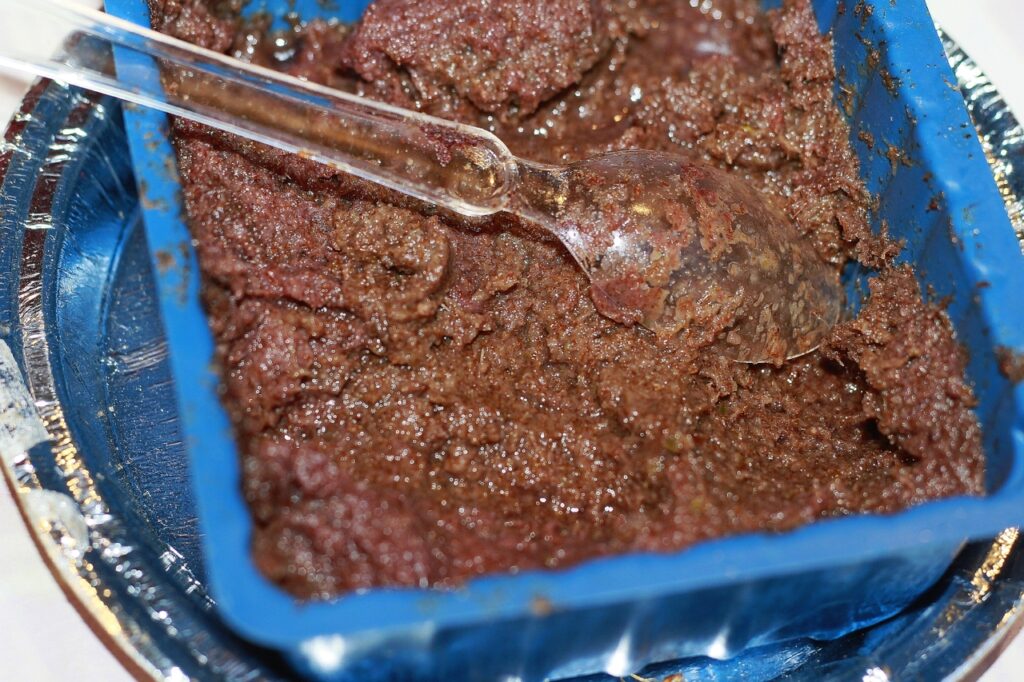
Red ant chutney doesn’t ease anyone into insect eating. It delivers sharp acidity, heat, and a buzzing citrus bite that immediately wakes up the palate. Made from red weaver ants and their eggs, the mixture is traditionally ground with chilies, garlic, salt, and sometimes herbs using stone tools. Tribal communities in parts of Odisha and Chhattisgarh value this chutney not only for flavor but also for its perceived medicinal benefits, including digestive support and immune-boosting properties. The ants naturally contain formic acid, which creates a tangy, almost lemon-like brightness that no citrus fruit can truly mimic.
4. Inago No Tsukudani Japanese Grasshoppers
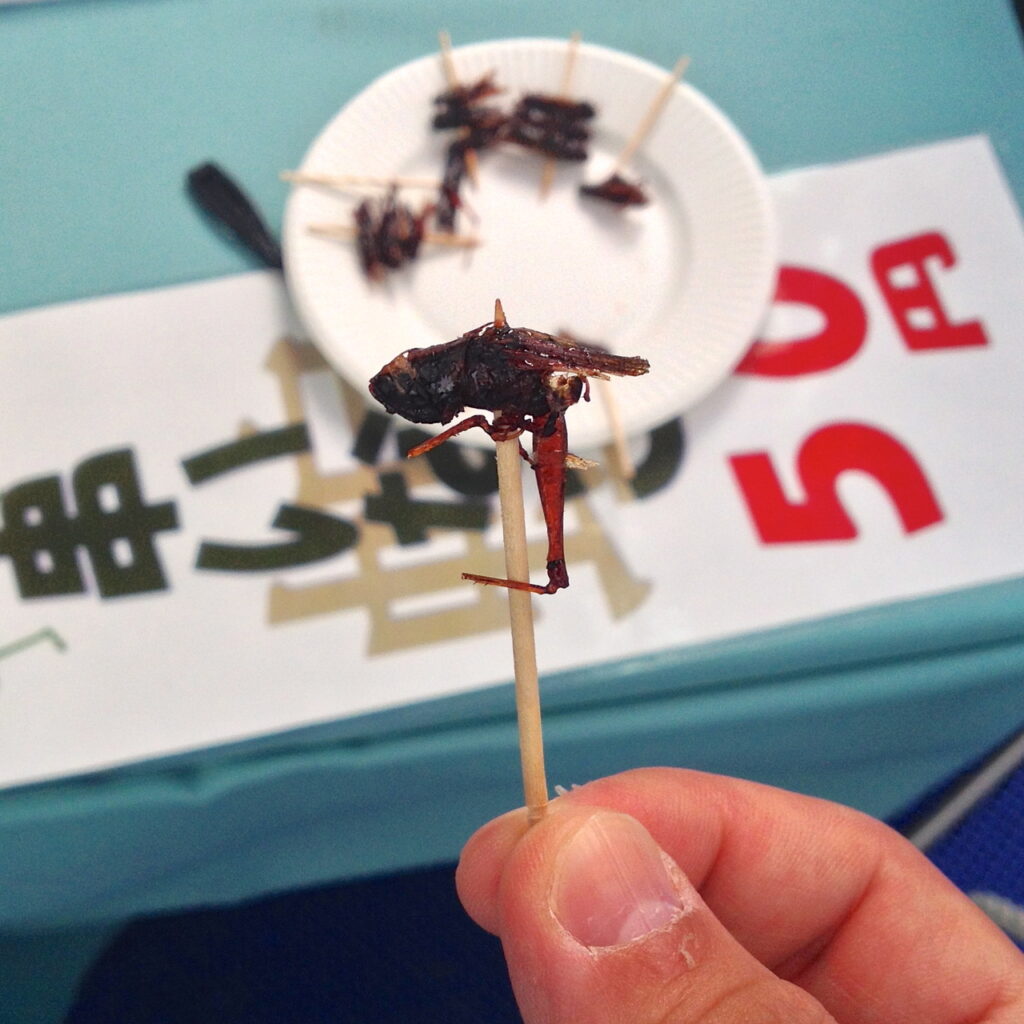
In mountainous regions of Japan where fishing was historically limited, people turned to insects for protein, and grasshoppers became an important seasonal ingredient. Inago no tsukudani involves simmering cleaned grasshoppers in soy sauce, sugar, and mirin until the liquid reduces into a glossy glaze. The result is surprisingly snackable, with a sweet-salty balance similar to teriyaki. The grasshoppers become slightly chewy with a light crunch, offering texture rather than overpowering flavor. Traditionally served with rice or as a side dish, inago reflects the Japanese philosophy of preserving seasonal foods and minimizing waste.
5. Malang Tod Thai Mixed Fried Insects
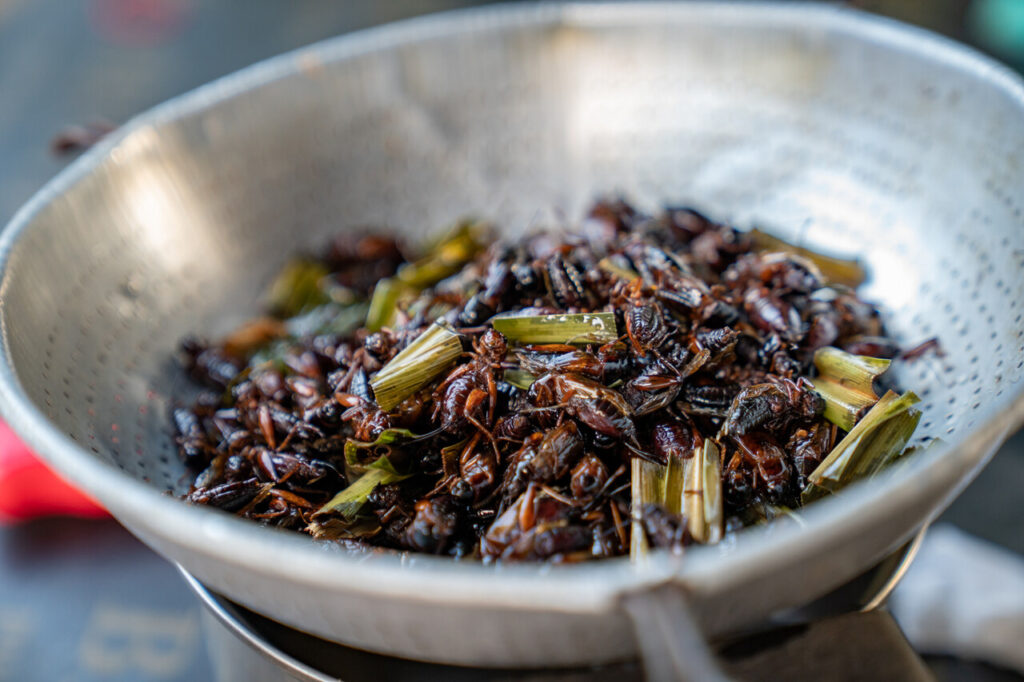
Thai street markets often blur the line between snack and spectacle, and mixed fried insect stalls are no exception. Malang tod typically includes crickets, beetles, mealworms, and grasshoppers tossed together and deep-fried until crisp. Vendors season them with salt, pepper, chili powder, and sometimes lime leaves, turning the mix into something closer to spiced popcorn than a protein source. Texture is the main appeal here. Everything crackles and crunches, with subtle differences between species. The flavor itself is mild, letting seasoning dominate. Insects are widely farmed in Thailand as a sustainable protein, making them affordable and environmentally efficient.
6. Rod Duan Thai Bamboo Caterpillars
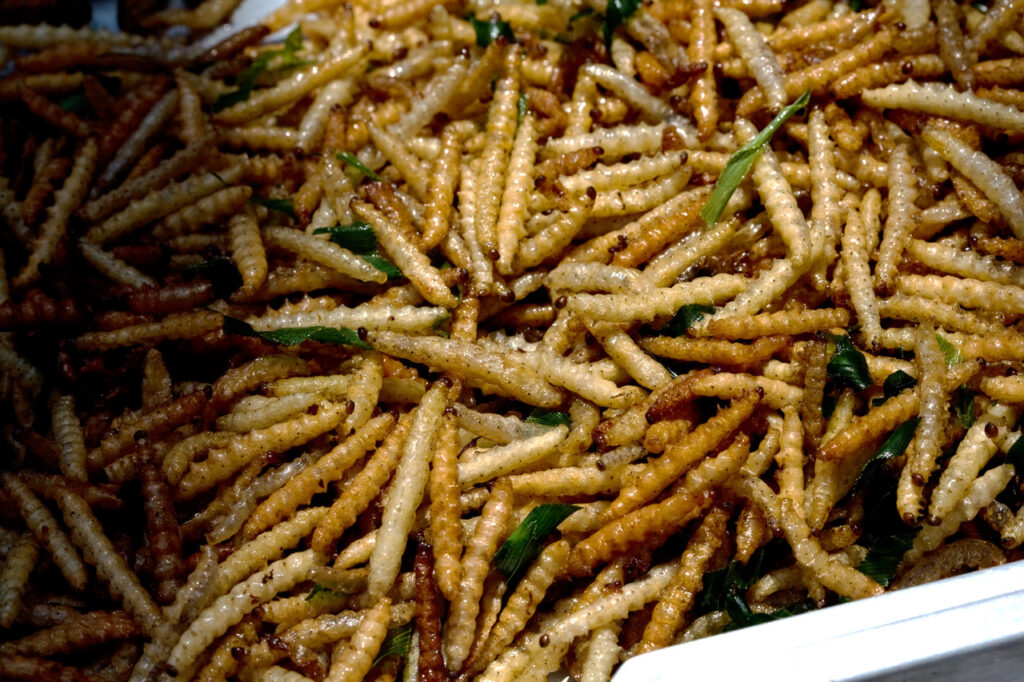
Rod duan, or bamboo caterpillars, look like small pale worms before cooking, which understandably tests comfort levels. Once fried, though, they puff slightly and develop a golden crunch similar to corn puffs or thick potato chips. Their flavor is clean and lightly sweet, often compared to popcorn without butter. Vendors usually fry them in batches and sprinkle them with seasoning right before serving to maintain crispness. Bamboo caterpillars naturally live inside bamboo stalks, feeding on the plant’s interior, which contributes to their mild taste. Nutritionally, they provide protein and fats, making them more than just a snack.
7. Queen Ant Egg Tostada Gourmet Mexico
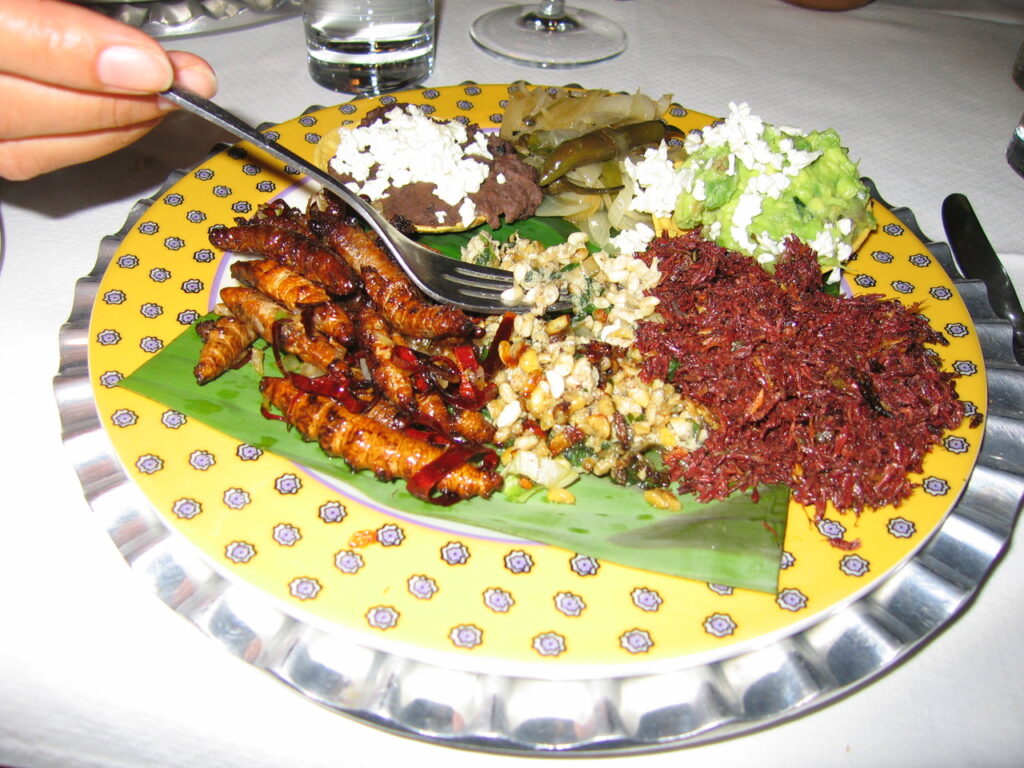
In modern Mexican fine dining, chefs have elevated ant eggs into a luxury ingredient that commands attention for craftsmanship rather than shock value. Served on crisp tostadas with beans, herbs, chilies, and sometimes fresh cheese, the eggs bring a delicate richness that balances well with acidic and spicy toppings. The eggs pop gently when bitten, releasing a creamy interior that adds depth rather than dominance. Sustainability also plays a role, as responsible harvesting supports local ecosystems and preserves traditional practices. These dishes often appear in seasonal tasting menus, allowing chefs to showcase regional biodiversity and ancestral knowledge.
8. Kunga Cake East African Fly Protein Cake

Kunga cake may be one of the most challenging insect foods conceptually because of how it’s made. In regions near Lake Malawi, dense swarms of tiny flies or midges are collected using nets or trays, then compressed into dark, dense cakes. These protein-rich blocks are sliced and added to stews or eaten directly. The flavor is strong and earthy, often compared to dried fish or fermented foods. Kunga developed as a survival food in areas where conventional livestock was limited, showcasing remarkable human adaptability. The cakes store well and provide concentrated nutrition, making them practical in difficult environments. While the idea of compressed insects can feel extreme to outsiders, the method reflects resourcefulness rather than shock value.