7 Raw Delicacies From Around the World Brave Food Lovers Still Swear By

Raw food has a way of testing curiosity and confidence at the same time. For many people, the idea of uncooked meat or seafood immediately raises questions about safety, texture, and flavor. Here’s the thing. Across cultures, raw delicacies didn’t emerge as shock foods or dares. They developed out of necessity, climate, preservation techniques, and deep respect for ingredient quality. It’s about trust, tradition, and restraint. These dishes continue to thrive because generations of diners genuinely love the clarity, freshness, and connection to heritage they deliver. For adventurous eaters willing to step outside familiar comfort zones, they offer some of the most memorable food experiences on the planet.
1. Kitfo Celebrates Purity and Precision Over Fire
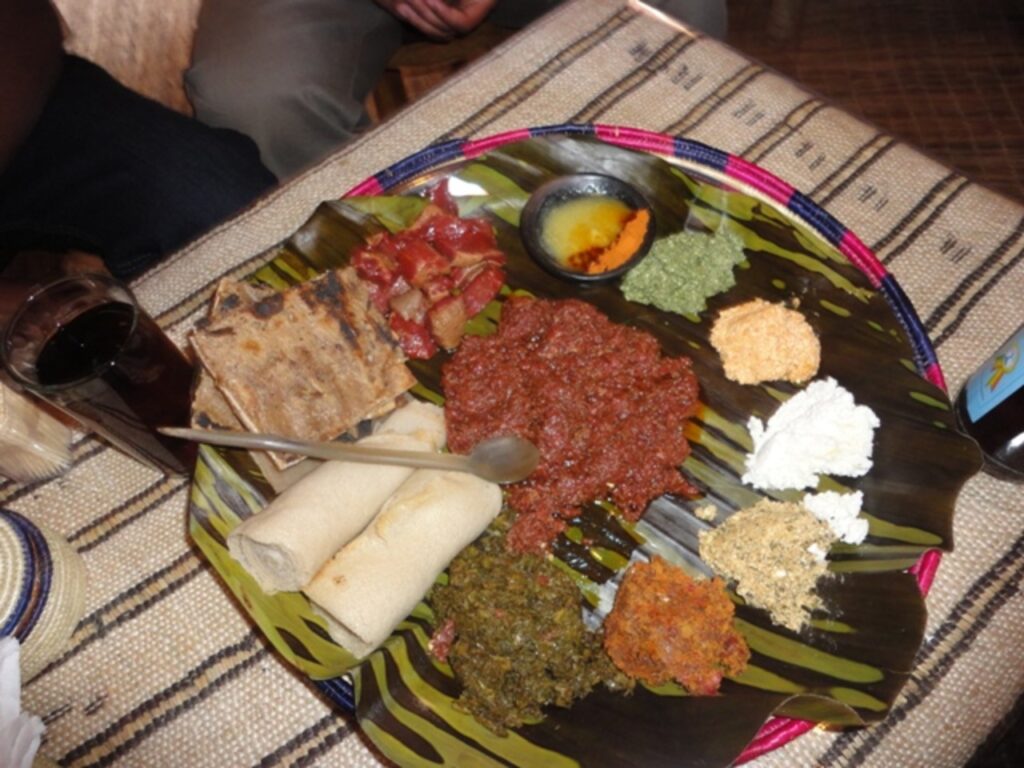
Kitfo is one of those dishes that immediately challenges modern assumptions about safety, flavor, and what “cooked” really means. Finely minced raw beef is seasoned with mitmita chili blend and clarified spiced butter, then gently warmed just enough to release aroma without actually cooking the meat. The result is silky, rich, and surprisingly clean-tasting, with heat and spice carrying the experience rather than heaviness. Traditionally served with injera and soft cheese, Kitfo reflects Ethiopia’s long history of spice preservation and careful meat sourcing.
2. Gored Gored Turns Raw Meat Into a Bold, Hands-On Experience
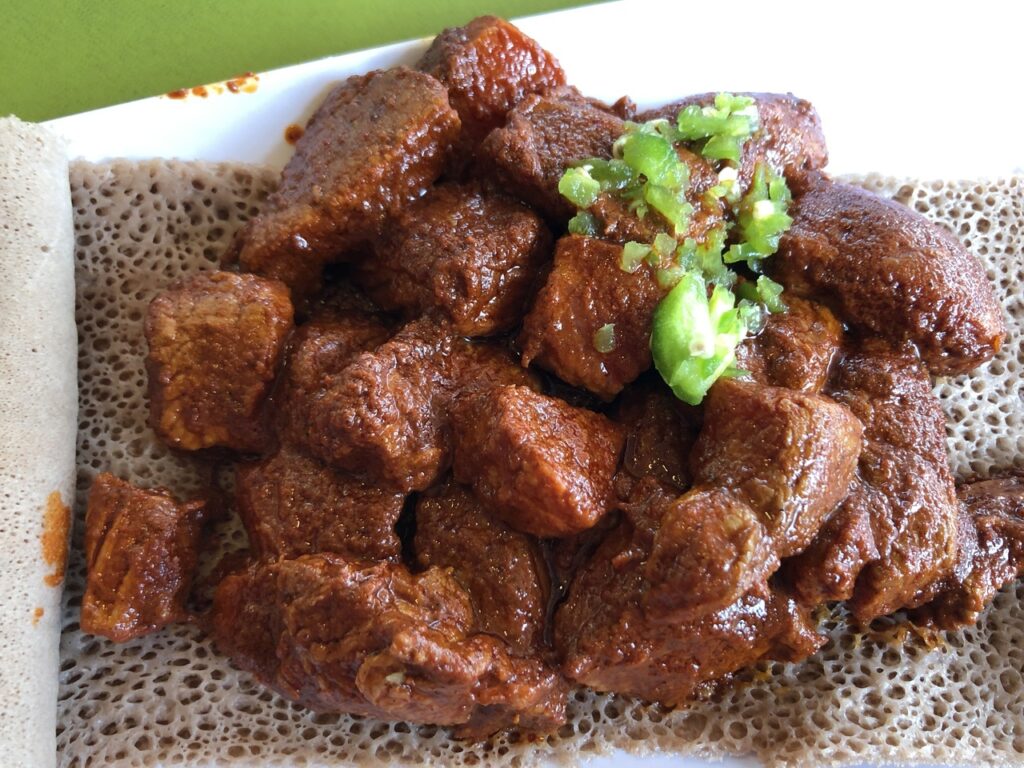
Gored gored takes the idea of raw beef even further by serving it in chunky cubes rather than finely minced. The meat is typically tossed with clarified butter, chili spices, and sometimes a squeeze of citrus, creating a powerful contrast between clean protein and aggressive seasoning. Traditionally eaten with the hands or a knife at the table, it becomes a communal and interactive dish rather than a plated delicacy. The texture is firm yet tender, giving each bite a satisfying chew that highlights the natural muscle structure of the beef. Because nothing softens the meat through grinding or cooking, sourcing and freshness become even more critical. This dish reflects pastoral food traditions where freshly butchered meat was prized and shared quickly.
3. Kibbeh Nayyeh Blends Grain, Spice, and Raw Meat Into Harmony
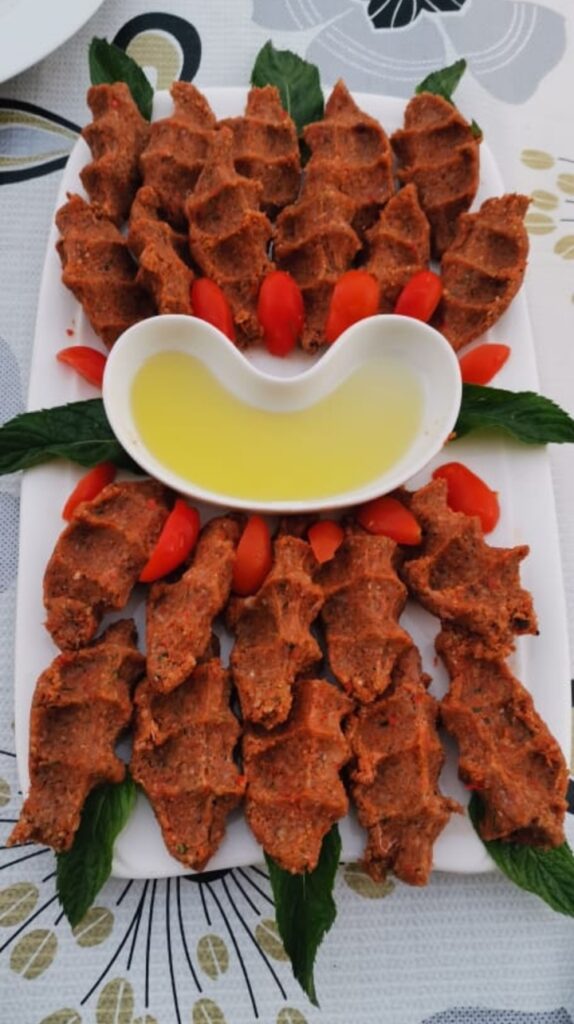
Kibbeh nayyeh offers a completely different approach to raw meat by blending it with finely ground bulgur wheat, onion, and aromatic spices. Instead of highlighting pure beef or lamb texture alone, this dish creates a cohesive paste that spreads easily on flatbread. Olive oil adds silkiness while allspice, cinnamon, and herbs provide warmth and complexity. The grain absorbs moisture and seasoning, creating balance rather than dilution. Traditionally served as part of mezze, kibbeh nayyeh invites slow sharing rather than bold individual bites.
4. Yukhoe Uses Balance and Brightness to Elevate Raw Beef
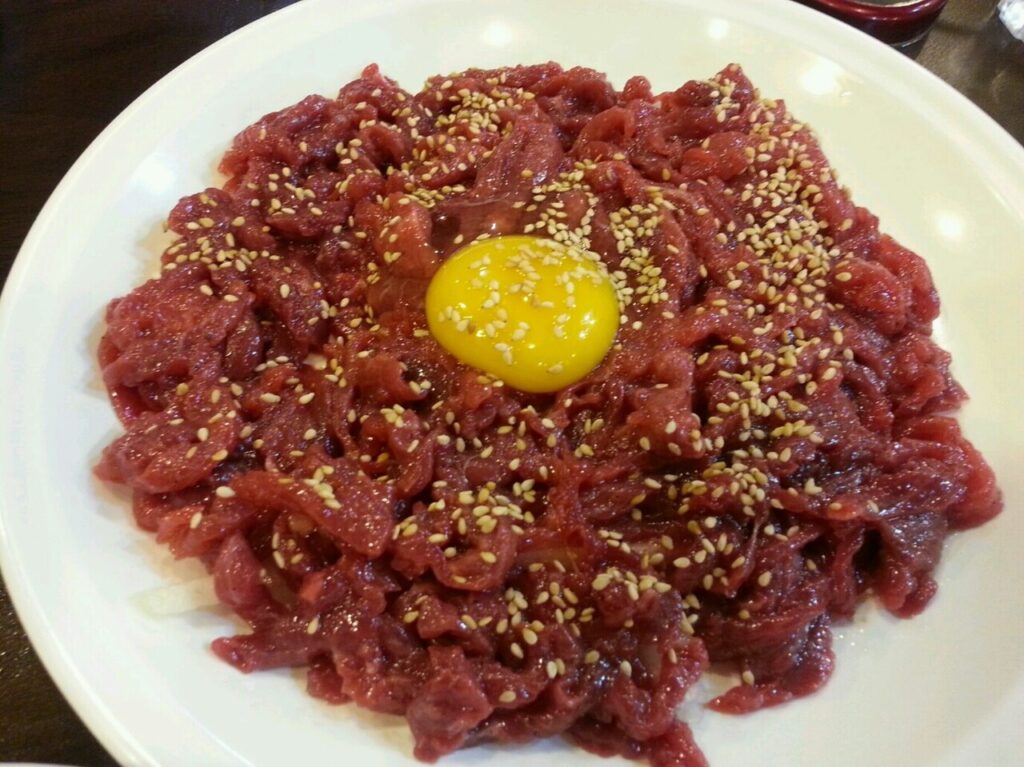
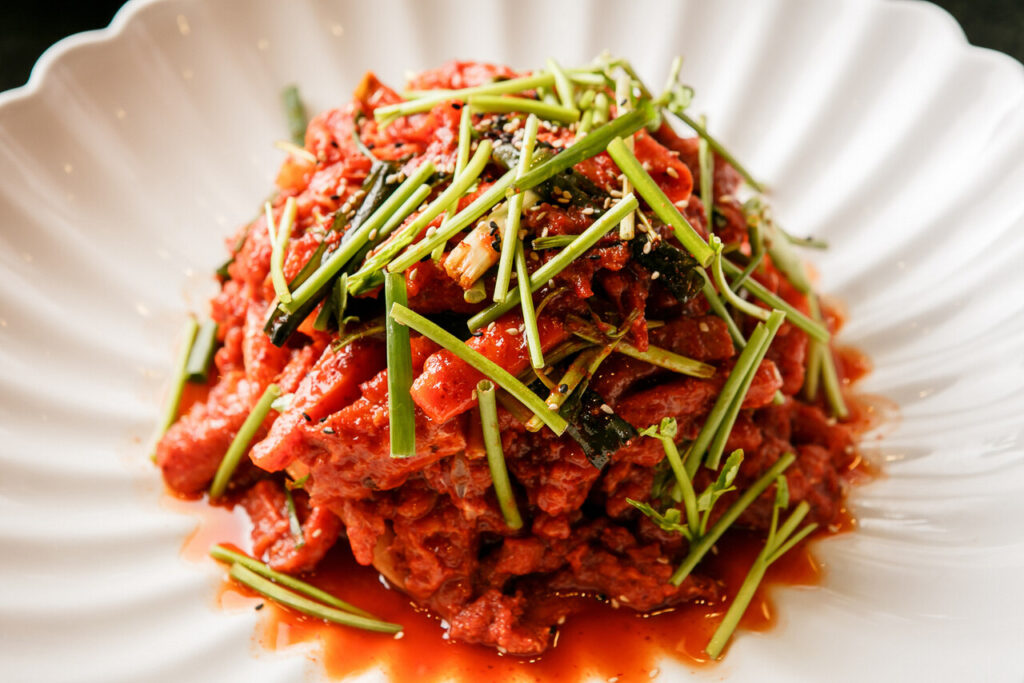
Yukhoe shows how raw meat can feel refreshing rather than heavy when paired thoughtfully. Thinly sliced beef is lightly seasoned with sesame oil, soy sauce, garlic, and sugar, then topped with crisp pear and often a raw egg yolk. The result is a layered bite that moves from savory to sweet to creamy in seconds. Texture plays a major role, with tender beef meeting juicy fruit and silky yolk. Korean culinary culture emphasizes balance, and Yukhoe reflects that beautifully. It is often served as a celebratory dish, highlighting freshness, knife skill, and ingredient harmony.
5. Tiradito Marries Raw Fish With Citrus Without Hiding Texture
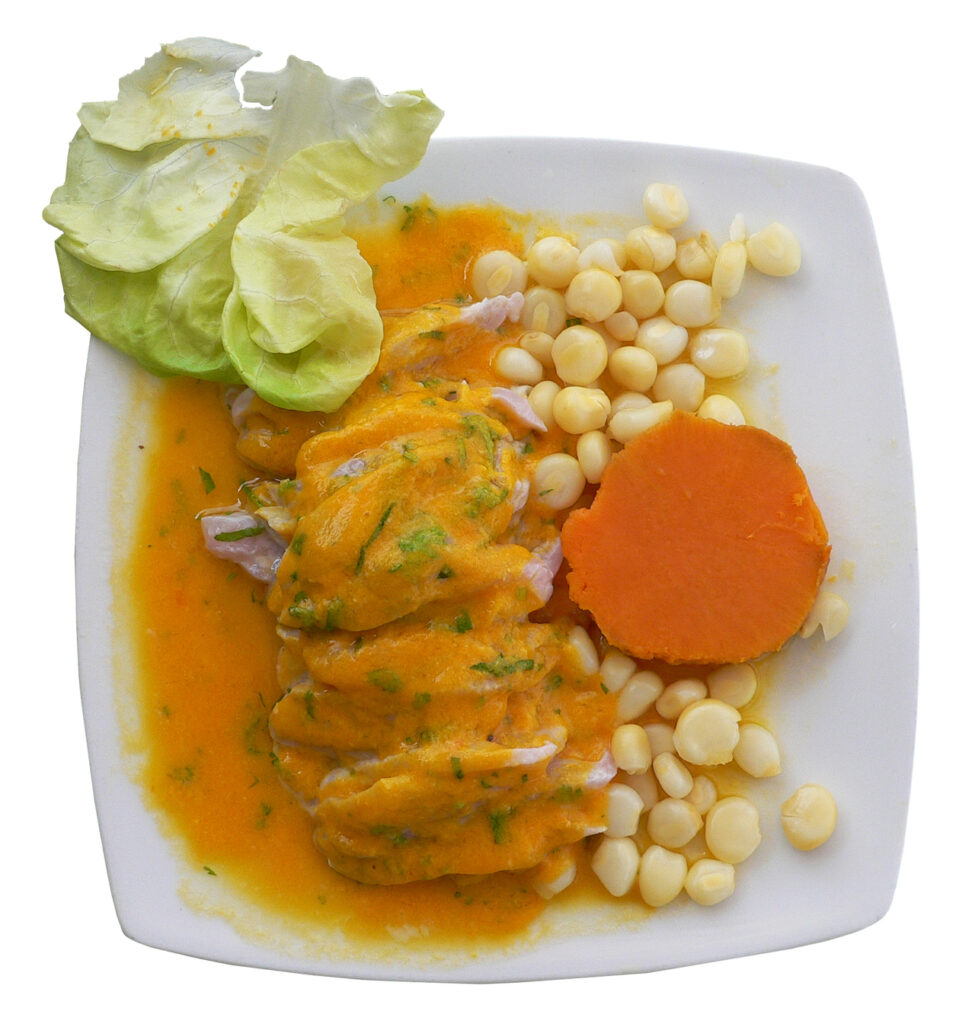
Tiradito sits between sashimi and ceviche, offering thinly sliced raw fish dressed with citrus and chili rather than fully cured. The fish remains translucent and tender, preserving its original texture while the sauce adds brightness and gentle heat. This dish reflects Peru’s blending of Japanese knife techniques with local flavors and peppers. Unlike ceviche, the fish is not marinated long enough to firm or whiten, keeping the experience closer to pure raw seafood. The sauces often include lime, ají peppers, and herbs, creating sharp contrast against mild fish. Tiradito rewards careful slicing and timing, as texture is central to enjoyment.
6. Kinilaw Uses Acid as a Flavor Builder, Not a Mask
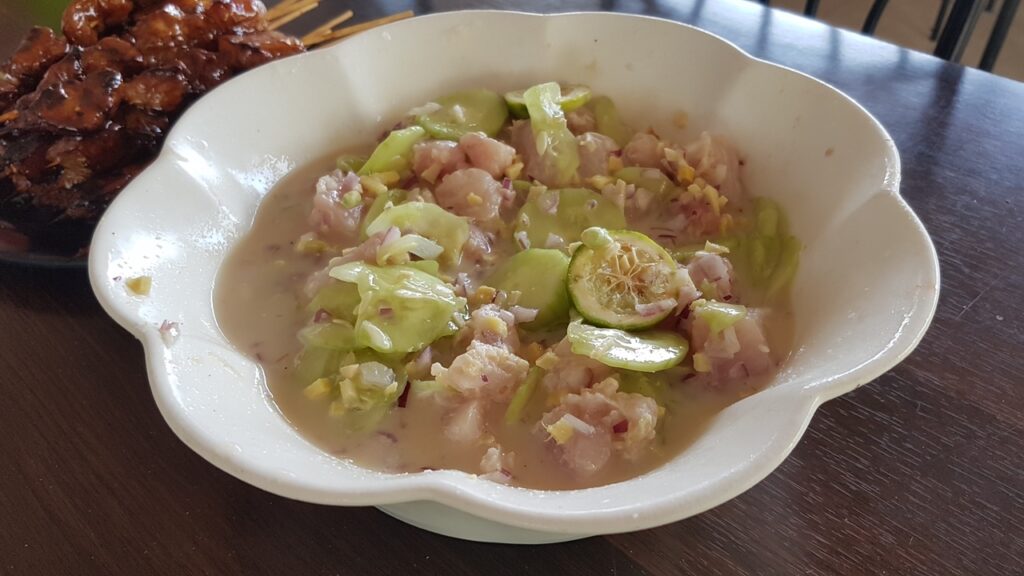
Kinilaw demonstrates how raw seafood can become vibrant and complex without heat. Fresh fish or shellfish is briefly soaked in vinegar or citrus, combined with ginger, onion, chili, and sometimes coconut milk. The acid firms the surface slightly but leaves the interior delicate and juicy. The flavor profile balances sharpness, sweetness, and aromatic spice rather than overpowering the seafood. In tropical climates, vinegar preservation became a practical technique long before refrigeration, shaping this dish’s development. Kinilaw feels lively and refreshing, often served as a starter or shared snack. The interplay of acid and fat creates depth without heaviness.
7. Beef Carpaccio Turns Minimalism Into Elegance
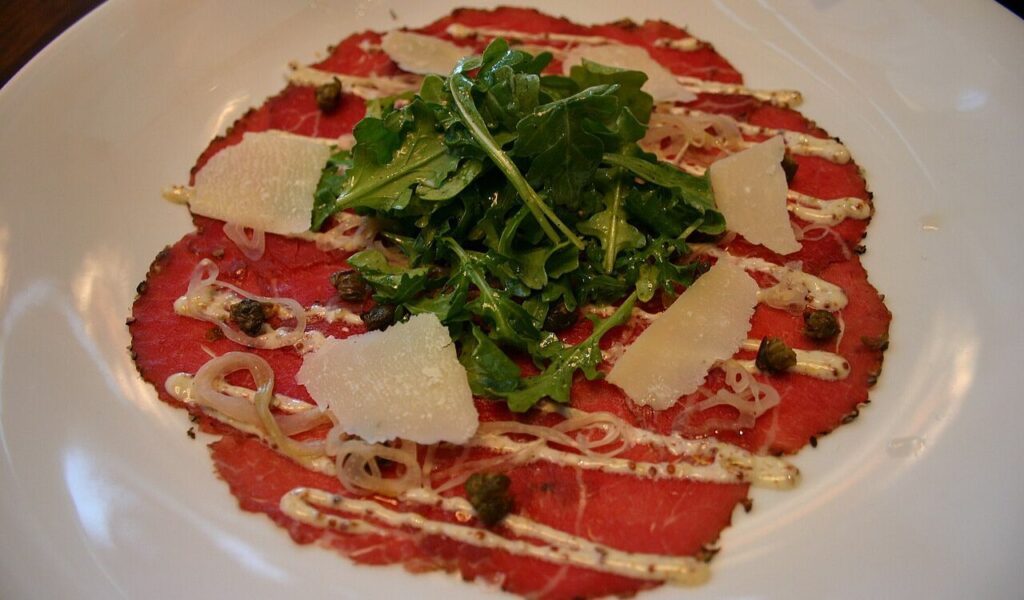
Beef carpaccio proves that raw meat can feel refined rather than daring when treated with restraint. Paper-thin slices of high-quality beef are arranged flat and dressed lightly with olive oil, lemon, salt, pepper, and sometimes shaved cheese or herbs. The thinness creates tenderness without mechanical processing, allowing the meat to melt almost instantly on the tongue. Acid brightens the flavor while fat adds silkiness. Created in Italy as a light, elegant dish, carpaccio emphasizes ingredient quality over technique complexity. Presentation matters as much as flavor, turning the plate into a visual experience. The simplicity invites diners to focus on texture, aroma, and freshness rather than seasoning intensity.