10 Reasons Texas Chili Without Beans Is Just Meat Sauce

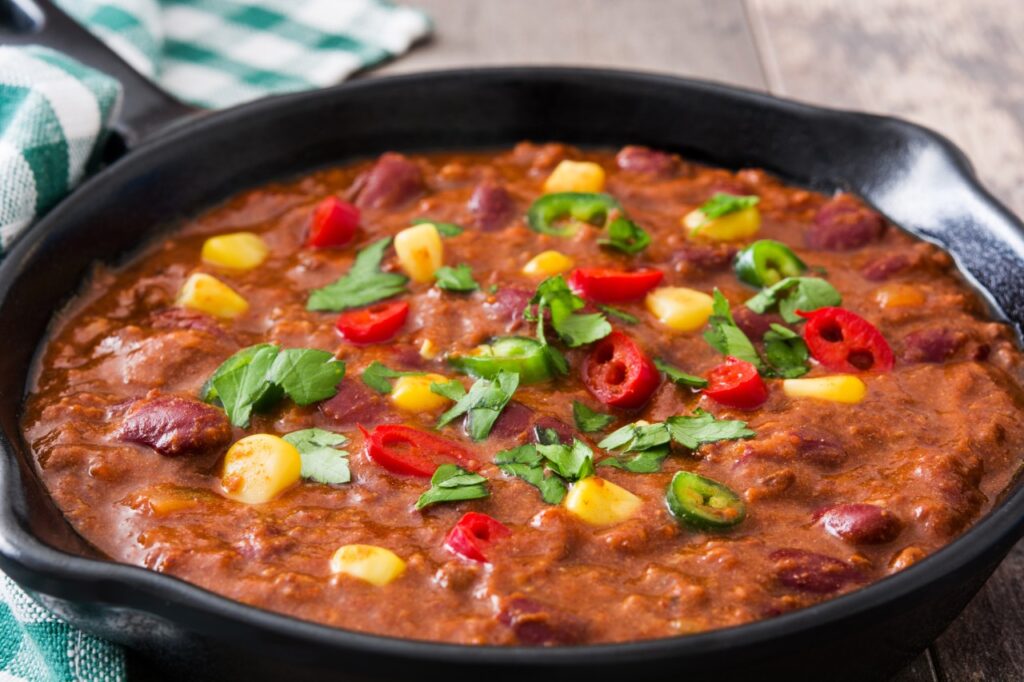
Few dishes spark debate quite like a bowl of Texas chili. It arrives deep red, thick, and unapologetically bold, carrying the aroma of dried chilies and slow cooked beef. No beans are floating quietly in the background, no extra fillers to soften its intensity.
To some, that purity is the whole point. Texas chili was built to celebrate beef and spice, shaped by cattle drives, chuck wagons, and generations of cooks who believed less was more. Its strength lies in focus.
But strip away the tradition and another question emerges. When a chili is nothing but meat suspended in rich red sauce, does it remain a stew, or does it edge closer to something that behaves like a classic meat sauce?
1. It’s Built Almost Entirely on Meat
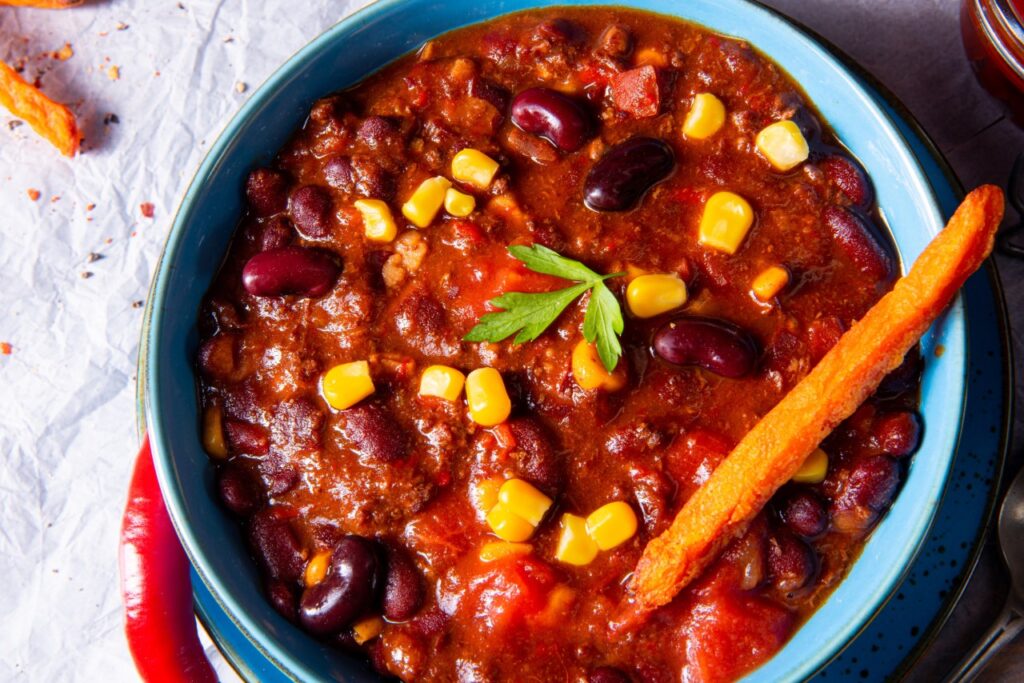
At its foundation, Texas chili without beans is unapologetically about beef. Large cubes or coarse ground chuck simmer slowly until tender, surrounded by a thick red gravy made from dried chilies. There is no secondary ingredient stepping in to share the spotlight.
In traditional Texas Red, the structure comes from meat and reduced liquid alone. As collagen breaks down during long cooking, it enriches the sauce naturally. Without beans to stretch the pot, the ratio of protein and fat remains high, creating a dense, hearty composition.
When nearly every spoonful delivers beef coated in concentrated sauce, the dish begins to resemble a deeply spiced meat topping. The identity shifts from mixed stew to something closer to a slow cooked meat sauce.
2. There’s No Starch to Create Contrast
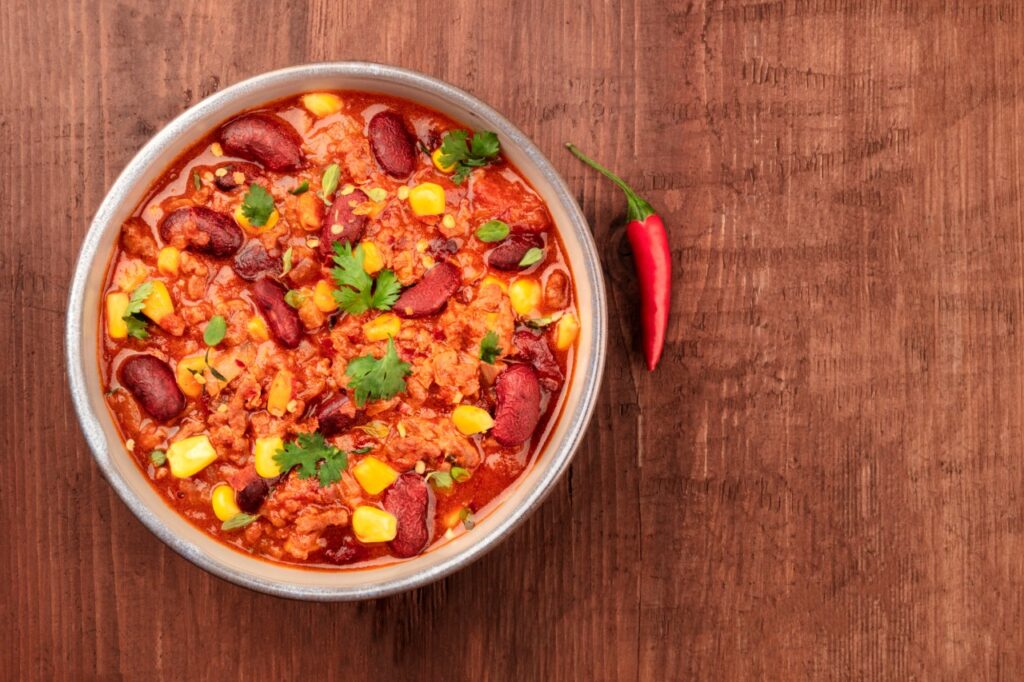
Beans do more than add bulk. They introduce creaminess, fiber, and mild earthiness that soften strong spice and create textural variation in each bite.
Remove them, and the chili becomes uniform. The beef and sauce dominate completely, producing a consistent density from start to finish. Without legumes to interrupt the texture, each spoonful feels similar in weight and structure.
Starch also absorbs seasoning and distributes it gently. In bean free chili, the spice clings directly to the meat. The absence of contrast makes the dish feel concentrated, reinforcing its similarity to a thick, reduced meat preparation.
3. It’s Thick Enough to Top Other Foods
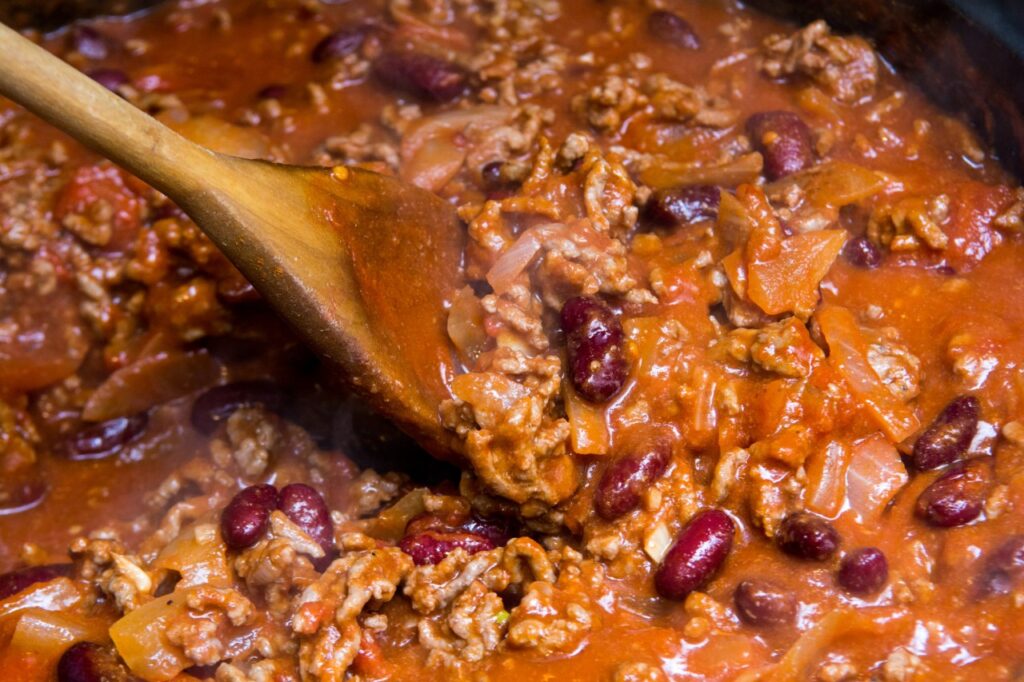
A properly made Texas chili does not flow across a plate. It settles into a dense, brick red gravy that holds its shape on a spoon. The texture comes from slow reduction rather than added thickeners, creating a compact mixture of beef and concentrated sauce.
That density makes it versatile. It is often ladled over hot dogs, burgers, fries, or baked potatoes because it spreads evenly and clings without turning watery. In these moments, it behaves less like a stew and more like a bold finishing layer.
When a dish works as both centerpiece and topping, comparisons follow. Its structure closely resembles classic meat sauces designed to coat and enrich other foods rather than stand alone as a mixed stew.
4. It Follows the “Bowl of Red” Tradition
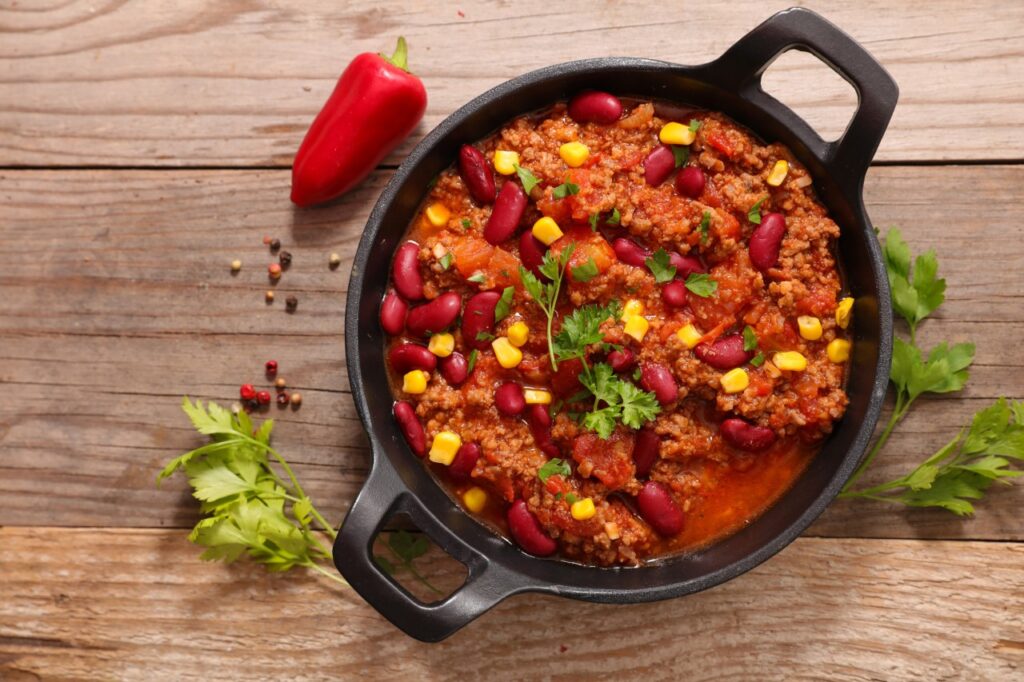
The phrase “bowl of red” captures the essence of traditional Texas chili. Historically, it was a straightforward blend of beef and dried red chilies simmered until thick and deeply colored. The simplicity was intentional.
Its origins trace back to cattle drives and frontier cooking, where ingredients needed to be practical and durable. Dried chilies stored well, and beef was abundant. Beans were not central to that early formula, keeping the focus on meat and spice.
Because of this lineage, the dish developed a focused identity. It was created to highlight beef in concentrated chili sauce. That heritage still shapes expectations, reinforcing a preparation that feels closer to meat in gravy than a vegetable rich stew.
5. It Resembles a Spiced Ragù
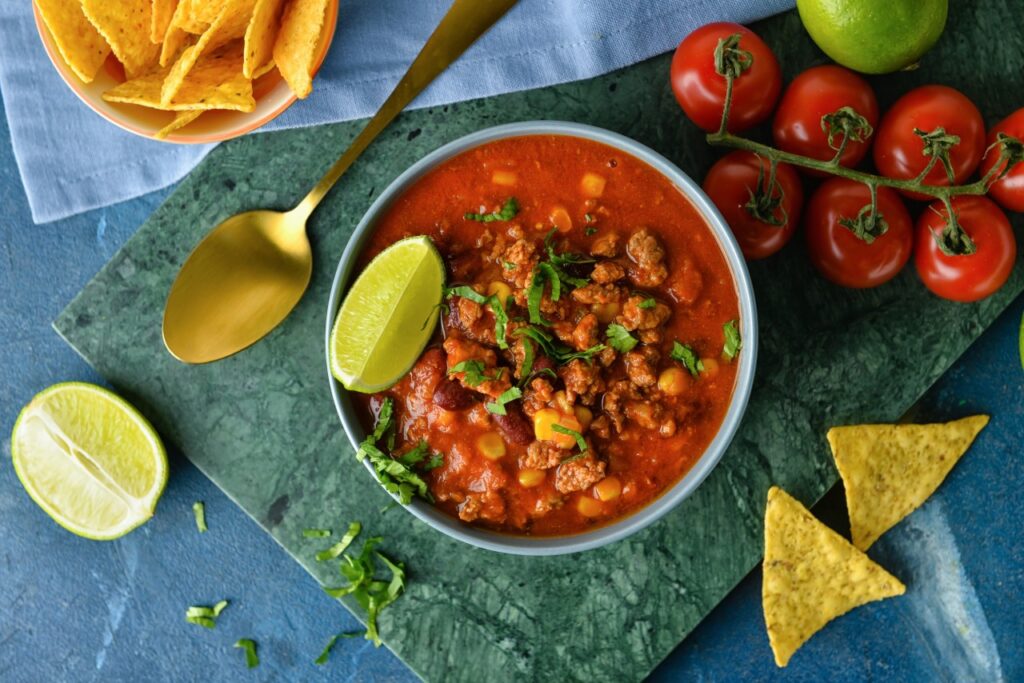
Spend enough time simmering Texas chili and you will notice how dramatically it transforms. The broth reduces, the fat renders, and the mixture tightens into a cohesive mass of tender beef coated in glossy red sauce.
This process mirrors the slow cooking techniques used in traditional meat sauces. As moisture evaporates, flavors intensify and the texture thickens naturally. Without beans to interrupt or lighten the mixture, the result becomes dense and unified.
Visually and structurally, the resemblance to a robust ragù is clear. Instead of ingredients floating in liquid, you have meat suspended in concentrated sauce. That reduction driven character strengthens the comparison to classic meat based sauces.
6. The Spice Blend Acts Like Sauce Seasoning
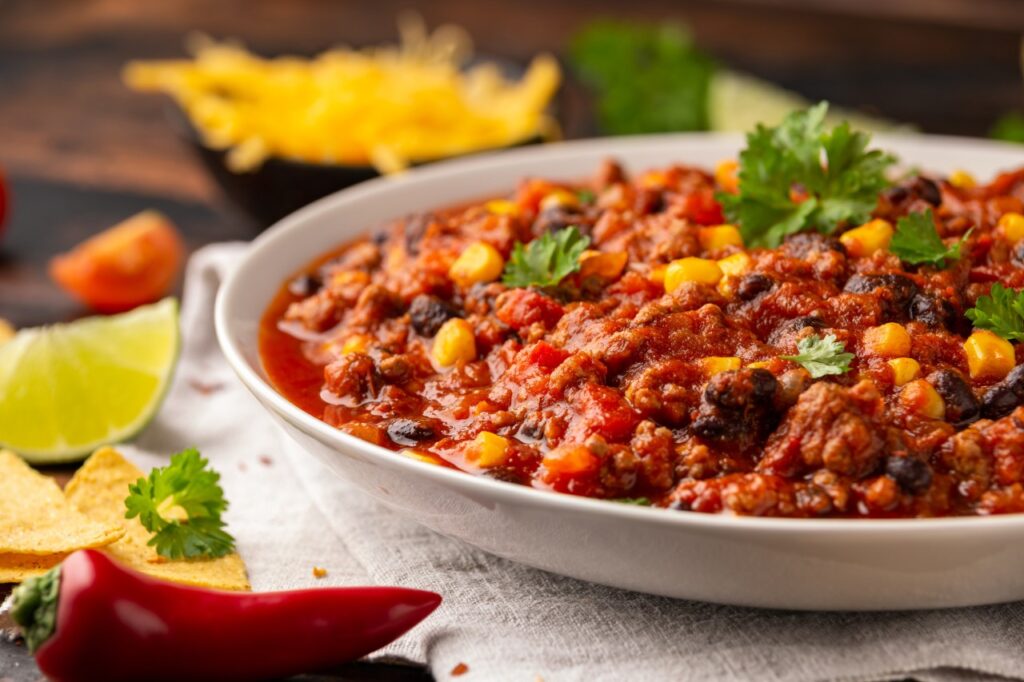
At the center of Texas chili is not a vegetable base but a paste made from dried chilies. Rehydrated peppers are blended with cumin, garlic, and other aromatics to create a thick foundation that coats every piece of beef. This mixture is intensely flavored before it even hits the pot.
As the chili simmers, that paste reduces and tightens. Instead of floating in broth, the spices cling to the meat, forming a cohesive red gravy. The longer it cooks, the more concentrated and unified the texture becomes.
Because the seasoning behaves like a binding sauce rather than a background broth, the dish takes on the character of a spiced meat sauce. Flavor and structure are fused together in a single, dense layer.
7. Competitions Ban Beans
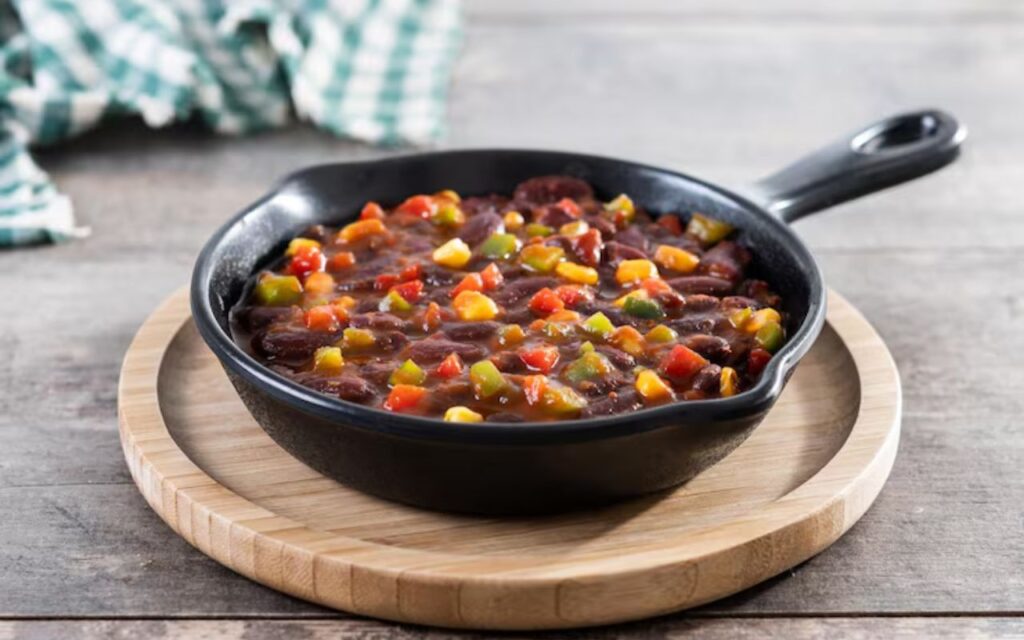
In Texas chili cook offs, authenticity is guarded carefully. Organizations such as the International Chili Society maintain traditional categories where beans are not allowed. The rule is clear and intentional.
Judges focus on tenderness of beef, depth of chili flavor, and balance of heat. Beans would change the texture and dilute the spice concentration, shifting attention away from the meat itself. The evaluation centers on sauce quality and protein execution.
By formally excluding beans, competitions reinforce a meat-driven identity. The official standard defines chili as beef suspended in red sauce, strengthening the perception that it functions more like a concentrated meat preparation than a mixed stew.
8. It’s Often Served Over Something Else
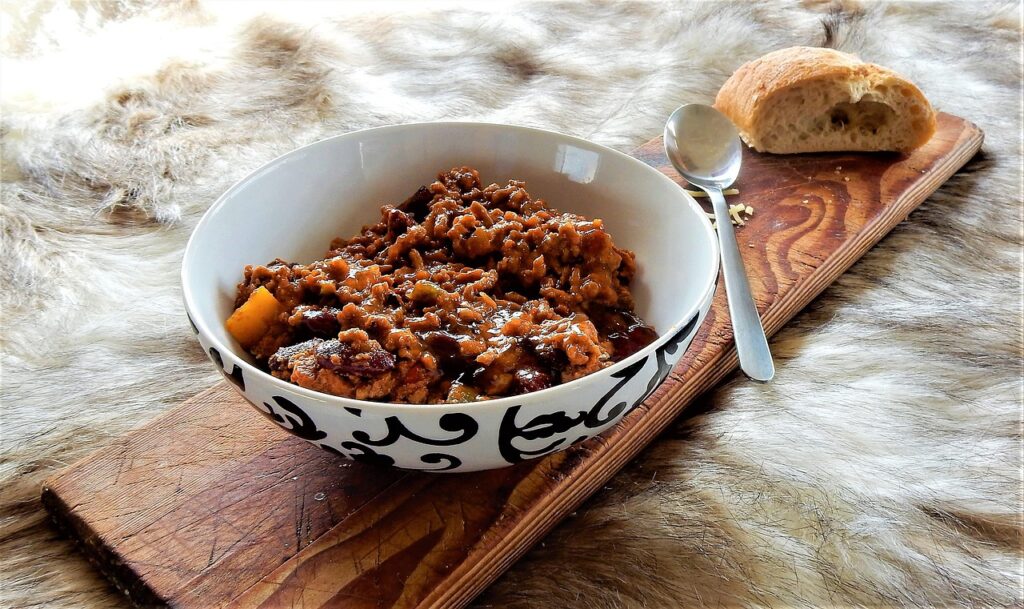
Texas chili rarely stays confined to a bowl. It frequently appears spooned over rice, cornbread, baked potatoes, or chips in dishes such as Frito pie. Its thickness allows it to sit firmly on top rather than sink in.
Because it spreads evenly and clings to surfaces, it behaves much like a hearty sauce poured over pasta or bread. The chili becomes the flavorful layer that transforms the base underneath it.
This serving style highlights its density and cohesion. Instead of acting as a soup with multiple components suspended in liquid, it performs as a topping, reinforcing its similarity to a robust meat sauce.
9. It’s Intensely Concentrated
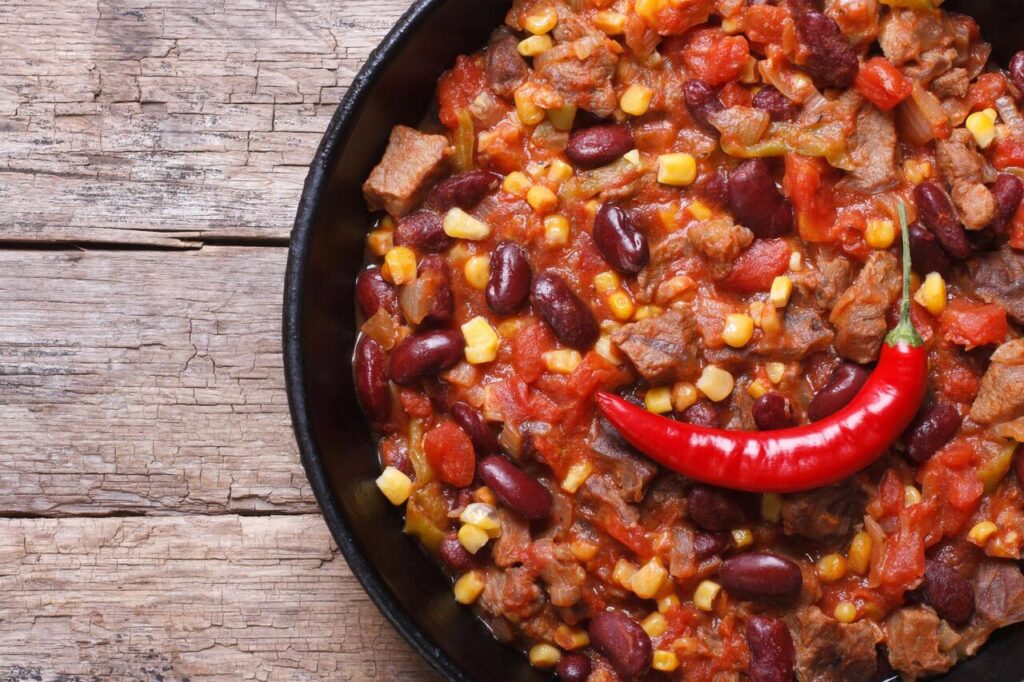
Without beans to stretch the mixture, every element remains focused. The dried chilies provide heat and depth, while slow simmered beef contributes richness and body. As moisture evaporates, flavors intensify rather than disperse.
Beans typically soften spice and create variation in texture. Their absence keeps the composition compact and powerful. Each spoonful delivers a direct hit of beef and chili without interruption from milder ingredients.
That concentration is central to its appeal. The thick, reduced consistency and bold flavor profile closely mirror qualities associated with traditional meat sauces built on reduction and spice.
10. The Debate Defines Its Identity
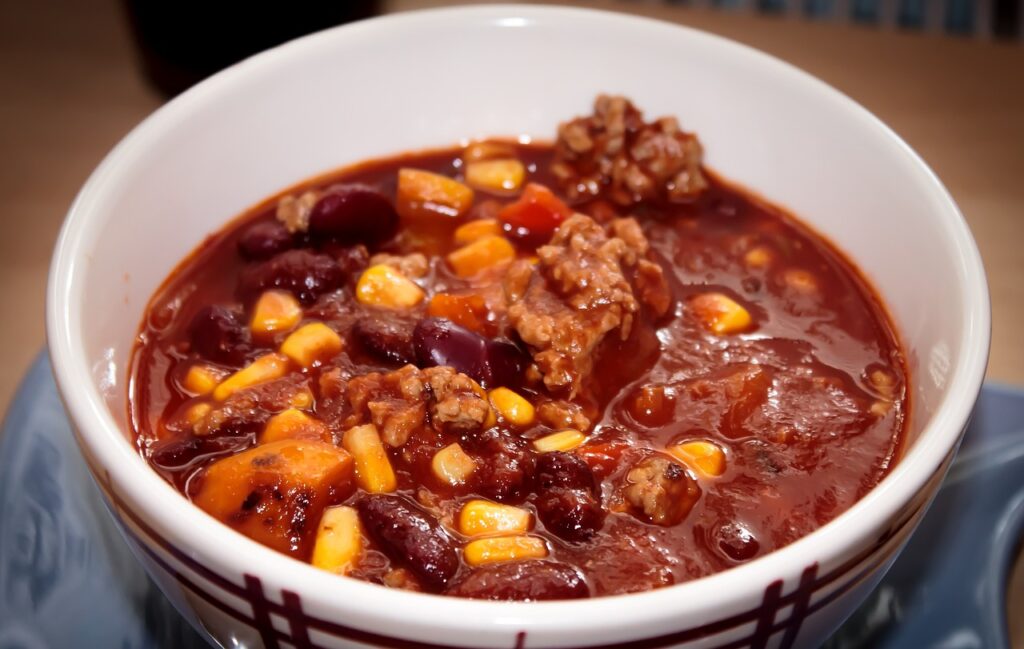
Few food discussions are as spirited as the argument over beans in chili. In Texas, tradition favors beef and red sauce alone, and that preference is defended with pride.
Elsewhere, chili often includes kidney or pinto beans, creating a stew with more varied texture and balance. Those versions feel broader and less concentrated in structure.
This divide shapes how the dish is perceived. Remove beans, and the texture tightens while the flavor intensifies. The ongoing debate underscores how a single ingredient can shift a meal from hearty stew toward something that closely resembles a thick meat sauce.