20 Ancient Foods That Take Less Than 15 Minutes to Make


Long before meal kits and air fryers, people across the world were making fast, satisfying food from simple staples. This gallery explores ancient-inspired dishes that still feel fresh, practical, and deeply comforting today. If you want a taste of culinary history without spending all evening in the kitchen, these speedy ideas deliver.
Flatbread

Few foods are older or more useful than flatbread. Versions of it appeared across Mesopotamia, Egypt, South Asia, and the Mediterranean because flour, water, and heat were enough to make something filling in minutes.
A quick modern take is almost effortless: stir flour, water, salt, and a little oil into a soft dough, then press and cook it in a hot skillet. You get a chewy, warm bread that works with honey, yogurt, herbs, or a swipe of olive oil.
It feels humble, but that is exactly the appeal. Flatbread is ancient convenience food, and it still earns its place on the table today.
Olives With Herbs
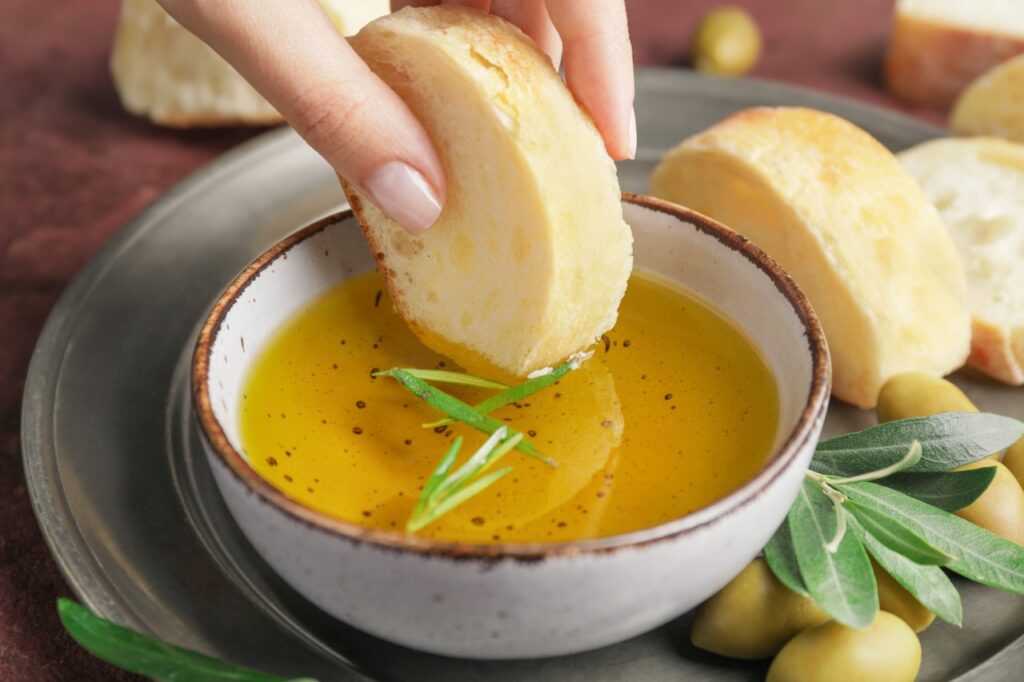
Olives have been part of daily eating around the Mediterranean for thousands of years, valued not just for flavor but for how easily they could be stored and served. They are one of the oldest true snack foods.
To make them feel special, toss good olives with olive oil, crushed coriander or fennel seed, citrus zest, and a few torn herbs. Let them sit for five minutes while you set the table, and they become fragrant and glossy.
There is no real cooking here, just assembly with purpose. That simplicity is what makes the dish feel both ancient and thoroughly modern.
Dates With Nuts

Dates were treasured across North Africa and the Middle East for their sweetness, portability, and staying power. Pairing them with nuts is an old idea that still feels luxurious, even though it takes barely any effort.
Split soft dates and tuck in almonds, pistachios, or walnuts. If you want a slightly richer finish, add a pinch of sea salt or a drizzle of honey, and serve them on a small plate.
The result lands somewhere between snack and dessert. It is naturally sweet, pleasantly chewy, and proof that some of history’s smartest foods never needed improving.
Barley Porridge

Barley sustained ancient households from the Fertile Crescent to Greece because it was sturdy, affordable, and deeply versatile. While traditional porridge could simmer slowly, quick-cooking barley flakes or pre-cooked barley make a fast version easy today.
Warm the grain with water or milk, a pinch of salt, and a little honey until it thickens. Add chopped figs, dates, or nuts if you want more texture, and the whole thing still comes together quickly.
It is hearty without being heavy. One spoonful makes it obvious why barley was such a dependable staple for so many early civilizations.
Lentil Soup

Lentils are one of the oldest cultivated foods on earth, and they earned that status honestly. They cook faster than many beans, deliver plenty of substance, and have nourished kitchens from ancient Egypt to the Levant for millennia.
For a truly quick bowl, use red lentils, which soften in about 10 to 15 minutes. Simmer them with onion, garlic, cumin, and broth, then finish with lemon and olive oil for brightness.
The soup tastes far more layered than the time involved suggests. It is earthy, comforting, and exactly the kind of practical meal busy people have always needed.
Fresh Cheese With Honey

Soft fresh cheese has ancient roots in pastoral cultures where milk was turned into something more durable and delicious. Served plain or sweetened, it was an everyday pleasure long before dessert became a category of its own.
Today, ricotta or labneh makes the idea wonderfully accessible. Spoon it into a bowl, drizzle over honey, add black pepper or thyme if you like, and finish with a few nuts or sesame seeds.
It is rich, cool, and beautifully balanced between savory and sweet. More than anything, it feels like a reminder that simple ingredients can still read as indulgent.
Chickpea Mash
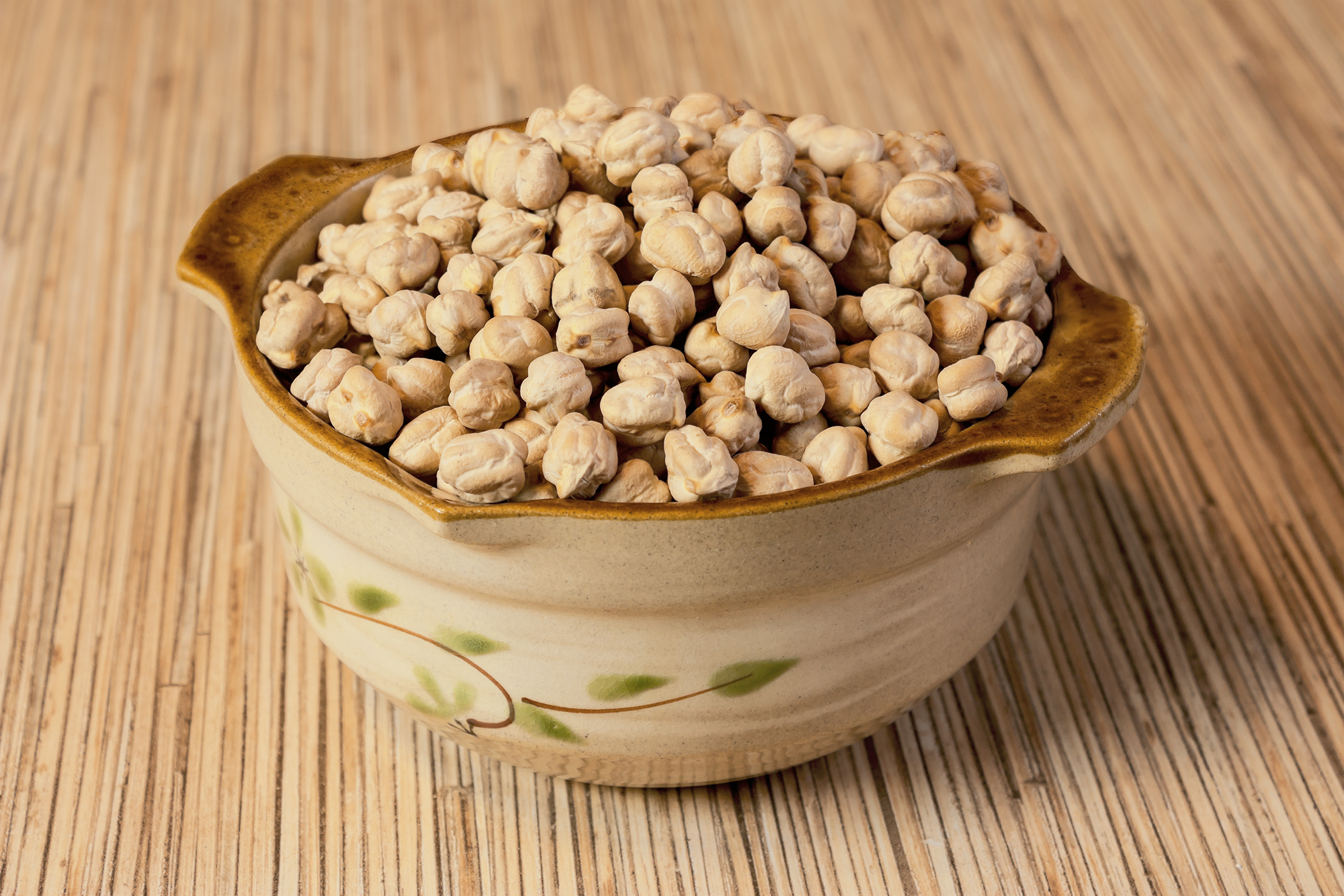
Mashed chickpeas have been appearing on tables in various forms for centuries, especially in regions where legumes were central to daily cooking. The combination of chickpeas, oil, acid, and aromatics has real historical staying power.
A fast version starts with canned chickpeas, mashed with olive oil, garlic, lemon juice, salt, and cumin. Leave it slightly coarse rather than perfectly smooth, and it feels rustic in the best way.
Spread it on flatbread or scoop it with vegetables. It is satisfying, protein-rich, and close in spirit to the kind of practical food that has nourished people for ages.
Cucumber Yogurt

Yogurt-based dishes have deep roots across Central Asia, the Middle East, and the Mediterranean, where cultured dairy offered both refreshment and preservation. Adding cucumber made perfect sense in warm climates where cooling foods were prized.
To make it, stir chopped or grated cucumber into thick yogurt with mint, garlic, salt, and olive oil. A squeeze of lemon or a dusting of dried herbs gives it even more life without adding any real work.
Served as a dip, side, or spoonable salad, it feels wonderfully immediate. Crisp, tangy, and calming, it is ancient good sense in a bowl.
Figs With Goat Cheese

Figs have been cultivated since antiquity and were among the most beloved fruits in early Mediterranean diets. Their natural sweetness made them feel celebratory, while cheese added the kind of richness that turned a simple plate into something memorable.
Fresh figs are ideal, but dried figs work too when softened briefly in warm water. Pair them with goat cheese, a trickle of honey, and cracked pepper, and the whole dish comes together with almost no cooking.
It is an elegant combination that never feels fussy. Sweet, creamy, and slightly tangy, it captures the old-world instinct for balancing flavors beautifully.
Millet Bowl

Millet fed ancient communities across Africa, India, and parts of Asia because it was resilient, nourishing, and adaptable. It is easy to overlook now, but this tiny grain has serious historical weight and a pleasantly mild flavor.
Using pre-cooked millet or quick-cooking millet flakes keeps the process fast. Warm it with a little butter or olive oil, season with salt, and top with herbs, dates, or toasted seeds depending on whether you want savory or sweet.
The texture is soft with just enough bite. It is a quiet kind of comfort food, the sort that shows how practical staples can also be deeply satisfying.
Sesame Honey Bites

Sesame and honey are an ancient power couple, showing up in sweets from Greece to the Near East. Together they create something nutty, sticky, and deeply aromatic without requiring a complicated technique.
Warm honey in a pan for a minute, stir in toasted sesame seeds, and press the mixture into a small dish to cool slightly before breaking it into bite-size clusters. A pinch of salt keeps the sweetness from feeling flat.
These little bites have a candy-like appeal, but they still feel grounded in tradition. They are fast, pantry-friendly, and surprisingly sophisticated for something so simple.
Hard-Boiled Eggs With Salt

Eggs were a practical source of nourishment in countless ancient households, and hard-boiling remains one of the quickest, smartest ways to prepare them. They travel well, require almost no ingredients, and fit nearly any meal.
Boil the eggs for about 9 to 10 minutes, cool them briefly, then serve with coarse salt, olive oil, or a sprinkle of herbs. If you want a stronger ancient pantry feel, add cumin or crushed coriander.
The beauty is in the restraint. Eggs do not need much to be satisfying, and this kind of pared-back preparation feels timeless rather than plain.
Smoked Fish On Bread

Preserved fish played a huge role in ancient diets because it delivered protein in a form that could travel and last. While methods varied by region, the idea of pairing cured or smoked fish with bread is about as enduring as it gets.
For a quick plate, layer smoked fish on toasted bread or flatbread with olive oil, herbs, and a squeeze of lemon. Add sliced onion or cucumber if you want a little crunch.
It feels both rustic and refined, which is part of the charm. Salty, rich, and satisfying, it turns a few strong ingredients into a meal with real presence.
Herbed Fava Beans

Fava beans were central to ancient Mediterranean agriculture and daily cooking, especially in Egypt and the broader Levant. Their creamy texture and earthy flavor made them a natural base for quick, sustaining meals.
Using canned or pre-cooked fava beans keeps this one firmly in weeknight territory. Warm them with olive oil, garlic, lemon, and chopped parsley or dill, then mash lightly so some beans stay whole.
The final dish feels substantial but not heavy. It is bright, savory, and exactly the kind of food that shows how old staples can still feel lively and completely current.
Grape Leaves With Lemon

Grape leaves have wrapped grains and herbs for centuries, especially around the eastern Mediterranean, where vine culture shaped both agriculture and cuisine. Their tangy, grassy flavor still gives simple fillings a lot of character.
For a fast version, use prepared grape leaves and fill them with leftover rice, chopped herbs, lemon juice, and olive oil. You can serve them at room temperature, which makes the whole process even easier.
Each bite feels neatly self-contained and full of brightness. They are proof that ancient food was not just practical, but also thoughtful about texture, aroma, and presentation.
Rice With Dates

Rice entered ancient kitchens later than barley or millet in some regions, but it quickly became prized for its versatility. Pairing it with dates is a natural move, especially in places where sweet-savory combinations have long been part of the table.
Use leftover cooked rice, warm it with chopped dates, butter or olive oil, cinnamon, and a pinch of salt, and you have a fragrant dish in minutes. Nuts on top add crunch without slowing anything down.
It works as breakfast, side dish, or light dessert. The flavor is comforting and familiar, yet still carries an unmistakable sense of old-world hospitality.
Cabbage With Vinegar

Cabbage has long been one of the great economical vegetables, appearing in ancient European and Near Eastern foodways because it stored well and adapted to countless preparations. A quick vinegar dressing brings it alive almost instantly.
Thinly slice the cabbage and toss it with vinegar, olive oil, salt, and a touch of honey. Let it sit for a few minutes so the leaves soften slightly while still keeping their crunch.
The result is bright and refreshing, with a clean sharpness that wakes up heavier foods. It feels simple, but that lively contrast is exactly why such dishes last through the centuries.
Pomegranate Yogurt Bowl

Pomegranates carried symbolic and culinary importance in many ancient cultures, from Persia to Greece, and their jewel-like seeds still make any dish feel a little dramatic. Yogurt gives them a cool, creamy backdrop with almost no work.
Spoon thick yogurt into a bowl and top with pomegranate seeds, honey, and a pinch of crushed pistachios or mint. In under five minutes, it turns into something that looks festive and tastes bright.
There is a lovely tension between tart and sweet here. It is refreshing, visually striking, and exactly the sort of elegant simplicity that ancient ingredients do so well.
Garlic Herb Oil Dip

Olive oil flavored with garlic and herbs may sound too basic to count as a dish, but preparations like this have deep roots in olive-growing cultures. When ingredients are good, very little is needed to make them feel complete.
Pour olive oil into a shallow bowl and add grated garlic, chopped herbs, salt, and cracked pepper. Serve it with warm bread or raw vegetables, and the whole thing feels intentional rather than improvised.
The aroma does a lot of the work, blooming instantly as everything mingles. It is a reminder that ancient food often leaned on freshness, not complexity, for impact.
Honeyed Wheat Berries

Wheat has anchored human diets since the earliest farming societies, and cooked wheat berries have a pleasing chew that makes them feel substantial even in small portions. They are old-fashioned in the most appealing way.
If you have pre-cooked wheat berries on hand, warm them with honey, cinnamon, and a little butter or olive oil. Add raisins or chopped nuts if you want extra texture, and the dish is done in a flash.
It lands somewhere between breakfast and dessert, with a nutty depth that modern refined grains sometimes miss. This is history in a bowl, and it tastes wonderfully grounded.