10 Foods Quietly Ruining Your Sleep Every Night


You can have the perfect bedtime routine and still toss and turn if your dinner or late-night snack is working against you. Some foods stimulate the nervous system, while others trigger heartburn, blood sugar swings, or digestion that drags on for hours. This gallery breaks down 10 common culprits that may be quietly sabotaging your sleep every night.
Dark Chocolate

Dark chocolate often gets a health halo, but it can be surprisingly disruptive at night. Many bars contain caffeine and theobromine, two compounds that can increase alertness and make it harder for your body to fully settle down before bed.
The richer the chocolate, the more stimulating it may be. That small square after dinner can feel harmless, yet for sensitive sleepers it may stretch the time it takes to fall asleep and leave sleep feeling lighter.
If you notice a pattern, save chocolate for earlier in the day. Your dessert habit may be sweeter when it stops stealing your rest.
Spicy Foods
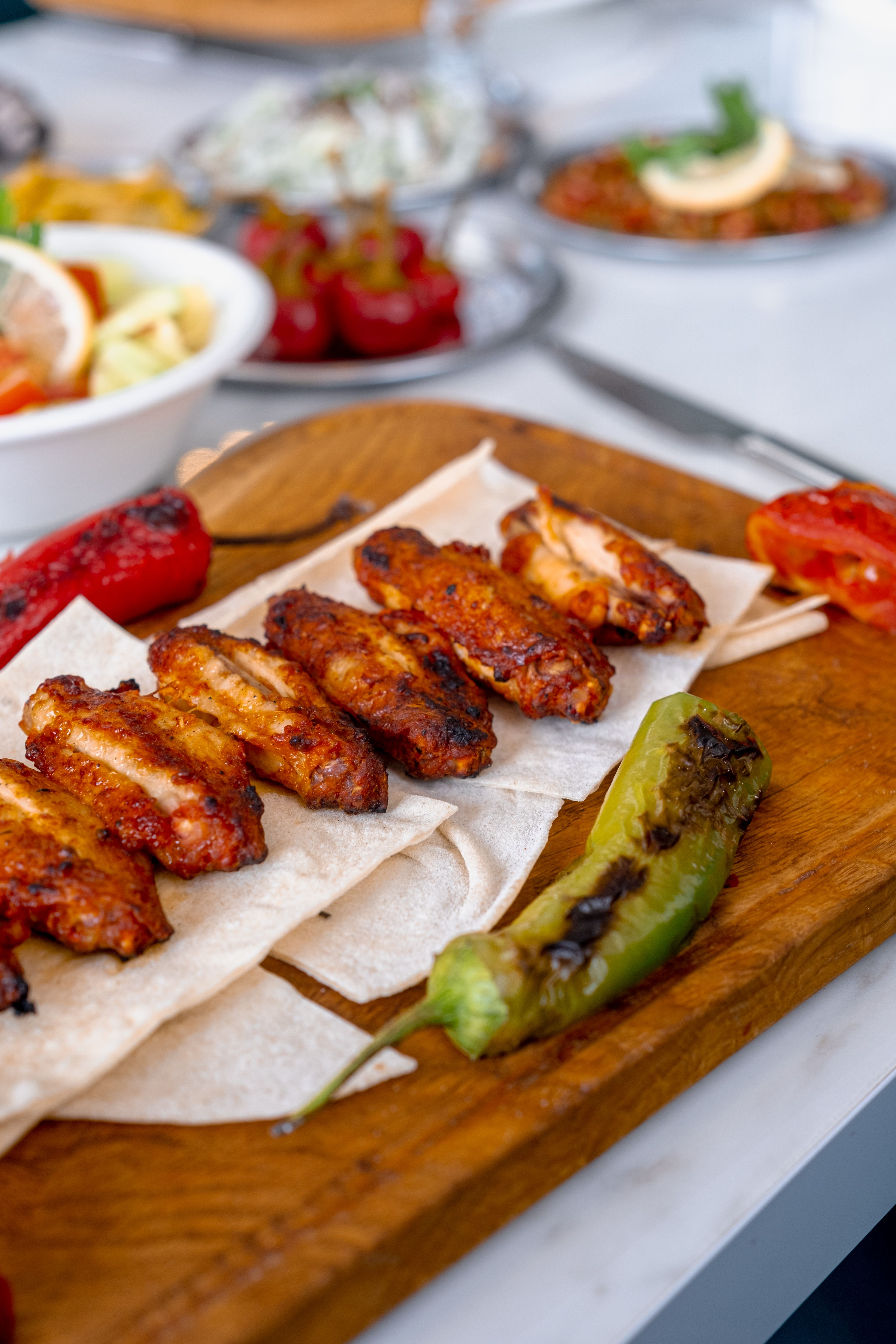
Spicy meals can be thrilling at dinner, but they are not always kind to sleep. Heat from chilies may raise body temperature slightly, and that is the opposite of what your body naturally wants to do as it prepares for restful sleep.
They can also trigger heartburn or acid reflux, especially if you lie down soon after eating. That burning sensation in the chest or throat can wake you repeatedly, even if you fall asleep without much trouble.
If tacos, hot wings, or fiery noodles are part of your evening routine, try moving them to lunch. You may keep the flavor and lose the midnight discomfort.
Coffee Ice Cream

Coffee ice cream sounds like a cozy nighttime treat, but it can sneak caffeine into your system later than you realize. Even a modest amount may be enough to interfere with sleep if you are sensitive or already running a little wired.
There is a second issue here too: sugar. A sweet frozen dessert can cause a short-lived energy lift, followed by an uncomfortable drop that may leave your sleep feeling fragmented rather than steady.
Because it feels more like dessert than coffee, people often underestimate its effect. If you want something cold after dinner, choose a caffeine-free option and keep portions reasonable.
Aged Cheese

Aged cheeses like cheddar, gouda, parmesan, and blue cheese can be heavy late at night. They take time to digest, and a rich, fatty serving close to bedtime may leave your body focusing on digestion when it should be winding down.
Some aged cheeses also contain tyramine, a naturally occurring compound that may encourage the release of stimulating brain chemicals in certain people. That does not mean cheese is bad, just that timing can matter more than most people think.
If a cheese board is your favorite evening indulgence, try having it earlier or keeping it light. Sleep tends to prefer simple, easygoing meals.
Tomato Sauce

Tomato sauce is a dinner staple, but its acidity can make nighttime uncomfortable. Pasta, pizza, and other tomato-heavy meals may trigger reflux symptoms that become more noticeable once you lie flat in bed.
That means the problem is not always the tomato alone. It is often the combination of acid, portion size, cheese, and eating too close to bedtime that creates a perfect storm for a restless night.
If red sauce dinners tend to follow you into bed, experiment with earlier meals or lighter alternatives. A creamy sauce is not automatically better, but less acidic choices may be gentler before sleep.
Potato Chips

Potato chips are the classic mindless evening snack, and that is part of the problem. It is easy to eat far more than planned, loading up on fat and salt right before bed without ever feeling truly satisfied.
A salty snack can leave you thirsty and uncomfortable overnight, while the heavy, greasy texture may sit in your stomach longer than expected. That combination can lead to nighttime wake-ups, bloating, and the sense that your body never fully relaxed.
Chips also tend to invite more snacking instead of a clean stop. If crunchy is what you want, a lighter option earlier in the evening may be a better trade.
Sugary Cereal

A bowl of sugary cereal can feel innocent, especially when you are too tired to cook. But the mix of refined carbs and added sugar can send blood glucose up fast, which is not ideal when your body is trying to move into a stable sleep rhythm.
That quick rise is often followed by a drop, and for some people that swing can lead to restlessness or waking in the middle of the night. Hunger may even creep back in sooner than expected.
If cereal is your comfort food, make it a daytime option or choose a version with less sugar and more fiber. Nighttime eating works best when it is calm, not flashy.
Citrus Fruits

Citrus fruits look refreshingly light, but oranges, grapefruit, and similar picks can be rough on sleep for some people. Their acidity may aggravate reflux or irritate a sensitive stomach, especially when eaten shortly before lying down.
Juice can be even trickier because it is easy to consume quickly and in larger amounts. What seems like a healthy bedtime choice may end up causing a sour stomach or subtle discomfort that chips away at deep sleep.
That does not mean citrus needs to disappear from your diet. It just may belong earlier in the day, when your digestive system has more time to handle it comfortably.
Energy Bars

Energy bars often market themselves as healthy, but many are built more for convenience than for sleep. They can pack caffeine from chocolate or green tea extracts, along with a concentrated mix of sugar that perks you up at exactly the wrong time.
Even bars without obvious stimulants can feel more like a compact dessert than a balanced snack. A dense, highly processed bar may keep digestion humming while your brain is supposed to be powering down.
If you reach for one after dinner, read the label carefully. Something advertised for performance or endurance is rarely the ideal partner for a quiet, sleepy night.
Fried Chicken

Fried chicken is satisfying, flavorful, and famously heavy. That crisp coating and rich fat content can make it one of the hardest dinners to process comfortably if you eat it too late in the evening.
Heavy fried foods may contribute to indigestion, bloating, and reflux, all of which can interfere with both falling asleep and staying asleep. Even when you do drift off, your sleep may feel less restorative and more interrupted.
This is one of those meals that asks a lot from your digestive system. If fried favorites are on the menu, giving yourself a few extra hours before bed can make a real difference.