11 Freeze Dried Candy Trends That Feel Like Pure Markup

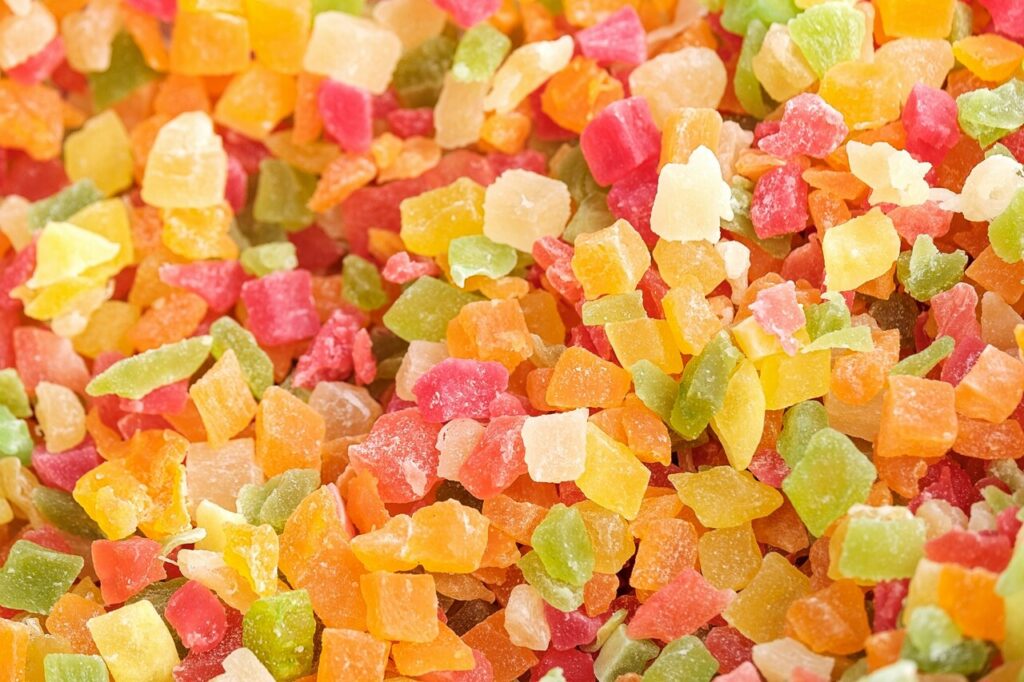
Freeze-dried candy has quickly shifted from novelty experiment to viral snack aisle sensation. Familiar sweets like Skittles and hard candies are transformed into airy, crunchy versions that look dramatically different from their original form. The texture change feels exciting, and limited drops keep demand high. Yet behind the colorful packaging and social media buzz, the base ingredients remain largely the same. A closer look reveals how much of the higher price reflects trend momentum and presentation rather than meaningful upgrades in quality.
1. Freeze Dried Skittles
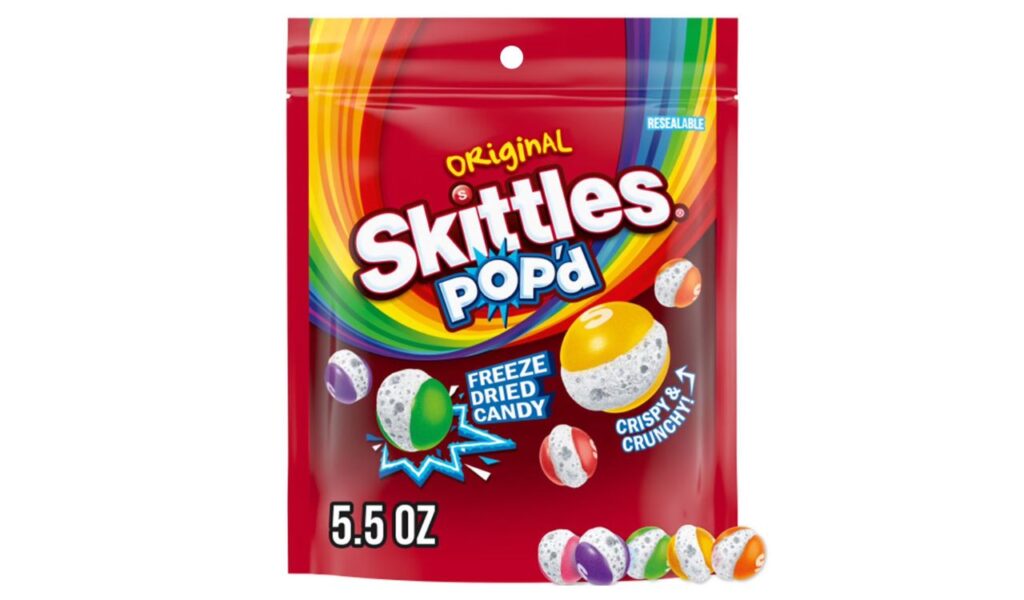
The crunch is what sells them. Regular Skittles are inexpensive, widely available, and already intensely flavored, yet once freeze-dried, they are suddenly positioned as specialty snacks with boutique pricing.
The ingredient list does not change in any meaningful way. Sugar, corn syrup, flavoring, and coloring remain the foundation. What increases is the processing step and the novelty factor. Removing moisture alters the structure but does not transform the candy into a higher-quality product.
Many buyers pay several times the standard price for what is essentially the same candy in altered form. The markup reflects viral appeal and limited distribution rather than upgraded ingredients or improved flavor depth.
2. Freeze-Dried Jolly Ranchers
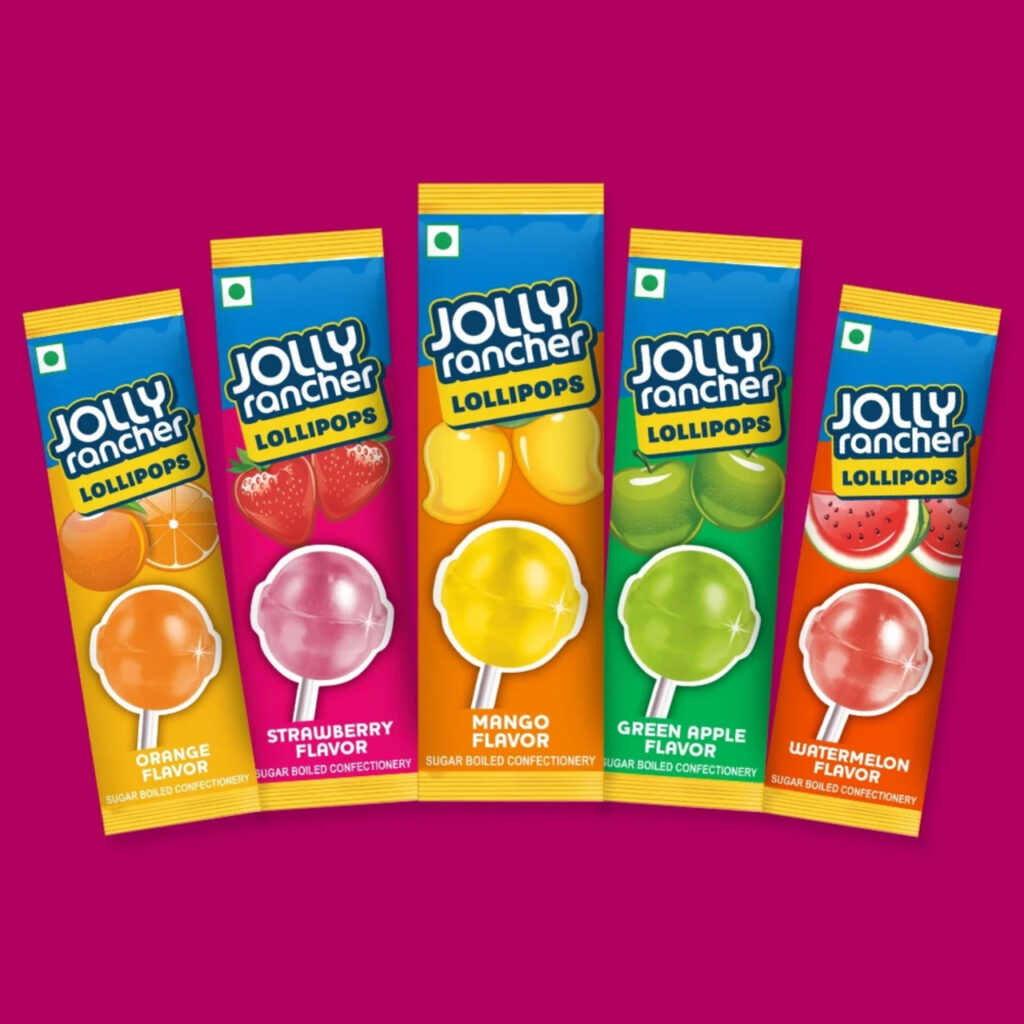
Hard candies respond dramatically to freeze drying, expanding into colorful shards that look almost sculptural. That visual transformation creates the impression of something entirely new, even though the base product has existed for decades at low cost.
The candy still relies heavily on sugar and artificial flavoring. The freeze-drying process changes density and texture but does not elevate sourcing or ingredient complexity. What consumers experience is a crunchier version of the same sweet profile.
Premium pricing often leans on spectacle rather than substance. Once the novelty wears off, the price difference compared with the original version becomes difficult to rationalize from a purely ingredient standpoint.
3. Sour Candy Mixes
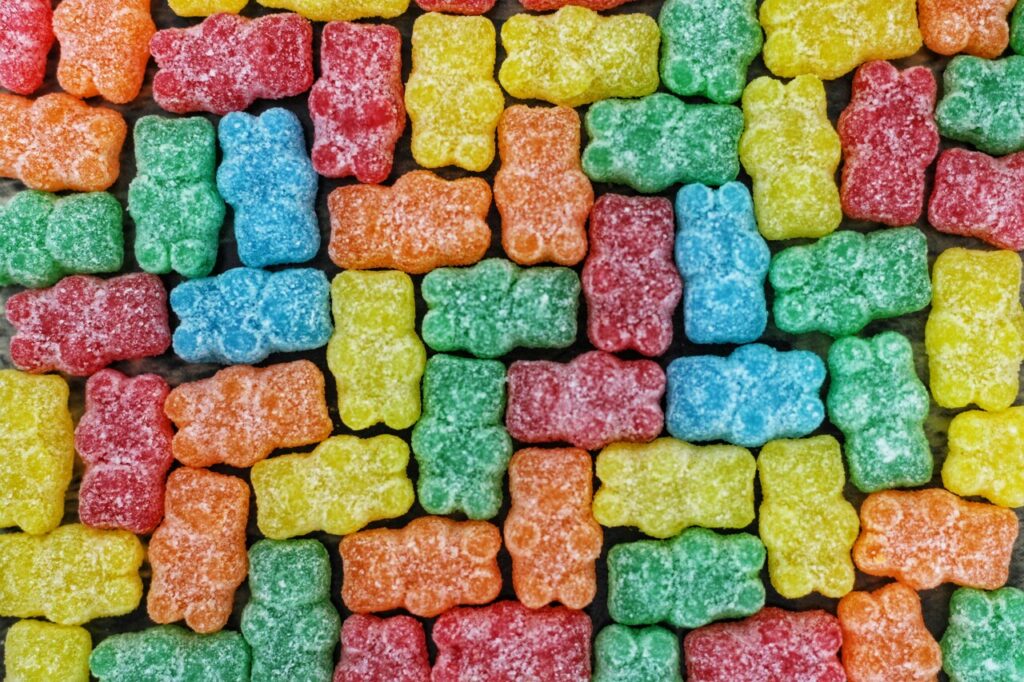
Sour candies gain extra intensity when freeze-dried because the airy texture allows flavor to hit quickly. This sensory shift makes them feel more powerful, which supports the idea of a premium snack.
Yet the candies inside these mixes are typically standard retail brands. The freeze-drying stage enhances crunch but does not introduce new flavors or rare components. The difference lies in structure, not formulation.
Higher price points reflect trend momentum and packaging rather than the production cost of ingredients. Consumers often pay for the experience of a dramatic texture change rather than improved candy quality.
4. Candy Mix Boxes
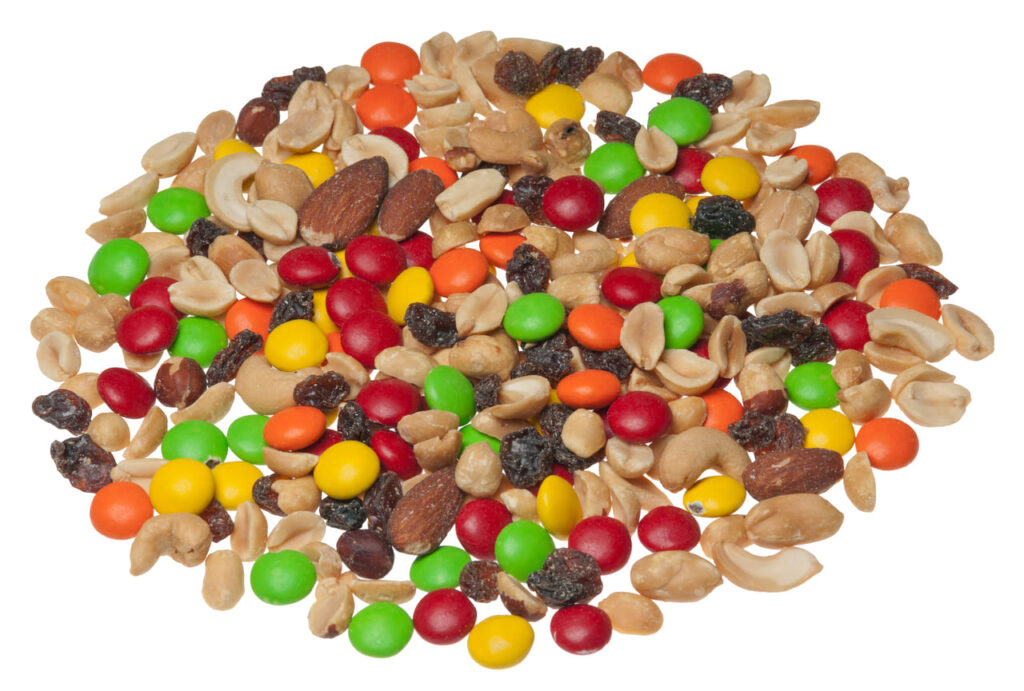
Assorted freeze-dried candy boxes are marketed like curated collections, often with eye-catching packaging and themed assortments. The presentation suggests craftsmanship and careful selection, giving buyers the impression of specialty confectionery.
Inside, however, are familiar mass-produced candies altered through moisture removal. The transformation is mechanical rather than artisanal. Variety adds excitement but not necessarily ingredient value or sourcing upgrades.
The price increase over the original combined candies can be substantial. The sense of exclusivity and gift readiness contribute more to markup than the underlying materials. Much of the perceived value comes from bundling and branding rather than meaningful production complexity.
5. Freeze-Dried Chocolate
Chocolate traditionally depends on smoothness and melt for its appeal. Freeze drying introduces crunch, which changes mouthfeel but does not inherently improve cocoa quality or sourcing standards.
In many cases, the chocolate used is a standard commercial product. The novelty comes from the contrast between expectation and texture rather than premium beans or extended conching processes.
The elevated price often stems from limited availability and niche positioning. Consumers are paying for experimentation rather than enhanced chocolate craftsmanship. Texture alone rarely justifies the significant jump over standard chocolate pricing.
6. Fruit Candy Blends
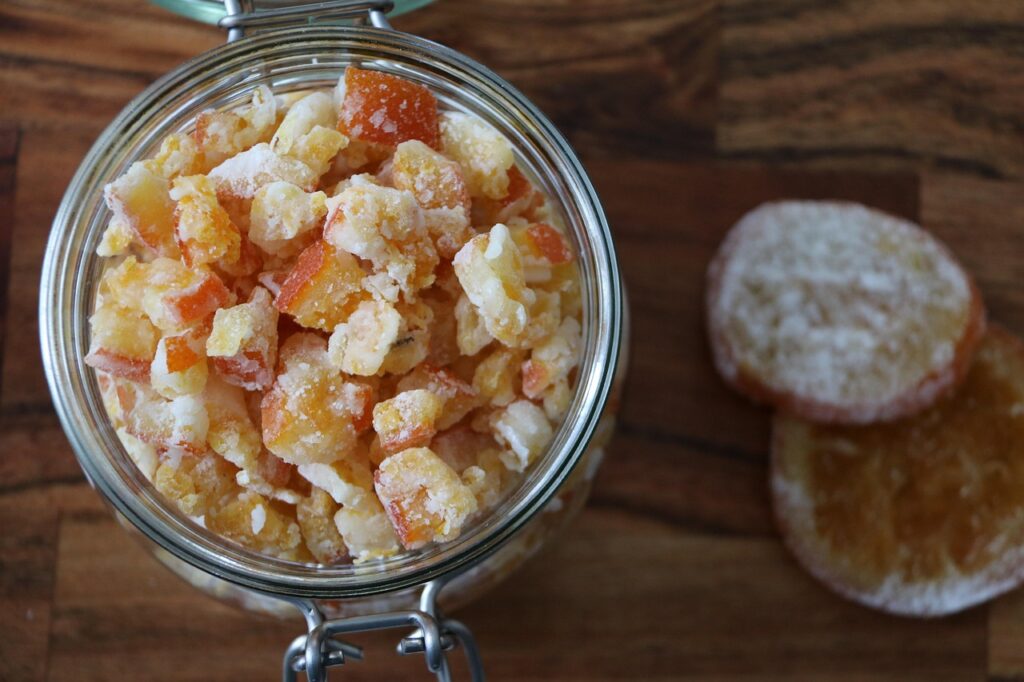
Blending freeze-dried fruit with candy creates the impression of balance between indulgence and natural elements. The fruit component adds visual contrast and crisp texture that feels lighter and more complex.
Even so, both elements are typically affordable before processing. Freeze drying preserves fruit structure and enhances crunch, but it does not automatically transform the mix into a rare or gourmet product.
The premium charged often relies on the perception of innovation and perceived health alignment. Ingredient costs remain relatively modest compared with the final retail price. The combination sounds elevated, yet the base materials remain widely accessible.
7. Limited Flavors
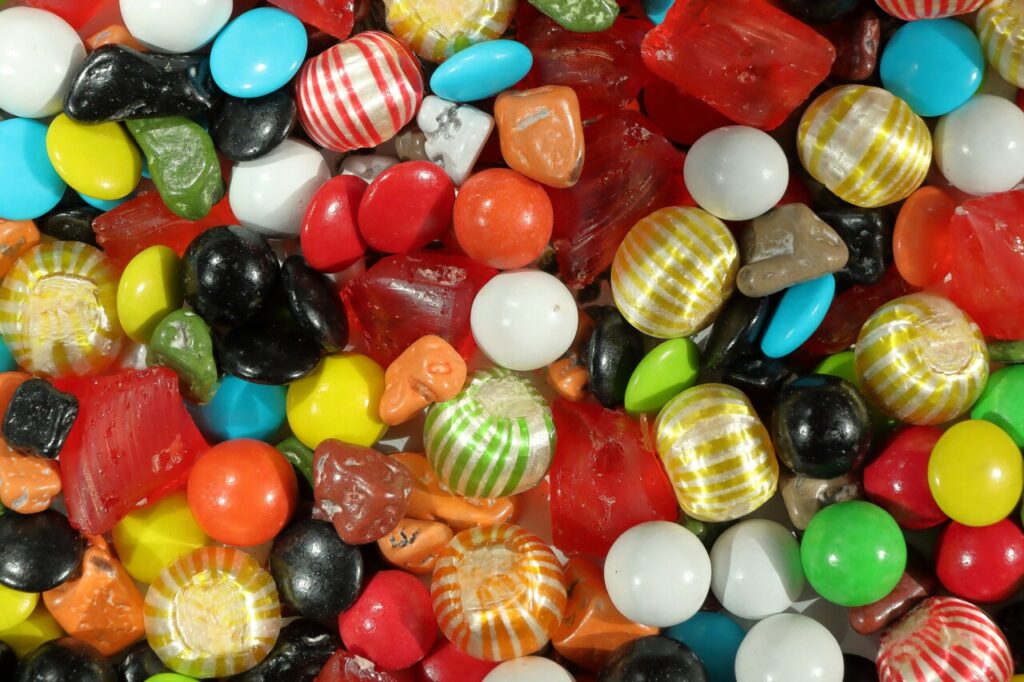
Rotating flavor drops encourages urgency and quick purchasing decisions. Scarcity builds excitement, making even familiar candies feel exclusive for a short period of time.
In most cases, the base candy formula remains consistent. Flavor adjustments may involve small changes in seasoning or coating rather than complete redevelopment or ingredient overhaul. Manufacturers often rely on the same core mixture of sugar, stabilizers, and flavorings, altering only surface elements to create novelty.
Higher pricing thrives on short-term availability. The limited window strategy creates perceived value even when ingredient investment remains largely unchanged. The marketing cycle itself becomes part of the premium.
8. Premium Packaging
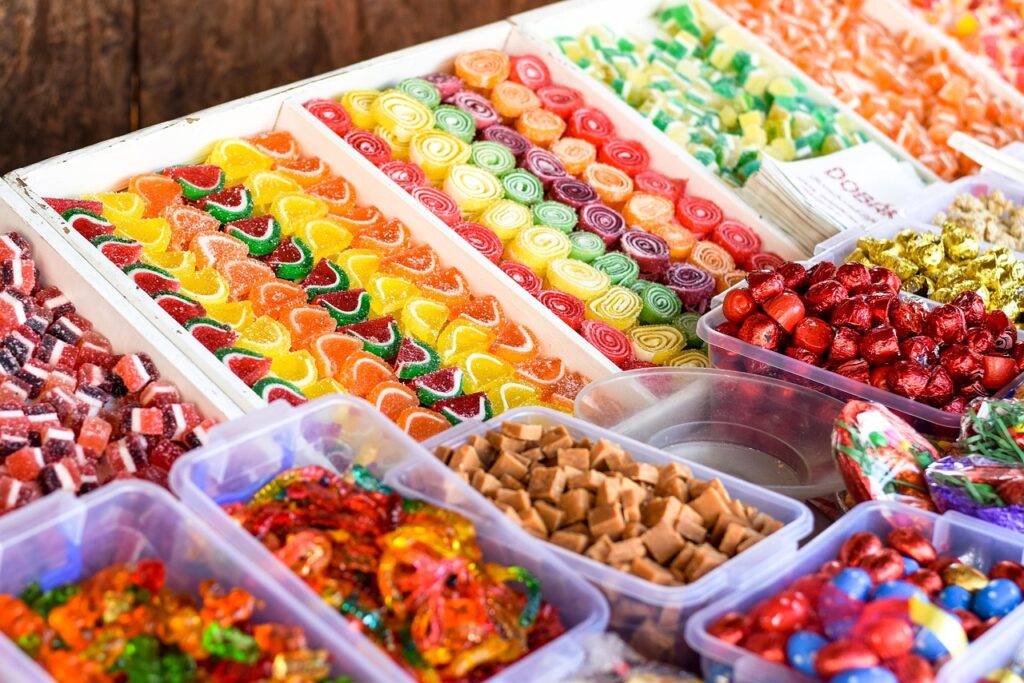
Packaging plays a major role in freeze-dried candy appeal. Resealable pouches, bold graphics, and polished branding elevate visual presence and imply a boutique level of quality.
The materials and design often add cost, yet they do not alter the candy itself. The interior product frequently mirrors inexpensive originals aside from the altered texture. Decorative coatings, specialty molds, or novelty shapes increase production expenses without meaningfully changing flavor composition.
Consumers may equate attractive packaging with higher value. In reality, branding and shelf appeal account for a significant portion of the markup. The visual upgrade frequently outweighs any ingredient improvement.
9. Gift Sets
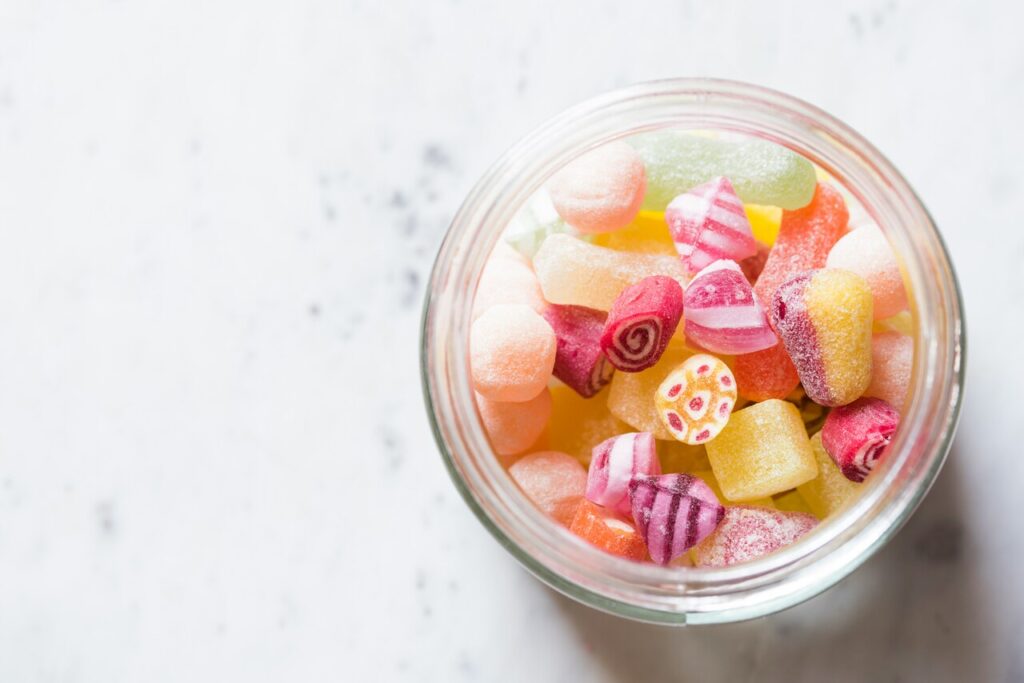
Freeze-dried candy gift sets frame altered sweets as celebratory items. Decorative boxes and curated assortments reposition everyday treats as premium presents suitable for holidays or special occasions.
The contents generally include standard candies processed for crunch. Ingredient costs remain familiar and accessible, even when presentation suggests something far more exclusive.
The higher price reflects context rather than composition. Buyers invest in presentation and convenience more than in upgraded confectionery materials. Much of the cost is tied to packaging and themed bundling rather than candy quality.
10. Dippable Snacks
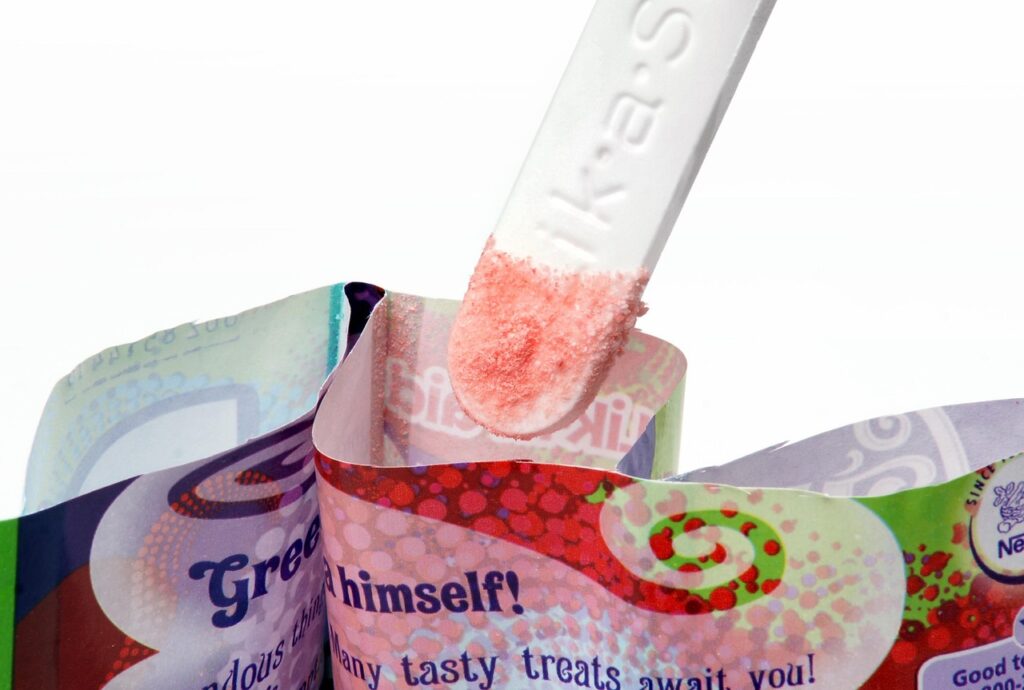
Adding dips to freeze-dried candies introduces interaction and novelty. The act of pairing crunchy sweets with sauces feels playful and customizable, which increases perceived entertainment value.
The dips themselves are usually inexpensive mixtures of chocolate or flavored syrups. Combined packaging raises the overall retail price without substantially increasing production complexity. Small portion cups, divided trays, and branded lids add material and assembly costs that elevate shelf pricing.
The perceived sophistication lies in format rather than ingredient quality. Customers pay extra for interactivity and visual appeal. The base candy remains unchanged despite the added pairing element.
11. DIY Kits
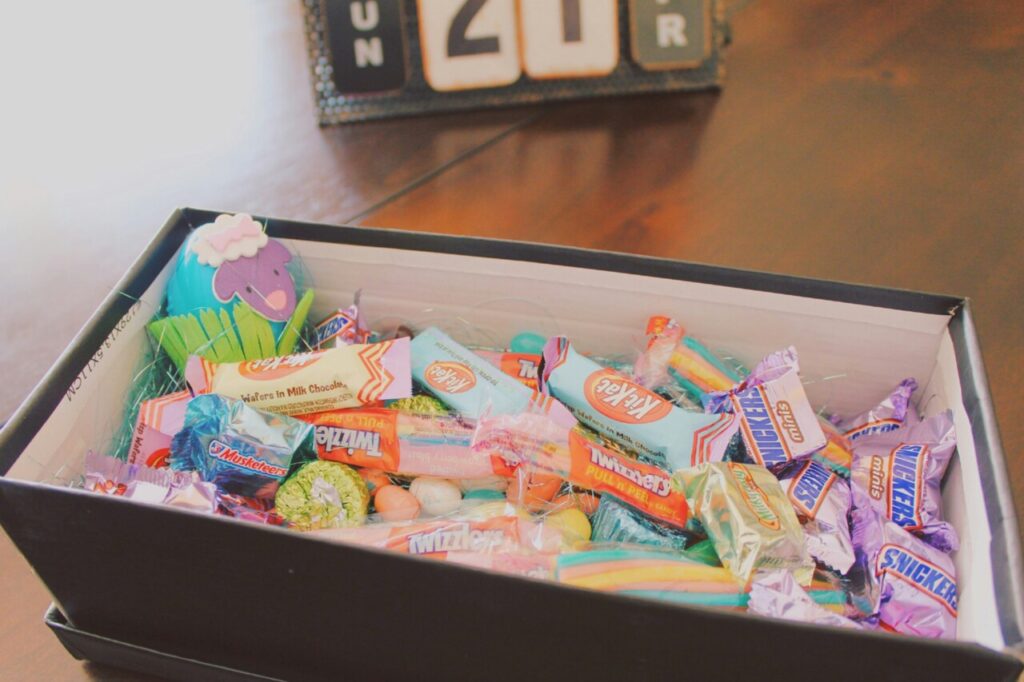
DIY freeze-dried candy kits capitalize on curiosity around the process. They allow consumers to participate in the trend without specialized industrial equipment.
Most kits contain common candies and straightforward instructions. The educational or experiential angle adds perceived value even though the physical components are inexpensive and easy to source.
The markup reflects trend access and entertainment rather than ingredient enhancement. The experience becomes the product, while the candy itself remains familiar and low-cost. The premium centers on novelty participation rather than confectionery innovation.