14 Plant Milk Upcharges That Quietly Inflate Your Coffee Bill

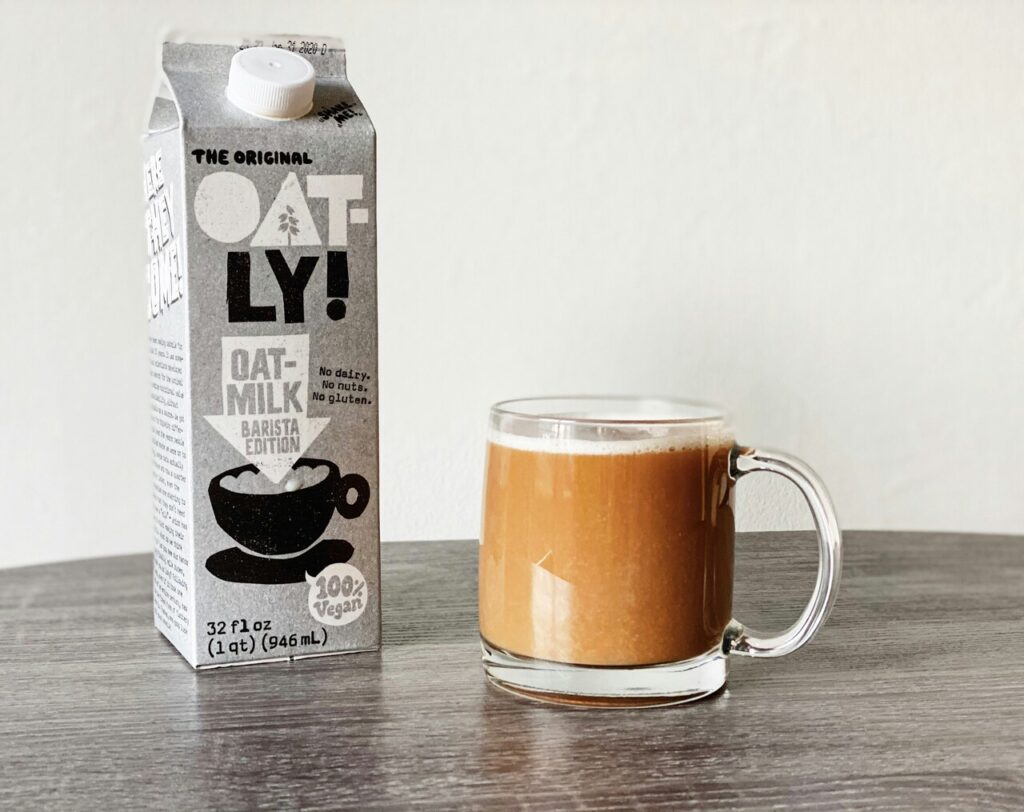
Plant-based milks have moved from niche request to everyday default in coffee culture. Oat, almond, soy, and newer alternatives now sit beside dairy in nearly every café. Yet for years, choosing one often meant paying extra. While the surcharge might appear minor on a single latte, it quietly compounds over weekly visits. Many customers never question the fee until they notice how much their routine order has climbed. Behind the scenes, supply costs, pricing models, and menu strategy all shape these subtle add-ons that inflate the final bill.
1. Oat Milk Surcharge
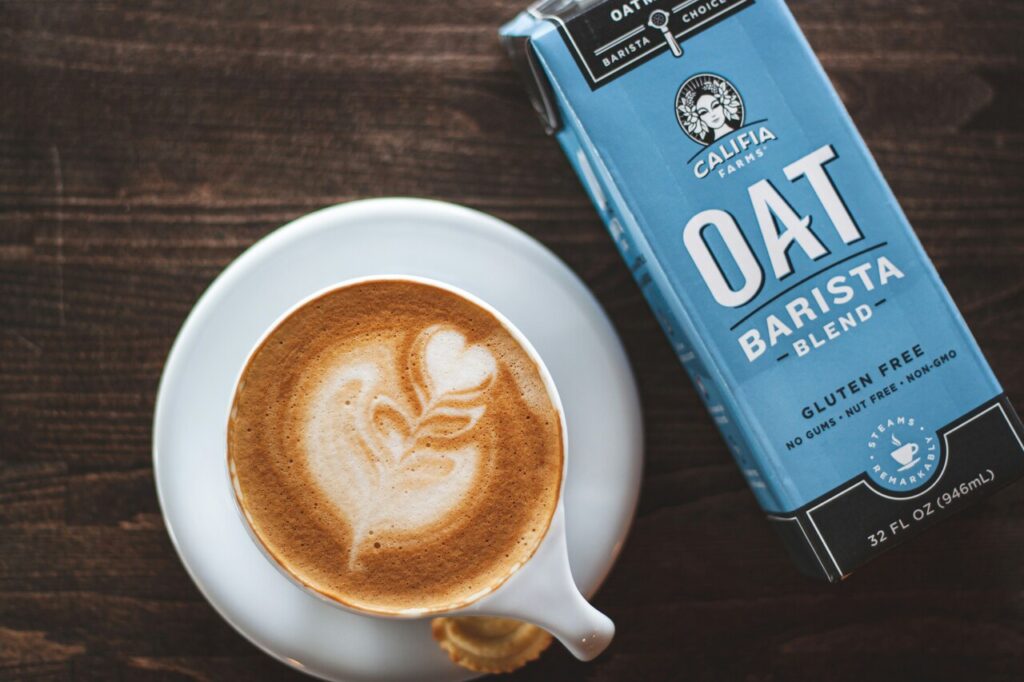
Oat milk has become one of the most popular plant-based alternatives in coffee drinks, prized for its creamy texture and ability to foam for lattes. The reasoning often cited revolves around higher wholesale cost and shorter shelf life, which require careful inventory management.
Despite its appeal, customers frequently see an extra charge added when selecting oat milk in drinks that would otherwise include dairy. Baristas are often instructed to charge the difference at the register rather than printing it beside the menu price.
Even as some chains move away from explicit upcharges, the legacy of surcharge pricing lingers in customer expectations and industry pricing structures.
2. Almond Milk Charge
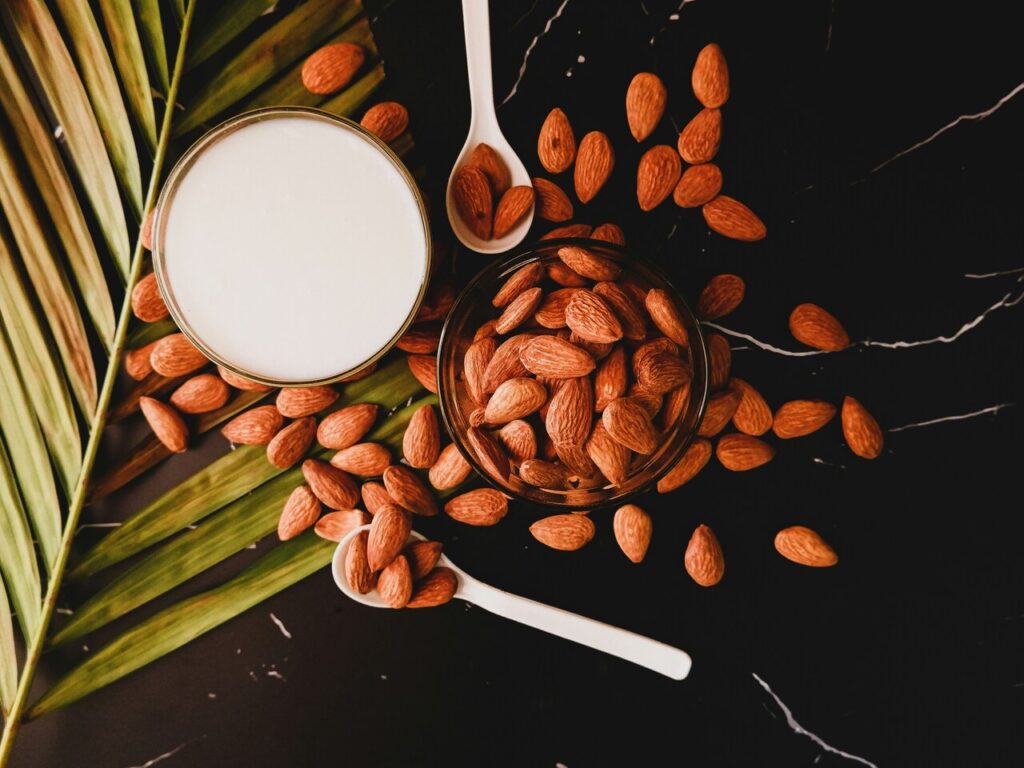
Almond milk remains a common dairy alternative, known for its nutty flavor and lower calorie count. The charge tends to show up most frequently on cappuccinos and mochas.
The additional cost reflects both the higher wholesale price of almond milk and the perception that it represents a specialty ingredient. Unlike standard dairy, plant milks are bought in smaller quantities and may spoil faster, leading cafes to recoup some cost through upcharges.
Because almond milk has been mainstream for years, the surcharge can feel out of step with customer expectations. Many drinkers see it as a quiet add-on rather than a visible choice, which adds to frustration when the final bill arrives.
3. Soy Milk Upcharge

Soy milk was one of the earliest plant-based milks to gain widespread attention in coffee culture. Despite its early acceptance, some coffee shops have historically applied surcharges when soy milk replaces dairy.
The extra cost often appears on flat whites or espresso-based beverages where milk texture matters most. Baristas may ring it up as a modifier rather than including it in the base drink price, which makes the surcharge easy to overlook until receipt time.
Even though soy remains a familiar choice, the practice highlights how industry pricing models treat plant milks differently from dairy. The result can be a small but persistent addition to bills that feels unrelated to the actual drinking experience.
4. Coconut Milk Extra Fee

Coconut milk is prized for its tropical flavor and natural sweetness, making it a popular choice for cold brews, iced lattes, and specialty drinks. Many coffee shops consider it a premium plant-based option, partly because it is more expensive.
The additional fee shows up as an upcharge when coconut milk replaces dairy. Some cafés justify the cost with supply-related reasoning, although it often amounts to a flat surcharge built into the register rather than a variable reflection of ingredient cost.
Customers who enjoy coconut milk drinks may not notice the fee at first, but repeated purchases can add up quickly. The extra charge quietly inflates the total, making what feels like a simple substitution into a more costly habit.
5. Pea Milk Premium Cost

Pea milk has entered the coffee scene more recently as a sustainable alternative that imitates dairy balance. Its growing popularity stems from environmental messaging and a creamy mouthfeel that pairs well with espresso. Despite these benefits, it is often priced at a premium in cafés.
The upcharge associated with pea milk reflects both its specialty positioning and its higher wholesale cost compared with more common plant milks. Many shops list it separately or require a manual fee at checkout, treating it as an exotic choice.
While customers appreciate the sustainability narrative, the premium cost can feel disproportionate. It quietly adds to the cup price and may dissuade repeat orders even as demand for plant-based milks grows.
6. Macchiato Plant Milk Surcharge
Ordering a macchiato with plant milk often results in a noticeable price jump compared with the dairy version. Because the drink traditionally uses only a small amount of milk, some customers assume the cost should stay similar regardless of type.
In practice, many cafés treat any substitution as a price category shift. Registers rarely differentiate by quantity in these cases, creating a flat upcharge regardless of how little plant milk is actually used.
This approach illustrates how pricing structures can feel blunt rather than precise. Customers end up paying more not for volume, but for perceived complexity in preparation and supply.
7. Iced Coffee Plant Milk Markup
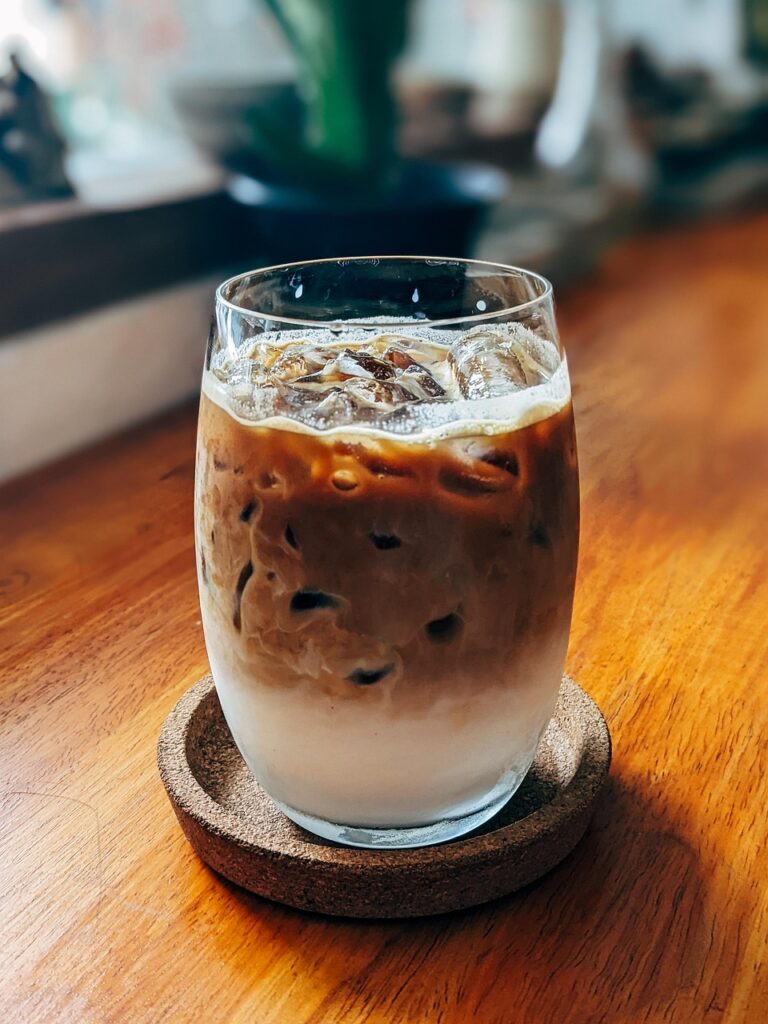
Iced coffee with plant milk feels like a refreshing summer choice yet frequently carries an unexpected surcharge. Baristas may apply the fee when oat, almond, or soy milk replaces dairy cold foam or creamer.
The markup is often explained as part of beverage customization. Because iced drinks already have variable costs, plant milk becomes another modifier that elevates pricing without an obvious justification to the customer.
Each upcharge adds a little to the total, which can add up over time for frequent iced coffee drinkers. The practice quietly raises everyday spending without clear communication at the point of ordering.
8. Default Milk Substitution Fee

Some coffee shops levy a fee simply for substituting plant milk in place of default dairy across all drink types. This substitution tax can apply to lattes, flat whites, mochas, cappuccinos, and more.
The fee is often built into point-of-sale systems so that baristas don’t need to explain it. Customers see it only when the final bill appears, making it feel abrupt and unexpected despite being common.
Because the fee applies broadly, it quietly inflates bills for a wide range of orders. This practice highlights the gap between customer perception of choice and the way coffee shops monetize customization.
9. Mocha Plant Milk Charge
Mocha drinks pair espresso with chocolate and steamed milk, making them inherently richer beverages. When plant milk replaces regular milk, many cafés add a surcharge to the final price.
The reason given often relates to the perceived premium status of plant milks. Coffee shops assume that because the base beverage feels more elaborate than a simple black coffee, any additive ingredient also carries extra value. Almond, oat, and soy milks are often marketed as specialty alternatives rather than standard staples.
Customers may appreciate the combination of chocolate and plant milk flavors, yet the added cost makes the drink feel less straightforward than its dairy counterpart.
10. Espresso Drinks Alternative Milk Tax

Alternative milk taxes apply most visibly to espresso-based drinks where milk texture and integration matter. Baristas often treat these modifiers as triggers for upcharges regardless of how the milk is used.
The surcharges appear on a wide range of drinks from cortados to cappuccinos. Many customers assume that a small substitution would not alter the price drastically, yet the fee adds up across frequent visits. A modest daily upcharge can translate into significant monthly spending for regular patrons.
This pattern reflects how shops manage cost recovery and menu simplicity at the expense of transparency. It quietly shifts the economics of everyday coffee consumption.
11. Cold Foam Plant Milk Fee

Cold foam has become a popular addition for texture and mouthfeel. When customers use plant milks for cold foam, the preparation often requires extra effort and careful handling to achieve stability.
Because of this perceived complexity, many cafés charge a premium on top of the beverage price. Baristas may treat it as an additional component rather than a simple substitution.
The fee can feel out of step with customer expectations. While diners enjoy the creamy layer, the surcharge quietly increases the total without a clear explanation at the point of order. Because the visual difference in the drink appears minimal, the added charge may seem disproportionate.
12. Signature Seasonal Drink Surcharge

Seasonal drinks already command higher prices due to limited availability and themed ingredients. Adding plant milk to these specialty concoctions often tacks on an extra upcharge.
Whether it is a spiced latte or a holiday-themed beverage, plant milk becomes another customization that triggers higher billing. The seasonal context makes the surcharge feel even more stealthy. Festive flavors and limited-time branding draw attention to the syrup or topping rather than the base substitution cost.
Customers may rationalize the cost because of the festive appeal, but the combined pricing can significantly inflate the bill beyond what similar drinks cost during regular months.
13. Premium Milk Blend Extra Charge

Some cafés offer blended plant milks or proprietary vegan milk mixtures marketed as elevated alternatives. These proprietary blends often command a separate line item on receipts and premium pricing.
The elevated cost reflects branding and exclusivity more than actual ingredient rarity. Many of these blends use combinations of oat, almond, and pea milks but carry a higher surcharge than their base components. Proprietary labels and specialty packaging reinforce the idea of a unique formulation.
In reality, the raw materials are widely available and produced at scale. While customers may enjoy the novelty, the surcharge quietly increases spending without a transparent justification when ordering routine drinks.
14. Alternative Milk Barista Crafted Fee

Barista-crafted plant milk drinks often require additional steps, such as steaming at specific temperatures or layering with foam. This perceived added effort becomes a line item cost for some shops.
The fee shows up across customized espresso beverages and can be automatic based on how the point of sale system is programmed. Customers often remain unaware until checkout. Digital menus may not clearly display substitution charges until the final total appears.
It quietly adds to the bill and can make repeat plant-based drink orders noticeably more expensive over time. The charge frames customization as a luxury rather than a simple preference.