11 Name-Brand Groceries That Lost Their Edge

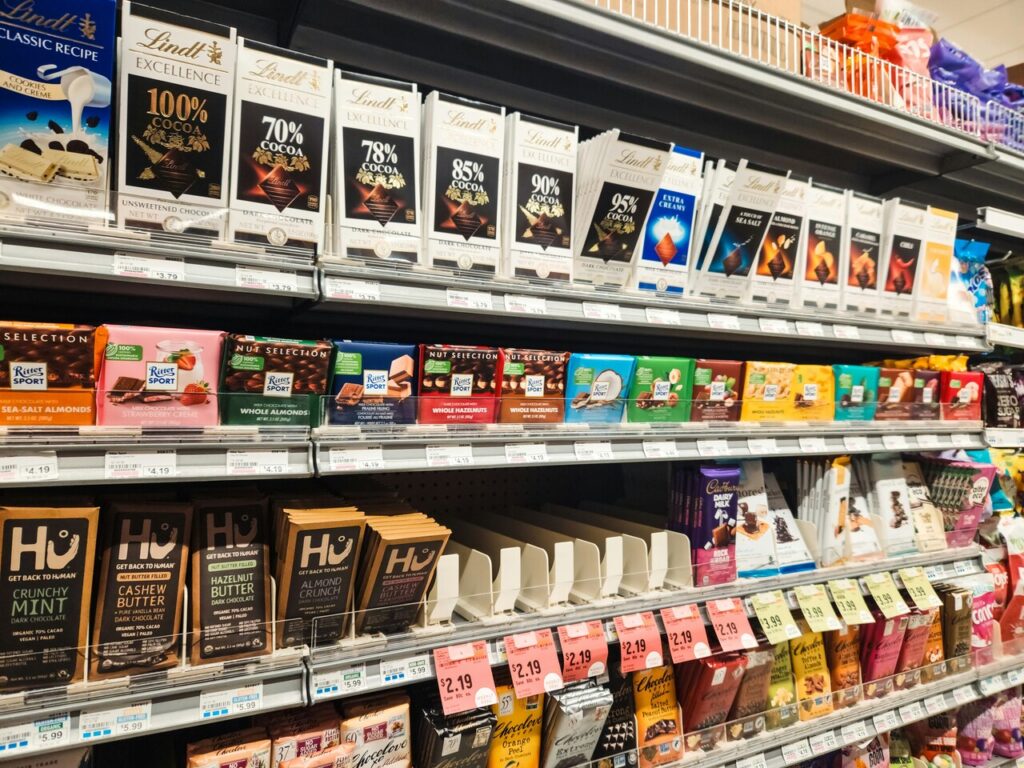
Grocery store shelves are filled with brands that have been household names for decades. These products built their reputation on consistency, convenience, and strong brand recognition. For years, many of them defined entire categories and shaped everyday meals. But the market has changed. Consumers now have more choices, from store brands to premium alternatives, and expectations around ingredients, freshness, and value have shifted. As a result, some of these well-known names no longer stand out the way they once did, even if their products remain widely available.
1. Kraft Mac & Cheese

Few pantry staples are as recognizable as Kraft Mac & Cheese. The bright box and powdered cheese sauce made it a quick and comforting meal for generations. Its appeal came from convenience, affordability, and a taste that felt consistent every time.
In recent years, however, some consumers feel the product does not deliver the same experience. Changes in ingredients, especially the removal of certain additives and dyes, have slightly altered both flavor and color.
Shoppers now pay closer attention to ingredients and are willing to explore alternatives. Even small adjustments to a familiar product can stand out, which is why a once-dominant brand can feel less distinctive over time.
2. Heinz Ketchup
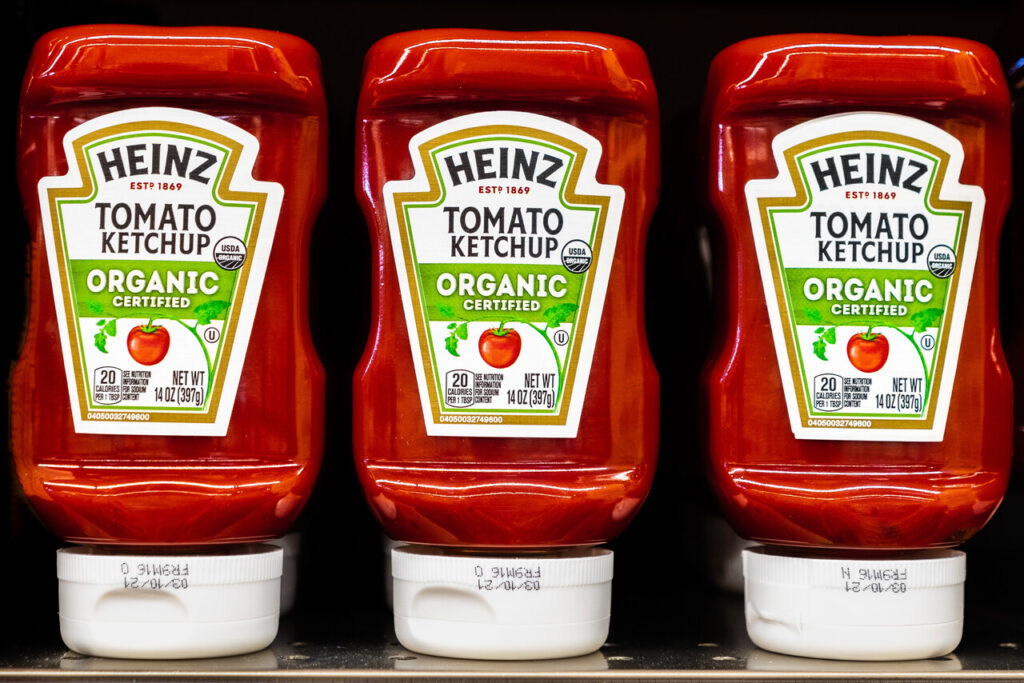
Heinz ketchup has long been associated with a specific balance of sweetness and acidity. For many households, it became the standard by which all other ketchup brands were judged.
The challenge today is not necessarily a dramatic change in the product itself, but increased competition. Private label brands and specialty ketchups offer similar flavors at lower prices or introduce variations like organic or reduced sugar options.
As more choices become available, brand loyalty becomes less automatic. When alternatives deliver comparable taste and value, the original product may no longer stand out as clearly as it once did, even if the recipe remains largely unchanged.
3. Campbell’s Soup
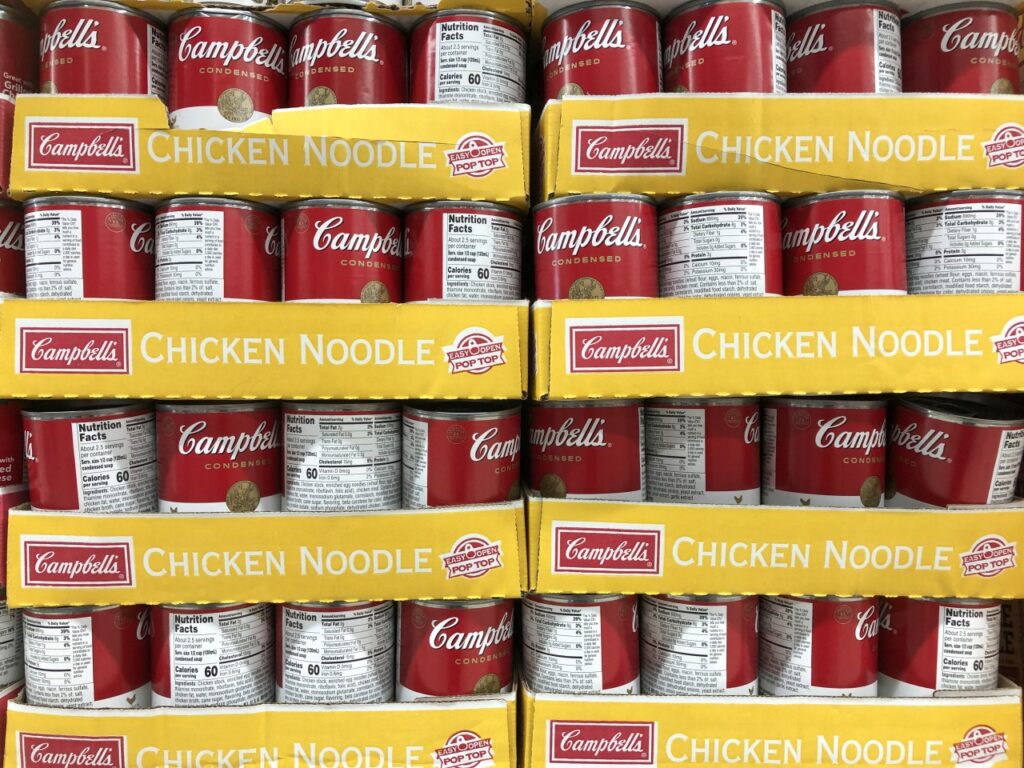
Campbell’s soup has been a symbol of convenience, offering ready-to-heat meals that require little preparation. Its canned soups became a household staple, especially for quick lunches and simple dinners.
Over time, changing eating habits have affected how these products are viewed. Many consumers now prefer fresher options or meals with fewer processed ingredients. As a result, canned soup can feel less appealing compared to newer alternatives.
This shift highlights how convenience alone is no longer enough. Modern consumers often look for both ease and perceived quality, and when a product is seen as overly processed, it can lose some of its appeal despite its long history.
4. Hellmann’s Mayonnaise
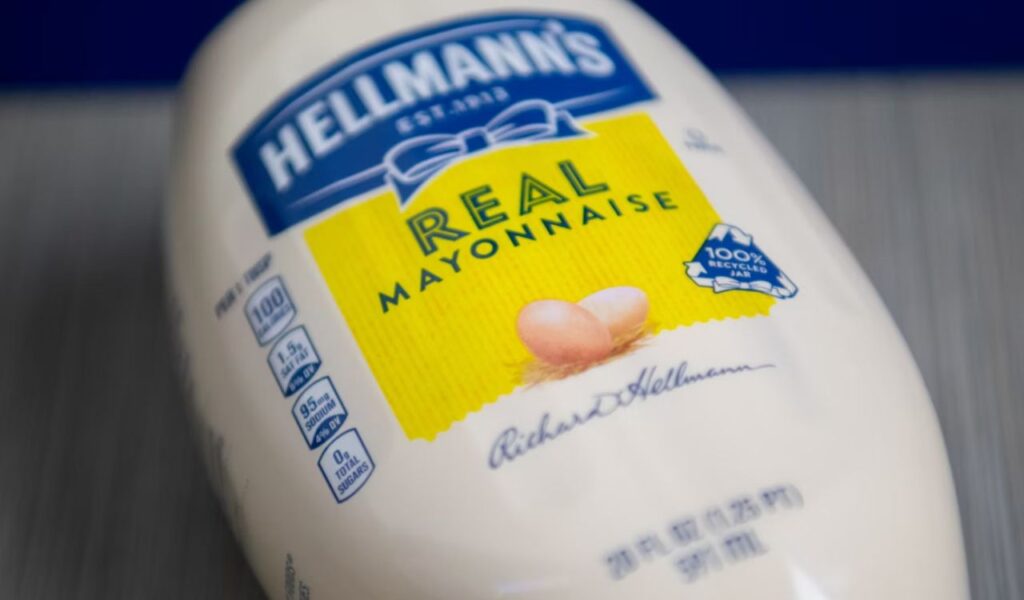
Mayonnaise is a simple product, but Hellmann’s built its reputation on delivering a consistent texture and flavor that worked across many dishes. It became a go-to option for sandwiches, salads, and sauces.
In recent years, competition has expanded significantly. Store brands and specialty versions, including organic and plant-based options, have created more variety in a category that was once dominated by a few major names.
With more choices available, consumers are more willing to experiment. When alternatives offer similar creaminess or cater to specific dietary preferences, the original brand can feel less essential than it once did.
5. Oscar Mayer Processed Meats

Oscar Mayer has long been associated with products like hot dogs and deli meats. These items were valued for their convenience and long shelf life, making them easy additions to everyday meals.
Changing attitudes toward processed foods have affected how these products are perceived. Many consumers now look for fewer additives, simpler ingredient lists, and fresher options, which can make traditional processed meats feel less appealing.
This shift is driven by increased awareness around nutrition and food quality. As preferences evolve, products that were once defined by convenience may struggle to maintain the same level of demand without adapting to new expectations.
6. Chips Ahoy Cookies
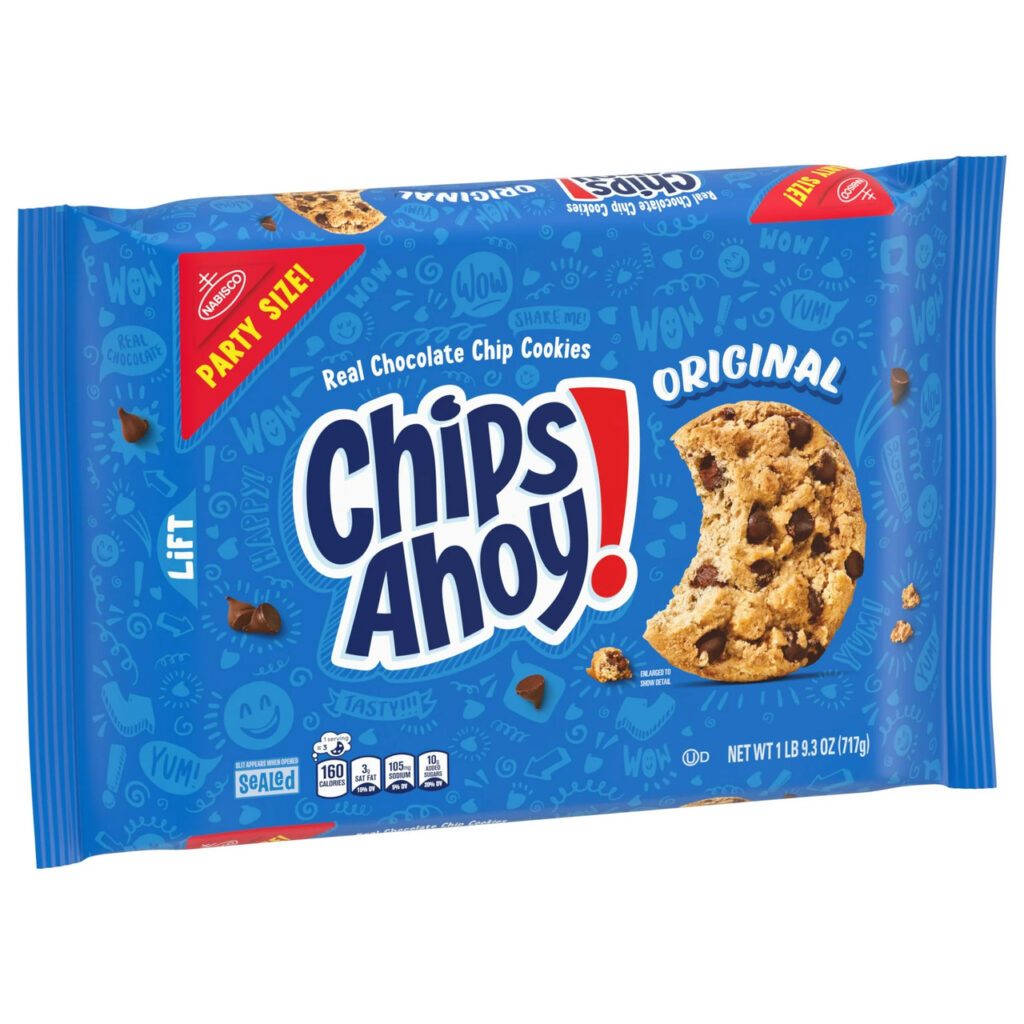
Chips Ahoy cookies have been a familiar snack for years, known for their crunchy texture and chocolate chip flavor. They offered a consistent and widely available option for those looking for a simple treat.
The market for cookies has become more competitive, with options ranging from soft-baked varieties to premium bakery-style products. These alternatives often focus on richer ingredients or different textures that appeal to changing tastes.
As consumers explore these newer options, traditional packaged cookies can feel less distinctive. Even if the original recipe remains the same, it competes in a category that now offers more variety and perceived quality.
7. General Mills Cereals

Breakfast cereals from General Mills have been a staple in many households, offering a wide range of flavors and styles. From sweet options aimed at children to more balanced choices for adults, the brand has covered multiple segments.
In recent years, cereal consumption has declined as eating habits have changed. Many people now prefer quicker or more portable breakfast options, while others look for foods with higher protein or lower sugar content.
This shift has reduced the dominance of traditional cereal brands. When daily routines change, even well-established products can lose relevance, especially if they do not align with evolving preferences.
8. Nestlé Frozen and Packaged Foods

Nestlé has offered a wide range of frozen meals and packaged products designed for convenience. These items made it easy to prepare a full meal with minimal effort, which appealed to busy households.
Consumer preferences have gradually moved toward fresher and less processed foods. Frozen meals are often compared with alternatives that emphasize natural ingredients or restaurant-style quality.
As expectations increase, convenience alone is not always enough to drive demand. When consumers seek both speed and freshness, traditional frozen products may need to evolve to stay competitive. This shift pushes brands to improve quality while maintaining ease of use
9. Unilever Packaged Food Brands
Unilever manages several well-known packaged food brands that have been part of everyday cooking for years. These products often focus on sauces, spreads, and meal components that simplify preparation.
The market has become more crowded with niche brands offering specialized or premium options. Many of these newer products highlight unique flavors, cleaner ingredients, or specific dietary benefits.
As a result, large legacy brands face pressure to stand out in a more diverse landscape. When consumers are drawn to smaller or more targeted options, traditional brands can appear less distinctive.
10. Smucker’s Jams and Spreads
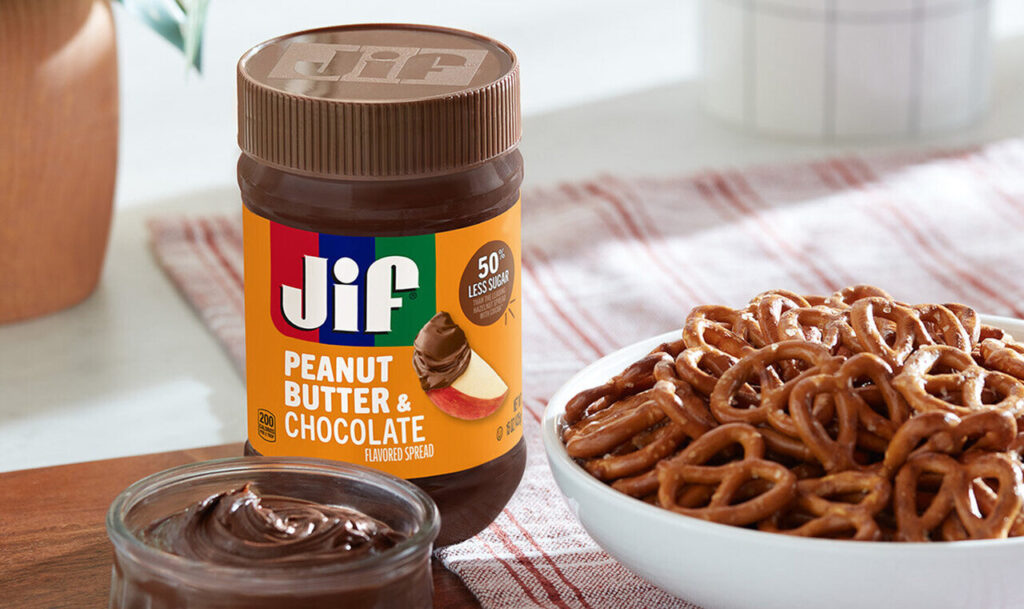
Smucker’s has been a familiar name in jams and spreads, offering classic fruit flavors that pair well with everyday meals. Its products have been associated with reliability and a straightforward approach to taste.
In recent years, the category has expanded with options that emphasize natural ingredients, reduced sugar, or artisanal preparation. These alternatives appeal to consumers looking for something closer to homemade quality.
When preferences shift toward freshness and simplicity, traditional spreads may feel less appealing. Even if the product remains consistent, the expectations around what jam should taste like have evolved.
11. PepsiCo Juice Brands
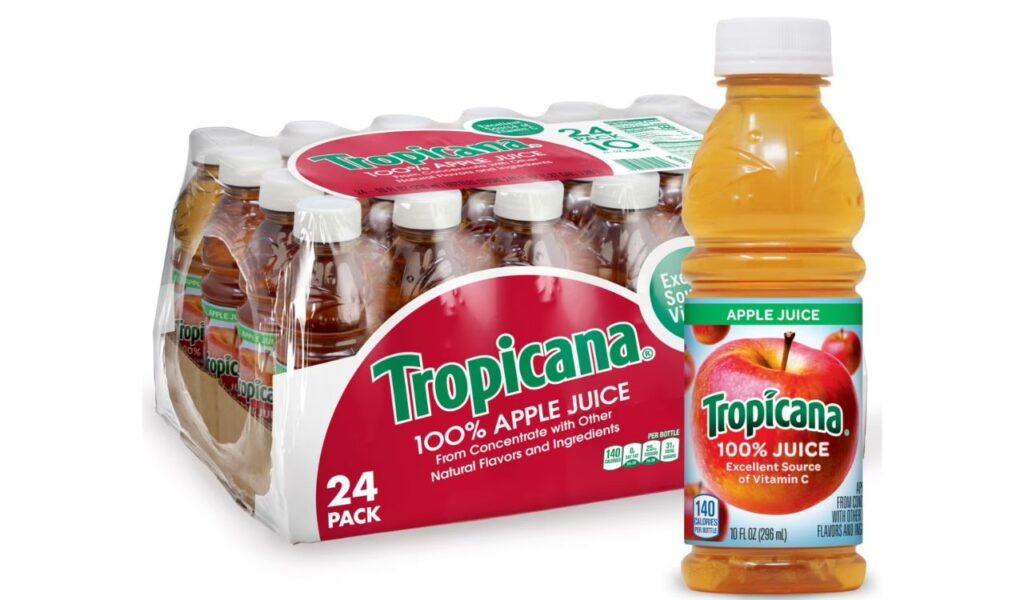
Packaged fruit juices from brands like Tropicana were once seen as a convenient way to enjoy fruit flavors at home. They became a common part of breakfast routines and were widely trusted for their consistency.
Changing views on sugar content and processed beverages have influenced how these products are perceived. Many consumers now look for whole fruit or freshly squeezed options instead.
As awareness grows, packaged juices face increased scrutiny. Even well-known brands must adapt to shifting expectations around health and nutrition, which can affect how they are positioned in the market.