8 Rice Dishes That Take More Effort Than They’re Worth

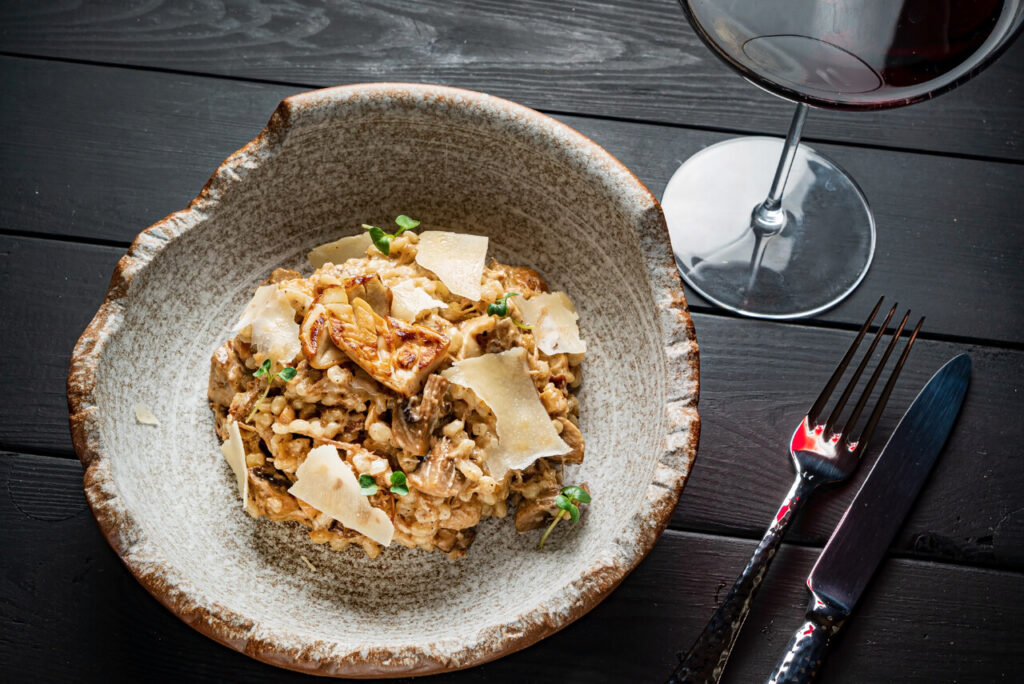
Rice has a reputation for being simple, affordable, and endlessly adaptable. In reality, some rice dishes turn into full production projects once you move past the recipe headline. Extra soaking, partial cooking, constant stirring, specialty ingredients, and tight timing windows can quietly stretch a meal into hours of work. The payoff is often delicious, but not always proportional to the energy, dishes, and focus required to get there. What starts as a comforting idea can quickly feel like a weekend commitment rather than a practical dinner plan. These dishes highlight how technique-heavy rice recipes can cross the line from rewarding to exhausting when time and simplicity matter most.
1. Biryani That Turns One Meal Into an All-Day Project
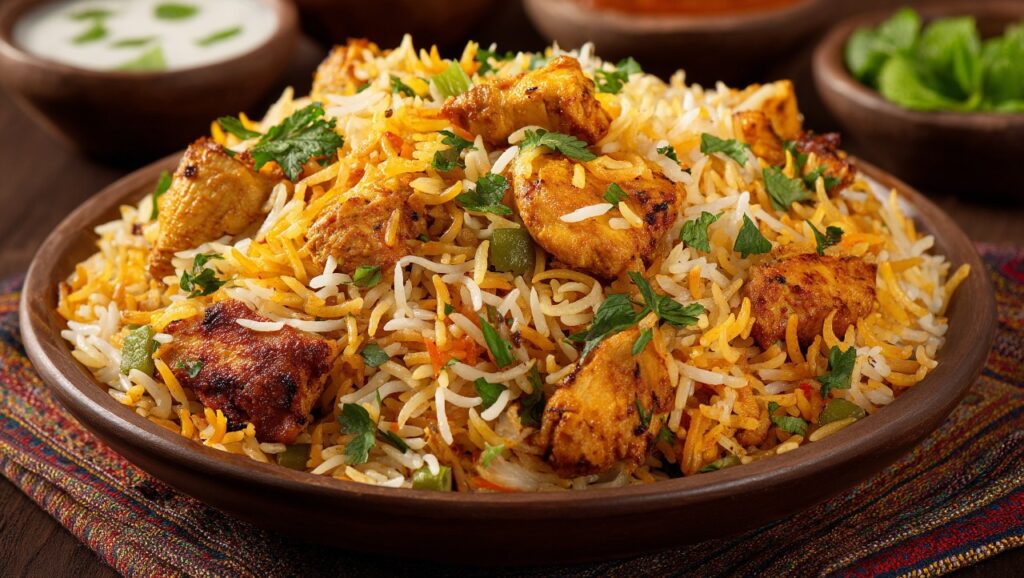
Biryani has a reputation for being one of the most fragrant and impressive rice dishes in the world, but making it well at home quickly turns into a major time commitment. The process often begins with marinating meat or vegetables for hours so that spices fully penetrate. Rice must be partially cooked separately, carefully drained, and layered with the protein and aromatics without breaking the grains. Whole spices like cardamom, cloves, cinnamon, and bay leaf require precise balance so they perfume the dish rather than dominate it. Sealing the pot properly to trap steam adds another layer of technique, and timing errors can leave the rice mushy or undercooked. Cleanup is extensive because multiple pots, strainers, and spice grinders come into play. Even when everything goes right, the flavor difference between a good home version and a solid restaurant version can feel narrower than the labor suggests. What starts as a beautiful culinary challenge often becomes something reserved for special occasions rather than weeknight reality.
2. Paella That Demands Precision and Specialty Ingredients
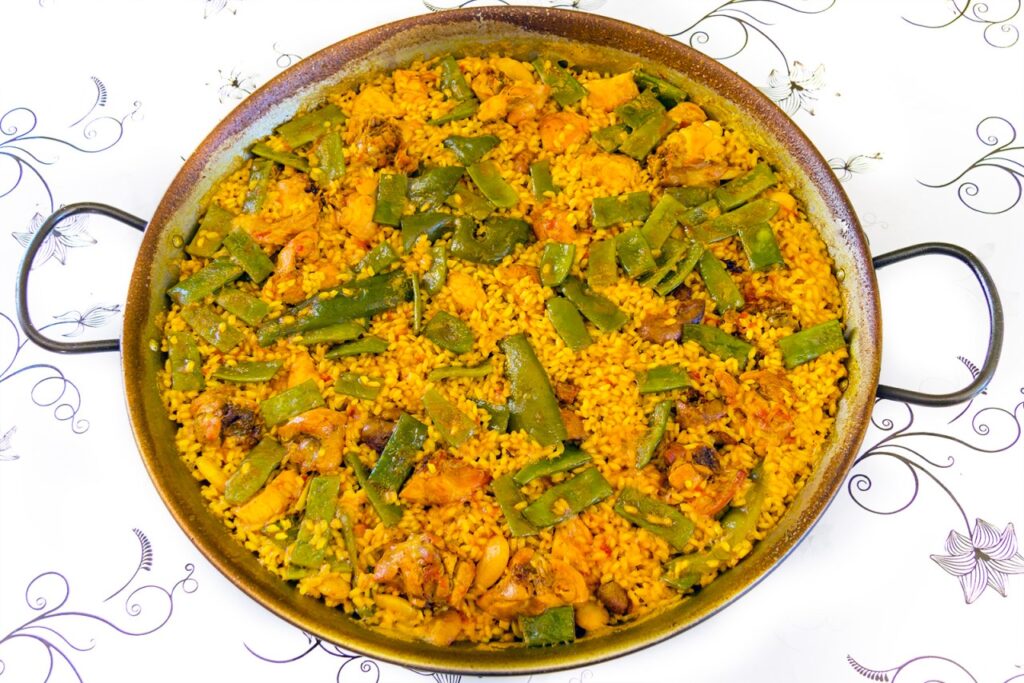
Paella looks simple in photographs, but executing it correctly requires careful orchestration. The pan must be wide and shallow to allow even evaporation. The rice must absorb stock evenly without stirring too much, which contradicts many home cooking instincts. Developing the coveted crispy bottom layer requires controlled heat and close attention, and missing the window can result in burnt rice instead of golden crust. Authentic versions rely on saffron, quality seafood or meats, and specific short-grain rice varieties that may not be readily available or affordable. Timing the addition of proteins so they remain tender while rice finishes cooking adds pressure. Outdoor cooking introduces wind and temperature variables that complicate consistency even more. The final result can be delicious, but many home cooks find the margin for error frustratingly narrow compared to the payoff.
3. Risotto That Requires Constant Hands-On Attention
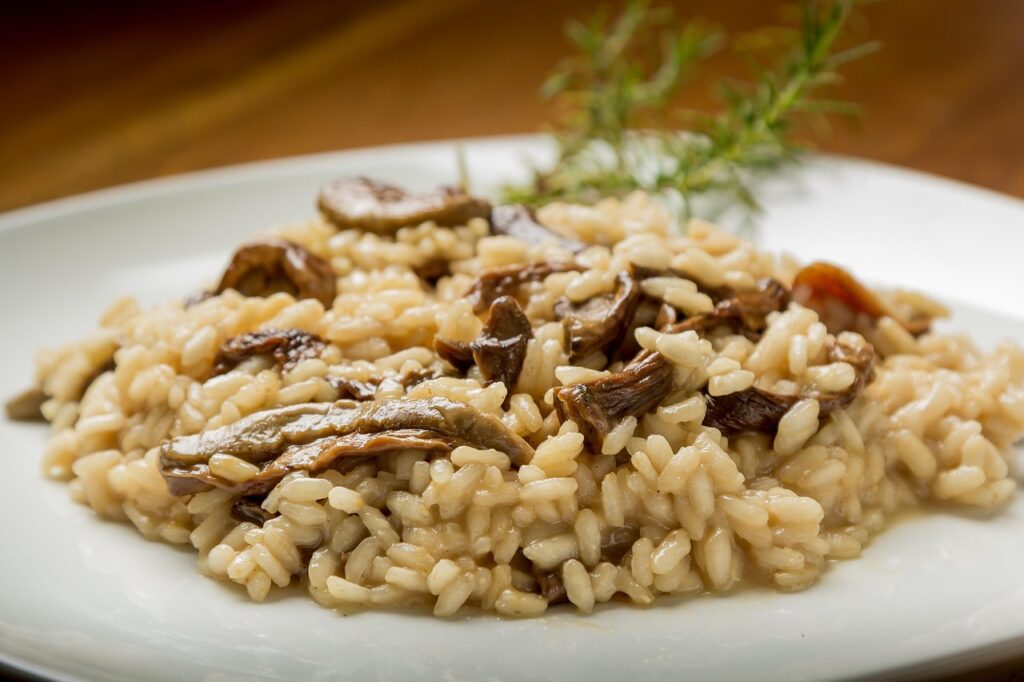
Risotto delivers luxurious creaminess without cream, but the technique demands near continuous stirring and incremental stock additions for upward of half an hour. Each ladle of liquid must absorb before the next addition, which prevents multitasking and locks the cook at the stove. Temperature control matters because too much heat causes scorching, while too little stalls starch release. Quality stock significantly affects final flavor, adding yet another preparation layer if homemade. Even slight distractions can push the texture from creamy to gluey. Cleanup includes sticky starch residue on pots and spoons. While the result can be comforting and satisfying, many cooks question whether the intensive hands-on process justifies the final bowl when easier pasta or grain dishes deliver similar satisfaction with far less effort.
4. Jambalaya That Becomes a Multi-Stage Cooking Marathon
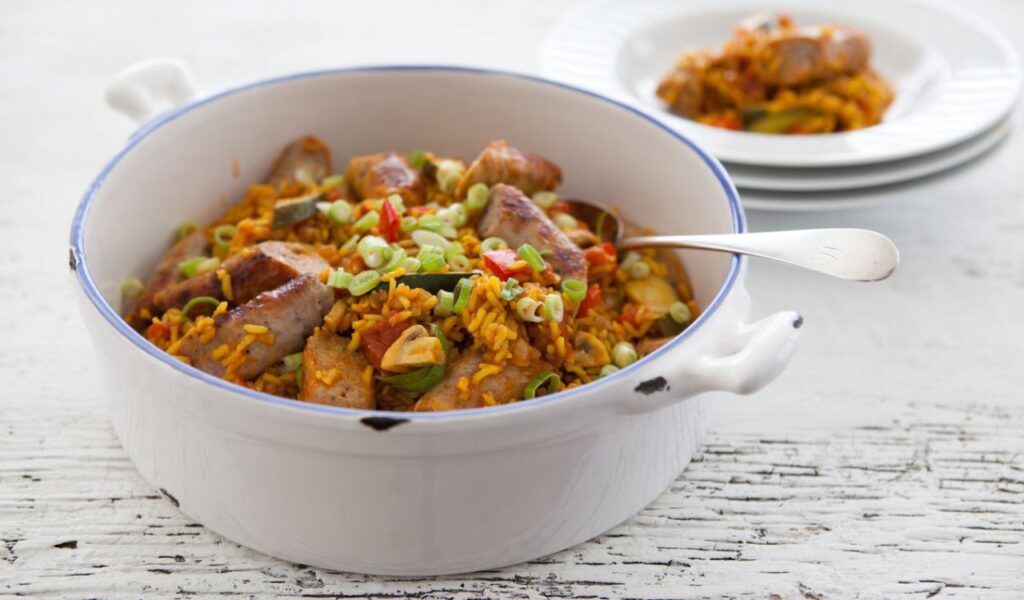
Jambalaya combines browning meats, building a flavor base, deglazing, simmering rice, and balancing spices in one pot. Each stage carries its own timing risks. Sausage and chicken must brown without drying out. Vegetables need to soften without burning. Rice must absorb liquid evenly without sticking or becoming mushy. Seasoning needs careful calibration because spice levels intensify as the liquid reduces. The dish also requires ingredient prep, including chopping multiple vegetables and proteins. Cleanup can be substantial due to caramelized bits and oil residue. While jambalaya can feed a crowd, its layered process often feels more demanding than its casual comfort food reputation suggests.
5. Stuffed Grape Leaves That Turn Into an Assembly Line
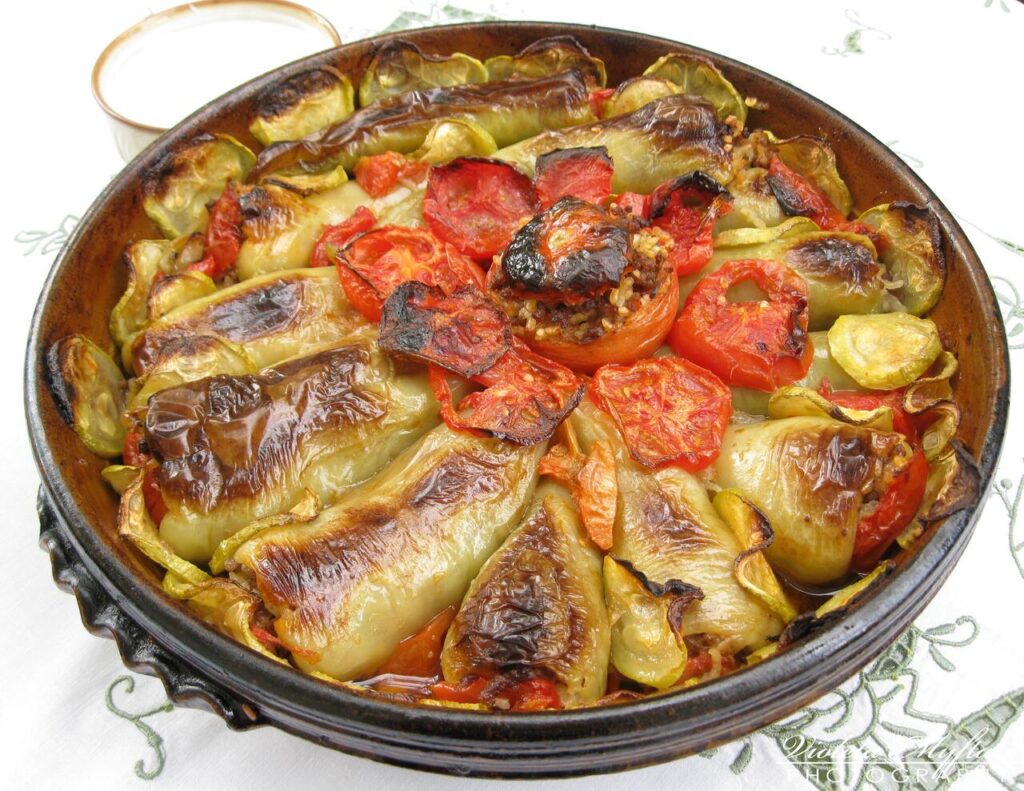
Dolmas require patience more than culinary skill. Preparing the filling involves washing rice thoroughly, chopping herbs finely, and seasoning evenly. Each grape leaf must be carefully rolled to avoid tearing or leakage during cooking. Repeating this dozens of times becomes physically tedious. Stacking and simmering the rolls requires gentle handling so they do not unravel. The cooking time is long, and flavor improvement often comes after resting overnight. Despite the delicate beauty of the finished dish, many cooks find the repetitive labor disproportionate to the quantity produced and the speed at which they disappear once served.
6. Arancini That Multiply Labor Across Two Days

Arancini start with leftover risotto, meaning the cook has already invested time making the base dish. Once chilled, the rice must be portioned, filled with cheese or meat, carefully shaped, breaded, and fried. Each step introduces potential mess and cleanup. Frying requires oil management, temperature control, and batch cooking to prevent overcrowding. Achieving crisp exteriors while keeping centers hot and creamy can be tricky. The process transforms leftovers into something special but doubles effort rather than simplifying the cooking process. Many home cooks appreciate arancini more as a restaurant indulgence than a practical kitchen project.
7. Sushi Rice Bowls That Require Technique Beyond Simplicity
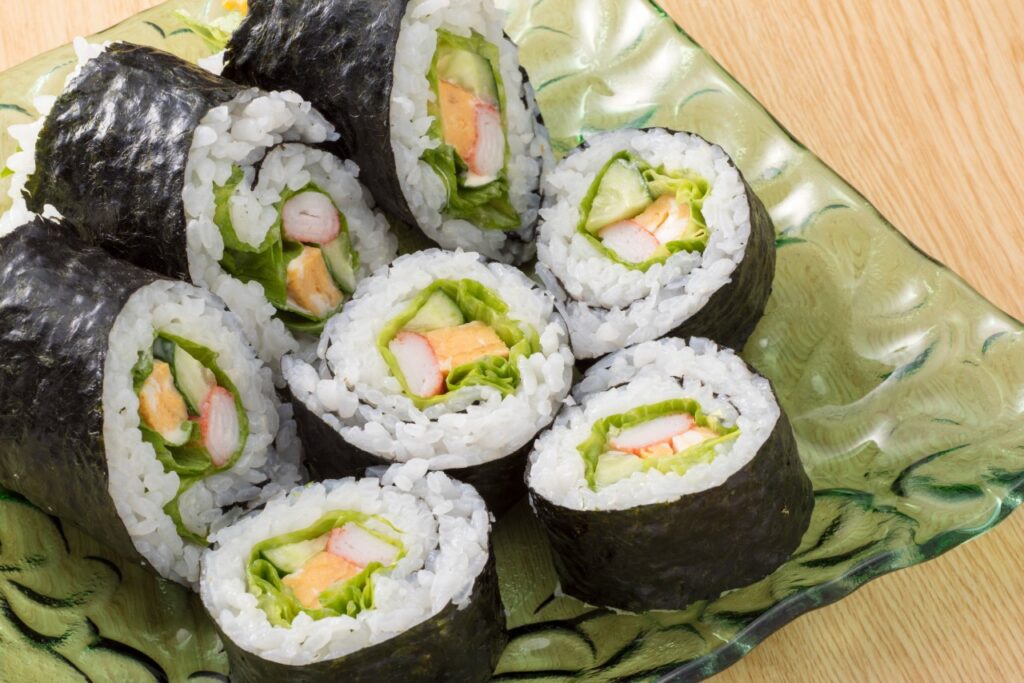
Proper sushi rice demands precision. Rice must be washed repeatedly until the water runs clear, then cooked with exact water ratios. Seasoning with rice vinegar, sugar, and salt requires gentle folding to avoid crushing grains while cooling quickly to prevent stickiness. Ingredient prep for toppings adds further time, including slicing fish, vegetables, and garnishes safely and attractively. Food safety considerations become important when handling raw fish. Even small mistakes can affect texture and balance significantly. While the bowl format simplifies assembly compared to rolling sushi, the foundational rice technique still demands attention that may outweigh convenience for everyday meals.
8. Kedgeree That Juggles Too Many Moving Parts
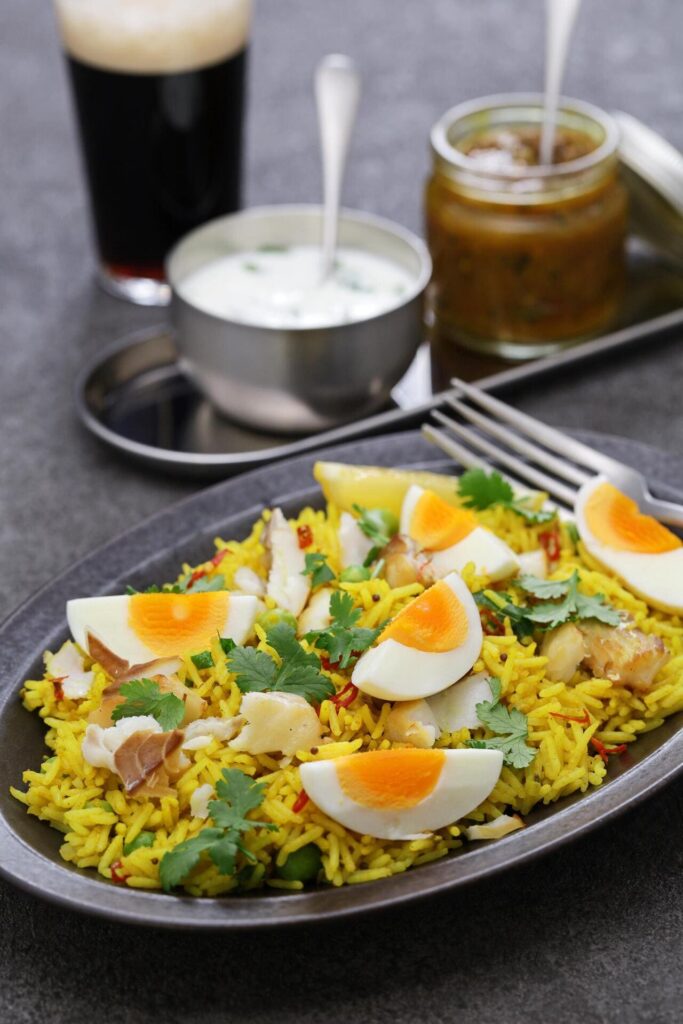
Kedgeree blends smoked fish, spiced rice, eggs, herbs, and creamy elements into one dish, but coordinating each component adds complexity. Fish must be gently poached or flaked without drying out. Rice requires proper seasoning and fluffiness. Eggs need correct doneness for texture contrast. Spices must remain balanced, so smoke, curry warmth, and freshness coexist. Sourcing quality smoked fish can also be limiting, depending on location. Cleanup involves multiple pans and delicate ingredients. The finished dish can taste comforting, but it often feels like more work than the flavor payoff delivers for everyday cooking.