9 West African Recipes That Showcase Bold Tradition and Flavor

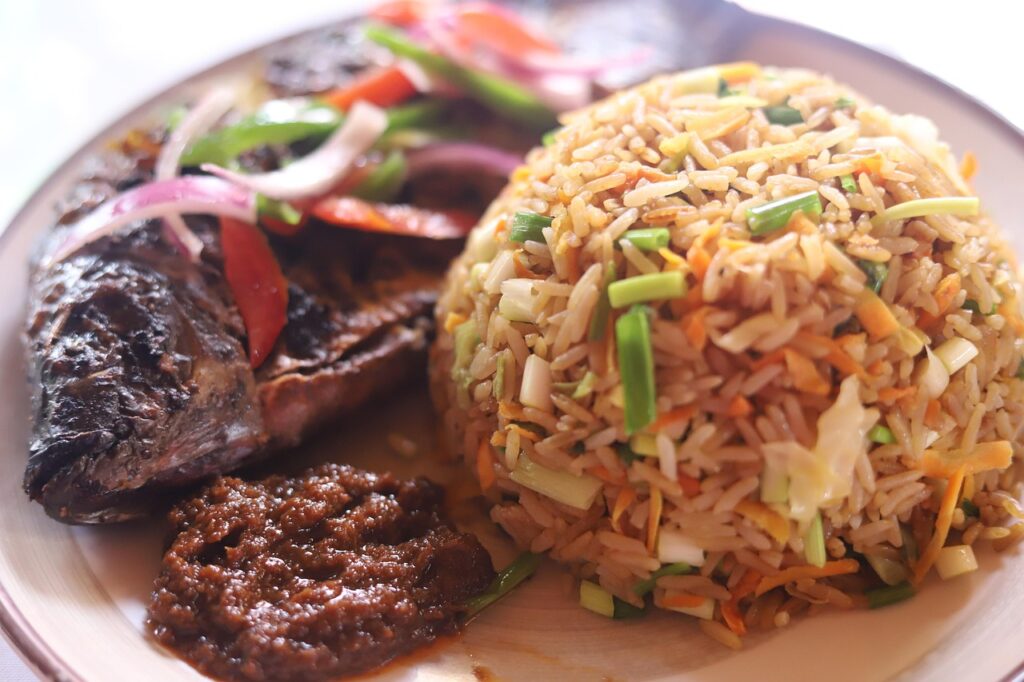
West African cooking is built on bold seasoning, patient techniques, and a deep respect for local ingredients that have fed communities for generations. From smoky rice dishes and nut-rich stews to fire-grilled street foods and silky vegetable soups, these recipes reflect how flavor, texture, and tradition move together in every meal. Many of these dishes were born from practical cooking, using what was available and turning it into something nourishing, filling, and deeply satisfying. Over time, they became cultural anchors for celebrations, family gatherings, and everyday life. What really stands out is how confidently these recipes use spice, acidity, natural oils, and slow simmering to create layers of taste that linger long after the meal ends.
1. Jollof Rice That Turns Simple Grains Into a Celebration
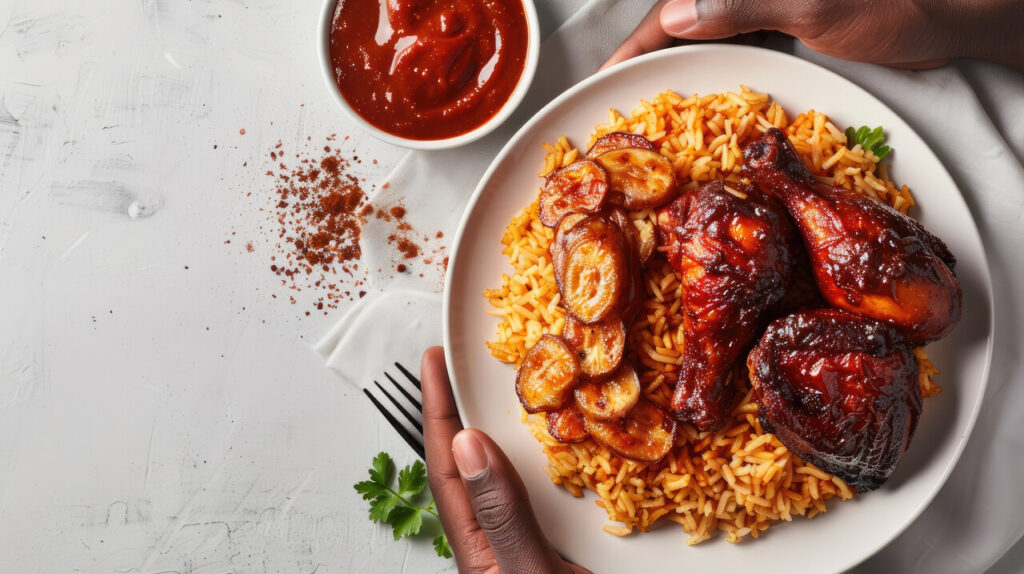
Jollof rice is one of those dishes that proves rice can be anything but boring. At its core, long grain rice is slowly cooked in a rich base of tomatoes, red peppers, onions, garlic, and warming spices until every grain absorbs color and depth. The magic happens during the gentle caramelization of the sauce before the rice goes in, creating a smoky sweetness that defines great jollof. Across West Africa, especially in Nigeria, Ghana, and Senegal, families protect their own techniques and seasoning blends, which fuel friendly debates over which version reigns supreme. Beyond flavor, jollof carries cultural weight. It anchors weddings, festivals, street parties, and Sunday family meals, often served alongside grilled meats, fried plantains, or spicy sauces.
2. Egusi Soup That Builds Deep Comfort From Ground Seeds
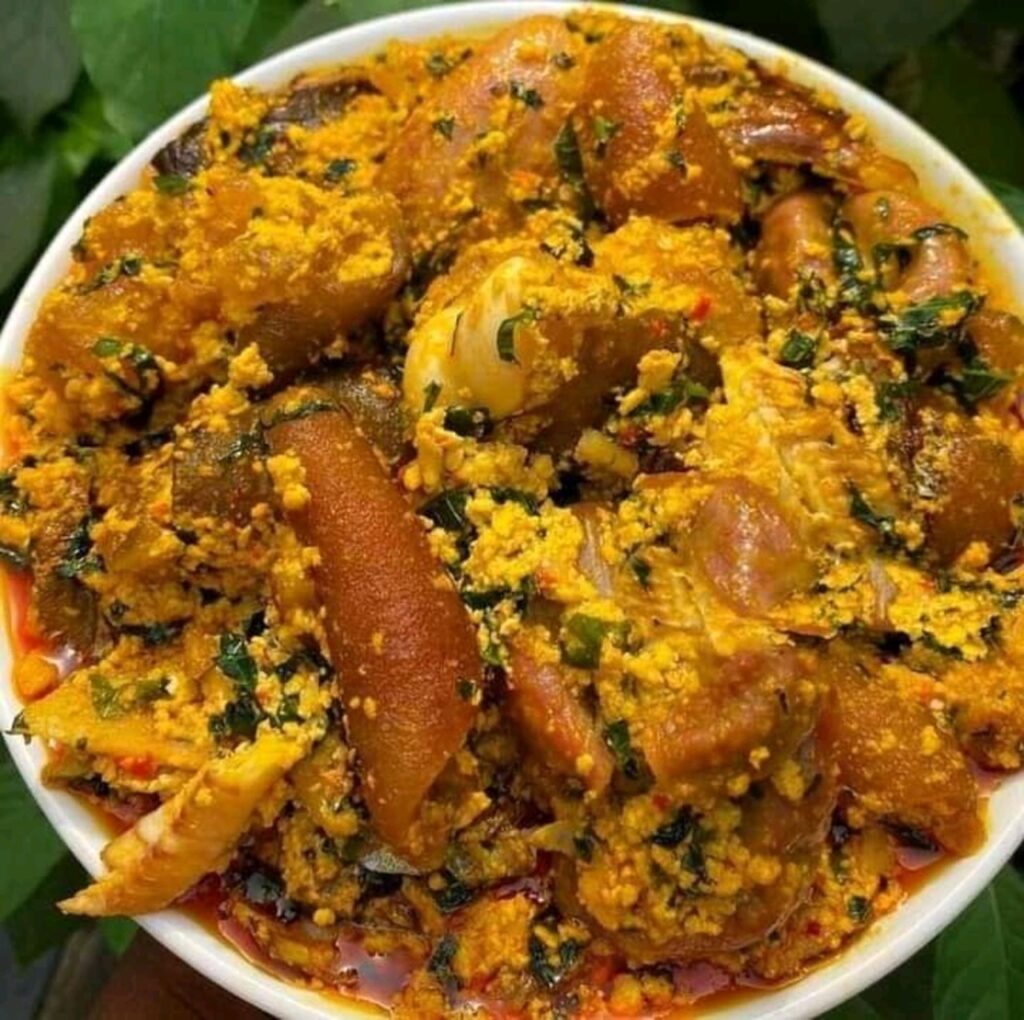
Egusi soup showcases how West African cooking layers texture and richness without relying on dairy or heavy thickeners. The foundation comes from ground melon seeds, which release natural oils and create a thick, nutty body when simmered in palm oil, onions, peppers, and stock. The soup is often enriched with leafy greens, dried fish, or meat, depending on regional preferences and household traditions. The result is a stew that feels hearty, savory, and deeply satisfying without tasting heavy. Egusi is typically eaten with swallow foods like fufu or pounded yam, which scoop up the thick sauce and make the meal feel grounding and communal. The cooking process rewards patience. Properly blooming the egusi in oil before adding liquid prevents lumpiness and builds flavor depth. Spices and peppers add warmth rather than aggressive heat, allowing the nutty character to remain front and center. This dish reflects the West African approach to maximizing local crops and turning them into nourishing, filling meals that feed families generously and consistently.
3. Thieboudienne That Marries Sea and Soil in One Pot
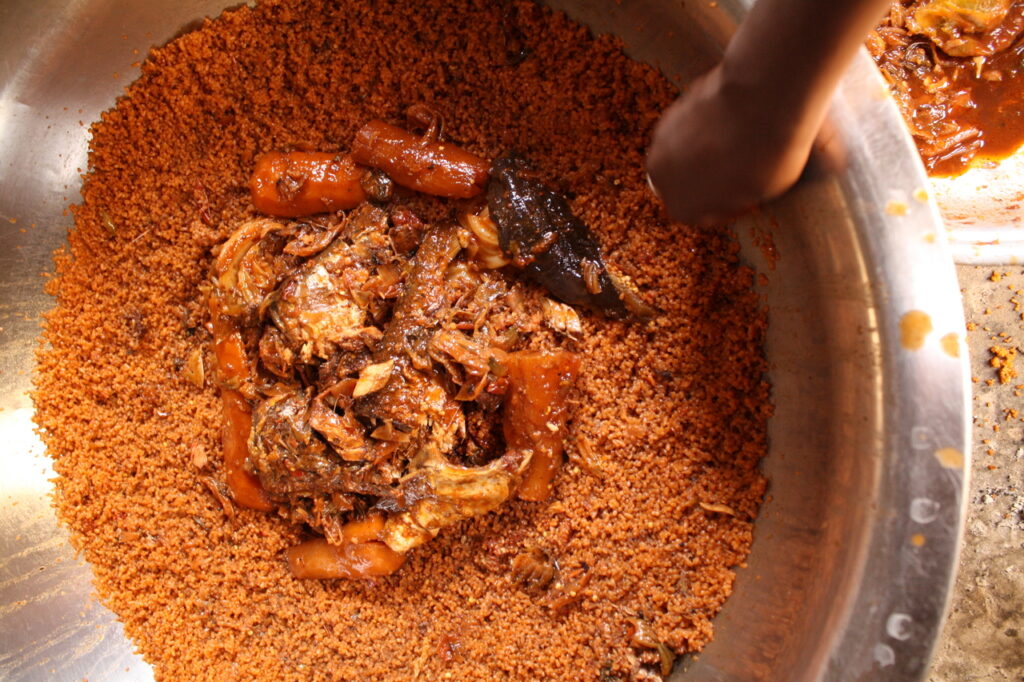
Thieboudienne, often called ceebu jen, represents Senegal’s coastal heritage and love for balanced one pot meals. The dish combines firm white fish with rice cooked in a tomato-based broth infused with garlic, onions, fermented seafood seasoning, and a variety of vegetables like carrots, cassava, cabbage, and eggplant. As the rice absorbs the cooking liquid, it picks up the flavor of both the fish and the vegetables, creating layers of savory complexity. The fish is usually stuffed with herbs and aromatics before simmering, which perfumes the entire pot. Timing matters greatly. Vegetables must stay tender but intact, and the fish should remain flaky rather than breaking apart. Traditionally served on a shared platter, thieboudienne emphasizes communal eating and hospitality.
4. Suya That Turns Fire and Spice Into Street Food Magic
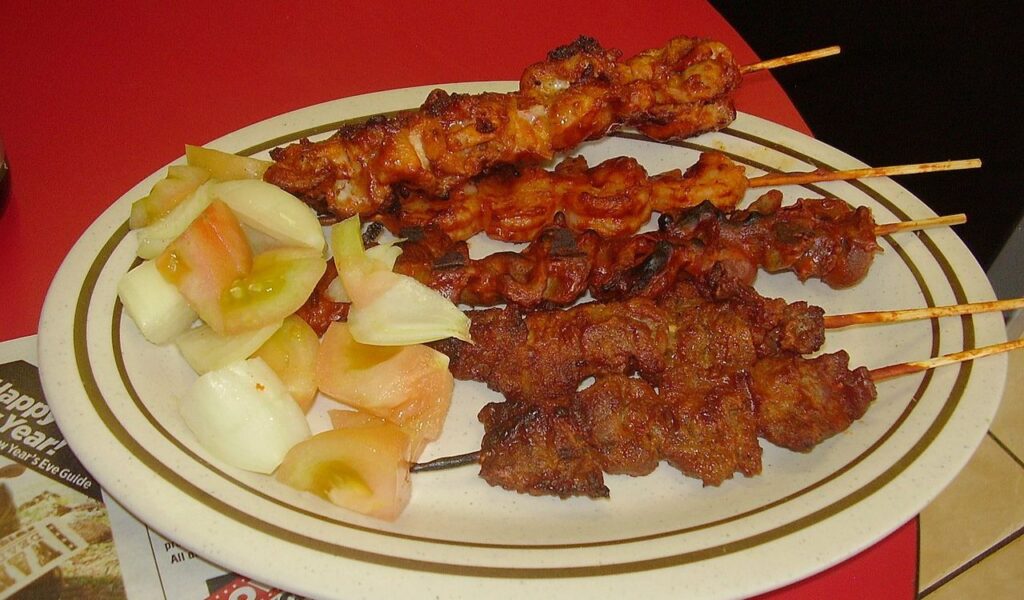
Suya captures the soul of West African street food in one smoky bite. Thin slices of beef or chicken are coated in a fiery peanut-based spice blend made with ground peanuts, chili powder, ginger, garlic, and sometimes paprika. The meat is skewered and grilled over open flames, allowing the fat to drip and create charred edges that intensify flavor. The spice rub forms a crust that delivers heat, nuttiness, and subtle sweetness all at once. Suya is typically served with raw onions, tomatoes, and sometimes flatbread, offering a cooling contrast to the spice.
5. Fufu That Anchors Every Stew With Texture and Tradition
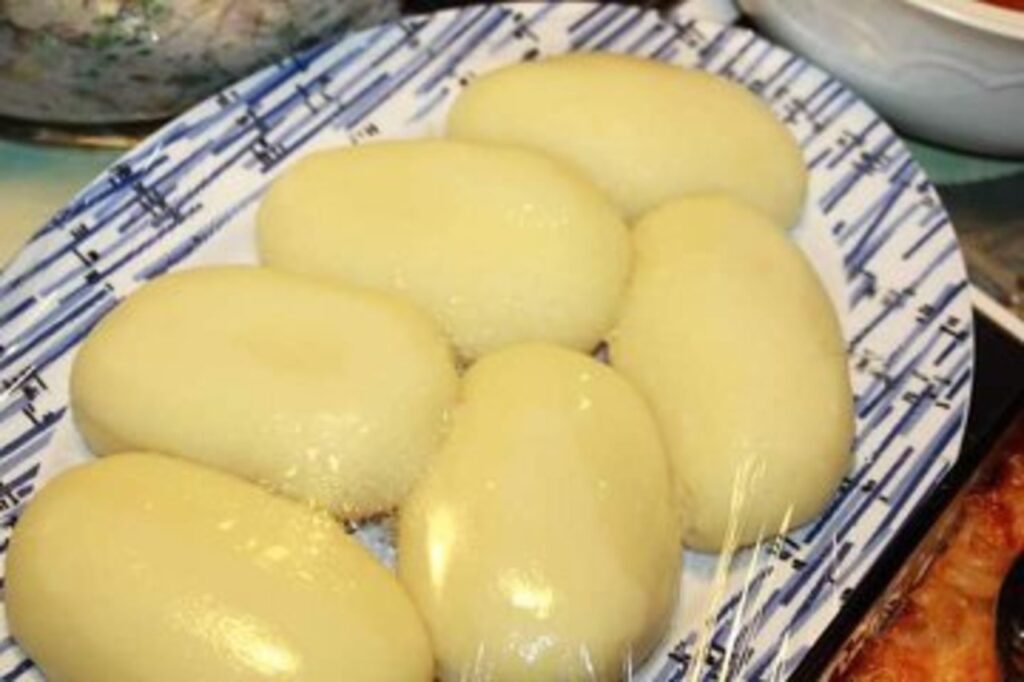
Fufu is not flashy, but it is essential. Made by pounding boiled cassava, yams, or plantains into a smooth, elastic dough, fufu serves as the primary vehicle for enjoying rich soups and stews. The texture is designed to be neutral and slightly chewy, allowing it to absorb sauces without overpowering them. Eating fufu is tactile and communal. Pieces are pinched off, shaped by hand, and dipped into soup, creating a rhythm that slows the meal and encourages conversation. Preparing fufu traditionally requires physical effort and coordination, reinforcing its role as a shared household task. Modern shortcuts exist, but many families still value the traditional pounding process for its texture and symbolism.
6. Peanut Soup That Turns Legumes Into Velvet Richness
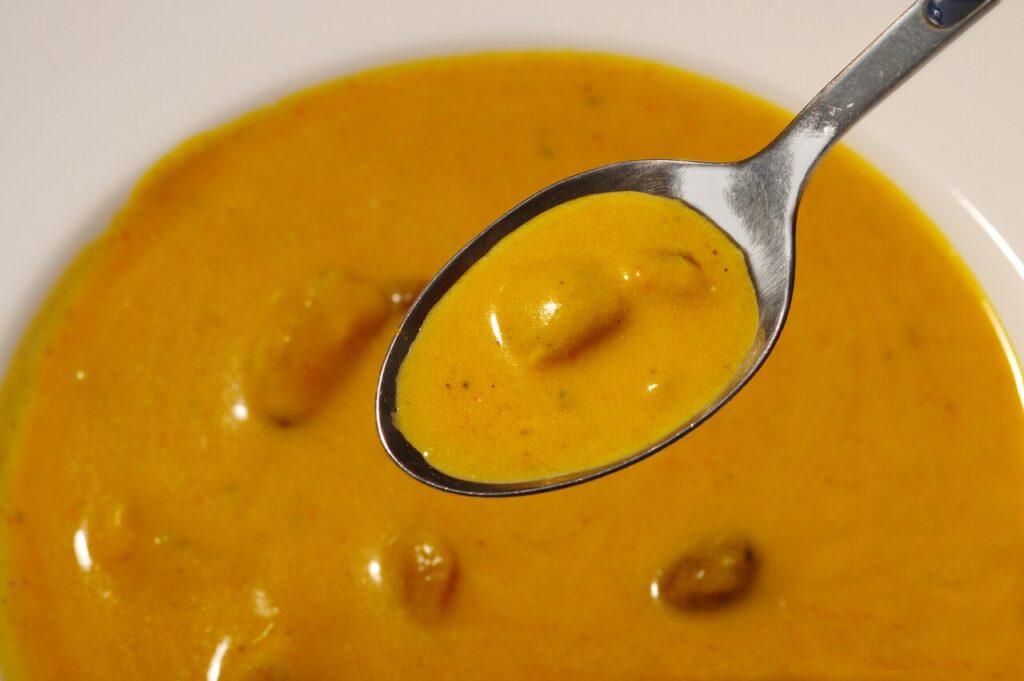
Peanut soup, often called groundnut soup, showcases how legumes become luxurious when handled thoughtfully. Roasted peanuts or peanut butter form the base, blended with onions, tomatoes, garlic, ginger, and sometimes chili for warmth. The result is a velvety broth that balances sweetness, savoriness, and subtle spice. Depending on the region, meats like chicken, goat, or fish may enrich the soup, while vegetables add body and freshness. The fat from peanuts provides natural richness without needing cream or butter. Peanut soup is often paired with rice balls, fufu, or bread, making it deeply filling and satisfying.
7. Soupe Kandia That Celebrates Okra’s Silky Power
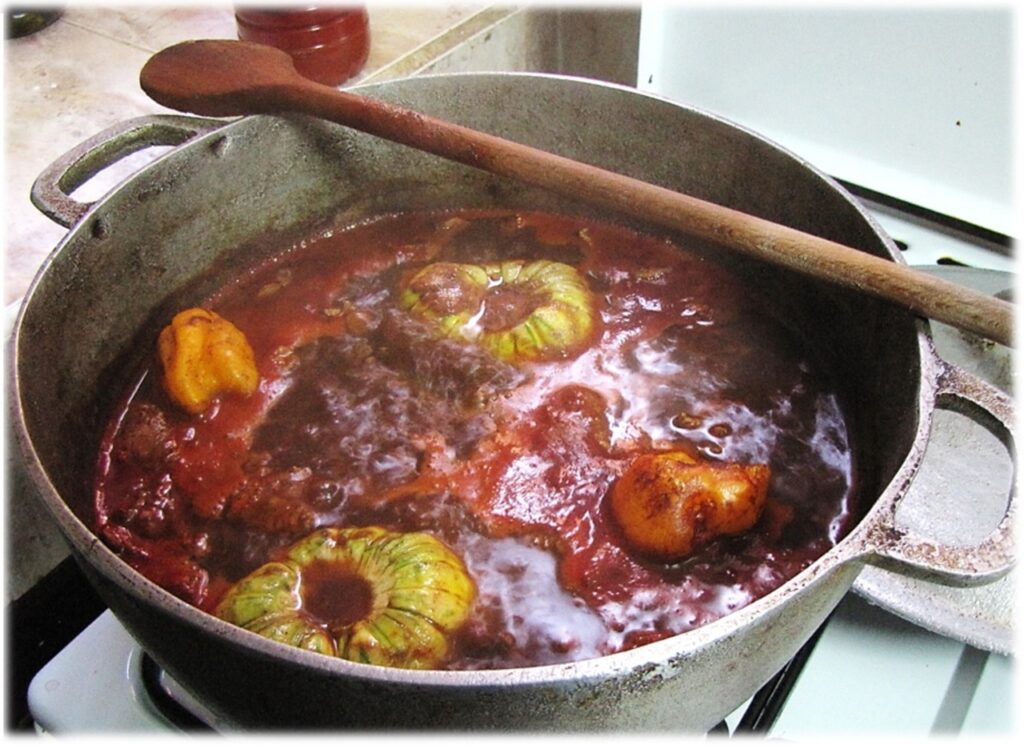
Soupe kandia highlights okra’s natural thickening ability and subtle vegetal flavor. Cooked with palm oil, onions, smoked fish or meat, and aromatic spices, the okra releases mucilage that gives the soup a silky, slightly stretchy texture prized in many West African cuisines. The broth develops complexity from layered seasoning rather than aggressive spice, allowing the okra to remain central. Smoked proteins add depth and savory backbone, while palm oil contributes color and richness. This dish is commonly eaten with rice or fufu, making it a filling yet balanced meal. Soupe kandia reflects regional respect for local produce and how humble vegetables become centerpiece ingredients through thoughtful technique. It also demonstrates how texture plays as important a role as flavor in West African cooking traditions.
8. Yassa That Uses Citrus to Brighten Slow Cooked Depth
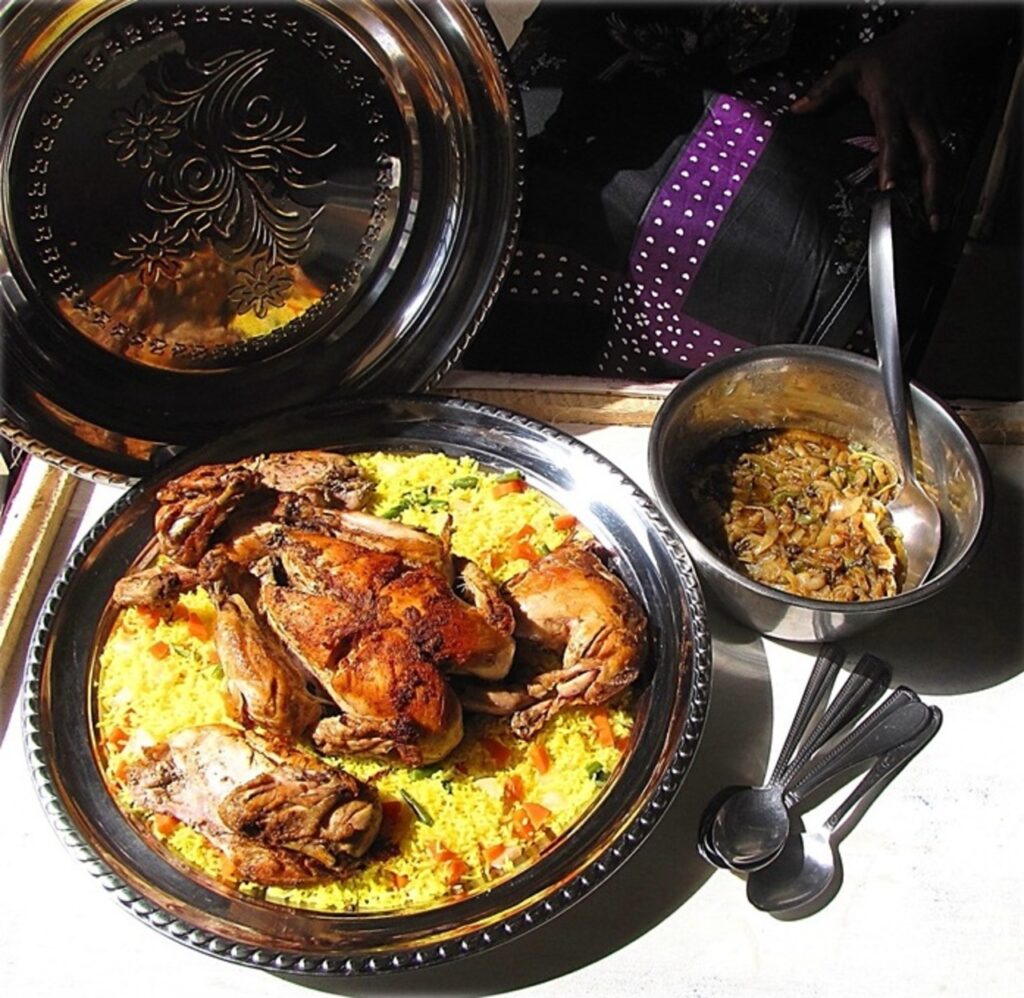
Yassa brings brightness into slow-cooked comfort food through heavy use of onions, lemon juice, and mustard. Chicken or fish is marinated for hours, allowing acidity to tenderize the protein while infusing flavor. During cooking, the onions soften and caramelize, creating a sweet counterbalance to the sharp citrus. The sauce becomes glossy, aromatic, and deeply layered without being heavy. Yassa shows how West African cuisine uses acidity strategically rather than sparingly. The dish pairs beautifully with rice, which absorbs the tangy sauce. The balance between sharpness and sweetness keeps the palate engaged and prevents fatigue. It’s both comforting and refreshing, making it adaptable across seasons and settings.
9. Waakye That Turns Rice and Beans Into Everyday Power Food
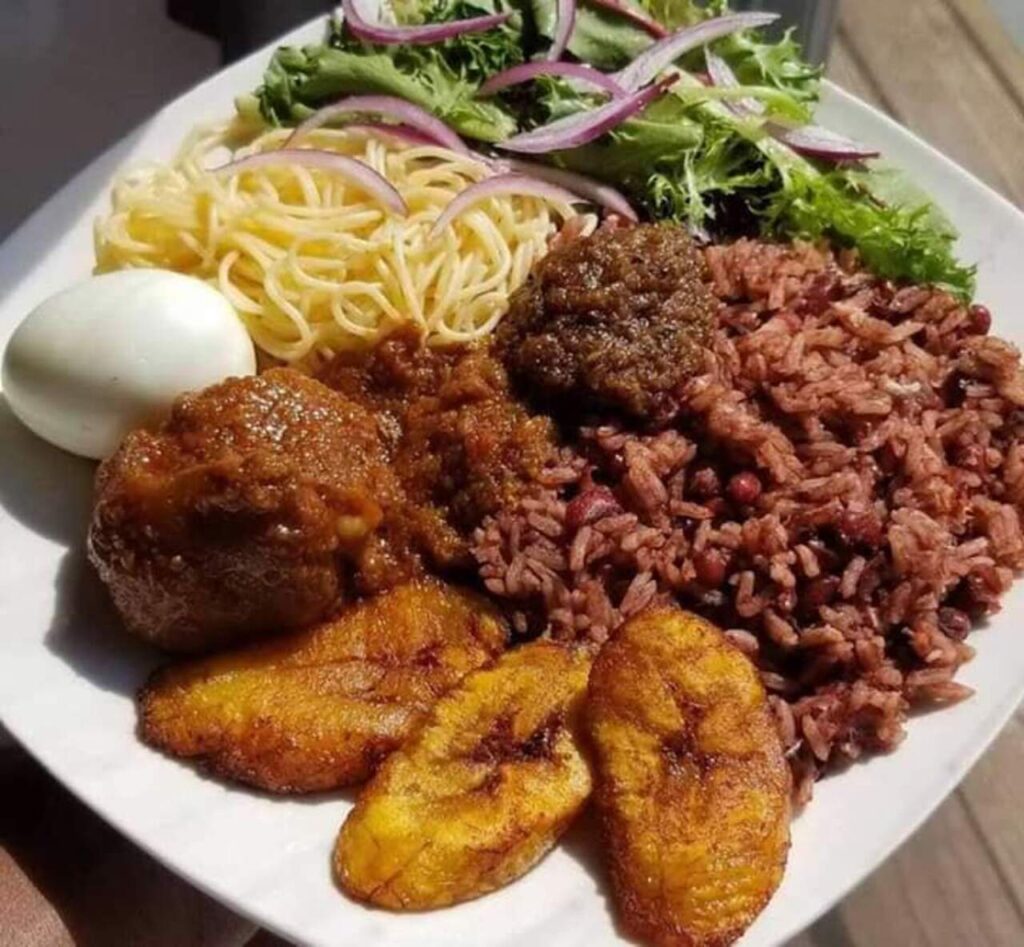
Waakye combines rice and beans into a hearty base meal that fuels long days and large families. Traditionally cooked with dried leaves that impart subtle color and earthy aroma, the grains absorb flavor while maintaining distinct texture. Waakye is often served with multiple toppings, including fried plantains, stewed meats, pepper sauces, and boiled eggs, allowing diners to customize each plate. The dish emphasizes nourishment, affordability, and flexibility. Its protein and fiber content make it sustaining without feeling heavy. Waakye also represents everyday street food culture in Ghana, where quick service meets deep flavor and tradition. It demonstrates how simple staples become exciting through thoughtful layering and cultural ritual.