10 Signature Dishes World Leaders Are Known to Love

What world leaders choose to eat often says more about them than any speech ever could. Behind formal banquets and diplomatic menus, many heads of state gravitate toward deeply familiar dishes that reflect comfort, culture, health priorities, and personal routine. Some favor humble street food that reminds them of home, while others lean into classic national recipes built on tradition and craftsmanship. Practical factors also shape these choices, including security protocols, busy schedules, and the need for consistent energy throughout long working days. Whether it’s a bowl of lentils, a plate of dumplings, or a fast food burger, these signature dishes reveal how leadership still depends on ordinary human habits and cravings.
1. Donald Trump’s Fast Food Favorites

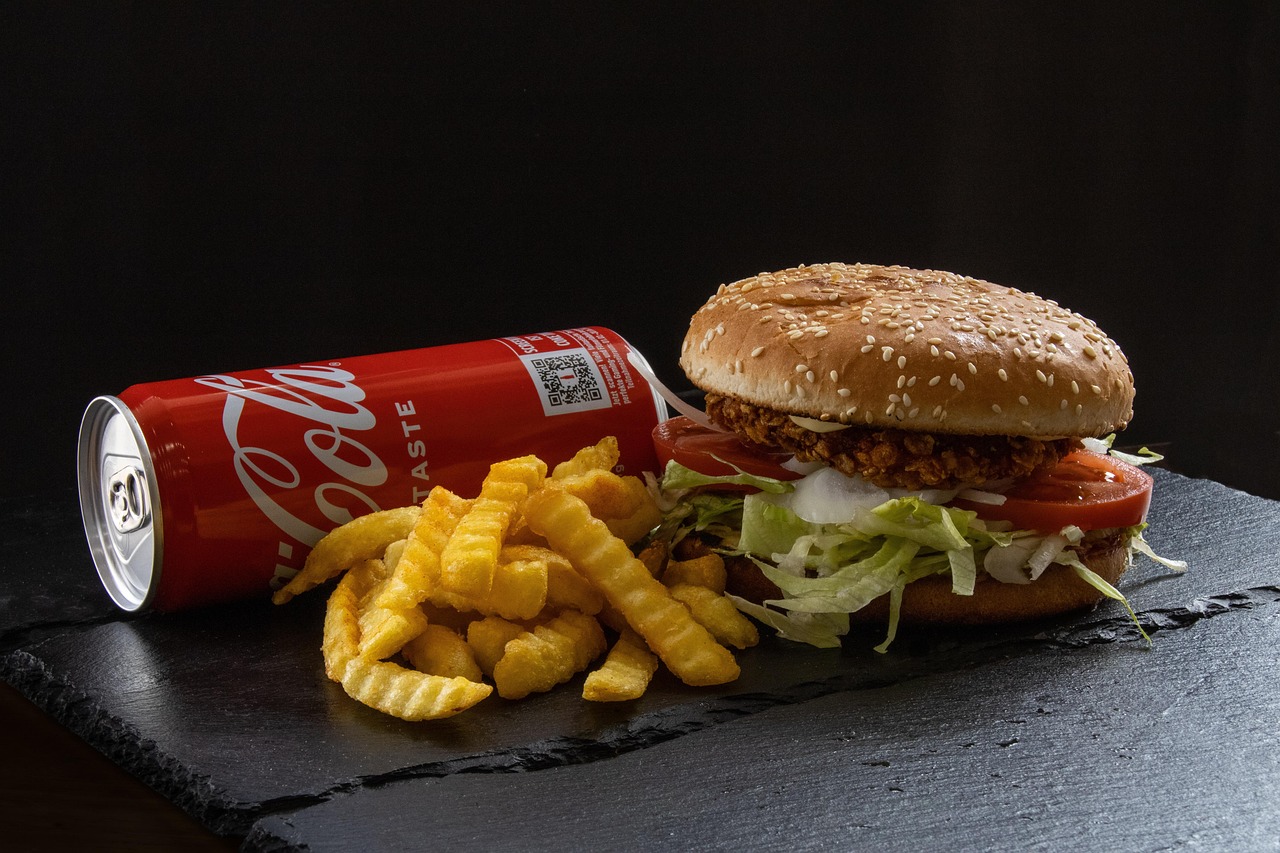
Few presidential food preferences became as publicly recognizable as Donald Trump’s fondness for fast food. His go-to choices included cheeseburgers, fries, well-done steaks, and Diet Coke, often from familiar chains rather than upscale kitchens. The appeal was partly consistent. Fast food delivers the same flavor and portion every time, which removes uncertainty when traveling or hosting large groups. There were also practical reasons tied to security, since sealed, mass-produced food reduces the risk of tampering. From a nutrition standpoint, these meals are high in sodium, saturated fat, and calories, which explains why White House staff often balanced them with lighter sides when possible. Culturally, his preference reflected an unapologetically American comfort style that resonated with many supporters who valued familiarity over formality. What stands out is how these simple foods became symbolic of his image, shaping headlines, memes, and even diplomatic conversations when fast food was served during official events.
2. Vladimir Putin’s Pistachio Ice Cream and Hearty Meats
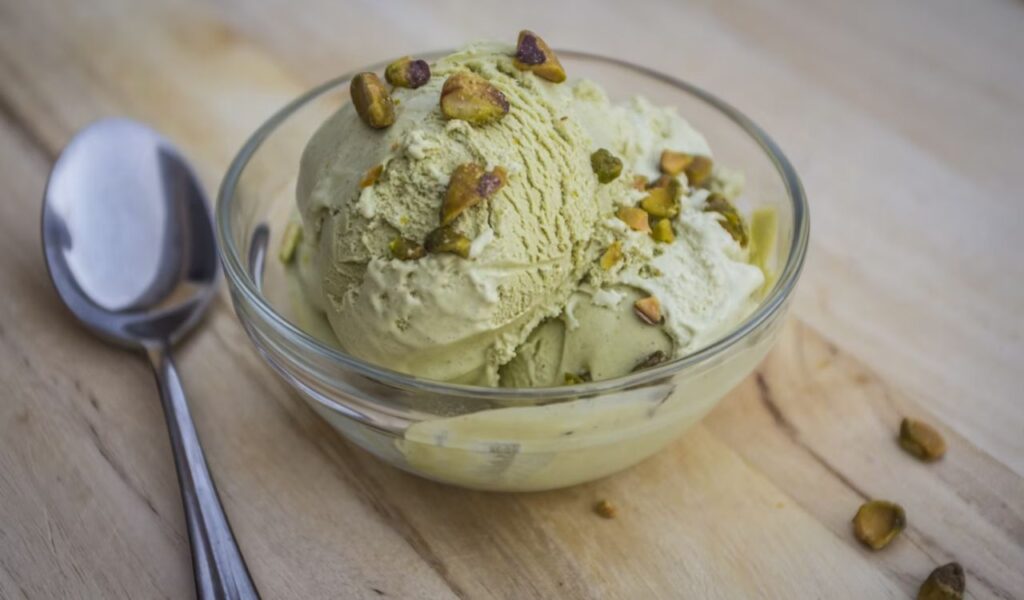
Vladimir Putin’s reported love of pistachio ice cream often surprises people who associate him with strict discipline and regimented routines. Alongside the dessert, he favors protein-rich meals such as lamb, fish, and traditional Russian dishes that emphasize clean flavors and simple seasoning. Pistachios themselves offer healthy fats and antioxidants, which may explain why this indulgence fits within an otherwise controlled diet. Security protocols heavily influence his dining environment, meaning food is carefully screened and prepared by trusted teams. This level of caution limits variety but reinforces reliability and nutritional consistency. The contrast between a sweet frozen treat and rugged meat-based meals reflects a balance between comfort and practicality. From a cultural angle, pistachio ice cream has long been popular in parts of Eastern Europe and Central Asia, making it less unusual regionally than it may appear globally. His choices quietly reinforce a preference for understated indulgence rather than flashy luxury.
3. Narendra Modi’s Dhokla and Khichdi
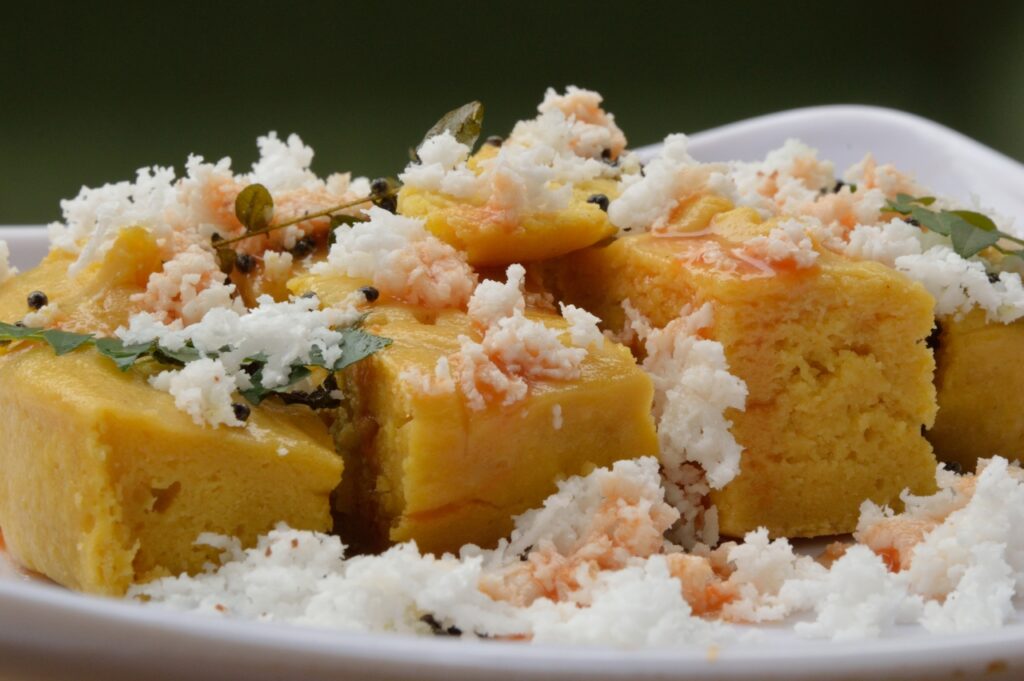
Narendra Modi’s favorite foods reflect simplicity, tradition, and mindful eating. Dhokla, a steamed fermented snack made from chickpea flour, offers light protein, fiber, and gentle spice without heavy oil. Khichdi, a comforting blend of rice and lentils cooked until soft, is often associated with nourishment, digestion, and recovery meals in Indian households. Modi has publicly spoken about fasting practices and disciplined dietary habits, which align with these easily digestible, vegetarian dishes. The use of turmeric, cumin, ginger, and minimal fat supports anti-inflammatory benefits and balanced nutrition. Culturally, khichdi represents humble home cooking across many Indian regions, often served during illness or religious observances. Dhokla carries strong ties to Gujarat, reinforcing regional pride and culinary identity. What makes these dishes stand out is how they signal restraint and wellness rather than indulgence, offering a quiet message about sustainable eating habits in leadership.
4. Xi Jinping’s Baozi and Jiaozi Dumplings
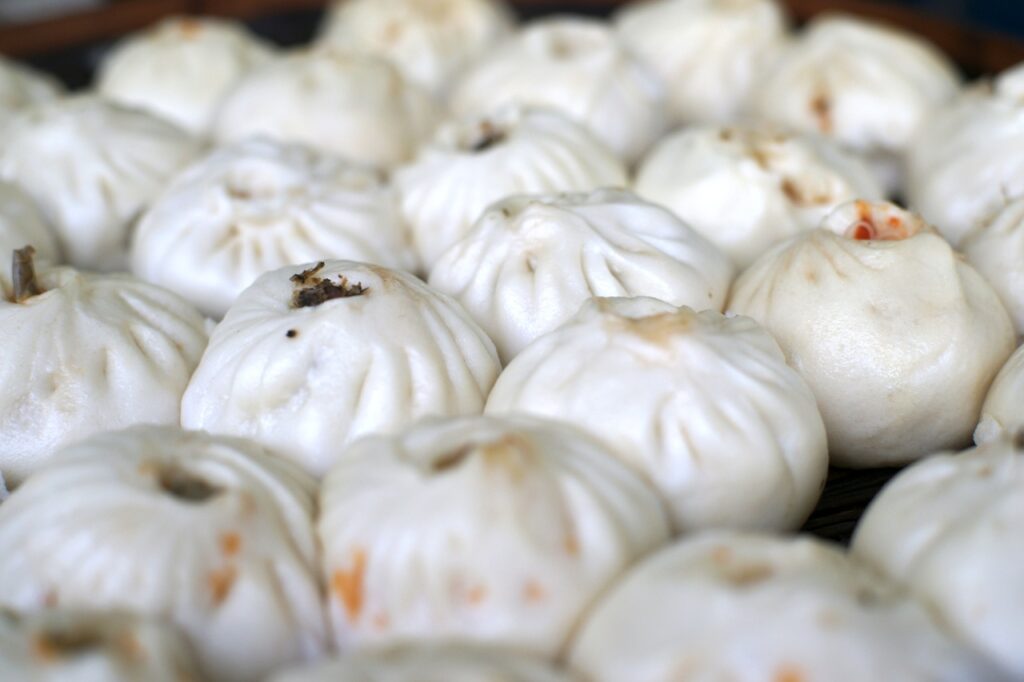
Xi Jinping’s fondness for baozi and jiaozi highlights the power of everyday comfort foods in Chinese culture. Baozi are fluffy steamed buns filled with meat or vegetables, while jiaozi are dumplings often eaten during holidays and family gatherings. Both dishes rely on precise dough handling, balanced fillings, and controlled steaming or boiling for ideal texture. Nutritionally, they provide carbohydrates for energy and protein for satiety, making them practical daily meals. Xi has been photographed eating these foods in modest neighborhood restaurants, reinforcing an image of accessibility and connection to ordinary citizens. Dumplings carry symbolic meaning tied to prosperity and unity, especially during Lunar New Year celebrations. The appeal also lies in versatility since fillings can adapt to regional tastes and seasonal ingredients. These foods demonstrate how deeply rooted culinary traditions continue shaping modern leadership identities without needing elaborate presentation.
5. Emmanuel Macron’s Cordon Bleu and Blanquette de Veau
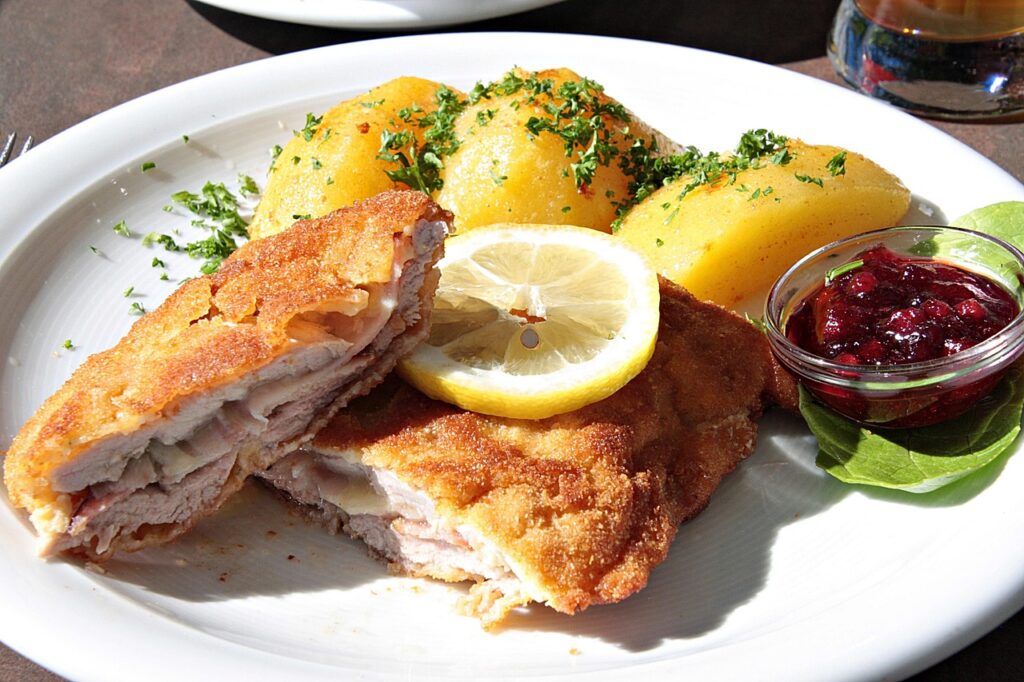
Emmanuel Macron’s taste leans toward classic French comfort dishes that balance richness with technique. Cordon bleu combines breaded meat, ham, and melted cheese, requiring precise temperature control to maintain crispness without overcooking. Blanquette de veau is a slow-simmered veal stew finished with cream and egg yolk, creating a silky texture and layered flavor. Both dishes highlight foundational French cooking methods such as proper emulsification, gentle heat management, and careful seasoning. Nutritionally, they are indulgent but protein-rich, often balanced with vegetables or light salads. Macron’s appreciation reflects France’s cultural emphasis on preserving culinary heritage and respecting regional recipes. His willingness to enjoy local foods during foreign visits further shows openness to global flavors. These dishes demonstrate how refined comfort food can still feel deeply familiar and emotionally grounding rather than purely luxurious.
6. Claudia Sheinbaum’s Tacos al Pastor and Chiles Rellenos
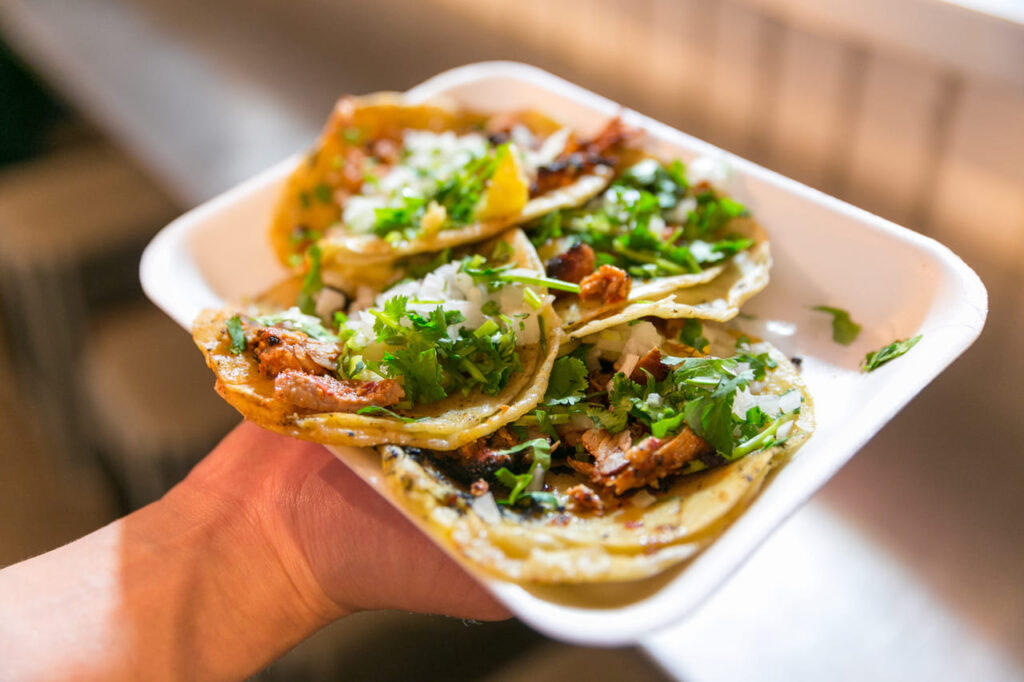
Claudia Sheinbaum’s favorites highlight Mexico’s bold street food traditions and layered spice profiles. Tacos al pastor feature marinated pork cooked on a vertical spit with pineapple, creating a sweet, smoky, and acidic balance in every bite. Chiles rellenos involve roasting poblano peppers, stuffing them with cheese or meat, then lightly battering and frying, which requires timing precision to preserve structure and moisture. These dishes rely heavily on fresh chilies, citrus, herbs, and slow marination techniques that deepen flavor naturally rather than through heavy sauces. Nutritionally, they provide protein and vegetables while remaining filling and satisfying. Culturally, both dishes are deeply tied to everyday Mexican life, sold at markets, street corners, and family kitchens. Her preference underscores respect for regional food heritage and everyday culinary craftsmanship rather than imported luxury trends.
7. Luiz Inácio Lula da Silva’s Rice, Beans, and Rabada
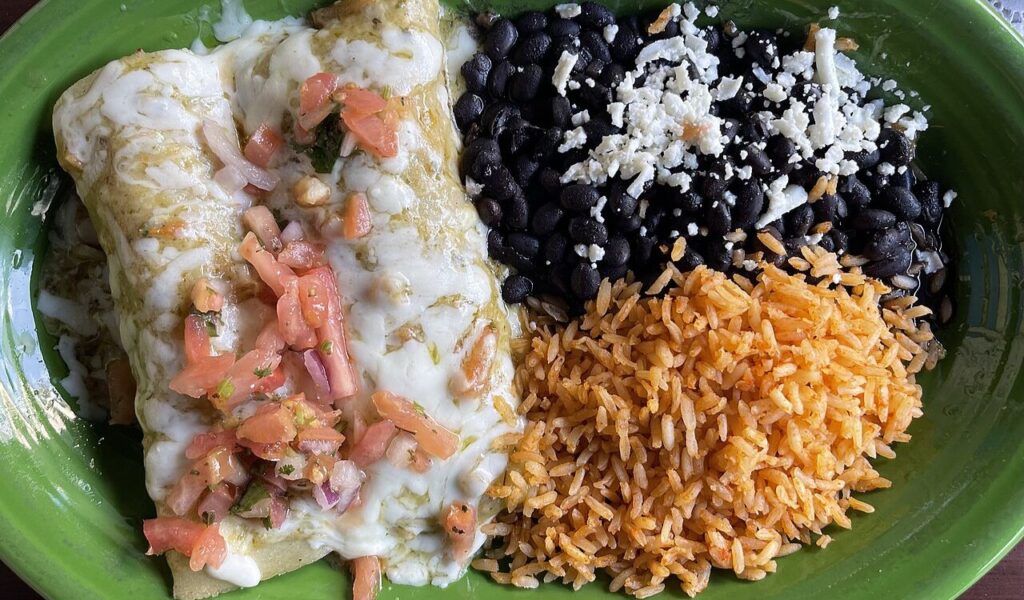
Luiz Inácio Lula da Silva favors traditional Brazilian comfort foods that emphasize nourishment and affordability. Rice and beans form the backbone of Brazilian daily meals, delivering complementary proteins, fiber, and sustained energy. Rabada, a slow-cooked oxtail stew, develops rich collagen and depth of flavor through long simmering, often served with polenta or vegetables. These meals reflect working-class roots and community-centered cooking, where large pots feed families and neighbors. The ingredients are accessible and economical while still offering satisfying texture and warmth. From a nutrition perspective, beans support heart health and digestion, while slow-cooked meats provide essential minerals. Lula’s preference reinforces cultural pride and authenticity rather than elite dining, connecting leadership with everyday household realities.
8. Keir Starmer’s British Home Comfort Dishes
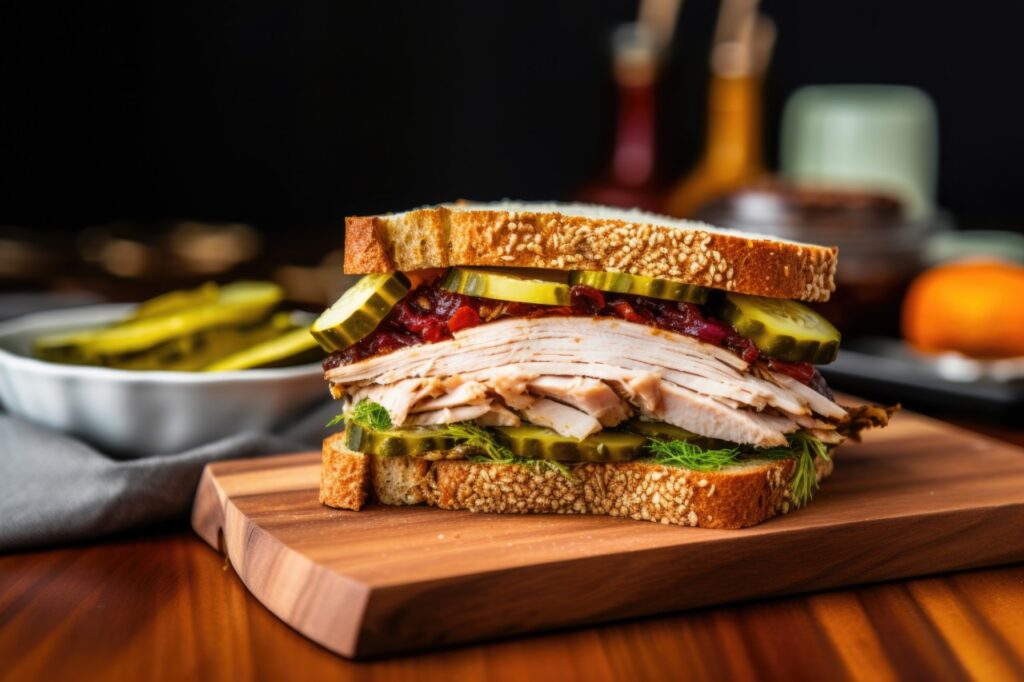
Keir Starmer’s food preferences center on approachable British-style meals such as baked pasta dishes, sandwiches, and simple fish preparations. These foods prioritize convenience, balanced nutrition, and practicality over elaborate presentation. Pasta bakes combine carbohydrates, protein, and vegetables into a single dish that reheats well and feeds families efficiently. Sandwiches allow flexible fillings while maintaining portion control and portability. Starmer’s reported enjoyment of these meals reflects busy schedules and everyday eating habits familiar to many households. From a cultural lens, British comfort cooking often emphasizes moderation, seasonal ingredients, and reliable flavors rather than heavy spice or complex technique. These dishes support sustained energy without excessive richness, fitting well with long working hours and structured routines.
9. Barack Obama’s Pizza and Global Comfort Foods
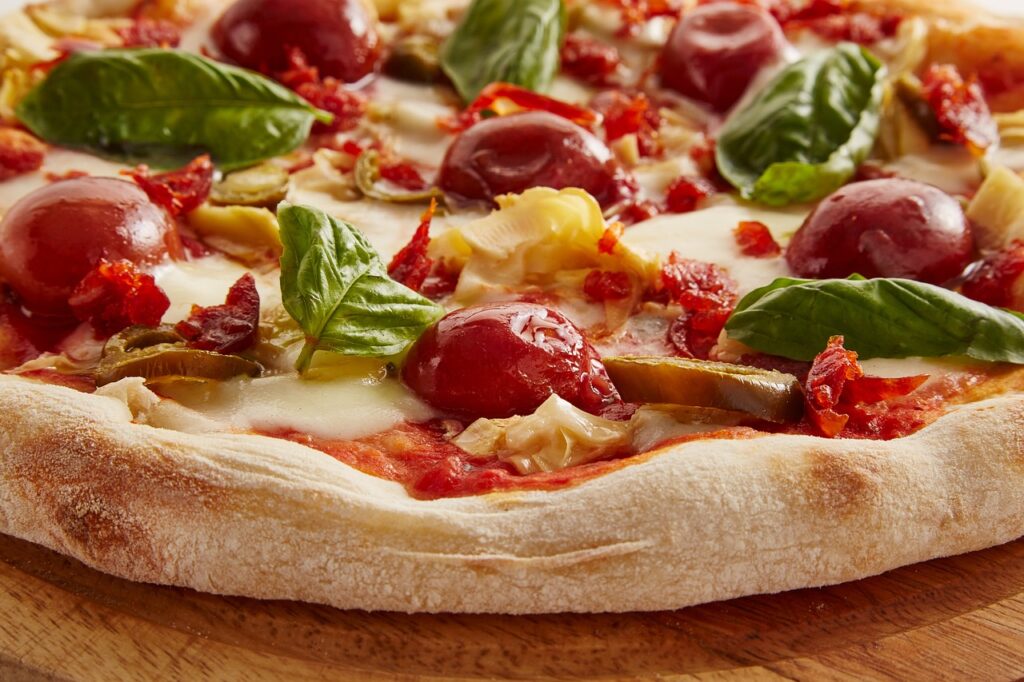
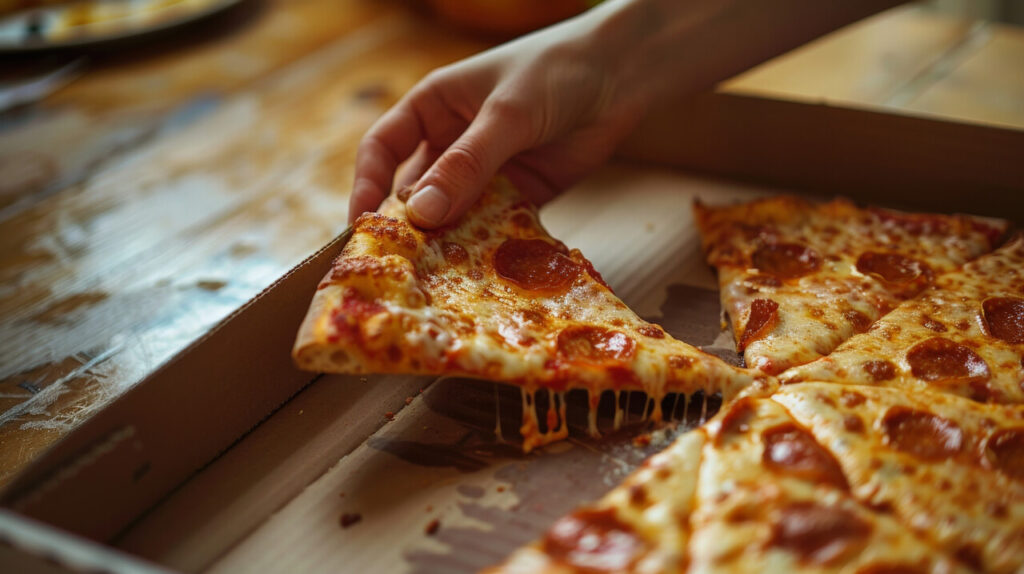
Barack Obama’s taste blends classic American comfort with international curiosity. Pizza and burgers provide familiar satisfaction through balanced fat, salt, and carbohydrate combinations that trigger comfort responses. During international visits, he openly embraced local foods such as Vietnamese bún chả, highlighting cultural openness and adaptability. Pizza itself offers flexibility, allowing varied toppings, portion sharing, and quick service. Nutritionally, moderation is key, but these foods offer convenient energy and social bonding value. His public dining moments often became symbolic gestures of diplomacy and cultural respect. The balance between comfort and curiosity reflects a leadership style that values connection through shared meals rather than rigid formality.
10. Pope Francis’ Simple Italian Favorites
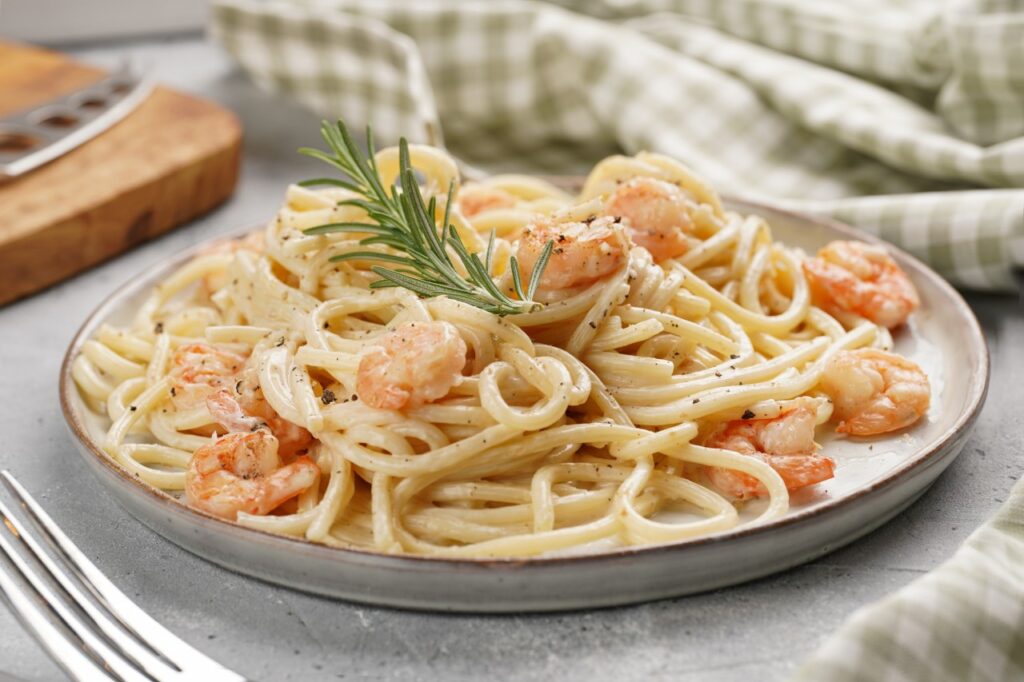
Pope Francis favors modest Italian dishes such as pasta, pizza, seasonal vegetables, and fruit, reflecting simplicity and balance. Italian cuisine emphasizes quality ingredients, olive oil, moderate portions, and minimal processing. Pasta dishes provide sustained energy while vegetables support micronutrient intake. His preference avoids excessive richness and aligns with messages of humility and mindful living. Eating patterns focus on communal meals rather than indulgence. From a cultural standpoint, these foods connect deeply with Roman daily life and centuries-old culinary traditions. The appeal lies in reliability, nourishment, and comfort without excess, reinforcing a grounded approach to leadership and personal discipline.