8 Prime Rib Fails Ruining U.S. Holidays

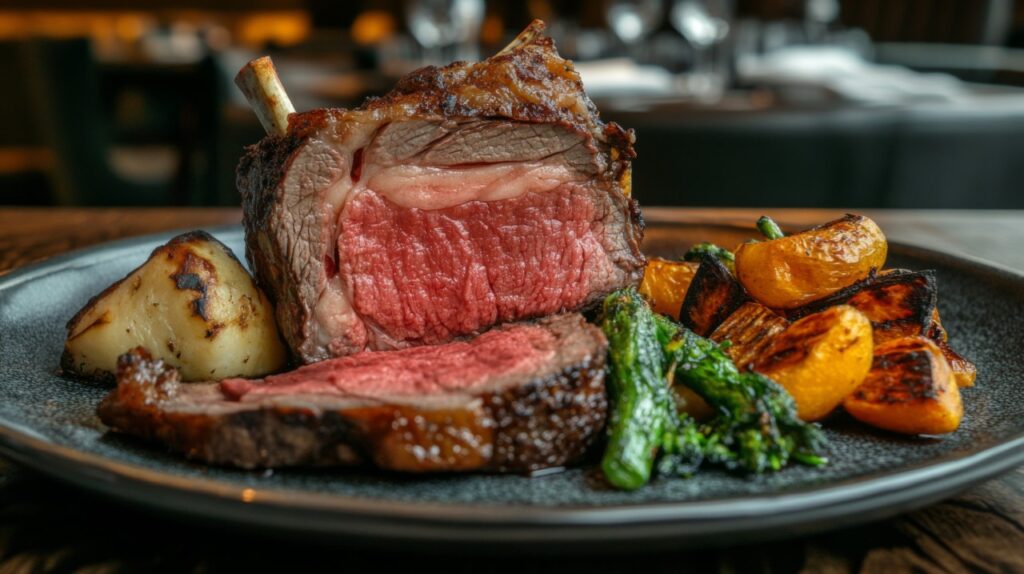
Prime rib is meant to feel celebratory. It anchors holiday tables with the promise of rich flavor, tender slices, and a meal that feels worth the effort. When it goes right, it delivers both comfort and occasion, which is why it remains a favorite for U.S. holidays.
What many home cooks underestimate is how precise prime rib really is. Small mistakes with heat, timing, seasoning, or resting can undo hours of planning. Unlike forgiving cuts, prime rib reacts quickly and offers little room to recover once things slip.
This list breaks down the most common prime rib failures that quietly ruin holiday meals. It is not about skill, but about how one wrong choice can turn a centerpiece roast into a costly disappointment.
1. Overcooking Past Medium-Rare
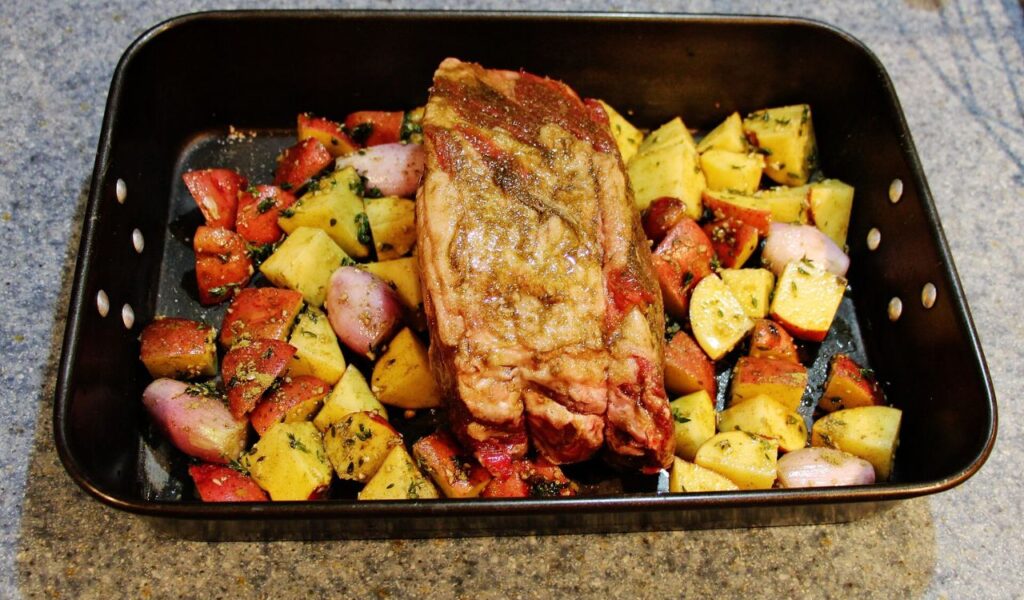
Prime rib earns its reputation from gentle heat and careful timing. Once it moves past medium-rare, muscle fibers tighten quickly and push moisture out. The exterior turns gray and firm while the interior loses the supple texture people expect from a holiday roast.
Holiday cooking conditions make overcooking more likely. Crowded ovens, frequent door opening, and shared rack space cause uneven temperatures. Cooks often leave the roast in longer to feel safe, not realizing that prime rib responds poorly to extra time.
Carryover heat finishes the damage. The roast continues cooking after removal, locking in dryness. By carving time, moisture is gone for good, and even rich jus cannot restore what excessive heat already took away.
2. Skipping the Resting Time
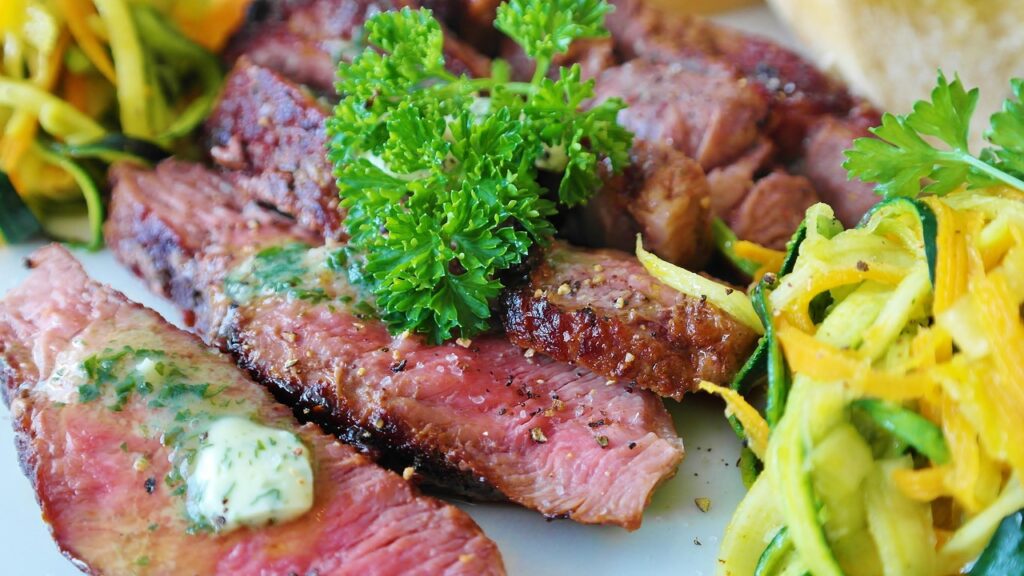
Resting prime rib allows juices to redistribute evenly throughout the meat. Right out of the oven, those juices are concentrated near the surface and highly mobile. Cutting too soon gives them an escape path straight onto the cutting board.
During rest, internal pressure stabilizes. Muscle fibers relax, allowing moisture to settle back into the roast. Large cuts need time for this process, often twenty minutes or more, especially during winter holiday service.
Skipping rest feels efficient but ruins texture. Early slices look impressive, then rapidly dry out. The platter fills with leaked juices while the meat itself tastes flat instead of rich and buttery.
3. Starting With a Cold Roast
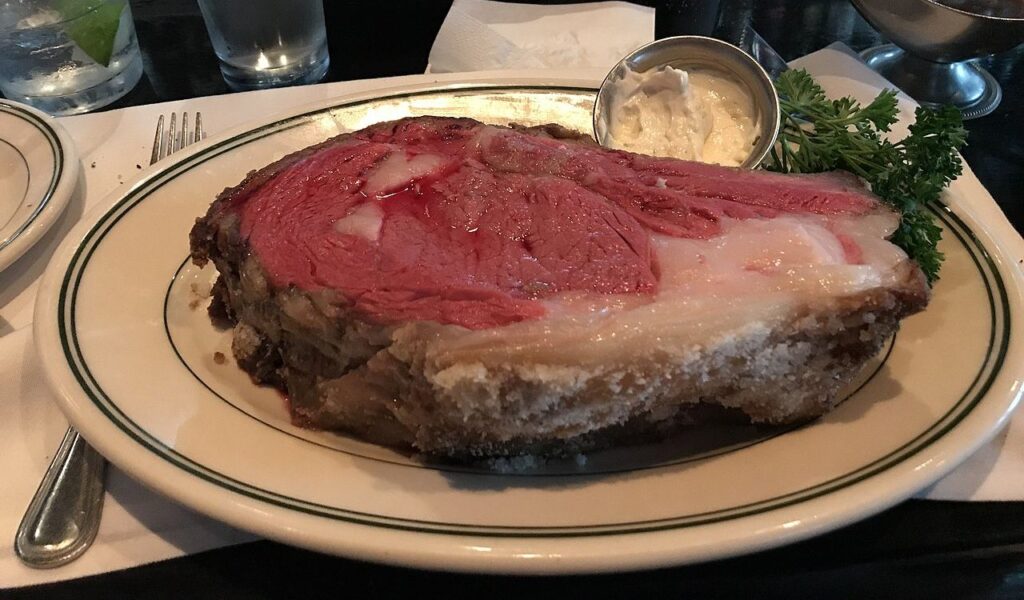
A refrigerator-cold prime rib creates problems immediately. When placed in a hot oven, the exterior heats rapidly while the center remains far behind. This sharp temperature difference leads to uneven doneness that worsens as cooking continues.
The outer layers reach the target temperature long before the middle does. Cooks extend roasting time to fix the center, but that only dries the edges further. The result is a roast with overdone ends and an inconsistent interior.
Allowing the meat to warm slightly evens the starting temperature. Skipping that step locks in an imbalance that cannot be corrected later, no matter how carefully the roast is carved.
4. Wrong Oven Temperature
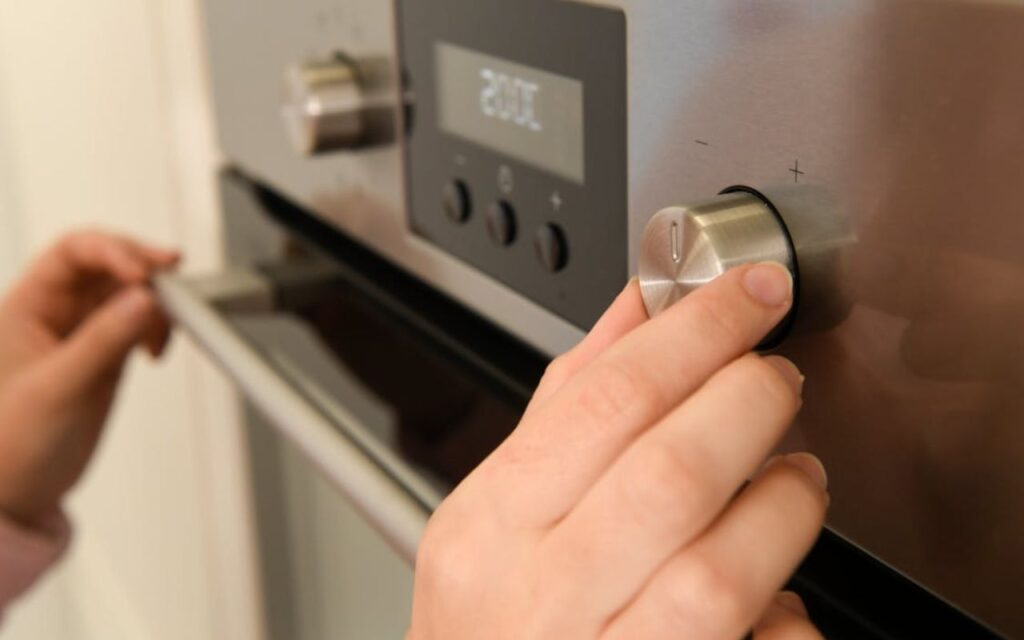
Prime rib depends on steady, controlled heat to cook evenly from edge to center. When the oven runs too hot, the exterior browns and tightens before the interior has time to set. When it runs too low, moisture evaporates slowly and the roast dries out before proper browning can develop.
Holiday ovens make temperature control harder. Multiple dishes block airflow, and thermostats struggle to recover heat after doors are opened. A temperature that works during a quiet dinner can behave very differently during a crowded holiday bake.
These changes disrupt the cooking process and worsen uneven doneness. Prime rib performs best when heat remains consistent from start to finish, not when it is constantly corrected mid-roast.
5. Underseasoning the Exterior
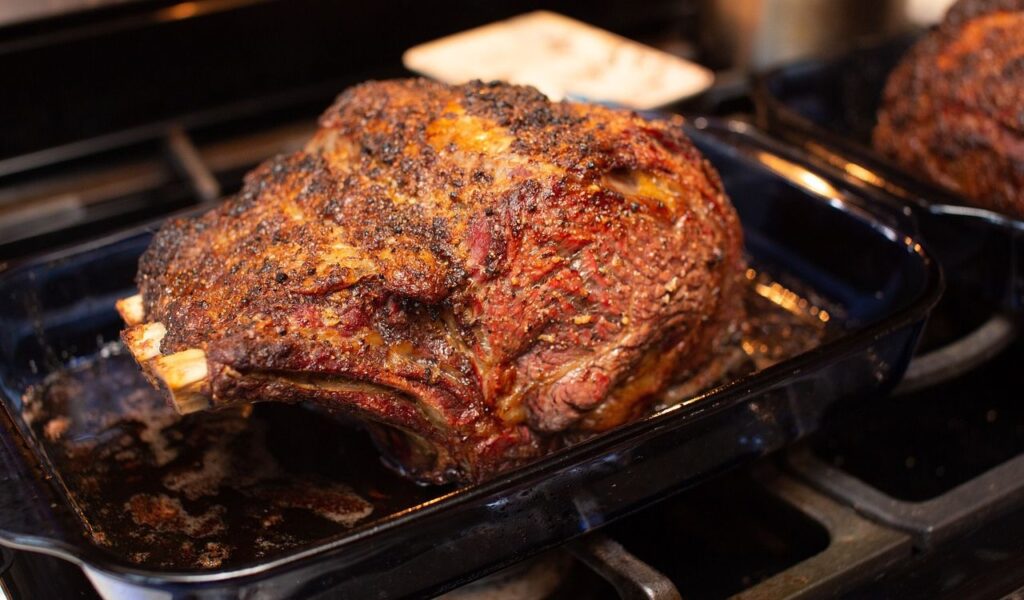
Prime rib is a large, dense cut, and seasoning does not travel far beneath the surface. A light sprinkle flavors only the outer layer and leaves inner slices bland. Salt needs both time and adequate coverage to properly enhance the meat’s natural flavor.
Without enough seasoning, even a perfectly cooked roast tastes flat. Many cooks rely on gravy to compensate, but sauce cannot replace seasoning that should already be present in the meat itself.
Proper seasoning also supports crust formation. Salt draws moisture to the surface, helping browning develop during roasting. Skimping leaves the roast impressive in size but surprisingly underwhelming once it is sliced and served.
6. Trusting Time Instead of a Thermometer
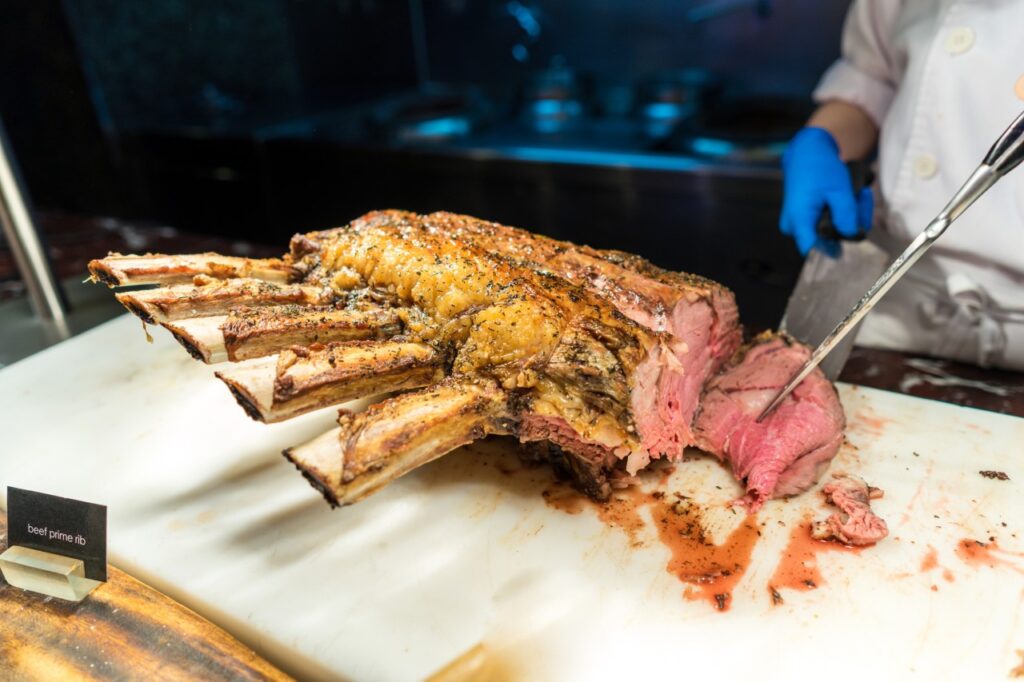
Prime ribs vary widely in size, shape, bone content, and starting temperature. These factors change how quickly heat moves through the meat, making minutes-per-pound estimates unreliable from one roast to the next.
Holiday pressure often leads to guessing. Frequent oven checks drop internal temperature and extend cooking time, while visual cues mislead with large roasts that brown well before the center reaches doneness.
A thermometer removes that uncertainty. Without one, cooks often overshoot the target temperature and cannot recover. Prime rib offers little forgiveness once ideal doneness is passed, no matter how carefully it is rested.
7. Improper Carving Direction
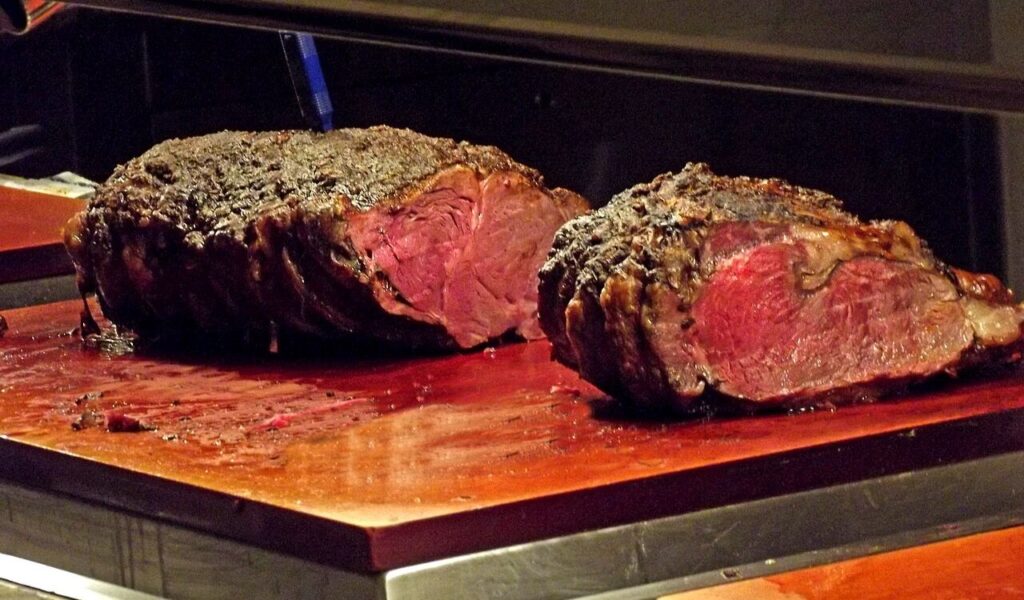
Carving plays a major role in how prime rib feels when eaten. Slicing with the grain leaves long muscle fibers intact, which increases chewiness even if the roast itself is cooked correctly.
Prime rib grain changes direction across the cut, especially near the rib bones. Rushing the carving process leads to inconsistent slices, some tender and others noticeably tougher. Busy holiday tables make this mistake more common.
Correct slicing shortens muscle fibers and preserves tenderness. When carving goes wrong, guests often blame the meat itself, and a well-prepared roast loses much of its impact at the table.
8. Foil Tenting Too Tightly
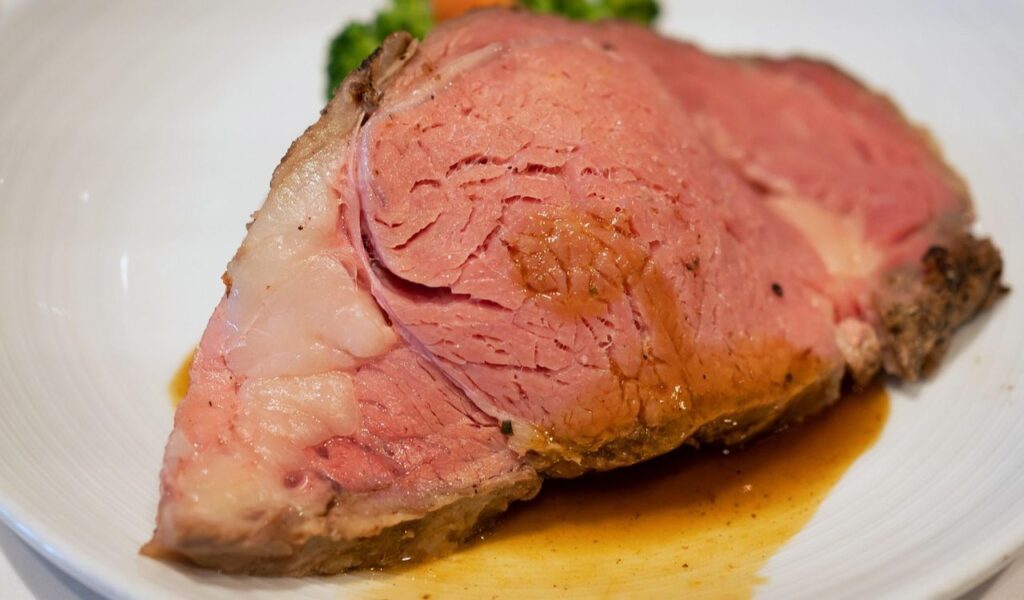
Foil is meant to protect prime rib during resting, not trap it. When the roast is wrapped too tightly, steam has nowhere to escape and is forced back into the surface. This undoes the work of roasting, softening the crust that should remain firm and flavorful.
As steam builds, moisture collects on the exterior and seeps into the outer layers. The surface turns slick instead of crisp, and slices feel damp rather than clean. The contrast between crust and interior fades quickly.
Loose tenting keeps the roast warm while letting steam escape. Overwrapping at the final stage sacrifices texture just before serving, leaving a roast that looks finished but tastes flat.