Your Slow Cooker Is Saving You Time but It’s Changing these 9 Dish More Than You Think

Slow cookers have become a quiet staple in many kitchens, offering a simple way to prepare meals with minimal effort. Just add ingredients, set the time, and let the process unfold on its own.
This convenience, however, comes with subtle changes. The steady, low heat affects how flavors develop, how textures form, and how ingredients interact over time in ways that are not always obvious.
Looking closer at familiar dishes reveals these differences more clearly. While the results are still satisfying, the method reshapes them, creating meals that feel slightly different from their traditional versions.
1. Beef Stew
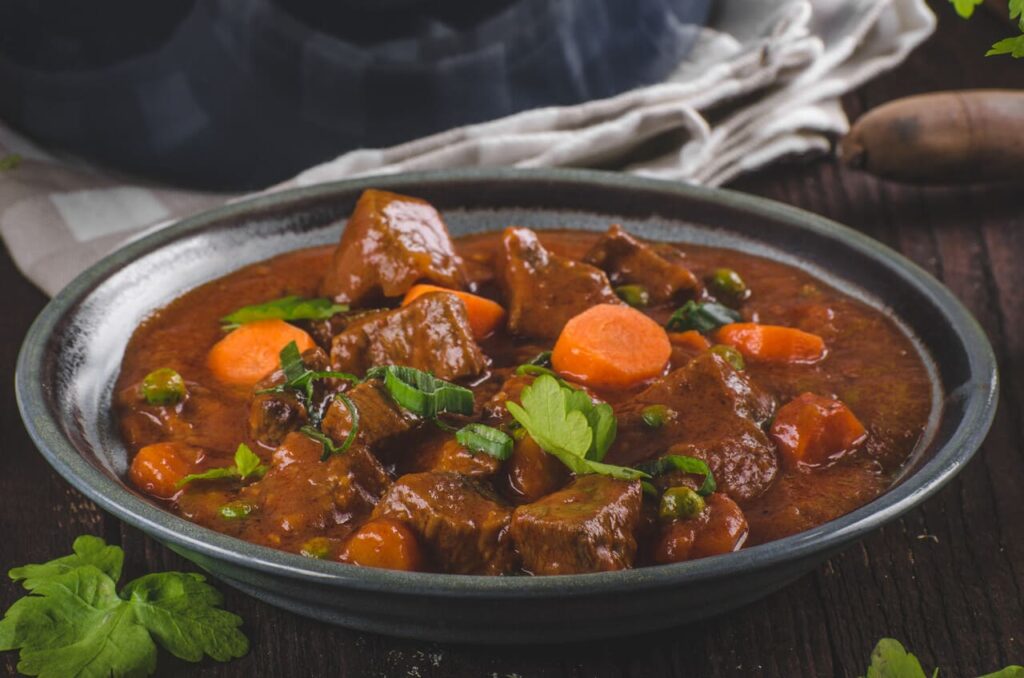
A slow cooker seems made for beef stew, and in many ways it is. The steady, low heat breaks down tough cuts of meat, turning them tender without much effort. This makes the dish convenient and reliable for everyday cooking.
However, the same gentle heat affects vegetables differently. Potatoes, carrots, and other ingredients often soften more than they would on a stovetop, losing their distinct textures and blending into the broth.
Another noticeable change comes from the lack of browning. Without searing the meat first, the stew can miss the deeper, roasted flavors that develop through caramelization, resulting in a smoother but less layered taste.
2. Chicken Curry
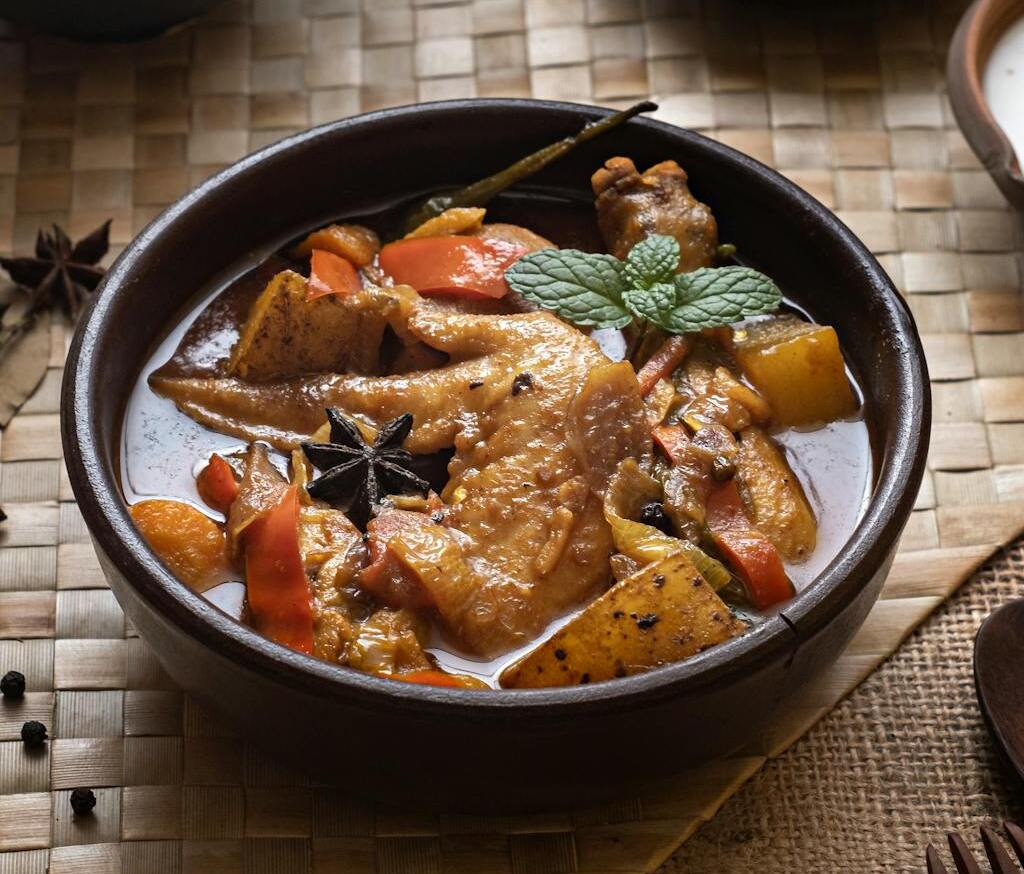
Slow cooking allows spices in a curry to blend gradually, creating a unified flavor that feels rich and comforting. It simplifies the process by letting everything cook together without constant attention.
Yet this method can reduce the brightness of certain ingredients. Fresh aromatics like ginger, garlic, and herbs tend to lose their sharpness over long cooking times, making the final dish taste more mellow.
Texture can also shift. Chicken becomes very soft and sometimes breaks apart more easily than intended. While still flavorful, the curry may lack the contrast and freshness found in quicker cooking methods.
3. Chili
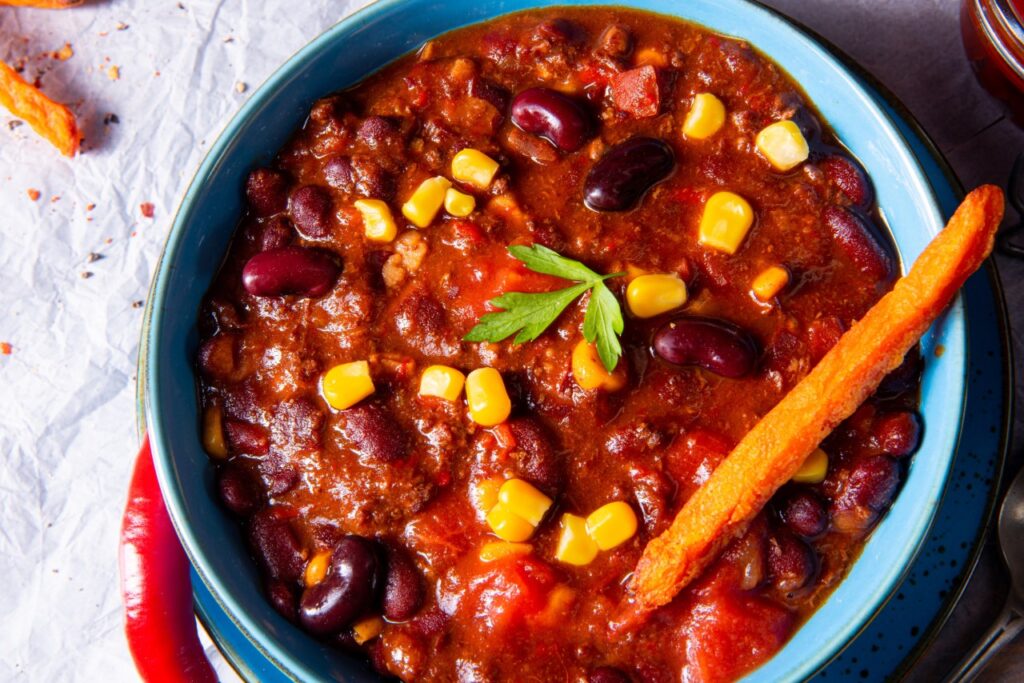
Chili feels like a natural match for slow cooking, since it has always been associated with long simmering and gradual flavor development. A slow cooker allows beans, meat, and spices to cook together with very little attention.
However, the way flavors build is different. Without browning meat or sautéing onions and spices first, the deeper notes created through those steps are reduced. This can make the final dish taste more blended than layered.
Spices also soften over extended cooking. While the chili becomes rich and cohesive, it may lose the sharper edges that give it character. The result is still satisfying, but less defined in flavor.
4. Pulled Pork
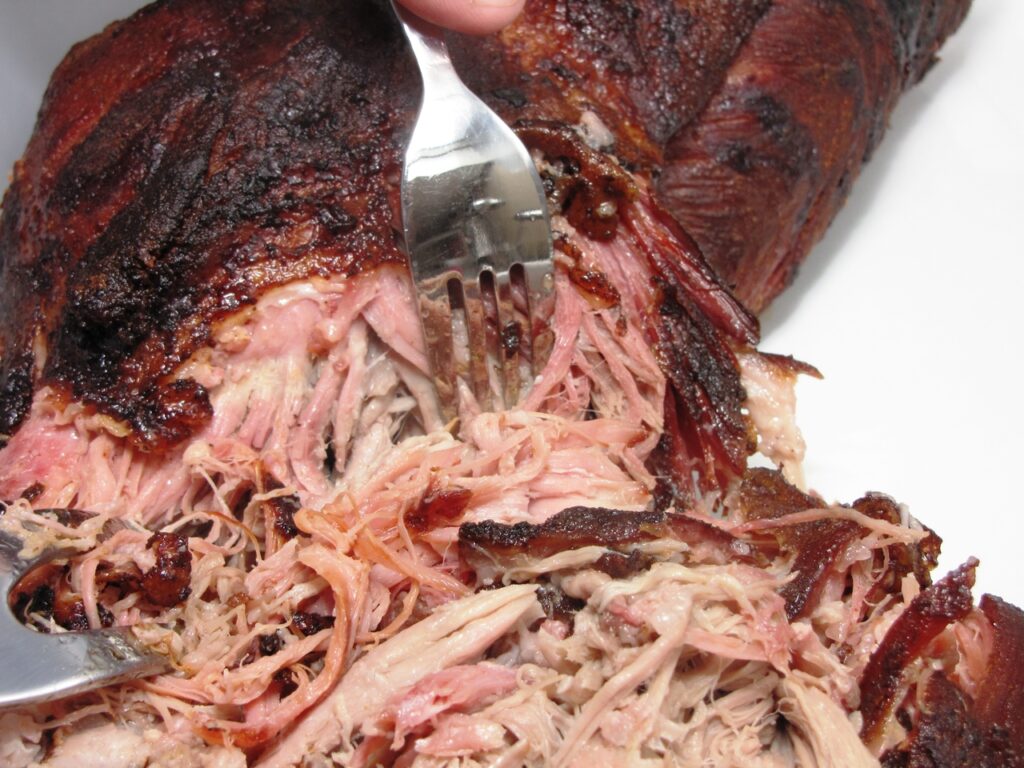
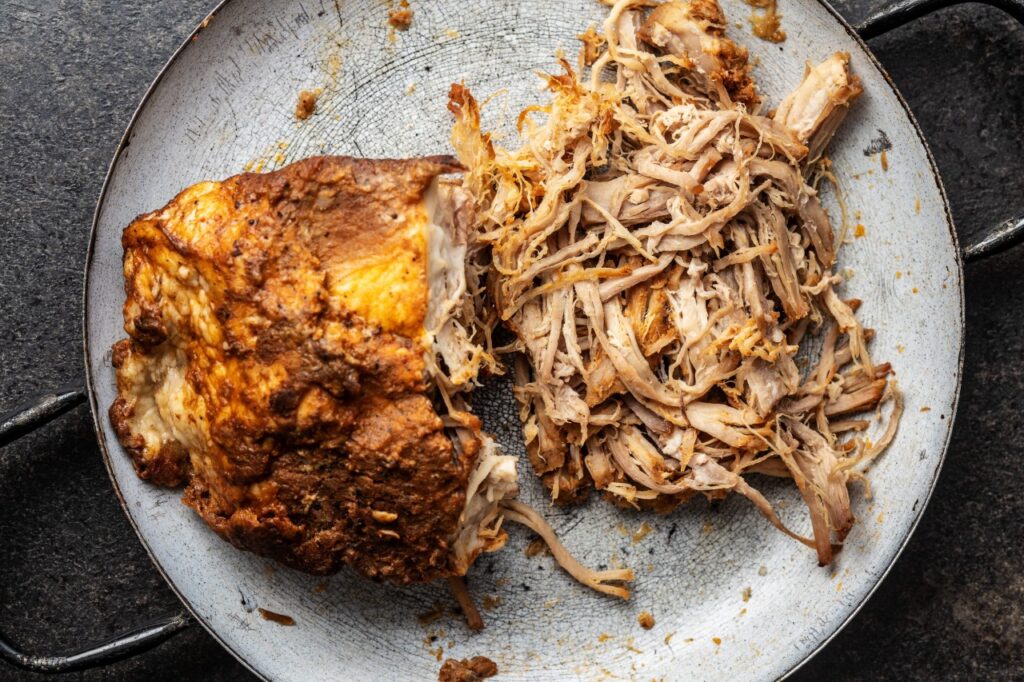
Pulled pork is often seen as the perfect slow cooker dish because of how easily the meat becomes tender over long, gentle heat. The process breaks down connective tissue, allowing the pork to shred effortlessly with minimal effort.
What changes is the outer texture. Slow cookers do not create the dry heat needed for browning, so the meat lacks the caramelized edges that add depth and slight crispness in traditional methods like roasting or smoking.
Because of this, much of the final flavor depends on sauces added during or after cooking. While the meat remains juicy and soft, it can miss the layered taste that comes from direct heat and surface browning.
5. Lentil Soup
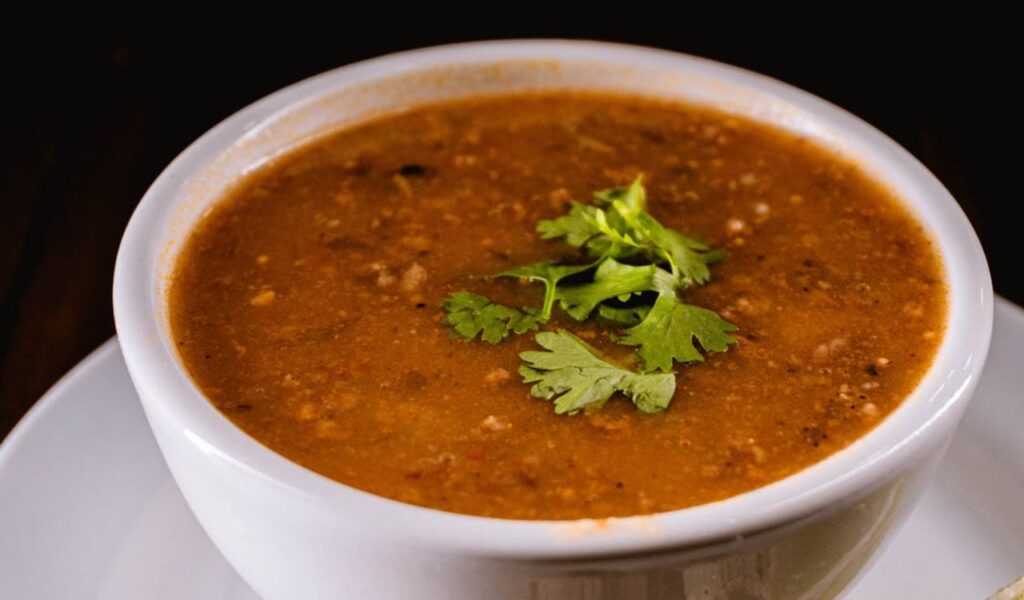
Lentil soup seems perfectly suited for a slow cooker because lentils soften gradually and do not require constant monitoring. The steady heat allows them to cook evenly, making the process simple and dependable for everyday meals.
The extended cooking time, however, changes how lentils behave. Instead of holding their shape, they continue to soften and often begin to break apart, blending into the surrounding liquid more than intended.
This leads to a thicker, more uniform texture throughout the soup. While still nourishing and filling, the dish can lose some of its structure, reducing the contrast between ingredients and making it feel smoother overall.
6. Pasta Sauces
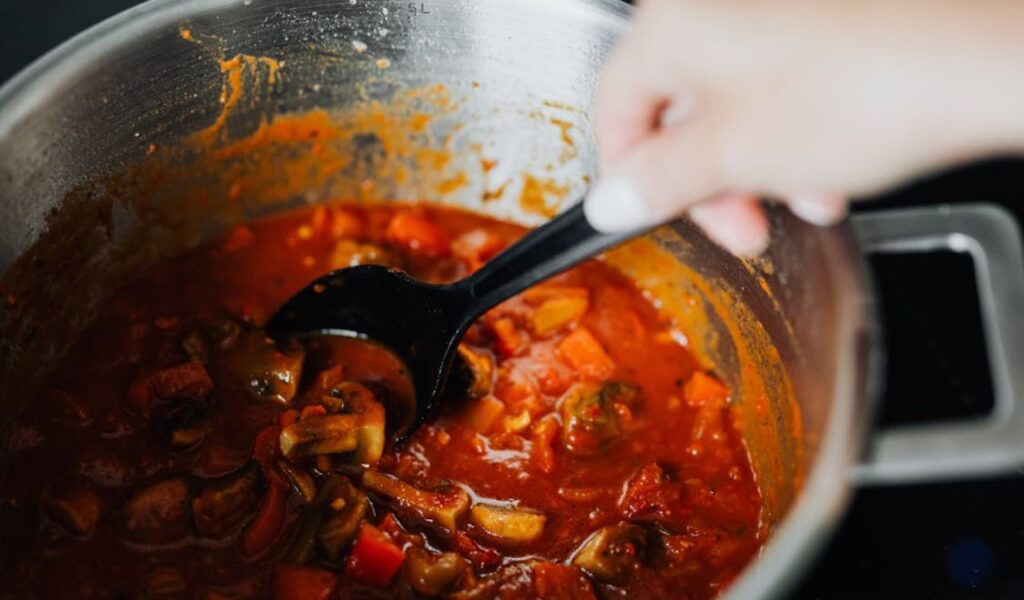
A slow cooker can turn a basic pasta sauce into something rich by allowing ingredients to simmer for hours. This slow blending creates a cohesive base where flavors meld together without requiring much attention.
At the same time, long cooking affects balance. Tomatoes lose some of their natural acidity, which reduces the brightness that gives sauces a fresh and lively taste. The result becomes more mellow over time.
While the sauce gains depth, it can also feel heavier. Without adjustments, it may lack the contrast that shorter cooking methods provide, making the final flavor less vibrant even though it remains full-bodied.
7. Rice Dishes
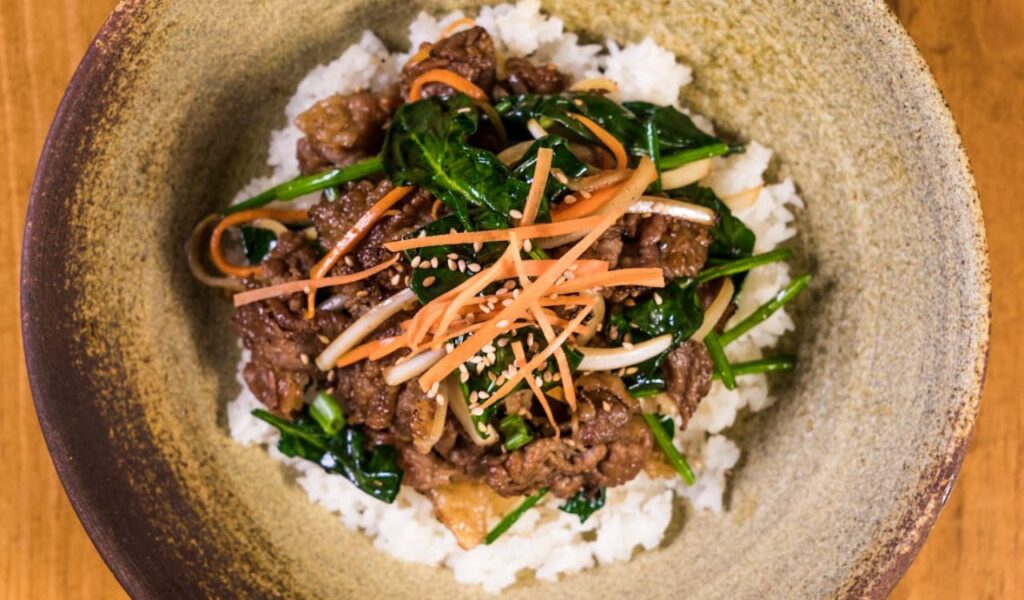
Cooking rice in a slow cooker offers convenience by combining everything in one pot. It removes the need for careful timing and allows other ingredients to cook alongside the rice without extra steps.
However, rice continues to absorb moisture throughout the cooking process. This can lead to a softer or slightly sticky texture compared to stovetop methods, where heat and timing are more controlled.
The grains may lose their definition and begin to blend. While still flavorful, the dish often feels less structured, with a texture that leans more toward soft and cohesive rather than light and separate.
8. Vegetable Stews
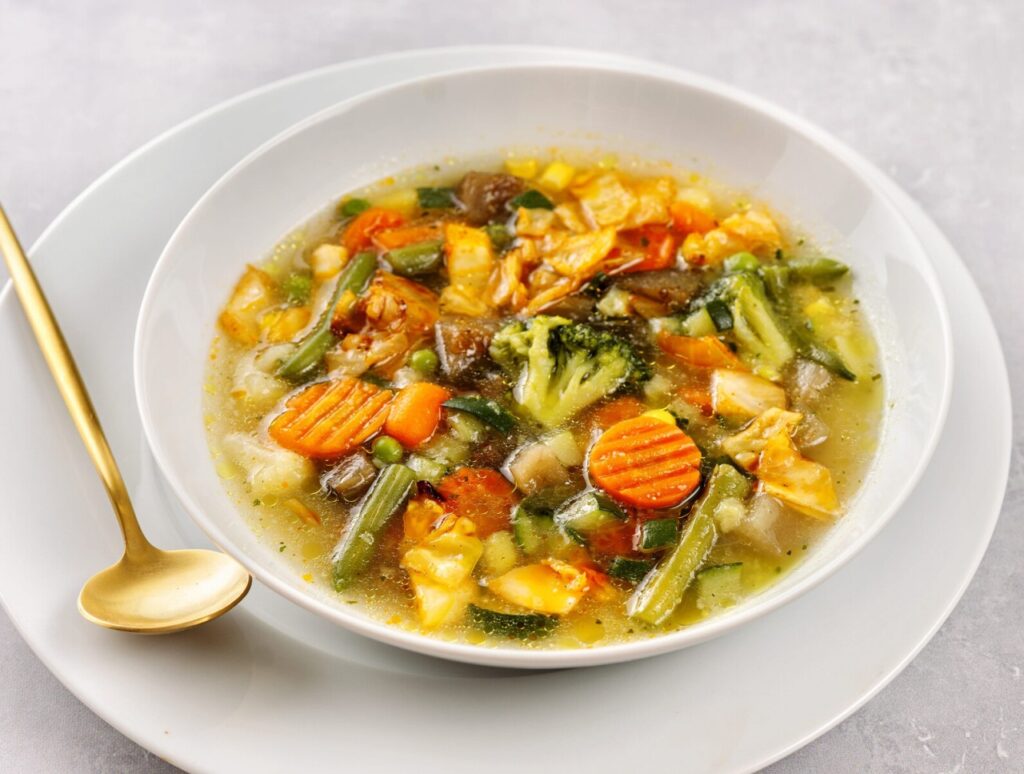
Vegetable stews seem like an ideal match for slow cooking because the long, gentle heat allows flavors to develop gradually. As ingredients sit together over time, they absorb seasoning evenly, creating a dish that feels cohesive and well-blended.
The challenge comes from how different vegetables respond to extended heat. Softer vegetables break down quickly, while firmer ones continue to cook, often leading to a loss of individual texture across the dish.
Over time, this reduces contrast between ingredients. Instead of distinct bites, the stew becomes more uniform in consistency. While still comforting and flavorful, it may lack the layered texture that gives vegetable stews their full appeal.
9. Mac and Cheese
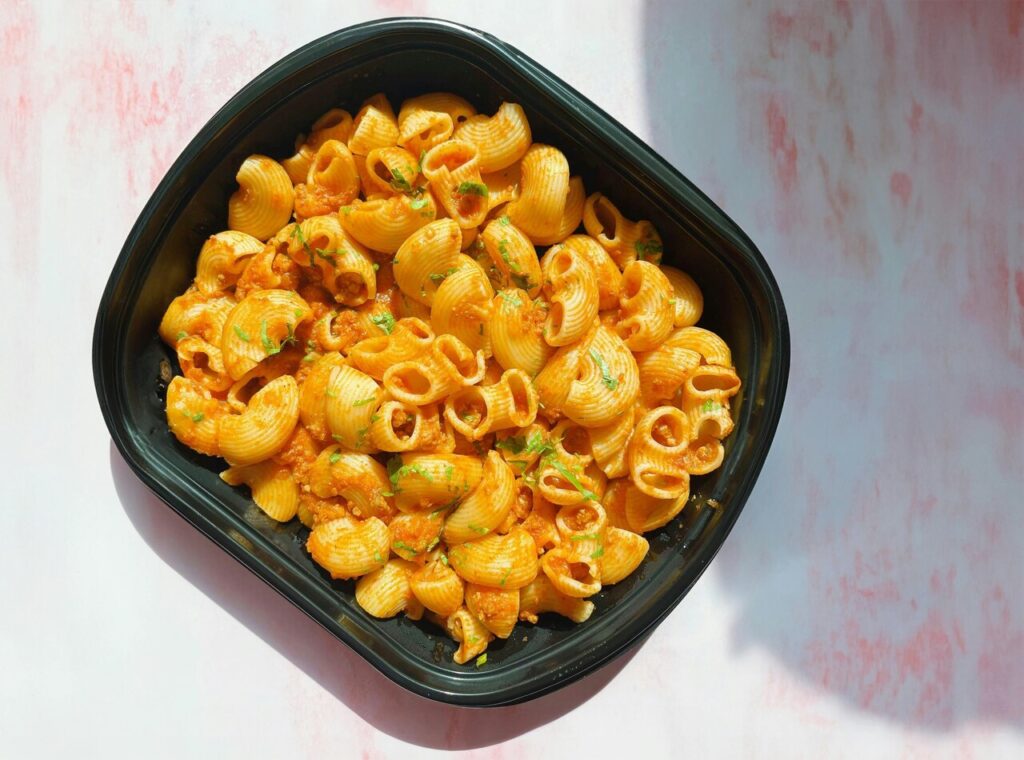
Slow cooker mac and cheese offers convenience by combining pasta and sauce in one pot, allowing everything to cook together without constant monitoring. This method creates a creamy base with minimal effort.
However, the extended cooking time changes how pasta behaves. It continues absorbing liquid, often becoming softer than intended and losing the slight firmness that defines well-cooked pasta.
The sauce also thickens as it sits, sometimes becoming heavier than expected. While the dish remains rich and satisfying, the balance between creaminess and texture shifts, resulting in a denser and less structured final result.