You’re Making These 10 From Scratch Every Time But Store-Bought Has Been Winning All Along

Some things feel more satisfying when made from scratch. The chopping, stirring, and slow building of flavor give a sense of control and care that store shelves can’t replicate at first glance.
But not every kitchen task rewards the effort equally. Behind many everyday staples are years of refinement, precise ratios, and controlled processes that quietly outperform homemade attempts in texture, stability, and consistency.
This list looks at those surprising items where convenience does not mean compromise. In fact, in many cases, store-bought versions have been winning all along, saving time while delivering results that are hard to beat.
1. Ketchup
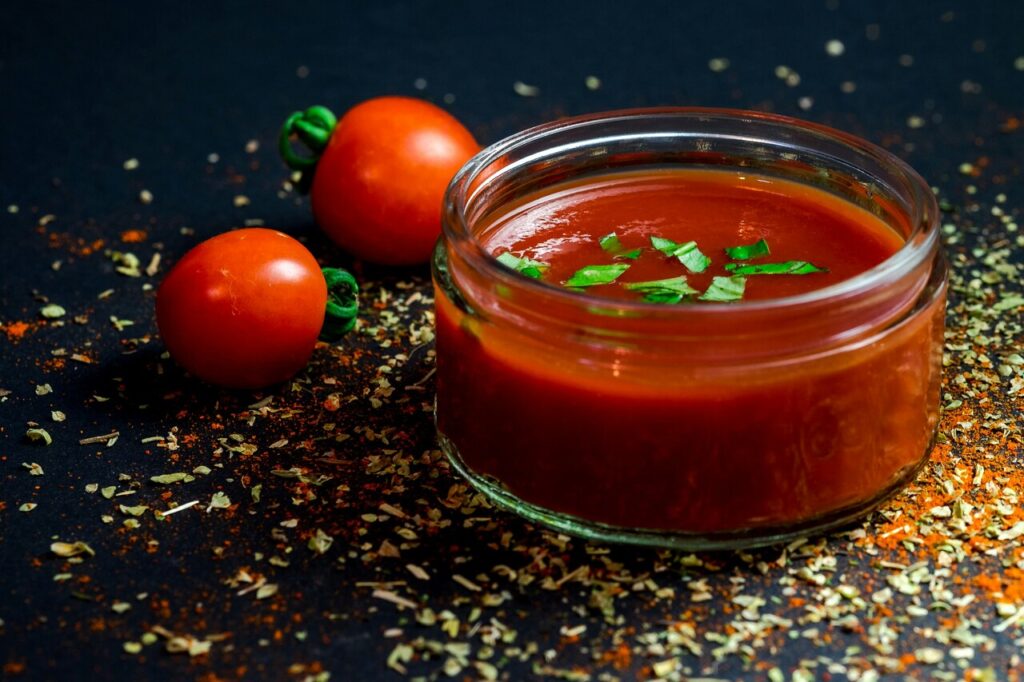
That familiar ketchup taste is not a coincidence. Its balance of sweet, tangy, and savory notes comes from controlled cooking, standardized tomato solids, and carefully measured acidity that is difficult to match at home.
When made from scratch, consistency becomes the main challenge. Tomatoes vary in water, sugar, and acidity depending on type and season. This makes it hard to achieve the same thickness and flavor without long cooking and constant adjustment.
Store-bought ketchup is designed for reliability. It uses concentrated tomato paste, precise vinegar levels, and stabilizers to hold texture over time. The result is a smooth, predictable product that delivers the same flavor instantly.
2. Puff Pastry

Puff pastry appears simple, but it depends on precision. Its rise comes from thin layers of butter and dough, built through repeated folding and chilling under strict temperature control.
At home, this process is hard to manage. Even slight warmth can soften the butter, causing layers to merge and reducing the airy texture. The method also demands time, patience, and careful handling.
Store-bought puff pastry is made in controlled environments where temperature and layering are consistent. This ensures reliable lift and flakiness when baked. What takes hours at home can be achieved easily with ready-made sheets.
3. Mayonnaise
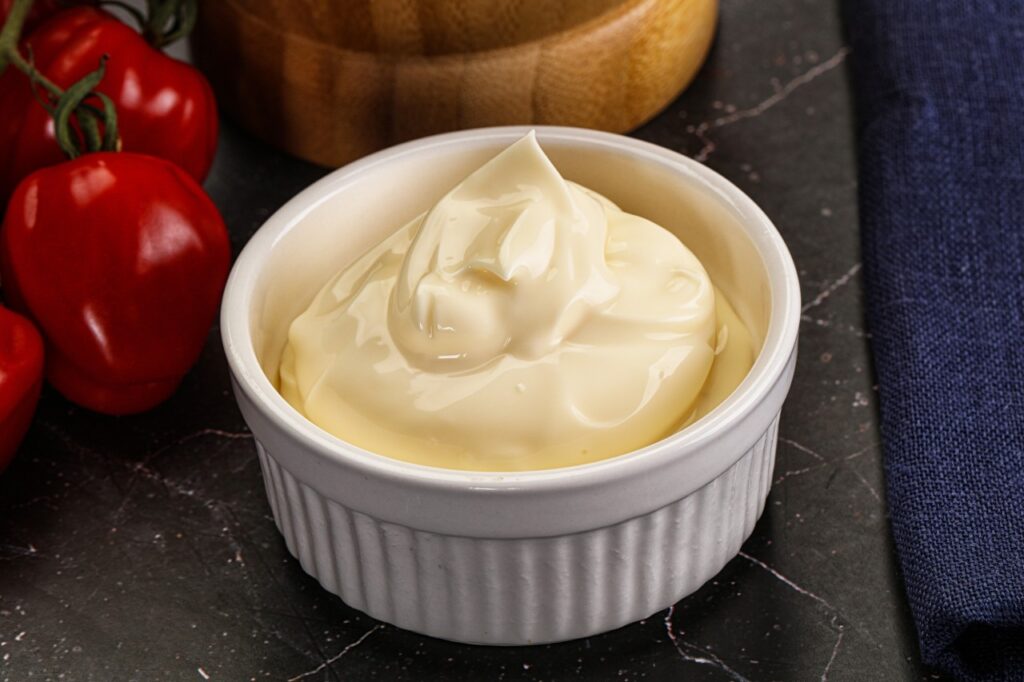
Mayonnaise is a simple idea built on a delicate process. It relies on emulsifying oil and water using egg yolk, which acts as a natural stabilizer. The difficulty lies in combining these elements slowly enough to prevent separation.
At home, even small mistakes can cause the mixture to break. Adding oil too quickly or misjudging proportions leads to a thin or split result. Temperature also plays a role, making the process less forgiving than it appears.
Store-bought mayonnaise is made using high-speed equipment that creates a stable emulsion every time. It also includes mild acids and stabilizers that extend shelf life and maintain texture. The result is a consistently creamy product that removes the guesswork.
4. Pasta
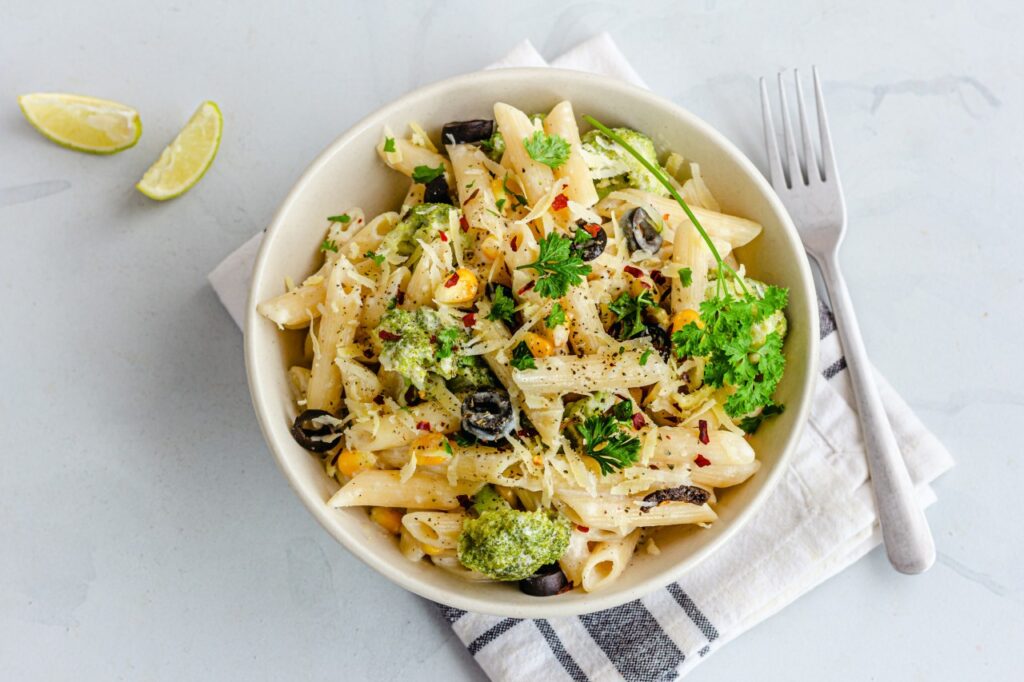
Fresh pasta carries a certain appeal, but achieving the right texture is more technical than it seems. The balance of flour, eggs, and hydration affects elasticity, shaping, and cooking behavior.
Without proper technique, homemade pasta can become too soft, sticky, or uneven in thickness. This affects how it cooks and how well it holds sauce. Drying and resting stages also influence the final result.
Dried pasta, especially high-quality varieties, is designed for performance. It is extruded for structure and dried slowly to enhance firmness. This gives it a reliable bite and allows sauces to cling better, making it a dependable choice for everyday cooking.
5. Ice Cream

Ice cream is defined by its texture as much as its flavor. That smooth, creamy feel depends on controlling ice crystal size and incorporating air in a precise way during freezing.
Home methods often struggle with this balance. Without specialized machines or stabilizers, ice crystals can grow larger, leading to a grainy texture. Achieving consistent results requires both equipment and attention to detail.
Store-bought ice cream is made with controlled churning and rapid freezing, which keeps crystals small and texture smooth. Stabilizers and emulsifiers are used in small amounts to maintain that structure over time. The result is a consistently creamy product that is difficult to match at home.
6. Bread Crumbs
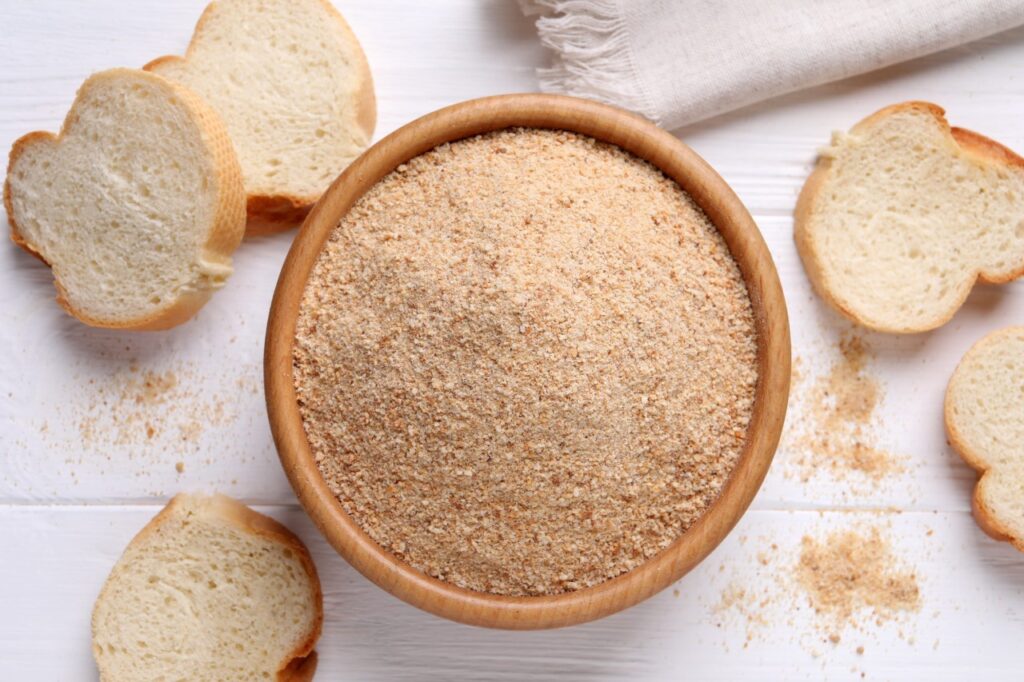
What looks like a basic pantry item actually plays a precise role in cooking performance. Breadcrumbs are not just dried bread. Their size, dryness, and texture directly affect how food crisps, binds, and absorbs moisture during cooking.
Homemade crumbs often lack uniformity. Some pieces remain too large while others turn powdery, creating uneven coatings. Moisture levels also vary, which can lead to soggy crusts or inconsistent browning when frying or baking.
Store-bought bread crumbs are processed for consistency. They are evenly dried and ground to a controlled size, ensuring better adhesion and crispness. Many are lightly seasoned, reducing prep work while delivering reliable results across recipes.
7. Salad Dressing
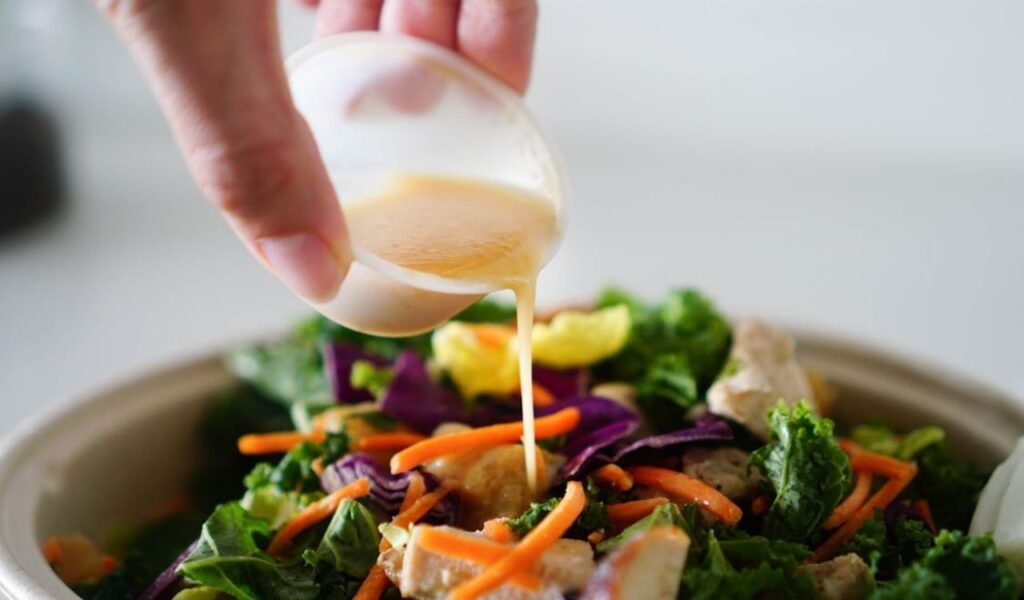
A well-made dressing is about balance, but also about structure. Oil and vinegar naturally resist blending, so achieving a smooth, stable mixture requires proper emulsification and ingredient control.
Homemade dressings often separate quickly, especially without stabilizing agents. This affects how flavor is distributed across a salad. Small miscalculations in acid or salt can also make the dressing taste sharp or flat.
Store-bought dressings are designed to stay emulsified longer. They use approved stabilizers and precise ratios to maintain texture and flavor. This results in a consistent pour and taste, making them dependable for everyday meals.
8. Jam
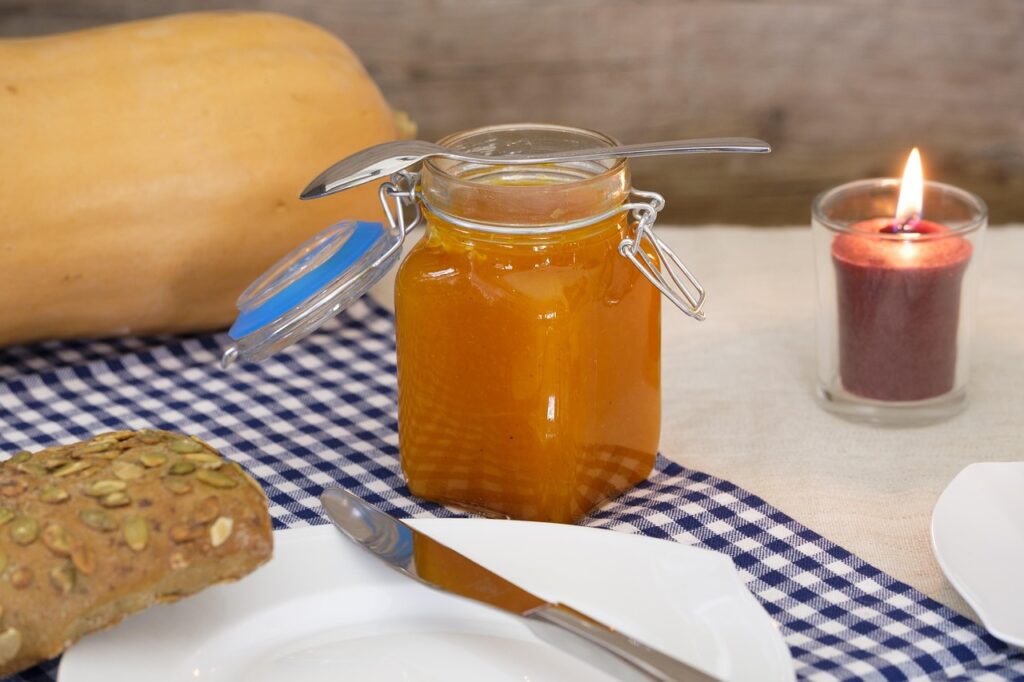
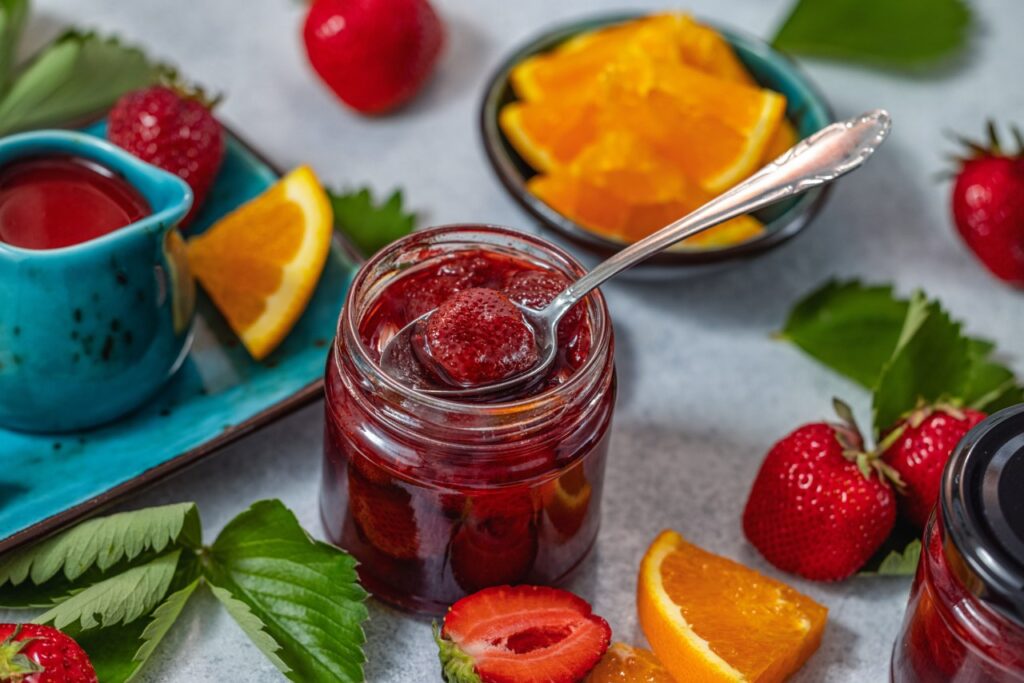
Jam may seem simple, but it depends heavily on timing and ingredient chemistry. The final texture relies on the interaction between pectin, sugar, and acid under controlled heat.
At home, fruit variability makes this difficult. Some fruits lack enough natural pectin, while others over-gel quickly. This can lead to a jam that is either too runny or overly thick, even with careful attention.
Store-bought jam is standardized for consistency. Manufacturers adjust pectin and sugar levels to ensure a smooth, spreadable texture. This control also extends shelf life, making it a reliable option without repeated trial and error.
9. Tortillas
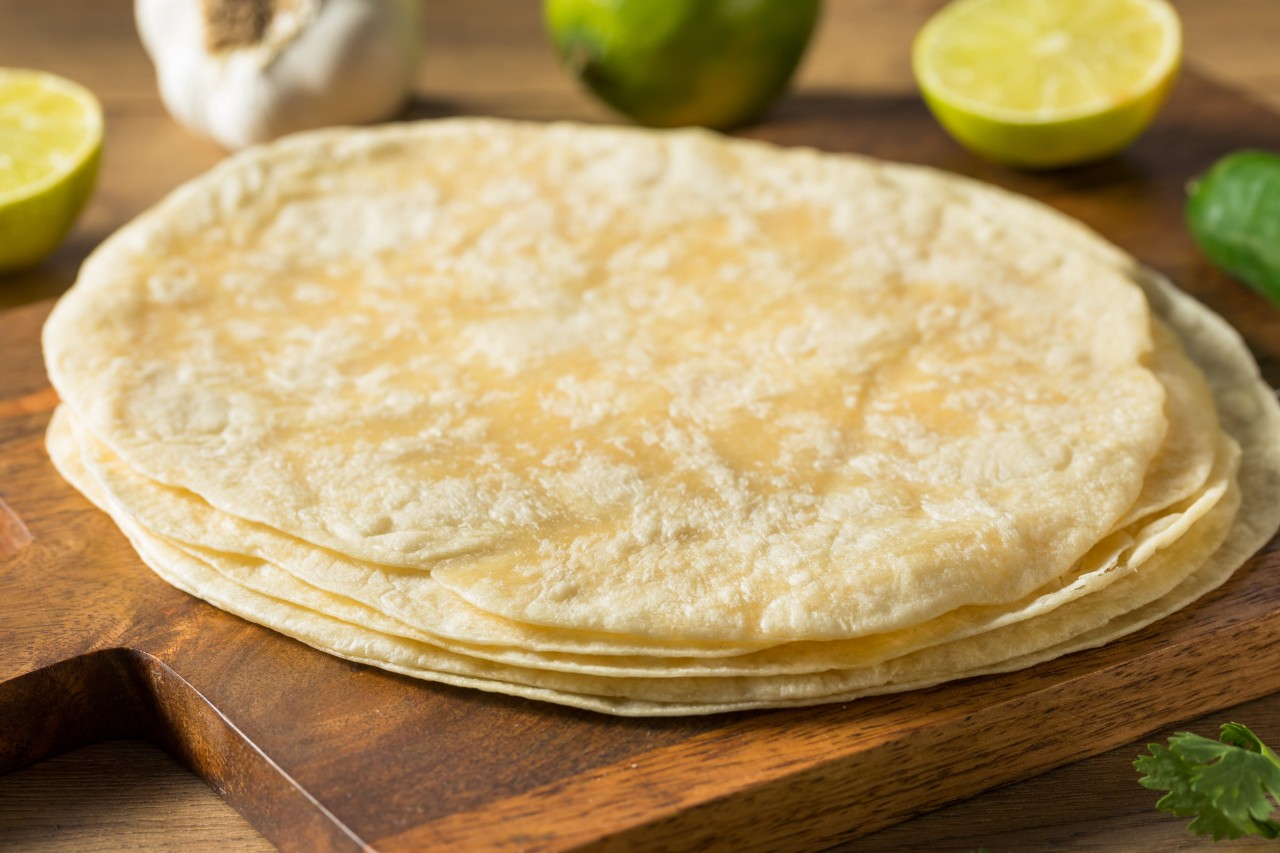
Soft tortillas require more precision than they appear. Their flexibility depends on even hydration, proper kneading, and controlled heat during cooking.
Homemade versions often struggle with consistency. They may turn out uneven in thickness or dry too quickly, leading to cracking when folded. Without practice or tools, achieving uniform softness can be challenging.
Store-bought tortillas are produced using calibrated equipment. This ensures even thickness and controlled cooking, resulting in a soft, pliable texture. Their consistency makes them easier to handle for wraps and fillings without breaking.
10. Stock (Broth)
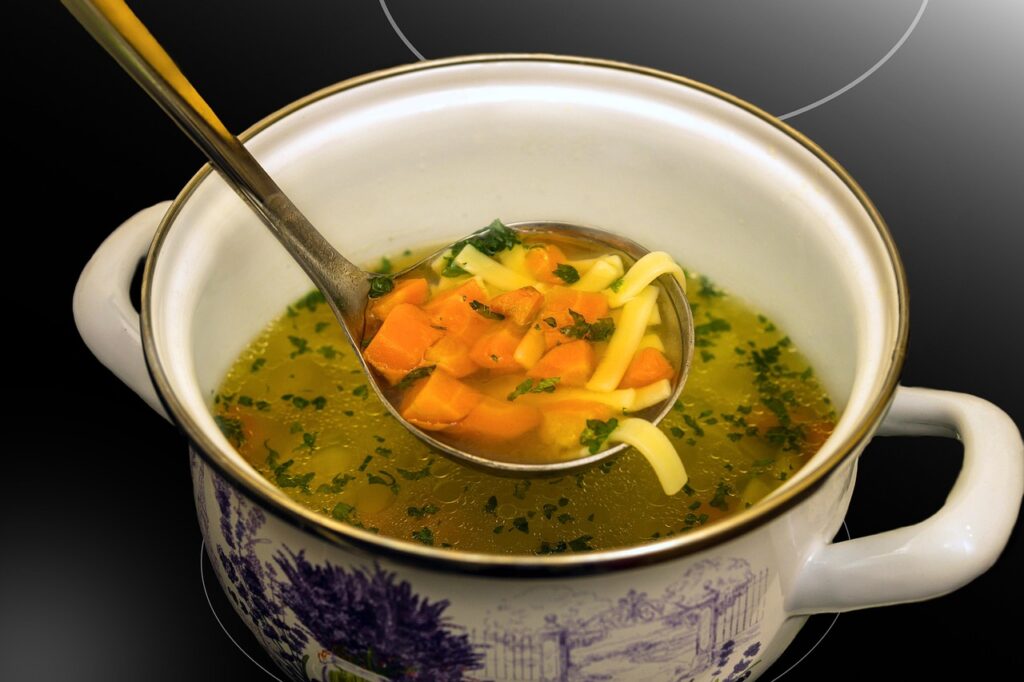
Stock is built through slow extraction, where heat draws flavor, collagen, and nutrients from ingredients over time. The process requires careful control to avoid cloudiness or bitterness.
Homemade stock demands hours of simmering and attention. Skimming impurities, balancing ingredients, and maintaining temperature all influence the final clarity and taste. Small missteps can affect the outcome significantly.
Store-bought stock is produced under controlled conditions for efficiency and consistency. It is filtered and balanced for immediate use, offering dependable flavor. While homemade can be deeper, packaged stock saves time without sacrificing usability.