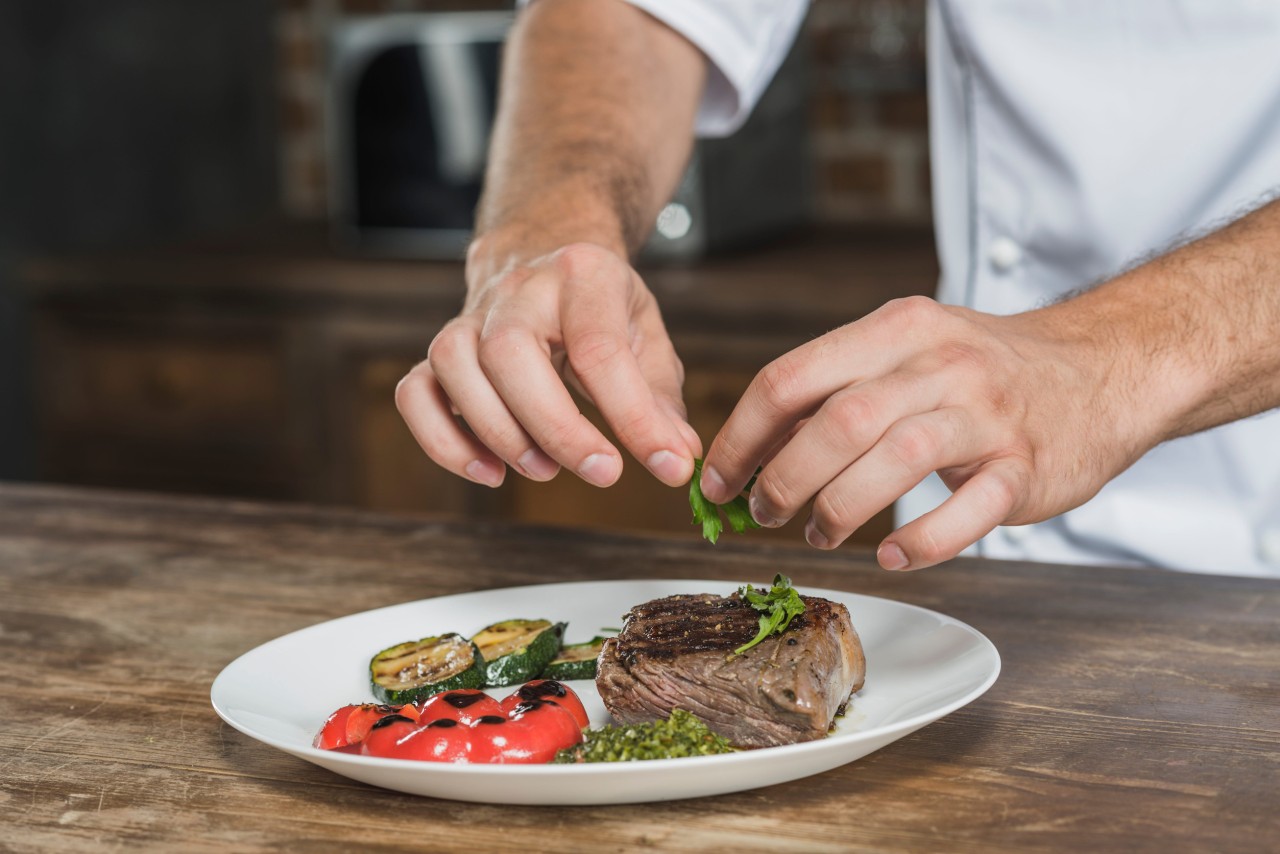
Once Cheap, Now on a Tasting Menu: 8 Foods That Got Too Fancy for Their Own Good


Some of the most memorable foods were never meant to be expensive. They were created from comfort and simplicity, offering familiar flavors without asking much in return. These dishes became popular because they were easy to make, find, and enjoy.
Over time, that simplicity turned into opportunity. As dining trends shifted, chefs and restaurants refined these humble foods with premium ingredients and elevated presentation. What once felt casual slowly became curated and more expensive.
The transformation did not always improve the experience. In elevating the ordinary, many of these foods lost the charm that made them special, becoming more complex than they needed to be.
1. Avocado Toast
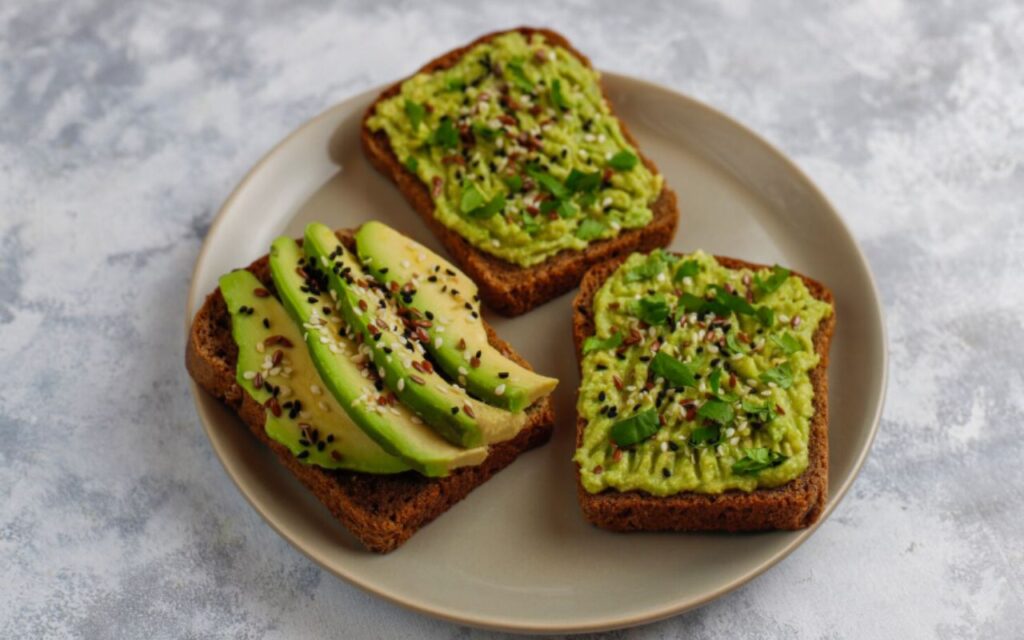
A slice of bread and mashed fruit was never meant to feel like a luxury. Avocado toast existed in simple forms for years, appearing in cafés long before social media pushed it into global attention.
Its rise came from presentation and lifestyle branding. Clean eating and café culture turned it into a modern dining symbol. What was once a basic snack became styled with seeds, oils, and artisan bread, often priced far beyond its ingredient cost.
The shift changed perception more than the food itself. Customers began paying premium prices for something simple. Over time, the gap between cost and pricing became clear, showing how hype can turn everyday food into something unnecessarily expensive.
2. Ramen
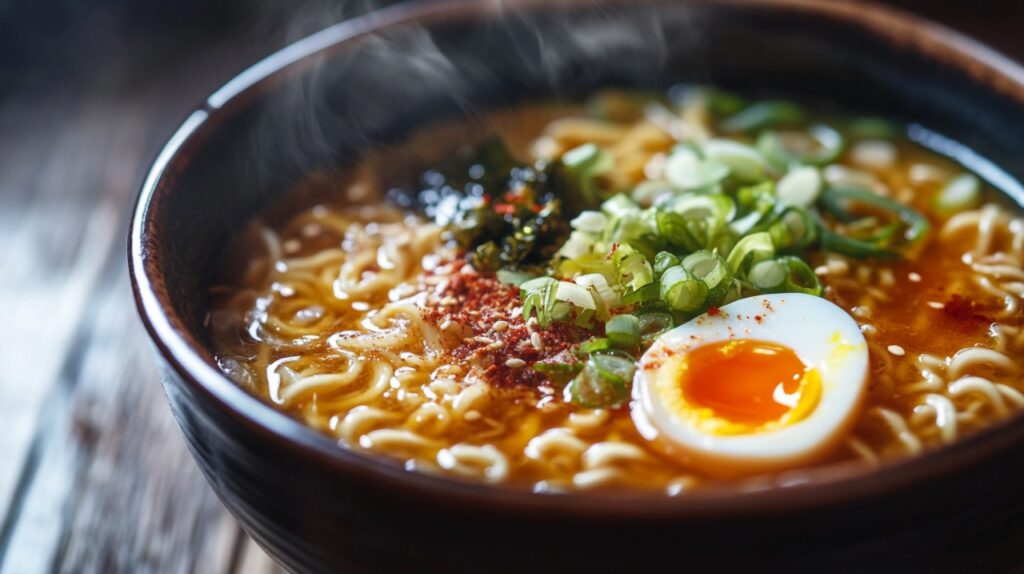
A budget meal built on efficiency turned into a crafted dining experience. Ramen began as an affordable, filling dish designed for quick service, especially in urban settings where cost and speed mattered most.
Modern versions focus heavily on detail. Broths are simmered for hours, toppings are carefully curated, and presentation is treated as an art form. Social media and food culture have further pushed ramen into a premium category, with some bowls priced like full restaurant meals.
While quality has improved, accessibility has shifted. What was once a go-to low-cost option is now often positioned as a specialty item. This transformation highlights how culinary attention can elevate a dish while quietly distancing it from its original purpose.
3. Burgers

Few foods were as universally accessible as the burger. Originally designed as a quick, affordable meal, it became a staple of fast food due to its simplicity and consistent value.
The gourmet movement changed that image. Chefs began introducing premium cuts of meat, artisanal buns, and complex toppings, repositioning the burger as a high-end offering rather than everyday food.
This shift expanded variety but also raised expectations and prices. While some versions justify the cost through quality, many simply repackage a familiar item at a higher price. The result is a food that moved from convenience to curation, often losing its original identity.
4. Grilled Cheese Sandwich

Comfort food rarely asks for reinvention. The grilled cheese sandwich was built on simplicity, using basic bread and melted cheese to deliver warmth and familiarity at a low cost.
Modern interpretations added layers of complexity. Specialty cheeses, sourdough bread, and extras like oils or meats turned it into a menu centerpiece rather than a quick snack. This repositioning increased both price and expectation.
The transformation changed how it is consumed. Instead of being a simple, reliable option, it became something curated and priced accordingly. For many, the added complexity did not improve the core experience, only the cost attached to it.
5. Tacos
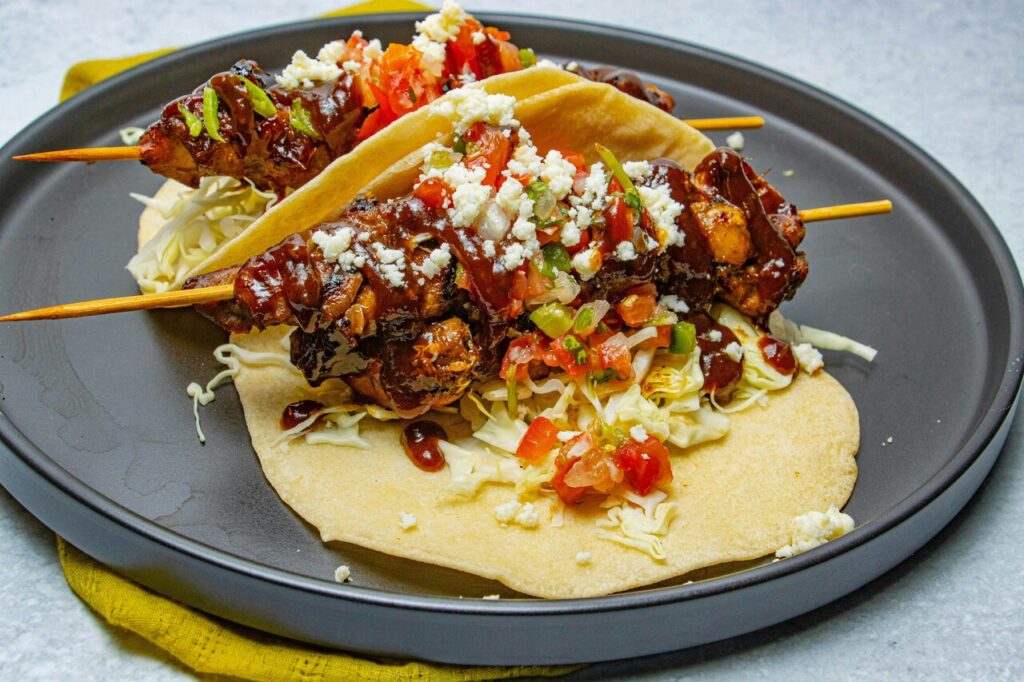
Street food is defined by accessibility. Tacos were originally designed to be quick, portable, and affordable, making them a staple of everyday eating in many regions.
The global food scene reshaped that simplicity. Restaurants began experimenting with premium fillings, fusion flavors, and refined presentation, often serving tacos in upscale settings at significantly higher prices.
While innovation introduced new flavors, it also changed the role of the dish. What was once casual and widely accessible became, in some cases, a curated dining experience. This shift reflects how cultural foods can be elevated in ways that move them away from their roots.
6. Mac and Cheese
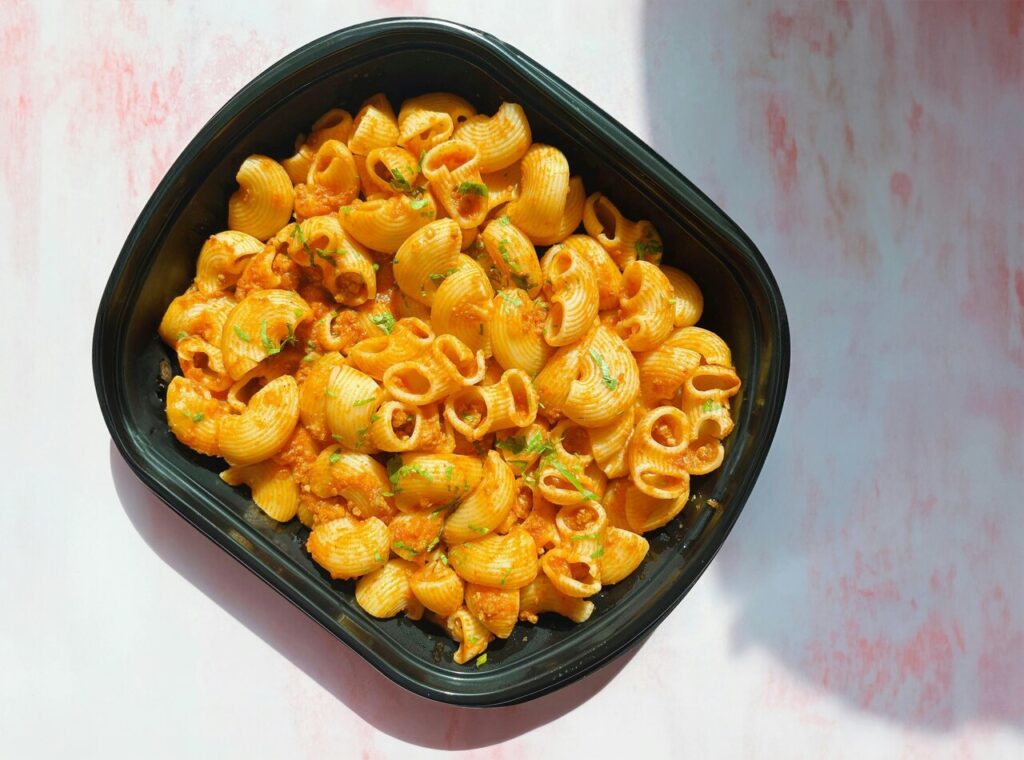
Few dishes are as closely tied to affordability as mac and cheese. It was designed to be simple, filling, and inexpensive, making it a staple in homes and casual dining.
The gourmet trend introduced upscale versions featuring ingredients like specialty oils, seafood, and imported cheeses. These additions turned a budget-friendly dish into something positioned as premium comfort food.
While the upgrades added variety, they also changed expectations. The dish moved from practical to indulgent, often priced far above its original intent. This shift shows how even the most basic foods can be rebranded into luxury items.
7. Ice Cream

Ice cream has long been a simple pleasure. Traditionally sold as an affordable treat, it relied on basic flavors and wide accessibility to maintain its appeal. It was something people could enjoy without thinking about cost or occasion.
The rise of artisanal production changed that model. Small-batch methods, unique ingredients, and creative flavor combinations positioned ice cream as a specialty product rather than a casual dessert. Shops began focusing on sourcing, technique, and presentation.
This evolution brought quality improvements but also higher prices. What was once a quick, inexpensive indulgence is now marketed as a crafted experience, changing how customers approach familiar treats and making it feel more like a planned purchase.
8. Fried Chicken
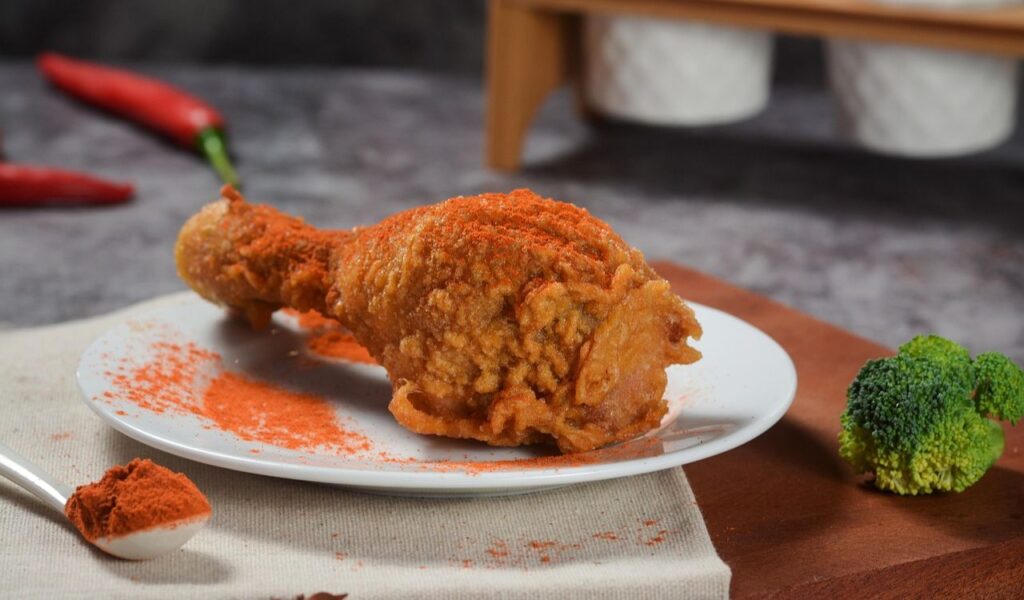
A dish built on simplicity and value has taken on a new identity. Fried chicken was traditionally an affordable, filling meal, often associated with home cooking or casual dining.
Modern interpretations focus on technique, sourcing, and presentation. Gourmet versions highlight specialty marinades, premium cuts, and curated sides, elevating the dish into higher-priced menus.
While flavor remains central, the context has changed. What was once widely accessible is now, in some settings, positioned as a premium offering. This shift reflects how even the most grounded foods can be redefined through branding and presentation.