Same Price, Less on the Plate: 9 Chain Restaurants That Haven’t Been Honest Since the Pandemic

The way we judge a meal has quietly changed. It is no longer just about taste or convenience, but how much we feel we are getting for what we pay. Since the pandemic, many familiar chains have adjusted portions in subtle ways that are easy to miss at first glance.
At the same time, prices have continued to rise. What once felt like a satisfying, value-driven meal now feels lighter, even when the menu looks the same. These shifts are not always clearly communicated, but regular customers notice the difference over time.
This growing gap between expectation and reality is reshaping how people see their favorite spots. These are the chain restaurants where portions seem to have shrunk, while the price tag stayed the same.
1. Chipotle
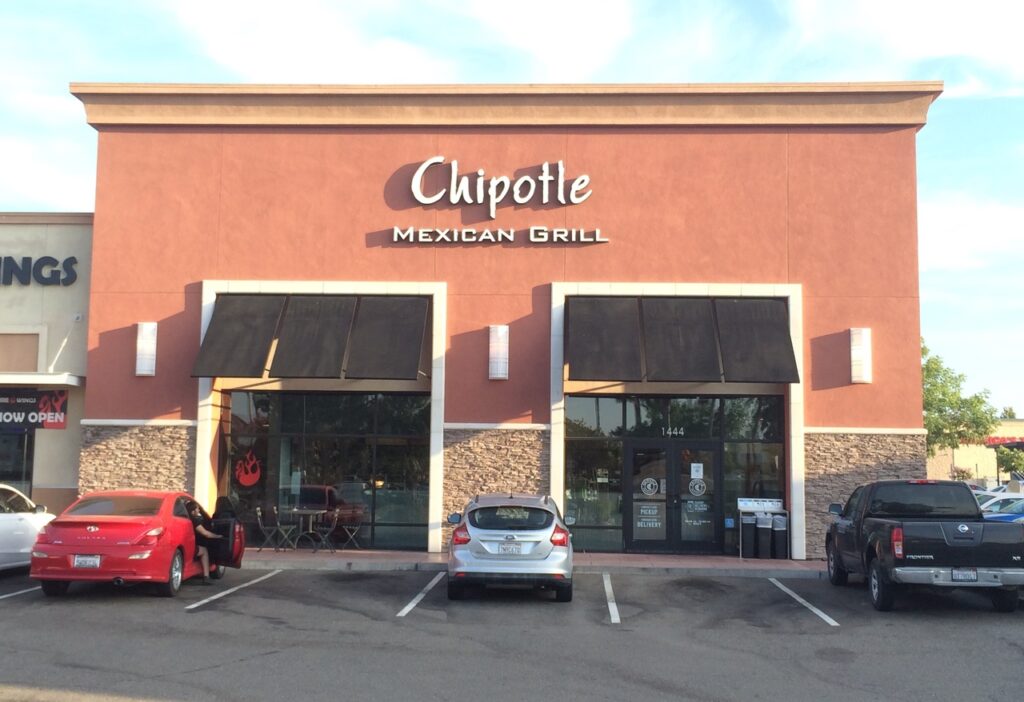
Consistency used to be part of the appeal. At Chipotle, customers once expected generous scoops and a filling bowl every visit. After the pandemic, stricter portion control and rising ingredient costs began to reshape that experience in subtle but noticeable ways.
Many customers now report smaller servings of protein and toppings, especially during busy hours. Staff training has leaned toward measured scoops rather than generous ones, which helps control costs but reduces perceived value.
The result is inconsistency. One visit may feel satisfying, while another feels underfilled. Even when quality remains steady, the drop in portion confidence has changed how customers view the overall value of a meal.
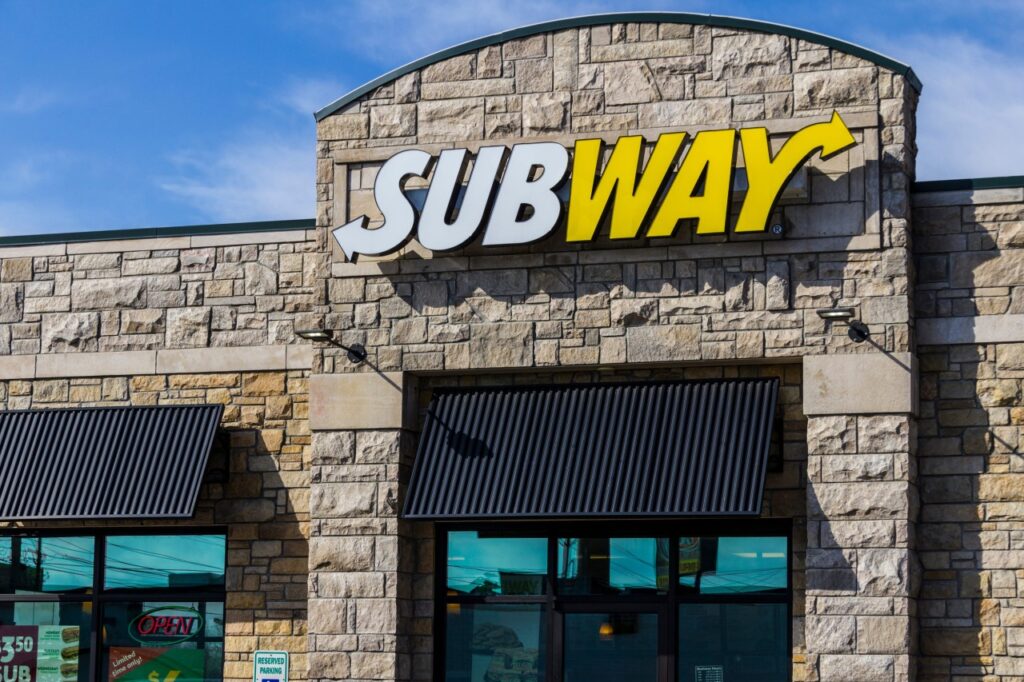
2. Subway
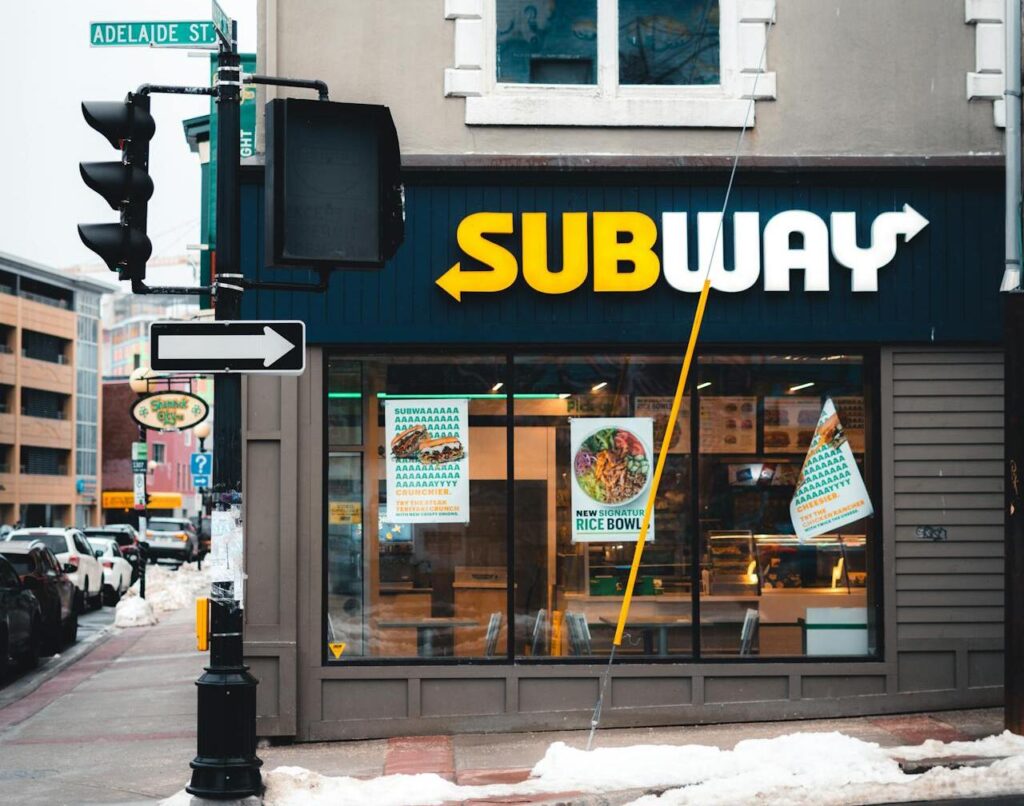
A sandwich is only as good as what goes inside it. Subway’s shift toward tighter portioning and rising prices has made many customers feel that their subs are not as packed as they once were.
While the bread and structure remain familiar, fillings like meat, cheese, and vegetables often appear more carefully rationed. This creates a visible difference, especially for regular customers who remember fuller builds.
The brand has focused on menu refreshes and marketing, but perception is harder to change. When a sandwich looks lighter but costs more, customers begin to question whether the value still holds.
3. McDonald’s
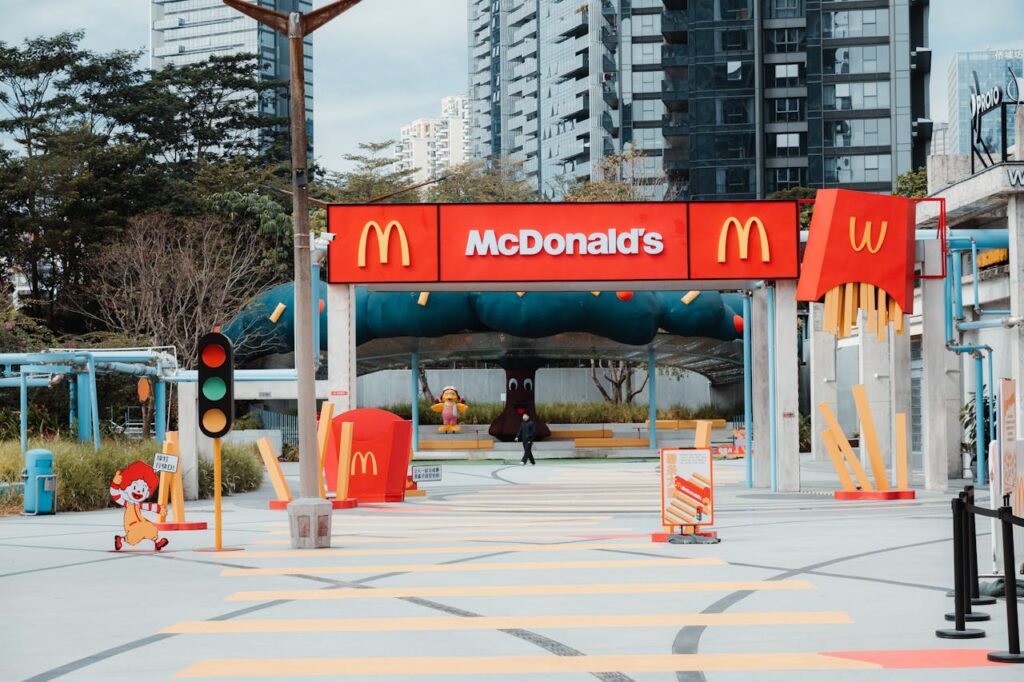
Value has always been at the heart of the experience. McDonald’s built its reputation on meals that felt filling, fast, and affordable, making it a go-to option for everyday convenience. Over time, customers have begun to notice subtle shifts in how satisfying those meals feel.
Prices have increased across core items, especially combo meals. At the same time, portions appear more controlled, particularly with fries and add-ons. Even when sizes remain the same, the overall experience often feels lighter and less filling.
This change is largely about perception. McDonald’s still delivers consistency, but when customers leave less satisfied, it challenges the brand’s promise of dependable value and portion confidence.
4. Starbucks
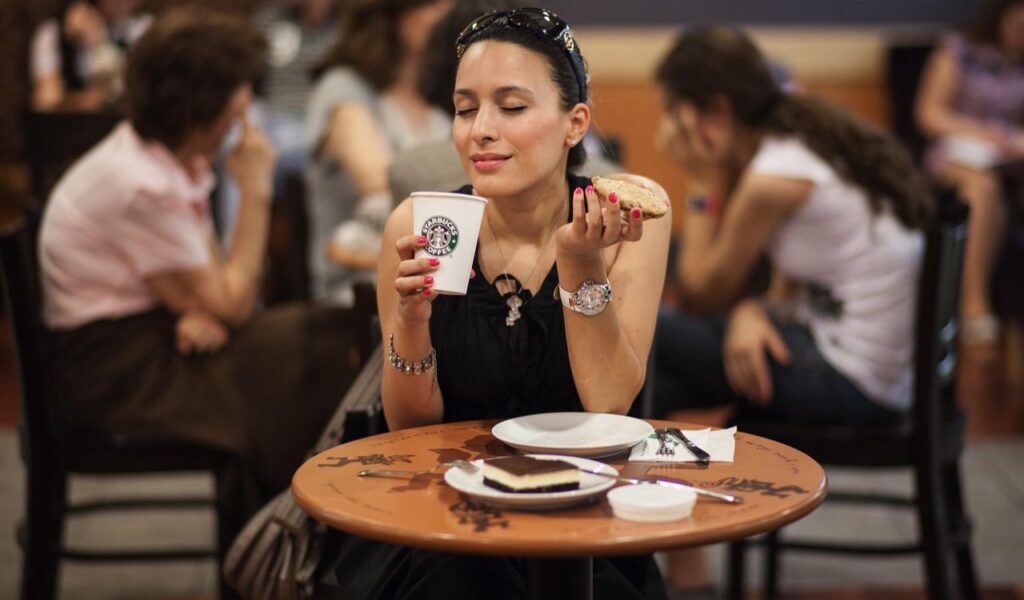
A full cup does not always mean a full experience. Starbucks has faced increasing feedback around how drinks are built, especially when it comes to ice levels and ingredient balance in customized orders.
While cup sizes have not changed, the actual amount of drink can feel reduced. Ice-heavy beverages and more measured pours of milk or coffee make the final product seem smaller, especially as prices continue to rise.
Customers still appreciate convenience and customization, but the sense of getting less for the same price is becoming harder to ignore. Over time, this perception begins to shape how value is judged with each visit.
5. KFC
Generosity once defined the meal experience. KFC became known for buckets and combos that could easily feed more than expected, creating a strong sense of value for groups and families.
Recent feedback suggests a shift in that perception. Customers often report smaller chicken pieces and fewer sides in meals that once felt abundant. Standardized portions have improved consistency but reduced the feeling of getting extra.
Even when flavor remains the same, portion size plays a major role in satisfaction. When meals feel less generous, customers start to question value, which can gradually influence long-term loyalty.
6. Taco Bell
Affordability once defined the entire experience. Taco Bell built its reputation on bold flavors paired with portions that felt generous for the price, making it a reliable choice for quick, satisfying meals without spending much.
Recent changes have shifted that balance. Menu simplification removed several heavier, more filling items, while remaining options often feel lighter in build. Combined with steady price increases, meals now seem less substantial than they once did.
Customers still return for the flavor, but portion size plays a key role in satisfaction. When items feel smaller or less packed, the value becomes harder to justify, especially for those who once relied on it as a budget-friendly option.
7. Domino’s
Strong deals can sometimes hide subtle changes. Domino’s continues to promote value through combo offers and discounts, but customers have begun noticing differences in how pizzas are assembled and presented.
Toppings may appear less evenly spread or slightly reduced, which affects both taste and visual appeal. While the crust and base remain consistent, the overall balance can feel less generous than before.
Price competitiveness still keeps customers interested, but perception is gradually shifting. When the same deal delivers less topping satisfaction, it slowly impacts trust, especially among regular buyers who notice small changes.
8. Panera Bread
Higher expectations come with premium positioning. Panera Bread has long focused on quality ingredients and a fresh image, which naturally leads customers to expect meals that feel both wholesome and filling.
In recent years, portion sizes for soups, salads, and bakery items have drawn attention. Bowls can appear less full, even as prices continue to rise, creating a noticeable gap between expectation and experience.
The ingredients remain a strong point, but portion size directly affects satisfaction. When meals feel lighter, customers begin to question whether the higher price still delivers the value they once associated with the brand.
9. Popeyes
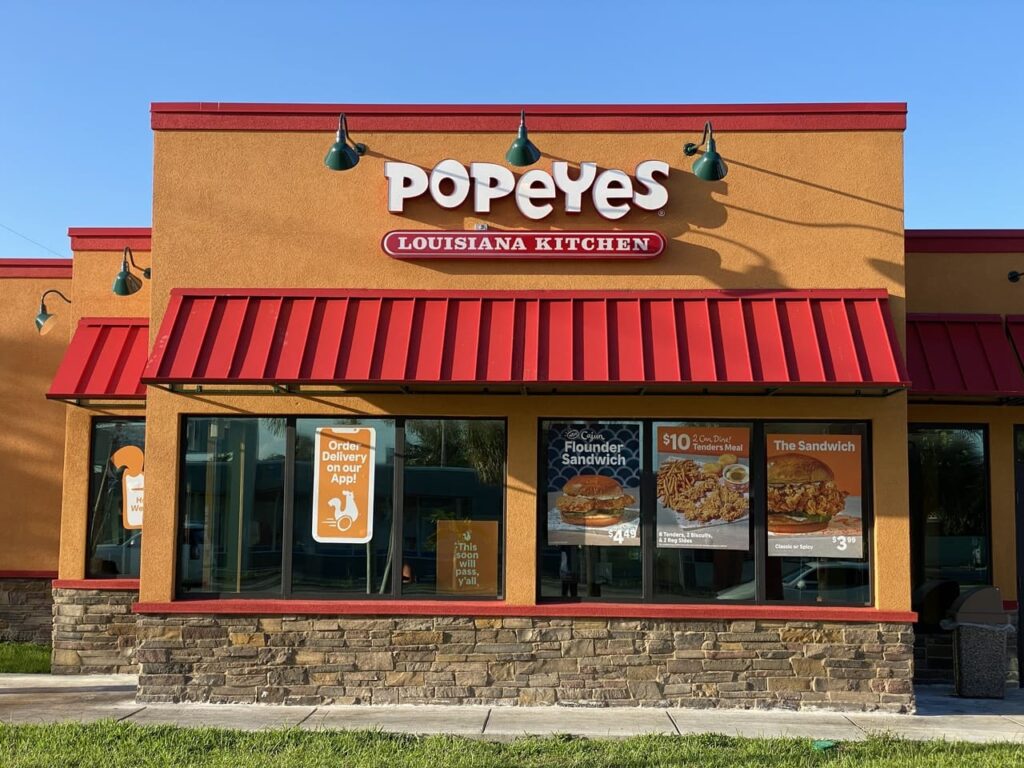
Generosity once defined the experience. Popeyes built its reputation on bold seasoning and portions that felt hearty, often leaving customers feeling they got more than expected for the price. That sense of abundance became a key reason people kept coming back.
In recent years, that perception has shifted. Customers often report smaller chicken pieces and sides that feel less filling in combo meals. While flavor remains consistent, the overall portion size can feel more controlled than before.
Because expectations were set so high, even small changes stand out. When a brand known for generous servings feels more measured, customers quickly notice and begin to question whether the value still matches the price.