They Pulled the Original and Called the Replacement Better: 10 Fast Food Swaps Nobody Bought

Fast food thrives on familiarity. The flavors, textures, and even packaging become part of a routine people return to without thinking. So when a brand replaces a well-loved item, it is not just changing a recipe; it is stepping into risky territory.
These swaps are introduced with confidence. They promise better taste, improved ingredients, or a healthier experience. On paper, the upgrades make sense. In reality, customers do not always want change, especially when it affects something they already enjoy.
What follows is often the same pattern. Curiosity brings people in once, but disappointment keeps them from coming back. These are the swaps that tried to improve the original, only to prove that better is not always what customers want.
1. McDonald’s Fried Apple Pie to Baked Apple Pie
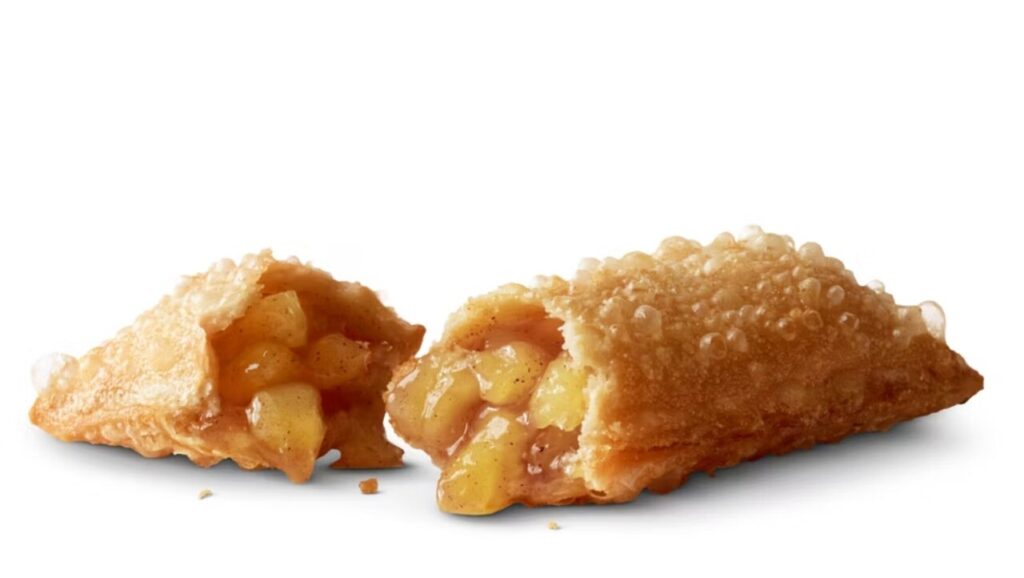
A texture change can alter everything. McDonald’s replaced its deep-fried apple pie with a baked version to reduce fat and align with healthier branding. The original had a blistered, crispy shell that locked in a hot, syrupy filling, creating a strong sensory memory for regular customers.
The baked version looked lighter and cleaner, but the experience shifted. The crust became softer and less layered, and the filling felt less intense. While it appealed to nutrition goals, it lost the indulgent quality people associated with the product.
Customers did not reject it outright, but many never formed the same attachment. The change reduced emotional pull, showing how even small shifts in texture can weaken long-term loyalty.
2. Coca-Cola Original Formula to New Coke
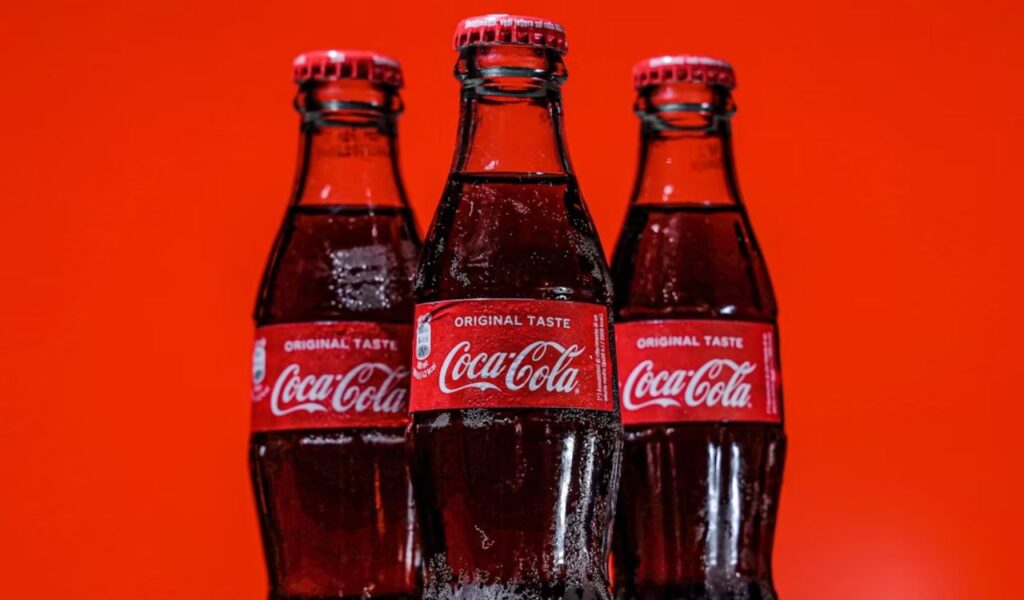
Taste changes rarely stay private when a product is this iconic. Coca-Cola introduced New Coke as a smoother, sweeter formula after extensive testing suggested preference in blind taste comparisons. On paper, it was a logical upgrade.
In reality, the response was immediate and emotional. People did not just drink Coca-Cola for taste. They associated it with identity, memory, and routine. Replacing it felt like removing something familiar rather than improving it.
The backlash forced a quick reversal. The original returned as Coca-Cola Classic, proving that data-driven changes can fail when they ignore emotional connection and brand history.
3. Burger King Fries to Satisfries
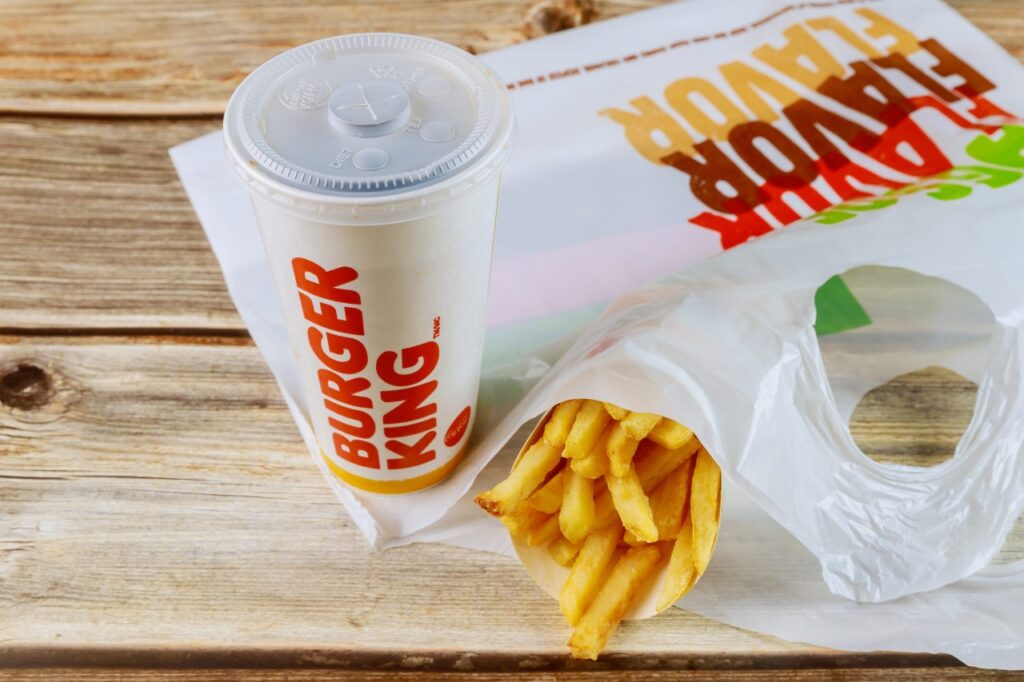
A healthier fry sounds like an easy win. Burger King introduced Satisfries with fewer calories and less fat, positioning them as a smarter alternative to regular fries without sacrificing taste.
Initial curiosity brought attention, but repeat orders told a different story. Customers found the texture less satisfying and the flavor slightly off from what they expected. Fries are a comfort item, and even small differences can be noticeable.
Without strong repeat demand, the product faded. It highlighted a key reality that fast food customers rarely prioritize health over taste when choosing indulgent sides.
4. KFC Fried Chicken Focus on Grilled Chicken Push
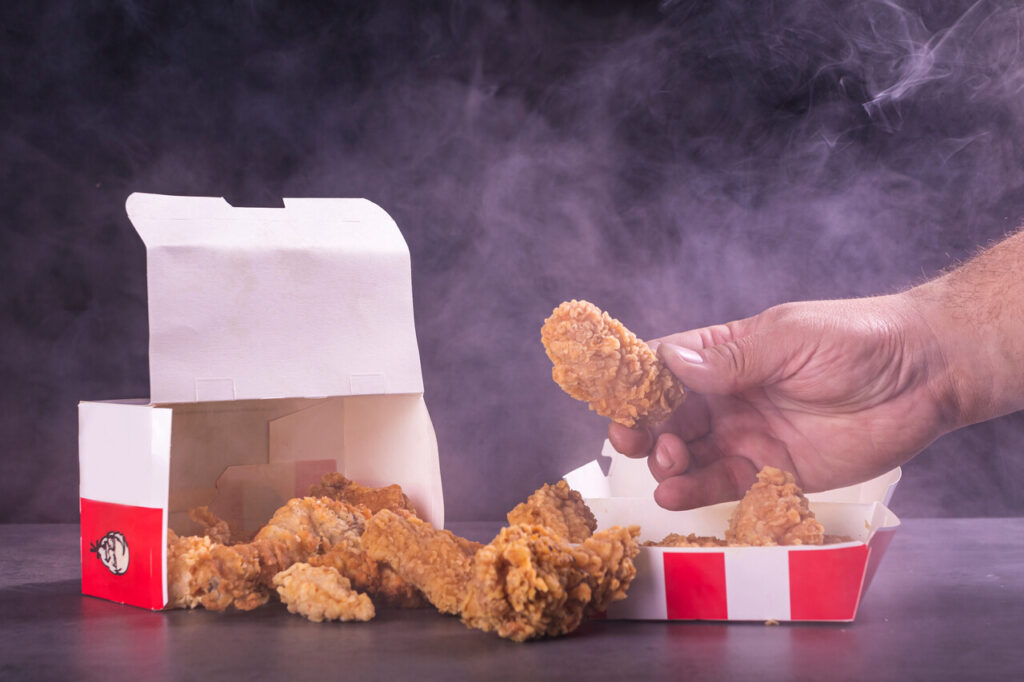
Shifting a brand’s identity is never simple. KFC introduced grilled chicken to attract health-conscious consumers, positioning it as a lighter option alongside its signature fried menu. The move aimed to modernize the brand without fully stepping away from its roots.
Curiosity drove early trials, but expectations quickly shifted. KFC was known for bold seasoning and crispy texture, and the grilled version delivered a milder, less indulgent experience. For many customers, it felt like a different category rather than an upgrade.
Sales reflected this gap. Most customers returned to familiar choices after trying it once. The attempt showed that strong brand identity can limit how far a menu can evolve without losing its core appeal.
5. Subway Classic Bread to Flatbread Emphasis
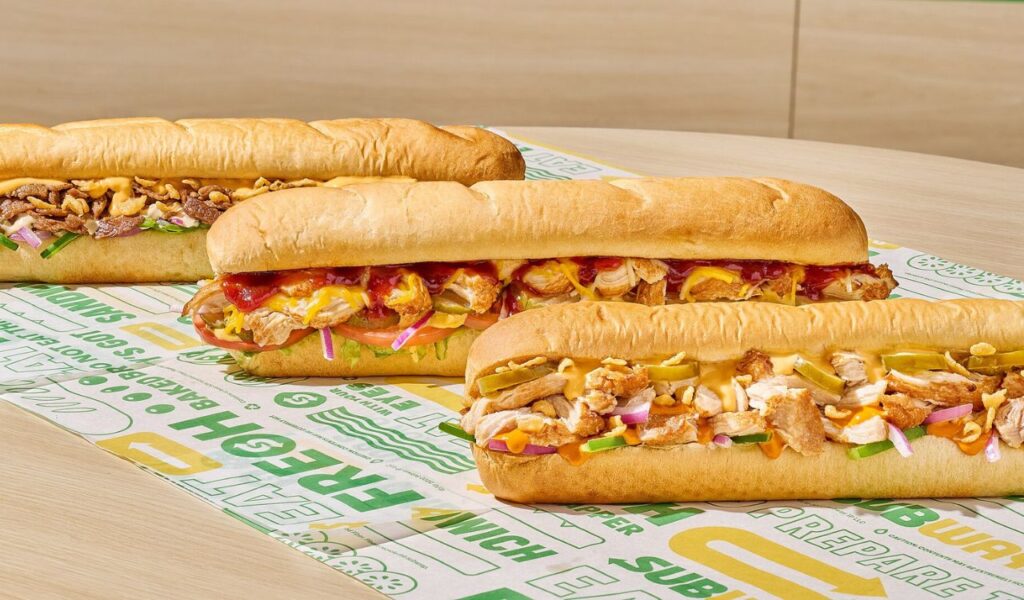
Changing the base of a sandwich reshapes the entire experience. Subway promoted flatbread as a lighter, more modern alternative to its traditional bread, aiming to appeal to customers seeking variety and perceived health benefits.
The response remained mixed. Flatbread offered a softer texture, but many found it less filling and less satisfying overall. Ingredient balance also shifted, which slightly changed how the sandwich tasted.
Over time, customers returned to classic bread options. The shift showed that even small changes can affect expectations, especially when consistency plays a major role in customer satisfaction.
6. McDonald’s Core Burgers to Angus Burger Line
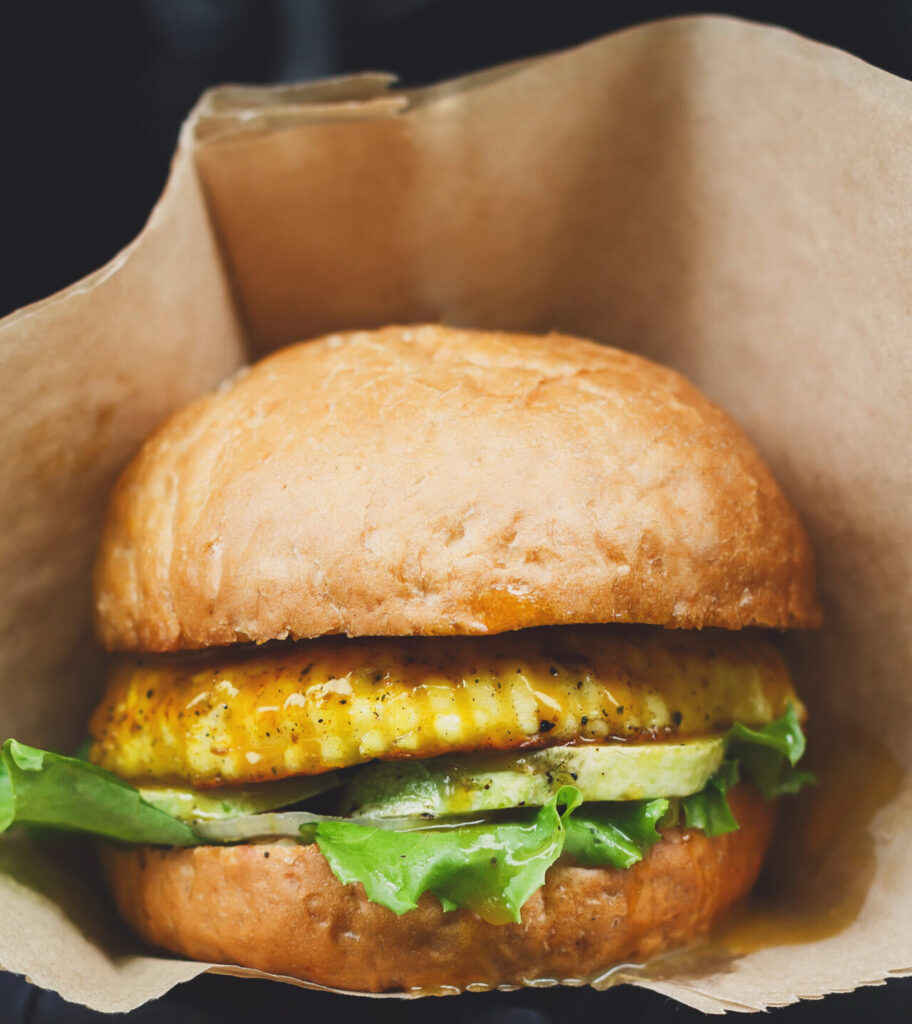
Adding premium options to fast food requires careful balance. McDonald’s introduced the Angus burger line with thicker patties and higher-quality ingredients, aiming to compete with more upscale quick-service brands.
The burgers delivered on size and presentation, but they disrupted speed and convenience. Longer preparation times and higher prices made them less practical for everyday visits.
Customer behavior made the outcome clear. Many tried the Angus line once but returned to familiar options. The rollout proved that convenience and consistency often matter more than premium upgrades in fast food.
7. Wendy’s Classic Fries to Natural-Cut Sea Salt Fries

A small change on paper can feel big on the plate. Wendy’s moved to natural-cut fries with sea salt to signal freshness and a less processed approach. The new look, with visible potato skin, was meant to reinforce a more authentic and premium feel.
At first glance, the update worked visually. The fries appeared more rustic and aligned with evolving food trends. However, the eating experience became less predictable. Some servings were crisp and flavorful, while others felt uneven in texture or overly salty.
This inconsistency shaped customer perception. While the new fries stayed on the menu, many still preferred the reliability of the original. The change showed that consistency often matters more than visual or ingredient upgrades in fast food.
8. Pizza Hut Classic Recipes to “The Natural” Pizza
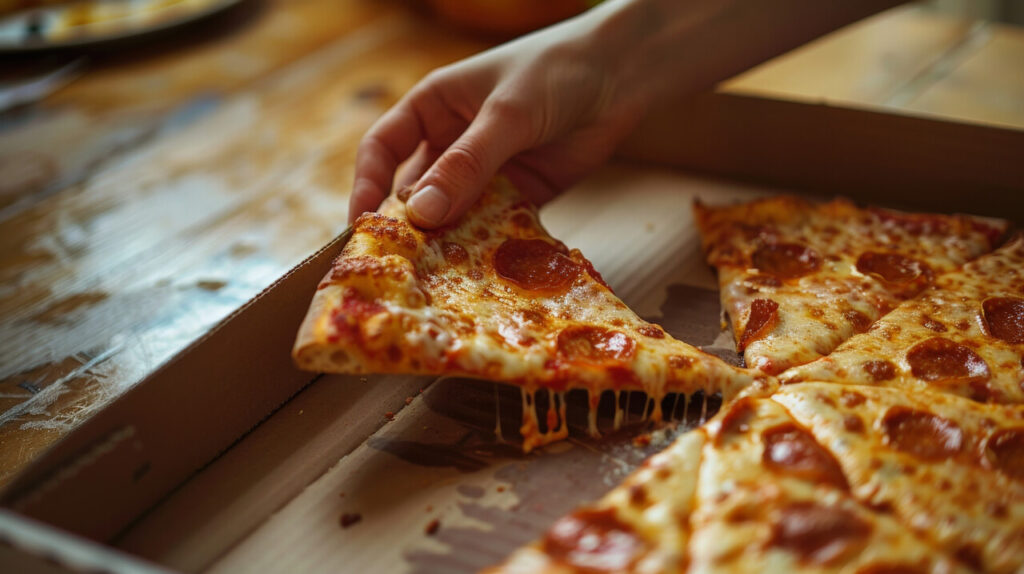
Cleaner ingredients do not always change buying habits. Pizza Hut introduced “The Natural” pizza with fewer artificial additives, aiming to appeal to customers becoming more aware of ingredient quality. It was positioned as a thoughtful upgrade rather than a complete overhaul.
The idea resonated with a smaller, health-conscious segment. However, the broader audience continued to focus on taste, portion size, and value. For many, the difference was not strong enough to influence their usual order.
Without a clear advantage in flavor, the product struggled to stand out. Over time, interest faded. The effort showed that ingredient messaging alone rarely replaces the comfort and familiarity people expect from fast food.
9. Taco Bell Classics to Fresco Menu
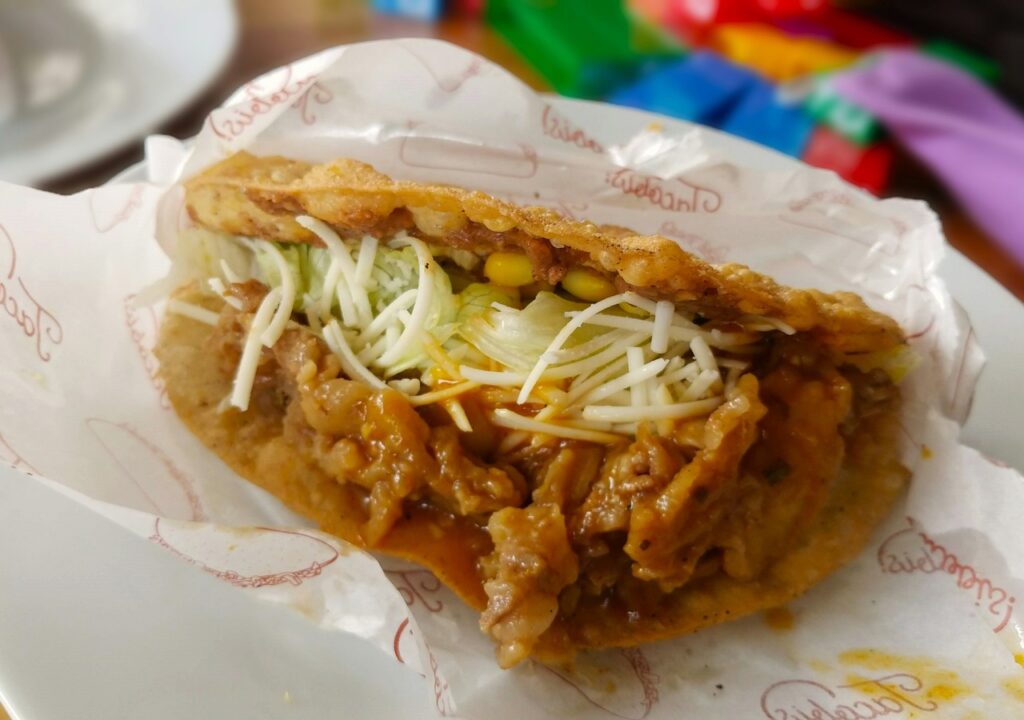
Changing indulgence into restraint can shift the entire appeal. Taco Bell introduced the Fresco menu to offer lighter options by replacing heavier ingredients with fresher components. It aimed to give customers a lower-calorie alternative within the same menu.
The concept expanded choice, but it altered the experience. The bold, rich flavors that defined Taco Bell were toned down, and many customers felt the items lacked the satisfaction they expected.
As a result, adoption remained limited. Most customers returned to classic items that delivered a stronger flavor. The rollout showed that in fast food, taste and craving often outweigh nutritional adjustments.
10. Domino’s Recipe Tweaks Before Reinvention
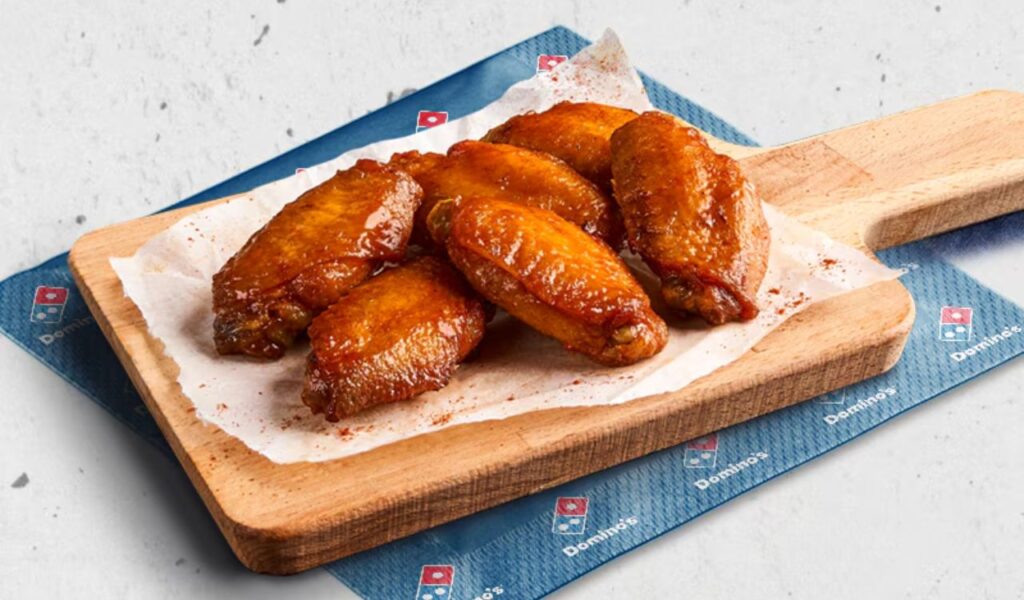
Small changes can create big confusion when they lack clarity. Before its major turnaround, Domino’s introduced minor adjustments to its crust, sauce, and overall recipe, presenting them as improvements meant to enhance quality.
Instead of strengthening trust, the changes led to mixed reactions. Regular customers noticed differences but could not always identify clear benefits. This created uncertainty around a product that depended heavily on consistency.
The lack of a strong, unified upgrade weakened customer confidence. Over time, this period highlighted the limits of gradual change, setting the stage for the brand’s later, more decisive and transparent reinvention strategy.