10 Foods That Got Expensive the Moment the Internet Found Them

Some foods don’t just become popular; they become instantly desirable. With a single viral post or trending video, everyday ingredients can turn into must-have items almost overnight. The internet has a way of reshaping how we see food, turning simple choices into status symbols.
As attention grows, so does demand. Prices begin to rise, not always because of scarcity, but because of perception, branding, and the power of visibility. What once felt affordable can quickly shift into something premium and exclusive.
This pattern reveals how modern food culture works. It is not just about taste or nutrition anymore. It is about experience, influence, and how quickly a trend can redefine value in the marketplace.
1. Avocado Toast
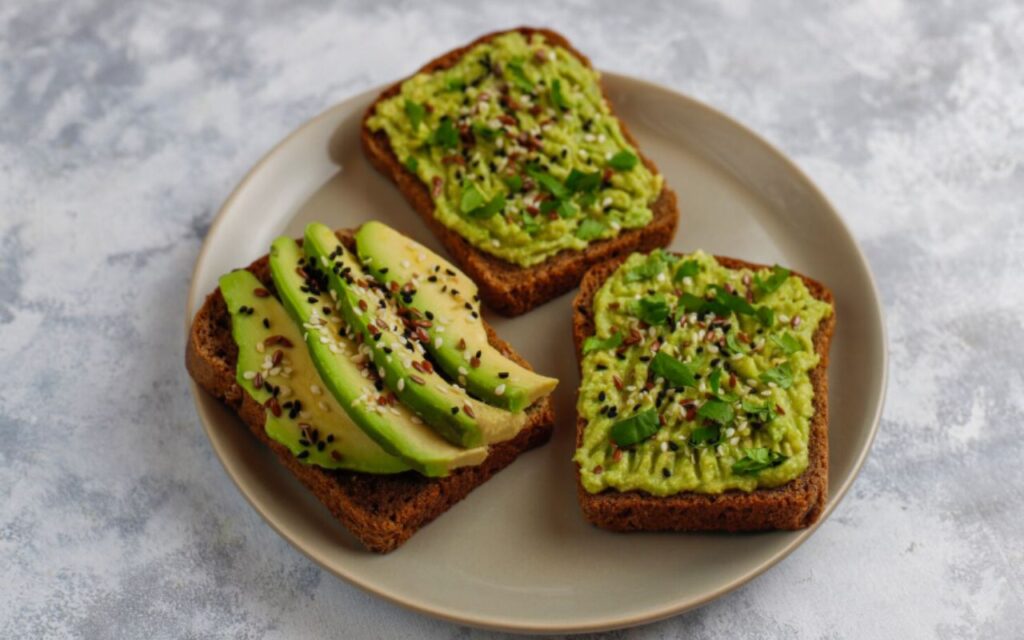
What was once a simple combination of bread and fruit turned into a cultural symbol almost overnight. Avocado toast gained traction through social media, where its clean look and perceived health benefits made it widely appealing.
As demand increased, pricing followed. Cafés began presenting it as a premium dish, often adding minimal extras while charging significantly more. The cost of avocados also rose in response to global demand and supply pressures.
Despite its simplicity, the price rarely reflects the ingredients alone. The trend highlights how presentation, branding, and online visibility can transform an everyday food into a high-priced experience.
2. Matcha Everything
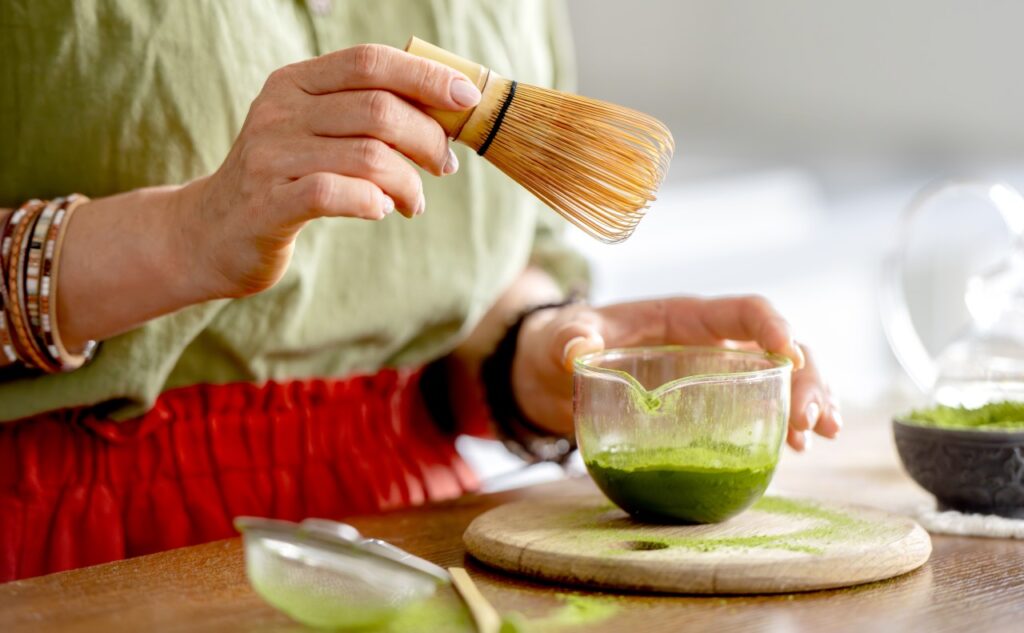
A traditional ingredient found new life in global food culture. Matcha, a finely ground green tea powder, became widely popular for its vibrant color, earthy taste, and association with wellness. Its versatility made it easy to incorporate into drinks, desserts, and packaged foods.
As interest grew, demand for high-quality matcha increased rapidly. Producing authentic ceremonial-grade matcha requires careful cultivation, shading, and grinding, all of which limit supply and naturally raise costs.
At the same time, lower-grade matcha entered the market at higher prices. Many consumers struggled to distinguish quality, often paying more for average products. This demand blurred the line between real value and perceived health appeal.
3. Acai Bowls
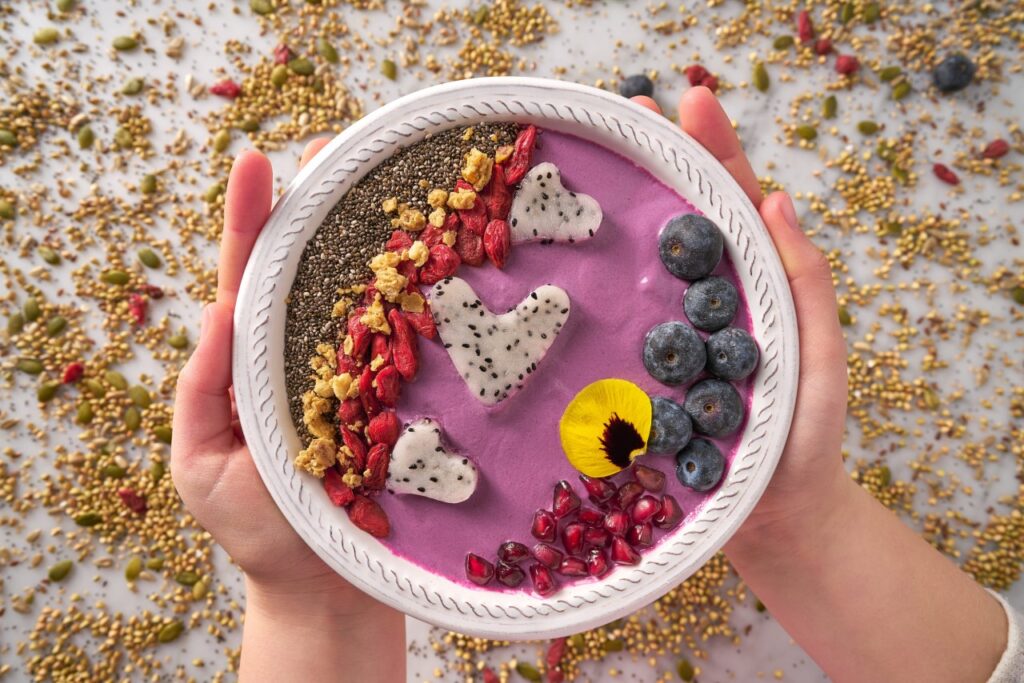
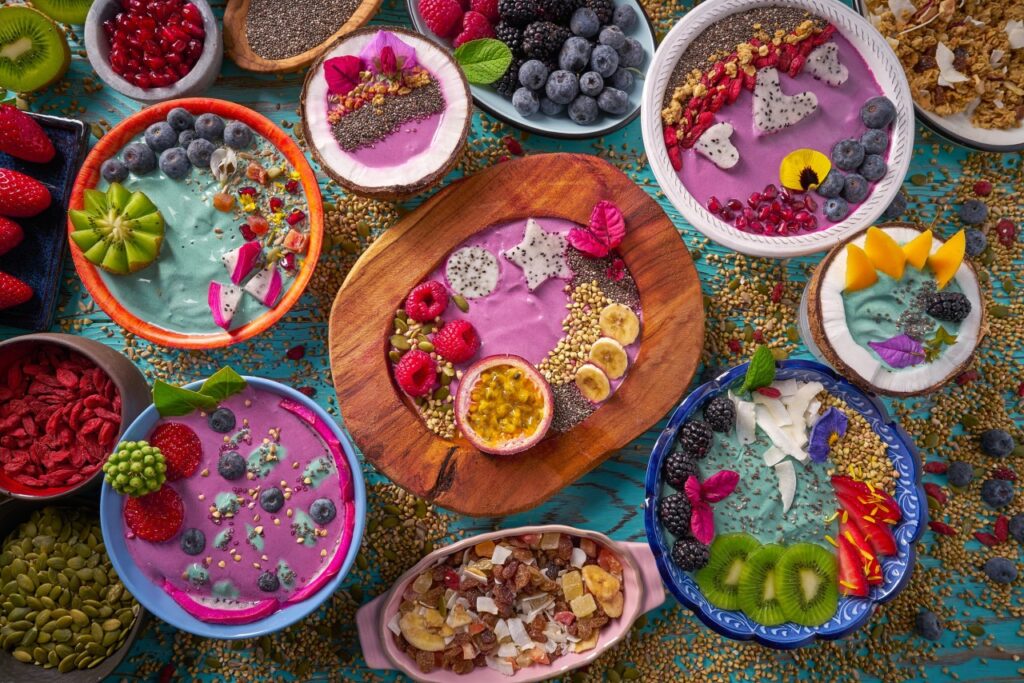
A visually striking fruit dish quickly became a global favorite. Acai bowls gained attention for their deep purple color and vibrant toppings, often presented as both nutritious and aesthetically pleasing. Their popularity was fueled by social media visibility.
Acai berries are primarily sourced from specific regions, which adds logistical challenges. Transport, freezing, and storage increase costs, especially as international demand continues to grow.
Toppings such as fresh fruit, seeds, and specialty add-ons further raise prices. What began as a simple fruit-based meal evolved into a premium product, shaped as much by presentation and branding as by its nutritional value.
4. Truffle-Infused Foods
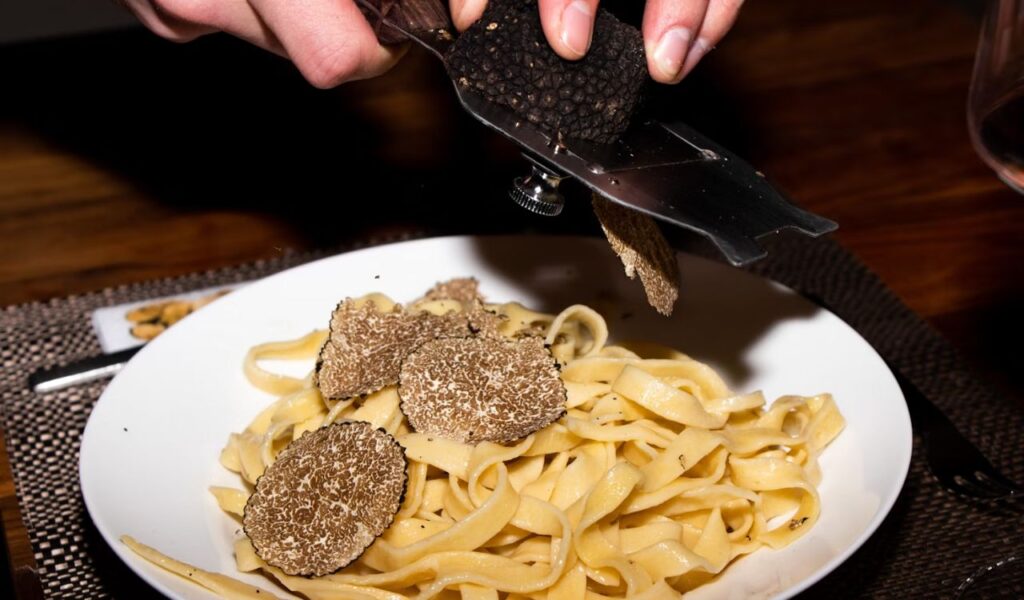
Few ingredients carry the same reputation for luxury as truffles. Known for their rarity and distinct aroma, they have long been associated with fine dining and high-end cuisine.
With rising online attention, truffle-flavored products expanded quickly. Many relied on synthetic flavoring rather than real truffles, yet continued to be marketed and priced as premium items.
This created a noticeable gap between expectation and reality. Consumers often paid elevated prices for products with little authentic truffle content, driven largely by branding and the idea of indulgence rather than actual quality.
5. Pink Himalayan Salt
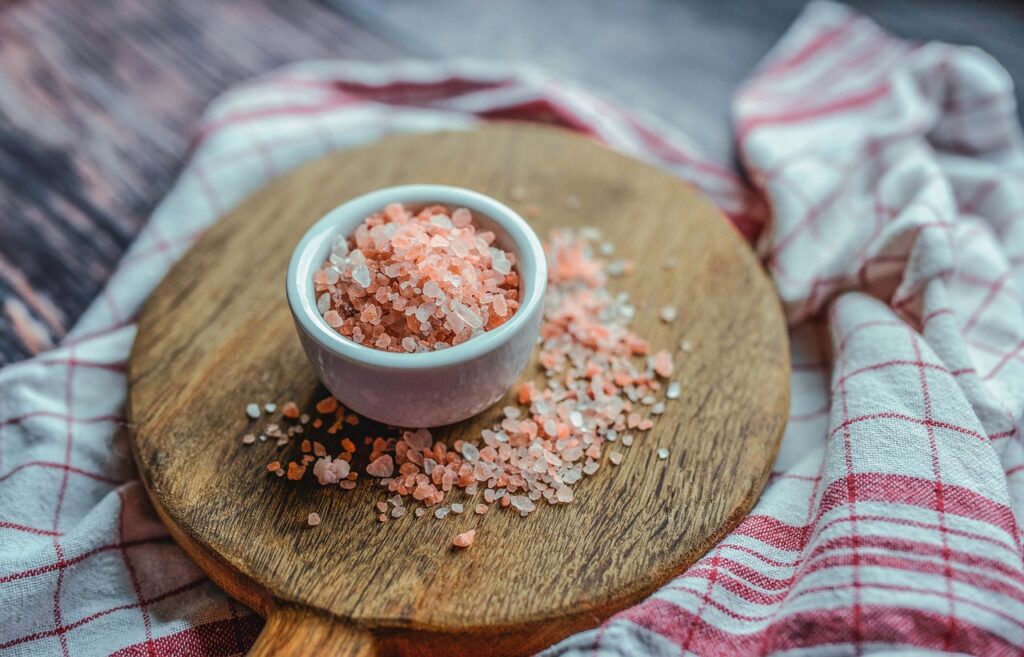
A common kitchen staple was reintroduced with a new identity. Pink Himalayan salt gained popularity due to its unique color and claims of added minerals, positioning it as a premium alternative to regular salt.
While it does contain trace minerals, the overall nutritional difference is minimal. Despite this, the perception of being more natural and beneficial helped increase its appeal among consumers.
Packaging and branding played a major role in its rise. What was once a niche product became widely available, yet continued to be sold at a significantly higher price than standard salt options.
6. Cold Brew Coffee
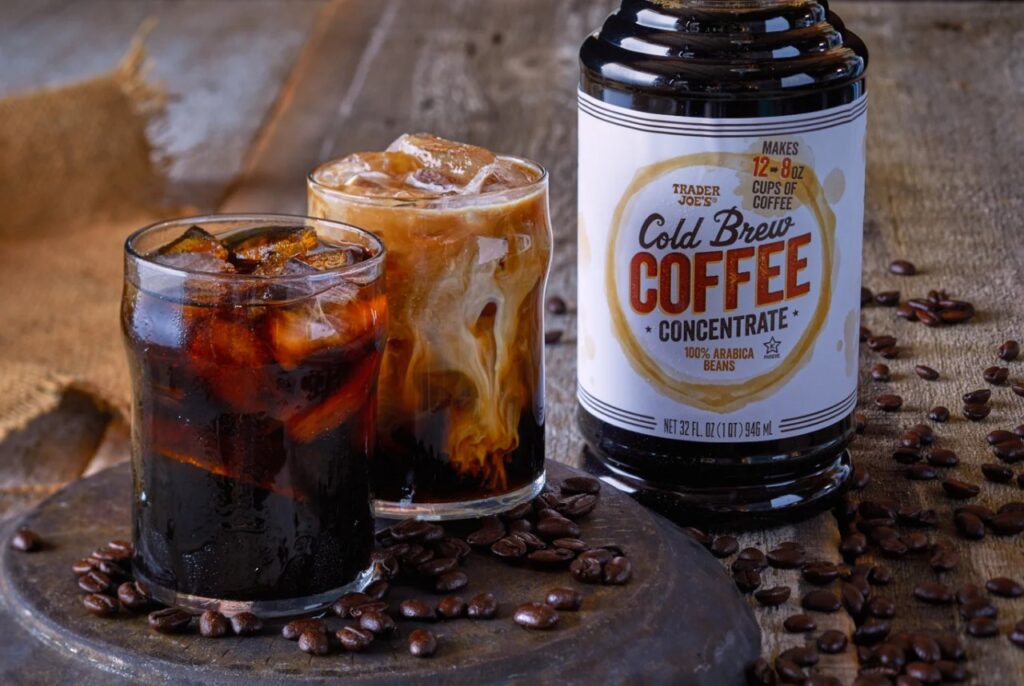
A slower brewing method reshaped how people experience coffee. Cold brew gained popularity for its smoother taste and lower acidity, making it appealing to a wider group of consumers seeking a less bitter option. Its clean flavor profile also made it easy to customize with milk or sweeteners.
The process requires steeping coffee grounds for extended hours and using a higher coffee-to-water ratio. While this slightly raises production costs, the difference is not as large as the price gap often seen in cafés and packaged versions.
Much of the pricing comes from branding and demand. As cold brew became linked with quality and modern lifestyle habits, consumers accepted paying more for what remains a simple preparation at its core.
7. Kombucha

A centuries-old fermented tea found new relevance in modern wellness culture. Kombucha gained attention for its tangy taste and association with gut health, drawing in consumers looking for functional beverages with natural appeal.
The production process involves fermentation, which requires time, controlled conditions, and careful handling. Even so, the base ingredients such as tea and sugar remain relatively inexpensive, keeping production costs manageable overall.
Despite this, retail prices increased significantly as popularity grew. Much of the cost reflects branding, packaging, and distribution rather than ingredients, showing how perceived health value can strongly influence what consumers are willing to pay.
8. Activated Charcoal Foods
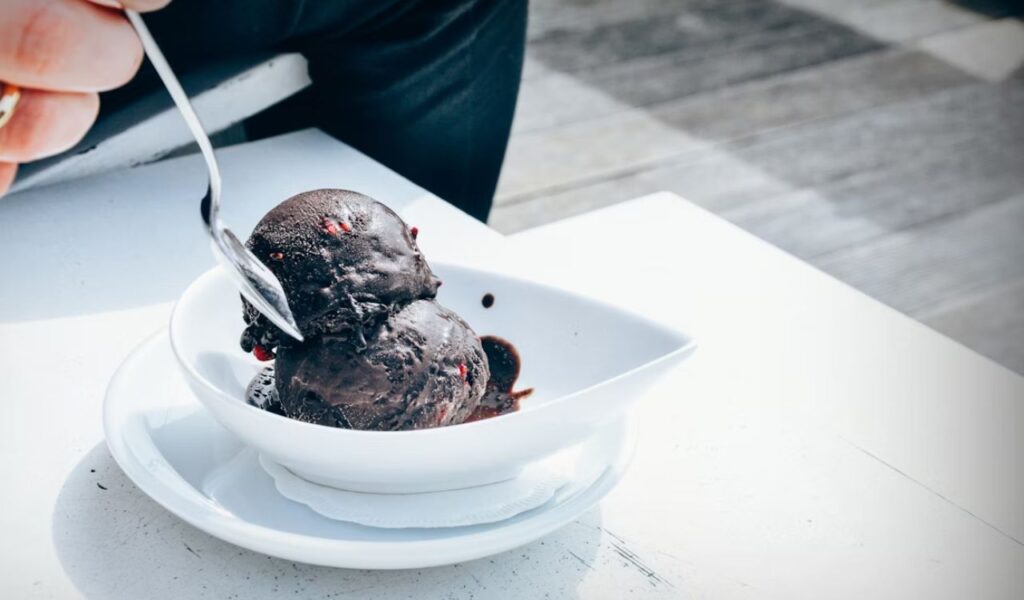
A striking visual trend quickly made its way across menus and packaged foods. Activated charcoal gave items a deep black color, instantly setting them apart and making them highly shareable across digital platforms.
It was often marketed with detox-related claims, which added to its appeal among health-focused audiences. However, scientific support for these benefits in food use remains limited and sometimes misunderstood.
Even though charcoal itself is inexpensive, products featuring it were often sold at higher prices. The trend highlights how appearance and perceived function can drive demand and pricing more than actual nutritional value.
9. Japanese Cheesecake
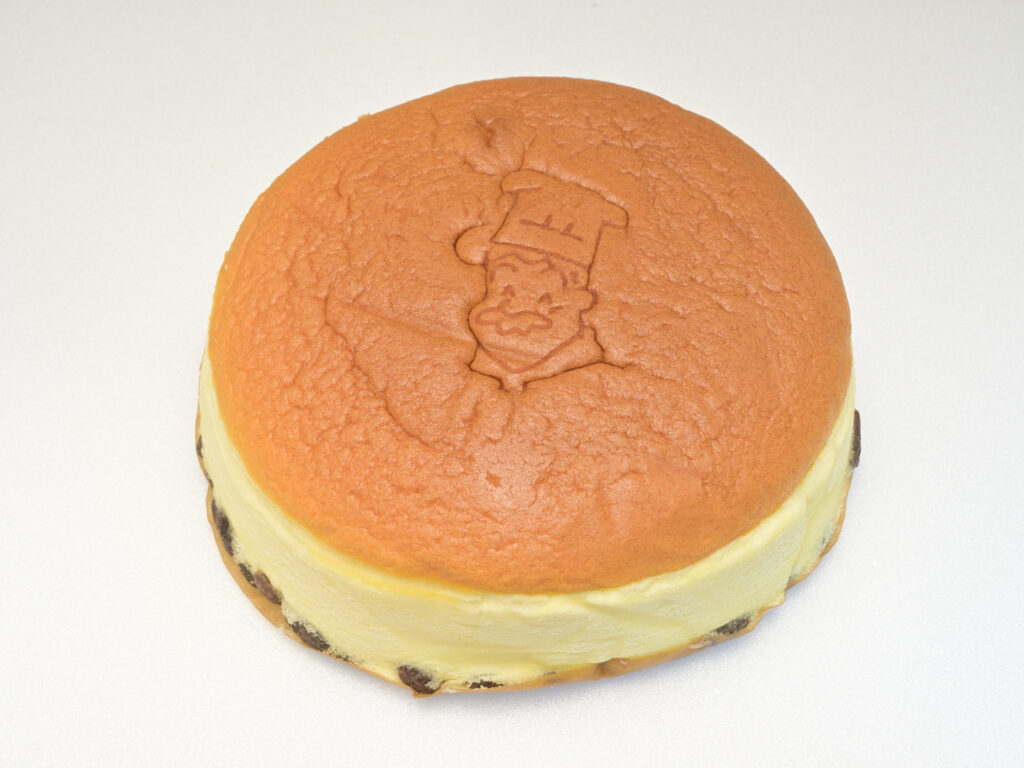
A soft and airy dessert captured attention through its delicate texture. Japanese cheesecake stands out for its light structure, offering a contrast to the dense and rich versions commonly found elsewhere.
Its preparation requires careful mixing, precise baking, and attention to detail. This level of technique can justify part of the cost, as achieving the signature texture is not always simple.
However, growing demand driven by online exposure pushed prices higher. Limited availability and visual appeal allowed bakeries to position it as a premium dessert, often priced beyond its basic ingredient cost.
10. Sourdough Bread (Artisan Loaves)
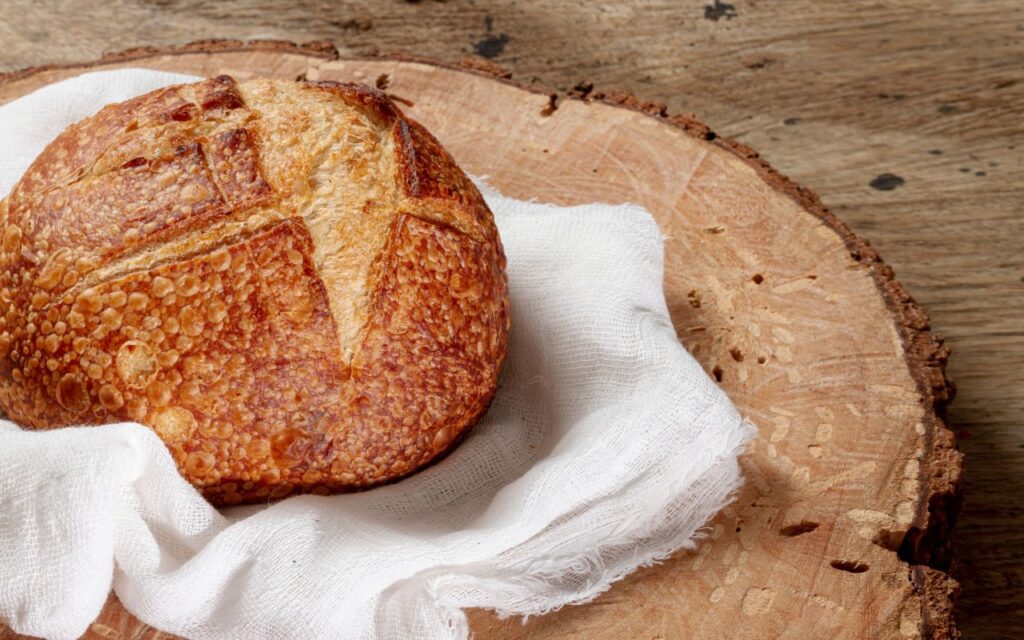
A traditional baking method returned to prominence with renewed interest. Sourdough became associated with natural fermentation, depth of flavor, and a sense of craftsmanship that appealed to modern consumers.
The process involves longer fermentation times and careful handling, which can increase labor and production effort compared to standard bread. This contributes to a moderate rise in cost.
As demand increased, branding and perception further elevated pricing. Artisan labels and the idea of authenticity allowed bakeries to charge more, even though the core ingredients remain simple and widely accessible.