10 Chain Restaurants Diners Say Are Overpriced in 2025

As restaurant prices climb nationwide, diners have become far more vocal about where their money feels well spent and where it no longer does. Once dependable chains that built their reputations on affordable meals or generous portions now face increased scrutiny as customers notice higher bills, smaller servings, and uneven quality. In 2025, value is no longer assumed just because a chain is familiar. Instead, diners are comparing every meal against growing alternatives in fast casual and local dining. The result is a clear list of chains many now consider overpriced.
1. Red Lobster
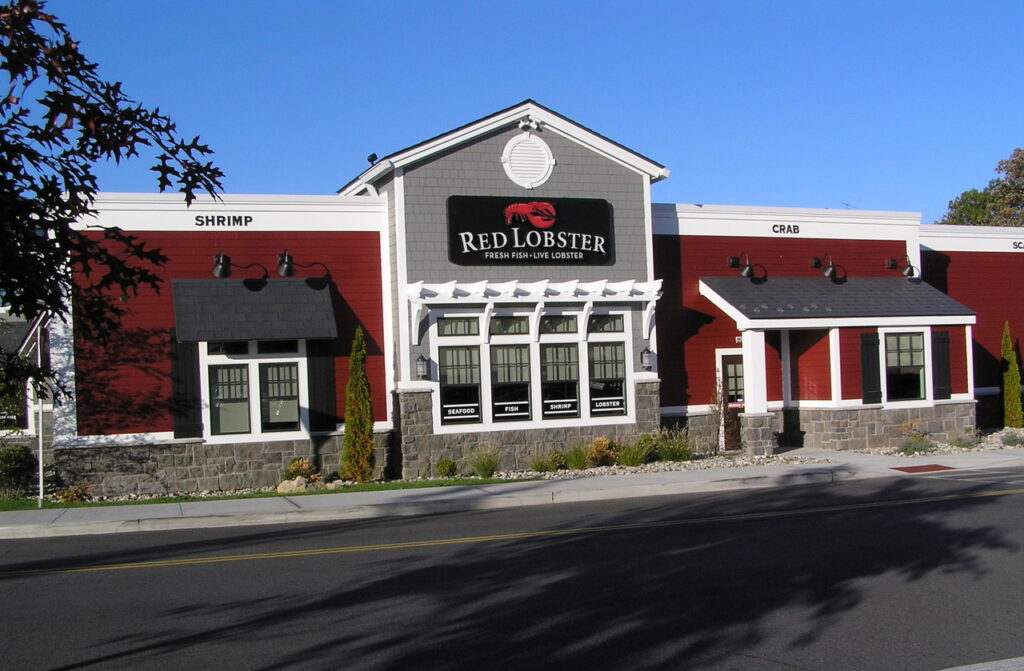
Red Lobster was once viewed as an accessible way to enjoy seafood, but many diners now feel its pricing no longer reflects the value on the plate. Rising ingredient costs have led to smaller portions, a shift that customers notice immediately when ordering classics like shrimp platters or lobster mains. At the same time, competition from fast casual seafood spots has grown, offering similar flavors at noticeably lower prices. Diners also point out that atmosphere and service have not kept pace with the higher prices, making the splurge feel less justified. As expectations for value tighten, Red Lobster finds itself facing a widening gap between price and perceived satisfaction.
2. KFC
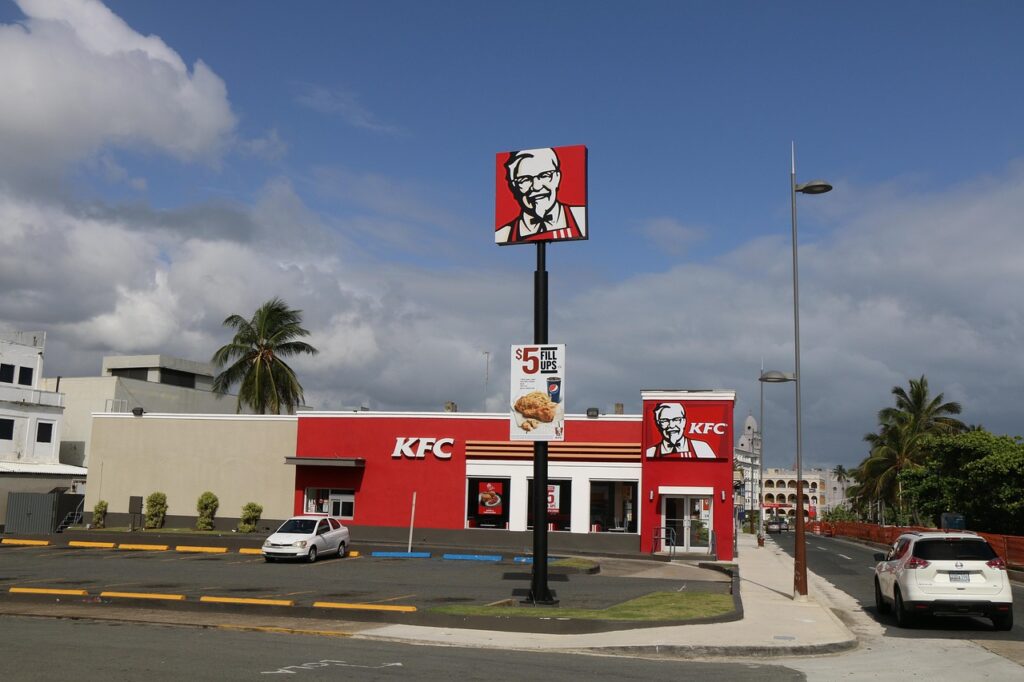
KFC built its legacy on hearty portions of fried chicken, yet many customers today argue that the meals feel more expensive while offering less food than in years past. Concerns about smaller drumsticks and pricier combo meals have fueled the perception that the chain offers diminishing value. With many fast food competitors introducing deals and value menus, KFC’s pricing structure appears steep in comparison. Diners also mention inconsistencies in quality, which amplify frustration when paying premium prices. As consumers continue seeking affordable comfort foods, KFC’s challenge is regaining trust in both portion size and overall value.
3. Five Guys
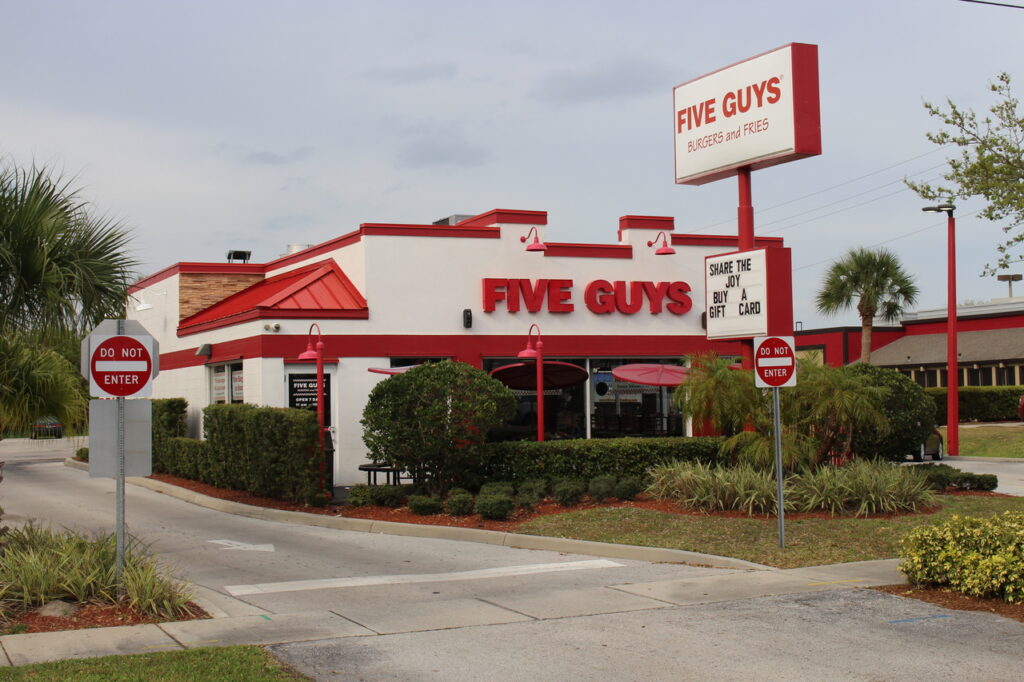
Five Guys maintains a strong reputation for flavorful burgers, but rising costs have pushed its prices into ranges that many diners find difficult to justify. A single burger and fries can cost as much as a sit-down restaurant meal, creating a value mismatch that customers call out frequently. While the chain prides itself on fresh ingredients and generous fry servings, these strengths no longer offset the perception that prices have climbed too high for a counter service experience. As fast casual competitors innovate with similar quality at lower prices, diners increasingly question whether Five Guys delivers the return they expect for the premium they pay.
4. Raising Cane’s
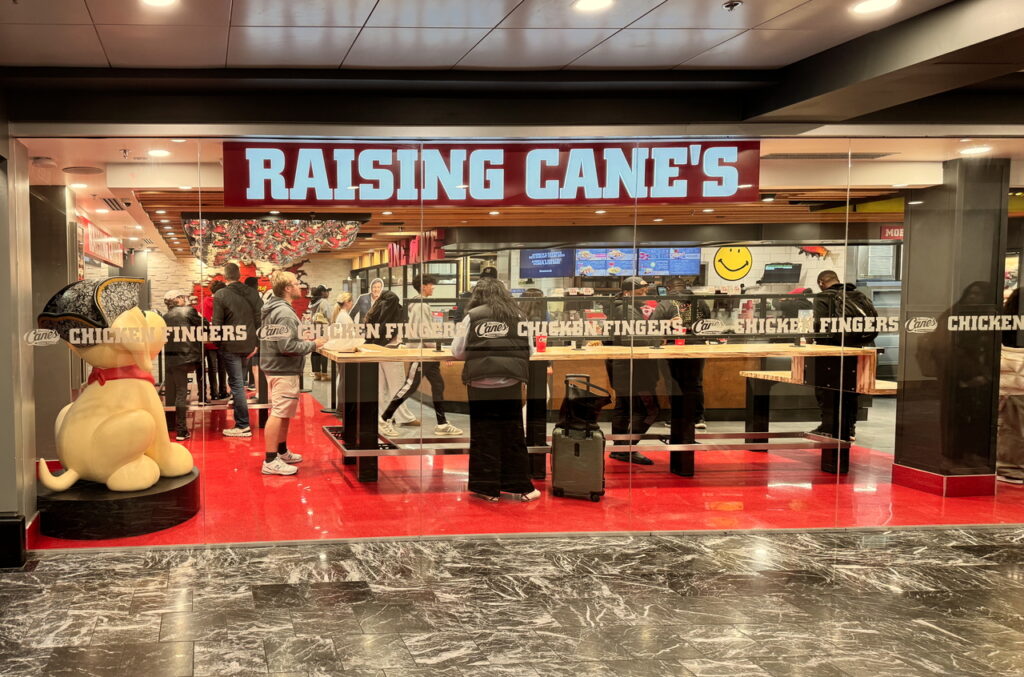
Raising Cane’s grew rapidly due to its simple menu focused on chicken tenders, but simplicity only goes so far when pricing continues to rise. Regular customers note that portions feel smaller than in previous years, especially in popular combo meals that once offered standout value. With limited variety on the menu, the chain’s appeal hinges on both quality and quantity, and when either feels reduced, the price becomes harder to defend. Diners also point to long wait times in busy locations, adding another factor when evaluating overall worth. These shifts have led many to label Cane’s as overpriced compared to its earlier reputation.
5. Taco Bell
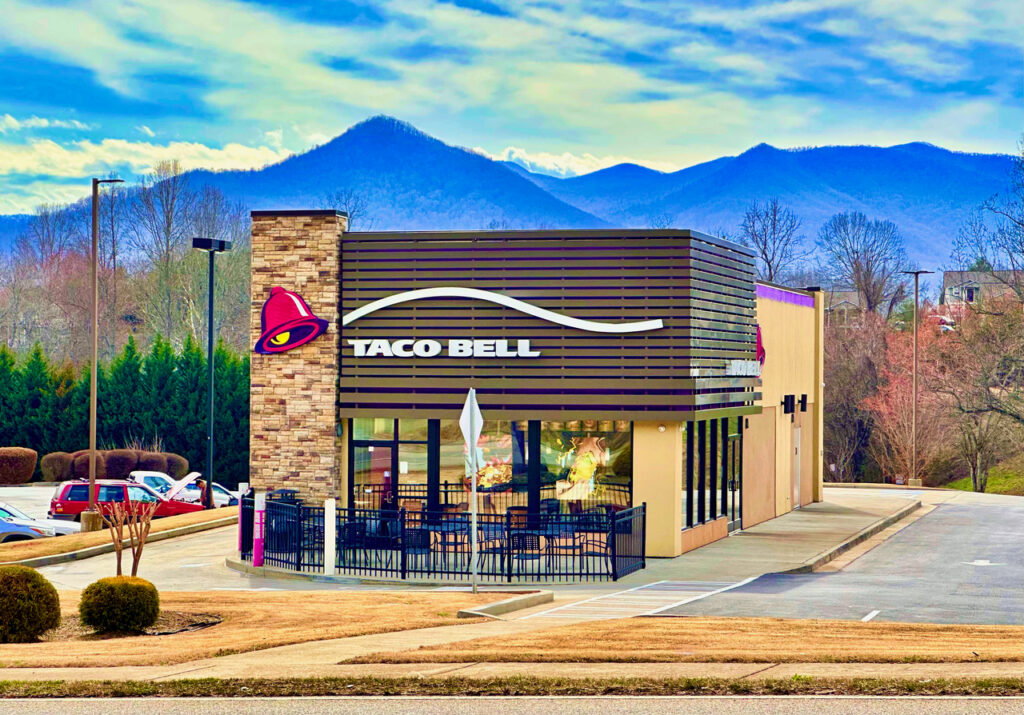
Taco Bell spent decades earning a reputation as the go-to destination for cheap fast food, making recent price increases especially noticeable to longtime customers. Items once viewed as budget-friendly now cost significantly more, and many diners say the portions feel smaller or less substantial. As a result, the brand’s identity as a low-cost option has been challenged. Competing chains offering value menus and hearty portions further highlight Taco Bell’s shift away from its inexpensive roots. The difference between expectation and current reality has made the chain a frequent target of complaints about rising fast food prices.
6. Chick-fil-A
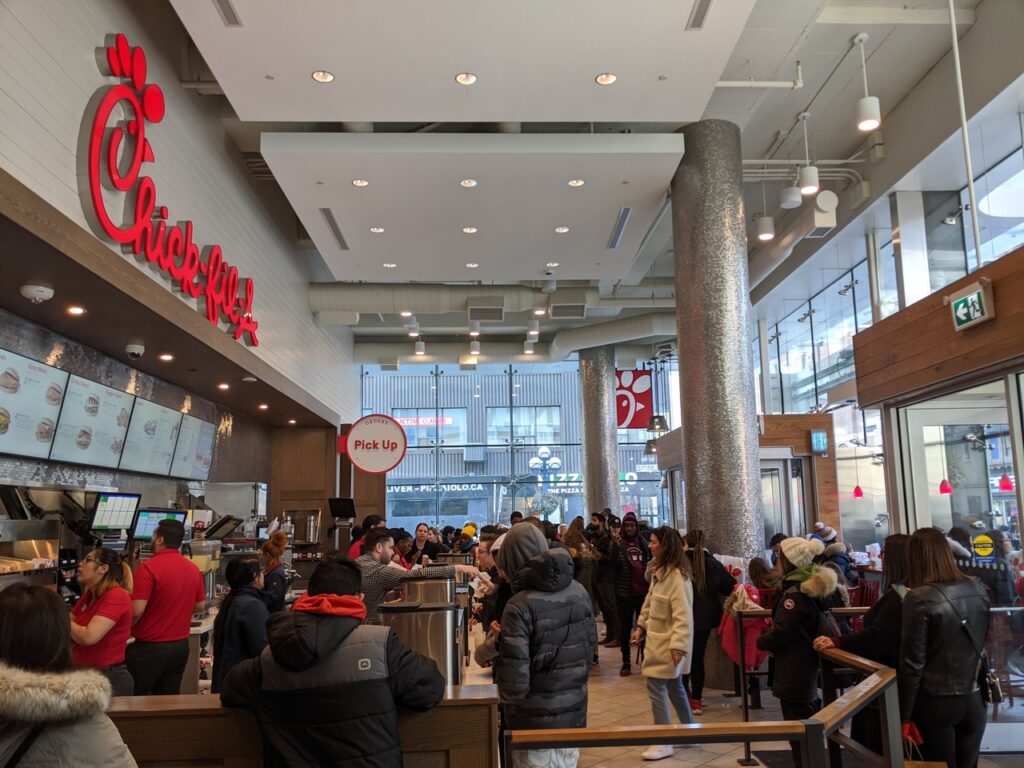
Chick-fil-A retains strong customer loyalty, yet more diners are questioning whether its prices align with what they receive. Menu items that were once praised as premium quality now compete with a broader field of chicken sandwiches from rivals offering similar flavor profiles at lower cost. Some customers mention that portion sizes feel modest for the price, especially compared to fast casual alternatives. As inflation affects dining choices, more people scrutinize whether a quick-service restaurant can justify near sit-down dining prices. This growing tension has led many to classify Chick-fil-A as increasingly overpriced.
7. Subway
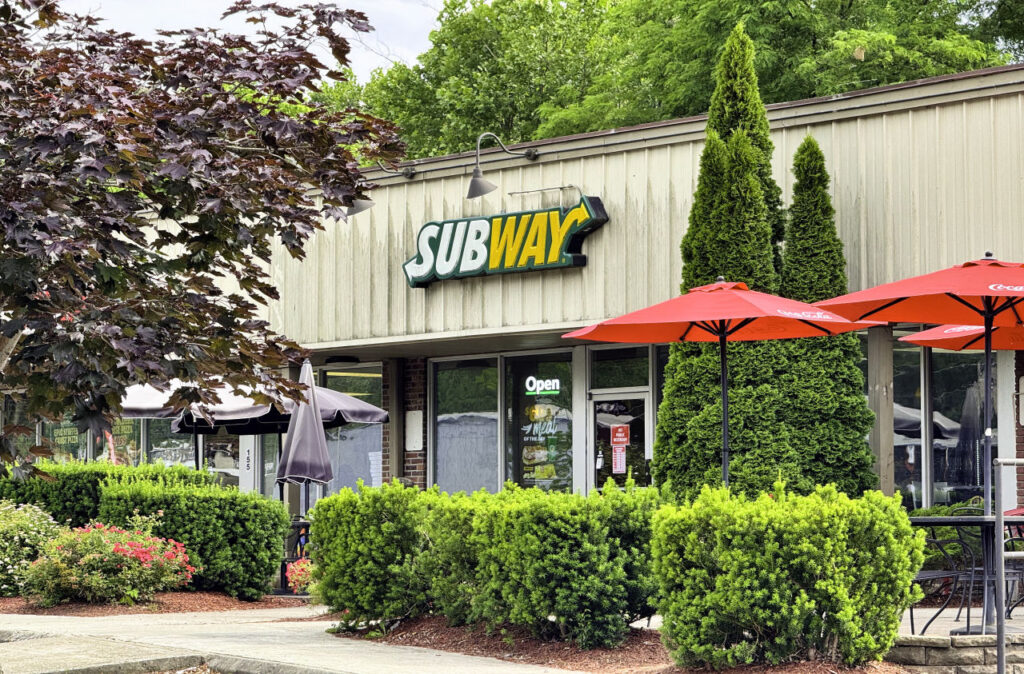
Subway was once synonymous with affordable sandwiches, but steady price increases have eroded that image. Diners often comment that customizing a footlong now costs more than meals at competing sandwich shops, yet the portion size and ingredient quality do not always reflect the higher prices. Shrinkflation concerns, such as thinner meat portions or fewer toppings, contribute to the perception that value has declined. With more grocery stores offering fresh, prepared sandwiches at competitive prices, customers question whether Subway still represents an economical choice. The chain’s struggle to maintain its budget-friendly reputation fuels the belief that it has become overpriced.
8. Chipotle
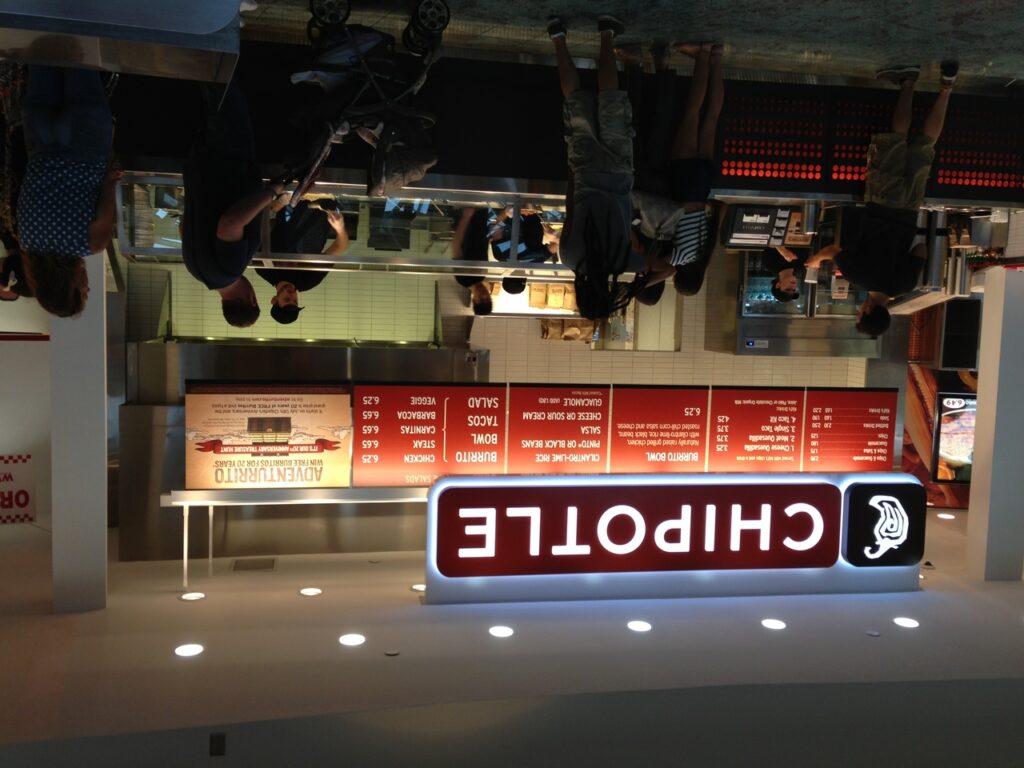
Chipotle continues to attract customers with its fresh ingredients and customizable bowls, but many diners argue that its pricing has risen to a point that rivals sit-down restaurants. Complaints often center on inconsistent portion sizes, where a bowl that once felt generous now varies widely depending on the employee preparing it. As consumers become more mindful of food budgets, paying a premium for fast casual service feels increasingly difficult to justify. The chain’s appeal once rested on the perception of high value, but when a basic meal exceeds expectations for quick service pricing, diners become vocal about the imbalance.
9. Olive Garden
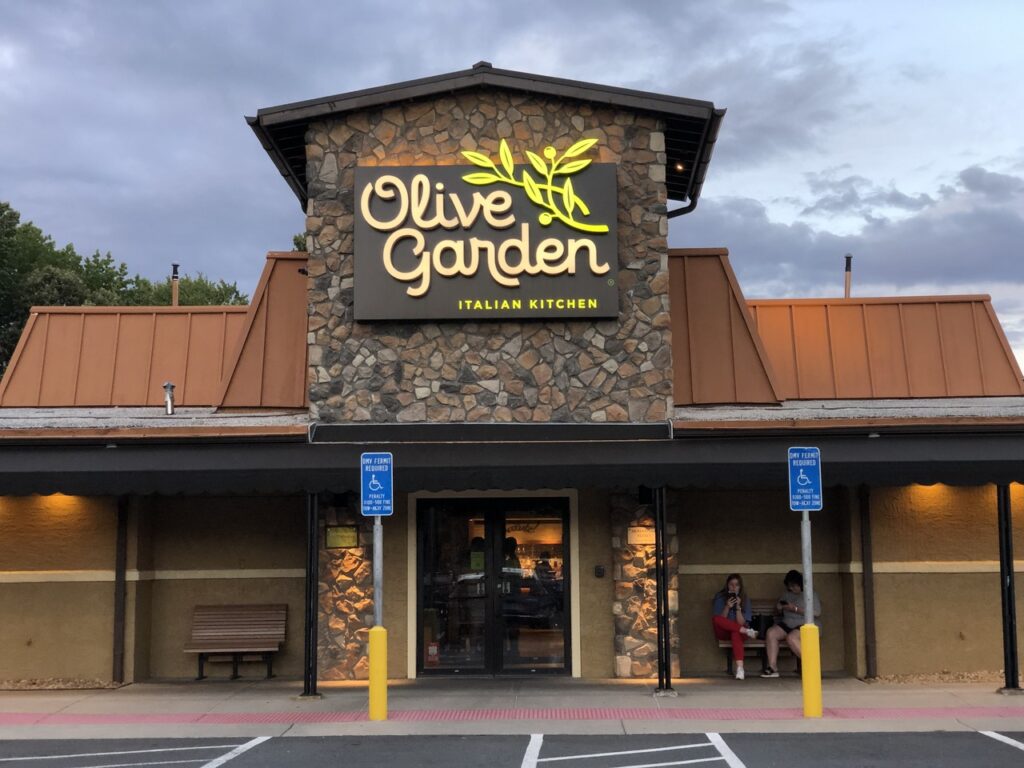
Olive Garden remains one of the most recognizable casual dining chains, yet many diners feel its pricing has crept beyond what the food and experience justify. Entrées that were once celebrated for offering hearty portions at approachable prices now feel costly, especially when compared to local Italian restaurants or fast casual competitors. Customers also note that portion sizes and ingredient quality no longer consistently match the higher price point. As inflation reshapes expectations for dining out, guests increasingly evaluate whether the familiar dishes are worth the premium. This shift has placed Olive Garden on the list of chains perceived as offering less value than in past decades.
10. Applebee’s
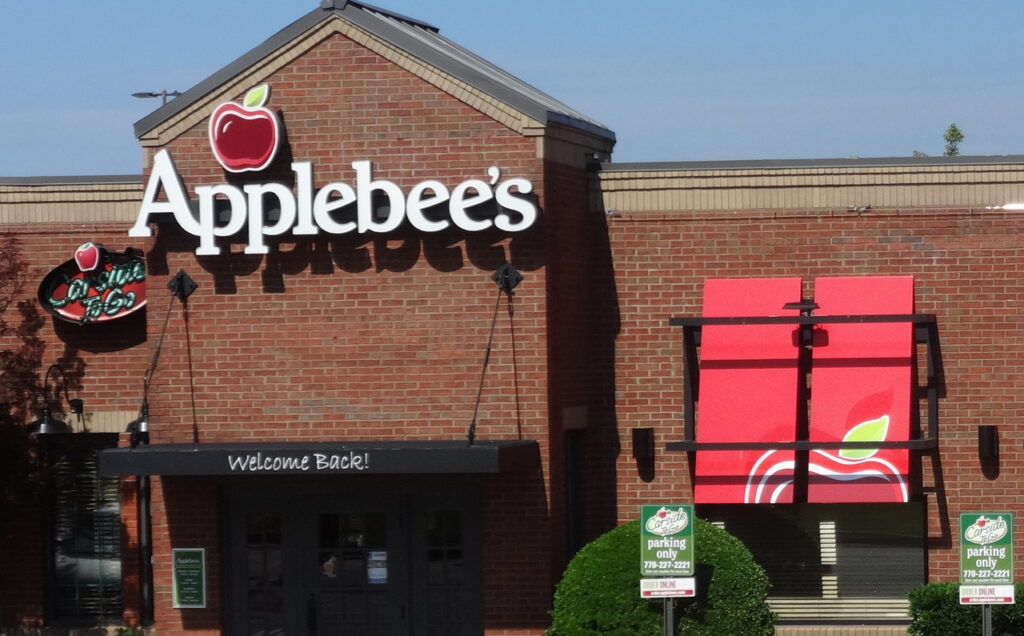
Applebee’s built its reputation on affordable neighborhood dining, but recent menu prices have surprised many longtime customers. Entrées that once felt accessible now approach the cost of meals at independent restaurants, which diners believe offer fresher cooking and more generous servings. Complaints often revolve around smaller portions, inconsistent food quality, and limited value in combo deals that used to attract budget-conscious guests. As competition grows from fast casual chains serving higher quality meals at similar or lower prices, Applebee’s faces increased scrutiny over what diners receive for the price. This evolving landscape has led many to view the brand as more expensive than its offerings warrant.