9 Cheap Ingredients Restaurants Use to Imitate Premium Dishes

Restaurant menus often highlight premium ingredients that suggest luxury and quality. Words like truffle, crab, Parmesan, and vanilla signal richness and craftsmanship. For diners, these ingredients can make a dish feel more special and worth the price.
Behind the scenes, many kitchens rely on strategic ingredient choices to control costs. Some items that sound expensive on a menu may actually come from more affordable substitutes designed to mimic the flavor, texture, or aroma of the real ingredient.
These swaps are not always obvious, especially once ingredients are blended into sauces, desserts, or seafood dishes. Knowing the difference between true premium ingredients and their stand-ins shows how restaurants balance flavor and profitability.
1. Truffle Oil
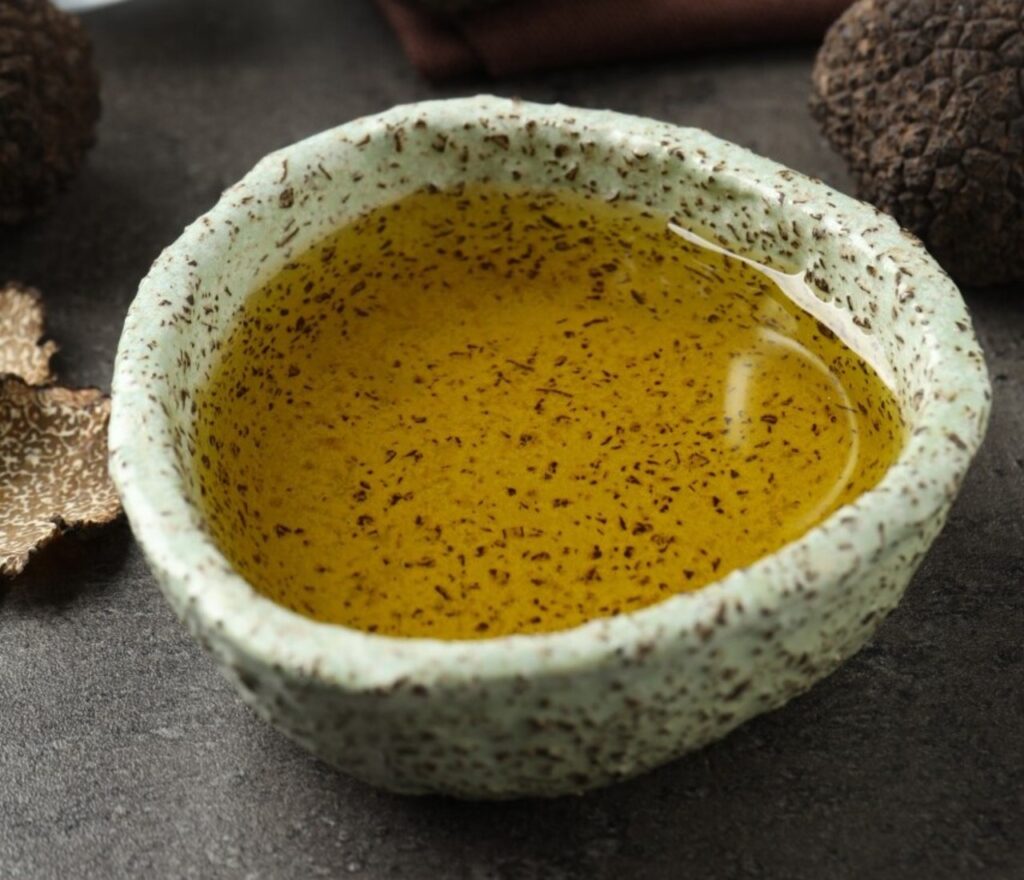
Few ingredients create the impression of luxury as easily as truffle oil. Its aroma quickly suggests rare truffles, which are among the most expensive foods in the culinary world.
In reality, most truffle oil contains no real truffle. It is usually made with olive oil or neutral oil blended with a synthetic compound that mimics the scent of truffles. This compound, often called 2,4-dithiapentane, creates the strong earthy aroma many people recognize.
Because real truffles are costly and seasonal, restaurants often use truffle oil to add a similar flavor to dishes like fries, pasta, or risotto. Just a small drizzle can give a simple dish a more upscale feel.
The result is a dish that seems luxurious but relies on a more affordable ingredient.
2. Imitation Crab (Surimi)
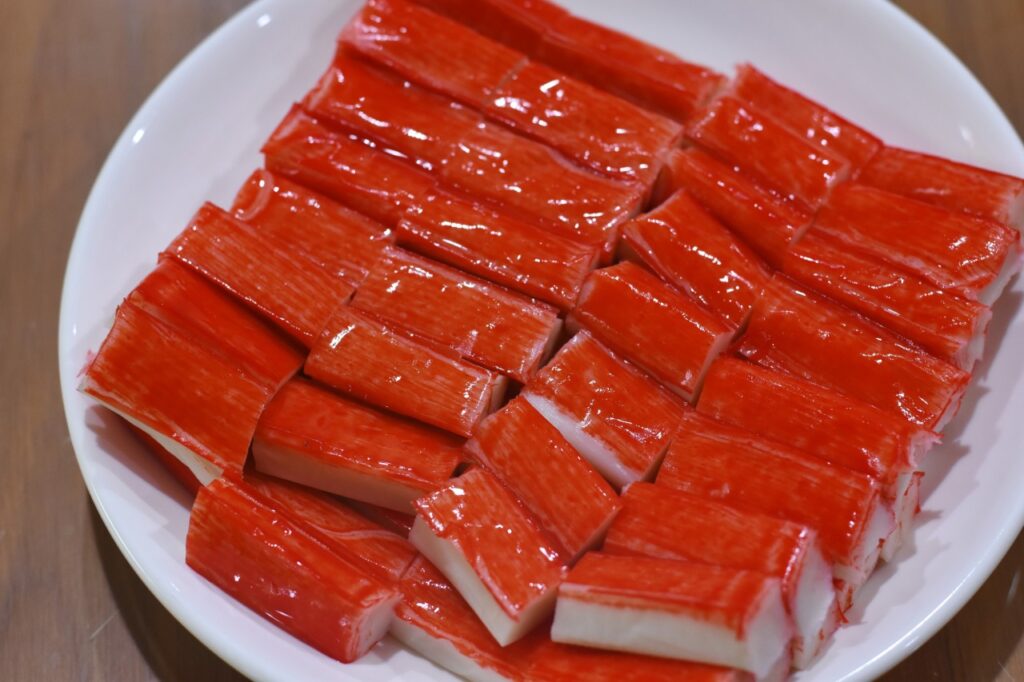
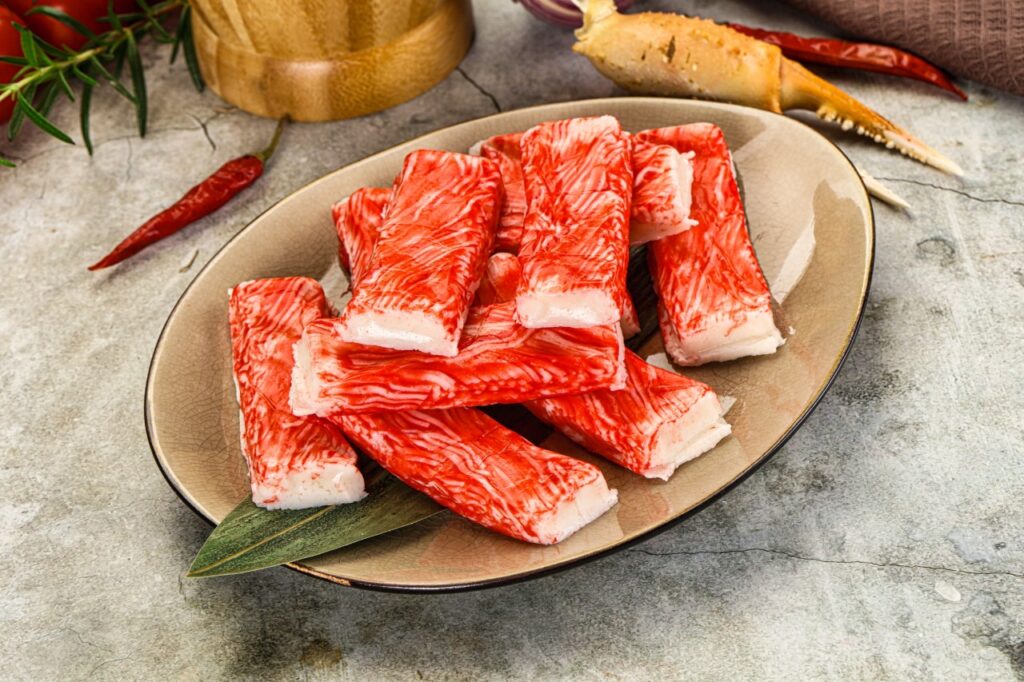
Imitation crab is one of the most widely used substitutes in restaurant kitchens. It allows menus to feature crab-style dishes without the high cost of real crab meat.
The product is made from surimi, a paste created from white fish such as pollock. The fish is minced, washed, and blended with starch, flavorings, and color before being shaped into pieces that resemble crab legs.
Flavorings and coloring help mimic the taste and appearance of real crab. The familiar red and white exterior is designed to resemble cooked crab meat.
Because surimi is significantly cheaper than fresh crab, it is commonly used in sushi rolls, seafood salads, and appetizers where diners may expect a crab ingredient.
3. Pangasius
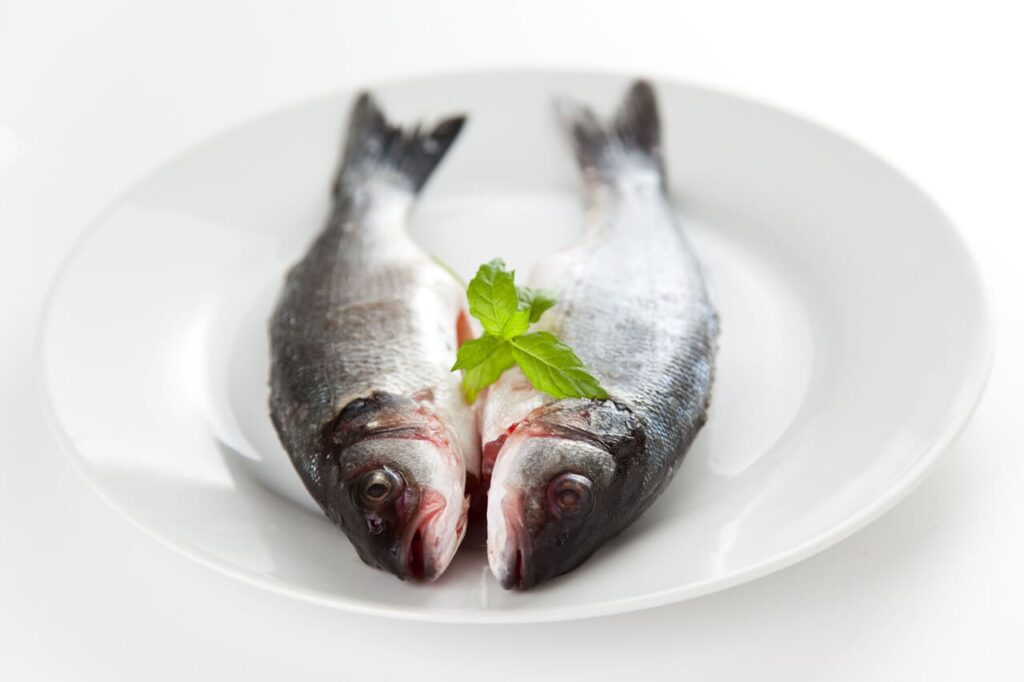
Pangasius is a mild white fish that has quietly become a common substitute for more expensive seafood. Its neutral flavor and flaky texture make it easy to use in many restaurant dishes.
The fish is farmed widely in Southeast Asia and can be produced in large quantities. Because of this, it is often less expensive than species such as cod, halibut, or grouper.
In many recipes, pangasius can be breaded, grilled, or pan-cooked in the same way as pricier fish. Once seasoned or covered with sauce, the difference can be difficult for casual diners to notice.
For restaurants trying to control food costs, the fish provides a practical way to offer seafood dishes while keeping ingredient expenses lower.
4. Whipped Butter
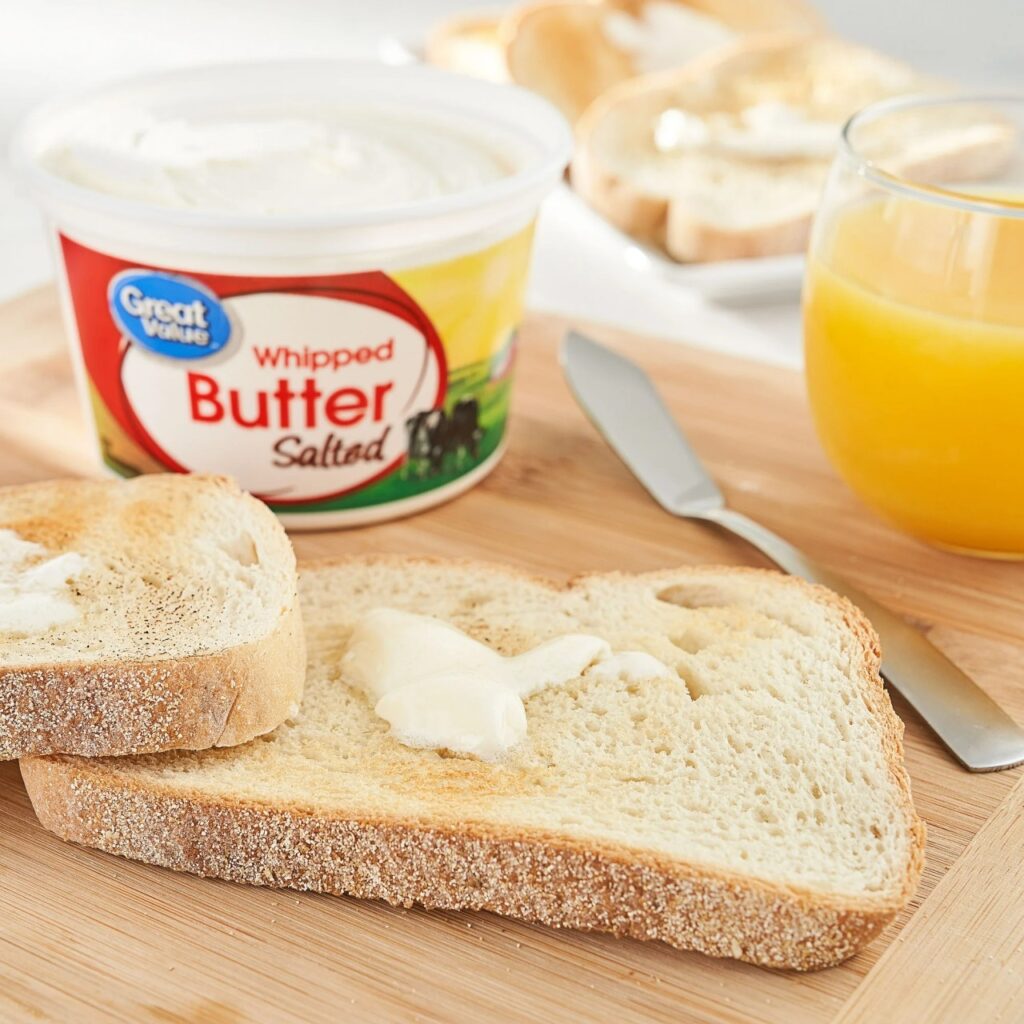
Whipped butter is another ingredient that can make a simple dish feel richer than it actually is. At first glance, it appears identical to regular butter served alongside bread or baked goods.
The difference lies in how it is produced. Whipped butter is made by incorporating air into regular butter during processing. This increases its volume without increasing the amount of butter used.
Because the butter becomes lighter and more spreadable, restaurants can serve a generous-looking portion while using less product overall.
The result is a cost-effective way to present what appears to be a full serving of butter while stretching the ingredient further.
5. Parmesan-Style Cheese
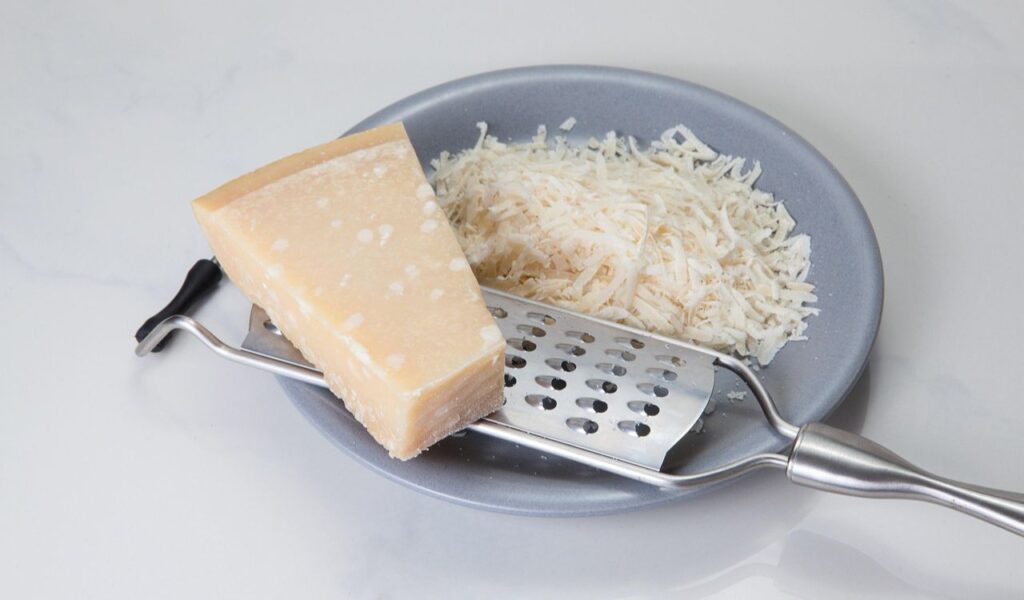
Parmesan-style cheese is frequently used in restaurants when dishes call for the flavor of Parmesan without the cost of the authentic version. True Parmigiano-Reggiano is aged for long periods and produced under strict regulations in Italy.
Because of its production process, authentic Parmesan can be expensive. Parmesan-style cheeses made in other regions are often less costly and easier for restaurants to source.
These cheeses may still offer a nutty and salty flavor similar to Parmesan. When grated over pasta or salads, the difference is not always obvious to diners.
Using Parmesan-style cheese allows kitchens to maintain the flavor profile of many classic dishes while keeping ingredient costs manageable.
6. Artificial Vanilla
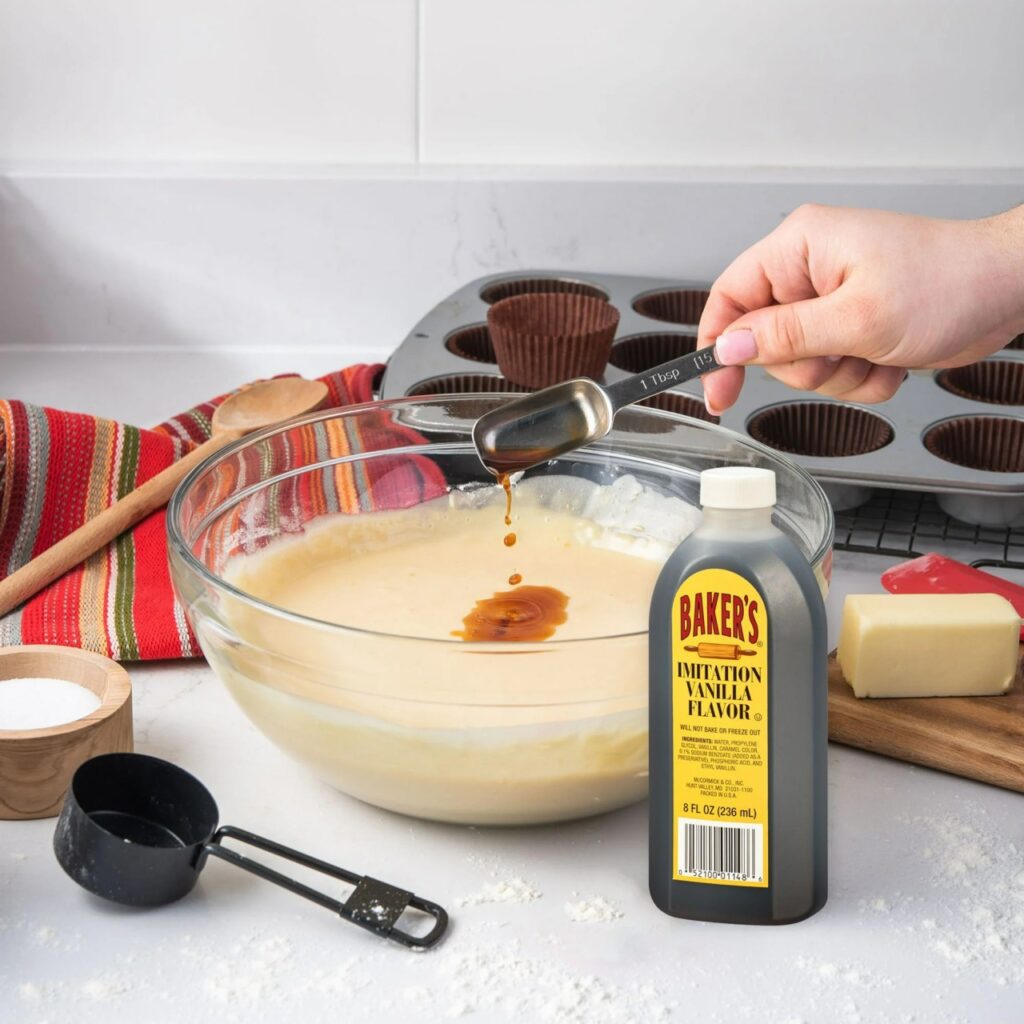
Vanilla is one of the most popular flavors in desserts, but real vanilla beans are expensive to produce. The process of growing and curing vanilla orchids is labor-intensive and limited to specific climates.
To reduce costs, many kitchens use artificial vanilla flavoring instead. The primary compound responsible for vanilla’s taste is vanillin, which can be produced synthetically from various sources.
Artificial vanilla delivers a similar flavor profile at a fraction of the cost of real vanilla extract or beans. This makes it a practical choice for baked goods, sauces, and ice cream.
While true vanilla has more complex notes, many diners cannot easily distinguish the difference once the flavor is mixed into desserts.
7. Corn Syrup
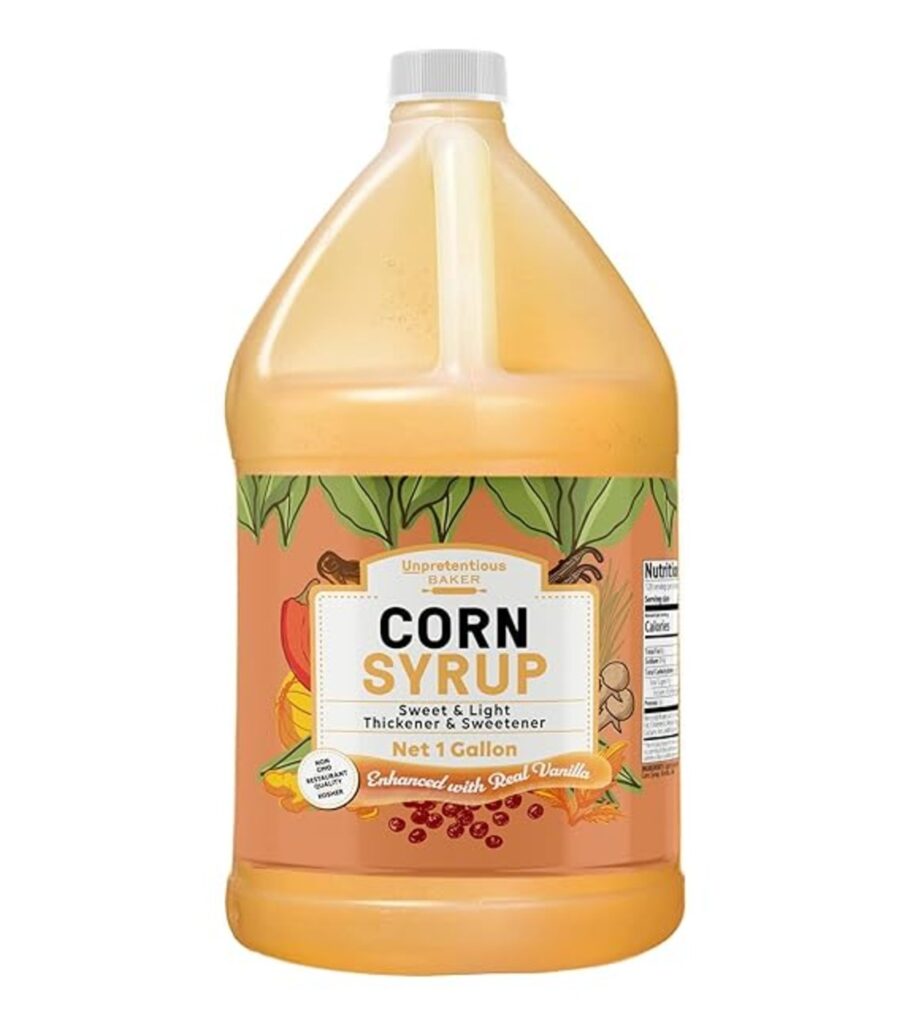
Corn syrup is widely used in restaurant kitchens as a substitute for more expensive sweeteners such as honey or specialty syrups. Its neutral sweetness and smooth texture make it easy to work with.
The syrup is produced by breaking down corn starch into glucose through enzymatic processing. The result is a thick liquid that dissolves easily and blends well with other ingredients.
Because it is relatively inexpensive and shelf-stable, corn syrup is commonly used in sauces, glazes, and dessert recipes. It also helps prevent crystallization in candies and syrups.
Restaurants often rely on it to create sweet sauces that appear rich and glossy while keeping ingredient costs lower.
8. Margarine
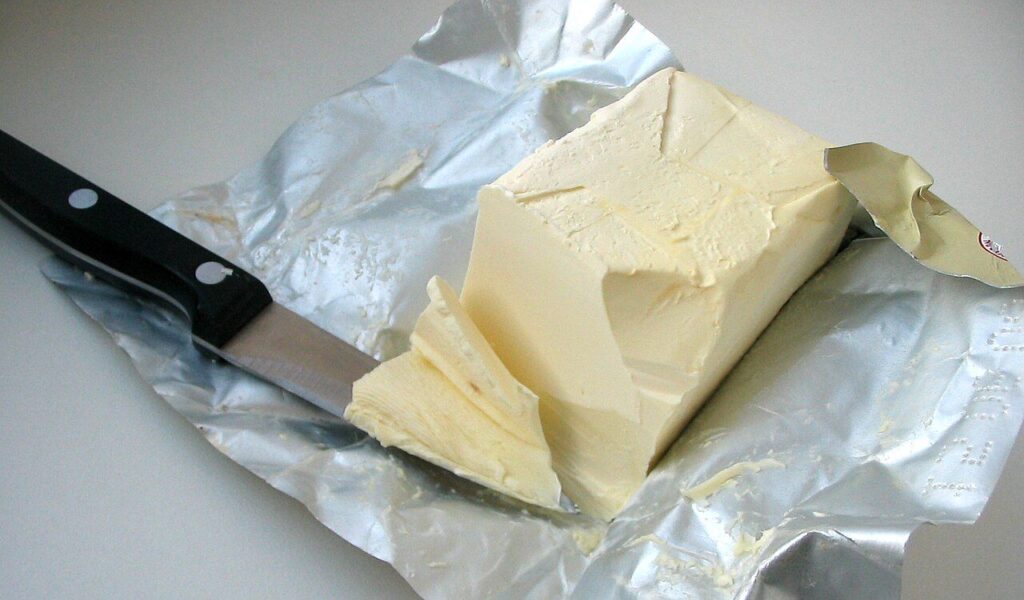
Margarine has long been used as a lower-cost alternative to butter in commercial kitchens. It is typically made from vegetable oils that are emulsified with water and flavoring agents.
The ingredient can melt and brown in ways that resemble butter, which makes it useful for cooking, baking, and finishing dishes. Some varieties also include butter flavoring to enhance the taste.
Because vegetable oils are usually cheaper than dairy butter, margarine can significantly reduce food costs when used in large quantities.
In many recipes where butter is not the main flavor, diners may not notice the difference once the dish is fully prepared.
9. Compound Chocolate
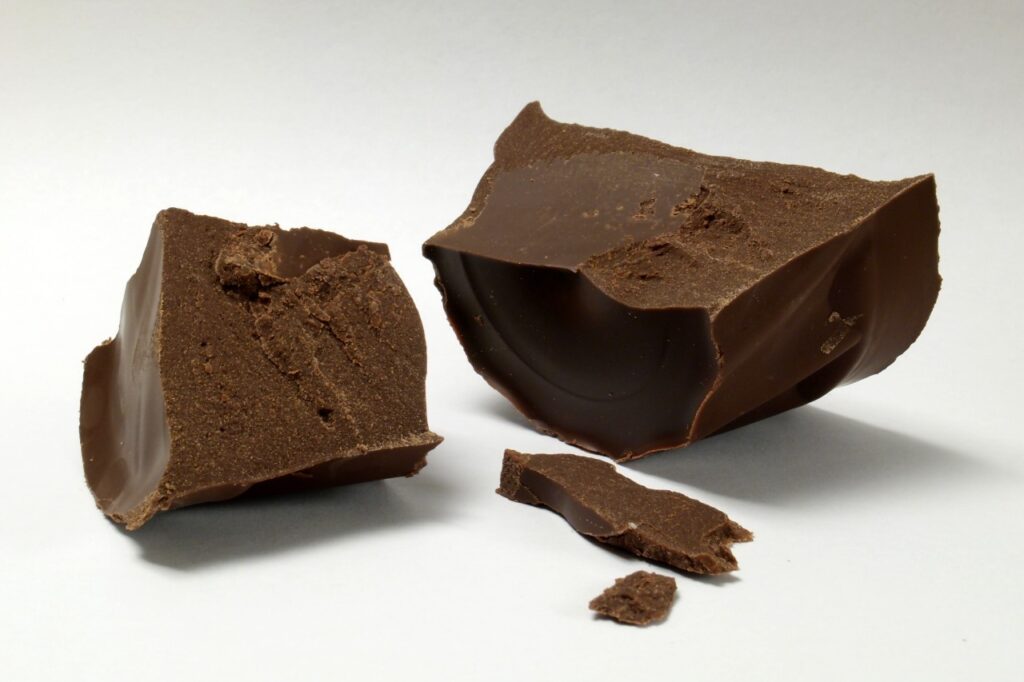
Compound chocolate is often used in place of traditional chocolate in many desserts. While it looks similar to real chocolate, its ingredients are quite different.
Real chocolate contains cocoa butter, which gives it a smooth texture and glossy finish when tempered. Compound chocolate replaces cocoa butter with vegetable fats such as palm or coconut oil.
This change makes the product easier and cheaper to produce. It also removes the need for complex tempering techniques, allowing kitchens to melt and shape the chocolate more easily.
Because of its lower cost and simpler handling, compound chocolate is commonly used in coatings, decorations, and mass-produced desserts.