13 Pantry Staples That Aren’t Worth the Effort to Make

Cooking from scratch can be rewarding, but not every pantry staple justifies the time, tools, or precision it requires. Many common items are inexpensive, consistent, and shelf-stable when purchased, yet surprisingly labor-intensive to recreate at home. From seasoning blends to sauces and spreads, store-bought versions often outperform homemade attempts in reliability and convenience. These staples highlight where efficiency matters more than process, allowing home cooks to save time and energy for dishes where scratch cooking truly makes a difference.
1. Ketchup
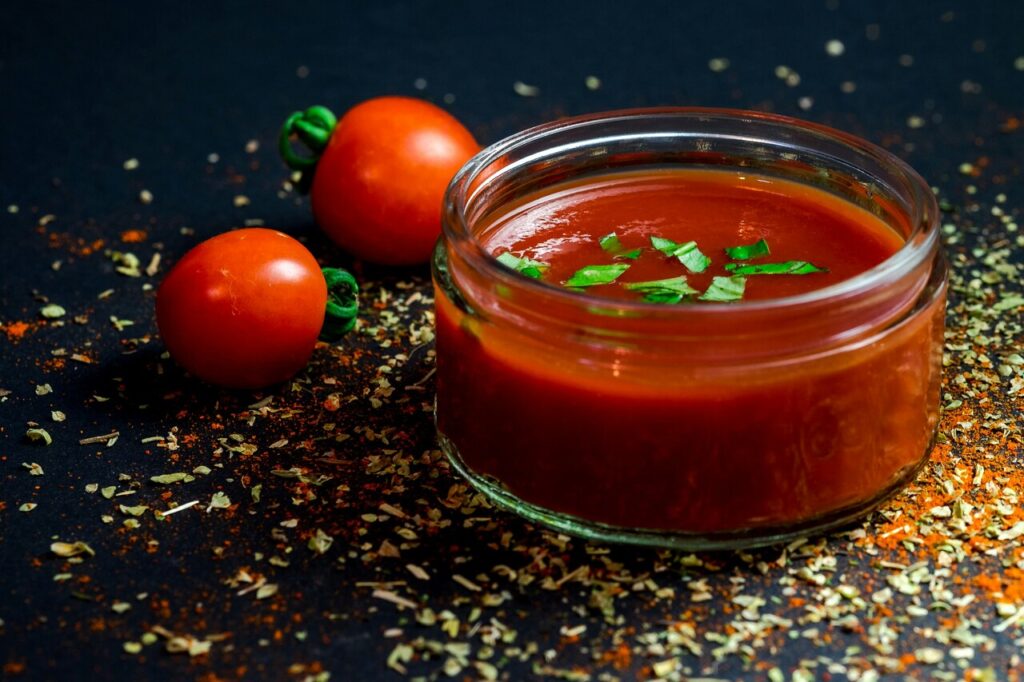
Ketchup is one of those pantry staples where industrial consistency genuinely outperforms most homemade versions. Commercial ketchup is carefully balanced for sweetness, acidity, salt, and thickness, using tomato concentrate that delivers reliable flavor year-round. At home, achieving that same balance requires long simmering, careful sugar and vinegar adjustments, and often added thickeners to avoid a watery texture. Even then, homemade batches vary widely depending on tomato quality and cooking time. Store-bought ketchup is inexpensive, shelf-stable, and ready instantly, which makes the time and energy spent cooking down tomatoes hard to justify.
2. Mayonnaise
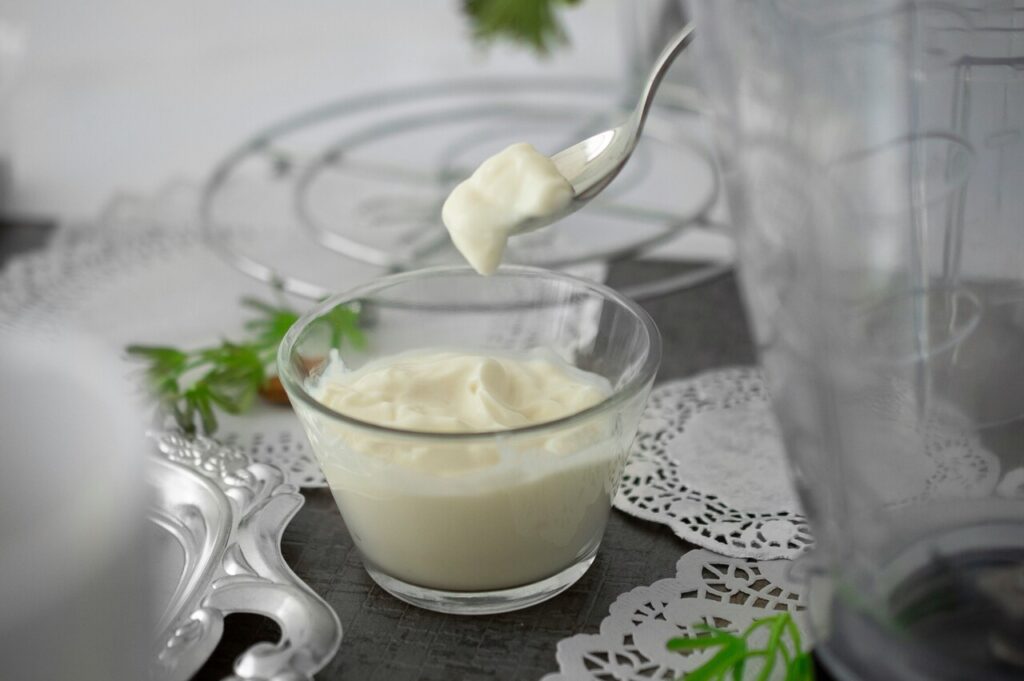
Homemade mayonnaise can be satisfying as a technique, but as a pantry staple, it rarely makes sense. It requires fresh eggs, constant whisking or blending, and careful emulsification to avoid separation. Even when successful, homemade mayo has a short shelf life and must be refrigerated immediately. Store-bought mayonnaise is stable, safe, and remarkably consistent in texture and flavor. Because the cost of ingredients and the risk of failure are relatively high, making mayonnaise from scratch offers little practical advantage unless it is for a specific culinary purpose rather than everyday storage.
3. Salad Dressings
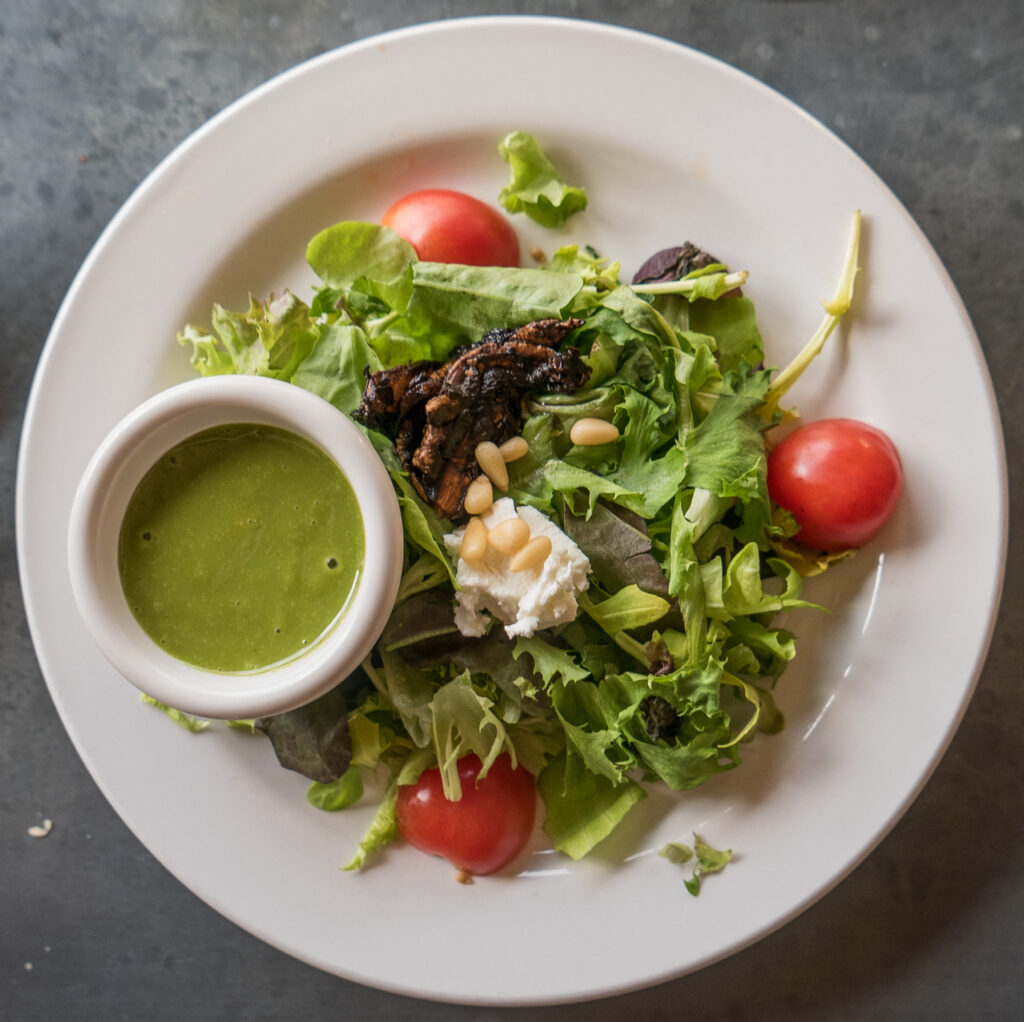
Basic salad dressings are often cited as easy to make, yet bottled versions usually win on convenience and longevity. A simple vinaigrette may be quick, but keeping oil, vinegar, and seasonings fresh and balanced every time takes more effort than expected. Bottled dressings are formulated to remain emulsified and stable for weeks without separating. They also save time during busy meals when small tasks add up quickly. For common flavors, store-bought options are inexpensive and reliable. Unless a custom flavor profile is needed, making salad dressing repeatedly from scratch often costs more time than it saves.
4. Brown Sugar
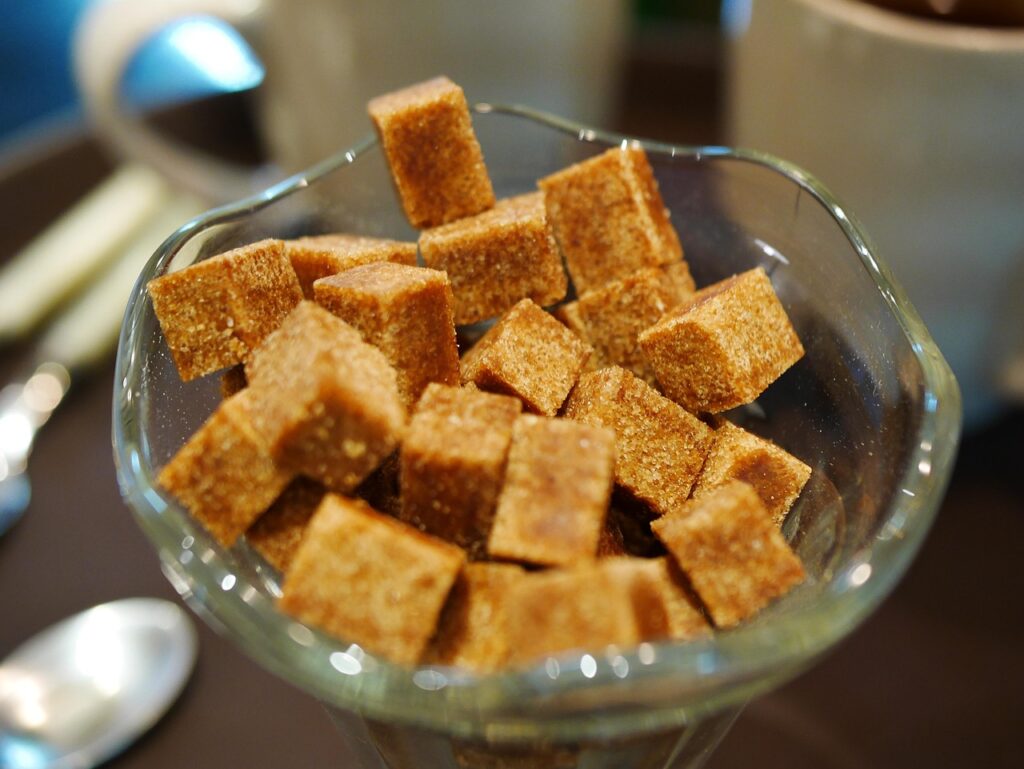
Brown sugar seems simple to make by mixing sugar and molasses, but homemade versions rarely match store-bought quality. Commercial brown sugar is processed to maintain consistent moisture, which keeps it soft and easy to measure. Homemade mixes often dry out quickly or clump unevenly, leading to inconsistent results in baking. Moisture level matters greatly in recipes that rely on brown sugar for texture and structure. Store-bought brown sugar stays usable longer and performs predictably in recipes. For such a low-cost ingredient, the effort of recreating it offers little benefit and can introduce unnecessary variability into baked goods.
5. Stock or Broth
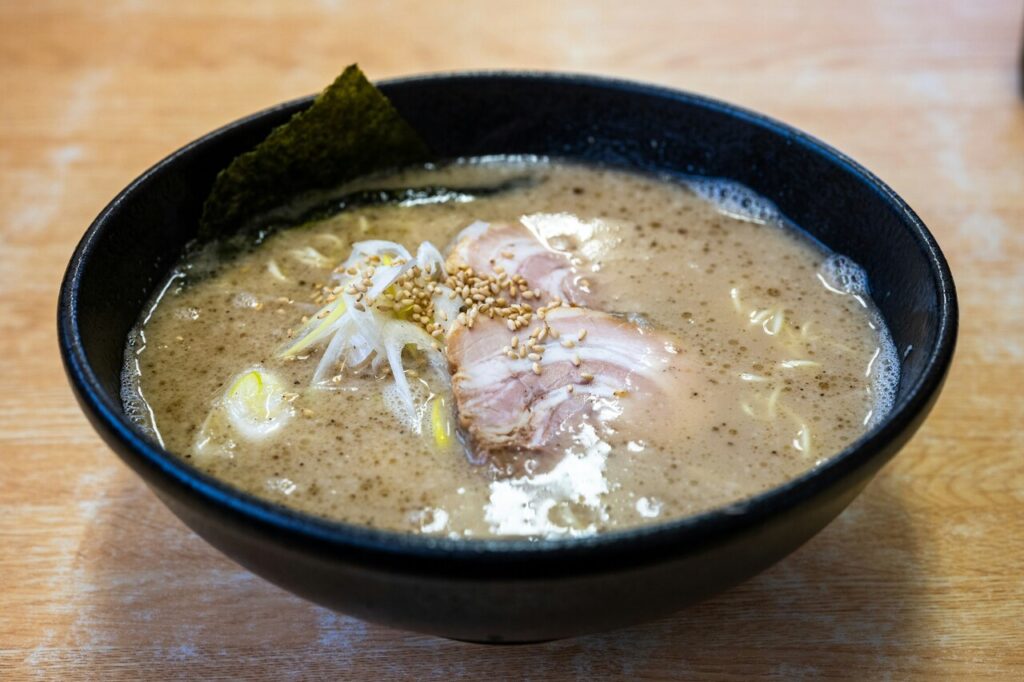
Making stock from scratch is rewarding for special dishes, but as a pantry staple, it demands time, space, and planning. Good stock requires hours of simmering, careful skimming, and proper storage. Even then, results vary depending on bones, vegetables, and seasoning. High-quality boxed or canned broths now offer clean ingredient lists, consistent flavor, and long shelf life. They also allow cooks to build depth quickly without committing half a day to preparation. For everyday cooking, store-bought stock provides reliable structure and convenience that homemade versions cannot easily match at scale.
6. Flavored Salt
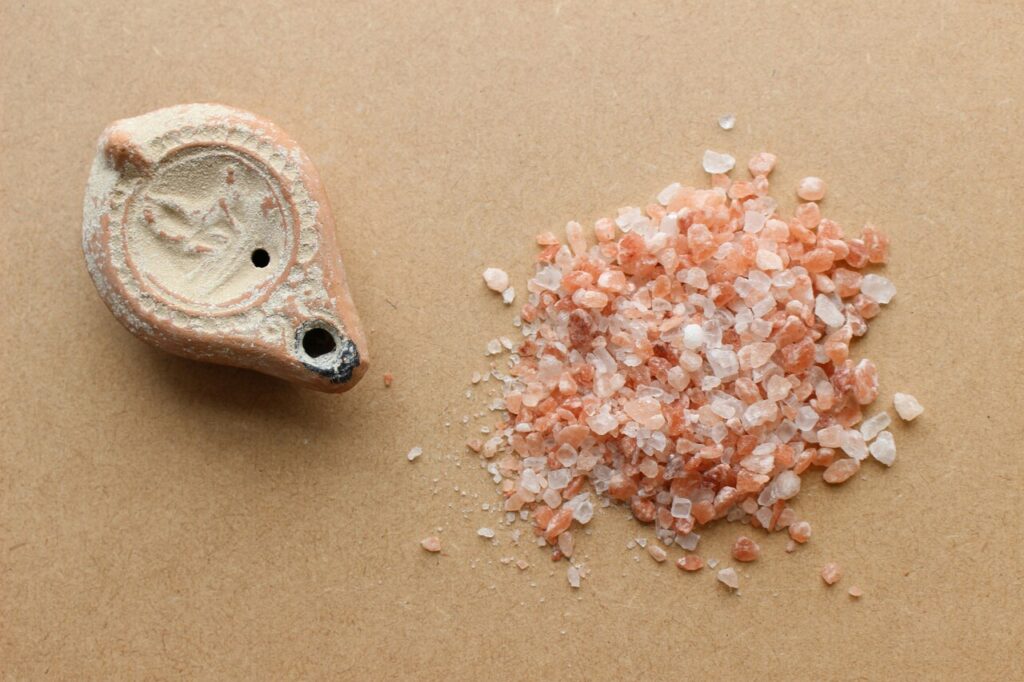
Flavored salts like garlic salt or seasoned salt are inexpensive and highly consistent when purchased. Making them at home requires drying ingredients thoroughly, grinding evenly, and storing properly to avoid clumping or spoilage. Store-bought versions are engineered to distribute flavor evenly with each use, which is difficult to replicate without specialized equipment. Because flavored salts are used in small amounts, the cost difference is negligible. Keeping them on hand saves time and ensures consistent seasoning across dishes. For most kitchens, buying these blends makes more sense than producing them from scratch.
7. Seasoning Blends
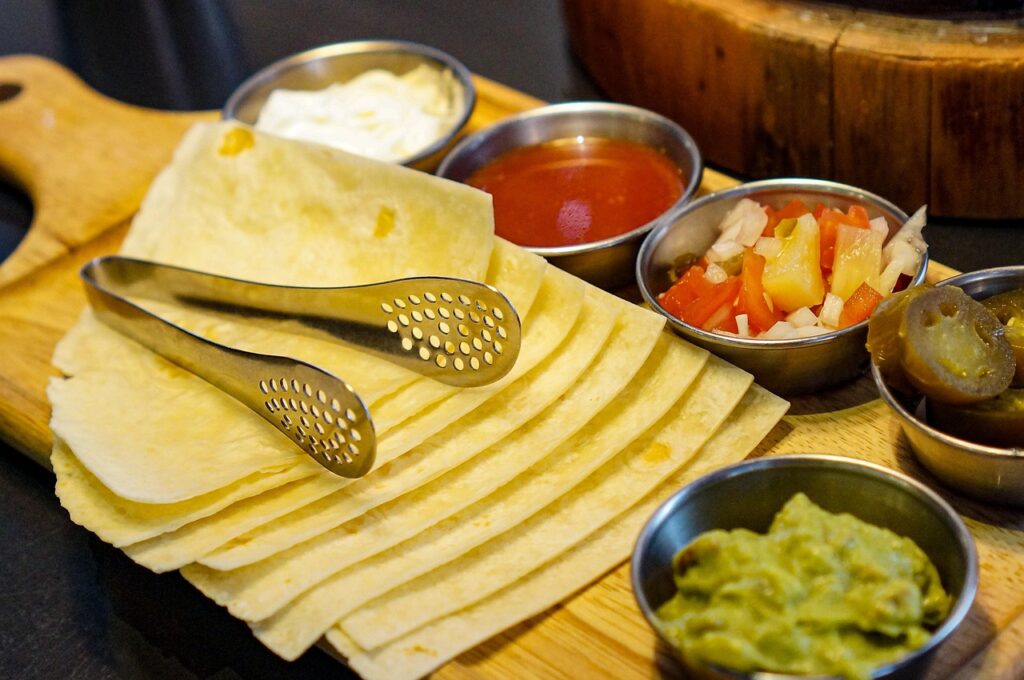
Seasoning blends such as taco seasoning or Italian seasoning are designed for balance and convenience. While it is possible to mix spices at home, doing so requires stocking many individual spices and measuring each time. Store-bought blends save space, time, and mental effort, especially for frequently used flavors. They are also shelf-stable and consistent, which matters for repeatable results. Homemade blends may drift in flavor over time as spices age at different rates. For everyday cooking, pre-mixed seasonings offer efficiency without meaningful loss of quality. Another factor is cost efficiency, since individual spices can be expensive.
8. Nut Butters
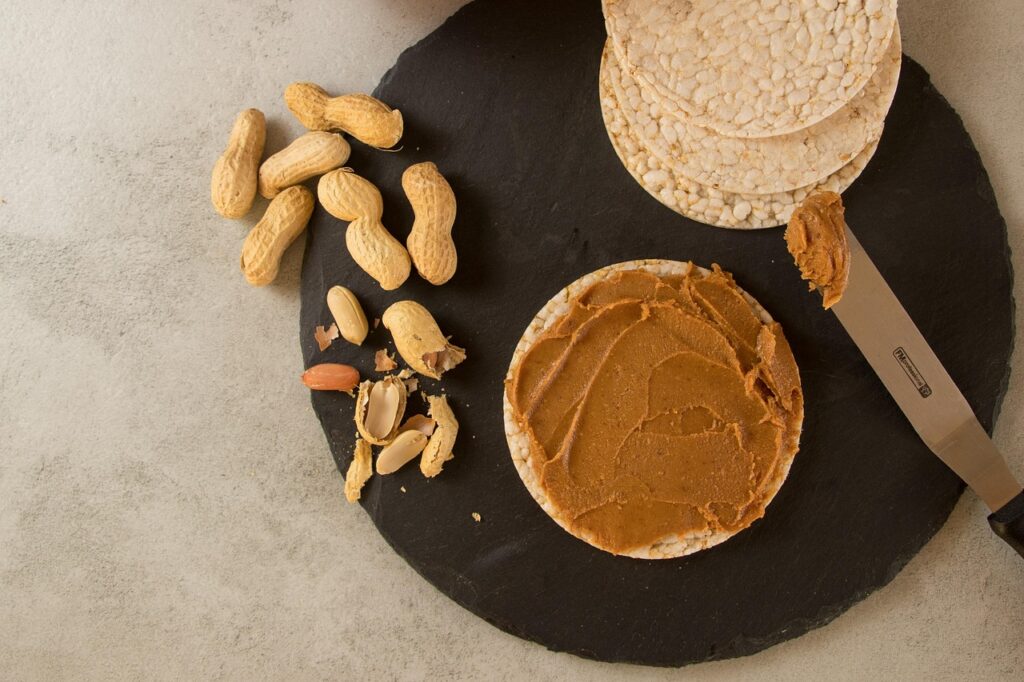
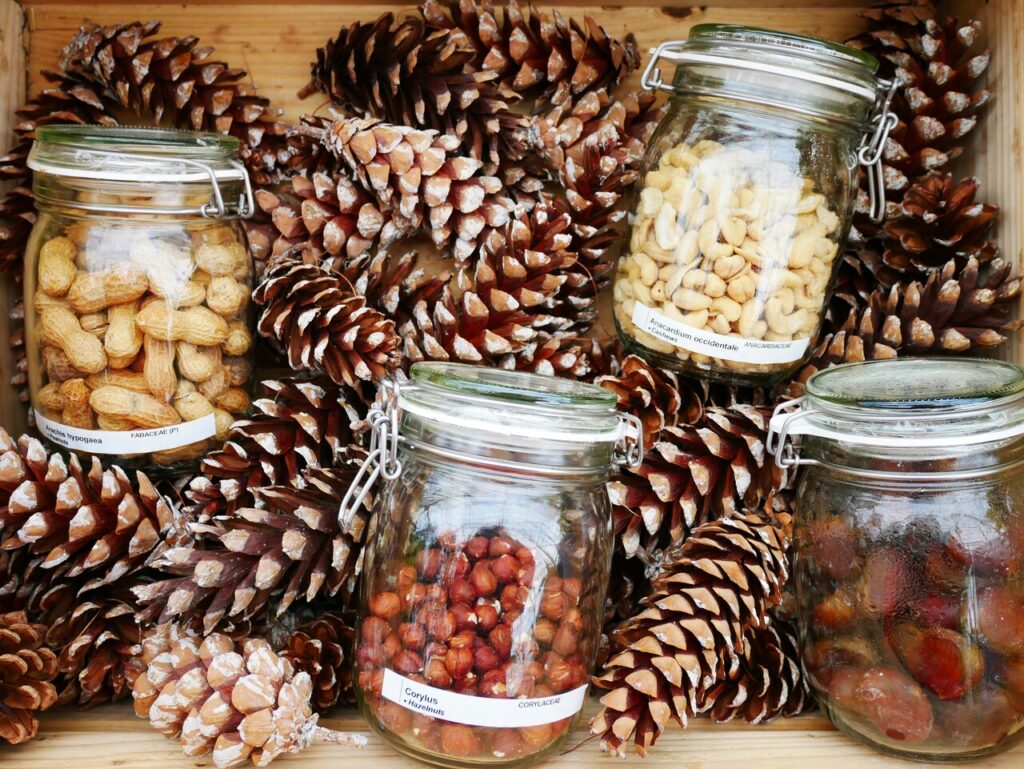
Nut butters are difficult to make well without powerful equipment. Achieving a smooth texture requires high-speed grinders and careful temperature control to prevent burning. Homemade versions often turn out gritty, oily, or uneven unless significant time and energy are invested. Store-bought nut butters benefit from commercial grinding processes that create a stable, creamy consistency. They also have a longer shelf life and a predictable flavor. Given the cost of nuts and equipment wear, making nut butter at home rarely saves money or effort compared to buying a quality jar. For daily use, commercial options are simply more reliable.
9. Jam or Jelly
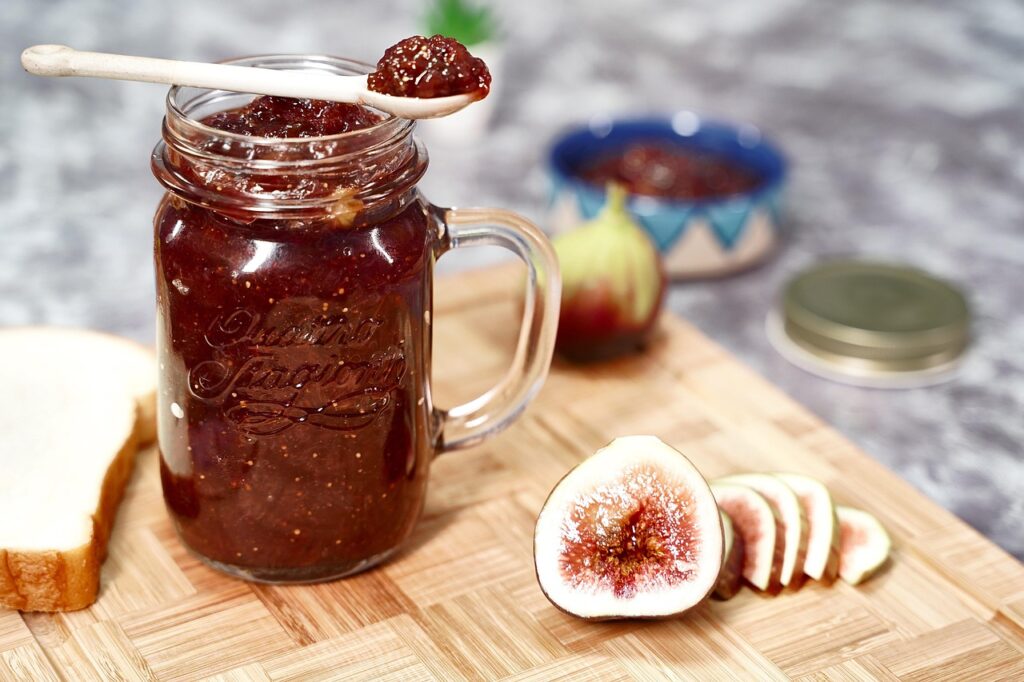
Homemade jam requires careful cooking, sterilization, and sealing to be safe and shelf-stable. It also demands precise ratios of sugar, acid, and fruit to achieve the proper set. Store-bought jams are inexpensive, consistent, and available year-round regardless of fruit season. They are tested for safety and designed to maintain texture over time. For everyday pantry use, jarred jam offers reliability without the labor, mess, and storage concerns of home canning. Mistakes in homemade batches can lead to runny or overly stiff results. Buying jam removes uncertainty while preserving convenience.
10. Pickles or Fermented Vegetables
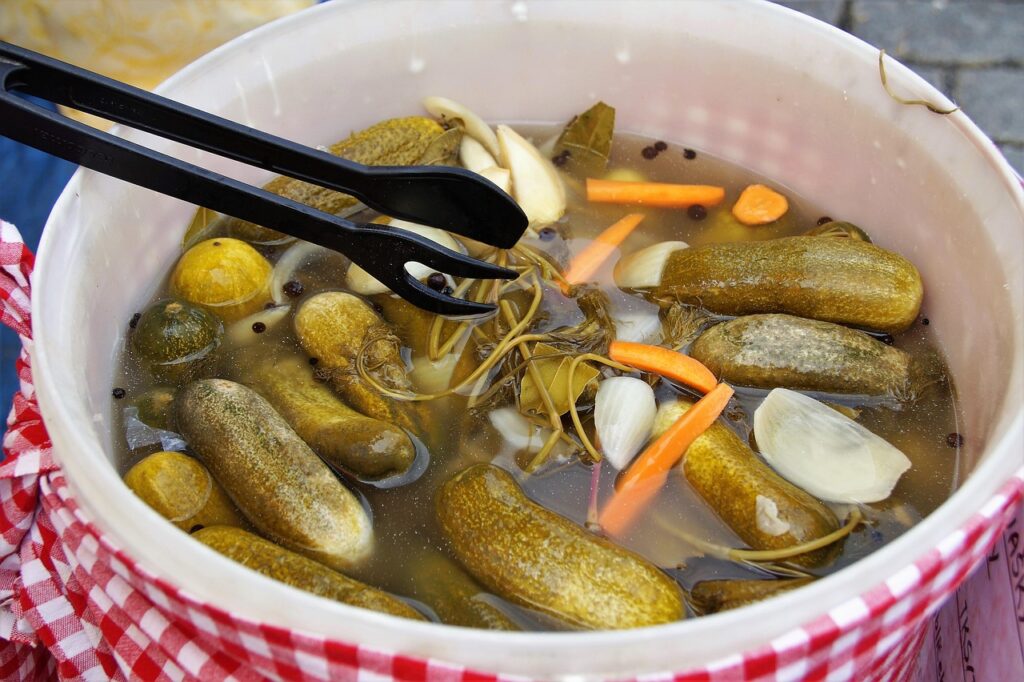
Pickling and fermenting at home requires careful salt ratios, clean equipment, and patience. Small mistakes can lead to spoilage or unsafe food. Store-bought pickles and fermented vegetables are produced under controlled conditions and offer consistent crunch and flavor. They also eliminate the need for monitoring fermentation progress. For most households, buying these items ensures safety and convenience. Fermentation also takes up refrigerator or counter space for extended periods. Commercial options avoid that commitment while delivering dependable results. It also frees time for other cooking tasks.
11. Pasta Sauce
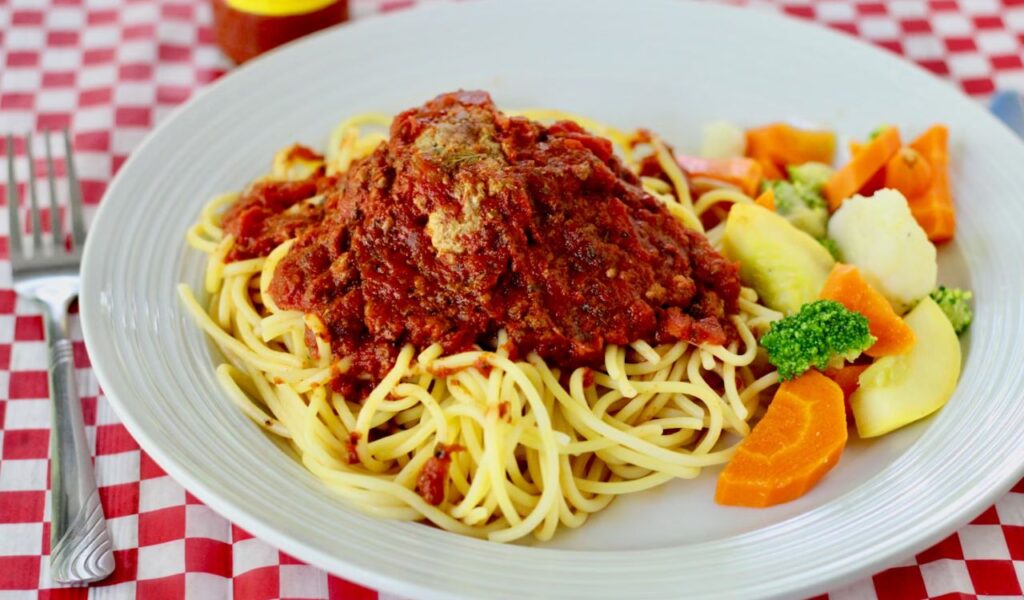
Pasta sauce benefits from long simmering and careful seasoning, which takes time to do well. While homemade sauce can be excellent, high-quality jarred sauces now use simple ingredients and balanced flavors. They are shelf-stable, affordable, and ready immediately. Making sauce from scratch repeatedly can become labor-intensive without delivering significantly better results. Store-bought sauces also allow for quick customization with herbs or vegetables. This flexibility makes them practical for weeknight meals. The time saved often outweighs any minor difference in flavor. Consistency is another advantage of commercial preparation.
12. Croutons
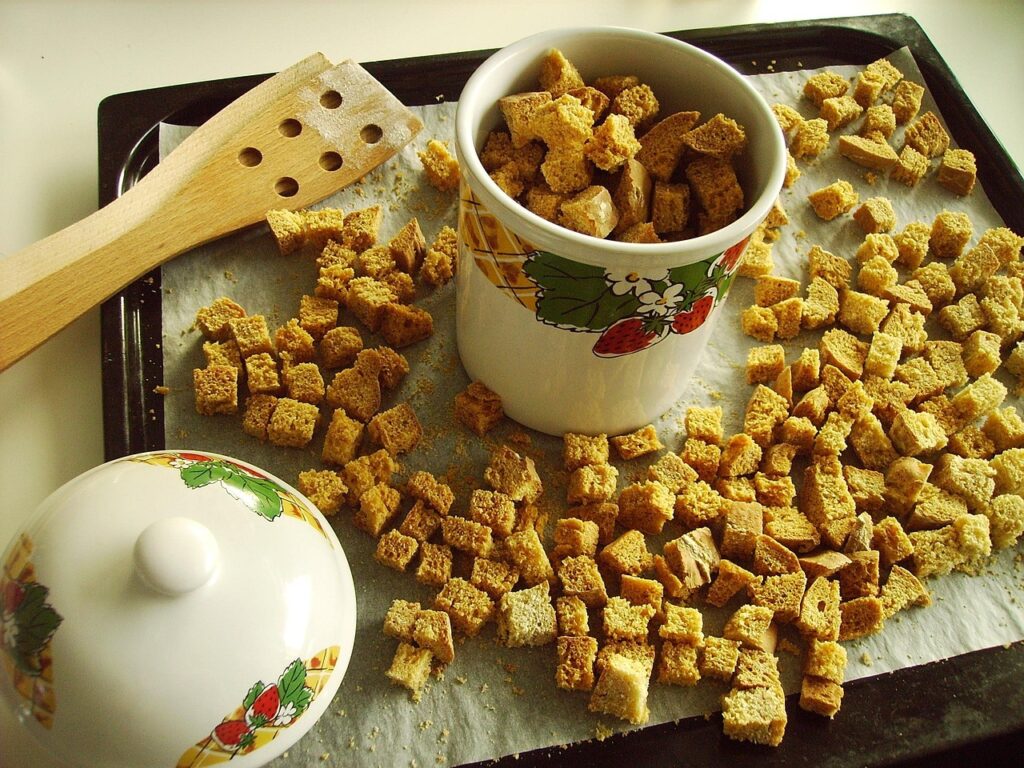
Croutons are inexpensive and widely available, making them difficult to justify as a homemade project. Baking bread into croutons requires time, oven space, and careful drying to avoid sogginess. Store-bought croutons are uniformly crisp, well-seasoned, and shelf-stable. They also come in a variety of flavors without extra effort. For a garnish ingredient, the convenience of buying them far outweighs the small satisfaction of making them from scratch. Homemade versions also go stale faster. Commercial packaging preserves texture far longer. This makes them more reliable for occasional use. Storage life becomes a clear advantage.
13. Breadcrumbs
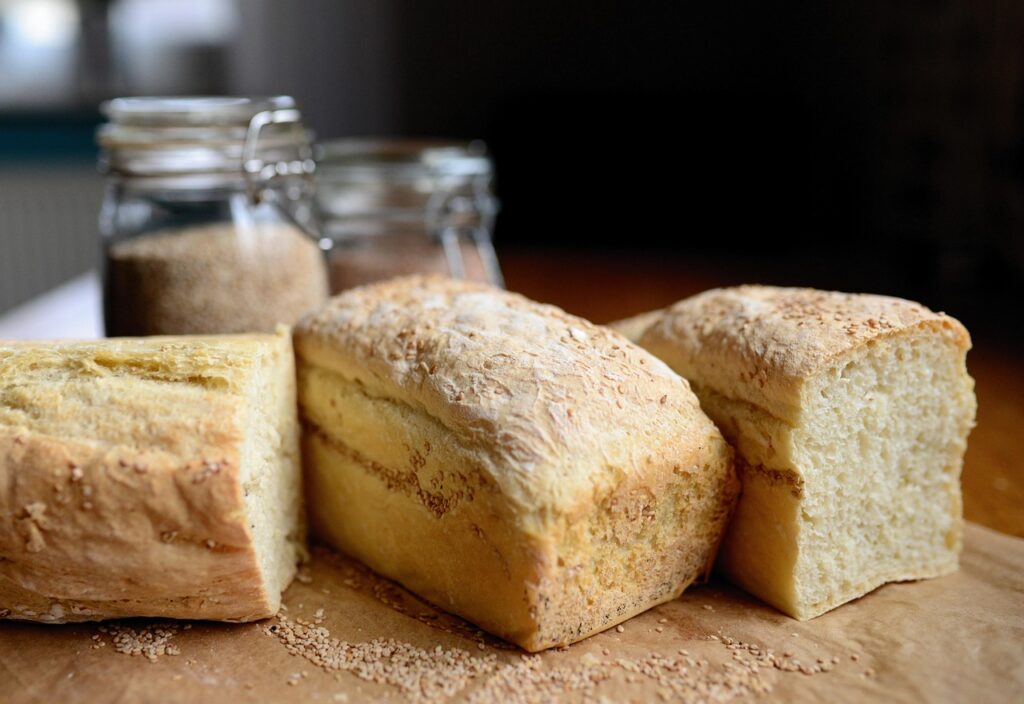
Breadcrumbs are another pantry staple where consistency matters. Homemade crumbs vary in size and dryness depending on bread type and preparation. Store-bought breadcrumbs and panko are processed to a uniform texture, which improves coating and binding in recipes. They also store well and are ready when needed. Making breadcrumbs requires drying bread thoroughly and processing it evenly, which adds unnecessary steps. Given their low cost and long shelf life, buying breadcrumbs is usually the more practical choice. Uniform crumbs also produce more predictable cooking results. That reliability matters in everyday recipes.