10 Historical Foods Americans Loved That Were Secretly Poisonous


Long before modern food safety laws reshaped grocery shelves, many foods Americans enjoyed carried hidden dangers. From milk preserved with embalming chemicals to meat treated with toxic additives and spices stretched with hazardous fillers, everyday meals sometimes contained substances now known to be harmful. As food science advanced, these practices were exposed and eventually banned, revealing how past convenience and profit often outweighed consumer safety in kitchens across the country.
1. Milk Preserved with Formaldehyde Once Passed as Fresh
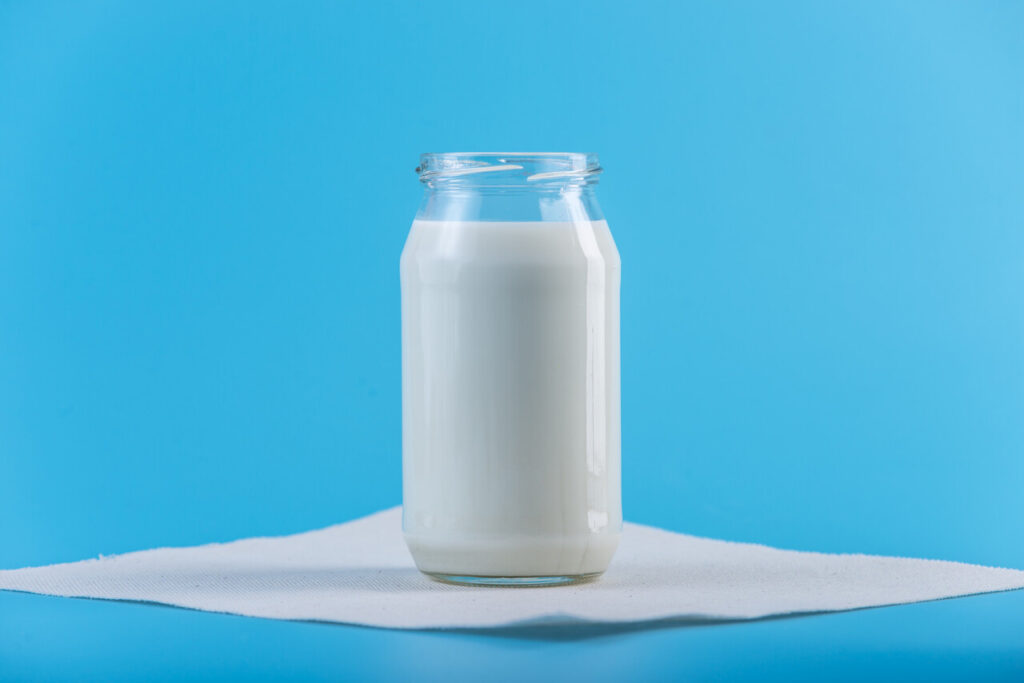
In the era before strict food regulations, keeping dairy from spoiling was a constant challenge for markets and grocers. At the time, consumers lacked reliable ways to verify the safety of additives, and sellers often prioritized appearance over health.
Formaldehyde effectively slowed bacterial growth and delayed souring, making milk appear fresh longer. Sellers could send bottles on long journeys to distant towns without worrying about immediate spoilage.
Years later, a scientific study confirmed the dangers inherent in preserving consumables with embalming chemicals. The history reminds us how food safety evolved through painful trial and error as consumers and regulators learned what not to tolerate.
2. Meat Treated with Toxic Preservatives Filled Pantries

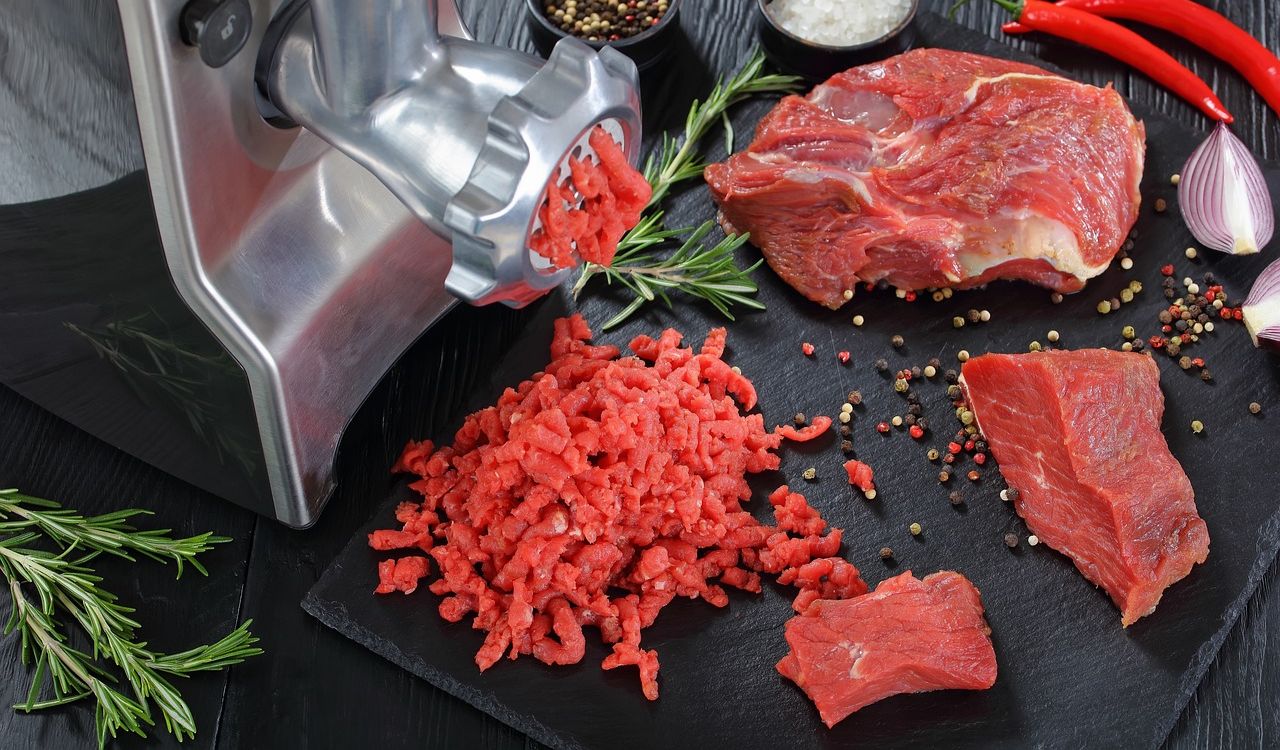
Preserving meat in the late nineteenth and early twentieth centuries proved just as challenging as preserving dairy. These compounds maintained color and firmness in cuts destined for urban markets.
Such practices were driven by economic incentives. Slim profit margins and long transit times encouraged producers to use strong preservatives that guaranteed unsold meat would still “look” appealing at sale time.
Over time, researchers connected these chemicals with adverse health outcomes, prompting public outcry and regulatory intervention. As better preservation techniques developed, such as refrigeration and regulated curing, the use of toxic preservatives in meat faded. The transition reflects society’s growing insistence on both safety and taste in everyday food.
3. Borax in Butter and Milk Once Masked Spoilage
In pre-regulation food systems, keeping perishable products marketable demanded creative preservation. Borax, a compound better known as a cleaning agent or pesticide, at one time found its way into butter and milk to delay rancidity.
Consumers at the time had limited tools to evaluate product quality. Yet the compound interfered with natural microbial processes without offering nutritional value, replacing biological signals with artificial stability.
Scientific review later linked borax consumption with digestive and metabolic issues. Regulatory action eventually banned its use, ushering in improved preservation methods. The borax episode stands as a historical example of how visible freshness can mask hidden chemical risk.
4. Adulterated Coffee Replaced Bean Purity

Coffee’s rise as a beloved beverage in American culture made it a frequent target for adulteration in the days before standardized food testing. Consumers often drank these blends believing them to be pure.
Adulteration affected both flavor and food safety, as many fillers introduced unpredictable compounds into regular consumption. While some substitutes like chicory remained traditional in certain regions, others crossed into hazardous materials that had no place in a daily drink.
Public awareness grew as chemistry and food science advanced, enabling tests to detect adulteration and prompting demand for authentic products. Laws followed, protecting consumers from harmful coffee substitutions and standardizing what counted as real coffee.
5. Spices Tainted with Harmful Additives Inflamed Taste Buds

Spices like cinnamon and black pepper once added flavor to American dishes, yet in unscrupulous markets, they were subject to adulteration with inedible fillers. Brick dust, sawdust, and similar materials entered spice sacks to bulk up weight and boost profits. Some of these additives posed physical and chemical risks when ingested.
Consumers who believed they were buying pure spice unwittingly welcomed foreign matter into kitchens across the country. Spices have long been prized for both flavor and cultural significance, making their corruption deeply felt.
As food chemistry evolved, reliable tests revealed how widespread adulteration had become. The history of tainted spices underscores how essential vigilance is when food meets commerce.
6. Freezine and Preservaline Kept Meat Red but Unsafe

In efforts to keep meat looking fresh longer, companies marketed chemicals like Freezine and Preservaline, which contained formaldehyde among other preservatives. These compounds helped maintain the red color that consumers equated with freshness, even as the actual meat aged or began to degrade.
A bright red cut suggested recently slaughtered livestock, yet beneath the surface, chemical treatments obscured age and spoilage. Selling meat that “looked” ideal took priority over the unseen consequences of consuming unsafe additives.
Once food scientists identified the risks of such preservatives, including formaldehyde exposure concerns, pressure mounted to restrict their use. The episode shows how surface appeal in food can mislead without scientific oversight.
7. Lead Appeared in Cheese Coloring

Cheese’s distinctive hues once drew buyers in markets where color signified quality and rich flavor. To achieve a more appetizing aesthetic, some producers turned to lead compounds capable of imparting vibrant tones. At the time, neither sellers nor consumers fully recognized lead’s toxicity.
Lead is now well known for its neurotoxic effects, especially among children. The use of lead pigments reflects a historical period before food safety standards limited dangerous substances.
Eventually, testing and public health advocacy phased out lead use in food coloring. The story reveals how once-accepted practices become shocking through the lens of modern science.
8. Harmful Fillers Like Gypsum Inflated Food Bulk

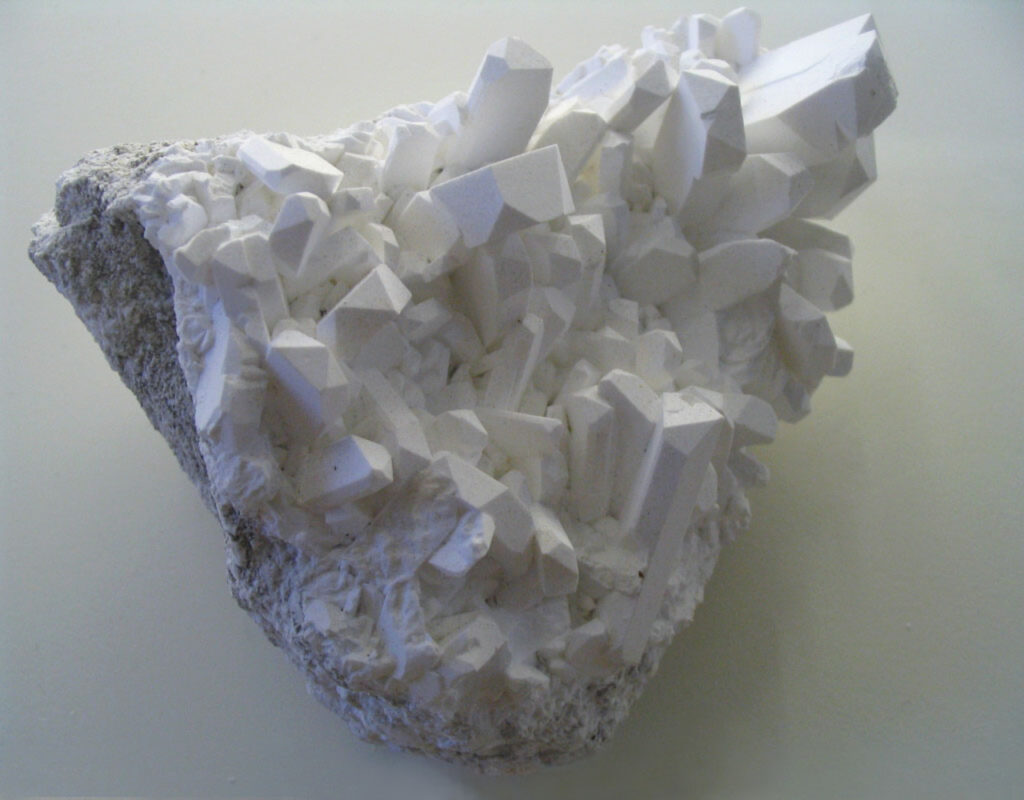
In times before stringent regulation, powdered fillers such as gypsum found their way into everyday foods, including flour, sugar, and sweets. These additives increased bulk and improved texture.
Gypsum itself carries risks when ingested repeatedly, leading to digestive irritation and interference with nutrient absorption. Producers seeking to stretch inventory often overlook the long-term health effects of including such fillers alongside standard ingredients.
As food science advanced and consumer expectations shifted, regulations banned harmful fillers and mandated ingredient transparency. The transition helped restore trust in staple products and avoided unnecessary exposure to questionable substances once passed off as harmless.
9. Cinnamon Adulterated with Lead Chromate Added Risk
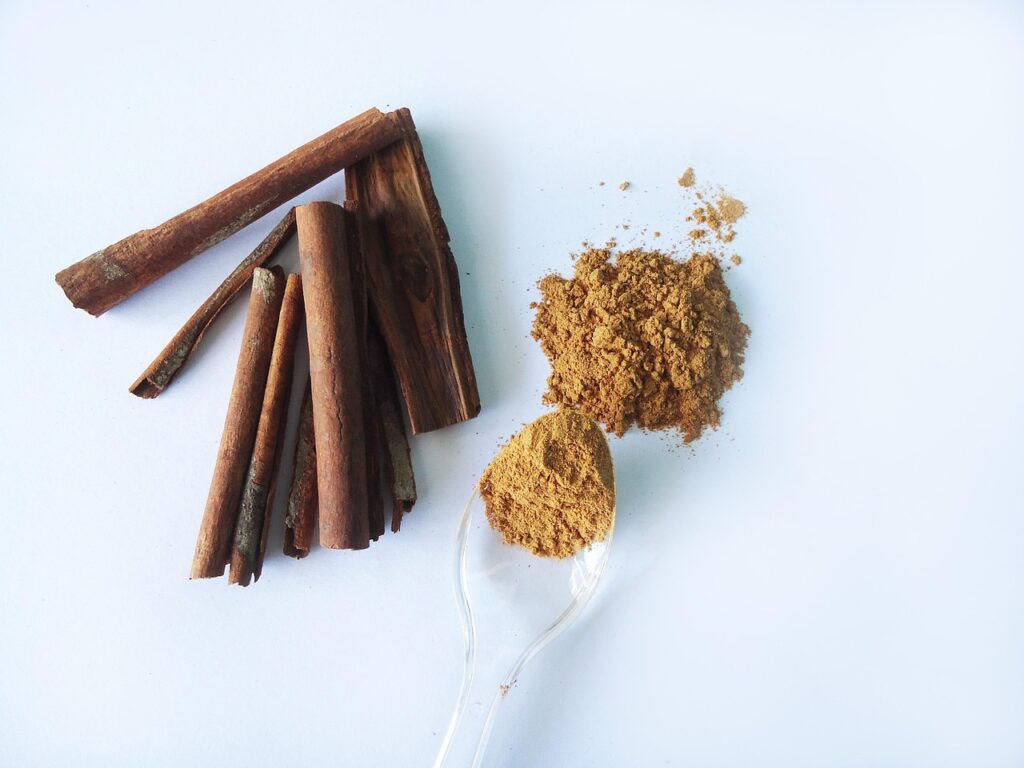
Cinnamon’s warm spice once earned a place in countless American recipes, yet dishonesty in spice markets occasionally introduced lead chromate into ground spice. Lead chromate achieved a vivid yellow-brown hue that mimicked high-quality cinnamon while posing serious health hazards.
Ingesting lead chromate introduces toxic elements that could accumulate in the body over time, affecting multiple systems. Consumers expecting pure spice unwittingly ingested dangerous materials alongside their morning porridge.
Detection methods eventually exposed these adulteration practices, leading to tighter controls and the development of reliable testing. The replacement of toxic additives with authentic spice cemented protections that today’s consumers often take for granted.
10. Chemical Preservatives Once Widened Grocery Aisles
Across many food categories, early innovators used chemical preservatives like borax and formaldehyde to keep consumables shelf-stable before grading and inspection standards existed. These substances slowed visible decay but introduced compounds now recognized as harmful.
Manufacturers of the past worked in a landscape without modern food science or regulatory oversight. Consumers learned only later through reported illnesses and food examinations that certain preservation methods posed long-term risks.
Public health reforms and safety laws gradually removed these chemicals from approved use, replacing them with scientifically vetted alternatives. The broad shift marked a turning point in how society manages food quality.