The Quiet Reason Cooking Shows Have Made Americans Worse at Actually Cooking at Home

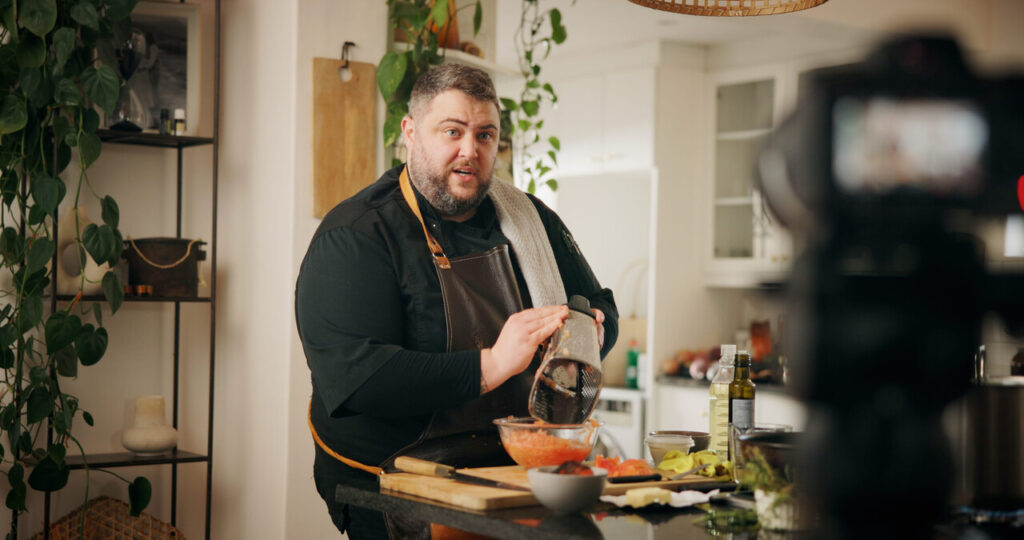
Cooking shows have never been more popular, yet fewer people are actually cooking at home. What seems like a contradiction starts to make sense when you look at how food has been repositioned in modern culture. Cooking is no longer just a daily habit or a practical skill.
It has become entertainment, something to watch, admire, and talk about. At the same time, convenience foods and busy schedules have made it easier to skip the kitchen altogether.
The result is a quiet shift where interest in food is high, but hands-on experience is fading. Understanding this disconnect helps explain why watching cooking has not translated into doing it.
Cooking Became Something to Watch
What changed first was not cooking itself, but how people engaged with it. Cooking gradually moved from the kitchen into the living room as television and streaming platforms turned food into entertainment. Instead of being a daily activity, it became something people watched for enjoyment, much like sports or reality shows. This shift reshaped how audiences related to cooking as a whole.
As food content became more popular, the time people spent actually cooking began to decline. Many households now spend more time watching cooking shows than preparing meals from scratch. This created a gap between interest and action, where people remained fascinated by food but less involved in making it themselves. The act of cooking slowly moved out of daily routines.
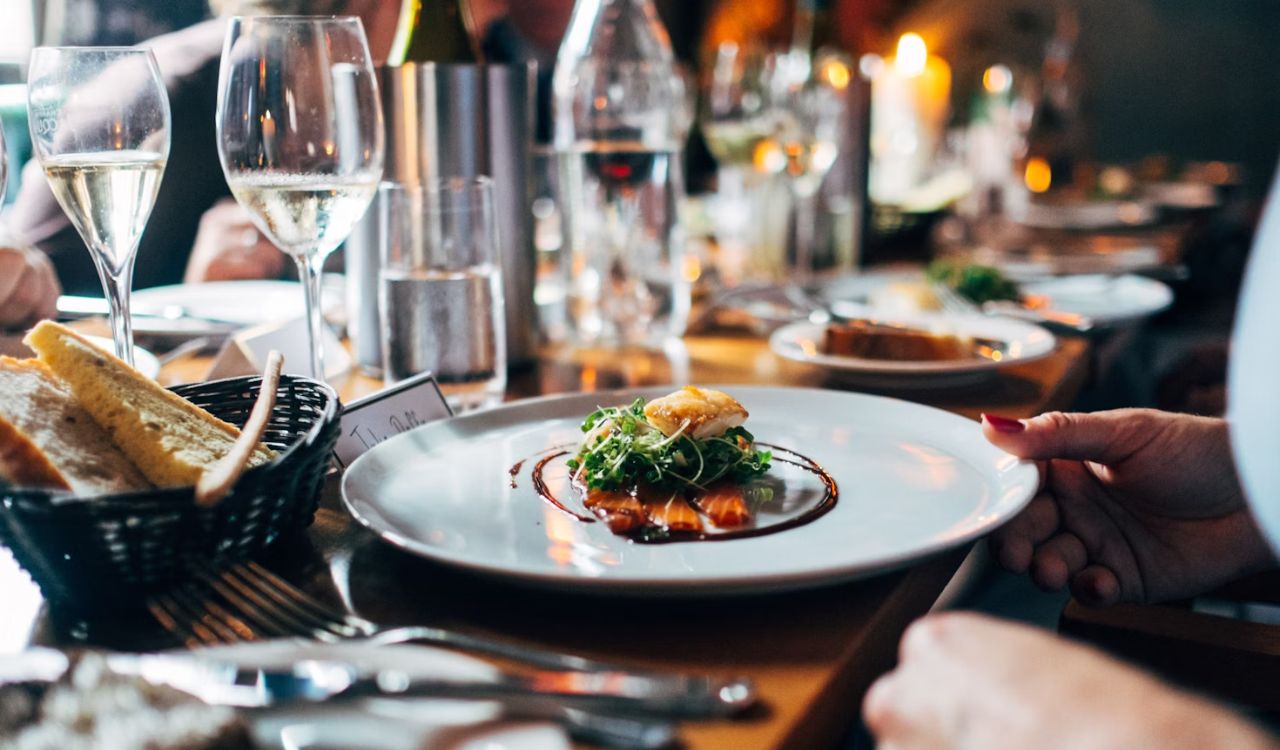
Modern cooking shows often focus on speed, competition, and dramatic presentation. Contestants race against time, judges critique performances, and dishes are treated like works of art. While entertaining, this format emphasizes performance over practicality, making cooking appear more complex and intense than it needs to be for everyday life.
This shift has influenced how people perceive cooking. Instead of seeing it as a normal part of daily living, it is often viewed as something impressive or even intimidating. The gap between professional chefs and home cooks feels wider, which can discourage people from trying simple meals on their own.
Over time, watching replaced doing for many people. Cooking became something to admire rather than practice regularly. This quiet transformation has played a major role in reducing how often people cook at home, even as their interest in food continues to grow.
The Illusion of Skill Without Practice
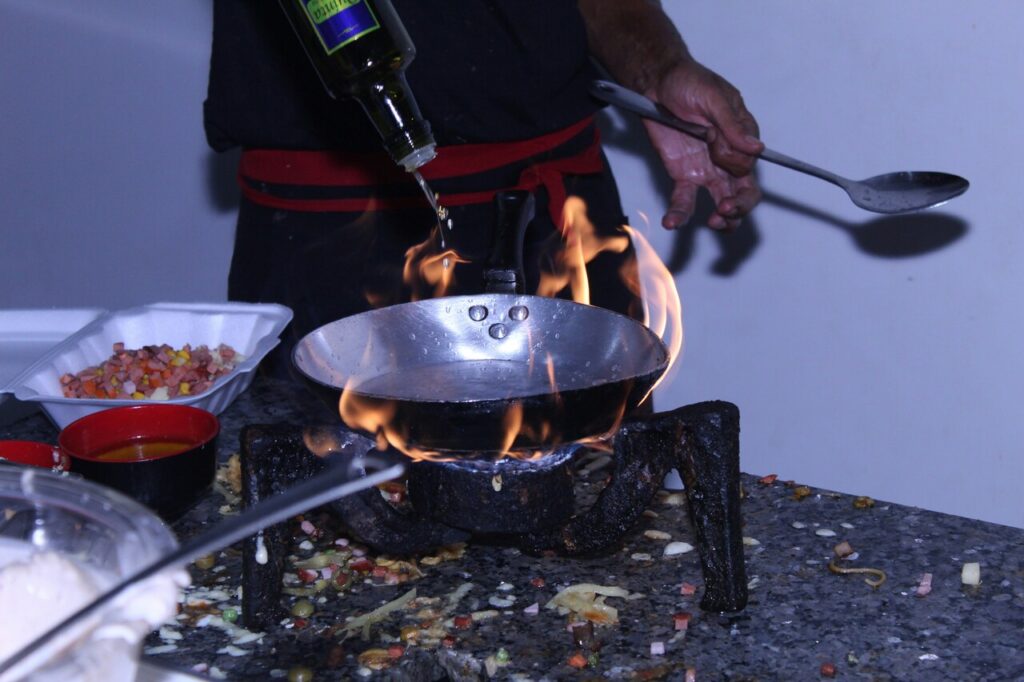
Watching skilled chefs can create a false sense of understanding. Viewers become familiar with techniques and ingredients simply by observing them on screen. This exposure can feel like learning, but without actual practice, the knowledge remains surface-level and difficult to apply in real situations.
Cooking, like any skill, depends on repetition and hands-on experience. Without spending time in the kitchen, it is hard to build confidence or develop intuition. When people attempt recipes they have seen on television, they often find that the process is more complicated than it appeared.
Professional kitchens also operate very differently from home kitchens. Chefs have access to specialized tools, precise timing, and years of training. What looks effortless on screen often relies on expertise that is not easily replicated in a home environment, adding to the disconnect between watching and doing.
Many cooking shows also simplify or skip key steps to maintain pace and keep viewers engaged. Important details about preparation, timing, and technique are often condensed or omitted entirely. This makes it harder for viewers to fully understand what is required to recreate a dish.
As a result, people may feel inspired but not equipped. The confidence gained from watching does not always translate into action. This gap between perception and ability can discourage consistent cooking and reinforce the idea that it is easier to watch than to do.
The Rise of Convenience Over Effort
At the same time that cooking became entertainment, convenience foods became more accessible. Prepackaged meals, ready-to-eat options, and partially prepared ingredients reduced the need to cook from scratch. These products offered a quick solution for busy households looking to save time.
Modern lifestyles have also played a significant role in this shift. With longer working hours and busier schedules, many people view cooking as time-consuming rather than rewarding. Convenience foods fit more easily into daily routines, making them an appealing alternative to traditional meal preparation.
Over the past several decades, the amount of time Americans spend cooking has steadily declined. Meals that were once prepared from basic ingredients are now often assembled using pre-made components. This has changed the nature of home cooking itself, turning it into a simpler and faster process.
Even when people eat at home, they are not always cooking in the traditional sense. Many rely on store-bought meals or heat-and-serve options that require minimal effort. This reduces the need to develop cooking skills and further weakens the habit of preparing meals from scratch.
The combination of convenience and entertainment has reinforced this trend. Watching cooking shows satisfies interest in food, while ready-made meals remove the need to act on that interest. Together, they make it easier to consume food without actively cooking it.
When Cooking Turned Into a Spectator Sport
At some point, cooking shifted from being a daily necessity to a form of entertainment. Food shows became widely popular, attracting large audiences who enjoyed watching skilled chefs create impressive dishes. Cooking began to resemble a performance rather than a routine activity.
Research suggests that only a small percentage of viewers actually try the recipes they see on television. Most people watch for enjoyment rather than instruction, which highlights the gap between inspiration and action. This reinforces the idea that cooking is something to observe rather than participate in.
Cooking shows often focus on final results rather than the everyday process. They highlight beautifully plated dishes and dramatic moments while leaving out the repetitive, less exciting aspects of cooking. This creates unrealistic expectations about what cooking at home should look like.
As a result, cooking has lost some of its role as a basic life skill. It is increasingly viewed as a hobby or a creative outlet rather than a necessity. This shift changes how people prioritize cooking in their daily lives, often pushing it lower on the list of responsibilities.
Over time, this mindset has led to a decline in regular cooking habits. People are more comfortable relying on restaurants, delivery services, or prepared foods. The kitchen is no longer the center of daily life for many households.
What This Means for the Future of Home Cooking
The decline of home cooking has broader implications beyond convenience. Cooking is closely linked to healthier eating habits, as meals prepared at home often contain fewer processed ingredients. When cooking decreases, reliance on packaged and restaurant foods tends to increase.
There are also social effects to consider. Cooking has traditionally been a shared activity that brings people together, whether through family meals or communal preparation. As cooking becomes less common, these shared experiences may become less frequent.
Cooking also builds awareness of ingredients and nutrition. When people prepare their own meals, they develop a better understanding of what goes into their food. Without this connection, food choices can become more passive and less informed.
Culturally, cooking has long been a way to pass down traditions and skills. The decline of home cooking reflects broader changes in how people live and spend their time. Reversing this trend would require a renewed focus on making cooking accessible and manageable.
The future of home cooking may depend on finding balance. Cooking does not need to be elaborate or time-consuming to be meaningful. Simple, consistent habits can help restore confidence and bring cooking back into everyday life in a practical way.