Everyone at the Buffet Thinks No One’s Watching: Staff and Regulars Notice These 11

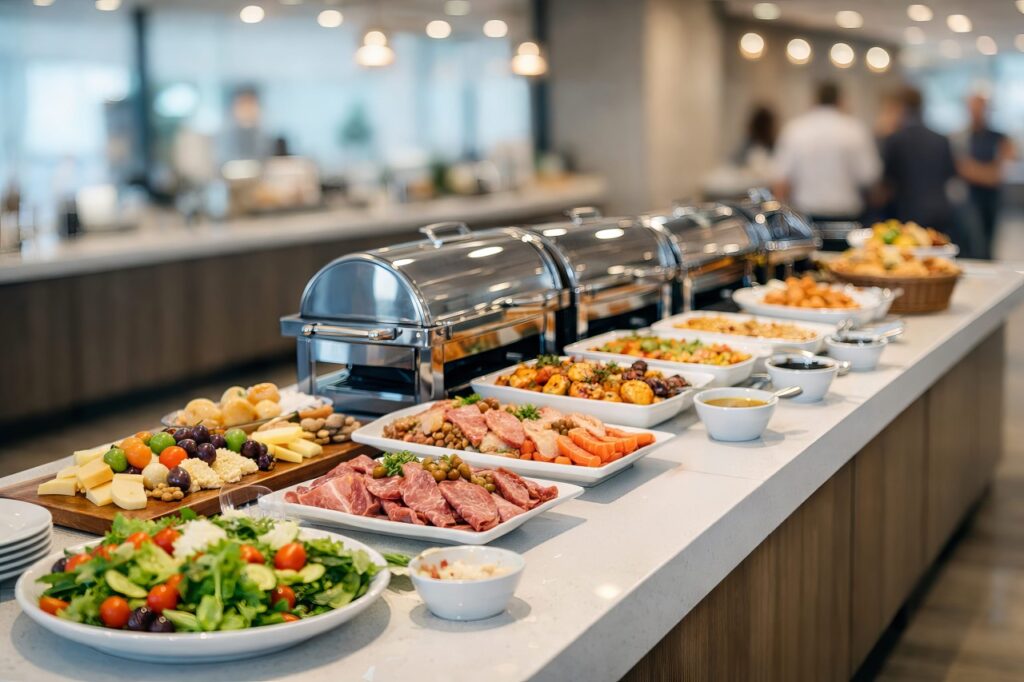
Buffets feel like a world of endless choice, where every dish invites you to indulge without limits. The atmosphere is relaxed, almost anonymous, and it is easy to believe that your small habits blend into the crowd unnoticed.
But behind the scenes, staff observe patterns closely, and regular diners quickly pick up on behaviors that quietly stand out. From how plates are filled to how lines are approached, these subtle actions reveal more than most people realize.
Once you notice these details, the buffet experience changes. You move with more ease, more awareness, and a quiet confidence that makes the entire meal feel smoother, cleaner, and far more enjoyable.
1. Overloading the First Plate
The first walk along a buffet often creates a sense of urgency, as if the best dishes might disappear quickly. This leads many people to heap their plates with everything in sight, mixing flavors and textures without much thought.
In reality, buffet kitchens are designed for continuous replenishment. Staff monitor consumption patterns and refill trays regularly, especially for popular items. Taking too much at once overwhelms your palate and increases the chance of food going cold before you finish.
Regular diners approach buffets with a slower rhythm. They start small, taste widely, and return for what truly stands out. This method reduces waste, keeps food fresh on the plate, and makes the meal more balanced and enjoyable.
2. Touching Food and Putting It Back
At a buffet, every item on display is meant to be shared, which makes hygiene especially important. When someone touches food and then returns it, it disrupts that shared trust in cleanliness. Even a quick touch can transfer bacteria.
Buffet staff are trained to watch for this because it can compromise entire trays. In many cases, once contamination is suspected, the food must be discarded. This creates unnecessary waste and extra work behind the scenes.
Regular guests understand that serving utensils are there for a reason. Using them properly ensures that everyone can enjoy the meal safely. It is a small action that reflects awareness and respect for the people dining around you.
3. Ignoring Serving Utensils
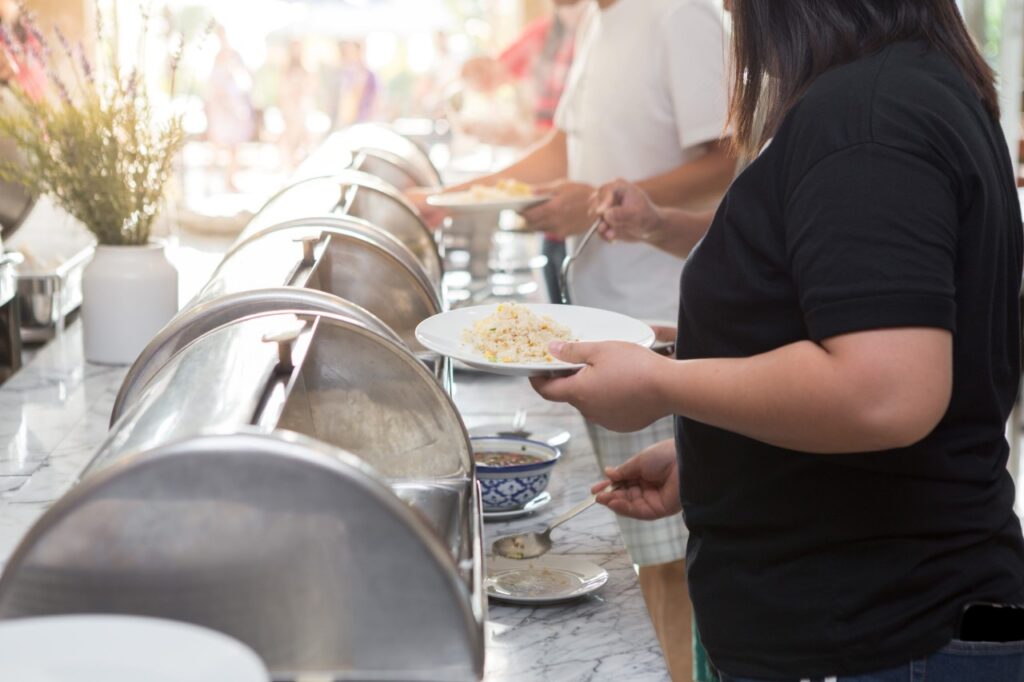
Buffets are carefully arranged with specific utensils for each dish, designed to maintain hygiene and portion control. Ignoring them and using personal cutlery or hands introduces contamination risks that can affect many people at once.
Staff often step in discreetly when they notice this behavior. Cross-contamination between dishes is a serious concern, especially when allergens or raw ingredients are involved. One small lapse can impact multiple guests.
Experienced diners rely on the provided tools, even if it takes an extra second. It keeps the serving area clean and ensures that each dish remains as intended. This simple habit helps maintain the overall quality and safety of the buffet experience.
4. Taking More Than They Can Eat
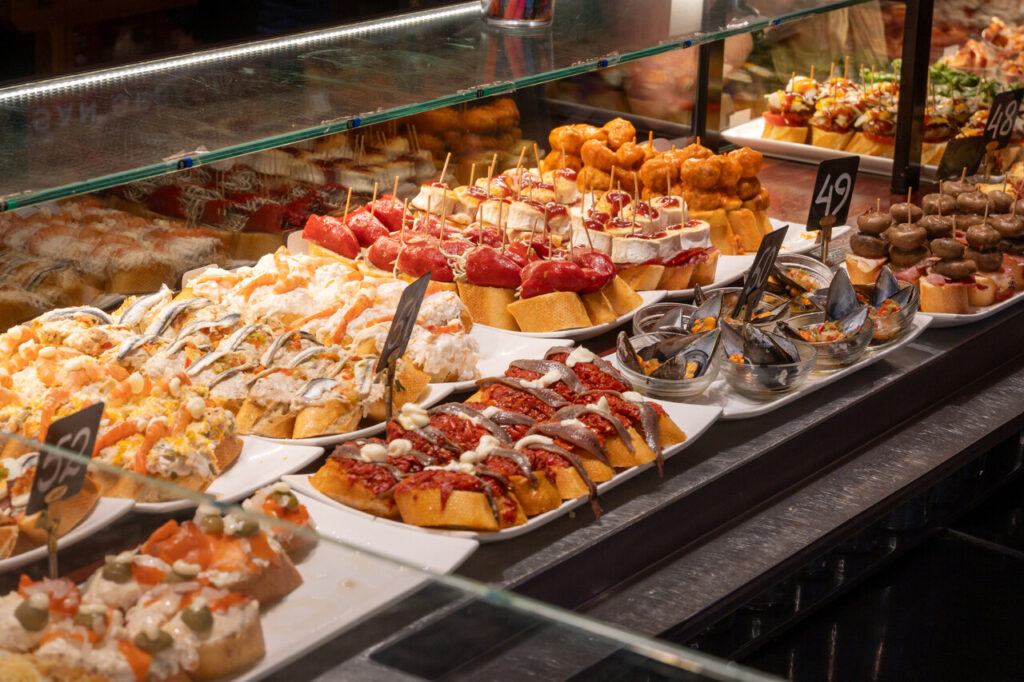
Buffets encourage abundance, but that freedom often leads to excess. Many guests serve themselves large portions with the intention of trying everything, only to leave significant amounts unfinished.
From an operational standpoint, food waste is one of the biggest challenges buffet restaurants face. Kitchens track leftovers closely, and excessive waste can affect both cost and sustainability efforts. Staff notice which tables consistently leave food behind.
Seasoned buffet-goers avoid this by treating the meal as a series of small tastings. They return for more of what they enjoy instead of committing to large portions upfront. This approach reduces waste and allows a more satisfying, intentional dining experience.
5. Hovering Around Fresh Trays
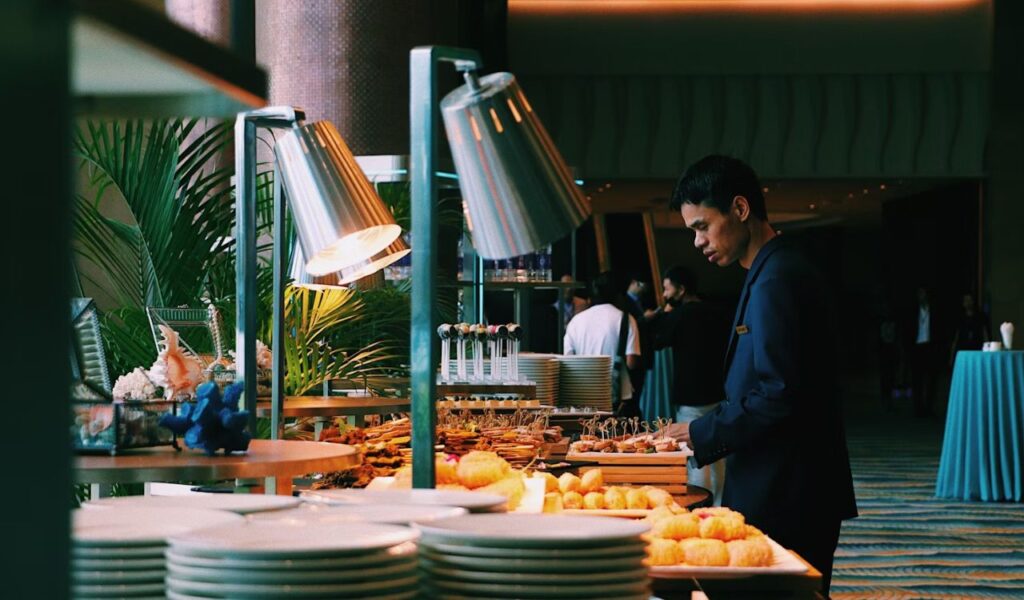
The moment a fresh tray is about to arrive, some guests gather nearby, waiting to be the first to serve themselves. While the intention is to get the hottest or freshest portion, it can create crowding and discomfort for others.
Staff are trained to manage flow around stations, and hovering can disrupt that balance. It may also delay service, as chefs need space to safely place and present new dishes. What seems like eagerness can come across as impatience.
Regular diners keep a respectful distance and time their approach calmly. Buffets are designed to keep food circulating, so there is rarely a need to rush. Allowing space ensures a smoother experience for everyone in the line.
6. Sneaking Food Into Bags
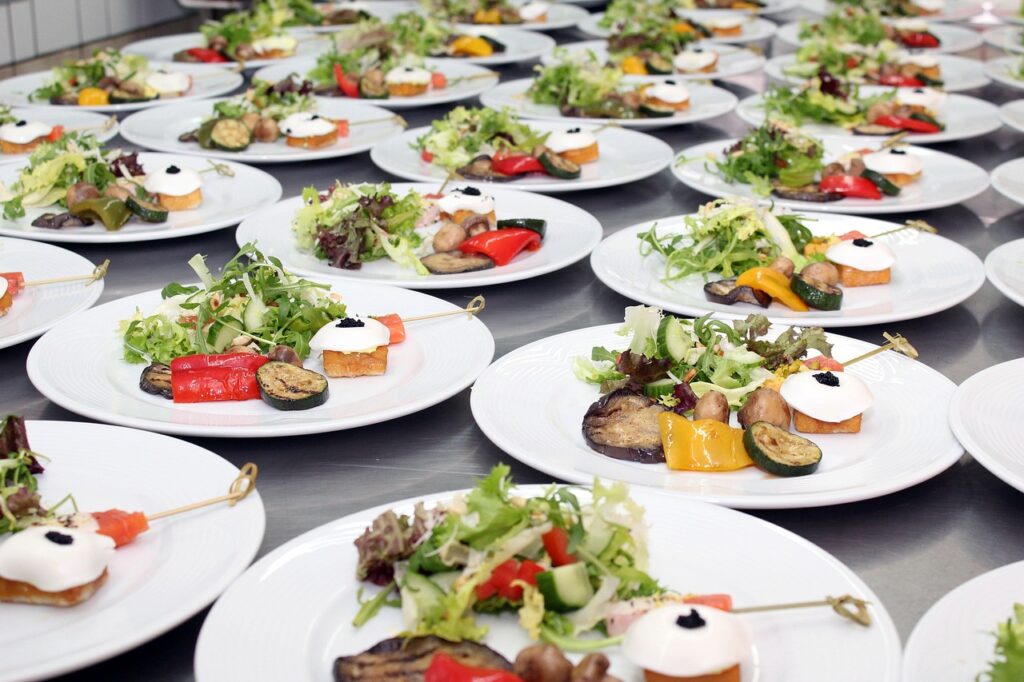
Buffets operate on an all-you-can-eat model meant for on-site dining. Taking food away in bags or containers goes against this structure and is often clearly stated in restaurant policies.
Staff are trained to watch for subtle signs, such as guests wrapping items in napkins or placing food into personal bags. Beyond policy violations, this behavior can also raise hygiene concerns, as food is not packaged for safe transport.
Regular patrons understand that the value of a buffet lies in the experience, not the takeaway. Respecting the rules helps maintain fairness and ensures that the system works smoothly for both guests and the restaurant.
7. Skipping Hand Hygiene
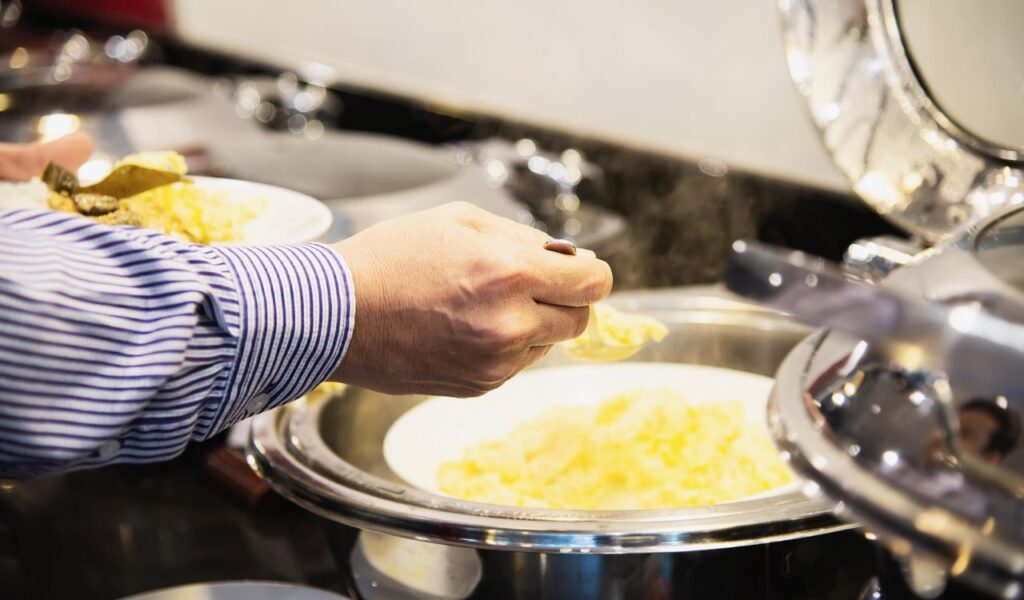
In a self-service setting, clean hands are essential. Guests move between shared utensils, plates, and surfaces, making hand hygiene a critical part of the dining process. Skipping it increases the risk of spreading germs.
Many buffets provide handwashing stations or sanitizers at the entrance for this reason. Staff observe whether guests use them, especially during busy hours when contact points increase. It is a basic but important step in food safety.
Regular diners make it a habit to clean their hands before serving themselves. This simple act protects not just the individual but everyone sharing the buffet. It reflects an awareness of how easily contamination can spread in communal spaces.
8. Cutting in Line
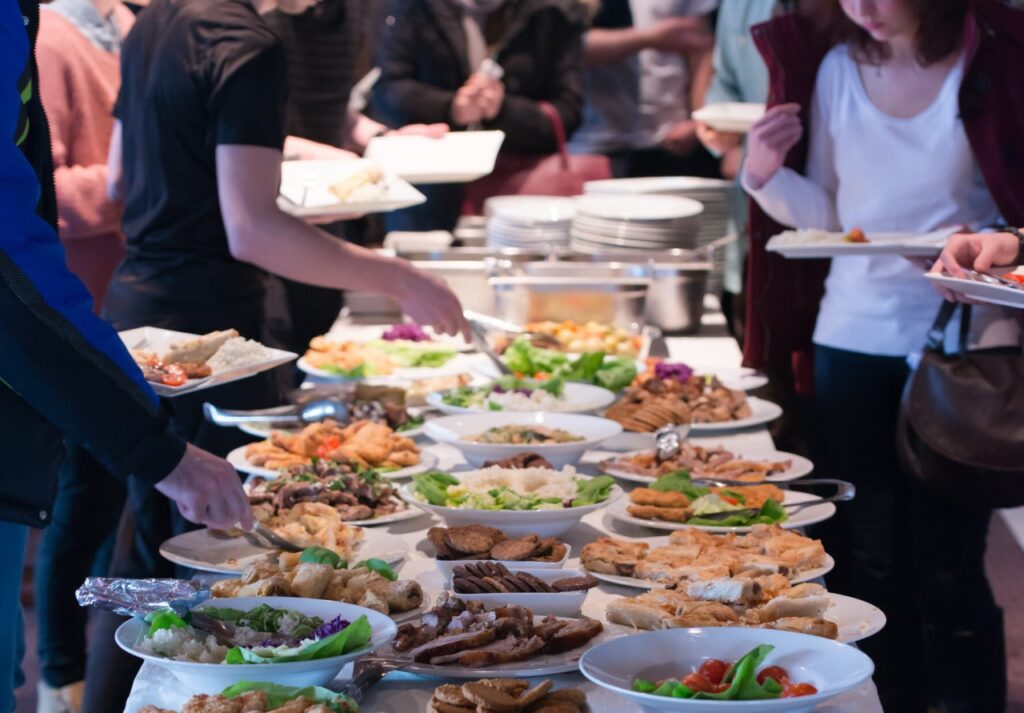
Even in a relaxed buffet setting, there is an unspoken order that keeps things moving smoothly. Cutting in line or reaching ahead of others disrupts that flow and can create tension among guests.
Staff notice these moments, especially during peak hours when lines are longer. While they may not always intervene directly, such behavior affects the overall atmosphere of the dining area. It stands out more than people expect.
Regular buffet-goers follow the natural sequence and wait their turn. This keeps the experience calm and predictable for everyone. Respecting the line ensures that each guest has equal access to freshly served dishes.
9. Letting Kids Serve Unsupervised
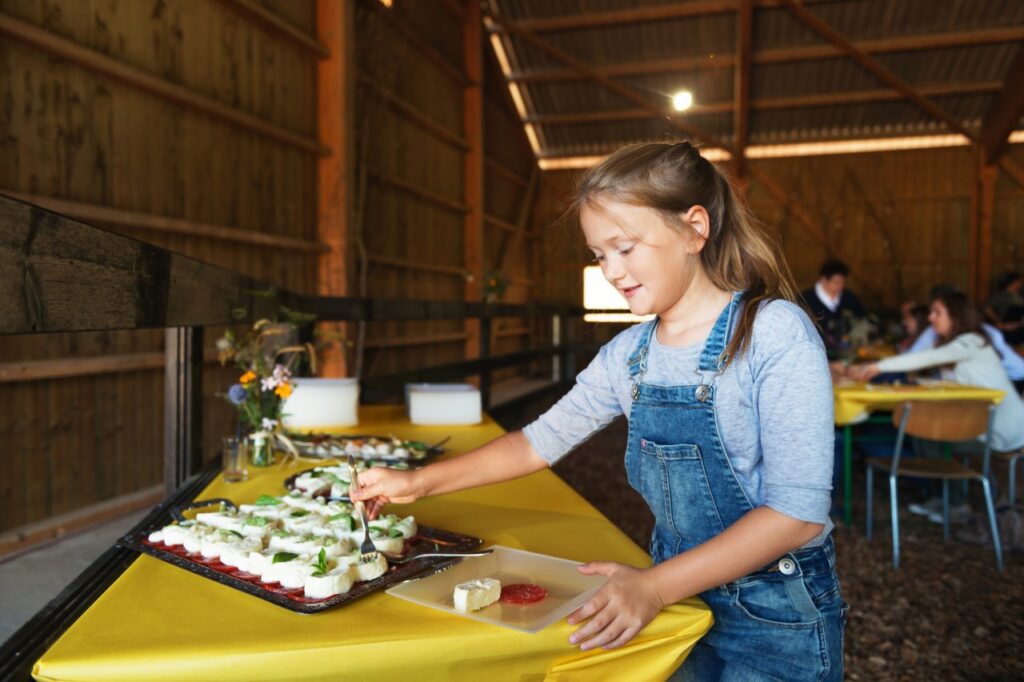
Buffets can be exciting for children, with a wide variety of colorful and appealing foods. However, without supervision, kids may struggle to handle serving utensils or understand hygiene expectations.
Staff often see spills, dropped utensils, or food being touched multiple times. This not only creates a mess but can also lead to contamination of shared dishes. In some cases, entire trays may need to be replaced.
Parents who guide their children through the buffet help maintain order and cleanliness. Teaching kids how to serve properly ensures a safer and more pleasant environment for everyone, while also helping them learn good dining habits early on.
10. Camping at the Table for Hours
Buffets are designed around a steady flow of guests, with seating expected to turn over at a reasonable pace. Staying long after finishing your meal can disrupt this balance, especially during busy periods.
Staff monitor table availability closely, and extended stays can lead to longer wait times for incoming guests. While there may not always be strict time limits, the impact on service is noticeable.
Regular diners are mindful of this rhythm. Once they have finished eating and had time to relax, they make space for others. This keeps the dining experience efficient and ensures that more people can enjoy the buffet without unnecessary delays.
11. Mixing Foods Messily
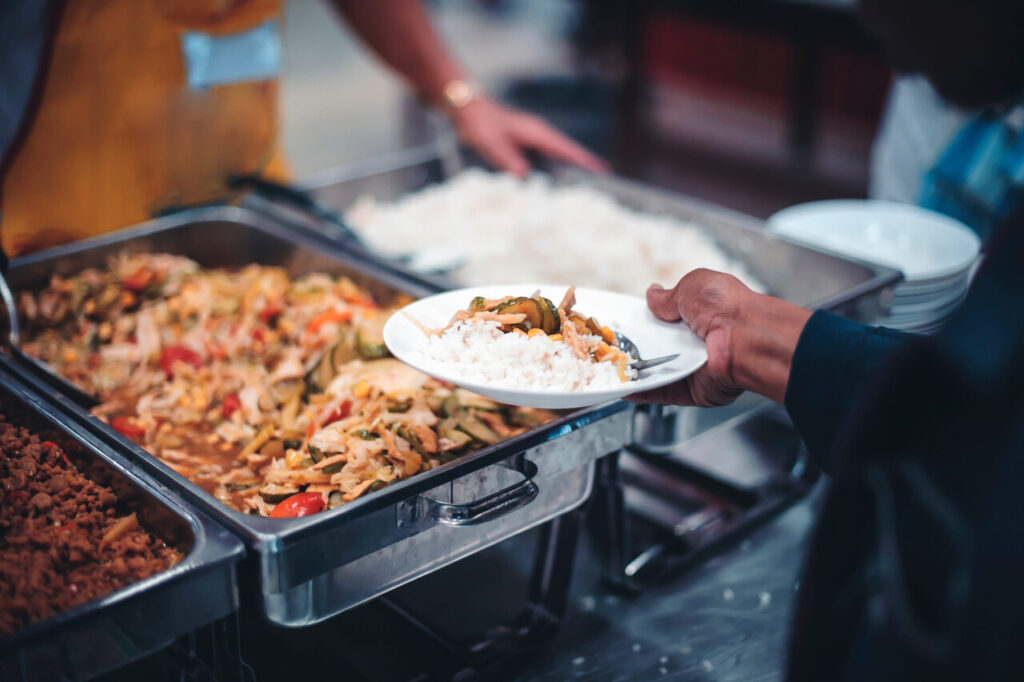
Buffets offer variety, but piling too many different dishes onto one plate can quickly turn into a cluttered mix. Flavors can clash, and sauces may spill over, creating both a messy plate and a messy serving area.
Staff frequently clean up spills and drips caused by overloaded or poorly balanced plates. This adds to their workload and can affect the presentation of the buffet for other guests. Cleanliness plays a big role in overall dining appeal.
Regular guests tend to keep combinations simple and manageable. By taking smaller portions and separating dishes, they preserve both flavor and presentation. This approach keeps the buffet area tidy and makes the meal more enjoyable from start to finish.