You’re Overpaying for These 9 “Premium” Grocery Items That Aren’t Worth It

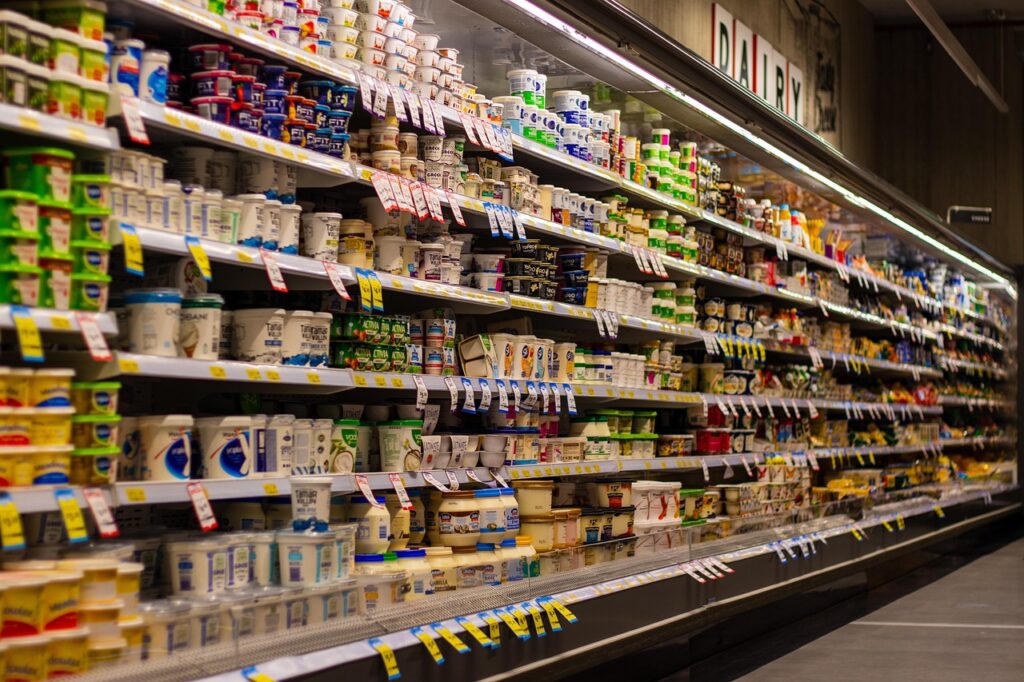
Grocery aisles are packed with products designed to look smarter, cleaner, and more luxurious than the basics sitting right beside them. In many cases, that premium price reflects packaging and marketing more than better nutrition, taste, or quality. This gallery breaks down nine common grocery splurges that often disappoint, along with what to buy instead if you want to save money without feeling like you settled.
Pre-cut fruits and vegetables

Convenience is real, but pre-cut produce is one of the easiest ways to pay far more for the same food. A container of chopped melon, sliced onions, or trimmed green beans can cost 2 to 4 times more per pound than whole produce, even though the only real difference is a few minutes of prep.
You also give up shelf life. Once produce is cut, it loses freshness faster and can spoil before you use it. If you want convenience without the steep markup, buy whole produce and prep it yourself, or choose frozen versions for items you cook often.
Bottled water with luxury branding

Fancy bottled water often sells an image more than a meaningful upgrade. Whether it comes in frosted glass, sleek aluminum, or a bottle stamped with words like artesian or vapor distilled, the water inside is rarely worth the major premium for everyday drinking.
In many areas, filtered tap water offers comparable quality at a tiny fraction of the cost. Independent testing and municipal water reports often show that local tap water is strictly monitored. If taste is your concern, a good home filter usually makes more financial sense than paying repeatedly for branding, packaging, and transport.
Single-serve coffee pods

Coffee pods are convenient, but they are among the most expensive ways to brew a daily cup. When you compare cost per ounce or per cup, pods usually come in far above ground coffee, even before you factor in the price of the machine itself.
The premium is mostly about portioning and packaging. Taste is not always better either, especially compared with freshly ground beans brewed in a drip machine or French press. For households that drink coffee regularly, switching to bagged beans or grounds can cut the cost sharply while giving you more control over strength and flavor.
Designer salt

Pink, black, smoked, flaky, hand-harvested, salt can become a surprisingly expensive grocery habit. While some specialty salts do offer texture or finishing appeal, many shoppers end up paying a big markup for trace mineral claims or origin stories that make little difference in everyday cooking.
For boiling pasta, seasoning soups, or baking, basic kosher salt or table salt usually does the job just as well. The flavor differences often disappear once the salt is dissolved into food. If you love a finishing salt, keep one small jar for the table and use an affordable staple for everything else.
Name-brand spices in tiny jars

Spices are one of the quietest places grocery budgets get drained. Those tiny branded jars can look polished and trustworthy, but ounce for ounce they are often dramatically more expensive than the same spices sold in bulk bins, refill bags, or international market packages.
There is another catch: spices lose potency over time. Paying top dollar for a small jar that sits in your cabinet for two years is not a smart premium. Buying only what you need from bulk sections or lower-cost refill packs often gives you fresher flavor and a better deal at the same time.
Organic snack foods

Organic labeling can matter more on fresh produce than on highly processed snack foods. An organic cookie, chip, or cracker may be made with ingredients grown under different standards, but it is still often a snack loaded with refined starches, added sugar, oils, and salt.
That means shoppers sometimes pay a noticeable premium for a product that is not meaningfully healthier, more filling, or better tasting. If organic choices fit your budget, that is fine. But if you are stretching grocery dollars, you will usually get more value by spending extra on staple ingredients rather than premium-packaged snacks.
Grass-fed butter for everyday cooking

Grass-fed butter has become a status ingredient in many kitchens, and some brands do offer a richer flavor. But when it is melted into scrambled eggs, used in baking, or stirred into sauces with other strong ingredients, the difference is often too subtle to justify the much higher price.
That does not mean it is never worth buying. If you are spreading butter on warm bread or finishing vegetables, you may notice it more. For routine cooking, though, a standard butter you already like is usually the smarter buy. Save the premium version for places where flavor can actually stand out.
Cold-pressed juice

Cold-pressed juice sounds cleaner and more nutritious than regular juice, and the branding often leans hard into that idea. But these bottles can cost as much as a simple lunch, even though they are usually just concentrated servings of fruit and vegetable liquids with very little fiber left.
Without the fiber of whole produce, juice is less filling and easier to overconsume. The premium processing method may preserve some qualities, but for most shoppers the value is weak. Eating whole fruit, blending smoothies at home, or buying basic juice occasionally tends to be far more cost-effective.
Truffle-flavored products

Truffle oil, truffle chips, truffle pasta sauce, the grocery store loves the word truffle because it signals luxury. The problem is that many of these products do not contain meaningful amounts of real truffle at all. They are often flavored mainly with aromatic compounds designed to imitate that earthy, expensive profile.
That is why the taste can feel overpowering, artificial, or one-note. You end up paying for prestige branding rather than a truly premium ingredient. If you enjoy truffle, it makes more sense to order a dish made with the real thing occasionally than to stock up on marked-up imitations.
Premium shredded cheese

Bagged shredded cheese often costs much more per pound than block cheese, and premium versions push that markup even higher with rustic labels, farm imagery, or specialty blend names. The convenience is obvious, but the product is not always better. Many shredded cheeses include anti-caking agents that can affect melt and texture.
Buying a block and shredding it yourself usually saves money and can improve cooking results, especially for sauces, casseroles, and pizza. If you need convenience, store-brand shredded cheese is often comparable. The premium bag is usually charging you more for branding than for better cheese.