
13 Synthetic Foods That Taste Uncomfortably Close to the Real Thing

Modern packaged foods often taste remarkably consistent because key additives manage flavor signals and texture in predictable ways. Some compounds recreate familiar aromas like vanilla or smoke, while others boost savory depth or deliver sweetness without much sugar. Stabilizers and emulsifiers keep sauces creamy, drinks uniform, and baked goods structured, so a product feels the same from the first bite to the last. Together, these ingredients do not exist to replace food, but to control how food tastes, looks, and feels across storage, shipping, and repeated production.
1. Vanillin
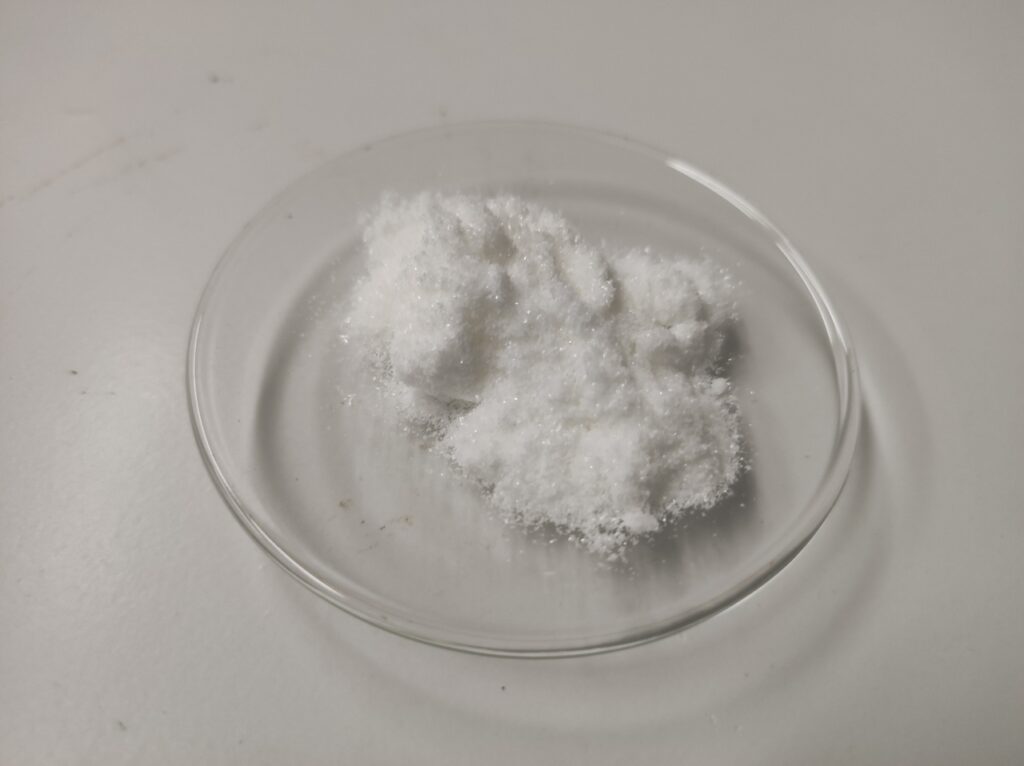
Vanillin matters because it delivers the recognizable aroma of vanilla at a scale that real vanilla beans cannot always support. The smell of vanilla is a major driver of perceived sweetness, even when sugar levels stay the same, which is why vanillin is used across baked goods, chocolates, and dairy-style desserts. Chemically, vanillin is the primary flavor compound associated with vanilla, so a small amount can recreate a familiar profile quickly and consistently. This consistency is important for large food production because natural vanilla varies by harvest, origin, and curing method. Vanillin helps manufacturers keep flavor stable from batch to batch.
2. Monosodium Glutamate
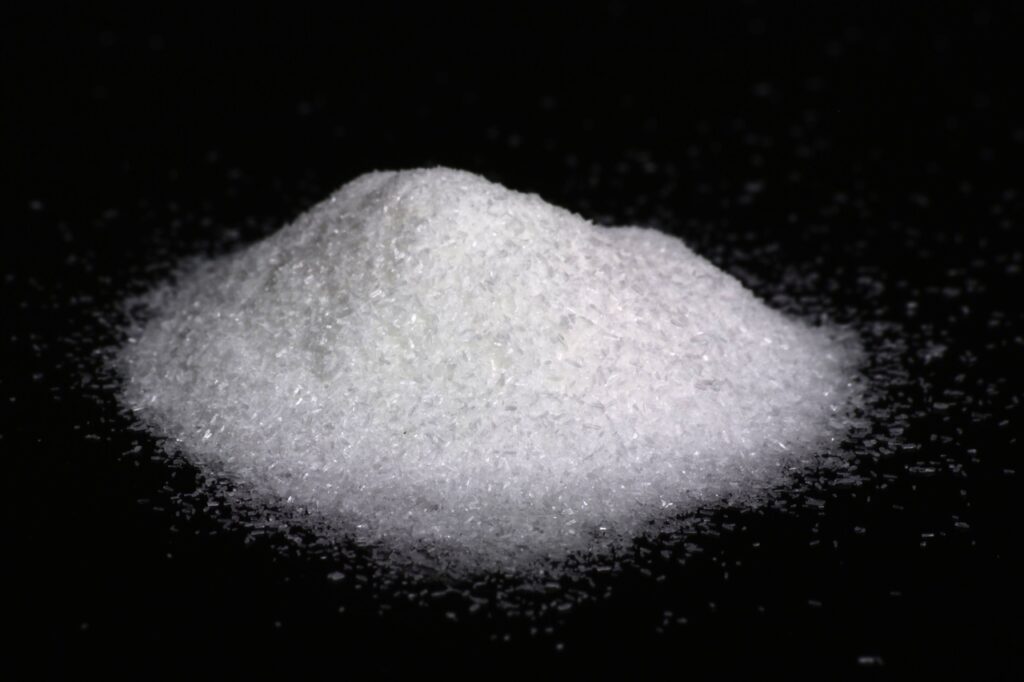
Monosodium glutamate works less like a flavor on its own and more like a volume knob for savory taste. It supplies glutamate, one of the key compounds responsible for umami, the deep savory sensation also found naturally in foods like tomatoes, aged cheese, mushrooms, and cured meats. When added in small amounts, it can make soups, sauces, and snack seasonings taste fuller and more balanced without adding extra salt. That effect comes from how glutamate interacts with taste receptors, enhancing the perception of savoriness and rounding sharp edges in a recipe. Used correctly, it does not make food taste strange.
3. Artificial Smoke Flavoring

Artificial smoke flavoring is essentially a shortcut to the taste signals associated with grilling, smoking, and fire cooking. Traditional smoking takes hours and requires controlled airflow, wood type, moisture, and temperature. Smoke flavoring delivers a similar profile much faster by using smoke-derived compounds that can be added directly to foods like sauces, chips, cured meats, and plant-based products. The smoky flavor is largely chemical in nature, built from compounds produced when wood burns. The key to quality is balance, since heavy dosing can taste harsh, but lighter use can create a realistic grilled impression.
4. Aspartame
Aspartame is used because it provides sweetness with very little quantity, allowing foods and drinks to taste sweet without the same sugar load. Sweetness is not just taste; it is part of the overall flavor structure in many products, so removing sugar entirely can make things taste thin or sour. Aspartame helps fill that sweetness gap. It is most common in diet beverages, sugar-free desserts, and reduced-sugar items where a clean sweet note is needed. One important attribute is that the sweetness intensity is high, which means only a small amount is required. That is practical for formulation and calorie reduction.
5. Sucralose
Sucralose is popular because it remains sweet under conditions that break down many other sweeteners. It is heat-stable, so it can be used in baked goods, sauces, and products that undergo processing without losing sweetness. That stability makes it especially useful for reduced-sugar foods where sweetness needs to survive manufacturing steps. Sucralose is also intensely sweet, meaning small amounts can deliver strong sweetness without adding bulk. This is why it appears in beverages, syrups, protein products, and packaged desserts. The main challenge is that high levels can produce a lingering sweet impression that some people notice as an aftertaste.
6. Acesulfame Potassium
Acesulfame potassium is a workhorse sweetener because it delivers quick sweetness and performs well in processed foods. It is often used in combination with other sweeteners rather than alone, because it can strengthen sweetness upfront and help create a more sugar-like taste profile across a sip or bite. It is also stable under heat and across a range of acidity, which matters in products like soft drinks, flavored waters, and baked items. That stability helps manufacturers maintain consistent sweetness during storage and production. Combination formulas can smooth out weaknesses like a sharp, sweet edge or a lingering note.
7. Sodium Nitrite
Sodium nitrite is used in cured meats because it serves multiple roles that directly affect what people think of as classic ham, bacon, or deli meat flavor. It helps control harmful microbial growth and also contributes to the familiar cured taste that distinguishes these foods from simply cooked pork. Another role is the appearance. Nitrite helps maintain the pink cured color that consumers associate with freshness and proper curing, rather than the gray-brown tone that cooked meat can develop. This combination of safety-related function and sensory impact is why it appears in curing processes.
8. Potassium Sorbate
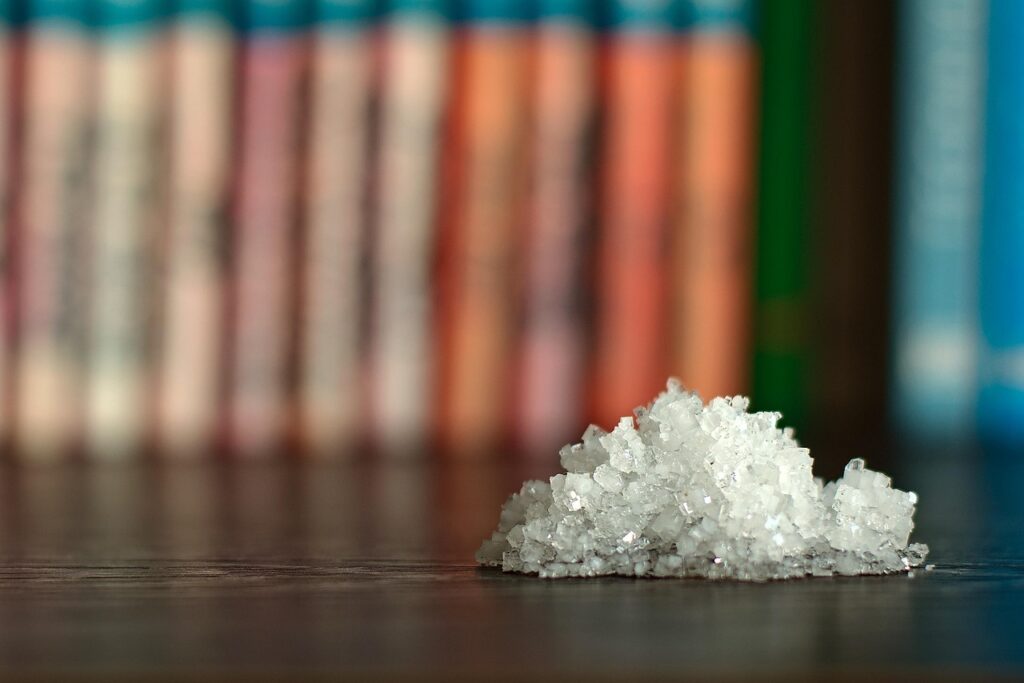
Potassium sorbate is used because spoilage often changes flavor before spoilage is obvious. When yeast and mold grow, foods can develop off tastes, odors, and surface changes that make them unpleasant or unsafe to eat. Potassium sorbate helps slow that growth, which keeps products tasting the way they are supposed to for longer. It is commonly used in items like cheeses, baked goods, sauces, and beverages where mold growth is a realistic risk during storage. It is meant to protect flavor by preventing spoilage-driven changes. That protective role matters in products that sit on shelves or in refrigerators for extended periods.
9. Sodium Benzoate
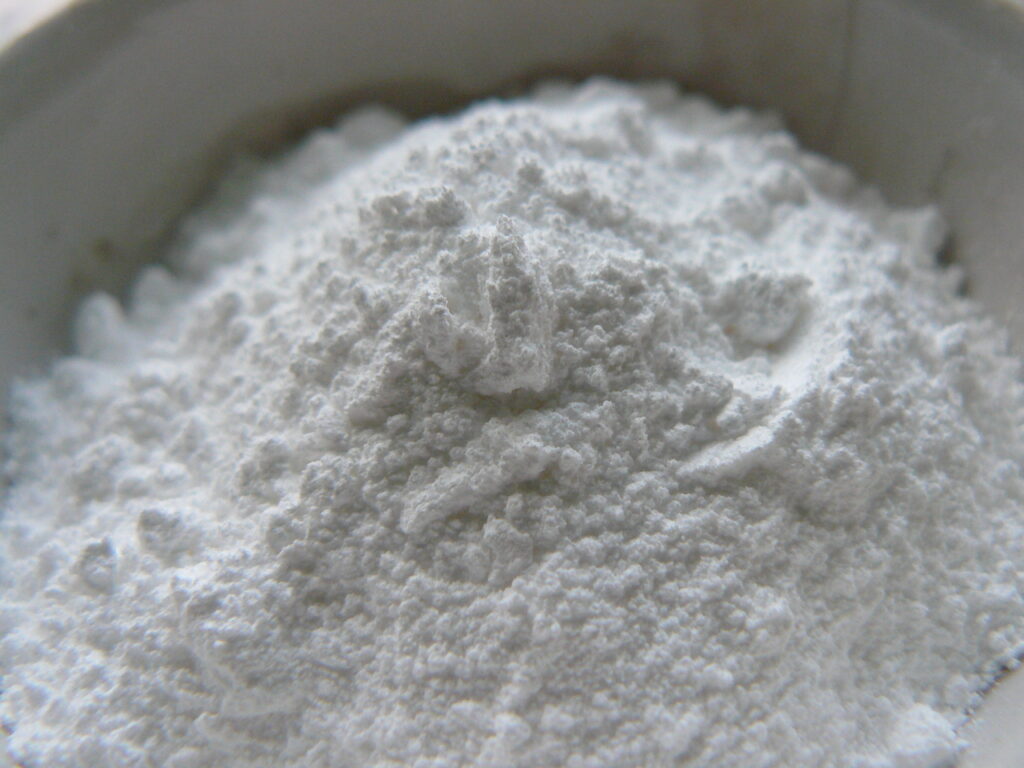
Sodium benzoate is a preservative used mainly in acidic foods and drinks, where it helps control yeast and certain bacteria that can cause spoilage. Acidic environments make it more effective, which is why it often appears in products like soft drinks, fruit-flavored beverages, salad dressings, and condiments. Spoilage in these items can show up as gas, cloudiness, sourness, or off aromas, all of which make a product unpleasant long before it looks visibly unsafe. Sodium benzoate helps keep flavor consistent throughout the product’s shelf life. Its purpose is not to improve taste directly, but to prevent taste from deteriorating.
10. Lecithin
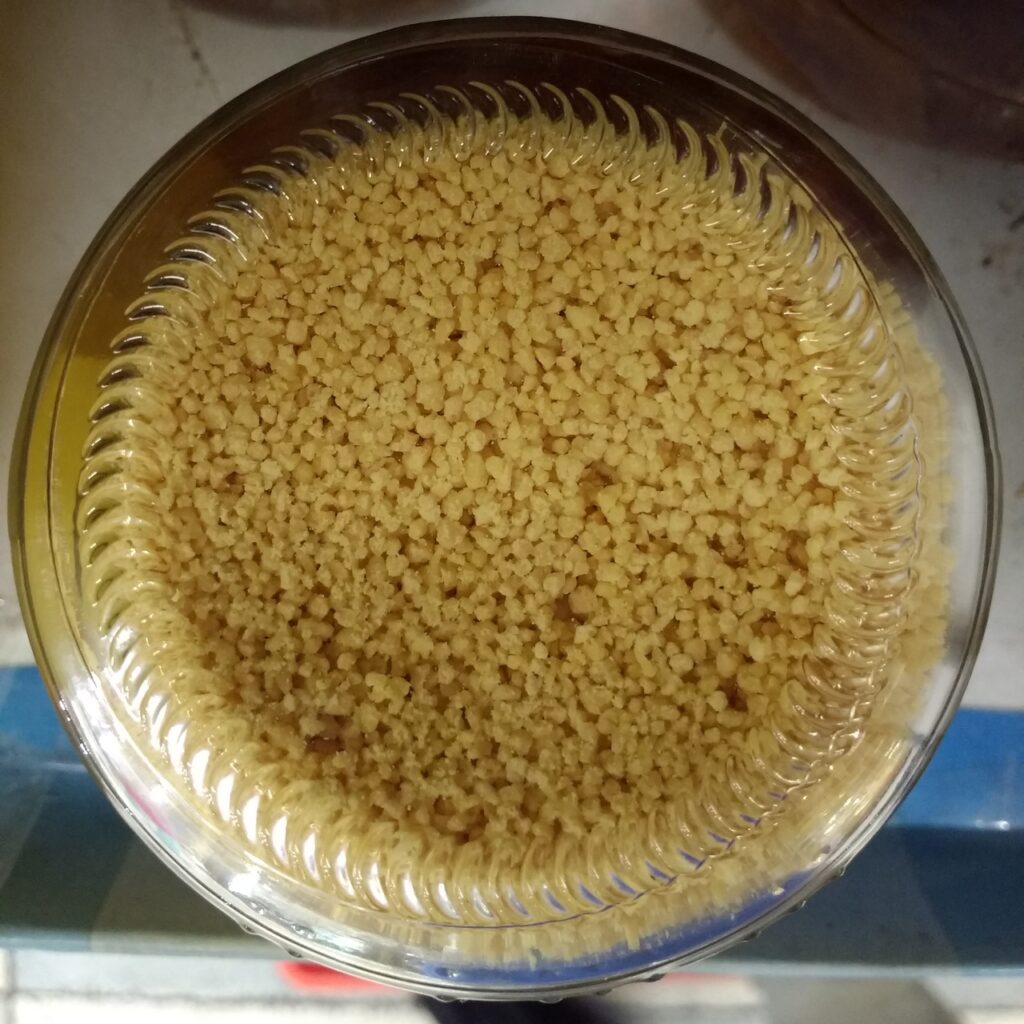
Lecithin is important because it solves a common food problem: oil and water do not want to stay mixed. Many foods rely on emulsions, mixtures where fat and water are forced to combine into a stable, creamy texture. Lecithin helps hold these emulsions together, preventing separation and keeping products smooth. It is commonly used in chocolate, baked goods, salad dressings, and spreads, where a consistent texture matters for appearance. Lecithin can reduce viscosity, making chocolate easier to work with and helping it melt more smoothly. Lecithin can also improve how flavors distribute, since many flavor compounds dissolve better in fat.
11. Carrageenan

Carrageenan is used to create a texture that feels creamy and stable, especially in dairy-style products where separation can occur. Many beverages and desserts contain a mix of water, fat, and proteins, and without stabilization, they can separate into layers or develop an unpleasant watery feel. Carrageenan helps manage that by thickening slightly and keeping particles suspended, which improves mouthfeel and consistency. This is why it appears in products like chocolate milk, plant-based milks, puddings, and some processed dairy items. Carrageenan supports that richer perception without needing extra fat.
12. Xanthan Gum
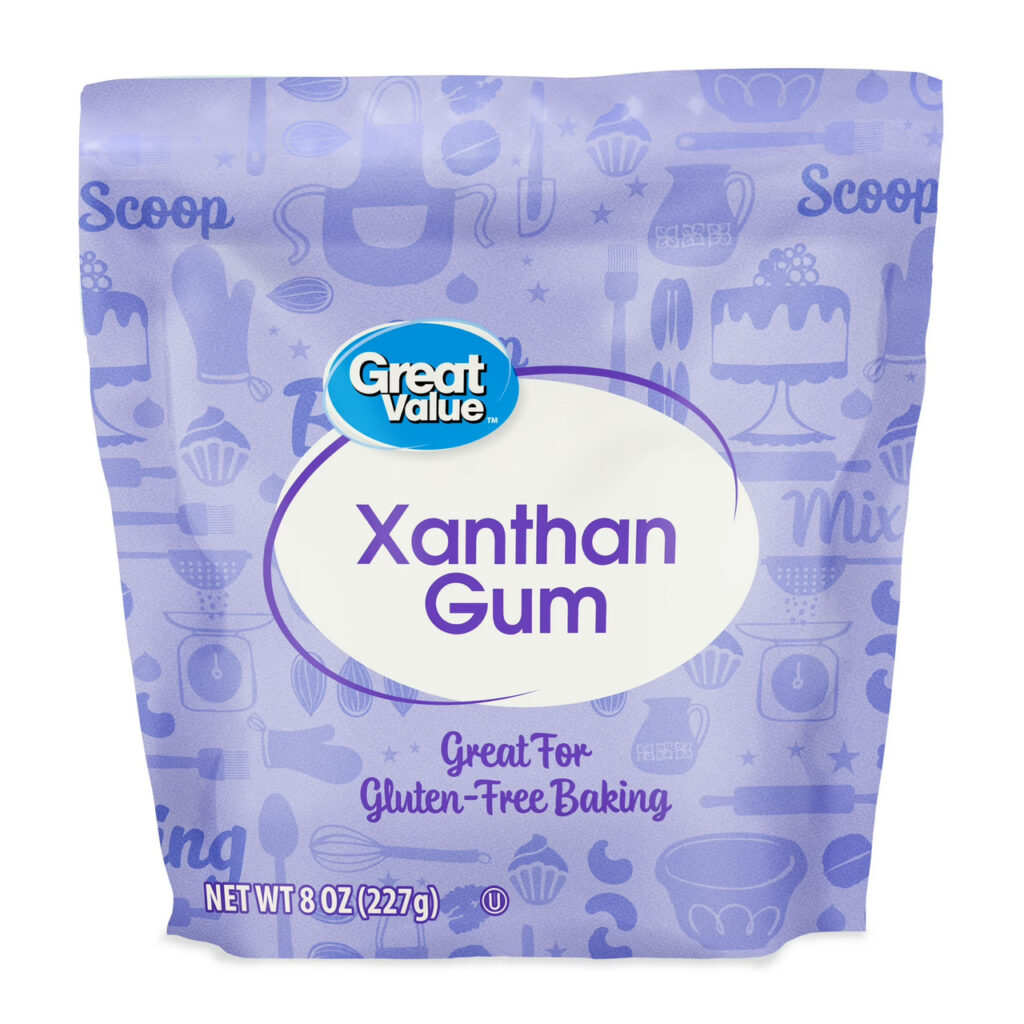
Xanthan gum is one of the most useful tools for creating thickness and stability with very small amounts. It is often used in sauces, dressings, gluten-free baking, and beverages where a smooth, consistent texture is needed. The main role is thickening, but it also helps prevent separation and improves how ingredients cling together. In salad dressings, for example, it can keep herbs and spices suspended and help oil and water stay mixed longer. In gluten-free baking, it can replace some of the structural gluten normally provided, improving elasticity and reducing crumbling. Xanthan gum also improves mouthfeel.
13. Artificial Food Colorings
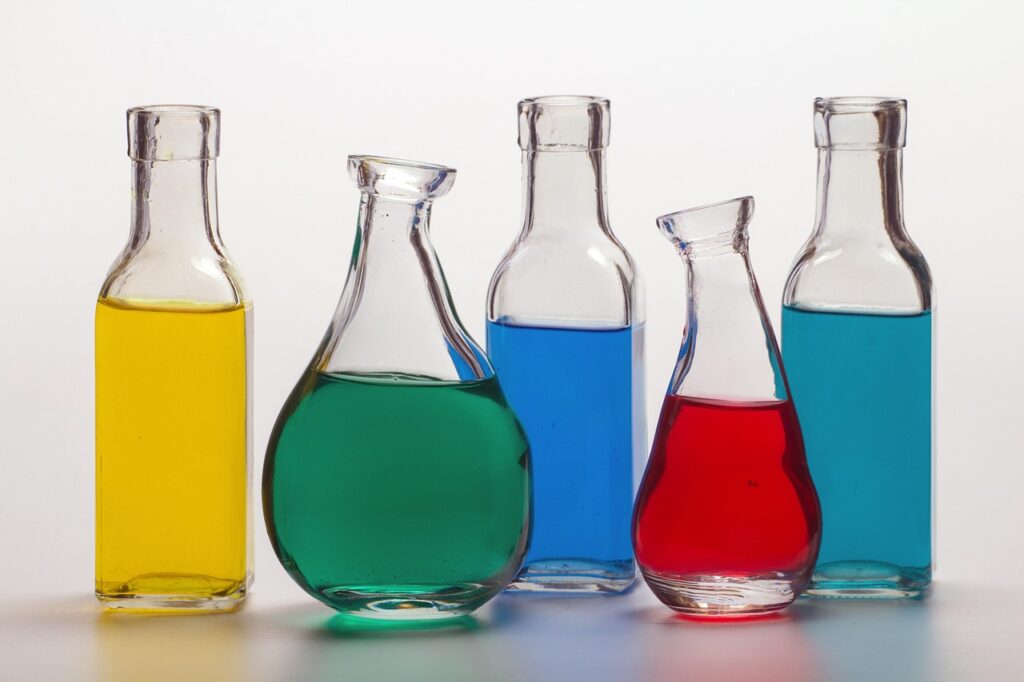
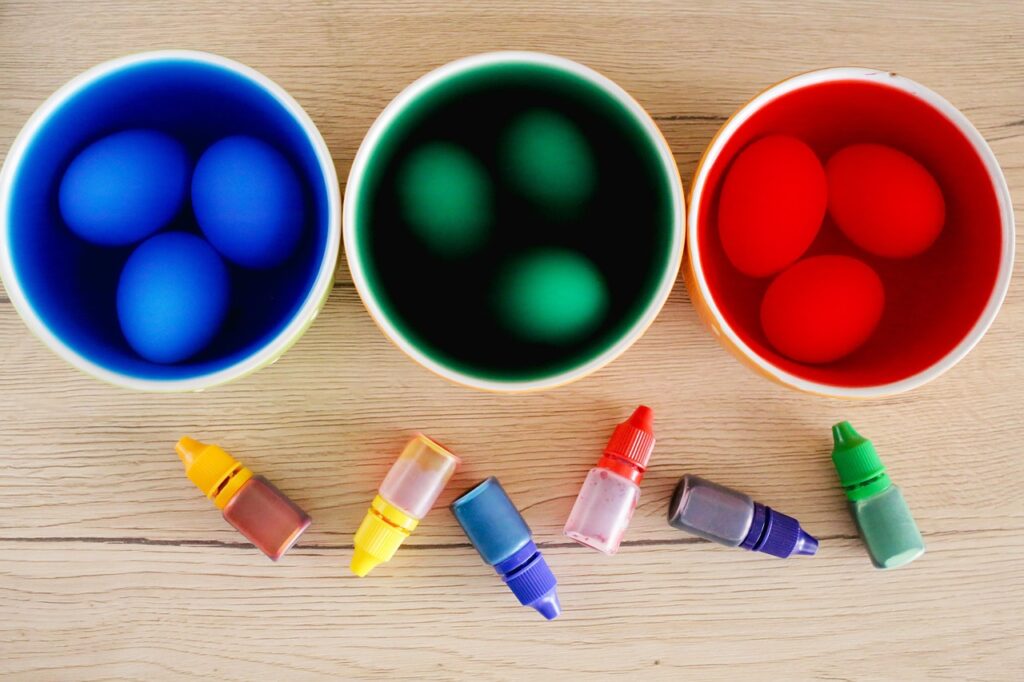
Color strongly influences what the brain expects to taste, which is why food colorings play a bigger role than many people realize. When a drink is bright red, sweetness and fruit flavor are anticipated before the first sip. When a snack is golden, it reads as toasted and savory. Manufacturers use colorings to keep products visually consistent across batches, especially when natural ingredients vary by season or processing. Color can also signal a specific flavor, like yellow for lemon or orange for mango, helping consumers identify what they are eating instantly. A sauce that looks dull may be judged as old even if it tastes fine.