The Real Reason Everyone’s Fibermaxxing in 2026

Fiber is suddenly everywhere. The trend sounds new, but the reason it caught fire in 2026 is rooted in older nutrition science finally colliding with modern eating habits.
Fiber stopped being a “digestion” topic
For years, fiber was framed as the thing that kept you regular. That was true, but far too narrow. By 2026, the public conversation changed because fiber is now being discussed as a metabolic health tool, not just a bathroom topic. That shift matters because people pay more attention when a nutrient is linked to energy, cravings, blood sugar, cholesterol, and long-term disease risk.
Major health institutions have been saying for decades that most adults do not get enough fiber. In the United States, guidance has generally landed around 22-34 grams per day, depending on age and sex, yet average intake has remained much lower. Public health researchers have often called fiber a “nutrient of concern” because the gap is so persistent. In other words, fiber did not suddenly become important in 2026. People finally started treating the deficit like a real problem.
Newer consumer awareness also came from glucose tracking, continuous metabolic monitoring, and a stronger focus on insulin resistance. As more people watched what happened after low-fiber meals, the effect became obvious. Meals built around refined grains and low-fiber snacks tended to digest quickly, spike blood sugar faster, and leave hunger returning sooner. That made fiber feel less abstract and much more visible in everyday life.
The ultra-processed food era exposed what was missing
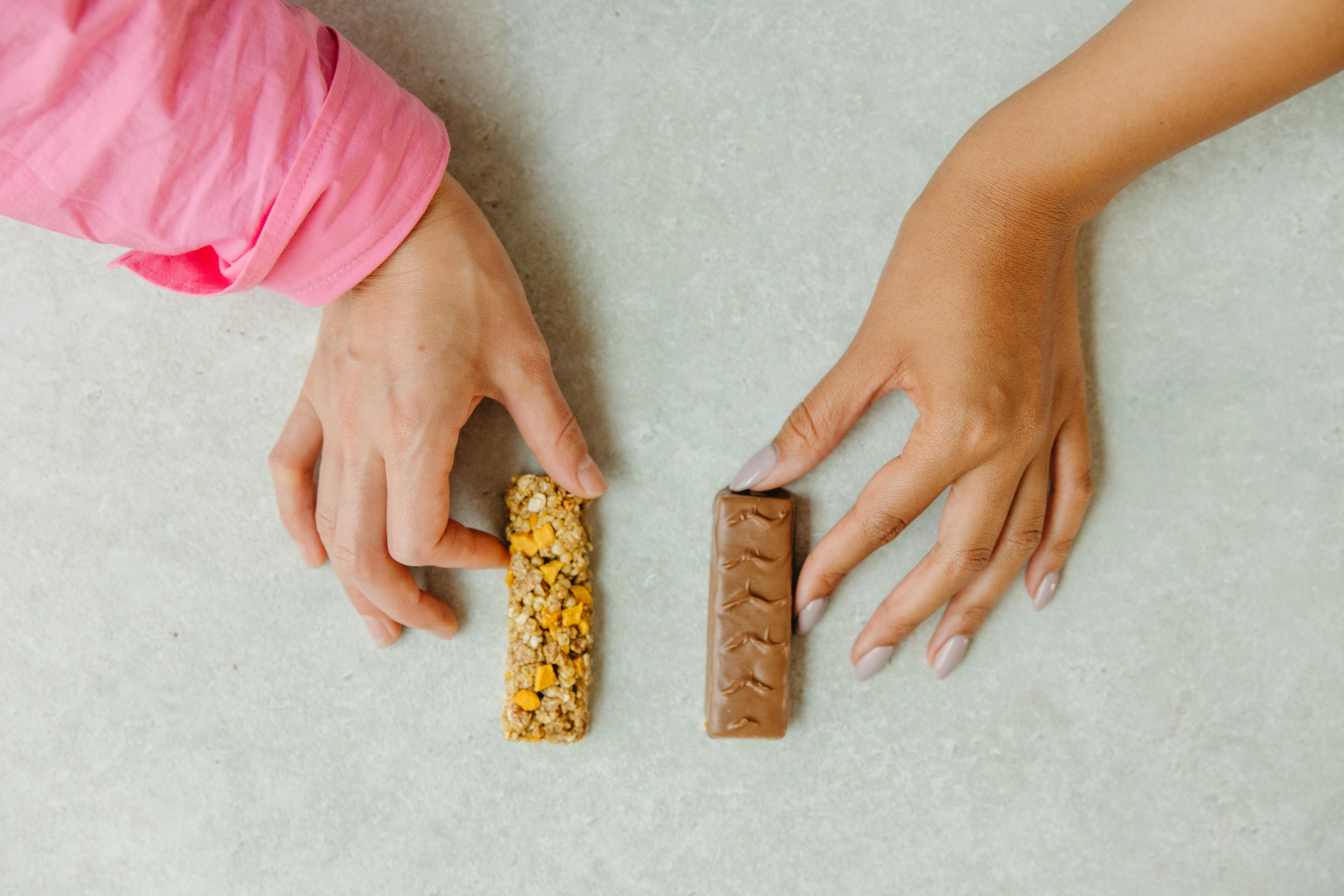
The real reason fibermaxxing gained traction is that modern diets made the absence of fiber impossible to ignore. Ultra-processed foods are often convenient, tasty, and shelf-stable, but many are stripped of the intact plant structures that naturally deliver fiber. Even when vitamins are added back, the physical matrix of whole grains, beans, vegetables, nuts, seeds, and fruit is harder to replace.
This became more obvious as diet researchers kept linking heavily ultra-processed eating patterns with poorer cardiometabolic outcomes. Not every packaged food is harmful, and not every whole food is automatically ideal, but the broad pattern has held up. Diets dominated by refined starches, sugary drinks, snack foods, and low-fiber convenience meals tend to displace the foods that feed beneficial gut microbes and help regulate appetite.
Consumers also got smarter about labels. A cereal with a few added isolated fibers may boost the gram count, but it does not always behave like a meal built from oats, berries, flax, and nuts. Experts in gastroenterology and nutrition have increasingly emphasized the difference between adding fiber to products and eating naturally fiber-rich foods in diverse forms. That distinction helped move fibermaxxing from gimmick to genuinely better food choices.
Gut health gave fiber a new kind of cultural power
If digestion opened the door, the microbiome kicked it wide open. By 2026, gut health had become one of the few wellness topics that crossed over from science reporting into mainstream conversation without losing all credibility. Fiber benefited from that shift because many of the most studied gut microbes rely on fermentable fibers as fuel. When those microbes break fiber down, they produce compounds such as short-chain fatty acids that support colon health and influence inflammation and metabolism.
This area is complex, and scientists still caution against oversimplifying the microbiome. There is no single perfect gut profile, and many products overpromise. Still, one point is consistently supported: diets rich in varied plant foods tend to support a more resilient microbial environment than diets low in fiber and high in refined, rapidly absorbed foods. That message is easy to understand and hard to market around.
Case studies from dietitians have reinforced the point in practical terms. People who increase fiber gradually from beans, lentils, vegetables, fruit, whole grains, chia, or psyllium often report not just better bowel habits but steadier fullness and less chaotic eating. The lesson that stuck in 2026 was simple: your gut does not merely react to food, it is partly shaped by what you repeatedly fail to feed.
Weight management and blood sugar made the trend mainstream

Trends become mass trends when they solve a problem people feel every day. For most adults, that problem is not abstract longevity. It is afternoon hunger, late-night snacking, stubborn weight gain, and feeling tired after meals. Fiber entered the mainstream because it addresses all four at once. Foods high in fiber generally require more chewing, slow gastric emptying, and increase satiety, which can make eating patterns easier to regulate without relying on constant willpower.
Clinical research has repeatedly shown that higher fiber intake is associated with better body weight outcomes and improved markers of cardiovascular and metabolic health. Soluble fibers in particular can help lower LDL cholesterol, while viscous fibers can reduce the speed at which glucose enters the bloodstream. That is one reason oats, barley, legumes, and psyllium keep appearing in evidence-based nutrition advice. They are not trendy because they are exotic. They are trendy because they work.
The rise of GLP-1 medications also played an indirect role. As more people focused on appetite regulation and blood sugar control, fiber started to look like a foundational habit rather than an old-fashioned one. Physicians and dietitians increasingly emphasized that medication or not, a low-fiber diet makes it harder to maintain fullness, support gut function, and protect muscle-preserving meal quality over time.
The smartest version of fibermaxxing is not extreme
The healthiest takeaway from the 2026 fiber boom is not to chase the highest number possible. It is to close a long-standing gap safely and consistently. Going from 10 grams a day to 35 overnight can cause bloating, cramping, and a quick loss of enthusiasm. Experts usually advise increasing fiber gradually, drinking enough fluid, and spreading intake across the day rather than treating it like a supplement challenge.
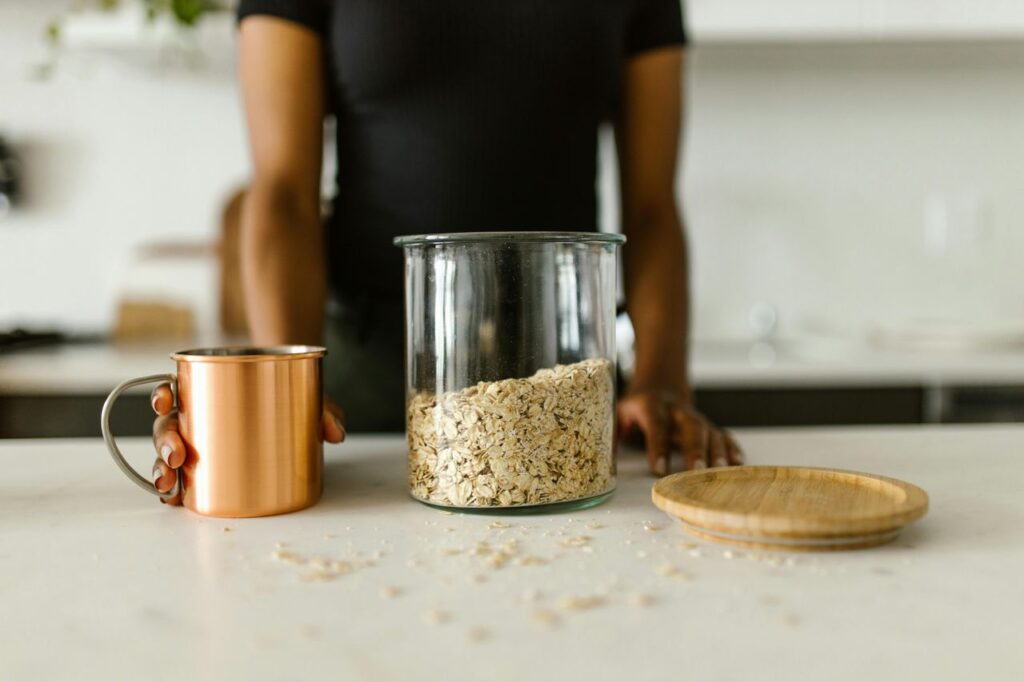
A practical day might include oats or high-fiber cereal at breakfast, beans or lentils at lunch, fruit and nuts for snacks, and vegetables plus a whole grain at dinner. Seeds such as chia or ground flax can help, and psyllium can be useful when food intake falls short. But the strongest evidence still favors a variety of minimally processed plant foods because different fibers do different jobs. Diversity, not just volume, is what strengthens the diet.
That is the real reason everyone is fibermaxxing in 2026. People are not suddenly obsessed with bran for no reason. They are responding to a clearer understanding that low fiber has been one of the most overlooked weaknesses of the modern diet, and fixing it improves far more than digestion.