10 Meal Kits That Market Convenience but Feel Surprisingly Inconvenient

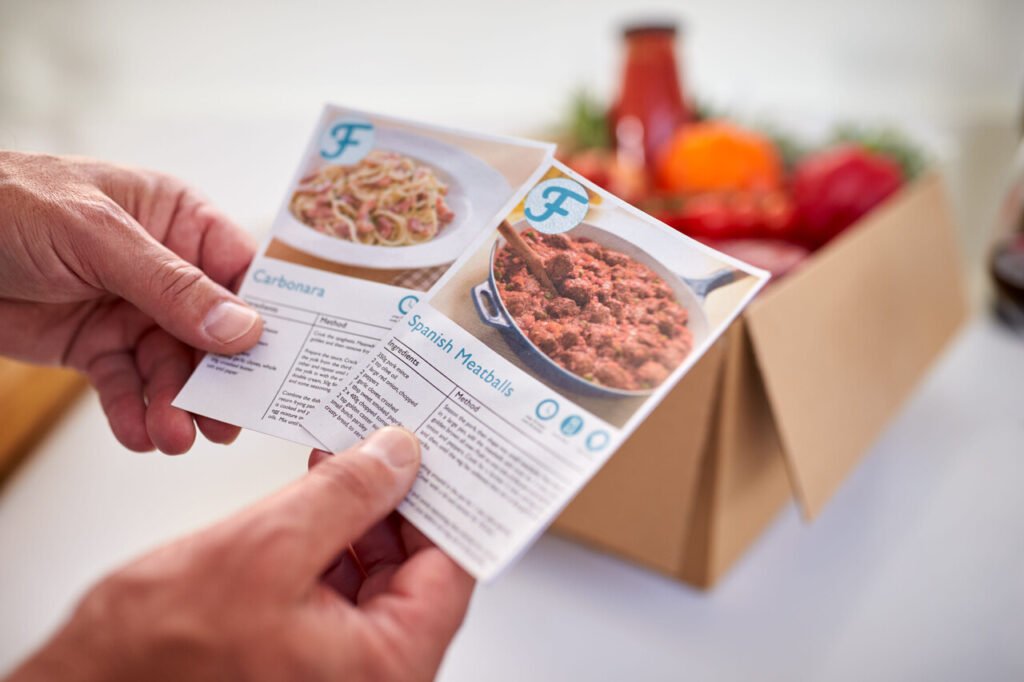
Meal kits built their popularity on one promise: dinner without the hassle. The idea sounds simple. A box arrives at your door filled with pre-portioned ingredients and a recipe card that turns cooking into a quick, stress-free task. For busy households, that combination of convenience and variety can feel like the perfect solution to weeknight meal planning.
But once the box is opened, many customers discover that convenience can mean different things. While meal kits remove the need to grocery shop, they often still require chopping vegetables, preparing sauces, juggling multiple pans, and cleaning up piles of packaging afterward. What looks like a shortcut can sometimes feel closer to cooking a full recipe from scratch.
1. HelloFresh Promises Simplicity but Still Requires Plenty of Prep
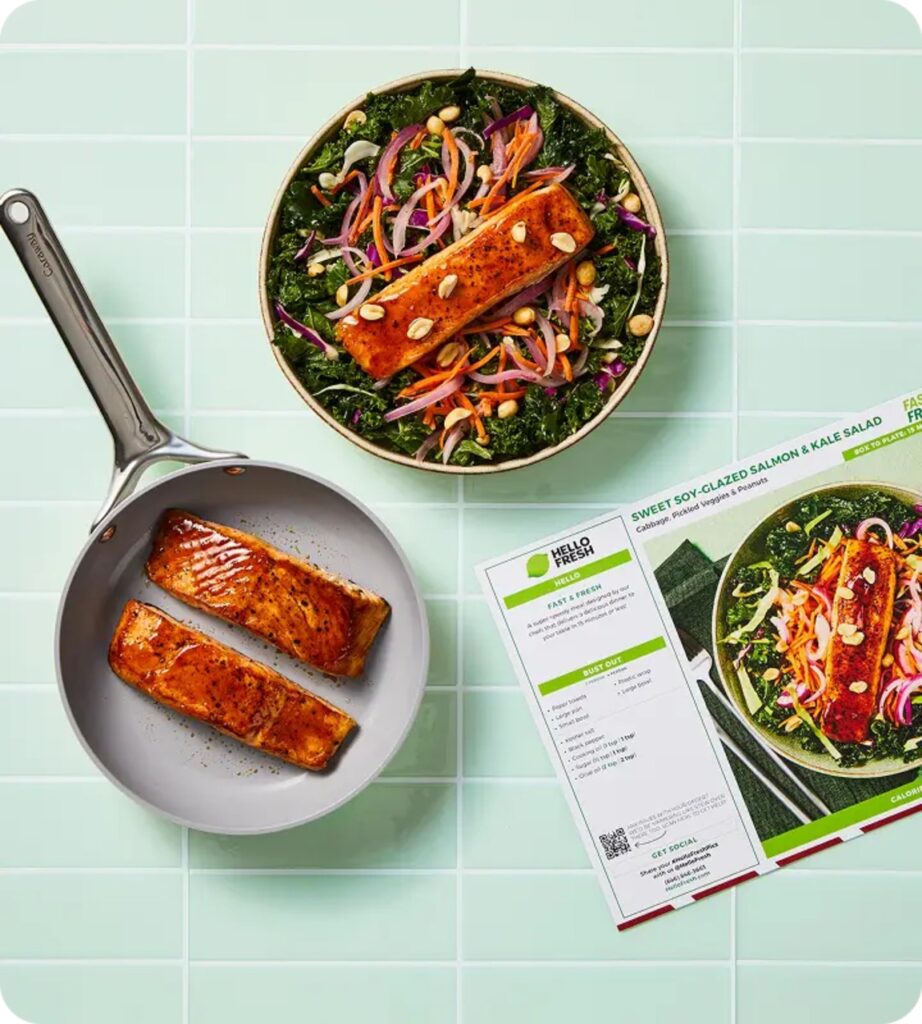
HelloFresh markets itself as a solution for busy people who want dinner without the planning. Ingredients arrive pre-portioned, and recipes are clearly printed, which removes the need for grocery shopping. At first glance, that seems like the definition of convenience. Many customers sign up expecting a nearly effortless cooking experience that fits easily into a weeknight routine.
The reality often feels different once the box is opened. Most recipes still require chopping vegetables, measuring sauces, and cooking multiple components at the same time. A meal that claims to take 30 minutes can stretch longer for less experienced cooks, especially when juggling pans, sauces, and timing. The convenience comes from having ingredients delivered, not from reducing the actual cooking workload.
Another frustration comes from subscription management and packaging. Weekly deliveries must be skipped or adjusted on schedule, which requires regular attention. The box also includes insulated liners, ice packs, and numerous small packages. While the ingredients may be convenient, the preparation and cleanup can make the overall process feel more involved than many customers expected.
2. Blue Apron Delivers Culinary Ambition That Can Feel Overcomplicated
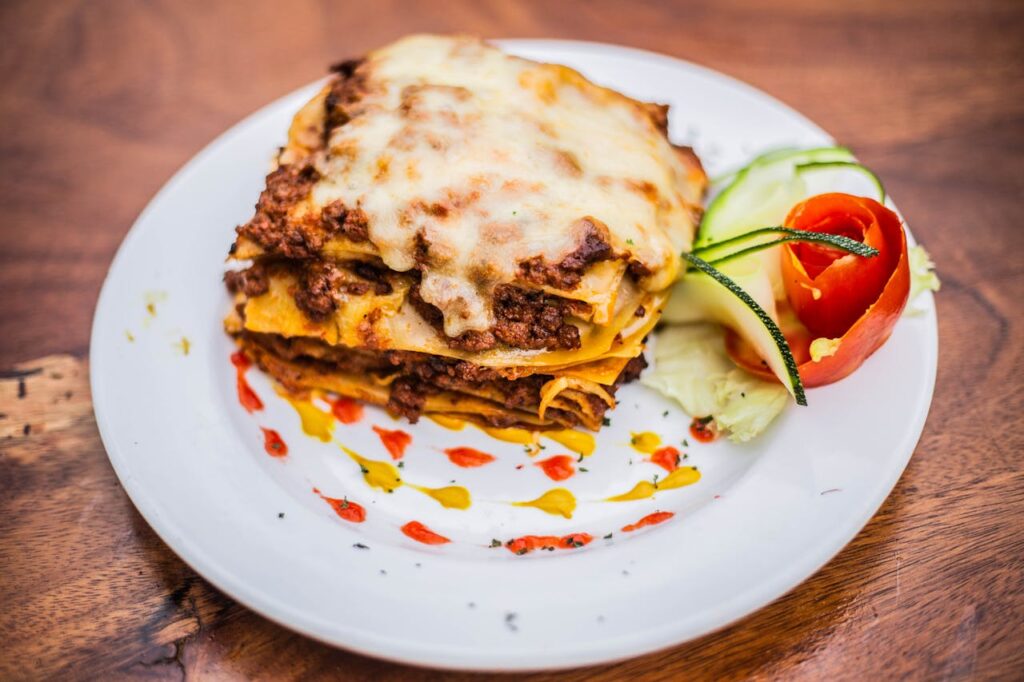
Blue Apron helped popularize the meal kit concept by bringing restaurant-style recipes into home kitchens. The company focuses on flavorful sauces, specialty ingredients, and techniques that promise to elevate everyday cooking. For food enthusiasts, this approach can feel exciting and educational.
However, the same culinary ambition that attracts customers can also create inconvenience. Many recipes involve several cooking steps that require careful timing and attention. Preparing sauces, roasting vegetables, and cooking proteins simultaneously can stretch beyond the advertised time estimates. Instead of simplifying dinner, the kit can feel like a miniature cooking project.
For busy households, that extra complexity becomes a challenge. After a long workday, some customers expect a quick path to dinner rather than a multi-step recipe. While the ingredients arrive ready to cook, the level of effort required often feels closer to preparing a traditional recipe than assembling a convenient meal kit.
3. Home Chef Offers Flexibility but Still Requires Real Kitchen Work

Home Chef is known for offering a wide range of meal choices, from quick dishes to more elaborate recipes. Customers can choose between oven-ready meals, grill-ready options, and classic meal kits. This flexibility appeals to households with varying cooking preferences.
Despite that variety, many of the core recipes still involve significant preparation. Vegetables often need chopping, sauces must be mixed, and several pans may be required to complete the meal. For people who expected a simplified dinner process, these steps can feel surprisingly time-consuming.
Equipment requirements also contribute to the inconvenience. Some recipes require baking dishes, skillets, or additional utensils that not every kitchen has readily available. While the ingredients are delivered to your door, the cooking process still resembles traditional meal preparation more than a quick assembly meal.
4. Green Chef’s Specialty Ingredients Can Add Extra Effort

Green Chef positions itself as a premium meal kit focused on organic and specialty diets. The service offers recipes designed for keto, vegan, gluten-free, and other health-focused lifestyles. For customers seeking specific dietary options, this focus can be a major advantage.
The downside appears when those specialty ingredients require unfamiliar preparation steps. Many recipes include sauces, spice blends, or produce that require extra attention during cooking. While the instructions are detailed, the overall process can feel more demanding than expected for a service marketed as convenient.
Cost also adds another layer to the experience. Because of its organic focus, Green Chef tends to be more expensive than other meal kits. When a higher price is paired with longer cooking times, some customers feel that the promised convenience does not fully match the effort required in the kitchen.
5. Sunbasket’s Healthy Focus Still Requires Significant Cooking Time

Sunbasket promotes fresh, organic ingredients and chef-developed recipes designed around health and nutrition. Many dishes feature seasonal vegetables, lean proteins, and globally inspired flavors. For people seeking healthier meals at home, the service offers an appealing starting point.
Yet the cooking process still demands time and attention. Even with pre-portioned ingredients, recipes frequently involve sautéing, roasting, and assembling multiple components. A meal that seems straightforward in the recipe card may require several preparation stages before it reaches the table.
Another commonly mentioned inconvenience involves packaging cleanup. Each ingredient often arrives wrapped separately to maintain freshness and portion control. While this helps with organization, it can leave cooks with a noticeable pile of packaging once dinner is finished. The cooking experience ends with extra sorting and disposal tasks.
6. Dinnerly Keeps Costs Low, but Organization Can Be Frustrating
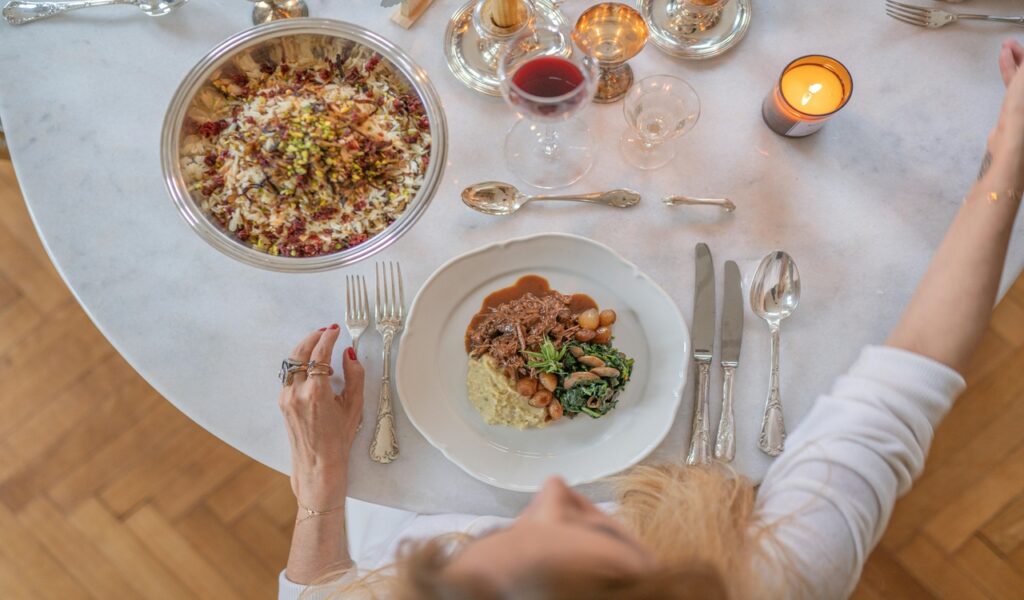
Dinnerly positions itself as a budget-friendly meal kit that strips away extras to keep prices lower. Recipes are simpler, and customers access instructions digitally rather than receiving printed cards. For price-conscious households, this approach offers an appealing entry into meal kits.
However, the simplified model can create its own inconveniences. Ingredients sometimes arrive grouped without a clear separation for each recipe. That means customers must sort through the box to organize what belongs to each meal before cooking begins.
Relying on digital recipe cards can also interrupt the flow of cooking. Instead of glancing at a printed card on the counter, users must keep a phone or tablet nearby. Switching between steps while handling ingredients can feel less convenient than expected, especially when the goal is a quick and easy dinner.
7. Gobble Speeds Up Prep but Still Requires Cooking Attention

Gobble promotes a promise of fast meal preparation by pre-chopping many ingredients before delivery. Vegetables often arrive diced, and sauces are prepared in advance. The idea is to shorten cooking time and help customers get dinner ready in about fifteen minutes.
Even with these shortcuts, the meals still require active cooking. Proteins must be seared, sauces heated, and ingredients combined in the correct order. For some households, that still feels like more work than anticipated when signing up for a service designed around speed.
Menu limitations can also reduce the sense of convenience. Because Gobble focuses on faster meals, the weekly selection tends to be smaller than that of competitors. Customers who want greater variety may find themselves repeating similar dishes or supplementing with grocery store ingredients.
8. Purple Carrot Introduces Creative Vegan Cooking That Takes Effort

Purple Carrot specializes in plant-based meal kits designed to make vegan cooking approachable. The recipes often highlight creative combinations of vegetables, grains, and sauces that appeal to people exploring plant-based diets. Many customers enjoy discovering new ingredients through the service.
Yet plant-based cooking can involve more preparation than expected. Vegetables frequently need chopping, grains require cooking, and sauces must be blended or mixed. While these steps contribute to flavor, they also extend preparation time beyond what some customers expect from a convenient dinner solution.
For cooks unfamiliar with vegan techniques, the learning curve can add more effort. Following instructions carefully becomes essential to achieve the intended results. The meals can be rewarding, but they often demand more focus and time than the word convenience might suggest.
9. Marley Spoon Brings Celebrity Recipes That Require Real Cooking

Marley Spoon, often associated with chef Martha Stewart’s recipes, offers dishes designed to bring restaurant-style meals into the home kitchen. The recipes emphasize balanced flavors and classic cooking techniques. For many subscribers, the appeal lies in trying dishes that feel polished and thoughtfully designed.
Those detailed recipes also introduce additional steps. Preparing sauces, garnishes, and sides can stretch cooking time well beyond the expectation of a quick meal kit dinner. While the instructions are clear, the level of involvement feels closer to traditional home cooking than simple meal assembly.
The complexity can make weeknight cooking feel rushed. Customers who expected minimal preparation may find themselves multitasking between several pans and ingredients. The final meal can be satisfying, but the process may not match the convenience promised by the subscription model.
10. EveryPlate Keeps Meals Simple but Still Requires Full Preparation
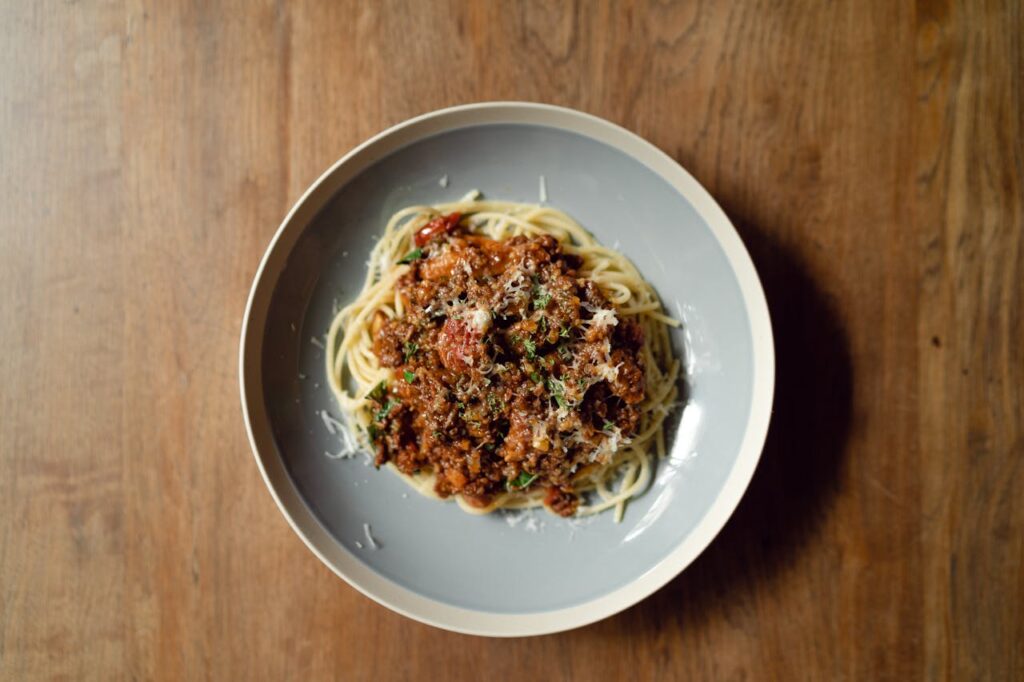
EveryPlate focuses on affordability and simplicity, offering basic recipes designed to feed families without a high price tag. The ingredient lists are shorter, and the cooking methods are straightforward. For households seeking an entry-level meal kit, the service provides a practical starting point.
Despite its simplicity, the cooking process remains largely unchanged from traditional recipes. Vegetables must be chopped, proteins cooked from scratch, and sauces assembled during preparation. The ingredients arrive measured, but the actual work still falls to the home cook.
Some customers appreciate this balance between affordability and involvement. Others expected a more streamlined process and are surprised by how much hands-on cooking remains. The meal kit removes grocery shopping but does not eliminate the time and effort required to turn ingredients into dinner.