11 Discontinued Fast Food Items That Should Stay Gone Forever

Fast food fans often call for discontinued favorites to return, but not every retired menu item deserves a second chance. Many vanished dishes failed because they confused customers, sacrificed flavor, or simply did not fit the brand experience diners expected. From gimmicky hybrids to oversized indulgences, some experiments missed the mark entirely. Looking back at these menu missteps shows how chains learned that novelty alone cannot replace satisfying, familiar fast food classics that customers actually crave.
1. Arch Deluxe
McDonald’s introduced the Arch Deluxe in the 1990s as a burger aimed at adults, hoping to move beyond its family-friendly image. The sandwich featured a more complex sauce and seasoning, supported by a massive advertising campaign positioning it as a sophisticated fast food option.
However, customers visiting McDonald’s usually sought familiar, affordable comfort food rather than an upscale burger experience. The higher price and unfamiliar flavor profile confused diners.
Sales quickly fell short of expectations, proving that branding alone cannot change customer habits. The Arch Deluxe became one of the company’s most famous failures, reminding chains that customers value familiarity over attempts at forced sophistication.
2. McLean Deluxe
The McLean Deluxe arrived as part of a health-focused shift in fast food, promising reduced fat through a patty formula that included added water and seaweed extract. The goal was to offer guilt-free burgers without abandoning familiar menu categories.
Unfortunately, reducing fat also removed much of the flavor customers expected. Many diners found the texture unusual and the taste noticeably weaker compared with traditional burgers.
The product struggled because customers seeking indulgence rarely wanted diet food from a burger chain. Its disappearance highlighted how difficult it is for fast food restaurants to balance healthier options with satisfying flavor.
3. Double Decker Taco
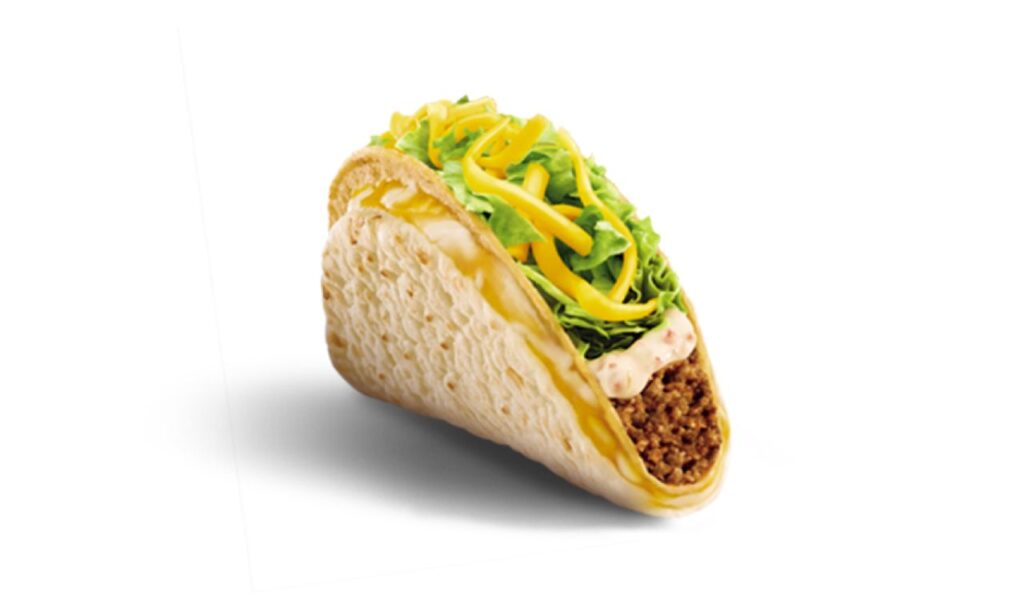
Taco Bell’s Double Decker Taco combined a crunchy taco shell wrapped in a soft tortilla layer, held together with beans. The idea aimed to merge two textures into one portable meal.
While creative in theory, the combination proved messy and unnecessary for many customers. The added tortilla made eating awkward without significantly improving flavor compared with simpler tacos already on the menu.
Eventually, the product lost popularity as diners returned to familiar options. Its removal showed that novelty alone cannot guarantee long-term success if it complicates rather than enhances the eating experience.
4. Enchirito
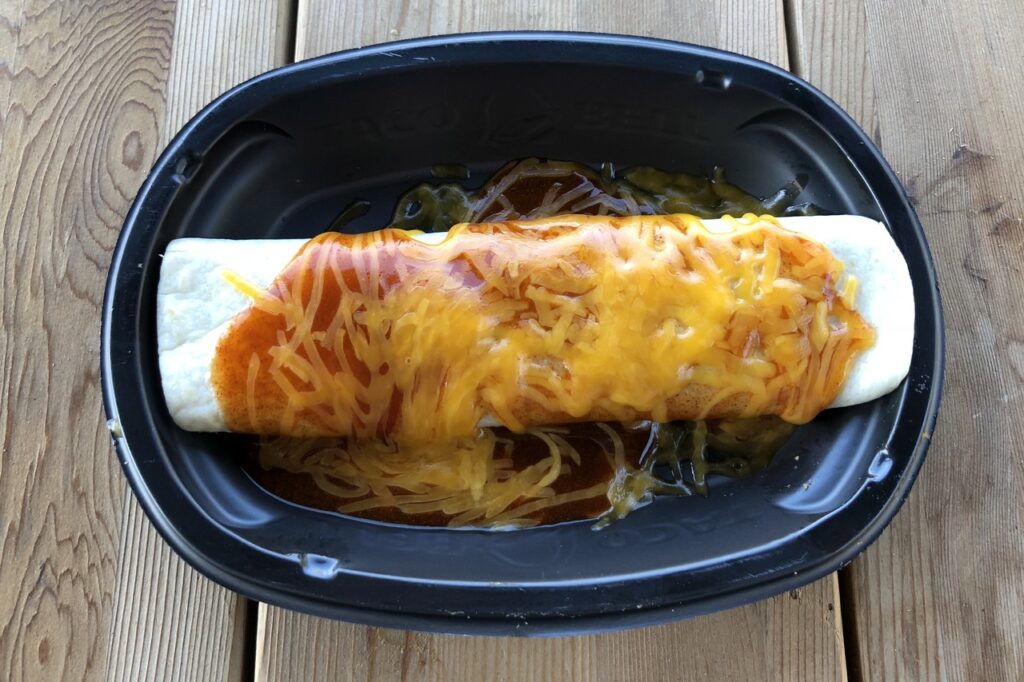
The Enchirito attempted to blend an enchilada and a burrito into a single dish, covered in sauce and cheese, and served in a tray. Taco Bell promoted it as a unique hybrid offering.
Yet the dish lacked portability and convenience, two qualities customers expect from fast food. Many diners found it messy to eat and less satisfying than simpler handheld options. Drive-through culture favors foods that can be eaten quickly without utensils or cleanup.
While nostalgia occasionally sparks interest, the Enchirito struggled to compete with easier menu items. Its disappearance reflects how fast food thrives on convenience more than experimental hybrids.
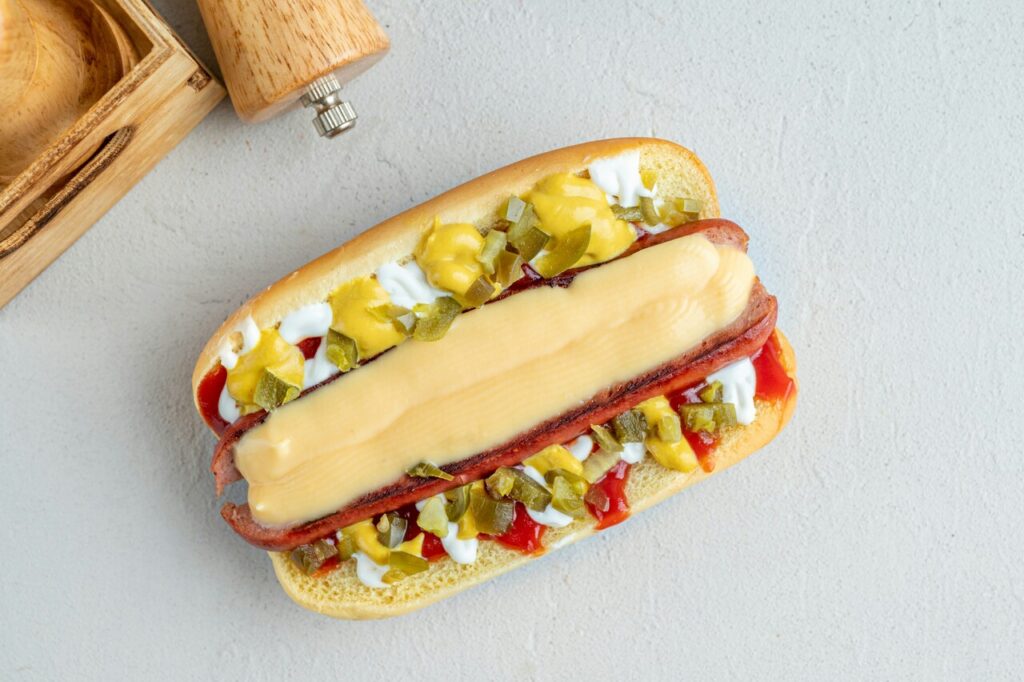
5. McHotDog
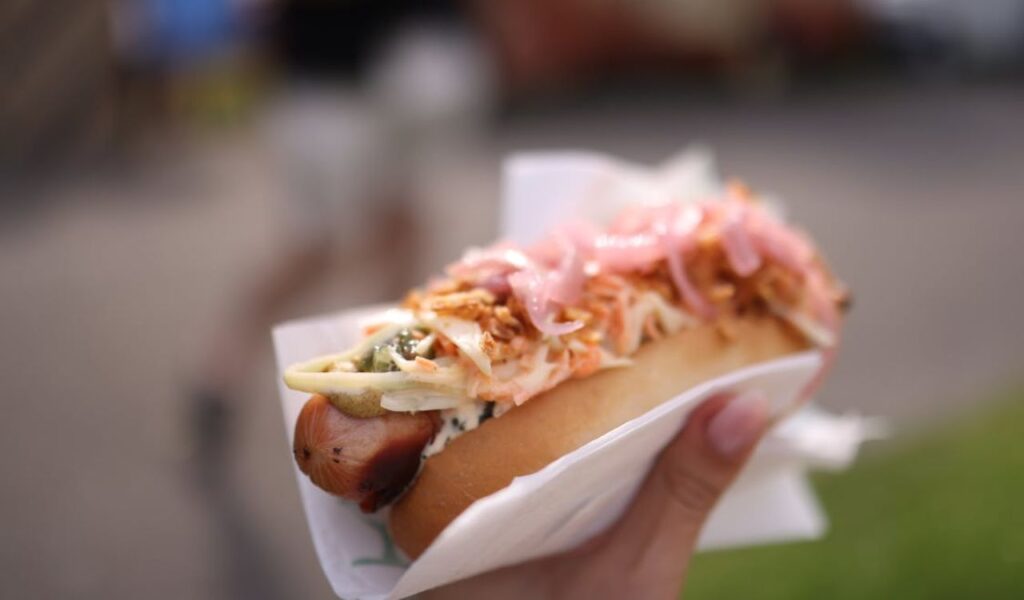
McDonald’s briefly experimented with selling hot dogs in select locations, hoping to expand beyond burgers. The idea seemed logical since hot dogs share similarities with other quick-service foods.
However, customers strongly associate McDonald’s with burgers and fries, making hot dogs feel out of place. Concerns about food safety and brand identity also limited enthusiasm for the experiment.
Without strong customer demand, the product quietly faded away. Its failure shows how difficult it is for iconic chains to introduce items that clash with established expectations.
6. Big N’ Tasty
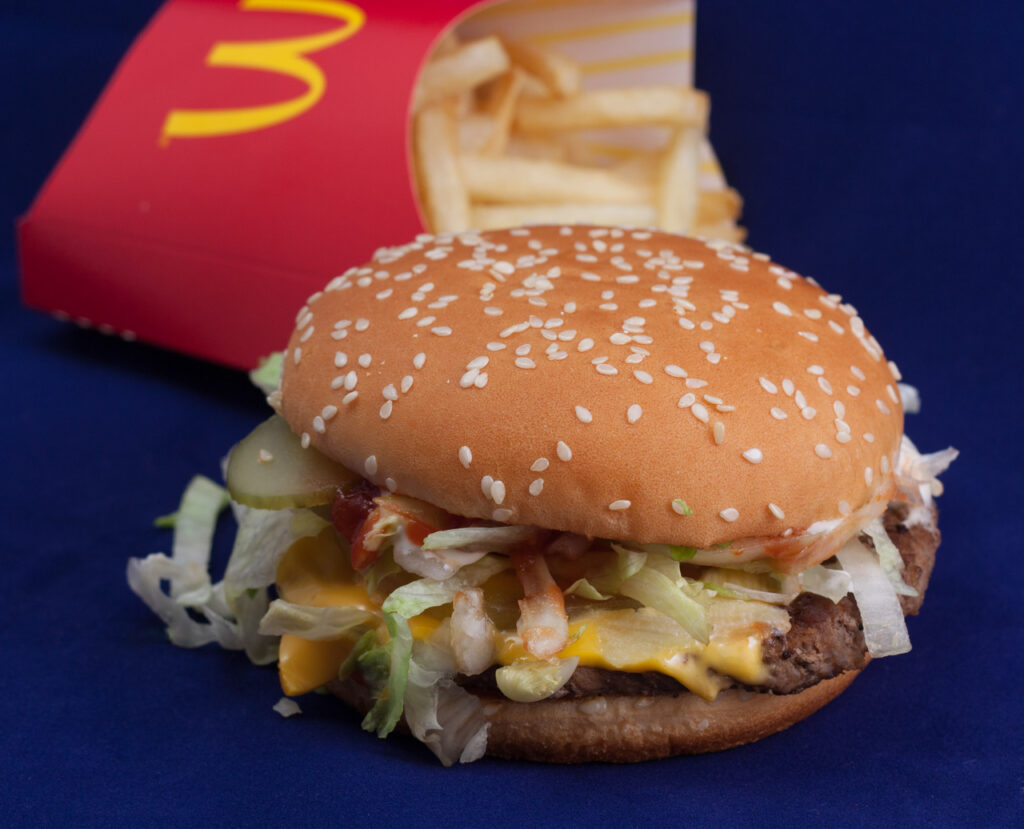
The Big N’ Tasty aimed to compete directly with Burger King’s Whopper by offering a larger burger with lettuce, tomato, and sauce. Despite similarities, the sandwich never carved out a unique identity.
Customers often viewed it as just another large burger without memorable flavor differences. Menu overlap with existing offerings also diluted interest rather than strengthening choices.
Eventually, the chain streamlined its menus, removing items that lacked strong followings. The Big N’ Tasty’s disappearance reflects how products must offer a clear distinction to survive crowded fast food menus.
7. Pickle O’s
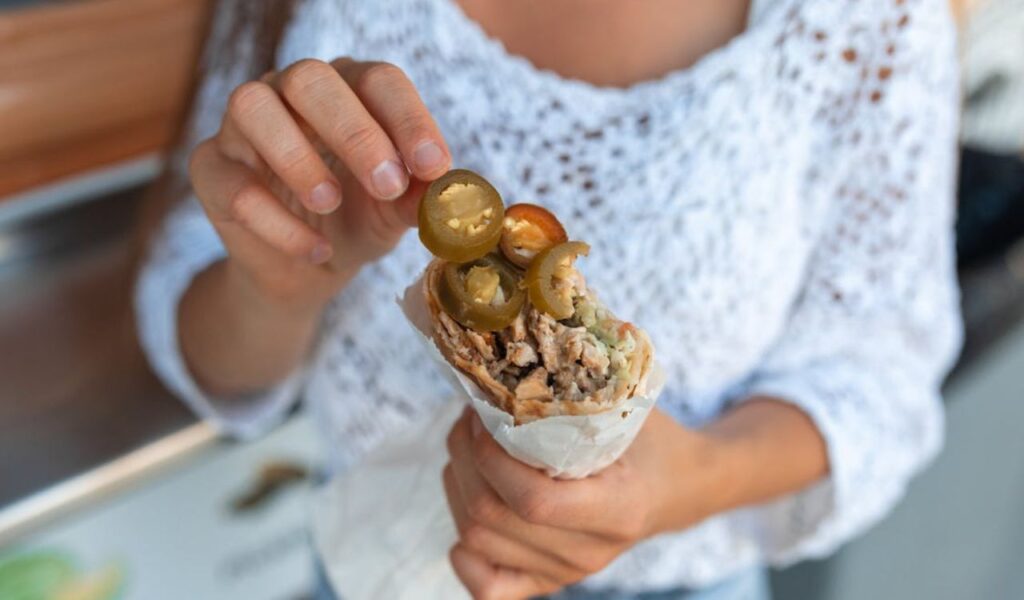
Sonic’s Pickle O’s introduced fried pickle slices as a novelty snack that appealed mainly to curious customers rather than becoming a staple order. The salty, tangy flavor attracted some fans but limited broader appeal.
Because fried pickles work better as occasional treats than regular cravings, demand fluctuated. Not all customers appreciated pickles enough to order them consistently.
The item’s disappearance showed how novelty foods can create buzz but struggle to maintain consistent sales. Menu space eventually favored more reliable sellers. Short-term curiosity rarely translates into repeat purchases needed to justify permanent placement. Restaurants ultimately prioritize items that deliver steady demand rather than temporary excitement.
8. Burger Buddies
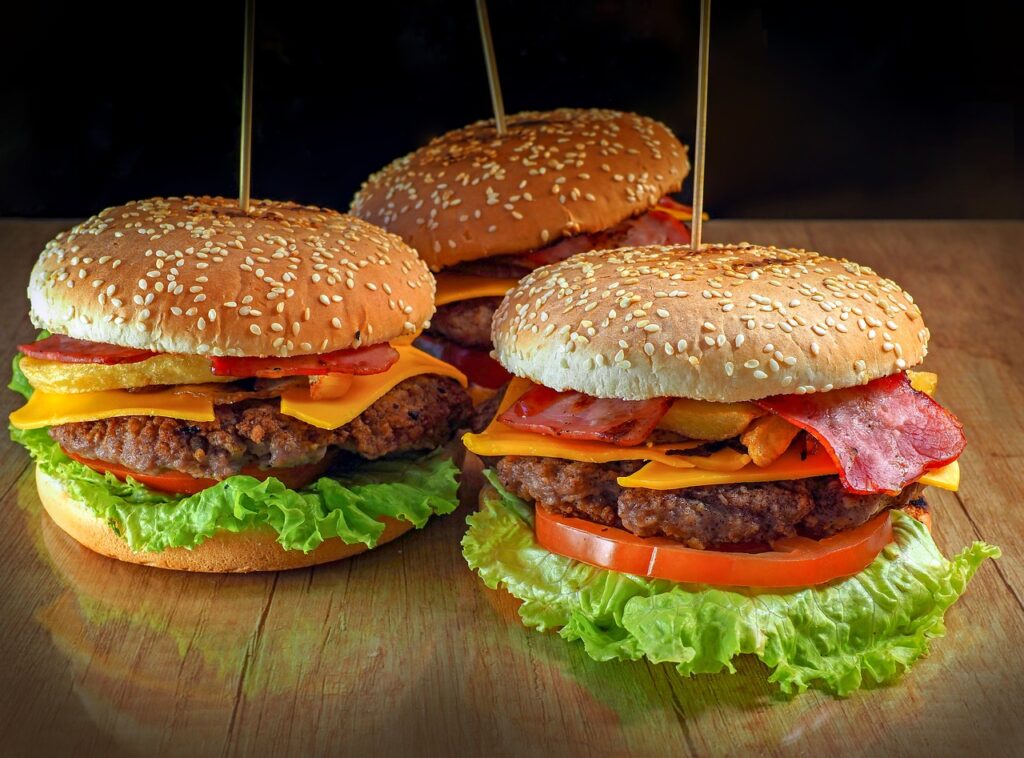
Burger King’s Burger Buddies offered miniature burgers packaged together, aiming to attract snackers and families seeking smaller portions. However, the tiny size left many customers feeling unsatisfied.
Rather than replacing full meals, the sliders often seemed like incomplete snacks. Customers expecting value sometimes felt disappointed by the portion size relative to the price. Portion expectations strongly influence satisfaction, especially in fast-food settings where customers compare meals based on fullness and cost efficiency.
Sales struggled because diners preferred traditional full-sized sandwiches. The concept faded as chains focused on items that provided clearer meal satisfaction.
9. Bell Beefer
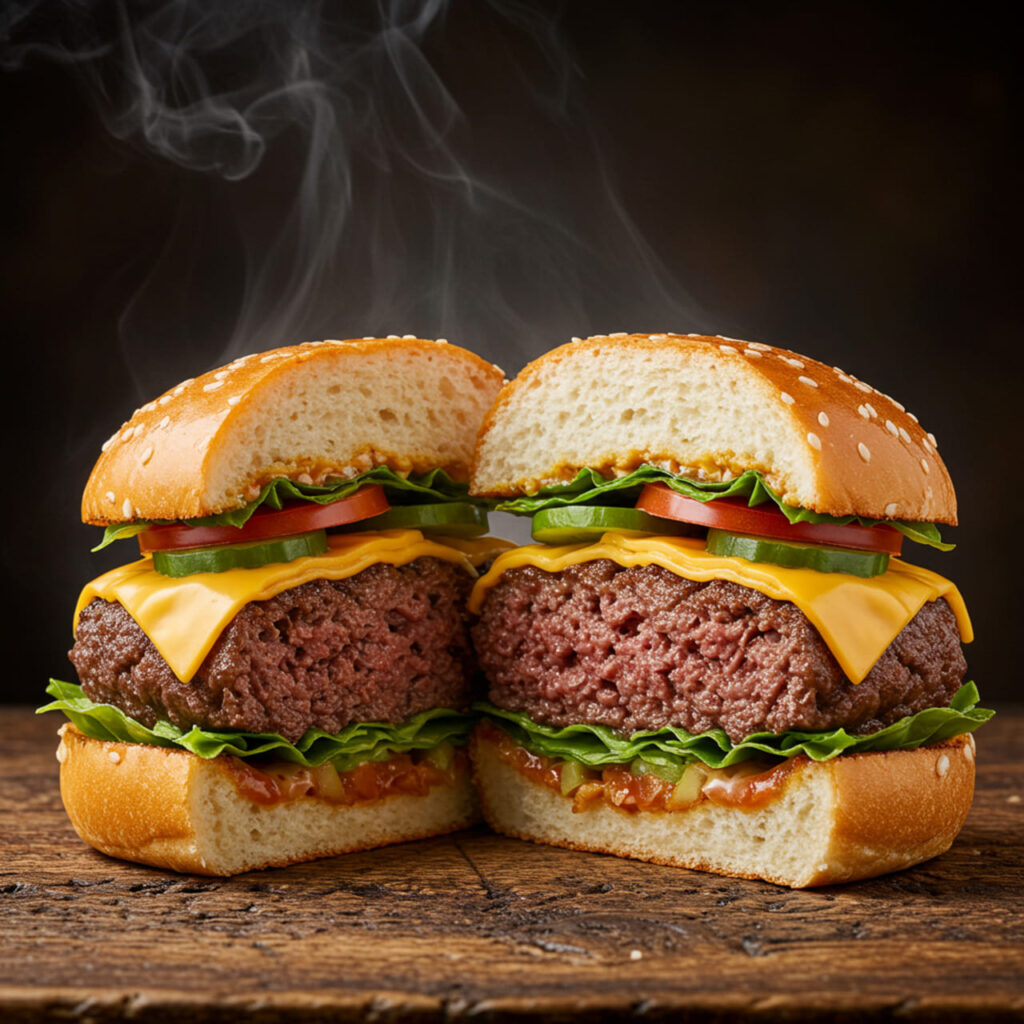
The Bell Beefer replaced taco shells with hamburger buns while keeping seasoned beef fillings, effectively creating a sloppy joe-style sandwich. Although simple, the concept confused customers expecting Mexican-inspired flavors.
Diners visiting Taco Bell typically sought tacos or burritos, not loose meat sandwiches. The item failed to align with the brand’s identity, leading way too many customers to ignore it.
Eventually, the chain abandoned the experiment. The Bell Beefer’s disappearance demonstrated how fast food menus succeed when they reinforce brand expectations rather than contradict them.
10. Grilled Cheese Burger Melt
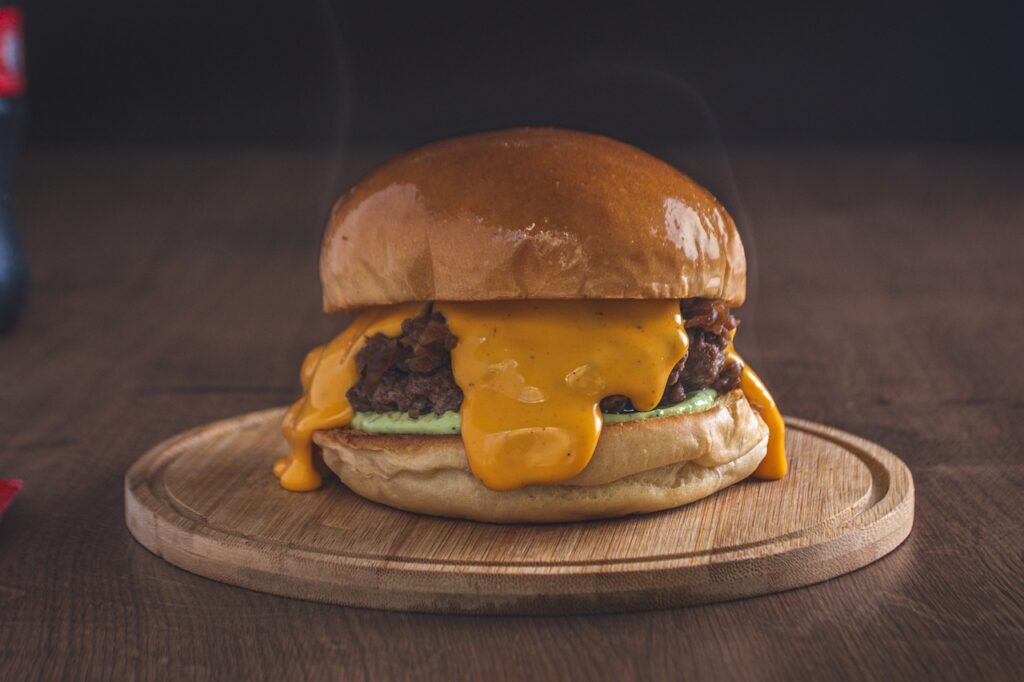
Friendly’s Grilled Cheese Burger Melt combined a burger patty sandwiched between two grilled cheese sandwiches, creating a calorie-heavy novelty item designed to attract attention.
While indulgent foods often draw curiosity, many customers found the combination overwhelming rather than enjoyable. Heavy grease and extreme richness limited repeat purchases beyond novelty appeal. Items built around excess often succeed as one-time experiences but struggle to become routine choices.
The item’s removal reflected changing attitudes toward excessive portion sizes. Diners increasingly favored meals that balanced indulgence with practicality rather than extreme combinations.
11. McDonald’s Super Size Meals
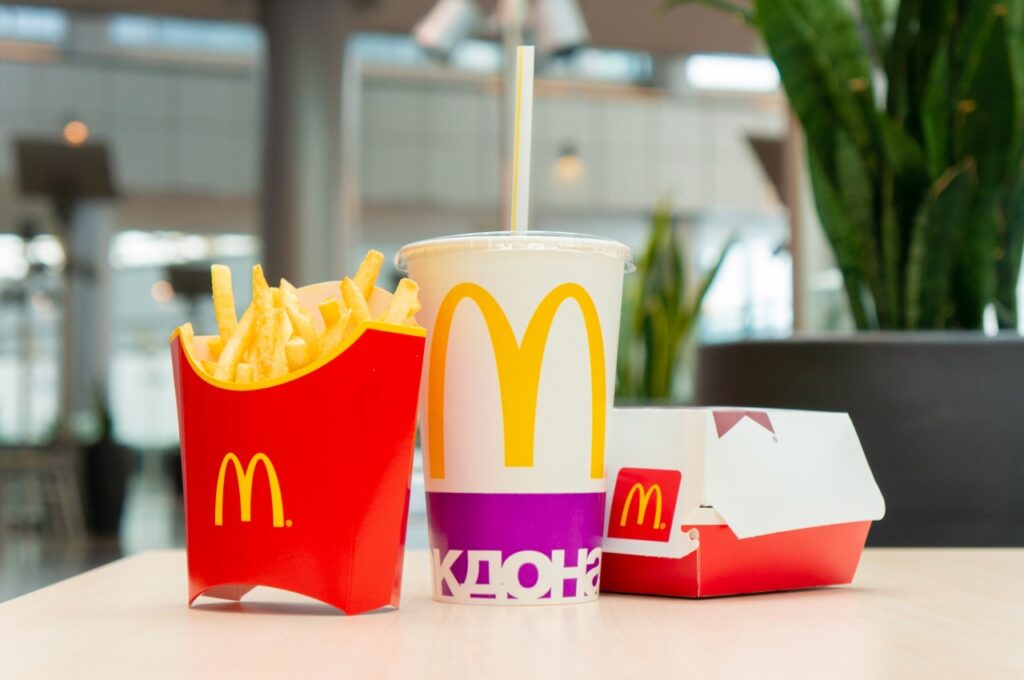
McDonald’s Super Size meals became infamous for turning already large fast-food portions into extreme servings of fries and soda that far exceeded typical dietary needs. Customers could dramatically increase calorie intake for a small price difference, encouraging overeating rather than satisfying hunger.
The option became symbolic of excess in fast food culture, especially after public health debates and documentaries highlighted how oversized portions distorted normal eating habits.
As nutrition awareness grew, demand shifted toward more reasonable portion sizes, and the Super Size option quietly disappeared. While some customers remember it nostalgically, most diners now recognize that the oversized format encouraged unhealthy consumption patterns.