13 Reasons Boomers Refuse to Season Their Food Properly


There is a certain kind of dinner table where the roast looks perfect and the potatoes are fluffy, yet something feels unfinished. Not wrong. Just quiet. The flavors sit politely, and someone reaches for the salt.
For many Boomers, this gentle approach to seasoning is not laziness or lack of skill. It is history, health advice, habit, and memory woven into everyday cooking. Mild food connects to ration books, doctor visits, picky eaters, and recipes that have survived for decades with little change.
Understanding why the spice rack stays half full reveals more than a preference for bland food. It uncovers cultural shifts, economic realities, and changing palates that shaped an entire generation’s idea of what properly seasoned means.
1. Salt Became the Villain
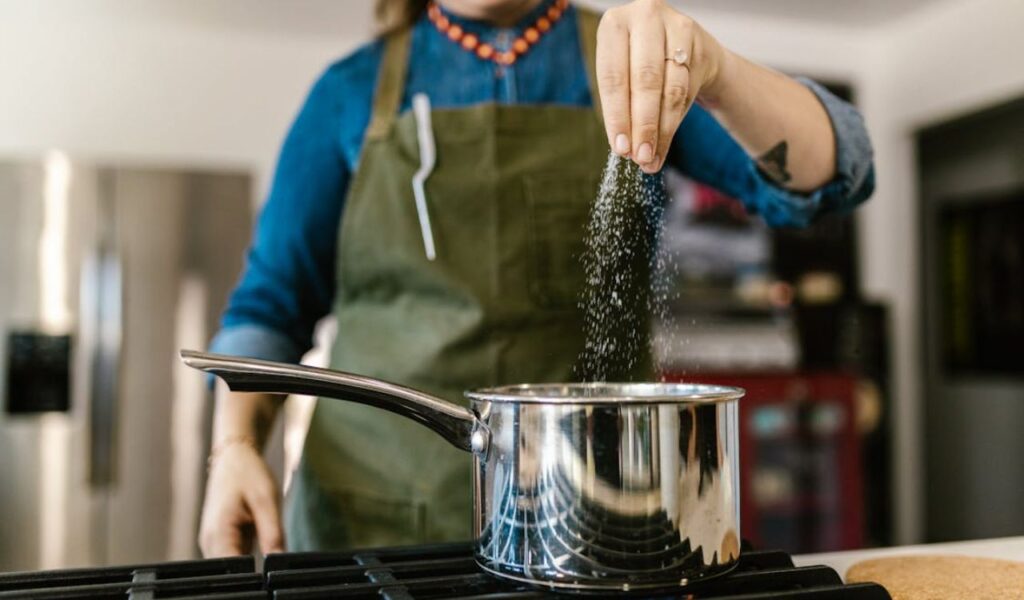
In many Boomer kitchens, salt carries the reputation of a quiet threat rather than a flavor enhancer. That belief did not appear overnight.
During the 1970s through the 1990s, public health campaigns warned about sodium and high blood pressure. Food labels began highlighting low-sodium claims, and doctors advised patients to cut back. For families already cautious about heart disease, reducing salt felt responsible and modern.
Salt does more than add a salty taste. It enhances sweetness, balances bitterness, and sharpens savory notes. When it is removed instead of used thoughtfully, food tastes flat. Many Boomers learned restraint as a health habit, and that habit stayed long after broader culinary thinking evolved.
2. Pepper Is Considered “Spicy”
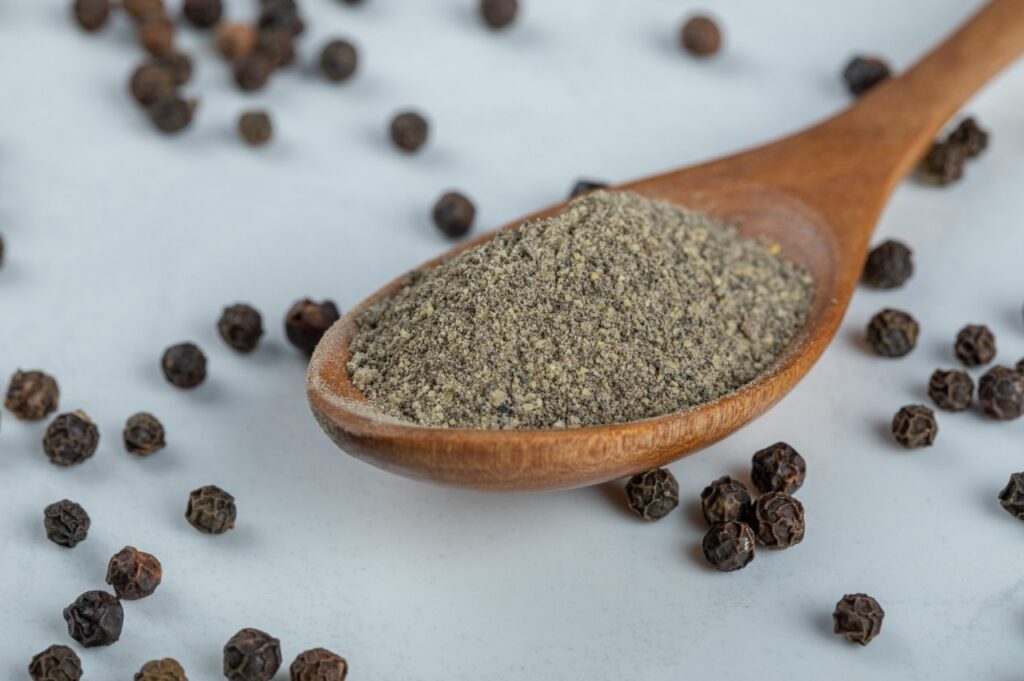
For some Boomers, black pepper sits at the very edge of acceptable heat. Anything stronger can feel overwhelming.
Palates are shaped early. Mid-century American home cooking emphasized mild flavors. Dishes like meatloaf, casseroles, and boiled vegetables rarely featured chilies or bold spices. Without regular exposure, tolerance for heat never developed.
Biology plays a role as well. Capsaicin sensitivity varies by individual, and people who do not eat spicy foods regularly often perceive even small amounts as intense. Over time, a cautious approach becomes normal. Pepper stays modest, and stronger spices remain unopened, not from ignorance, but from unfamiliarity.
3. Rationing Echoes in the Pantry
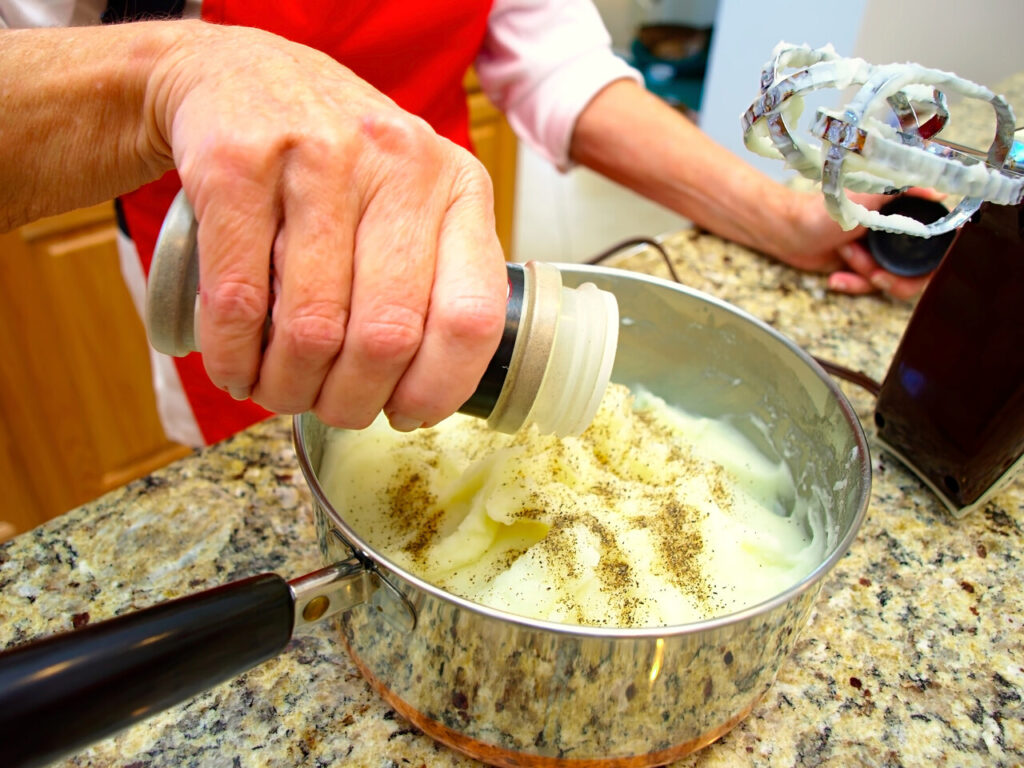
Scarcity leaves a long shadow. Many Boomers were raised by parents who cooked through wartime rationing or post-war frugality.
During World War II, sugar, butter, and imported spices were limited. Meals focused on stretching staples rather than layering flavors. Simple seasoning became tradition because it had to be. Children growing up in those homes absorbed the idea that food should be practical first.
Even decades later, abundance does not automatically change habits. When your early food memories center on modest seasoning and careful use of ingredients, bold flavor can feel unnecessary. The restraint is cultural memory, passed down quietly through routine.
4. Gentle on the Stomach

Comfort often outweighs complexity. Many Boomers associate heavily seasoned food with heartburn or digestive trouble.
As people age, conditions like acid reflux become more common. Doctors frequently suggest limiting spicy or acidic foods. Over time, individuals connect strong seasoning with discomfort, even when the link is not always direct.
To avoid unpleasant symptoms, they simplify recipes. Less garlic, fewer chilies, minimal spice blends. The intention is self-care, not blandness. Flavor is reduced because predictability feels safer than experimentation when health concerns are part of daily life.
5. Meat and Potatoes Defined “Proper” Food
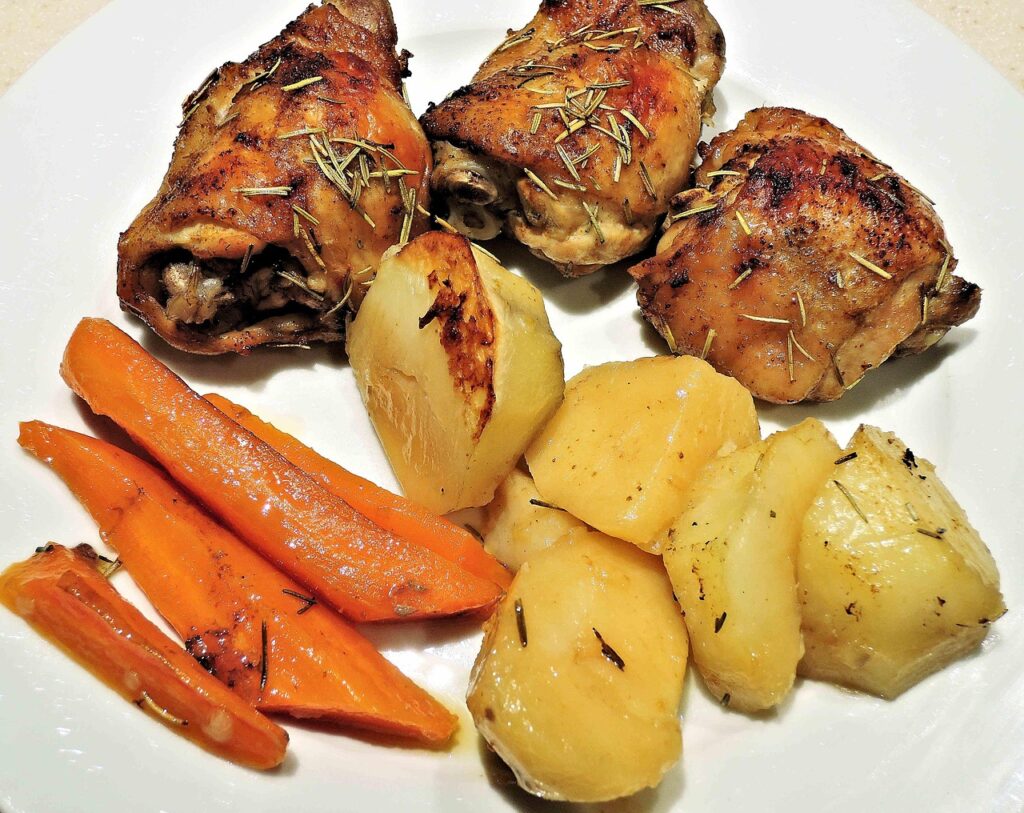
For decades, a balanced dinner meant protein, starch, and a vegetable, each clearly separate on the plate.
Mid-century American cuisine prized straightforward preparation. Roasted meats, boiled potatoes, and steamed green beans were considered wholesome and complete. Herbs and spice blends were optional, not central. The natural taste of the main ingredient was expected to carry the dish.
When this style defines good cooking, seasoning becomes subtle by design. The focus is on texture and doneness rather than bold flavor. To many Boomers, heavily seasoned food can seem like it is hiding something rather than enhancing it.
6. Suspicion of Unfamiliar Flavors
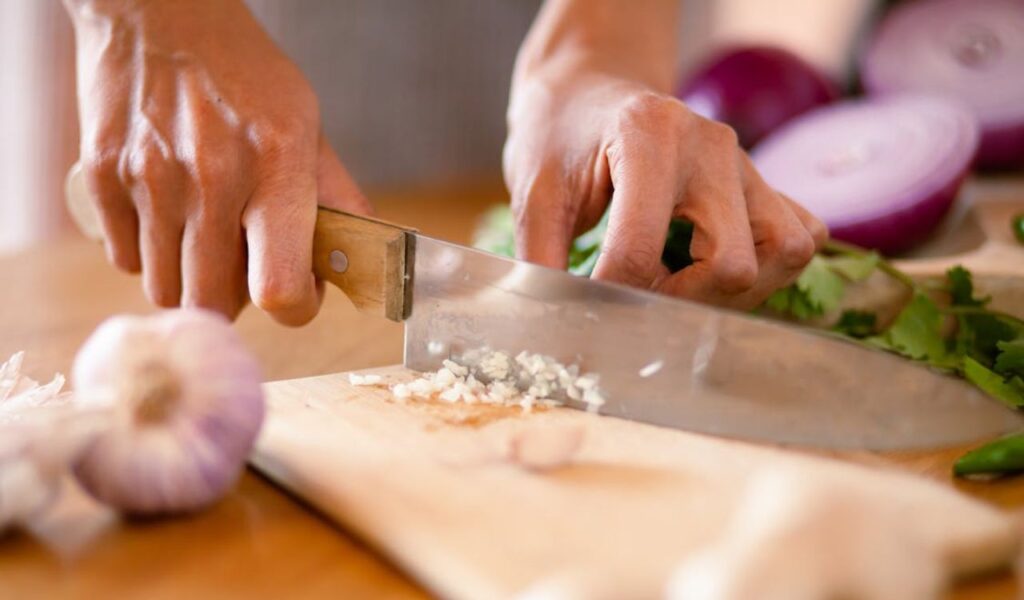
Garlic once had a reputation for being daring. Ingredients like cumin, turmeric, or soy sauce were not pantry staples in many American households.
Large waves of global culinary influence expanded supermarket shelves in the late twentieth century. Before that, access was limited and recipes were regionally narrow. Foods outside familiar traditions were often labeled exotic or foreign.
Without repeated exposure, new spices can feel risky. Taste is tied to identity and comfort. Choosing mild, familiar seasoning is not rejection, but preference shaped by environment and availability during formative years.
7. Cooking by Routine, Not Adjustment

Some kitchens operate on memory rather than instinct. The same measuring spoons come out, the same steps unfold, and the recipe is followed exactly as it was decades ago.
Many Boomers learned to cook from handwritten index cards, church cookbooks, or early editions of popular home guides. These recipes emphasized accuracy and reliability. Tasting as you go was not always encouraged. Precision signaled competence, and repeating a dish mattered more than refining it.
After forty years of dependable results, adjusting seasoning can feel unnecessary or even risky. The dish is evaluated by whether it matches memory, not whether it could taste brighter or deeper. Familiarity becomes the standard, and seasoning stays where it has always been.
8. Convenience Foods Filled the Gap

A generation embraced convenience as progress. Canned soups, boxed mixes, and frozen dinners promised efficiency and modern living.
From the 1960s through the 1980s, food companies marketed prepared products as dependable and scientifically balanced. These items often contained significant sodium and standardized flavor blends. Because the seasoning was already built in, adding herbs or spices at home seemed redundant.
Over time, palates adapted to those uniform flavors. When cooking from scratch, layering aromatics or adjusting salt levels was not second nature. The baseline expectation of what “properly seasoned” tastes like had already been shaped by processed food culture.
9. Butter as the Main Flavor Boost
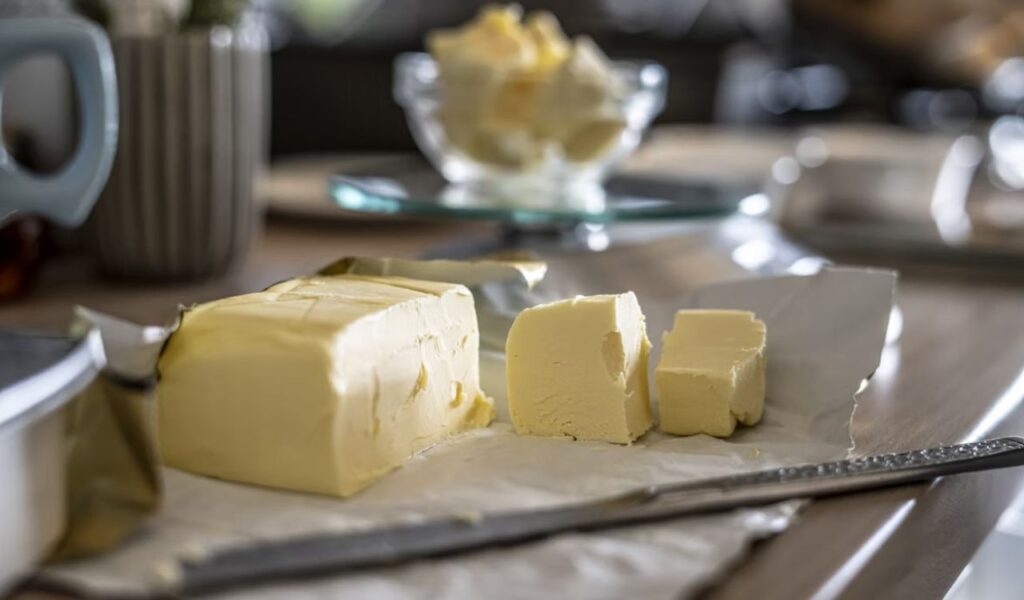
In many traditional kitchens, richness signaled care. A generous pat of butter was considered both indulgent and sufficient.
Butter carries flavor compounds well and enhances texture, giving food a satisfying mouthfeel. For cooks focused on comfort and reliability, this single ingredient delivered dependable results without requiring additional spices or herbs. It softened vegetables and enriched meats in one simple step.
Yet fat alone does not create complexity. Modern cooking often balances richness with acidity, herbs, and layered seasoning. For those raised on butter-forward meals, that extra dimension can feel unnecessary. If the dish tastes comforting and full, the seasoning feels complete.
10. Cooking for Picky Eaters
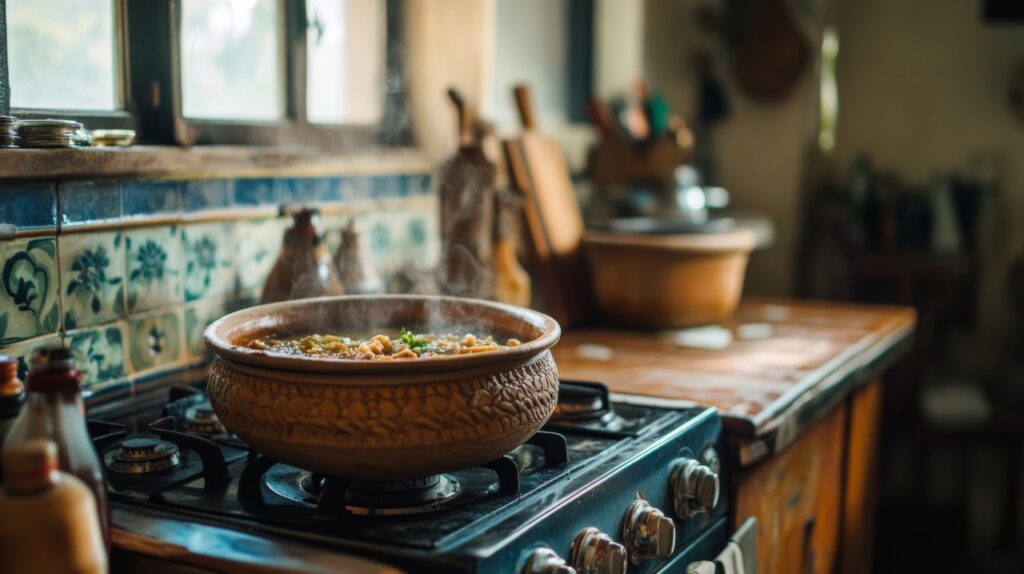
Family harmony often shaped the menu. Strong flavors were toned down to avoid complaints from children or selective eaters.
In many households, one resistant palate could influence the entire meal. Parents adjusted recipes to ensure everyone would eat, reducing spice levels and avoiding unfamiliar ingredients. Mild seasoning became the safest choice at the table.
As years passed, that approach solidified into habit. Even when children grew up, the cooking style remained gentle. Subtle flavor was linked to peace and practicality, making bold seasoning seem less necessary than a meal everyone would quietly accept.
11. Spices Once Felt Expensive
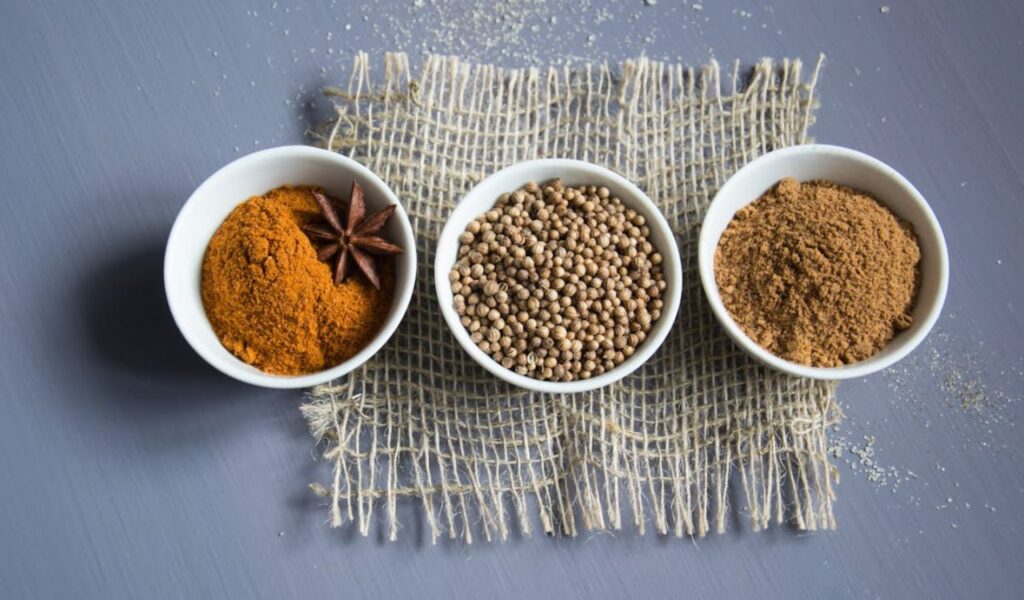
Today’s spice aisle is expansive and affordable, but that was not always true. Availability and cost once limited experimentation.
Decades ago, many supermarkets carried only a small selection of dried herbs and basic seasonings. Imported spices could be costly relative to household budgets. Using them generously felt extravagant, especially in families raised to avoid waste.
A careful pinch was expected to stretch across many meals. That restraint became routine. Even as access improved, the habit of using spices sparingly endured, reflecting earlier economic realities rather than indifference to flavor.
12. Respecting the Original Recipe
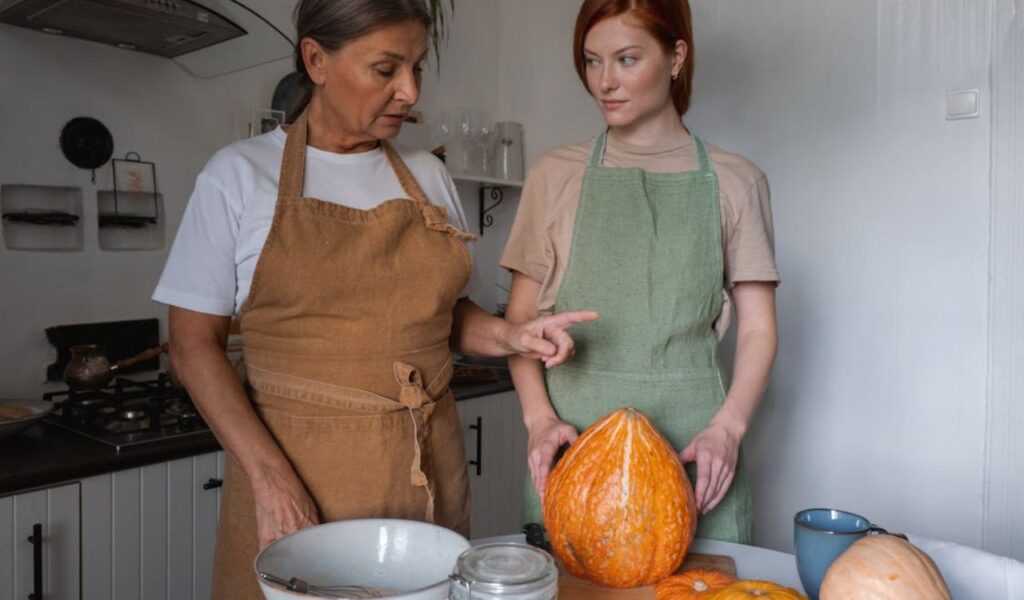
A family recipe is rarely just a list of ingredients. It is a record of who gathered around the table and who insisted it tasted perfect just the way it was. The seasoning becomes part of that memory.
When a dish has been prepared the same way for decades, changing the salt level or adding new spices can feel like rewriting a shared story. Holiday meals carry emotional weight. People expect them to taste exactly as they remember from childhood. Consistency offers comfort.
Even when modern cooking encourages bold flavors and experimentation, many choose loyalty over reinvention. The goal is not improvement but preservation. Keeping the seasoning unchanged protects tradition and ensures that the meal still feels like home.
13. Taste Buds Change with Age
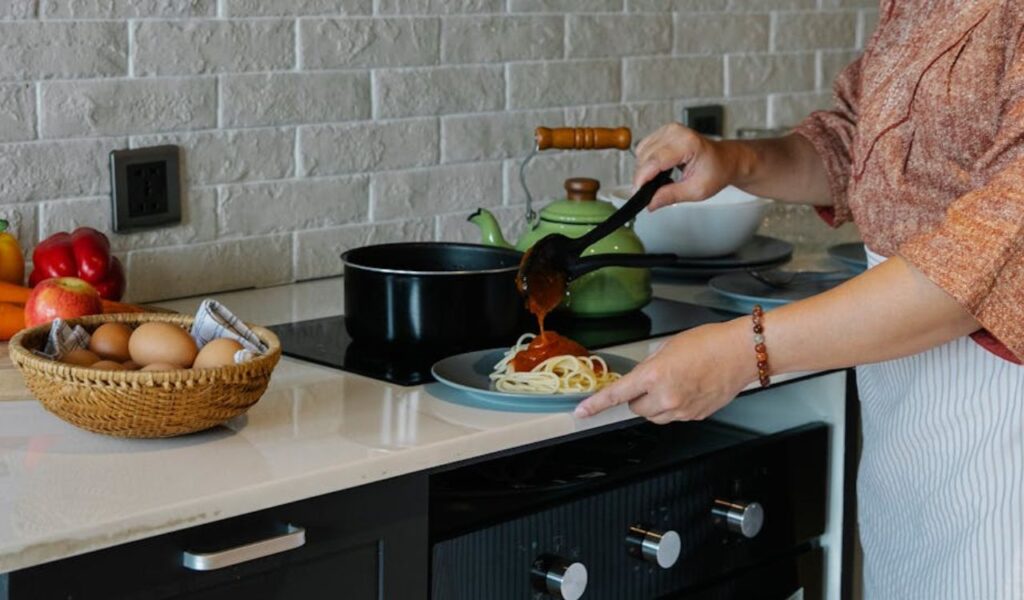
Flavor perception evolves. What tastes vivid at thirty may seem subtle at seventy, even when the recipe has not changed. Sensory systems gradually shift with age.
Research shows that both taste buds and the sense of smell can lose sensitivity as people grow older. Because aroma shapes flavor, reduced smell perception can make food seem less intense. The cook may genuinely believe the seasoning is balanced.
As a result, a dish that feels properly seasoned to an older palate may taste mild to younger diners. This difference is not about skill or effort. It reflects natural biological change, where flavor is measured against senses that have slowly adapted.