12 Fancy Steakhouse Sides That Cost Pennies to Make

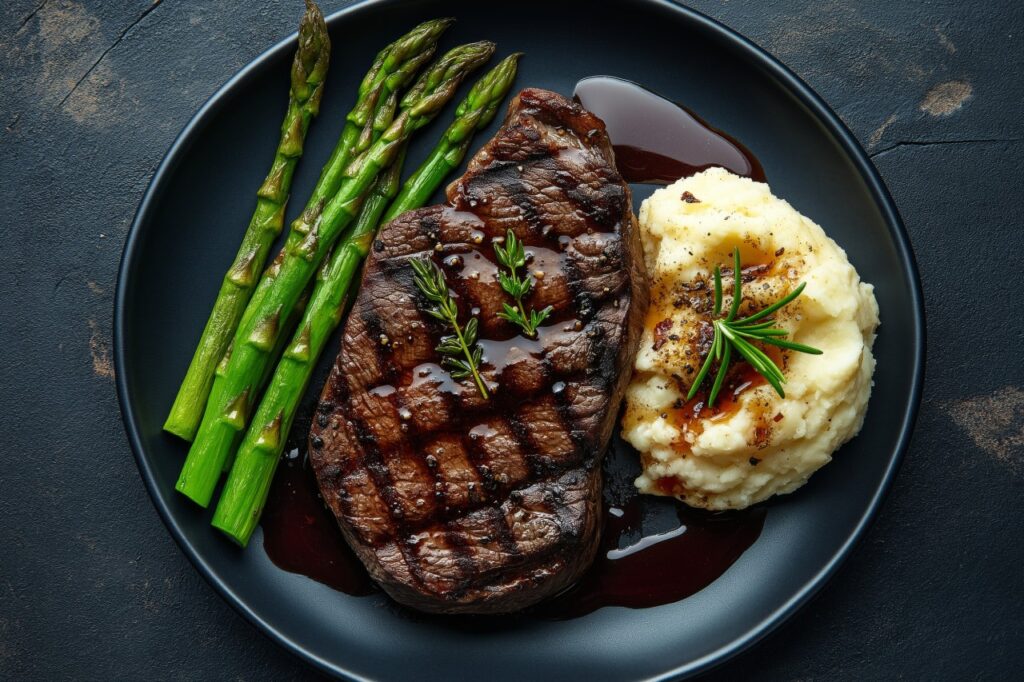
There is something irresistible about the way a steakhouse side arrives at the table. It is not the main attraction, yet it carries the same air of luxury. Creamy, crisp, buttery, and beautifully plated, these additions quietly promise indulgence with every bite.
What most diners do not see is the quiet efficiency behind the scenes. Many of these elevated sides rely on humble, affordable ingredients that have been transformed through technique, seasoning, and presentation. The magic lies less in rarity and more in execution.
From whipped potatoes to glossy greens, these dishes prove that value and elegance can share the same plate. Once you understand what goes into them, you may never look at that side menu the same way again.
1. Truffle Parmesan Fries
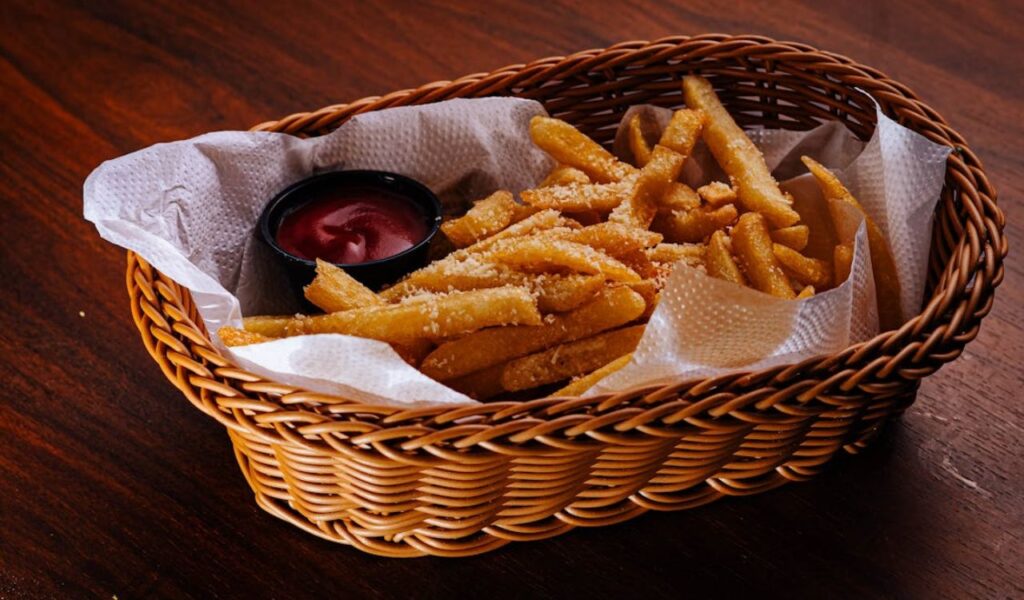
Luxury often begins with the humblest crop in the ground. The steakhouse version of fries leans on perception more than cost. Potatoes are inexpensive, widely available, and store well, which keeps food costs steady year round.
The signature aroma usually comes from truffle oil, not shaved black truffles. Truffle oil is typically olive oil infused with aromatic compounds that mimic the scent of truffles, so only a light drizzle is needed. A handful of grated Parmesan and chopped herbs adds salt and sharpness.
What diners pay for is aroma and presentation. Served hot in a metal basket or porcelain bowl, they feel indulgent. Yet the base ingredient remains one of the cheapest items in the kitchen.
2. Creamed Spinach
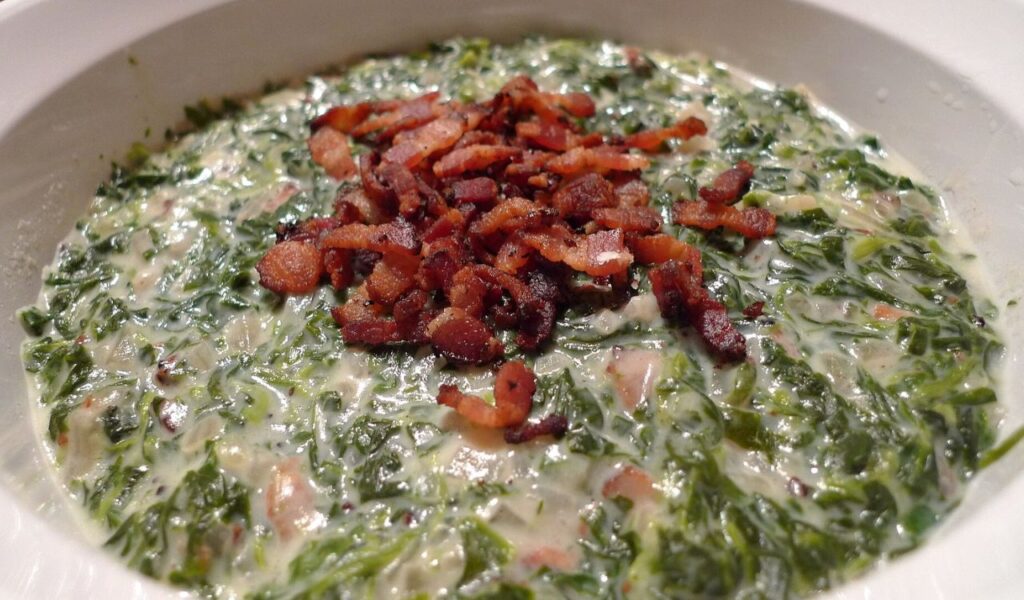
Few sides shrink as dramatically as spinach in a hot pan. A large pile of fresh leaves quickly cooks down to a compact, silky portion, which keeps ingredient costs low while maintaining visual appeal. Frozen spinach is even more economical and consistent in quality.
The richness comes from cream, butter, and garlic, all pantry staples used in measured amounts. A touch of nutmeg and grated cheese deepens flavor without adding significant expense. The cream thickens as it reduces, creating a luxurious texture from simple components.
It feels classic and substantial, but the underlying math is straightforward. Leafy greens and dairy, handled properly, deliver a high return on a modest investment.
3. Garlic Mashed Potatoes
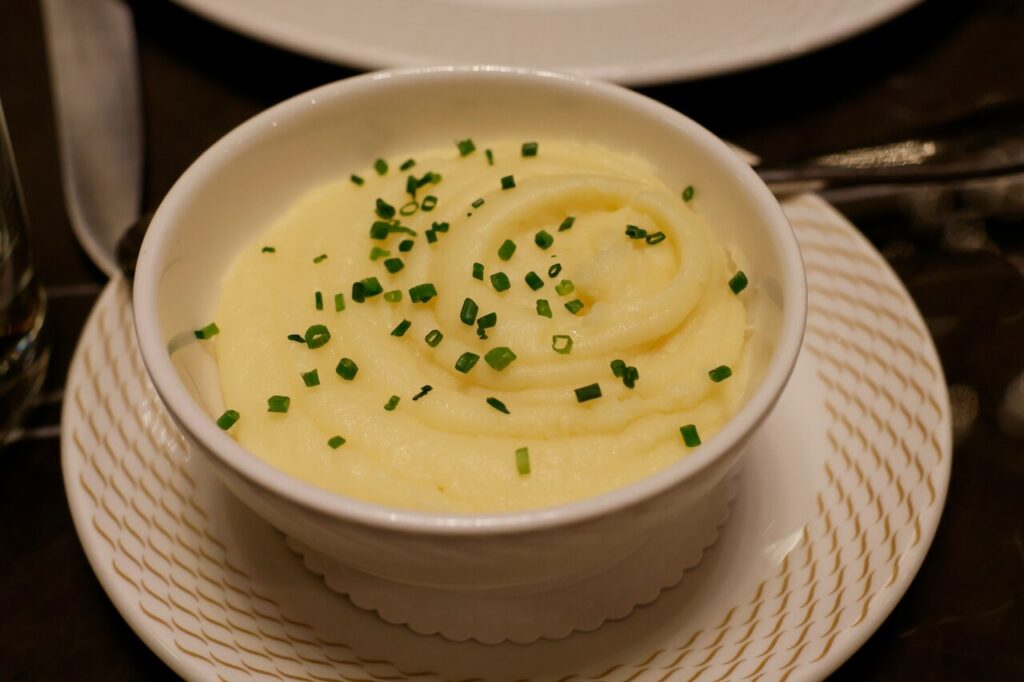
Comfort on a plate often starts underground. Potatoes are among the most affordable starches, purchased in bulk and stored for long periods without spoilage. Their high yield makes them a reliable choice for restaurants managing margins.
Roasted garlic, butter, and warm cream elevate the flavor. The key is technique. Whipping incorporates air, and finishing with melted butter creates gloss and richness. None of these additions are costly in small quantities.
The result tastes indulgent and filling. Guests remember the smooth texture and buttery finish, not the modest price of the raw ingredients behind it.
4. Roasted Brussels Sprouts with Balsamic
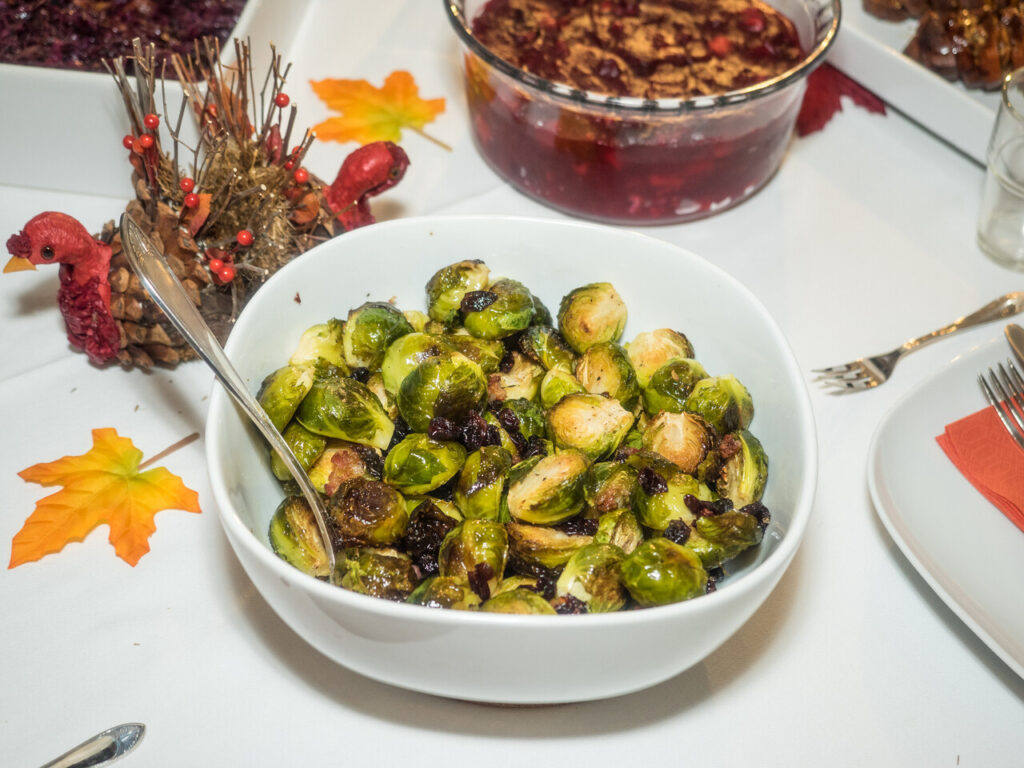
A hot oven has a way of rewriting reputations. Brussels sprouts, once dismissed as bitter, develop deep sweetness when roasted at high heat. Their natural sugars caramelize, creating crisp edges and a nutty interior that feels far more complex than the simple ingredient list suggests.
They are affordable, especially during peak season, and require little more than oil, salt, and steady heat. A drizzle of balsamic glaze adds shine and gentle acidity. Cheese or toasted nuts may appear on top, but always in measured amounts.
What diners taste is balance and texture. What the kitchen manages is cost control. Time and technique elevate a modest vegetable into something that comfortably earns a premium place beside steak.
5. Mac and Cheese
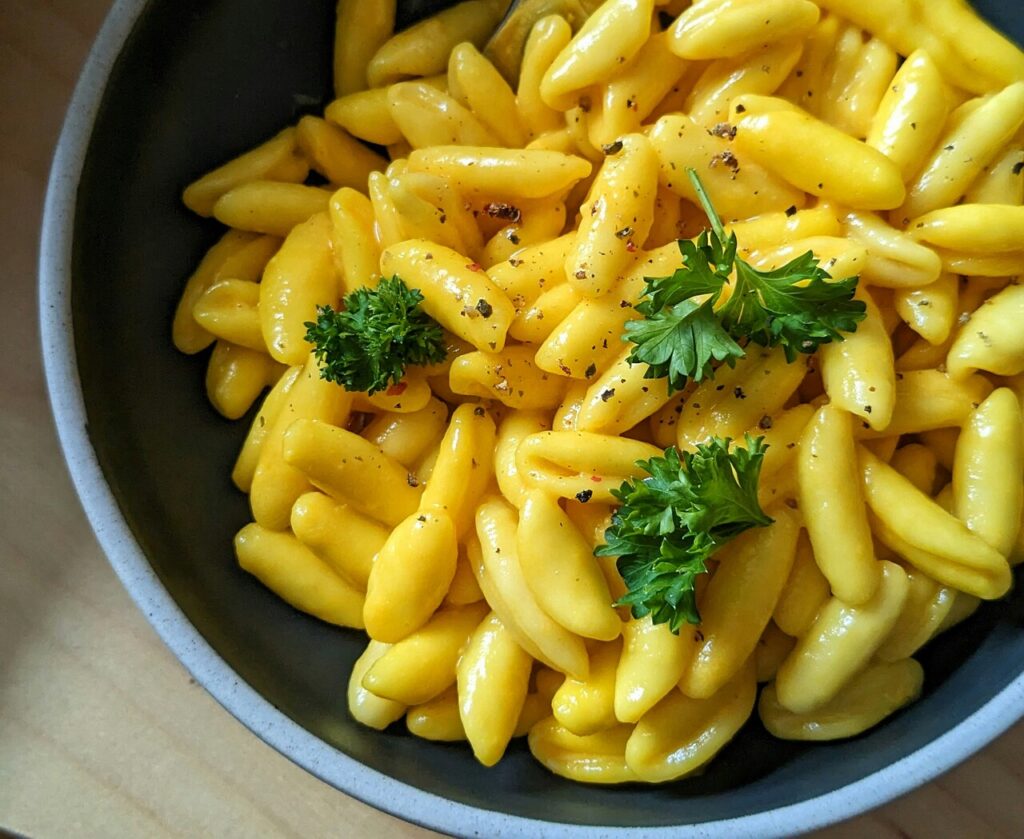
Few dishes carry as much comfort as baked mac and cheese. Beneath the golden crust lies a foundation of pasta, milk, butter, and cheese, all pantry staples that are purchased in bulk at relatively low cost. Even higher end cheeses remain economical when portioned carefully.
The sauce thickens with flour and dairy, forming a creamy base that feels substantial and rich. A breadcrumb topping adds crunch without adding expense. When lobster is included, it is often used sparingly to justify a higher menu price.
Its appeal is emotional as much as culinary. Guests associate bubbling cheese and browned edges with indulgence, while the restaurant benefits from ingredients that remain consistently affordable.
6. Sautéed Mushrooms
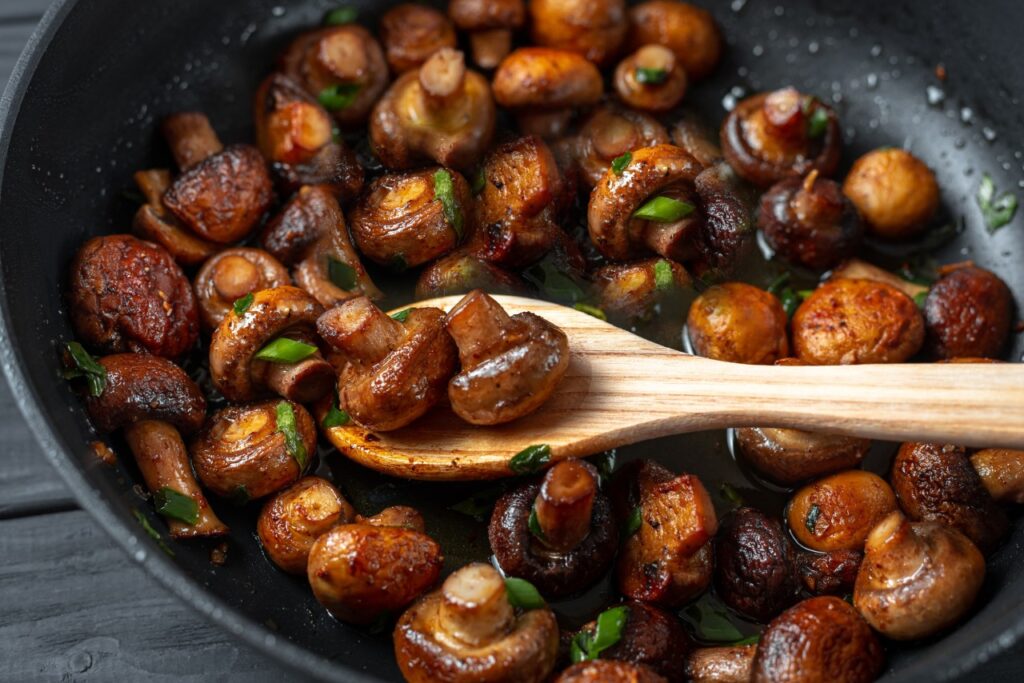
Savory depth does not always require costly ingredients. Mushrooms are naturally rich in glutamates, delivering strong umami flavor without elaborate additions. As they cook, they release moisture and shrink, allowing a modest raw portion to create a full looking serving.
Butter, garlic, and herbs add aroma and sheen. These components are inexpensive in small quantities yet dramatically enhance flavor. Many common mushroom varieties are affordable and available throughout the year.
The final dish feels hearty and luxurious next to a steak. In practice, the true investment lies in proper browning and seasoning, not in expensive raw materials.
7. Onion Rings
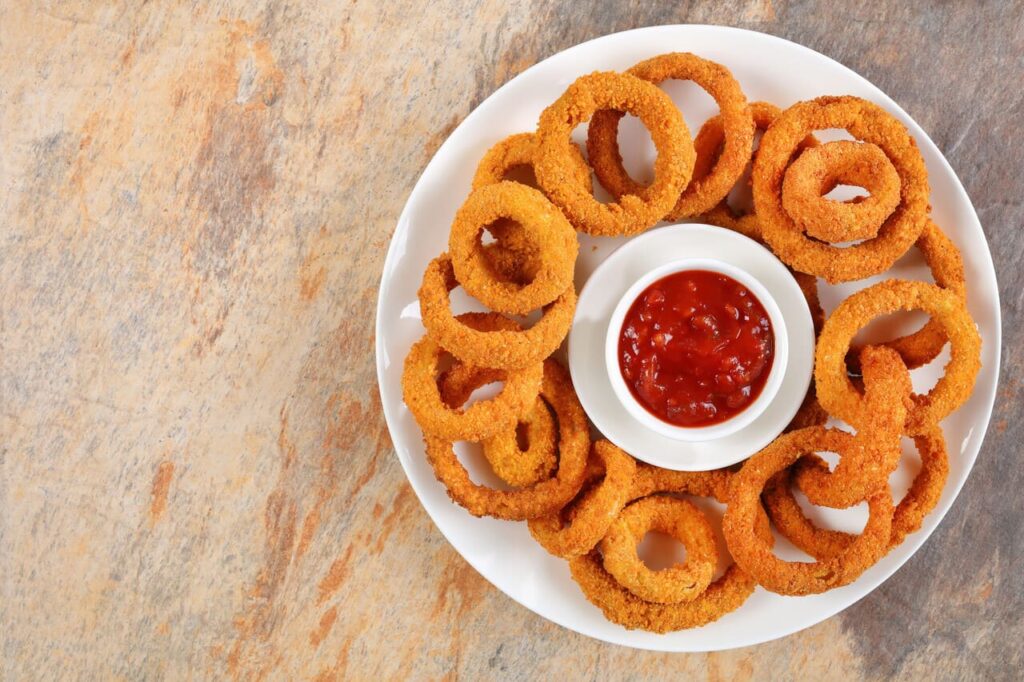
Height is part of the illusion. A tall stack of onion rings looks generous and indulgent, yet onions remain one of the least expensive vegetables available year round. Bought in bulk, they store well and deliver consistent yield, making them dependable for kitchen cost control.
The batter is built from flour, seasoning, and liquid, all inexpensive pantry staples. Frying creates a crisp shell that expands around each slice, adding volume and crunch. Oil is carefully managed and filtered, allowing multiple batches without waste.
What arrives at the table feels abundant and satisfying. In reality, the ingredient list is simple, and the dramatic presentation does most of the financial heavy lifting.
8. Caesar Salad
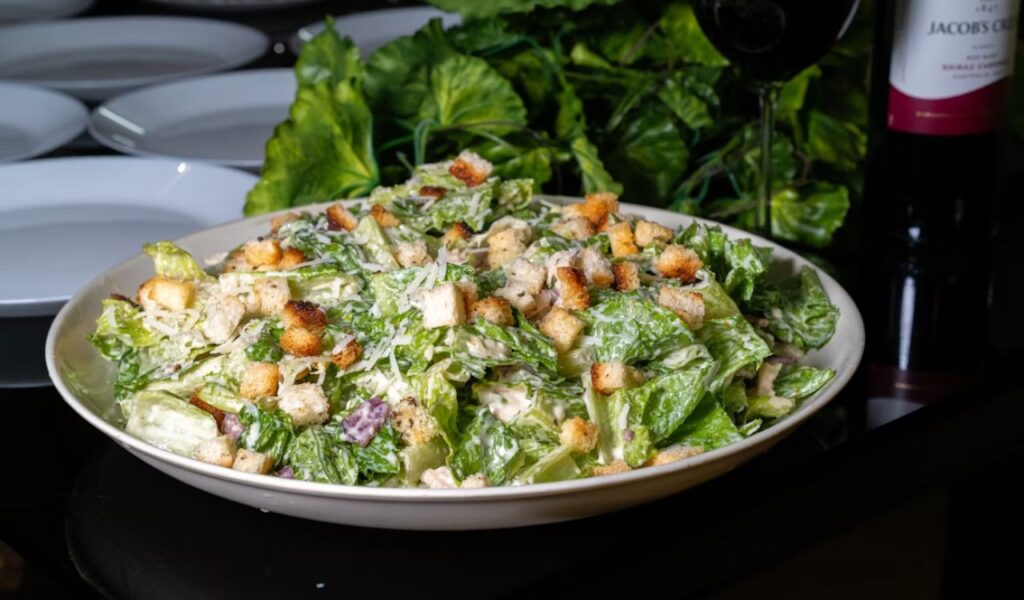
Freshness and flair define this steakhouse staple. Romaine lettuce is relatively inexpensive and lightweight, which makes portioning precise and predictable. Croutons are often prepared from surplus bread, turning potential waste into added texture.
The dressing relies on oil, egg yolk, anchovy, garlic, and grated cheese. Each component is used in small but concentrated amounts. Parmesan is shaved finely so a modest quantity delivers bold flavor across the entire bowl.
Tableside tossing adds theater without significantly raising costs. Compared with protein heavy sides, the ingredient expense remains low while the taste and presentation feel refined.
9. Baked Potato with Toppings
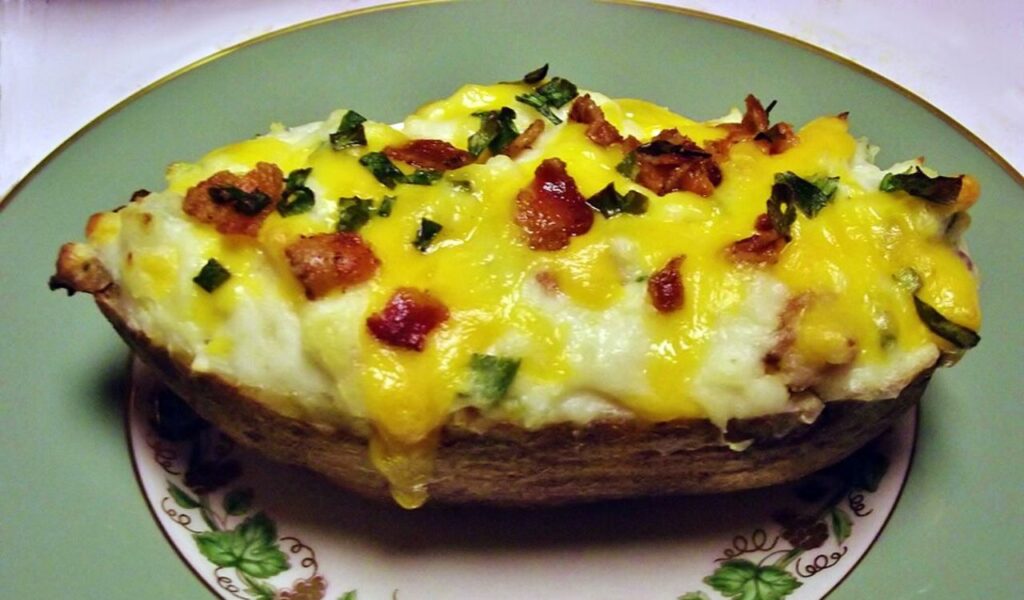
Simplicity is where this side earns its strength. A large russet potato is inexpensive, widely available, and stores well with minimal spoilage. It bakes evenly, needs little preparation, and delivers a portion that looks generous the moment it hits the plate. Its natural size creates a sense of value before toppings are added.
The real advantage appears in those toppings. Butter, sour cream, shredded cheese, and chives are low cost when bought in bulk and portioned. Even bacon bits or scallions are used sparingly, adding flavor and texture without raising expenses significantly.
Guests enjoy warmth, comfort, and the option to customize. The kitchen benefits from consistency, low waste, and one of the most economical ingredients on the menu.
10. Grilled Asparagus
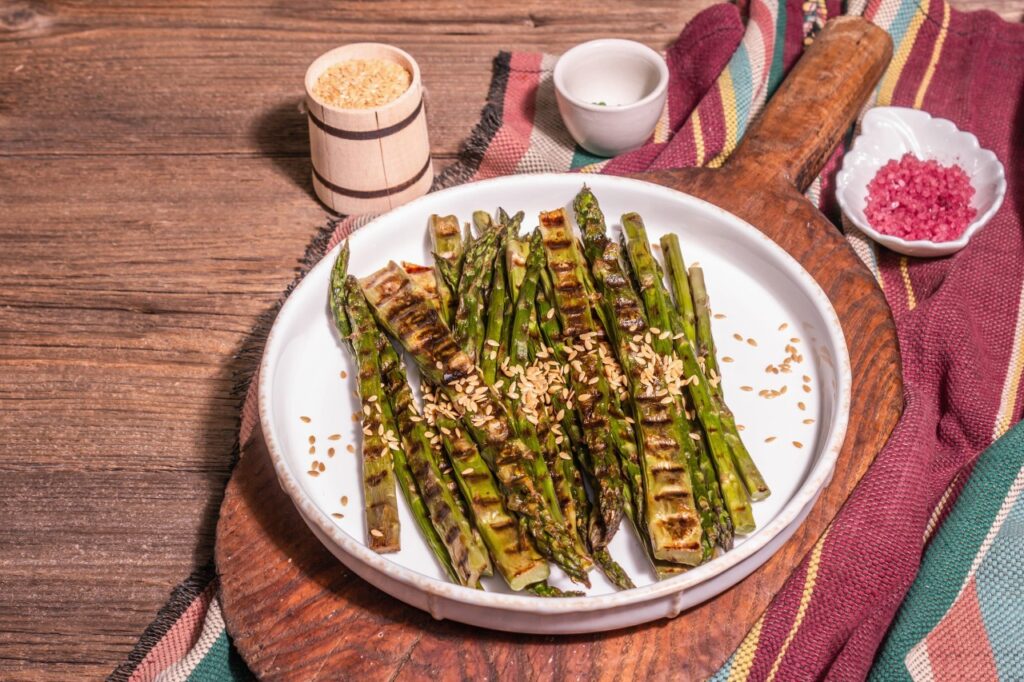
Elegance often comes down to timing. Asparagus carries a refined image, yet in peak season it is reasonably priced and widely available. Its quick cooking time reduces labor and energy use, making it efficient for busy kitchens that rely on speed and consistency during service.
Preparation is intentionally simple. A light coating of oil and a sprinkle of salt are usually enough to highlight its natural flavor. A squeeze of lemon or a shaving of hard cheese adds brightness without raising cost. Grill marks provide visual appeal and subtle smokiness.
Its slender shape and neat arrangement signal sophistication on the plate. In reality, careful sourcing and restrained seasoning keep expenses controlled while preserving its upscale reputation.
11. Creamed Corn
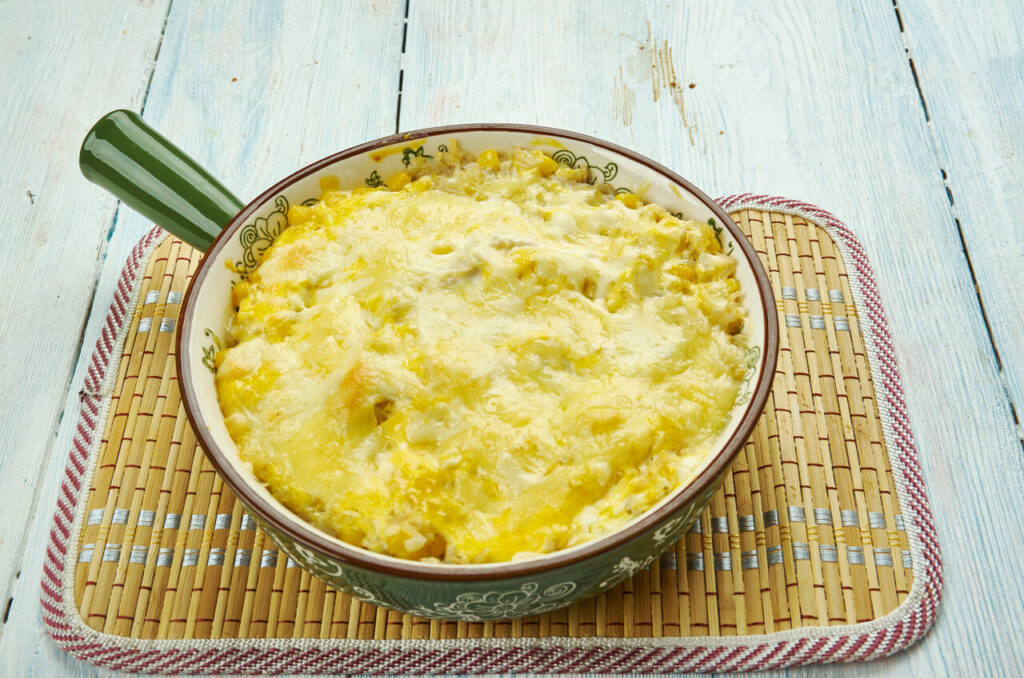
Abundance is what keeps this dish economical. Corn is one of the most widely cultivated crops, which stabilizes pricing and ensures steady supply. Whether fresh, frozen, or canned, it delivers natural sweetness and texture at a consistently low cost.
Cream and butter enhance that sweetness in modest quantities. A small amount thickens the mixture into a smooth, cohesive side that feels rich without requiring heavy dairy usage. Salt and pepper are often all that is needed to round out the flavor.
The finished dish tastes indulgent and comforting. Behind the scenes, it relies on an inexpensive staple and careful portioning, allowing it to deliver strong flavor while maintaining a controlled food budget.
12. Dinner Rolls with Whipped Butter
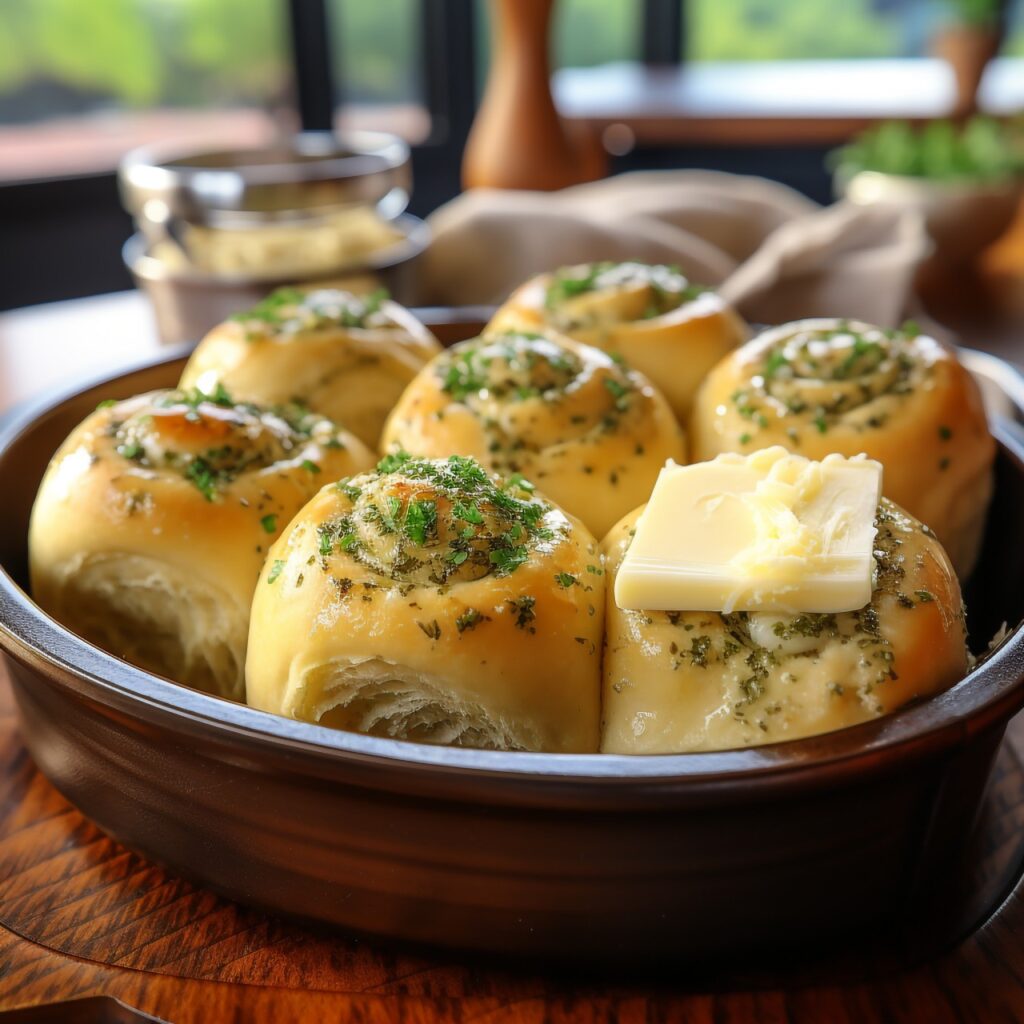
Warm bread sets the tone for hospitality. Flour, yeast, water, and salt are among the most affordable ingredients in any kitchen, and producing rolls in batches keeps the cost per piece extremely low. Their aroma alone enhances the dining experience.
Whipped butter increases volume by incorporating air, creating a light, spreadable texture without raising ingredient expense. Served warm, even a small roll feels satisfying and generous.
Although often complimentary, these rolls reinforce the perception of quality and care. The investment is minimal, yet their impact on guest satisfaction and overall meal value is significant.