9 Foods Millennials Killed Because They Were Too Busy to Cook

Food trends rarely disappear overnight. More often, they fade quietly as lifestyles shift and priorities change. The meals that once filled family tables every week now compete with tighter schedules, smaller households, and a culture built around speed and convenience.
Millennials did not set out to abandon tradition. They inherited longer work hours, urban living, rising food costs, and kitchens designed for efficiency rather than marathon cooking sessions. Time became the most valuable ingredient, and anything demanding too much of it slowly fell behind.
From molded salads to slow roasts, these dishes tell a larger story about how modern life reshaped the way an entire generation cooks, shops, and gathers around the table.
1. Jell-O Salads

Few dishes feel as tied to a specific era as the molded gelatin salad. Popular in mid century America, these brightly colored creations required planning, refrigeration space, and a willingness to suspend fruit or marshmallows in sweetened gelatin. They were designed for gatherings and potlucks, not small weekday dinners.
Millennials, often living in apartments with limited fridge space and smaller households, had little reason to master the technique. The texture and sweetness feel dated compared with today’s preference for fresher, less processed flavors.
Convenience also played a role. Fresh fruit platters, yogurt parfaits, and bakery desserts require no molds or careful unmolding. Over time, gelatin salads slipped out of regular rotation.
2. Meatloaf
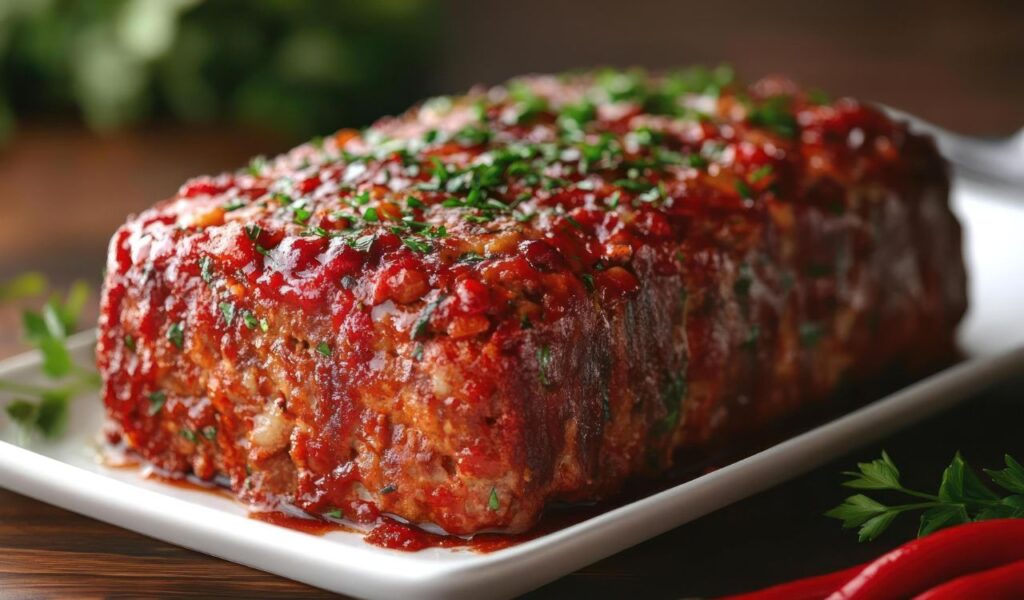
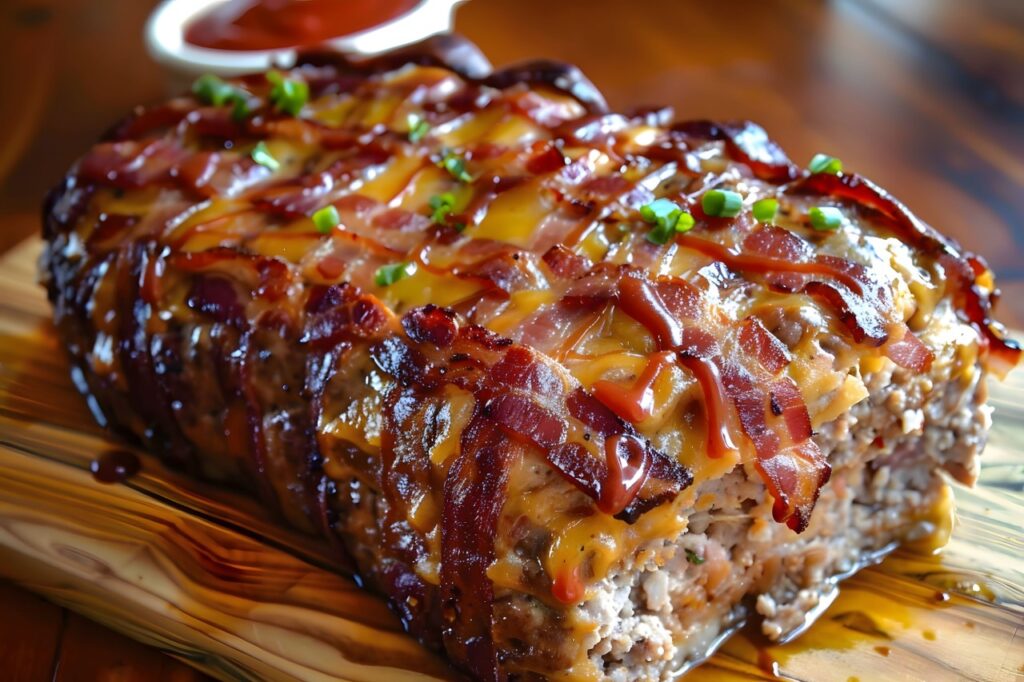
Meatloaf was built for economy and scale. Ground beef stretched with breadcrumbs, eggs, and seasoning could feed a large family at modest cost. It requires mixing, shaping, baking, and resting before slicing, which means planning ahead and committing oven time.
Millennials often cook for one or two people. A full loaf can produce days of leftovers, and reheated slices rarely match the texture of a fresh serving. Faster proteins such as rotisserie chicken or pre seasoned ground meat offer similar comfort with less effort.
Changing schedules matter too. With longer work hours and commutes, spending over an hour on a single dish feels impractical. The result is not rejection of meatloaf, but fewer occasions where it fits.
3. Home-Baked Layer Cakes
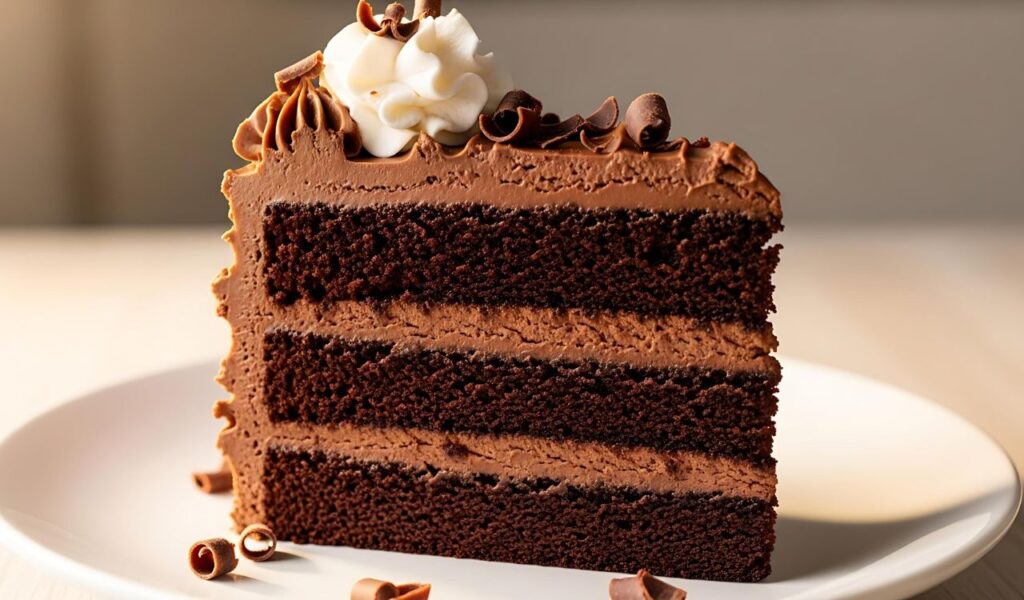
Layer cakes once symbolized celebration and skill. Baking multiple tiers, allowing them to cool, trimming edges, and frosting evenly requires time, counter space, and patience. Cleanup alone can be substantial.
Millennials still celebrate birthdays and milestones, but many turn to professional bakeries. Custom cakes, cupcakes, and even grocery store options provide polished results without dedicating half a day to preparation. Social media has also raised aesthetic expectations, making homemade imperfections feel less acceptable.
Smaller households contribute to the shift. A large cake can go stale before it is finished. Single serve desserts and smaller formats better match modern living arrangements and schedules.
4. Boiled Dinners
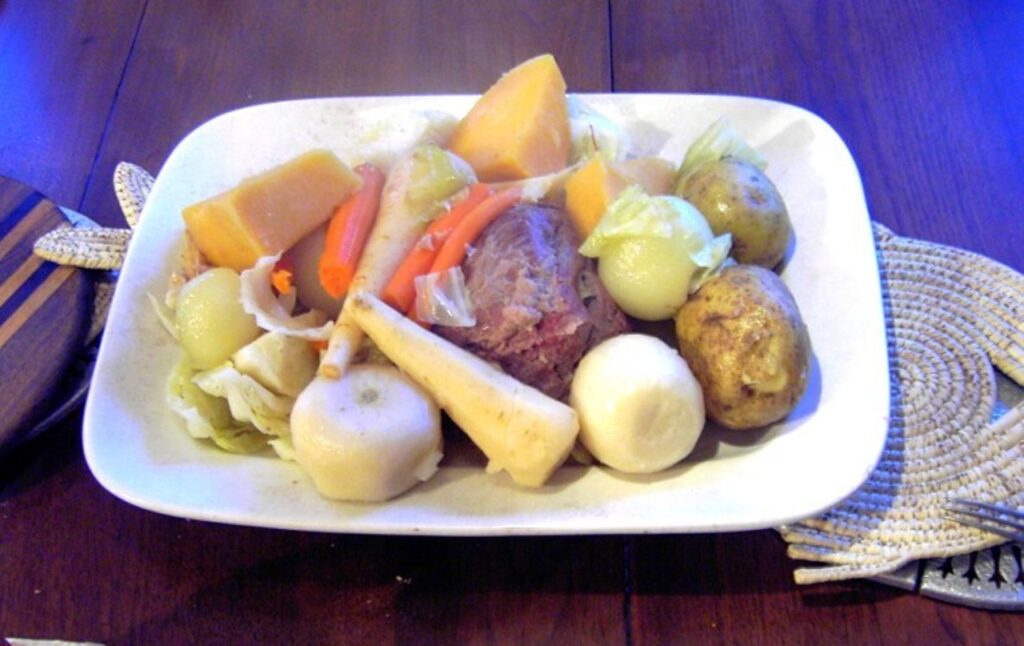
The traditional boiled dinner relied on long simmering to tenderize tougher cuts of meat alongside cabbage and root vegetables. It was practical in eras when fuel was cheap and families were large. The flavor came from patience rather than complexity.
Modern cooking trends emphasize speed and texture. Long boiling can mute color and create softer vegetables, which contrasts with today’s preference for crispness and vibrant presentation. Quick roasting or sautéing often produces more appealing results in less time.
Time constraints also play a role. Simmering for hours demands planning and stove space. With busier workdays and smaller kitchens, many cooks choose methods that deliver similar nourishment more efficiently.
5. Casseroles from Scratch
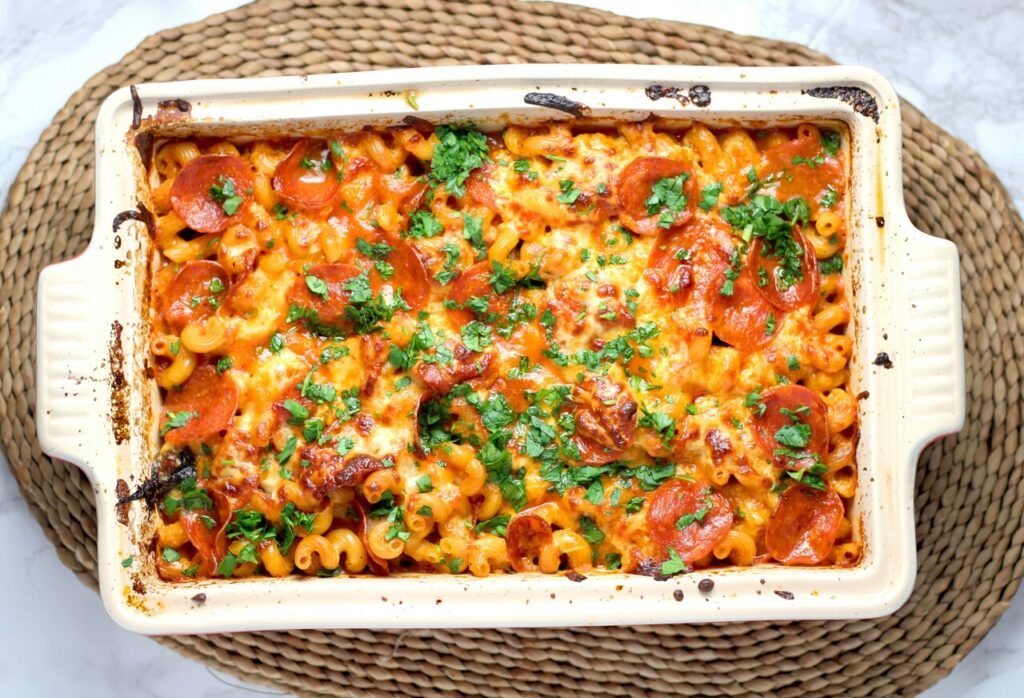
Classic casseroles are layered affairs. Ingredients are often cooked separately before being assembled and baked together. While budget friendly and practical for feeding groups, they can require multiple pans and extended preparation.
Millennials tend to favor streamlined cooking. One pan meals, sheet pan dinners, and pressure cookers reduce both labor and cleanup. The heavy textures common in older casseroles also compete with modern preferences for lighter, fresher tasting meals.
Leftovers are another factor. Large baking dishes suit families, not individuals. As household sizes shrink, the incentive to prepare oversized casseroles decreases.
6. Homemade Bread
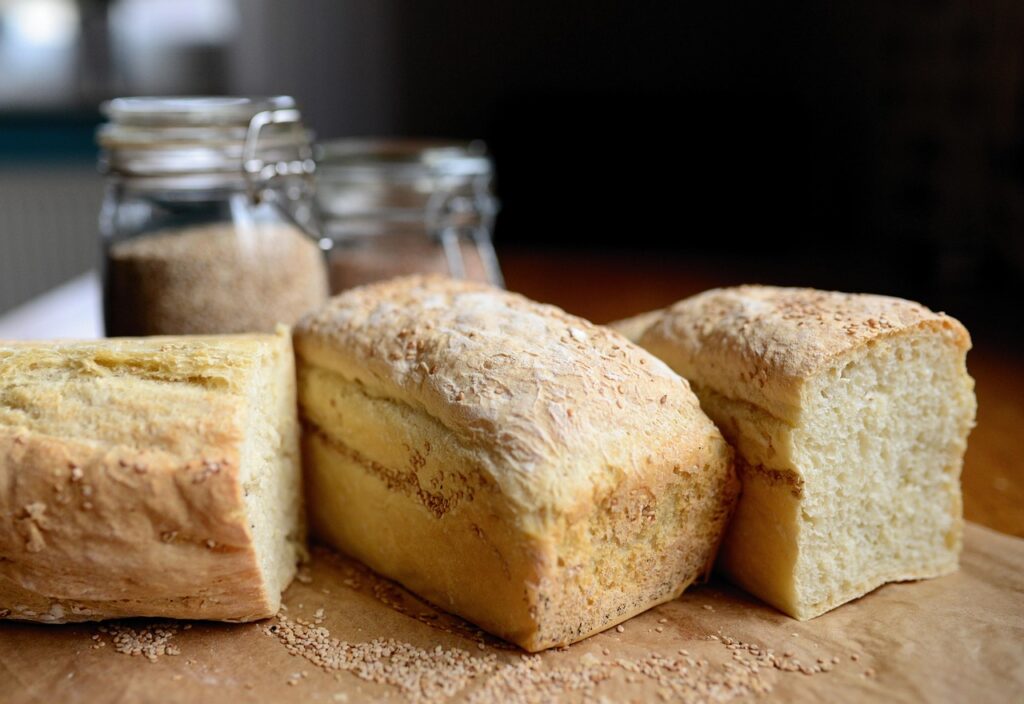
Making bread from scratch is deeply satisfying but undeniably time consuming. Mixing, kneading, proofing, shaping, and baking can stretch across several hours. It also requires some understanding of yeast behavior and temperature control.
With artisan bakeries, supermarkets, and affordable specialty loaves widely available, the practical need to bake at home has diminished. High quality bread can be purchased easily, often for less than the value of the time required to produce it.
Millennials also tend to move frequently and live in smaller spaces. Limited storage and counter area make regular bread baking less convenient, reserving it for hobbies rather than daily routine.
7. Slow-Cooked Pot Roasts
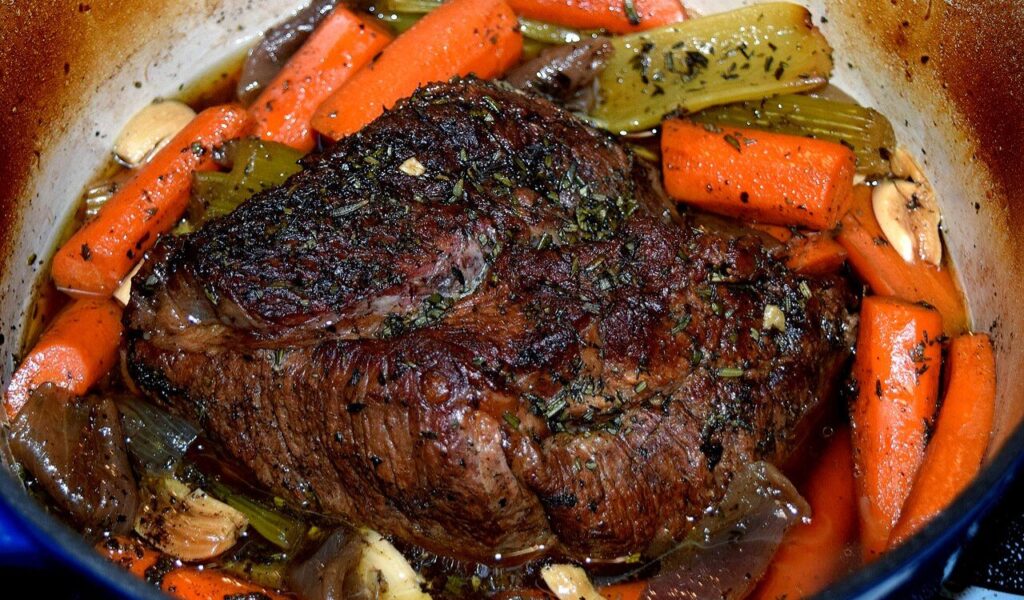
Pot roast represents patience. Tough cuts of beef become tender only after hours of low heat. The method is effective but demands planning and steady energy use.
Today’s cooking tools offer alternatives. Pressure cookers and slow cookers reduce active attention, yet many still prefer faster proteins such as grilled chicken or stir fry. These options align better with variable work schedules and spontaneous meal planning.
Portion size matters as well. Pot roasts are designed to serve several people. For smaller households, the scale can feel excessive, making quicker, smaller dishes more practical.
8. Stuffed Vegetables
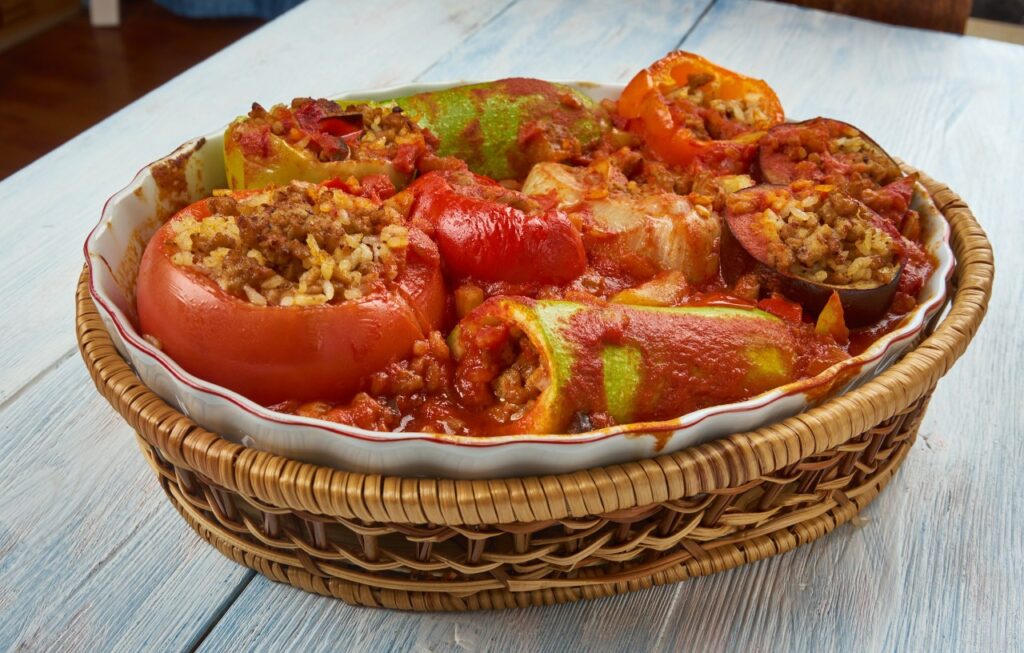
Technique is central to stuffed vegetables. Bell peppers are trimmed and hollowed, cabbage leaves softened, and fillings mixed to balance moisture and seasoning. Components are prepared separately before baking, which requires time, space, and steady attention.
The flavors are satisfying. Rice, ground meat, herbs, and tomato sauce blend into something comforting and complete. Yet the structure adds labor. Scooping, rolling, layering, and arranging cannot be rushed without affecting texture.
Today, many cooks choose deconstructed versions like skillet mixtures or grain bowls. The ingredients remain similar, but the assembly disappears. When efficiency matters, fewer multi step dishes enter the weekly routine.
9. Homemade Pies
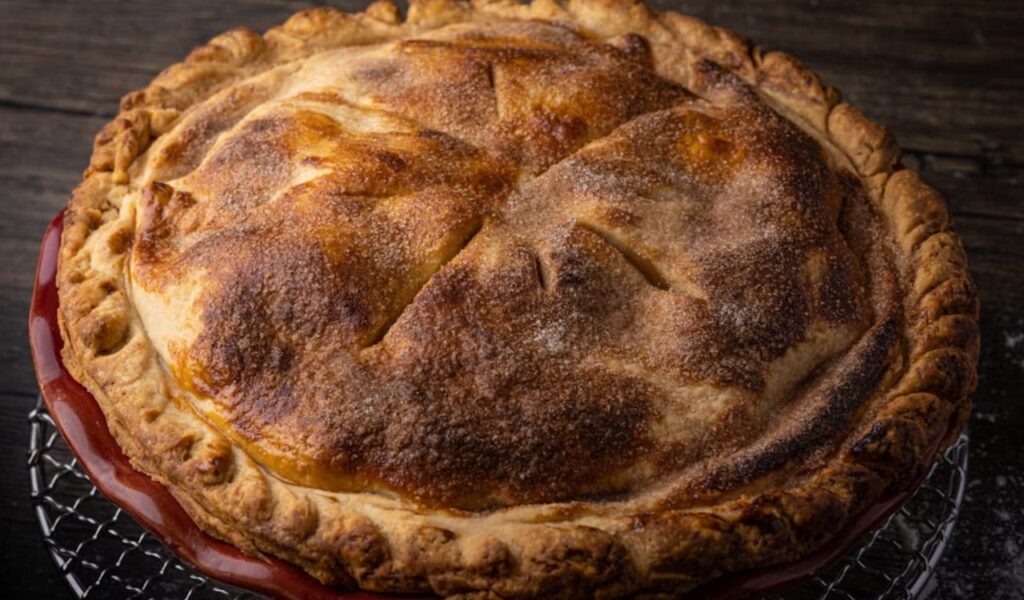
Pie making demands patience and precision. Dough must be mixed gently, chilled, and rolled evenly to prevent tearing. Fitting the crust into a pan without stretching it takes practice. Each stage carries small risks that shape the final texture.
The filling requires judgment. Fruit releases moisture as it bakes, so thickening agents must be measured carefully. Too little creates a watery slice, too much leads to gumminess. Oven timing determines whether the crust browns properly.
Pre-made crusts and bakery pies remove much of this uncertainty. For households balancing work and family, buying dessert often makes more sense than dedicating hours to technique. The shift reflects time pressure more than dislike.