14 Ultra-Luxury Restaurants So Expensive They Make Your Wallet Sweat

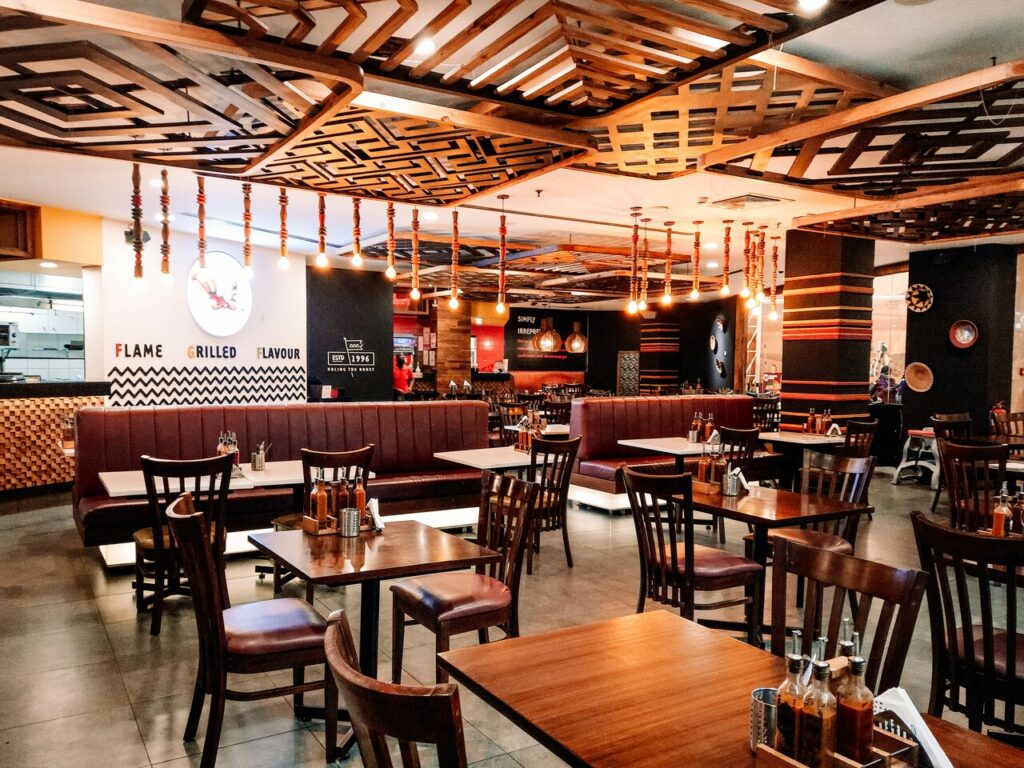
Ultra-luxury restaurants get expensive through a mix of scarcity and intensity. Limited seats, long multi-course menus, and high staffing levels mean fewer guests per night, so the cost per person rises fast.
Ingredients also drive the price, especially when menus lean on premium seafood, luxury meats, caviar, and seasonal rarities that require careful sourcing and strict handling. Pairings, supplements, and special seating formats can push totals well beyond the base menu.
What lands on the check is the full experience: time, choreography, precision, and exclusivity packaged as an evening, not a quick meal, which is why these places make the wallet sweat before dessert.
1. Masa
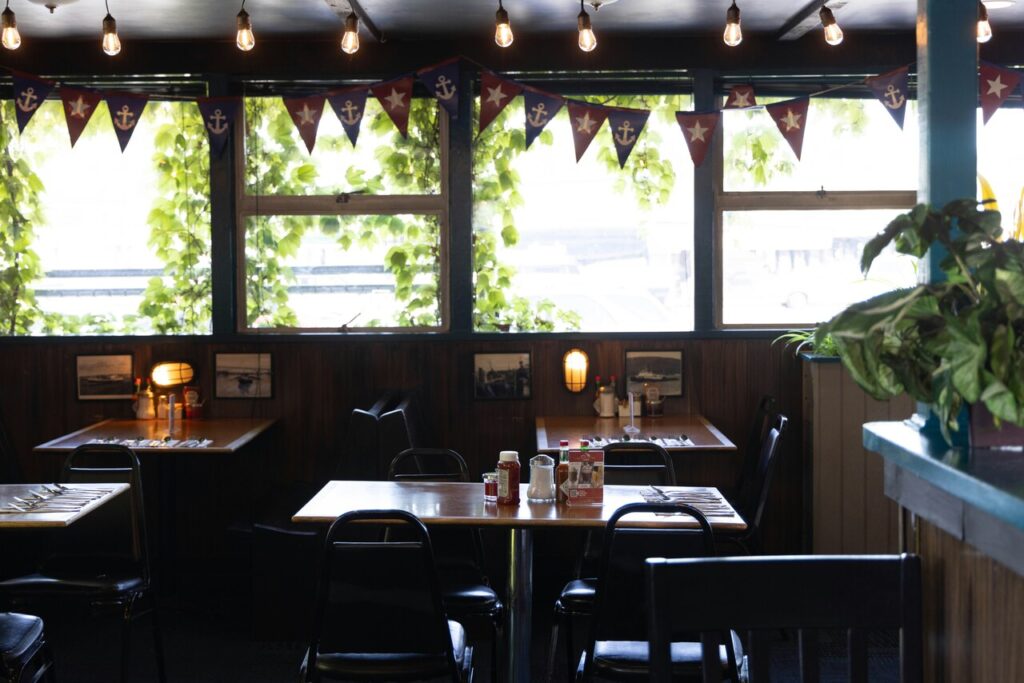
Silence is part of the luxury here, because the room is designed to keep attention on the chef’s counter and the rhythm of omakase, and that focus helps explain why the meal commands such a high price.
The menu structure pushes the spend higher than most restaurants because the ingredients themselves are expensive and fragile. The work is also labor-heavy, since knife work, rice seasoning, temperature control, and timing are constant across the meal.
The final factor is scarcity. Reservations are limited, and the restaurant’s reputation keeps demand high, which supports pricing that would be impossible in a higher-volume model. The result is not just dinner, but a high-cost craft showcase where every bite is treated like a finished piece.
2. Caviar Russe Grand Tasting Menu
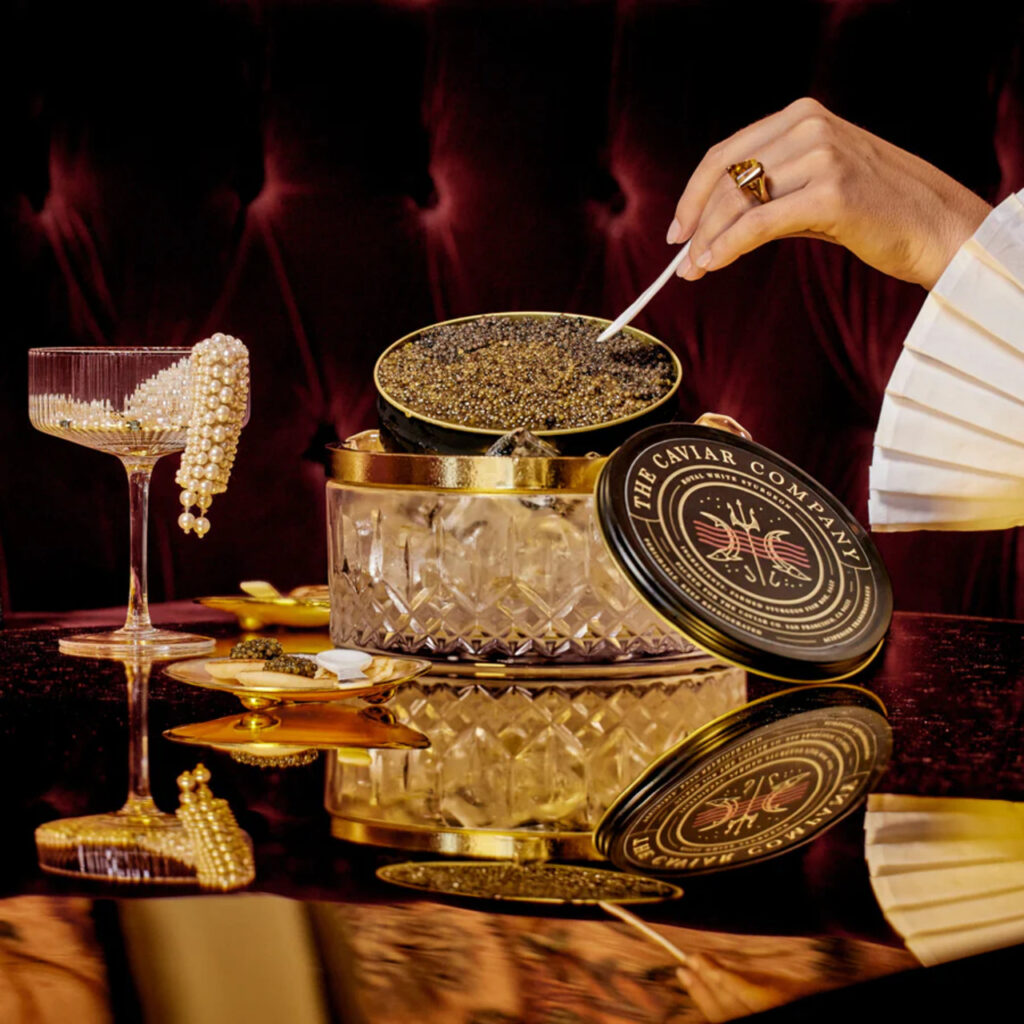
Caviar becomes the main character here, and that alone signals why the check climbs fast, because high-grade caviar is one of the most expensive foods served regularly in restaurants.
The economics are straightforward. The menu format multiplies those costs across a long sequence of courses, and luxury pairings and service elements can add more on top of the base price.
Another reason these meals feel so expensive is the setting and pacing. Fine service, specialized tableware, and controlled timing are part of the promise, and the restaurant must maintain that standard every night with a small number of covers. The result is a dinner that behaves like a high-end tasting experience and a caviar showcase at the same time.
3. The Restaurant at Meadowood Chef’s Counter
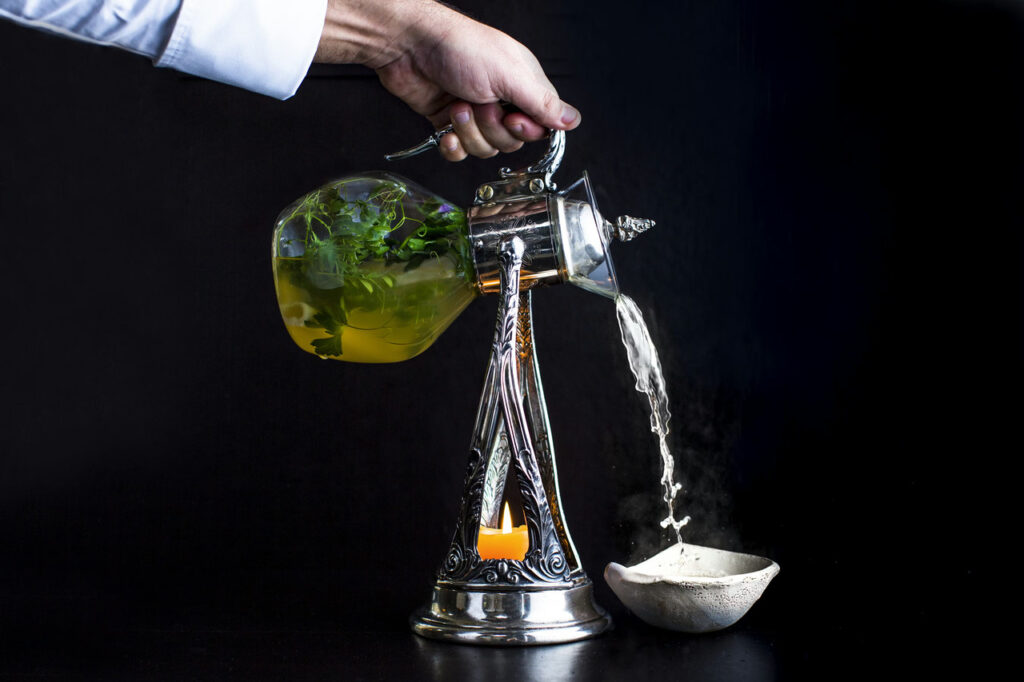
Chef’s counters often cost more because they sell proximity, and this one is built for a small number of seats. The price reflects a curated progression of courses delivered with high-touch service and a format that cannot be scaled easily.
The meal itself is labor-intensive. A chef’s counter menu typically includes more finishing steps and more interaction. Ingredient selection tends to skew premium as well, since the counter is often treated as the restaurant’s most complete expression of craft.
Scarcity does the rest. Limited seats mean fewer opportunities to sell the experience, so pricing must cover fixed costs while preserving exclusivity. For diners, the result is a high-cost seat to a culinary performance with extremely limited supply.
4. Per Se
A long tasting menu at this level is expensive because it is built like a production, with a large team, premium ingredients, and a service style that treats timing and detail as part of the food. Per Se sits firmly in that category, where the base menu is already high, and optional additions can push the total much higher.
Multiple courses require more prep, more stations, and more coordination than a standard dinner, and the kitchen often maintains parallel preparations to keep execution consistent.
New York fine dining carries high overhead, and a restaurant operating at this tier invests heavily in staffing, sourcing, and experience design. The check reflects that ecosystem. The end result is an evening built around precision and luxury.
5. Benu
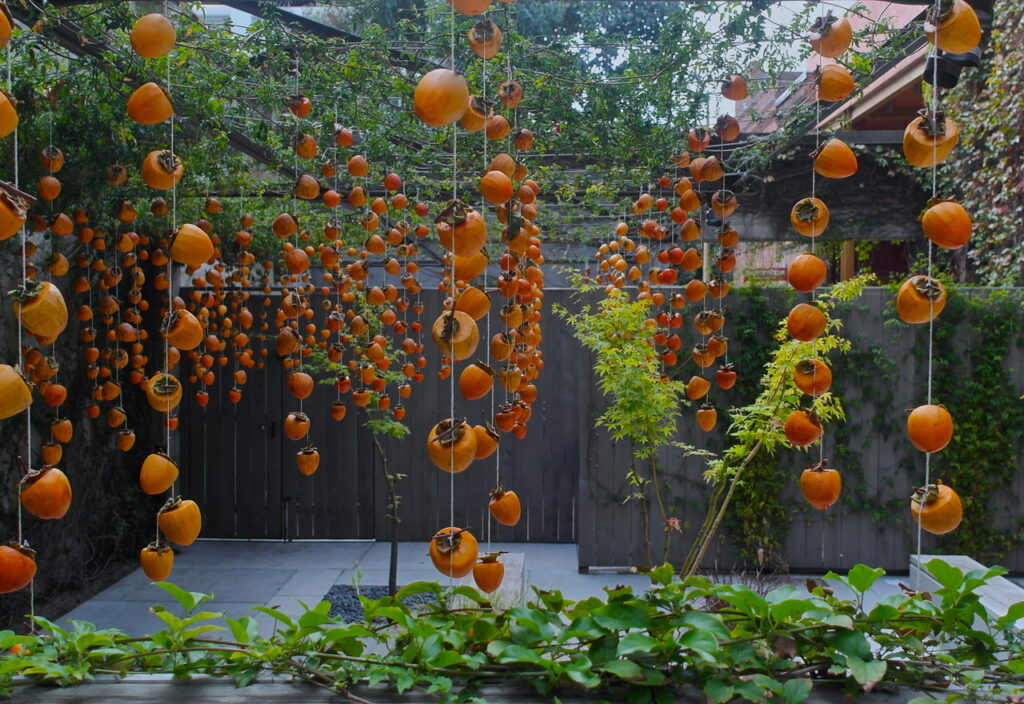
A high-end tasting menu becomes expensive when it combines premium ingredients with a highly choreographed service, and Benu fits that profile because the format depends on many small, intricate courses that require extensive prep and careful timing. Small plates do not mean small labor.
Ingredient cost is a major driver. Fine dining menus at this level frequently include specialty seafood, luxury meats, and rare seasonal items, and those choices raise food costs quickly.
Tasting menus operate with a fixed progression, so the restaurant builds the entire evening around one curated path rather than menu flexibility. That allows precision, but it also means staffing and prep must be built for consistency across every guest.
6. Smyth
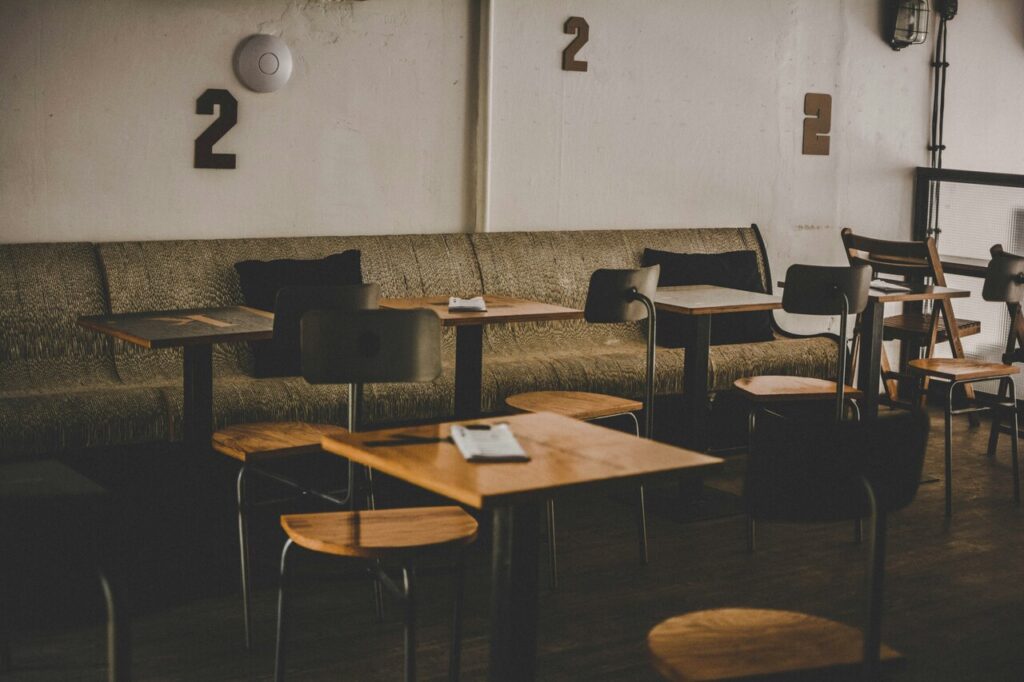
Luxury dining in Chicago can still hit big numbers, and Smyth does it through a high-end tasting format where the value proposition is not portion size, but attention per course.
The spend grows because a tasting menu is a chain of decisions. Each course has ingredient costs, prep labor, and plating time, and those add up quickly across many courses. Pairings can add a second major line item, and pairing programs at this level often feature rare wines.
The experience is also built on scarcity and detail. Reservations are limited, service is paced, and the room is designed to support a long, immersive meal. The result is a dinner that feels like a full event, with pricing that matches the time, staffing, and ingredient choices behind it.
7. Addison
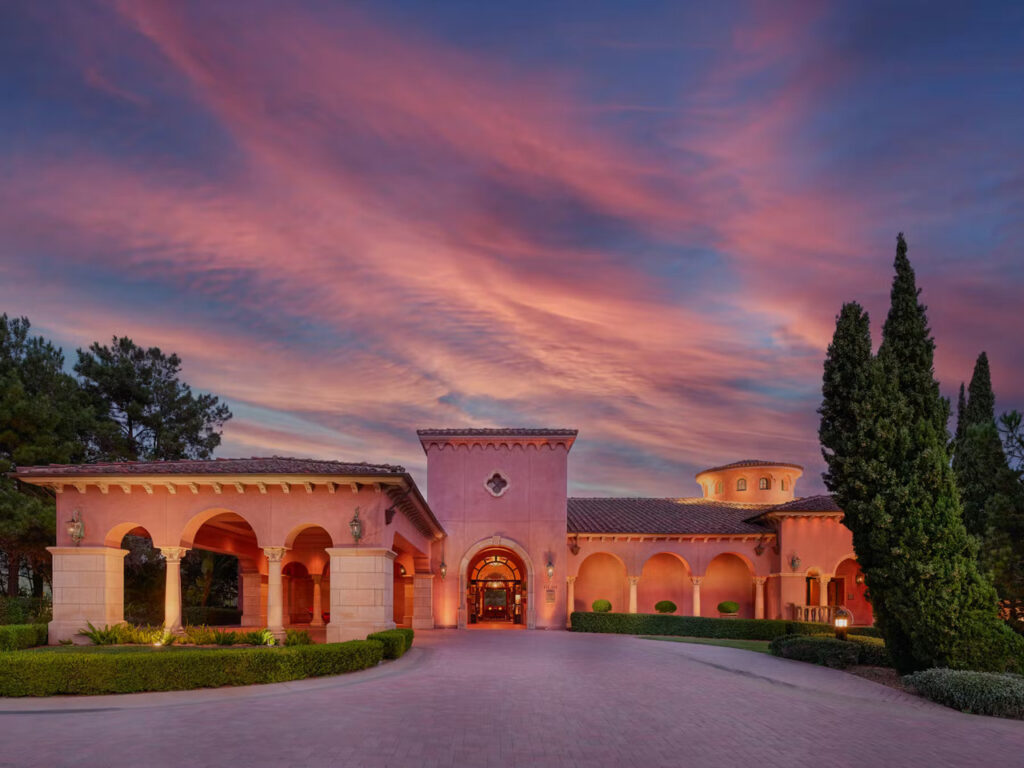
High prices often follow recognition, and Addison’s luxury tier is supported by a tasting menu structure that leans into premium ingredients and a formal dining experience. At this level, the ticket price is not just food; it is the entire service system that delivers it with consistency.
The cost tends to climb through upgrades and add-ons. Luxury meats, specialty seafood, and seasonal rarities can appear as supplements. Fine dining also requires staff coverage that is far heavier than casual restaurants, since pacing, plating, and table attention are part of the product.
A long tasting menu consumes time, and that reduces how many diners can be served in a night, which pushes the restaurant toward higher per-person pricing.
8. Jônt
Chef’s counter dining tends to be expensive because it sells focus and intimacy, and Jônt leans into that by offering a tasting experience where guests sit close to the action and receive a tightly paced progression of courses.
Fine dining at this level uses small portions with intense technique, which can involve specialized prep, careful temperature control, and precise finishing. Those details are time-consuming and require a skilled team, which becomes part of the pricing.
Add-ons can also shift the final number. Pairings, specialty courses, and upgrades can stack quickly, and the total bill can rise well above the menu price. The draw is the feeling of being inside the process, and that is hard to replicate at scale.
9. Chef’s Table at Brooklyn Fare
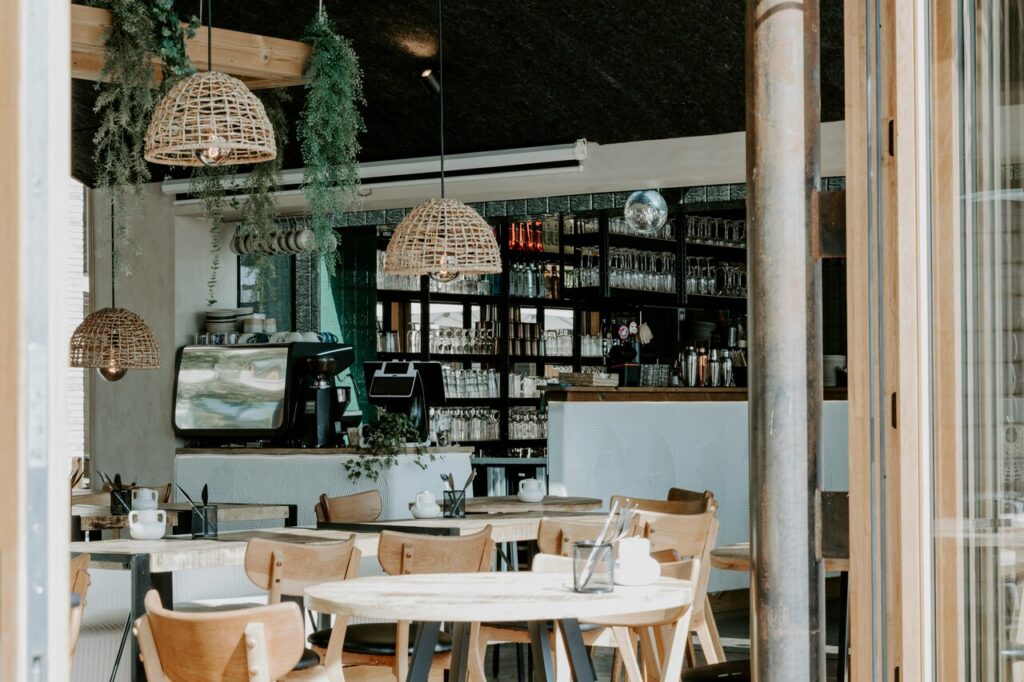
Counter dining becomes expensive when it is treated like a full tasting menu experience rather than a casual seat, and this chef’s table fits that model with a structured progression and a limited number of guests. The price reflects the same forces as other top counters.
A long sequence of small courses requires prep across many techniques and ingredients, and the counter format increases the need for perfect timing, since guests can see everything.
Limited seats mean every night must cover substantial fixed costs, and the restaurant’s reputation keeps demand high enough to support luxury pricing. The dinner functions like a culinary performance, with a bill that reflects both the ingredients on the plate and the labor behind every transition.
10. Alinea
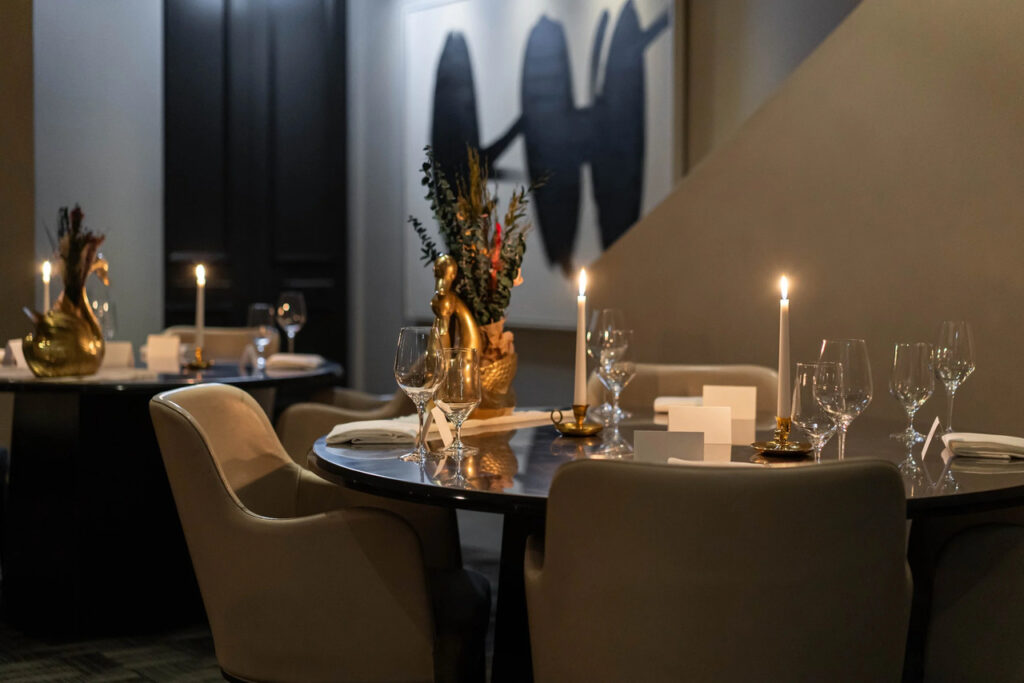
Alinea is expensive because it is built around an experience design mindset, where food, presentation, and pacing are integrated into a long, controlled sequence that can take hours. That style requires equipment, staff training, and a level of coordination that raises operational cost far above typical fine dining.
Multi-course service means many small preparations, and those preparations often involve specialized techniques that require time and precision. That labor cost is multiplied across the entire guest experience.
Optional spend can push totals even higher. The result is a night that feels theatrical, detailed, and highly managed, which is exactly why it commands a price that makes most budgets flinch.
11. Eleven Madison Park
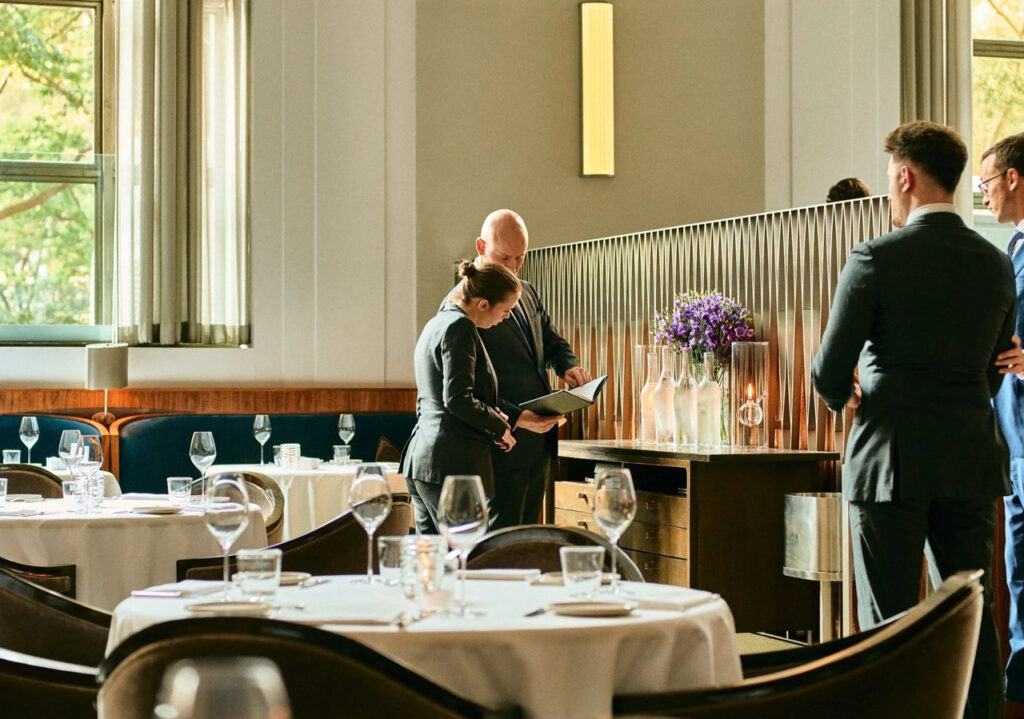
This restaurant operates in the top tier because the experience is designed to feel seamless, and that level of polish is expensive to deliver. A long tasting menu requires a large team, careful pacing, and a dining room built to support a multi-hour meal without rushing.
Service includes careful choreography, and that choreography is part of what guests are paying for, since the meal is meant to feel like a complete evening rather than a quick dinner.
New York overhead is high, and a luxury tasting menu model limits nightly volume because each table stays for a long time. Pricing must cover that reality. The result is a premium experience where the bill reflects the combined cost of ingredients and labor.
12. Atomix
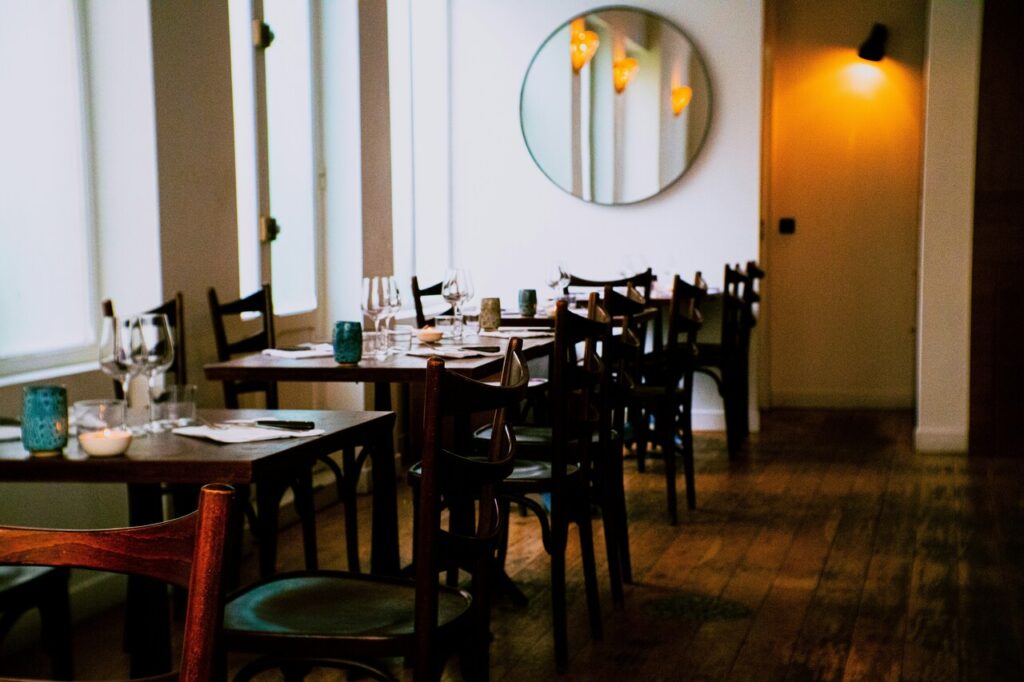
The price point reflects a tightly curated menu served in a format that emphasizes precision and progression. Atomix is built around a high-end tasting experience where each course is planned as part of a complete story.
Premium seafood, luxury meats, and carefully sourced components raise the baseline, while methods that require time, aging, fermentation, or specialized handling add labor and planning costs.
Service and add-ons can increase the final total. Pairings and service charges can add significantly to the per-person spend, and those additions are common in restaurants operating at this tier. The result is an immersive fine dining experience where the price reflects scarcity, precision, and a deliberate, multi-course structure.
13. Saison
Luxury pricing here is tied to a tasting menu style that leans into premium ingredients and high-touch execution, often delivered in a setting designed to feel like an occasion.
The menu structure also drives the check. A long progression of courses requires a broad prep pipeline, multiple cooking methods, and careful timing, and that labor adds up quickly. Pairings and upgrades can push totals higher, and those are common at restaurants that build a full evening around a single menu path.
Long service limits volume, and the restaurant’s identity depends on a high standard of consistency and detail. The result is a night that feels luxurious in both food and service, with pricing that reflects the intensity behind the scenes.
14. The Inn at Little Washington Kitchen Tables
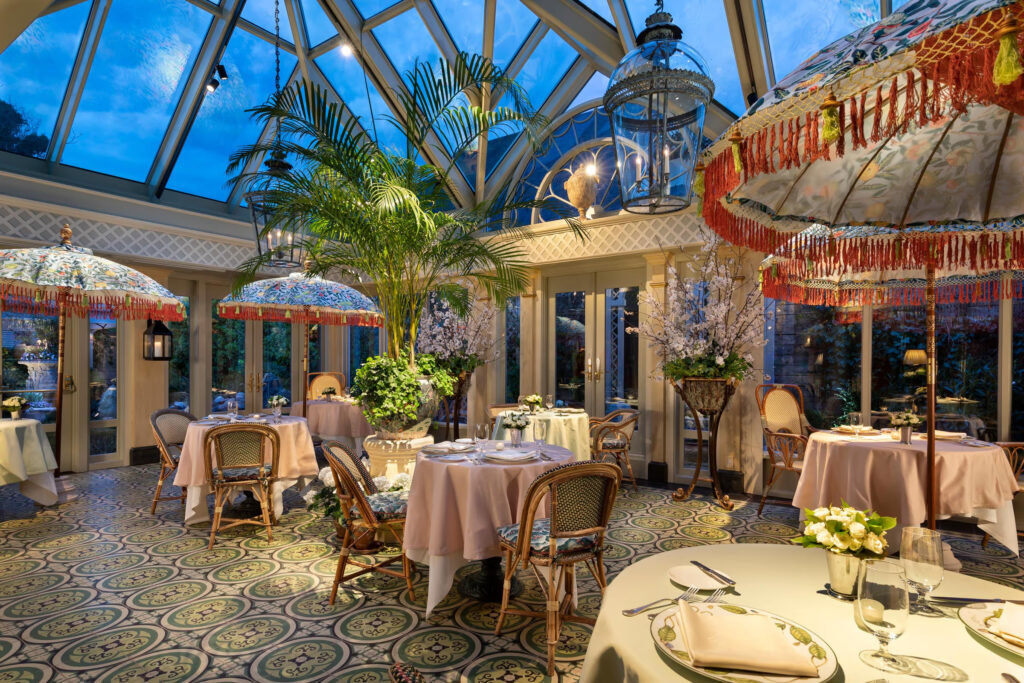
A premium seat can cost almost as much as the meal itself, and kitchen-table style experiences often do that because they sell access. The appeal is proximity to the kitchen’s work, extra attention, and a feeling of being inside the restaurant’s most exclusive zone.
The meal is typically designed to match that exclusivity. High-end ingredients, meticulous pacing, and additional touches often accompany these seats, and the staff-to-guest ratio can be higher than in the main dining room.
Limited availability and a strong reputation create a market where premium seating can command a large surcharge. The result is a dining experience that combines luxury meal costs with an exclusivity premium, which is why it lands firmly in wallet-sweat territory.