Something Changed In These 8 Packaged Foods And People Noticed

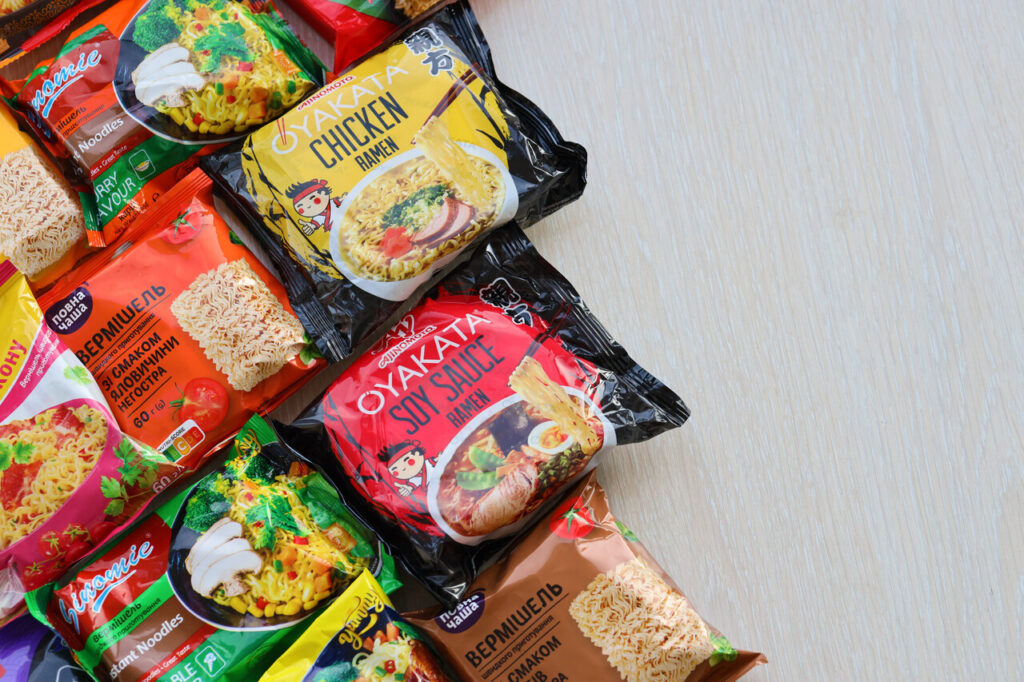
Packaged foods rarely change in ways that are easy to spot at first. The branding stays familiar, the shelves look the same, and the products carry names people have trusted for years. But once you start paying closer attention, small differences begin to stand out. Portions feel lighter, textures shift, and flavors are not always what you remember.
Here’s what’s really happening. Many of these changes are deliberate and gradual. They are designed to manage rising costs, adapt to supply challenges, or meet new marketing trends without drawing too much attention. Over time, though, those small adjustments add up, and regular buyers are the first to notice when something feels off.
1. The Snack Packs Still Look Familiar but Run Out Much Faster
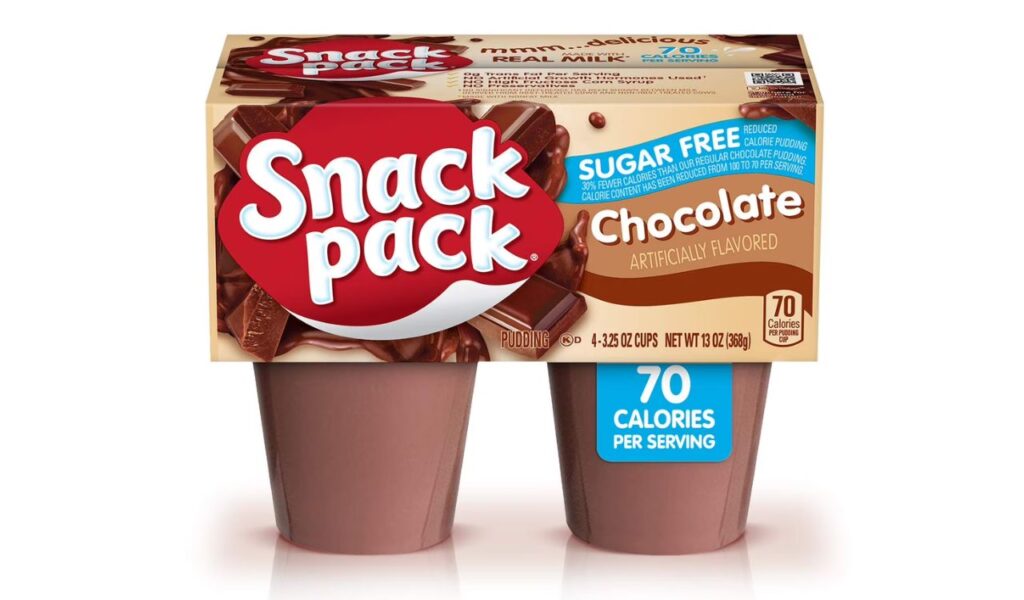
At first glance, snack packs seem unchanged. The branding, colors, and even the box size often stay consistent, which creates a sense of familiarity. But once you start using them regularly, the difference becomes obvious. Portions are smaller, and the number of servings does not stretch as far as it used to.
This change is largely tied to rising production costs. Instead of increasing prices in a way that might discourage buyers, manufacturers reduce the quantity inside. It allows products to stay within a certain price range while quietly increasing the cost per serving. The strategy is subtle, but effective.
People notice it through everyday use. A pack that once lasted a week now runs out in a few days, or a serving that used to feel satisfying now feels limited. That shift in experience is what makes shrinkage stand out, even when packaging tries to suggest nothing has changed.
2. Chocolate Bars Are Losing Weight Without Losing Their Price Tag
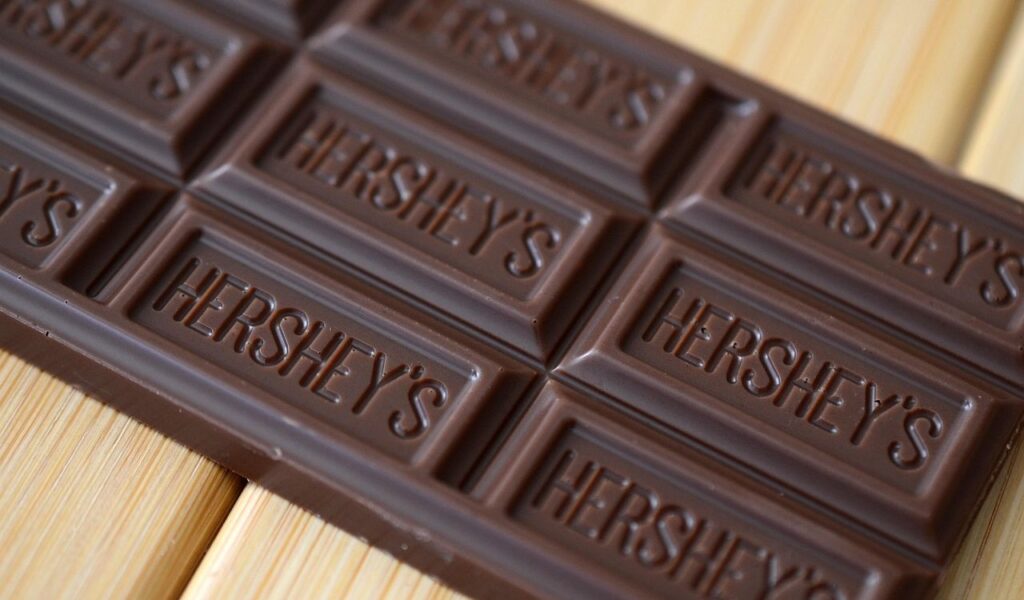
Chocolate bars have undergone some of the most noticeable changes. Many have reduced their weight, altered the number of pieces, or introduced more spacing between segments while keeping the outer wrapper almost identical. The visual cues stay the same, but the actual content decreases.
The reason comes down to the cost of ingredients, especially cocoa and dairy. As these inputs become more expensive, manufacturers adjust portion sizes to maintain profitability. It is often easier to remove a few grams than to raise prices in a way that customers immediately react to.
Regular buyers are quick to pick up on the difference. A bar that once felt indulgent now feels smaller, even if the change is only a few grams. Over time, these small reductions build awareness, and people begin to question whether the value still matches the price.
3. Chips Bags Look Full but Hold Less Than Before
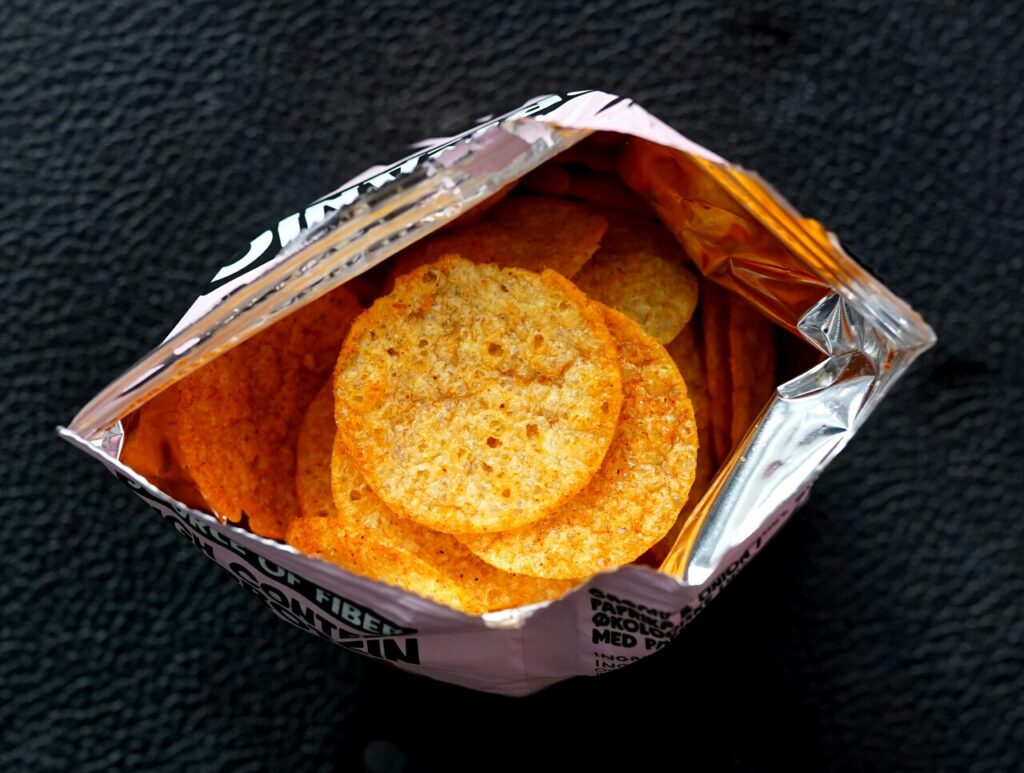
A bag of chips still appears large and satisfying, but the actual content inside has steadily decreased. The size of the packaging often remains the same, which creates the impression of consistency. However, the weight listed on the back tells a different story.
This approach works because visual perception plays a big role in how people judge value. A full-looking bag feels generous, even if the quantity inside has been reduced. Manufacturers rely on this balance between appearance and actual content to manage rising costs.
Consumers tend to notice this change when the bag empties faster than expected. What once served multiple people or multiple occasions now feels like a single sitting snack. That shift in usage is what brings attention to the reduction, even if the packaging suggests otherwise.
4. Ice Cream Tubs Are Shrinking While Staying the Same Shape

Ice cream packaging has evolved in a way that is not always obvious. Many tubs have reduced their volume slightly while maintaining a similar shape and design. The difference is often measured in small increments, which makes it easy to overlook at first.
The motivation is tied to ingredient costs and storage considerations. Ice cream relies on dairy, sugar, and flavorings that can fluctuate in price. Adjusting the size of the container helps brands manage these changes without altering the overall look of the product.
People begin to notice when familiar routines change. A tub that once lasted several servings now runs out sooner, or a scoop feels smaller than expected. These subtle shifts accumulate over time, making the reduction more apparent with repeated purchases.
5. Cake Mix Boxes No Longer Deliver the Same Yield
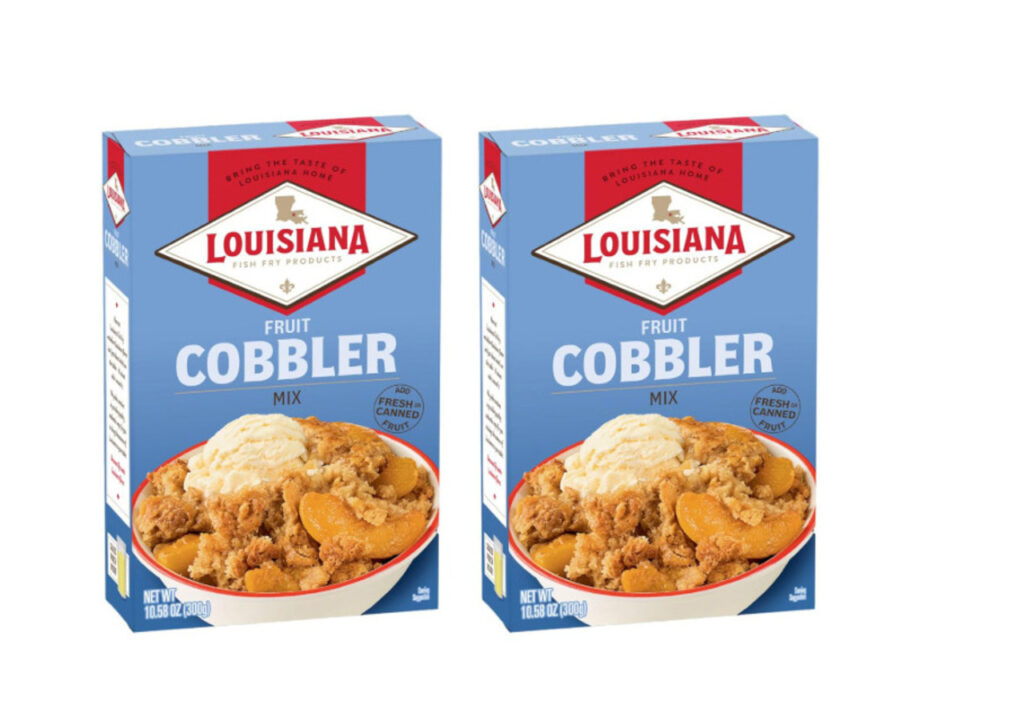
Cake mix boxes have quietly reduced the amount of mix included, which affects the final output. A recipe that once filled a certain pan or produced a specific number of servings may now require adjustments or result in a thinner cake.
This change is often linked to ingredient costs and manufacturing efficiency. By reducing the quantity of the mix, companies can keep retail prices stable while managing production expenses. The instructions on the box may remain similar, but the outcome can differ slightly.
Home bakers are usually the first to notice. When a cake does not rise as high or does not fill the pan as expected, it raises questions about what has changed. That difference in results highlights how even small adjustments in quantity can affect the final product.
6. Recipes Are Being Reformulated With Cheaper Ingredients
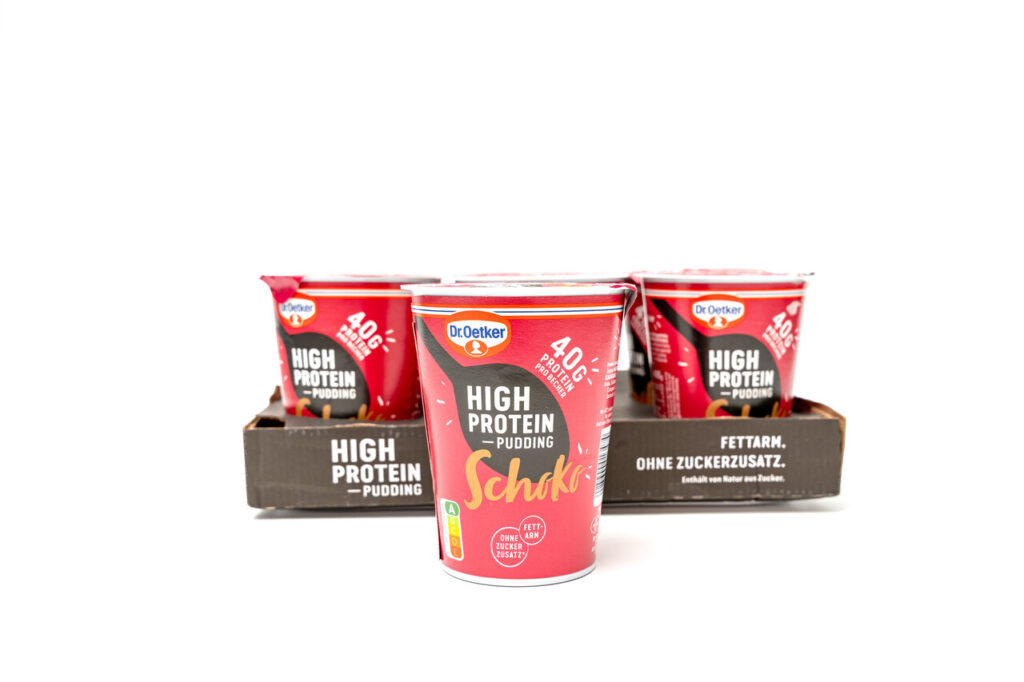
Many packaged foods have undergone recipe changes that are not always clearly communicated. Ingredients may be swapped for more cost-effective alternatives, which can alter flavor, texture, or nutritional value. These changes are often gradual to avoid immediate detection.
The goal is to balance cost control with maintaining brand identity. Using alternative oils, adjusting sweeteners, or modifying flavor blends can reduce expenses while keeping the product recognizable. However, even small changes can affect the overall experience.
Consumers who regularly buy the same product tend to notice these differences. A snack may taste slightly less rich, or a sauce may feel thinner than before. That familiarity makes it easier to detect when something has shifted, even if the label looks unchanged.
7. Additives Are Increasing Even as Labels Claim Improvement
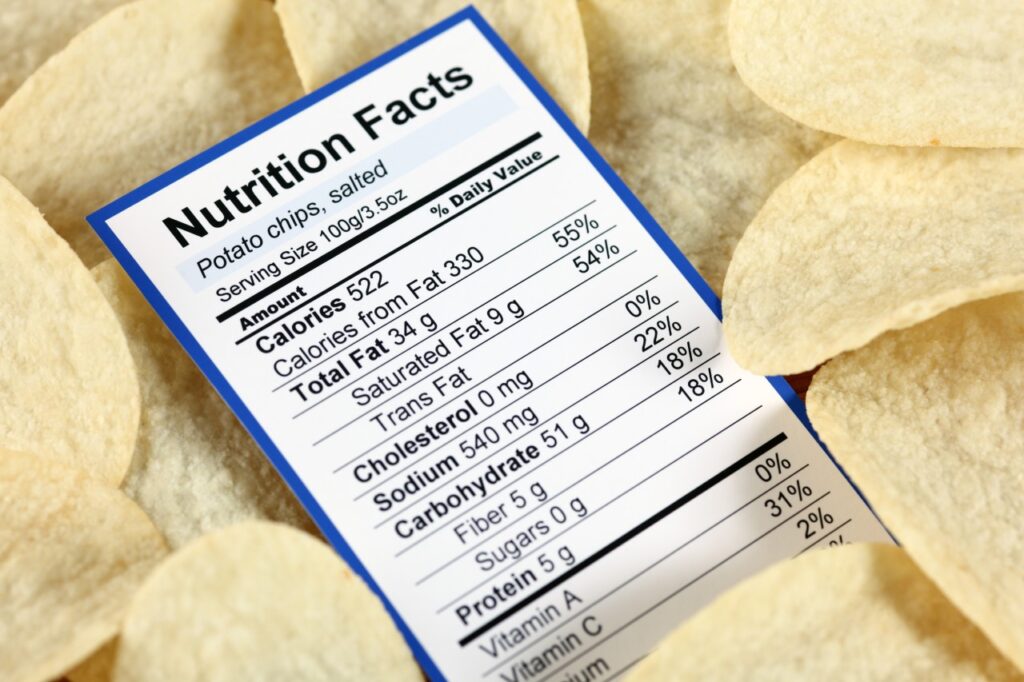
Packaged foods often rely on additives to maintain shelf life, texture, and flavor consistency. As supply chains become more complex, these ingredients play a larger role in ensuring products remain stable from production to purchase.
At the same time, packaging increasingly highlights claims like improved, natural, or better for you. This creates a contrast between what is marketed and what is included in the ingredient list. The product may appear more appealing, even as processing levels remain high.
Shoppers are becoming more attentive to these details. Reading ingredient lists reveals how many components are involved, which can change how a product is perceived. This growing awareness is driving more scrutiny of what goes into packaged foods beyond the front label.
8. Packaging Redesigns Are Hiding Subtle Changes Inside

When packaging changes, it often signals more than just a visual update. Redesigns can coincide with adjustments in portion size, ingredient composition, or overall product positioning. The new look draws attention away from these underlying changes.
Bright colors, new fonts, and updated layouts create a sense of novelty, which can make consumers focus on the design rather than the details. This approach helps brands refresh their image while introducing modifications that might otherwise stand out.
Over time, people start to connect the dots. A product that looks new may not deliver the same experience as before, whether in quantity or taste. That realization reinforces the idea that packaging changes are not always just cosmetic, but part of a broader shift in how products are made and presented.