Beyond Meat Isn’t the Brand You Bought Into Anymore: Here’s What Changed in 9 Quiet Ways


Beyond Meat once stood as one of the most recognizable names in the plant-based food movement. It built its reputation on creating meat alternatives that looked, cooked, and tasted like the real thing. Over time, however, the company has undergone a series of subtle but important changes. From leadership shifts to product expansion and evolving branding, the direction of the company is no longer as straightforward as it once was. These changes reflect a broader effort to adapt to a shifting market, but they also reshape how consumers understand the brand today.
1. Dropping “Meat” From Its Name
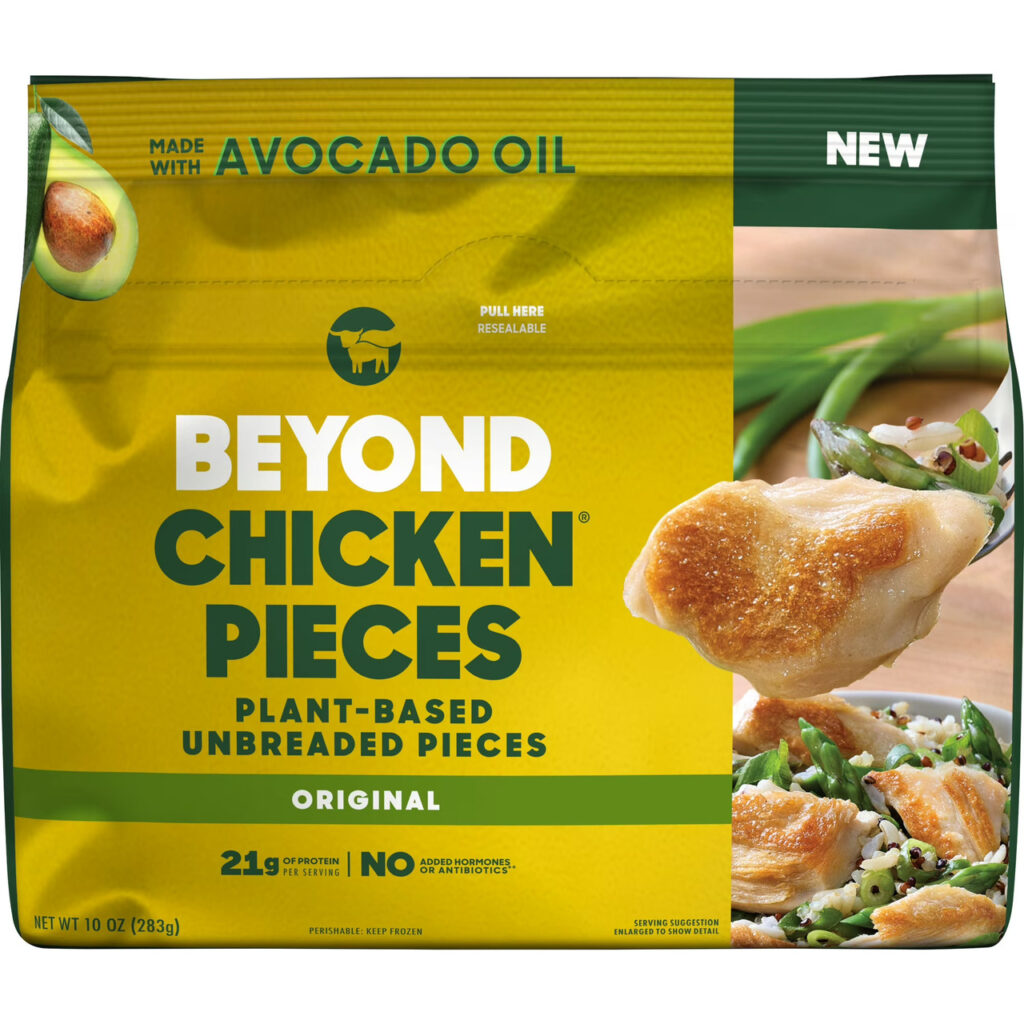
Few brand names were as direct as Beyond Meat. From the beginning, the name clearly signaled the company’s mission to create plant-based alternatives that closely resembled traditional meat.
Recently, the company has explored moving away from that identity by softening the emphasis on “meat” in its branding. The change is subtle, but it signals a different long-term direction.
This matters because branding shapes how consumers understand a product. When the focus moves away from meat imitation, it can create uncertainty about what the company stands for. A broader identity may offer flexibility, but it can also dilute the clear message that originally attracted customers.
2. Expanding Beyond Meat Into Drinks and Snacks

At its peak, the company built its reputation on burgers, sausages, and ground meat alternatives. These products were designed to fit directly into familiar meals, making it easier for consumers to replace traditional meat without changing their habits.
More recently, the company has begun exploring entirely new categories such as protein drinks and snack items. This expansion goes beyond its original focus and aims to position the brand in a wider health and nutrition space.
While diversification can open new opportunities, it also changes how the brand is perceived. Moving into unrelated product categories can make the lineup feel less focused.
3. Frequent CEO Changes and Leadership Instability

Leadership plays a major role in shaping a company’s direction. Strong and consistent leadership often signals stability, especially in industries that are still evolving and competitive.
In recent years, the company has gone through multiple leadership changes. These transitions can create uncertainty both internally and externally, as strategies may shift with each new executive team.
Frequent changes at the top can make it harder to maintain a clear long-term vision. For consumers and investors, this can raise questions about consistency and direction, especially when the company is already navigating a challenging market environment.
4. Shift Away From Meat Imitation Toward General Protein

The original appeal of the brand was its focus on replicating the taste and texture of meat using plant-based ingredients. This approach allowed it to target not only vegetarians but also regular meat eaters looking for alternatives.
Over time, the company has begun emphasizing protein more broadly rather than strictly meat imitation. This includes positioning its products as part of a wider category of protein sources rather than direct replacements for animal meat.
This shift reflects changing market dynamics but also alters the core identity of the brand. When the focus moves away from imitation, it can reduce the sense of direct comparison with meat, which was a key factor in its early success.
5. Declining Sales in Core Plant-Based Meat Category
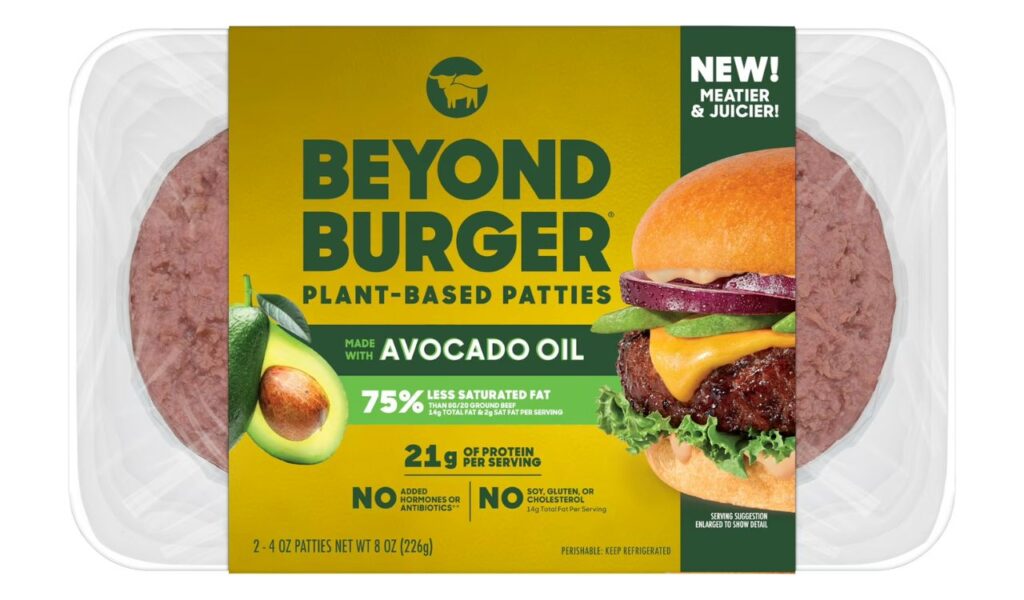
The plant-based meat category experienced rapid growth during its early years, driven by curiosity and strong marketing. Many consumers were eager to try alternatives that promised a similar taste with different ingredients.
In recent periods, however, demand has slowed in several markets. Sales have not maintained the same momentum, and repeat purchases have not always matched initial interest.
This slowdown has forced companies to rethink their strategies. When growth in the core category declines, brands often explore new directions to maintain relevance, which can lead to noticeable shifts in product focus and messaging.
6. Moving Toward Simpler, “Cleaner” Ingredient Lists

As consumer awareness around food ingredients has grown, there has been increased demand for products with simpler and more recognizable components. This trend has influenced many food companies to adjust their formulations.
The company has responded by working toward cleaner ingredient lists and reducing the perception of heavy processing. This often involves reformulating products to align with evolving expectations around health and transparency.
While these changes can improve perception, they can also affect taste and texture. Reformulating complex products is challenging, and even small adjustments can alter how the final product feels and tastes compared to earlier versions.
7. Entering New Product Categories to Stay Relevant
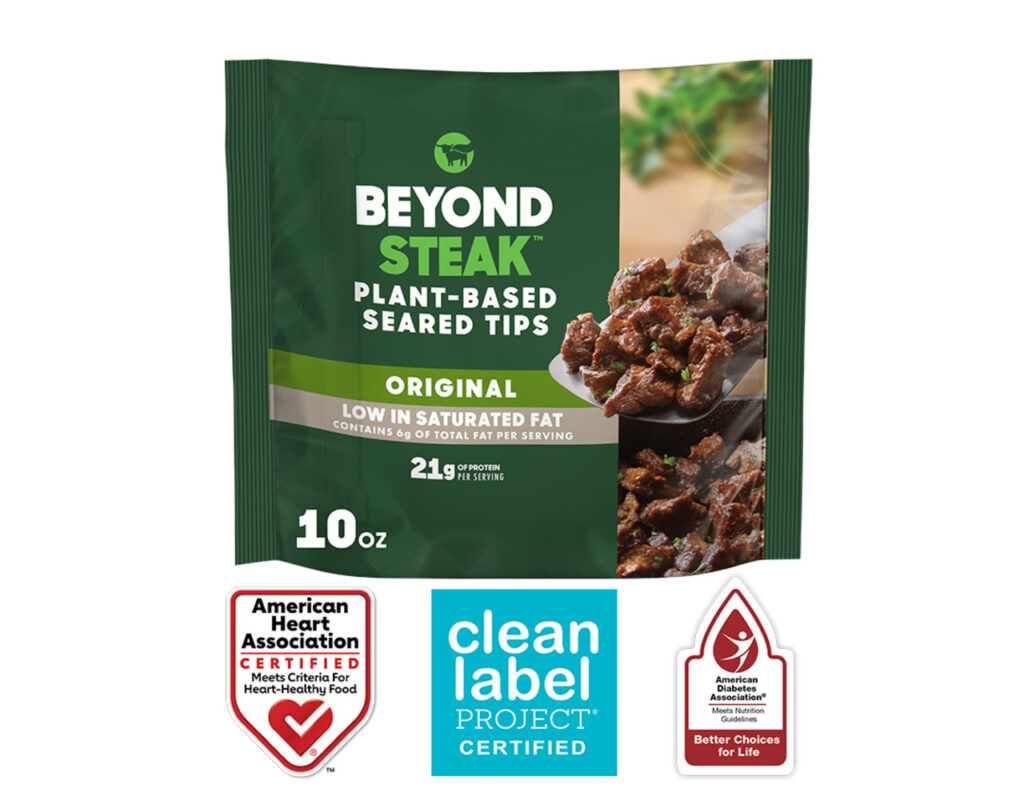
Staying competitive in the food industry often requires constant innovation. As consumer preferences shift, companies look for ways to expand beyond their original offerings.
The brand has started exploring new product categories as a way to maintain visibility and adapt to changing demand. This includes moving into areas that go beyond traditional meat alternatives. This expansion allows the company to reach a broader audience with different preferences.
While expansion can help attract new customers, it can also stretch the brand across too many directions. When a company moves into multiple categories at once, it can become harder to maintain a clear and focused identity.
8. Struggling With Consumer Perception of Processed Foods

One of the biggest challenges for plant-based meat products is how they are perceived. Many consumers associate highly processed foods with lower nutritional value, even if the ingredients are plant-based.
The brand has faced criticism from some consumers who question the level of processing involved in its products. This perception can influence purchasing decisions, especially among health-conscious shoppers.
Addressing this concern requires both transparency and product improvement. Even when changes are made, shifting public perception takes time, and it remains a key factor in how the brand is viewed.
9. Retail and Market Positioning Shifts

The way products are placed and marketed in stores plays a major role in how consumers discover them. Early on, plant-based meat products were often positioned alongside traditional meat to encourage direct comparison.
Over time, there have been changes in how these products are displayed and marketed. Some are placed in separate sections, while others are integrated differently depending on the retailer.
These shifts can influence how often consumers notice and choose the products. Placement affects visibility, and changes in positioning can impact both sales and perception, especially for a category that relies on attracting new buyers.