Fresh Doesn’t Mean What You Think It Does: 10 Grocery Labels Worth a Second Look

Grocery labels are designed to catch your attention and guide your choices, but they do not always mean what they seem. Words like fresh, natural, and organic often carry strong positive associations, leading many people to assume they reflect higher quality or better nutrition. In reality, these terms can be loosely defined or based on specific technical standards that differ from everyday expectations. Understanding what these labels actually mean can help you make more informed decisions and avoid being influenced by wording that sounds better than it truly is.
1. Fresh

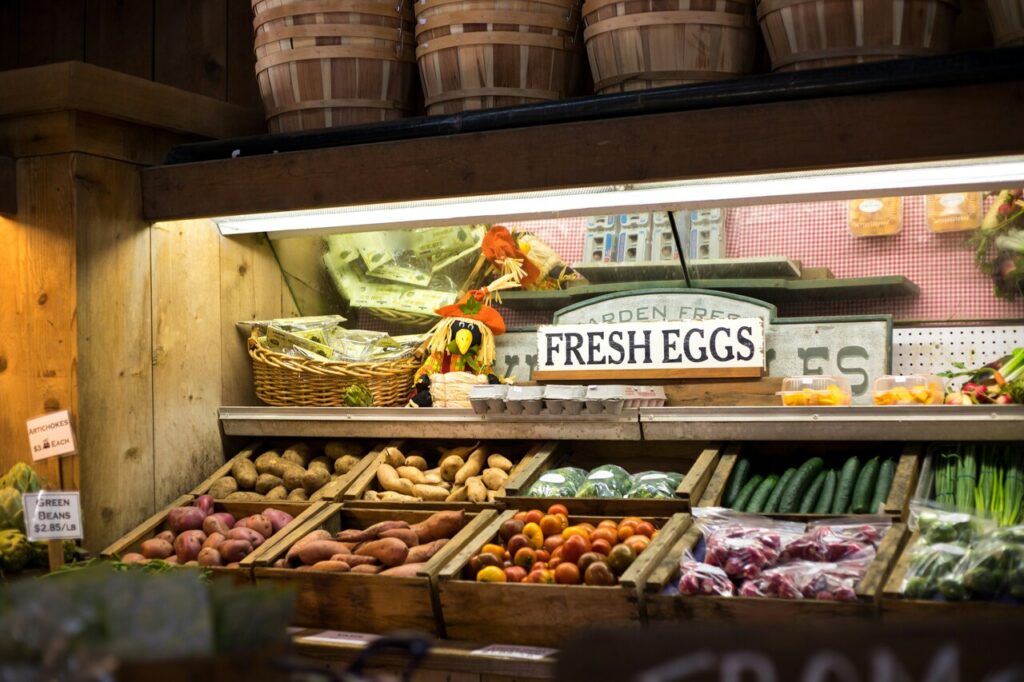
Few food labels sound as reassuring as the word fresh. It suggests that the product is recently made, minimally handled, and close to its natural state. Many shoppers associate it with better taste and higher quality.
In reality, the term can be used in ways that are broader than most people expect. Some products labeled as fresh may still go through processing steps such as washing, trimming, or packaging that extend shelf life.
The gap comes from how the term is defined in different contexts. Fresh does not always mean recently harvested or untouched. It often signals that the food has not been frozen or heavily preserved, but that still leaves room for handling that can affect both flavor and texture.
2. Natural
Natural is one of the most common labels on grocery packaging. It gives the impression that a product is simple, wholesome, and free from artificial ingredients or heavy processing.
The challenge is that the term does not have a strict, universal definition across all food categories. A product can be labeled natural even if it has been processed or contains ingredients that have been modified in some way.
This flexibility makes the label more of a marketing tool than a clear standard. While it can indicate fewer artificial additives, it does not guarantee that the product is healthier or less processed than alternatives.
3. Free-Range

Free-range is often used to describe animal products, especially eggs and poultry. The label suggests that animals have access to outdoor spaces, which many consumers associate with better living conditions and higher-quality food.
However, the actual requirements behind the label can be minimal. In some cases, access to the outdoors may be limited or not used regularly by the animals, depending on how the system is managed.
This difference between perception and reality can lead to confusion. While the label does indicate a certain standard, it does not always reflect the spacious or natural environment that many shoppers imagine.
4. Cage-Free

Cage-free is another label commonly seen on egg cartons. It implies that hens are not kept in cages, which suggests a more open and humane environment.
While this is true in a technical sense, it does not necessarily mean the animals have access to outdoor areas. Cage-free hens are often kept indoors in large groups, which can still limit movement and space.
The term focuses on one specific aspect of housing rather than the overall living conditions. As a result, it can create a more positive impression than what the full production environment might actually provide. This selective framing can influence how consumers interpret product labels.
5. No Hormones Added
The phrase no hormones added appears on many meat and dairy products. It gives the impression that the product is more natural or safer compared to others.
In some cases, this label can be misleading because certain products are already required by law to be hormone-free. For example, poultry products cannot legally contain added hormones, regardless of branding. This can give the impression that the product offers a unique benefit when it is actually standard.
This means the label does not always indicate a meaningful difference between products. It highlights a feature that may already be standard, which can make it seem more significant than it actually is.
6. Organic
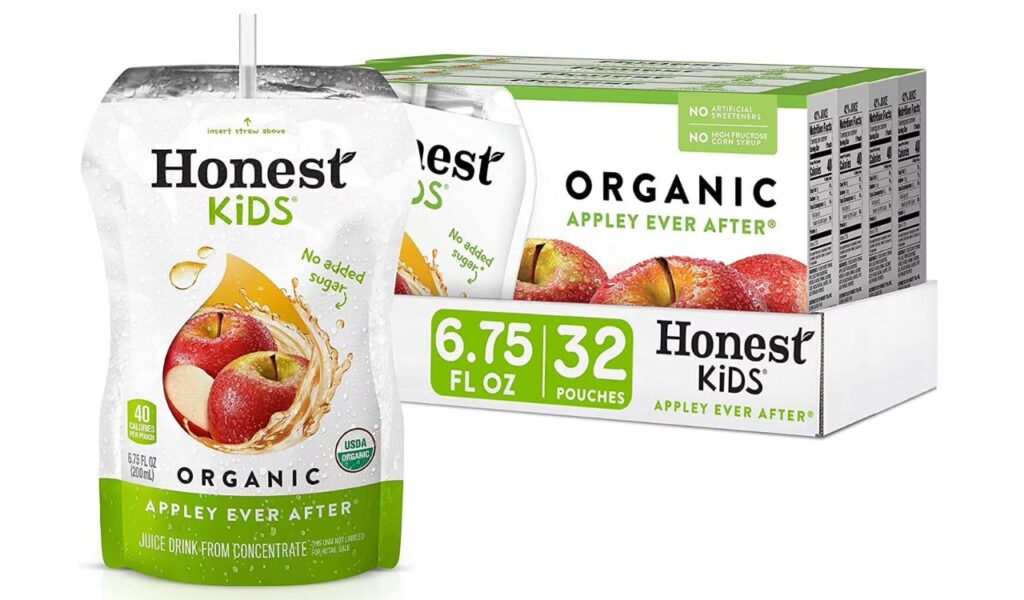
Organic labeling is often associated with stricter standards for farming and production. It generally means that certain synthetic chemicals and practices are restricted, which appeals to many health-conscious shoppers.
However, organic does not automatically mean healthier or more nutritious. Organic products can still contain sugar, salt, and fats in similar amounts to conventional versions, depending on how they are made.
The label focuses on how the food is produced rather than its overall nutritional value. This distinction is important, as it helps explain why organic products can still vary widely in terms of health and taste.
7. Low Fat or Fat-Free
Low-fat and fat-free labels became popular as consumers began paying more attention to fat intake. These labels suggest that a product is lighter or better for overall health.
The issue is that removing fat often changes the flavor and texture of food. To compensate, manufacturers may add sugar, salt, or other ingredients to maintain taste, which can affect the overall nutritional balance.
This creates a situation where the product appears healthier based on one factor but may not be significantly better overall. Understanding the full ingredient list is important when evaluating these claims.
8. Made With Whole Grains
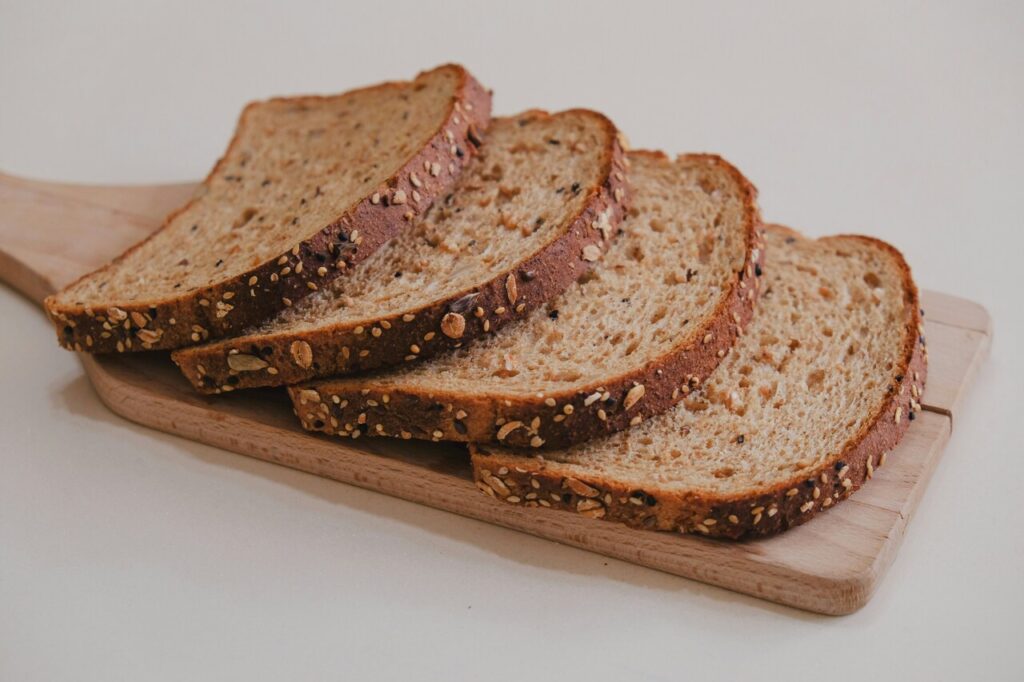
The phrase made with whole grains gives the impression that a product is rich in fiber and nutrients. It suggests that whole-grain ingredients play a central role in the recipe.
In practice, the amount of whole grain used can vary. A product may contain some whole grains while still relying heavily on refined flour as the main ingredient. This can make the product appear healthier than it actually is.
This wording can be misleading because it does not specify how much whole grain is included. Without checking the ingredient list, it is difficult to know whether the product truly delivers the benefits associated with whole grains.
9. No Added Sugar
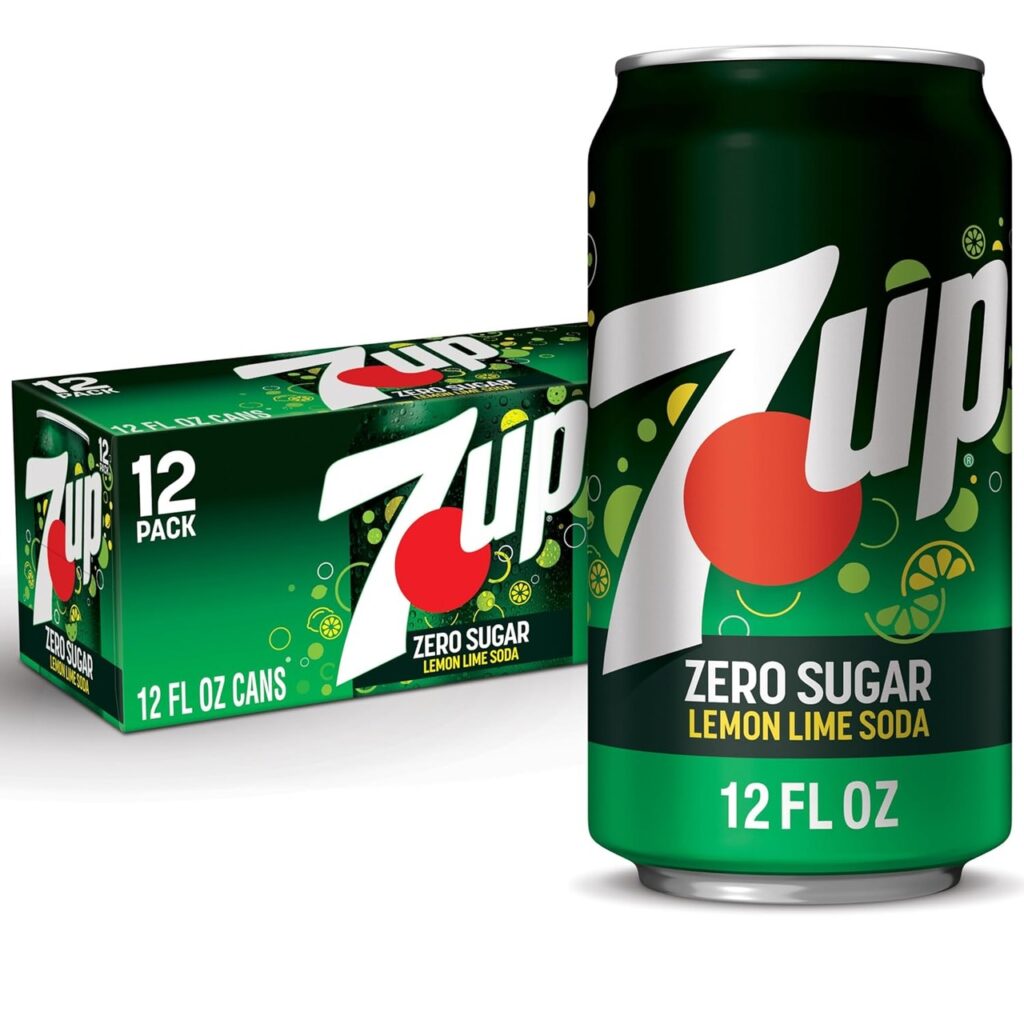
No added sugar is a label that often attracts attention from those trying to reduce sugar intake. It indicates that no extra sugars were included during processing. This does not mean the product is completely free of sugar, as natural sugars may still be present.
However, the product can still contain naturally occurring sugars from ingredients like fruit or milk. In some cases, these sugars can still contribute significantly to the overall sweetness and calorie content.
The label focuses only on added sugars, not total sugar. This means the product may still taste sweet and have a similar impact, even though it appears to be a healthier option at first glance.
10. Light or Reduced
Light or reduced labels are used to indicate that a product has less of something compared to a standard version. This could be fewer calories, less fat, or lower sugar content.
The key detail is that the reduction is relative rather than absolute. A product labeled reduced fat, for example, may still contain a considerable amount of fat, just less than the original version. This distinction can be easy to overlook
Understanding what has been reduced and by how much is important. Without that context, the label can create an impression that the product is significantly healthier, even when the difference is modest.