America Is Convinced These 12 Dishes Are Normal; The Rest of the World Disagrees at the Table

American food often feels completely natural to those who grew up with it. These are meals that show up at family tables, school lunches, and celebrations without a second thought. They feel comforting, familiar, and closely tied to everyday life.
But when viewed from outside the United States, that sense of normal can quickly change. Dishes that seem balanced and satisfying to Americans can come across as unusual, overly rich, or even confusing to others trying them for the first time.
This contrast shows how much culture shapes taste. What one country sees as tradition, another may question. These foods are loved across America, yet beyond its borders, they often spark curiosity, surprise, and plenty of raised eyebrows at the table.
1. Peanut Butter and Jelly Sandwich

Few foods capture American nostalgia like this simple sandwich. It appears in lunchboxes, school cafeterias, and quick meals, built on creamy peanut butter and sweet fruit spread. The contrast blends protein and sugar into something filling and comforting.
Outside the United States, this pairing often feels unusual. In many countries, peanut butter is used in savory dishes, especially sauces and stews. Mixing it with jam can seem overly sweet and texturally confusing to those unfamiliar.
Its popularity is also tied to practicality. Peanut butter is shelf-stable, affordable, and calorie-dense, helping it become a staple in the 20th century. While Americans see it as normal, others view it as a curious mix that blurs snack and dessert.
2. Chicken and Waffles
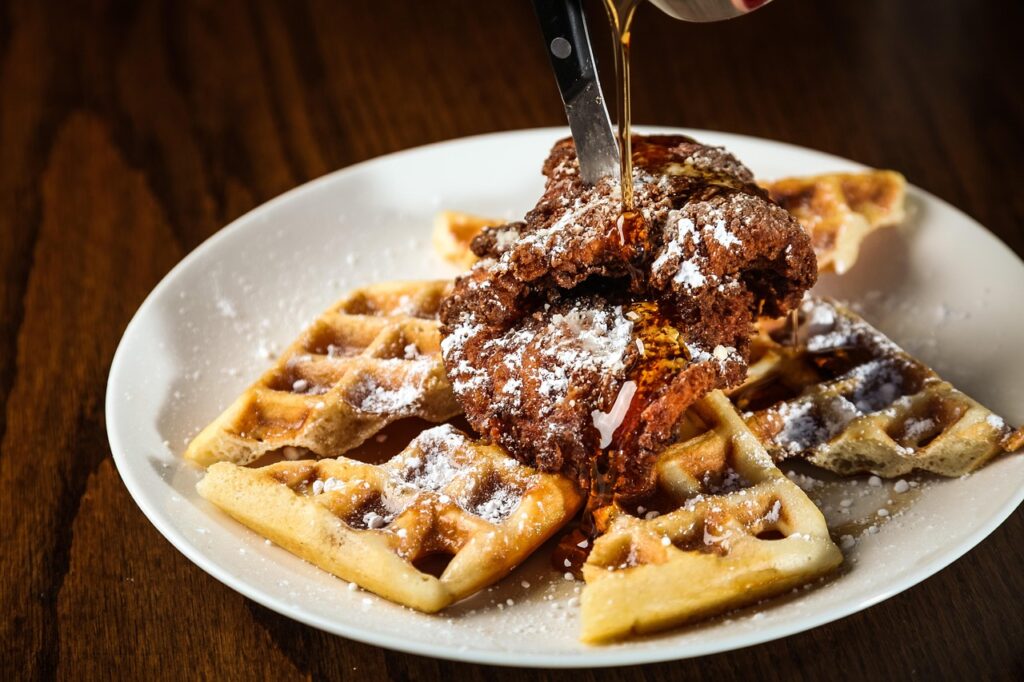
This dish flips expectations by combining foods usually kept apart. Crispy fried chicken is served on soft waffles, then topped with syrup or butter. The result is a bold mix of textures and flavors that many Americans find satisfying.
Its roots trace back to soul food traditions and later spread through diners and restaurants. It reflects a wider comfort with mixing sweet and savory elements in one meal. For many, that contrast is the appeal.
In other parts of the world, these flavors are kept separate. Pouring syrup over fried meat can feel excessive or unnecessary. Without cultural context, it may seem like a clash of breakfast and dinner rather than a balanced dish.
3. Corn Dogs

At first glance, a corn dog looks fun and convenient, especially at fairs. A sausage is coated in cornmeal batter, deep fried, and served on a stick for easy eating. It is made to be portable and satisfying in a few bites.
The flavor combines salty processed meat with slightly sweet batter. While familiar to Americans, this contrast can feel unusual elsewhere. Many countries prefer fresher street food with simpler preparation.
Its appeal is tied to nostalgia and entertainment rather than daily meals. Outside the United States, deep frying a sausage in sweet batter can seem excessive. What feels like fun comfort food to Americans may appear overly processed to others.
4. Biscuits and Gravy

This dish often confuses people before they taste it. American biscuits are soft breads, not cookies, and they are covered in thick gravy made with sausage, flour, and milk. It is rich and designed to be filling, especially for breakfast.
Its roots lie in Southern cooking, where simple ingredients were turned into hearty meals. The gravy adds flavor and calories, making it practical for physically demanding lifestyles. Over time, it became a comfort food across the country.
For outsiders, pouring meat-based gravy over bread in the morning can feel heavy. Many cultures prefer lighter breakfasts, so the richness may seem overwhelming. Without context, it can feel more like a dinner dish served too early.
5. Meatloaf
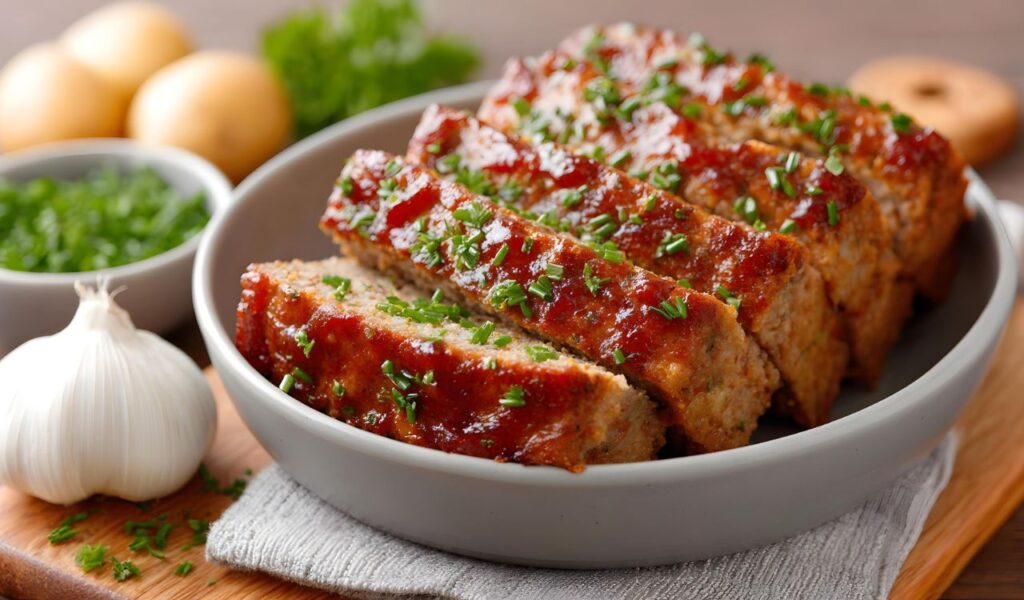
Meatloaf reflects a practical style of cooking focused on stretching ingredients. Ground meat is mixed with breadcrumbs, eggs, and seasoning, then baked into a sliceable loaf. It is often finished with a tangy ketchup-based glaze.
It became popular when families needed affordable meals that could feed many people. Its soft texture and uniform shape made it easy to prepare and serve. For many Americans, it represents routine home cooking.
Elsewhere, meat is usually grilled or roasted in distinct portions. Shaping it into a loaf can feel unusual. Combined with its soft texture and sweet glaze, it may seem less fresh compared to other meat dishes.
6. Spray Cheese

Few foods spark curiosity like cheese from a can. Spray cheese is processed, shelf-stable, and designed for convenience, often eaten with crackers. Its texture is smooth and airy, very different from traditional cheese.
In the United States, it fits a culture that values portability and long shelf life. It is common at casual gatherings where ease matters more than authenticity.
In countries with strong cheese traditions, it can feel far removed from what cheese should be. The processed texture makes it seem more like a novelty than real food, challenging ideas about quality and craftsmanship.
7. Sweet Potato Casserole with Marshmallows
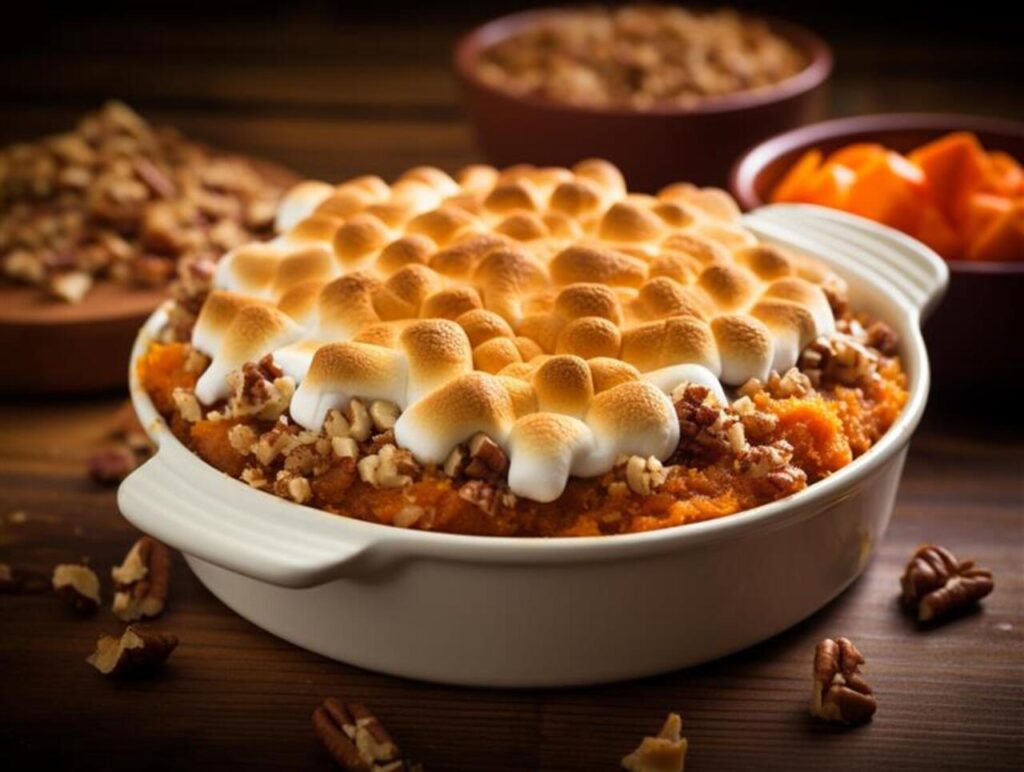
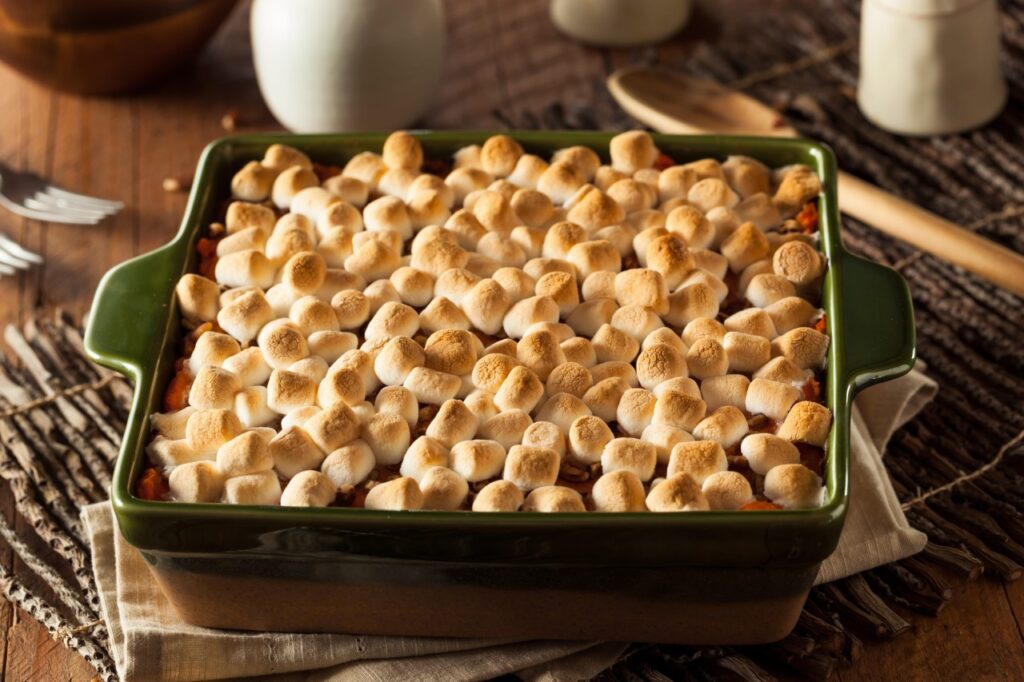
This dish blurs the line between side and dessert. Mashed sweet potatoes are topped with marshmallows or a sugary crust and baked until golden. It is common during holiday meals where rich flavors dominate.
The sweetness comes from both the vegetable and the toppings. Early recipes promoted marshmallows as a creative addition, helping the dish gain popularity. Over time, it became a tradition.
Outside the United States, vegetables are rarely paired with candy-like toppings. This can feel confusing, as it does not fit clearly into savory or dessert categories. What feels nostalgic to Americans may seem overly sweet to others.
8. Jell-O Salad

Bright, colorful, and often molded into shapes, Jell-O salad stands out visually before anything else. It combines flavored gelatin with fruits, vegetables, or even creamy elements, creating a dish that is both sweet and savory in unexpected ways.
Its popularity peaked in the mid 20th century, when convenience foods became widely available. Gelatin offered a way to create visually appealing dishes with minimal effort, making it a staple at gatherings and celebrations.
For many outside the United States, the texture is the biggest surprise. The soft, wobbly consistency, combined with mixed ingredients, can feel unusual. Without the cultural nostalgia attached to it, the dish can seem more experimental than traditional.
9. S’mores

Few desserts are as closely tied to an experience as s’mores. Made by sandwiching melted chocolate and roasted marshmallows between crackers, they are most often enjoyed around a campfire. The process is as important as the taste.
The flavor is intensely sweet, with gooey textures that make each bite rich and indulgent. For Americans, it represents outdoor gatherings and shared moments, which adds to its appeal beyond the ingredients themselves.
In many parts of the world, desserts tend to be less sugary or more structured. The stickiness and sweetness of s’mores can feel overwhelming. Without the setting that gives it meaning, it may seem more like a novelty treat than a balanced dessert.
10. Ranch Dressing on Everything
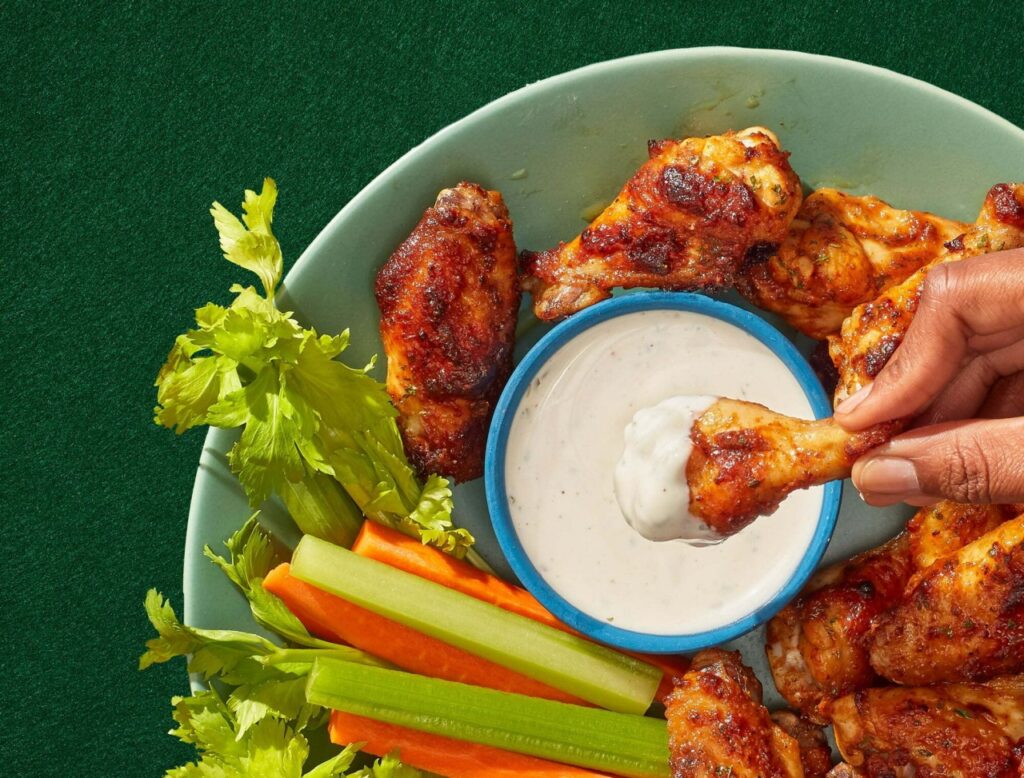
Ranch dressing has moved far beyond being just a salad topping in the United States. It is used as a dip, spread, and sauce for a wide range of foods, from vegetables to pizza. Its creamy texture and herby flavor make it versatile and widely loved.
Its rise in popularity is tied to mass production and changing food habits. As convenience foods grew, ranch became a reliable way to add flavor quickly. It is now one of the most commonly used condiments in the country.
Elsewhere, such heavy use of a single dressing can feel excessive. Many cuisines rely on lighter or more varied sauces that complement rather than dominate a dish. For outsiders, a ranch can seem less like an addition and more like the defining flavor of the meal.
11. Deep-Fried Butter

Some foods exist more for curiosity than everyday eating, and deep-fried butter fits that description. Butter is coated in batter, fried, and served as a rich, indulgent snack, often at fairs. It is designed to surprise as much as it satisfies.
The appeal lies in its extreme nature. American food culture, especially in festival settings, often celebrates novelty and indulgence. This dish represents pushing boundaries rather than creating balance.
To most of the world, the idea can feel excessive. Butter is already rich, and frying it adds another layer of heaviness. While it may attract attention, it is rarely seen as a practical or desirable dish outside its specific cultural setting.
12. Macaroni and Cheese as a Main Dish
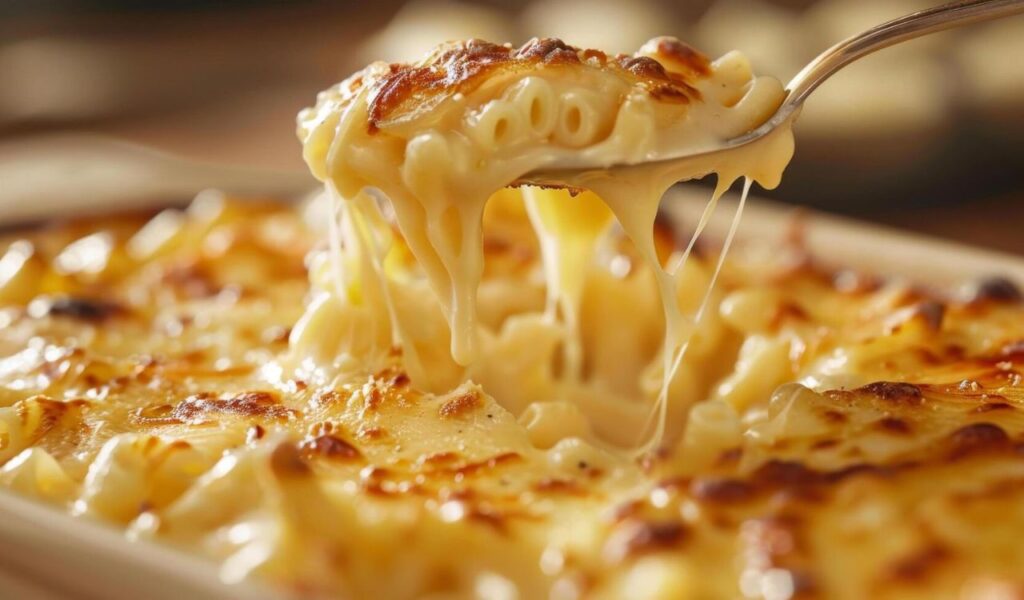
Macaroni and cheese is often seen as the ultimate comfort food in the United States. Pasta is coated in a creamy cheese sauce, creating a dish that is both simple and satisfying. It is commonly served as a full meal rather than a side.
Its history includes both homemade versions and boxed varieties that made it widely accessible. The ease of preparation and rich flavor helped it become a household staple across generations.
In many other countries, pasta dishes are lighter and more balanced, often paired with vegetables or proteins. Eating a large portion of cheese-heavy pasta alone can feel excessive. While undeniably comforting, it may seem too rich to stand on its own as a complete meal.