Aldi Is Changing and Not Every Loyal Shopper Is Happy About It: 9 Shifts Regulars Are Noticing

Aldi has always stood apart, offering a no-frills shopping experience built on speed, simplicity, and prices that felt almost unbeatable. For many, it became more than a grocery store. It was a routine, a rhythm, and a quiet kind of reliability.
But as the company grows and adapts to changing expectations, that familiar experience is beginning to shift. From store layouts to product packaging, subtle changes are starting to reshape what regular shoppers once knew so well.
Some updates bring convenience and modern appeal, while others feel like a departure from Aldi’s original charm. For loyal customers, these changes are easy to notice, and not all of them are welcome.
1. A Bigger Footprint Is Reshaping the Familiar Aldi Feel
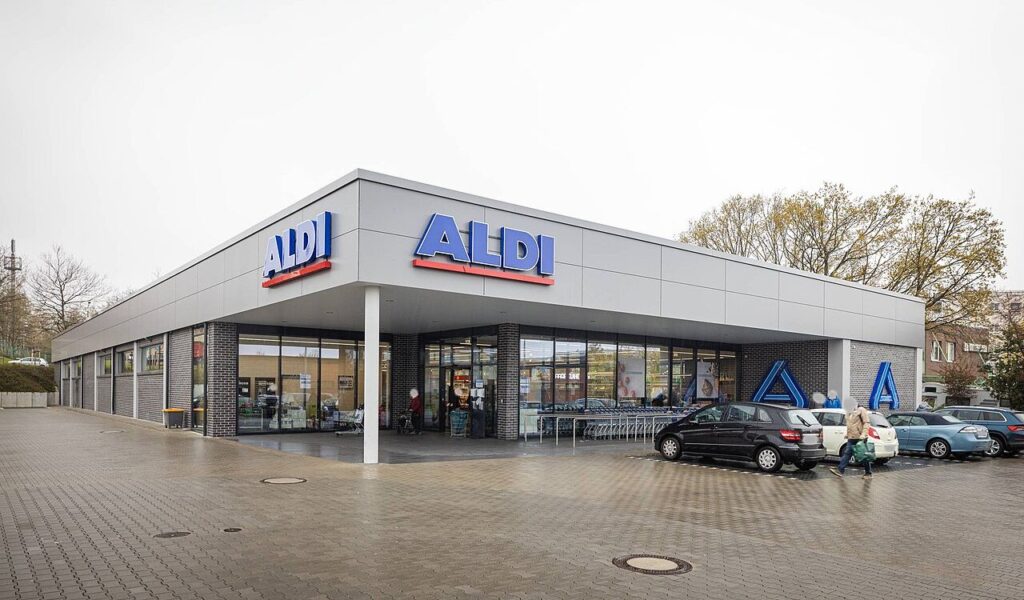
Aldi is no longer the small, quietly efficient chain many shoppers remember. Its rapid expansion into new regions is changing not just where people shop, but how the stores feel once inside.
The company is opening hundreds of new locations and converting existing retail spaces to grow faster. This strategy helps Aldi reach more households and compete with larger chains while maintaining its low-price model.
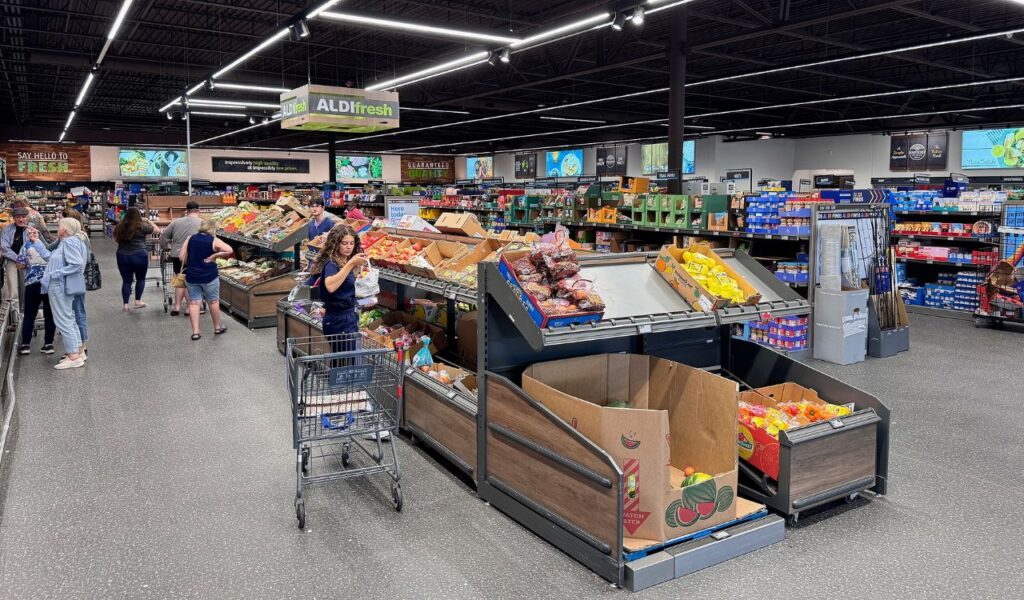
As a result, newer stores feel more polished and structured. Wider aisles and updated layouts are becoming standard. While this improves convenience, longtime shoppers often feel the stripped-down simplicity is fading, making the experience less distinctly Aldi.
2. A Unified Look Is Replacing the Old Brand Variety
Aldi is reshaping how its products appear on shelves, and the change is immediately noticeable. What once felt like a mix of distinct in-house labels is shifting toward a single, unified identity.
The company is rolling out a major packaging overhaul, placing the Aldi name more prominently across most private-label products. Since the majority of its inventory is store-branded, this shift significantly changes the store’s visual feel.
While the goal is to build trust and simplify recognition, regular shoppers often find it disorienting. Familiar packaging cues are disappearing, and products now blend into a more uniform look, making shelves feel less personal than before.
3. Fewer Brand Names Are Quietly Taking Over the Shelves
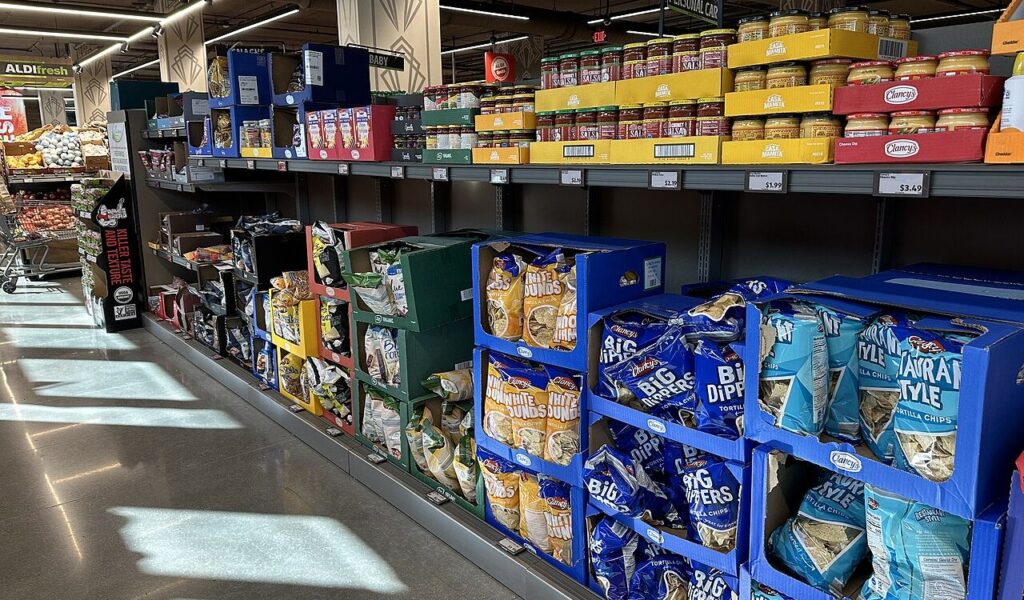
Behind the packaging refresh, a deeper shift is happening. Aldi is reducing the number of in-house labels, streamlining its overall brand structure.
Many smaller store brands are being merged into a tighter group of core identities. This helps simplify supply chains and strengthens consistency, allowing Aldi to operate more efficiently and keep prices competitive.
For loyal shoppers, this often means familiar labels vanish without warning. Even when the product remains unchanged, the new branding can feel unfamiliar. Over time, this quiet consolidation reduces variety in appearance, making the store feel more uniform and less distinctive.
4. Subtle Product Changes Are Getting Noticed More Than Ever
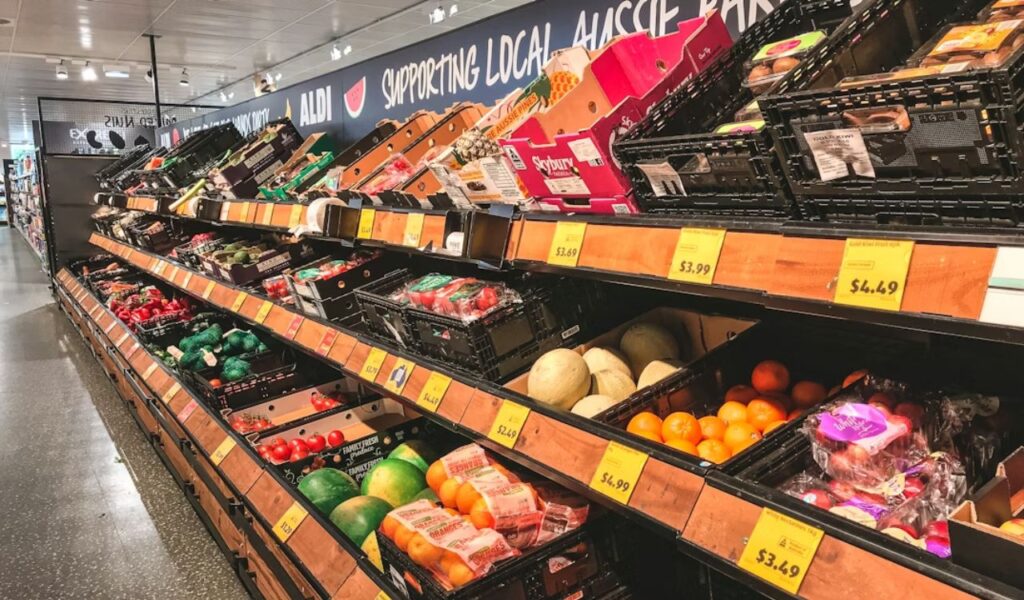
Aldi’s success has always relied on consistency, which is why even minor product changes stand out immediately. Regular shoppers are particularly sensitive to differences in taste, texture, or packaging.
As Aldi updates suppliers and refines sourcing strategies, some products inevitably change. The company is also investing in fresher inventory cycles and improved quality standards, especially in categories like produce and meat.
While these updates are meant to improve overall quality, they can create mixed reactions. A slight shift in flavor or ingredient balance can feel significant when customers have been buying the same item for years. For many, it is not just about quality, but about losing the exact version they trusted.
5. Check out Changes Are Creating a Push and Pull Experience

Few things define Aldi more than its fast checkout system, yet even this hallmark feature is evolving in unexpected ways. The introduction and removal of self-checkout options have created a mixed experience across locations.
Some stores have embraced automation with digital checkout stations and smart cart systems designed to speed up the process. Others have pulled back on self-checkout entirely, citing operational concerns and customer feedback.
This inconsistency leaves shoppers unsure of what to expect. While some appreciate the added convenience, others feel the changes disrupt the predictability Aldi was known for. The once straightforward checkout process is now becoming more varied, depending on the store.
6. Technology Is Quietly Changing the Shopping Rhythm
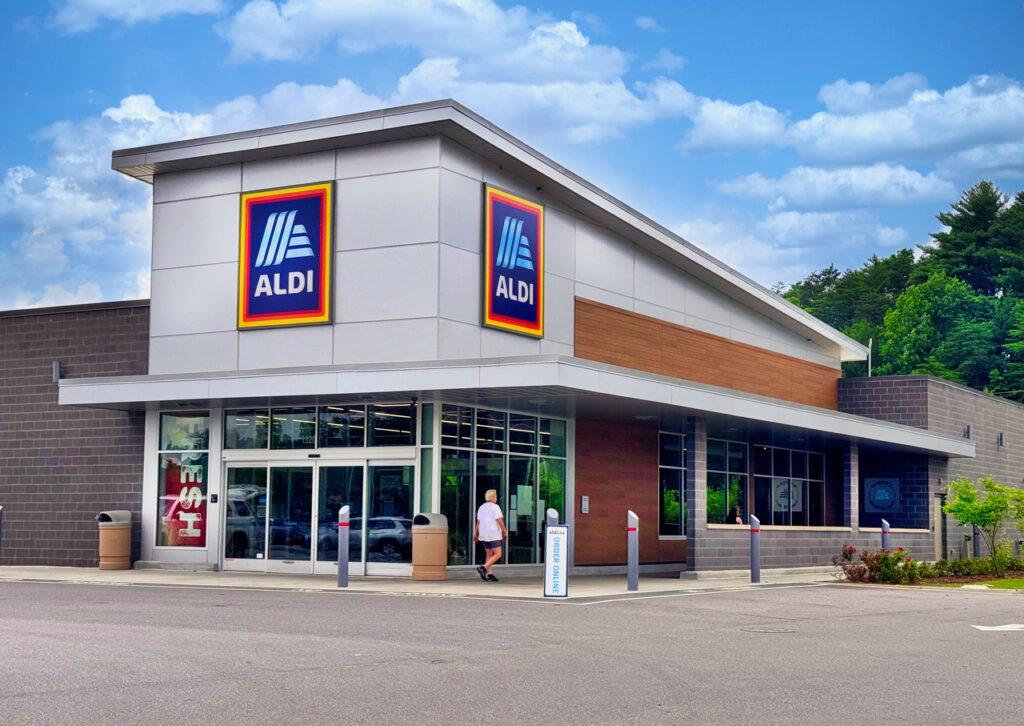
Aldi’s traditional appeal was its simplicity, but technology is gradually becoming a bigger part of the experience. These updates are designed to improve speed and efficiency, yet they subtly change how shoppers move through the store.
New features like automated scanning carts and enhanced digital checkout systems aim to reduce wait times and streamline purchases. These tools allow customers to track spending in real time and complete transactions more quickly.
However, the added layer of technology can feel unfamiliar in a space once defined by minimalism. For longtime shoppers, the shift introduces a more structured and guided experience, replacing the quick, no-frills rhythm that made Aldi feel effortless and distinct.
7. Store Layouts Are Becoming More Polished and Conventional
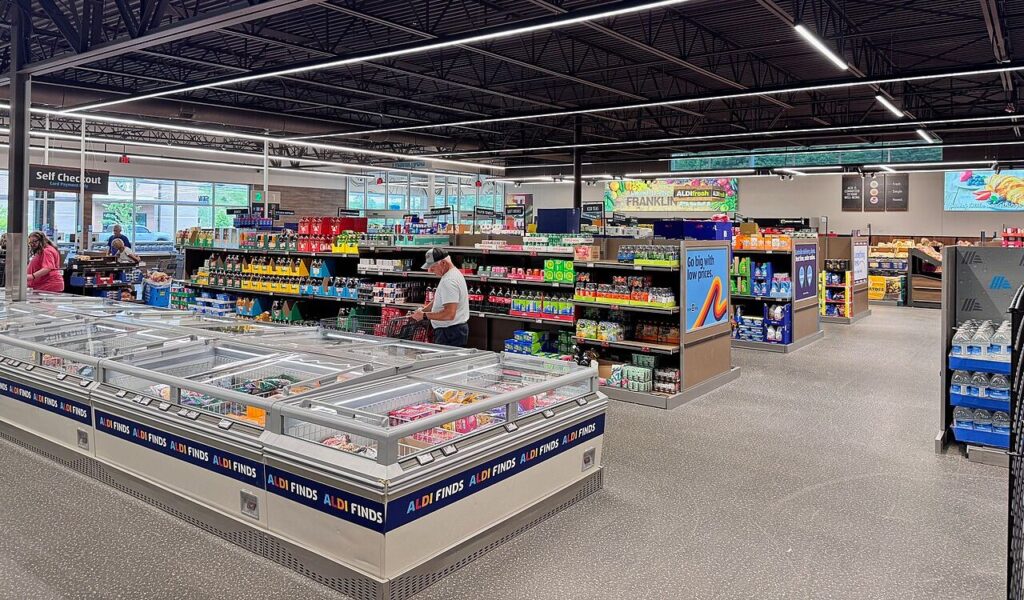
The physical design of Aldi stores is also evolving, reflecting a broader effort to appeal to a wider audience. Newer locations are brighter, cleaner, and more visually organized.
These updates improve navigation and create a more comfortable shopping environment. Shelving is more refined, lighting is enhanced, and layouts are optimized to guide customers more intuitively through the store.
While this makes shopping easier, it also softens the utilitarian charm Aldi was known for. The old format emphasized speed and efficiency above all else. The newer approach balances efficiency with presentation, which some shoppers appreciate, while others miss the straightforward, no-nonsense feel.
8. Sustainability Efforts Are Changing Packaging and Habits
Aldi’s push toward sustainability is reshaping not just its products, but also how customers interact with them. Environmental goals are influencing packaging, materials, and even in-store practices.
The company has committed to making its packaging more recyclable and environmentally friendly, while also reducing reliance on single-use plastics. These changes align with broader industry trends and customer expectations around sustainability.
For shoppers, this can mean adjusting to new packaging formats, different materials, or slight changes in product size. While the intention is widely supported, the transition can feel unfamiliar at first, especially for those used to the previous packaging styles and formats.
9. A Digital Push Is Redefining the Aldi Experience

Aldi is no longer just an in-store experience. Its growing focus on digital tools and online accessibility is changing how customers interact with the brand.
From improved digital interfaces to expanded online shopping options, Aldi is adapting to modern consumer habits. This shift allows customers to browse, plan, and sometimes purchase more conveniently than before.
At the same time, this marks a clear departure from Aldi’s original identity as a purely in-person, discovery-driven store. The traditional experience of walking in and finding unexpected deals is gradually being complemented by a more structured and digitally supported approach, altering how shoppers engage with the brand.