8 African Recipes Americans Often Get Wrong

African cuisine is rich, layered, and deeply connected to tradition, yet many well-known dishes are often misunderstood outside the continent. When shortcuts replace technique or ingredients are swapped without care, the soul of these recipes quietly disappears. Learning what these foods are meant to taste like brings a deeper appreciation for the cultures behind them. These dishes are not complicated for the sake of difficulty. They are intentional, balanced, and shaped by history. Understanding where American interpretations go off track is the first step toward cooking them with the respect and flavor they deserve.
1. Jollof Rice
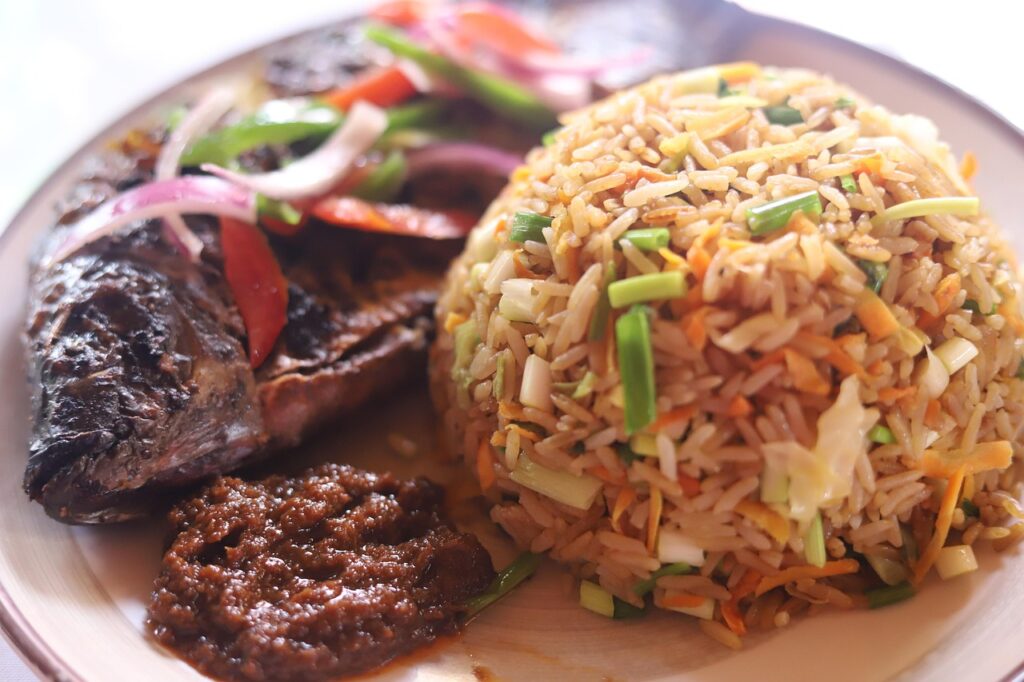
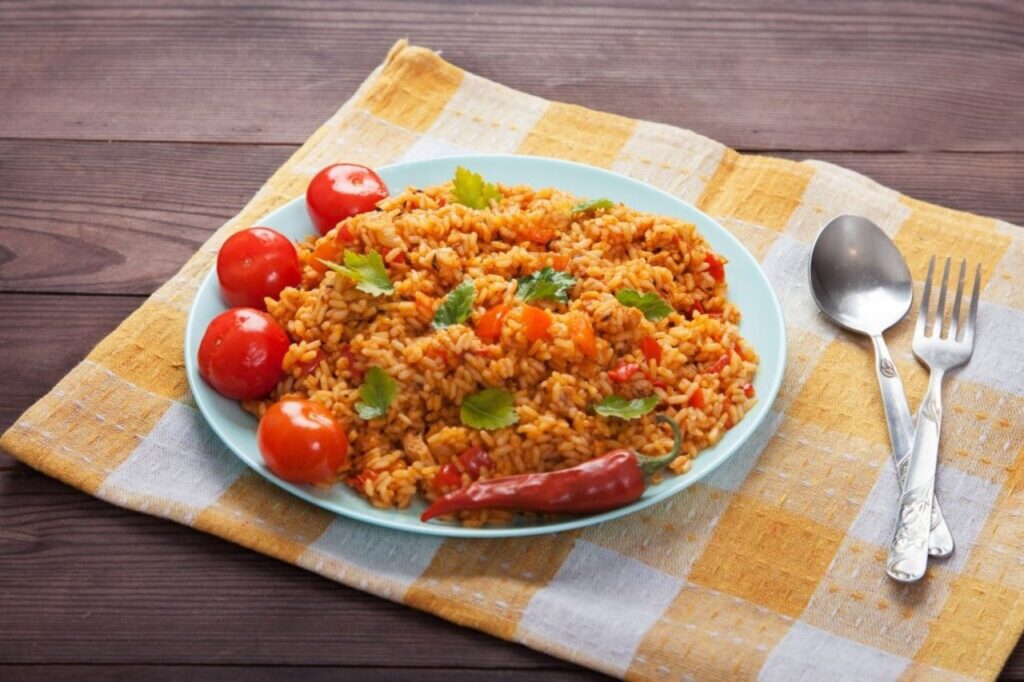
Jollof rice is not meant to be quick, mild, or interchangeable with basic tomato rice. At its core, it relies on a deeply cooked pepper base made from tomatoes, red peppers, onions, and chilies that are slowly reduced until thick and concentrated. This step develops sweetness, smokiness, and depth. Many American versions rush this process or dilute it with excess water, which leads to bland results. Authentic jollof is cooked so the rice absorbs the sauce rather than floats in it. The rice is often slightly toasted in oil before liquid is added, helping it hold flavor. Proper seasoning with bay leaves, thyme, and sometimes curry powder matters.
2. Fufu
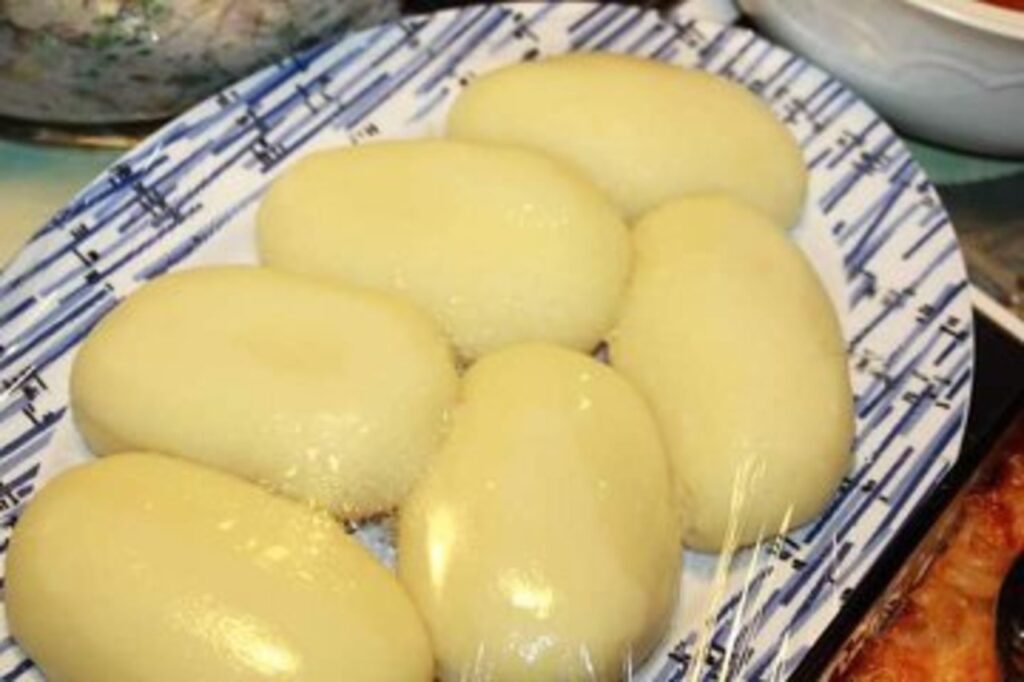
Fufu is frequently misunderstood because it is not eaten like bread or a side dish. It is a starch meant to be paired with soup, acting as both utensil and complement. Traditional fufu is pounded from cassava, plantain, yam, or a blend, creating a smooth, elastic texture. American adaptations often rely on powdered mixes without understanding the role texture plays. Fufu should be soft enough to pull apart easily but firm enough to hold soup. It is rolled into a small ball, dipped into soup, and swallowed rather than chewed. Eating it alone misses the point entirely. Its mild flavor is intentional, designed to balance bold, spicy soups.
3. Injera
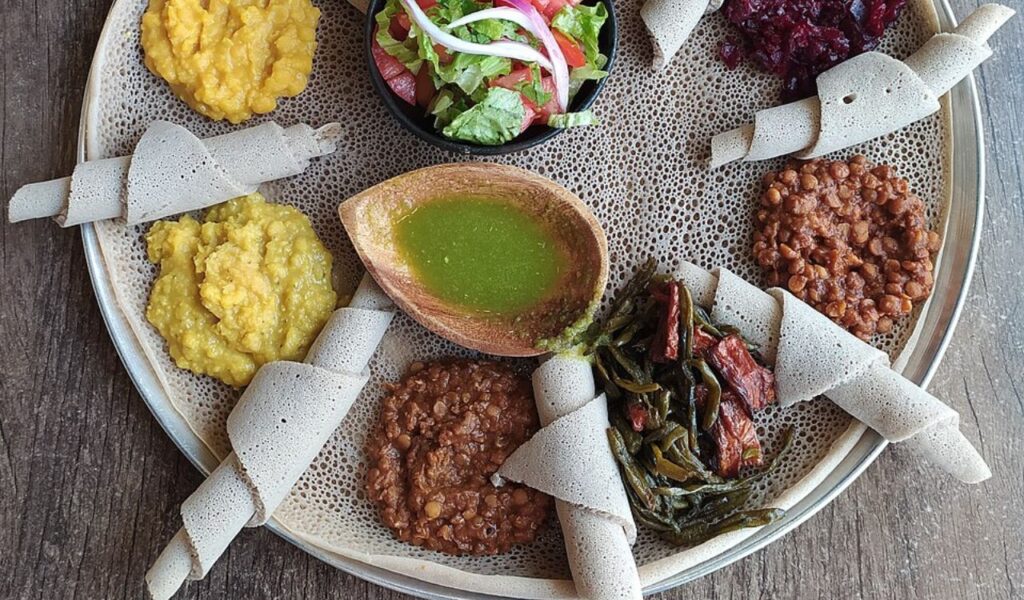
Injera is not simply flatbread with bubbles. It is a fermented staple made primarily from teff, a grain native to the Horn of Africa. The fermentation process can take several days and gives injera its signature sour taste. Many American recipes replace teff with wheat flour and add yeast to speed things up. This changes both flavor and structure. Authentic injera is soft, tangy, and spongy, designed to soak up stews. It also serves as the plate, with food placed directly on top. Without fermentation, injera becomes bland and bread-like. The sourness is not a flaw but a defining feature. Rushing the process or skipping teff removes the character that makes injera essential rather than optional.
4. Tagine
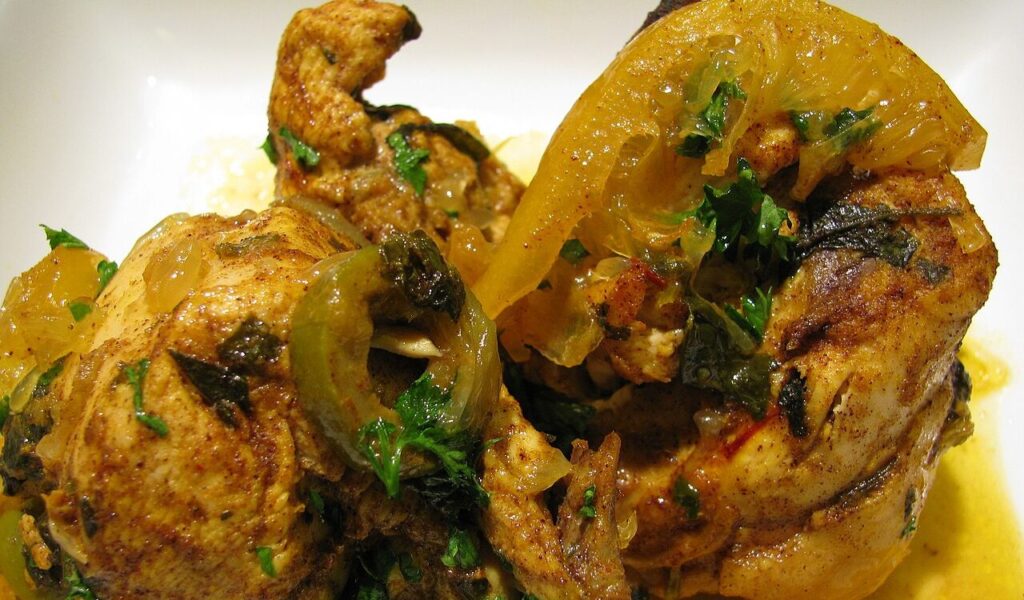
A tagine is not just a stew cooked in a cone-shaped pot. It is a method built around slow heat and moisture control. The shape of the vessel allows steam to circulate and condense, keeping food tender without excessive liquid. Many American versions of tagine recipes are too fast or add too much broth. This flattens flavors and turns the dish soupy. Traditional tagines rely on layered spices, aromatics, and ingredients like dried fruit or preserved lemon that slowly release flavor over time. Meat should be tender but not falling apart, and the sauce should be thick and concentrated. Cooking tagine properly requires patience.
5. Suya
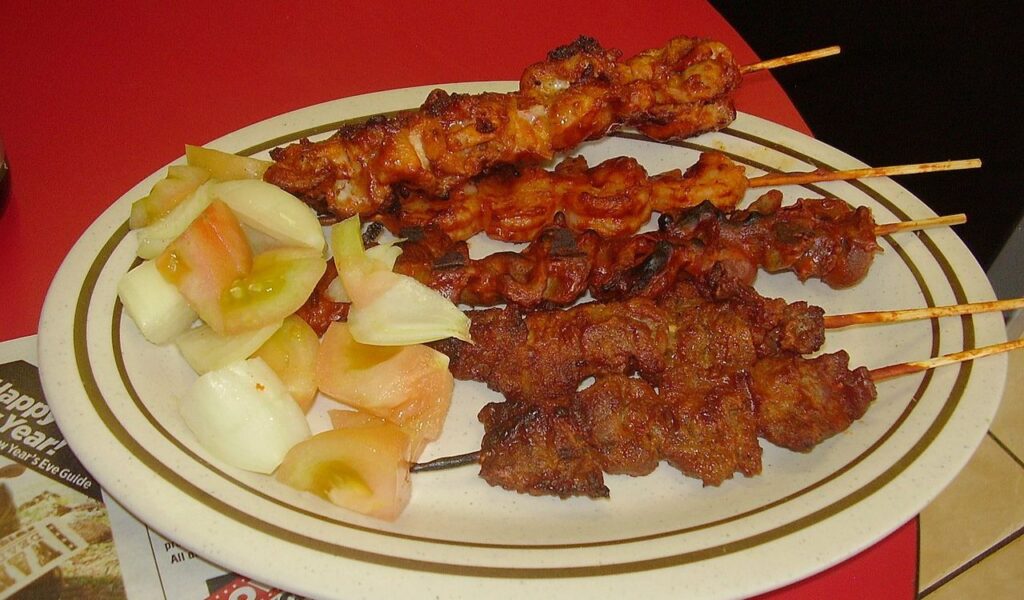
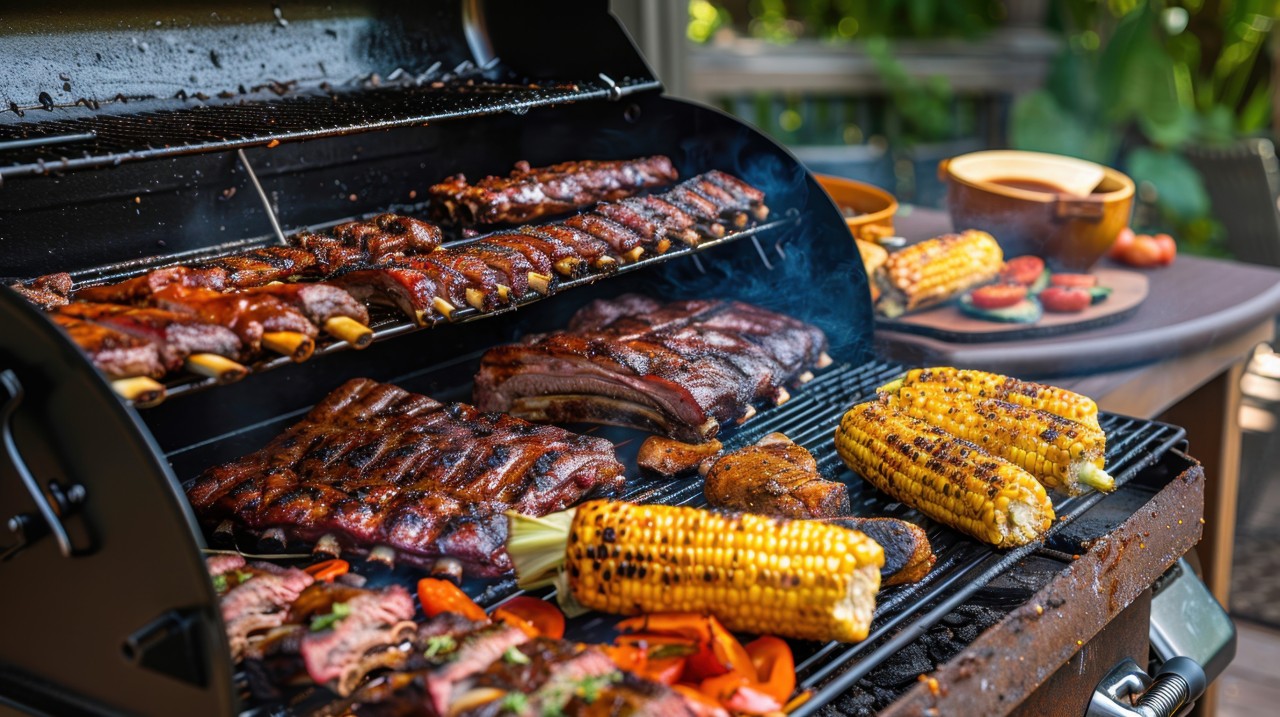
Suya is street food with a specific identity, not just spicy grilled meat. The defining element is the spice blend, typically made from ground peanuts, chili, ginger, garlic, and other spices. This mixture coats thinly sliced meat and creates a nutty, fiery crust when grilled over open flame. Many American versions skip the peanut base or cook the meat indoors, which removes the smokiness and texture. Suya is traditionally grilled quickly at high heat and finished with raw onions and sometimes tomatoes. The contrast between spice, smoke, and freshness is essential. Baking or pan-frying cannot replicate this effect.
6. Egusi Soup
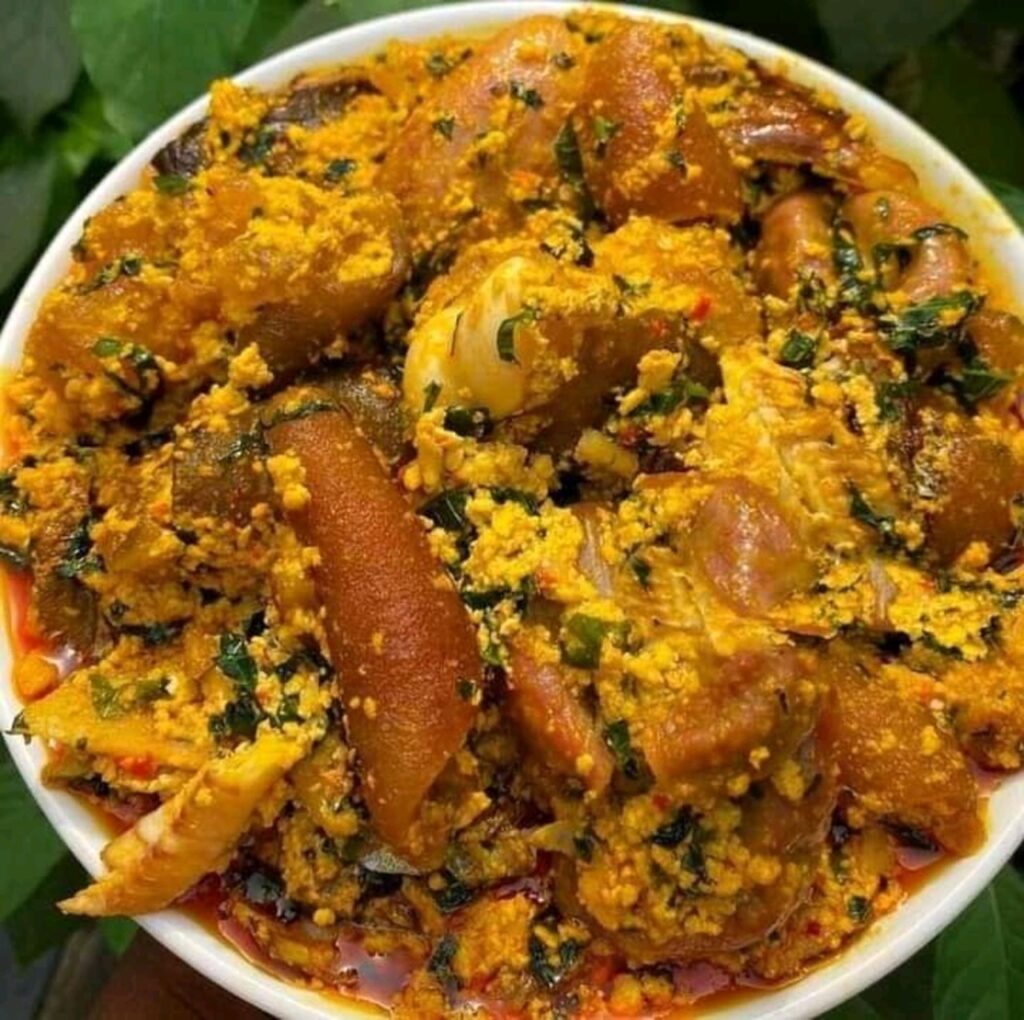
Egusi soup is built around ground melon seeds, which provide richness, body, and a slightly nutty flavor. A common mistake is treating egusi like a smooth puree or thickener. In traditional cooking, the ground seeds are cooked carefully so they form soft curds and pockets of texture. Over-blending or over-stirring turns the soup into a uniform paste. Egusi also relies on palm oil, leafy greens, peppers, and assorted proteins for balance. Each component should remain distinct. The soup is meant to be hearty and layered, not creamy and smooth. Texture is part of the comfort. When egusi is overly processed, it loses the depth that makes it satisfying when paired with fufu or starches.
7. Berbere Chicken
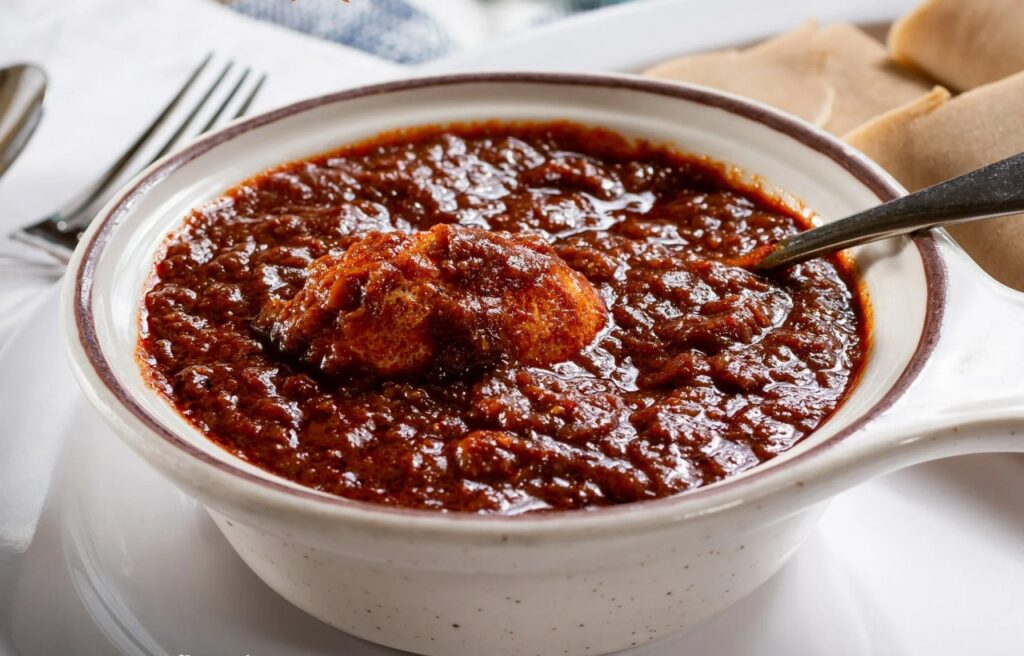
Berbere is not a single spice but a complex blend that varies by household. It typically includes chili, garlic, ginger, fenugreek, cloves, and other warming spices. American versions often replace it with generic chili powder, which removes its bitterness and depth. Berbere is usually cooked in oil or butter to bloom its flavors before meat is added. Chicken simmered in this mixture absorbs spice gradually rather than being coated at the end. The result should be bold but balanced, with heat supported by warmth and aroma. Skipping these steps produces a one-note dish. Berbere chicken is about patience and layering.
8. Peanut Stew
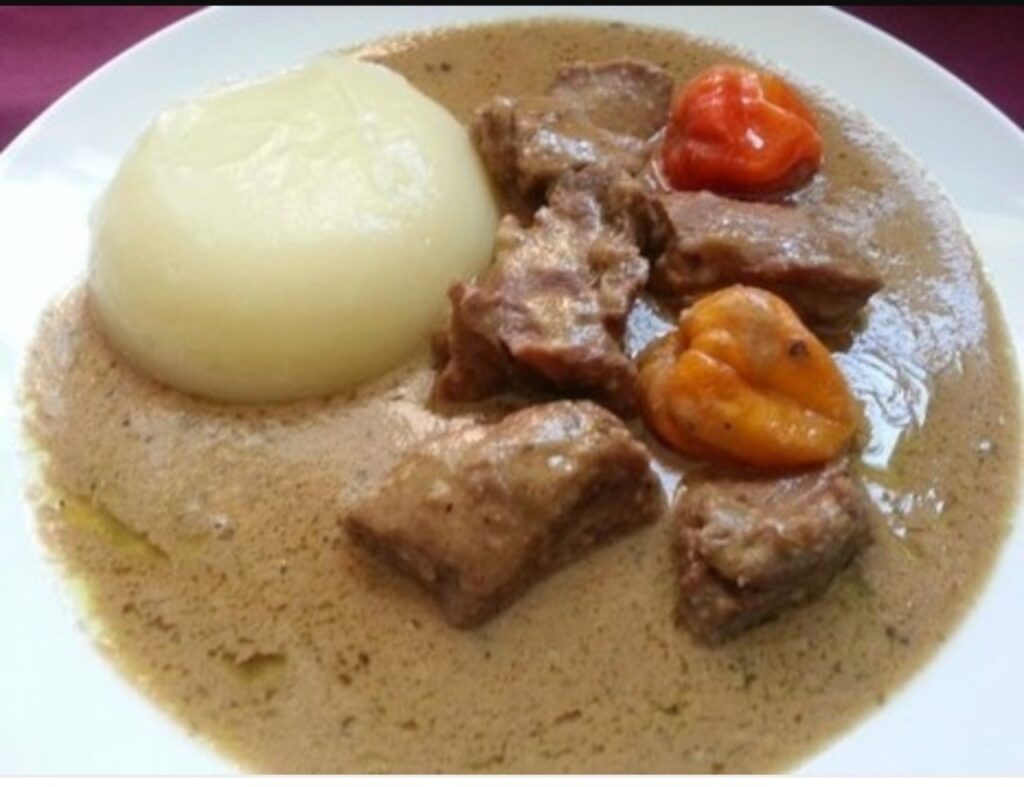
African peanut stews are savory first, not dessert-like. The peanut flavor comes from ground peanuts or peanut paste cooked into tomatoes, onions, and spices. Many American versions add sugar or excessive coconut milk, which shifts the balance. Traditional peanut stews rely on natural sweetness from vegetables and slow cooking. They often include greens, root vegetables, or meat for depth. The texture should be thick but not heavy, with oil separating slightly on top. Peanuts provide richness, not sweetness. When sugar dominates, the stew loses its grounding quality. Properly made, peanut stew is comforting, filling, and complex, showing how simple ingredients create depth without excess.