13 Asian Street Markets Famous for Traditional Flavors

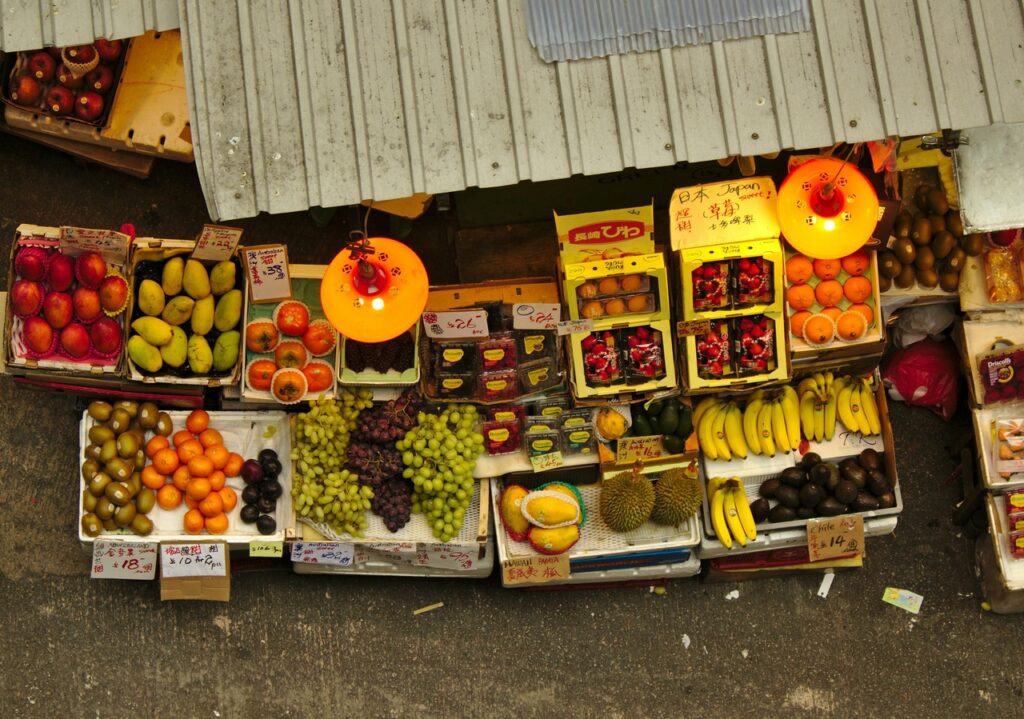
Street markets are where traditional flavor stays alive, not in theory, but in daily practice. Across Asia, these markets feed locals with dishes built on repeatable techniques, fresh ingredients, and seasoning that reflect regional habits. Some specialize in seafood and ingredient-driven eating, while others thrive on night-market snacks designed for quick bites and big impact. What they share is consistency. Vendors often focus on a small set of items and perfect them through repetition. They are living kitchens that preserve taste through routine.
1. Chatuchak Weekend Market
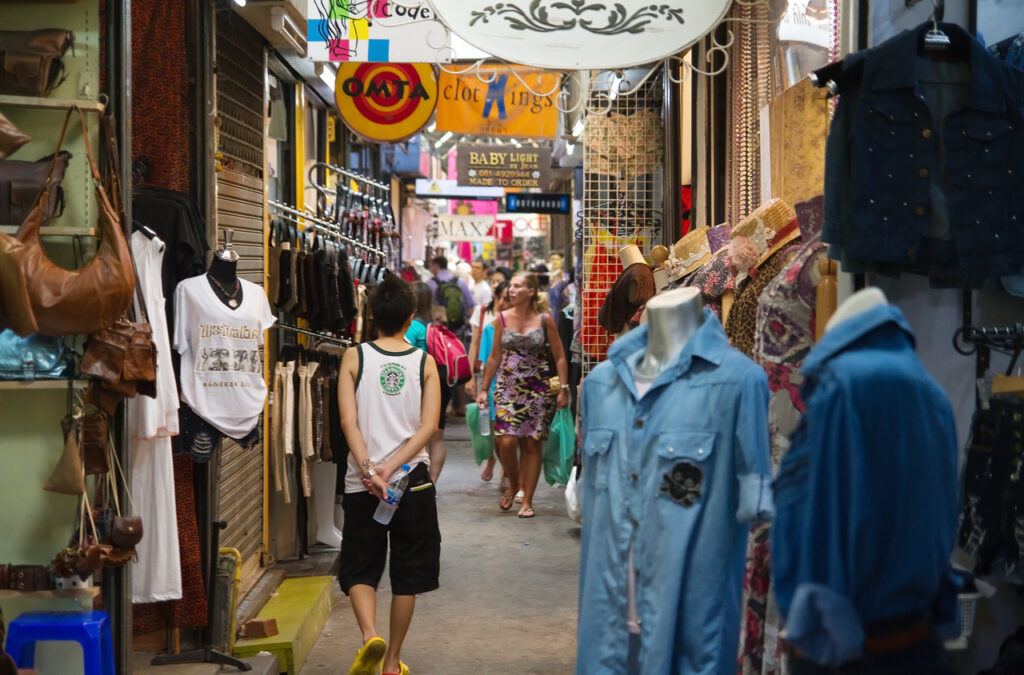
Chatuchak is best known for its scale, but the food is what keeps it rooted in Bangkok’s everyday flavor. Because the market is enormous, you can treat it like a moving tasting menu, stepping from grilled skewers to sweet coconut desserts without planning ahead. Traditional Thai snacks show up in forms that are easy to eat while walking, which is exactly how street food evolved. Many vendors specialize in one or two items and make them repeatedly, which usually leads to stronger consistency than menus that try to do everything. There are Thai building blocks everywhere: herbs, chiles, fish sauce, roasted rice, and coconut.
2. Ben Thanh Market
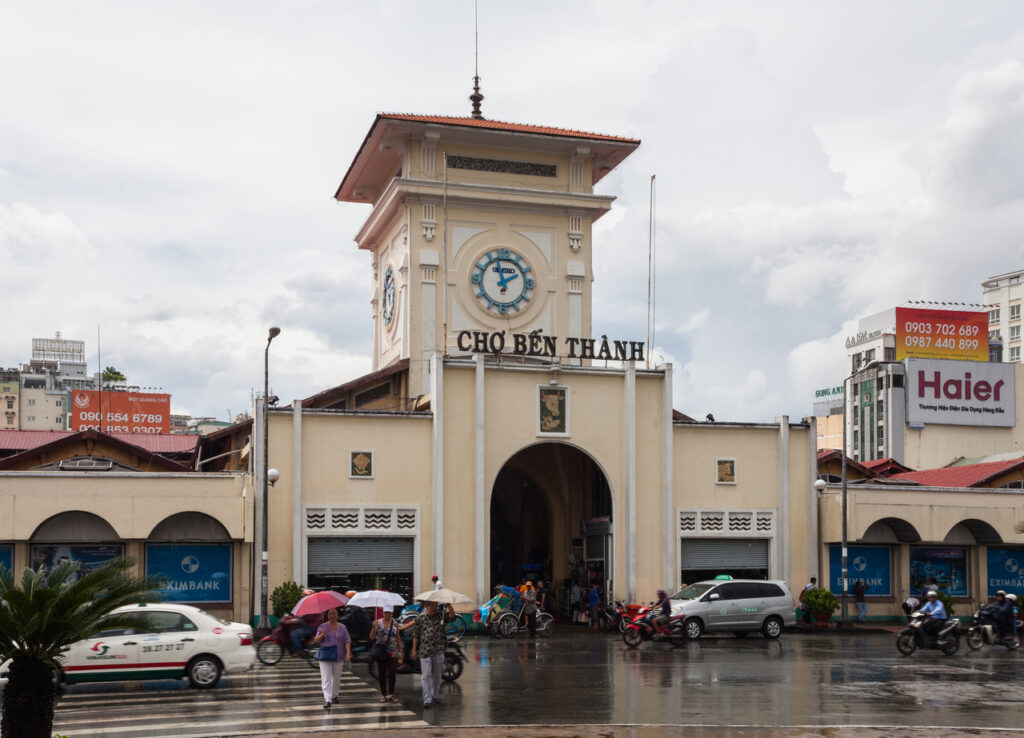
Ben Thanh is famous because it functions as both a landmark and a working food market. The traditional flavors come through in dishes that rely on balance rather than heaviness. Vietnamese street food often blends salty, sweet, sour, and fresh herb notes in one bowl, and that style is easy to taste here. Market stalls tend to focus on familiar staples, soups, rice plates, and snack foods that locals recognize immediately. Ingredients like fish sauce, lime, chili, and fresh greens show up repeatedly, which keeps the food bright and layered. Because it is a central market, it attracts tourists, but the structure of the food culture remains.
3. Kashgar Sunday Market
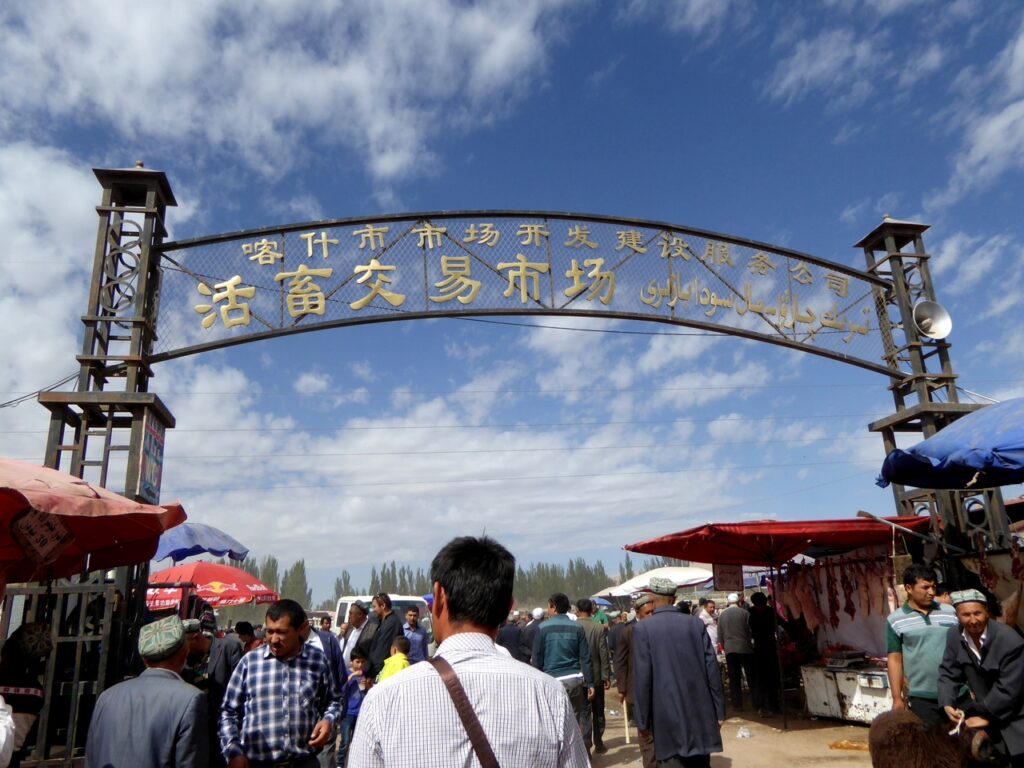
Kashgar Sunday Market is rooted in an older trading culture, and that history shows up in the food. This region sits at a crossroads where Central Asian and Chinese influences overlap, which creates flavors that feel different from coastal China. Traditional cooking here often highlights lamb, flatbreads, and bold spice blends rather than light stir fries. You will see foods designed for sharing and for feeding large crowds, which matches the market’s scale and social role. The atmosphere matters because markets like this are not just shopping zones. They are gathering places where people exchange goods, stories, and meals.
4. Gwangjang Market
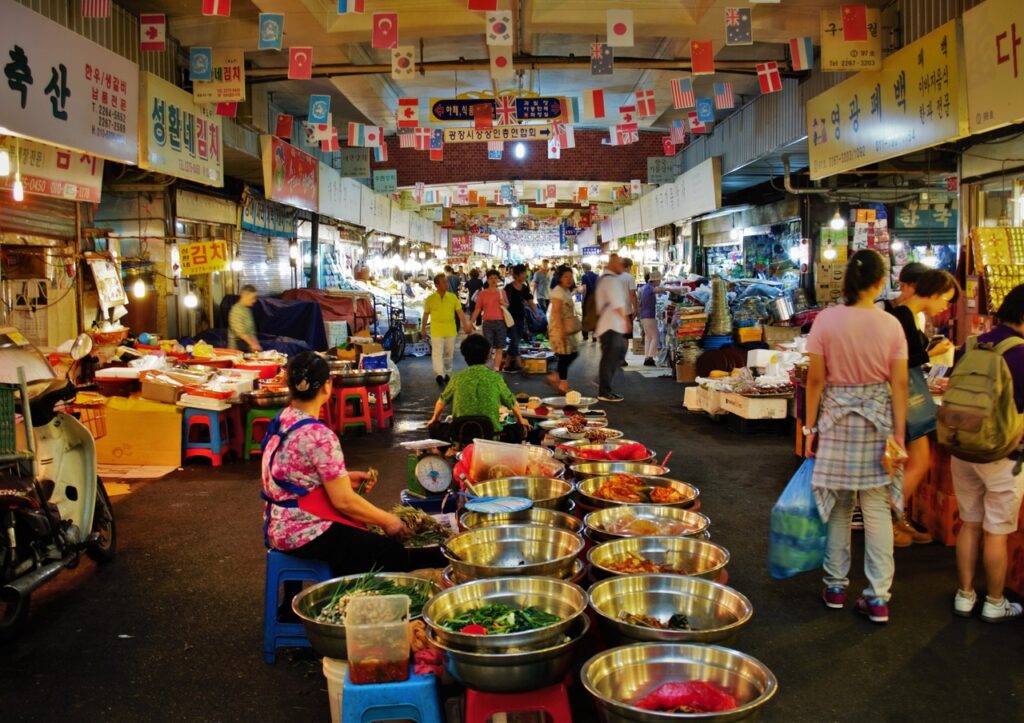
Gwangjang Market is a reminder that traditional flavor does not have to be complicated to be memorable. Many of its most famous bites are built on simple foundations, rice, mung beans, fermented sauces, and carefully prepared meats. The key is technique and repetition. Vendors often specialize in one category and serve it all day, which keeps quality steady. Korean market food also relies on fermentation, which creates depth without heavy cooking. That is why sauces and side dishes taste layered. The market feels traditional because it has an everyday rhythm. People come for quick meals, not special occasions.
5. Nishiki Market
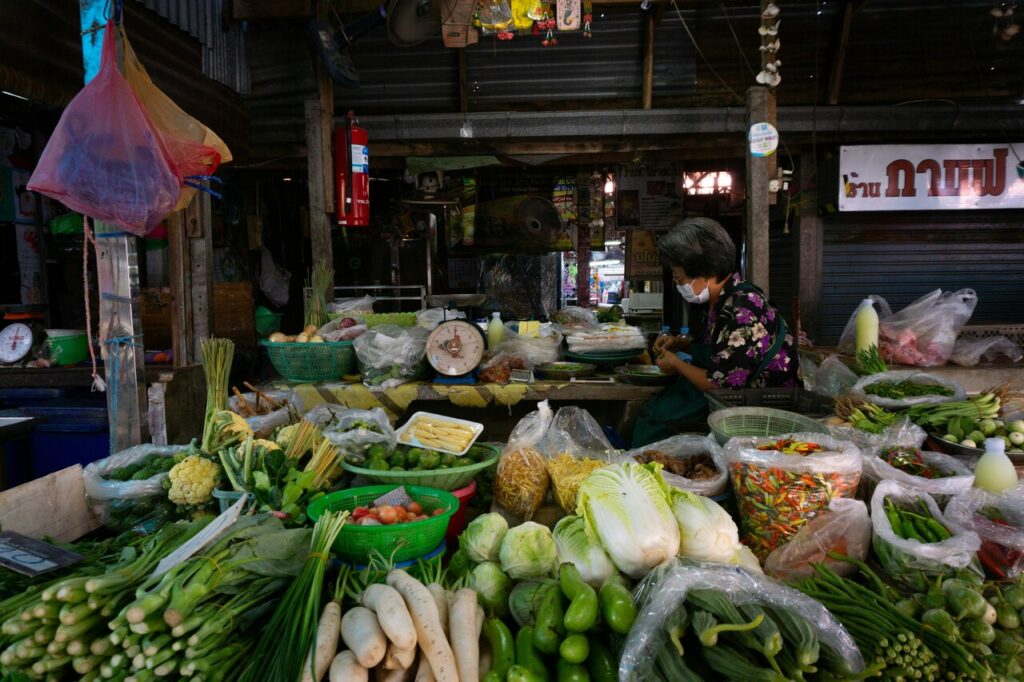
Nishiki Market is often described as Kyoto’s kitchen, and that nickname makes sense once you see how ingredient-focused it is. Traditional flavor here is less about loud seasoning and more about careful preparation, quality sourcing, and regional specialties. Many items are designed for sampling, such as pickled vegetables, grilled seafood, delicate sweets, and small bites that highlight technique. Kyoto cooking is known for balance and subtlety, which means freshness and texture matter as much as taste. That creates a sense of tradition because the ingredients change with the calendar. Nishiki feels like a living market rather than a themed street food stop.
6. Tsukiji Outer Market
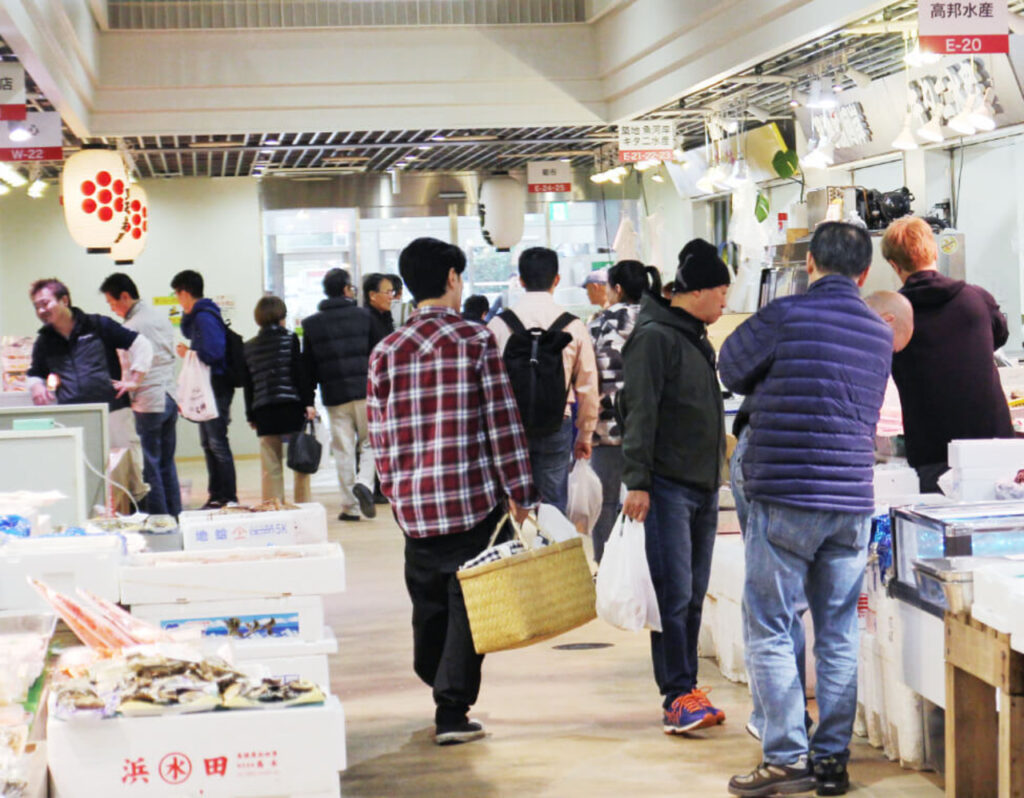
Tsukiji Outer Market is famous for seafood, but the deeper reason it feels traditional is the relationship between ingredients and skill. Market eating here is often about letting freshness speak. That is why simple preparations can taste exceptional. A small bowl of rice topped with fish or a grilled skewer can carry intense flavor with minimal seasoning. Vendors often work with products they know deeply, cutting, grilling, curing, or serving items at the right temperature and texture. Those details matter more than heavy sauces. That continuity keeps the culture strong. People come not just to eat, but to buy ingredients and learn what is in season.
7. Or Tor Kor Market
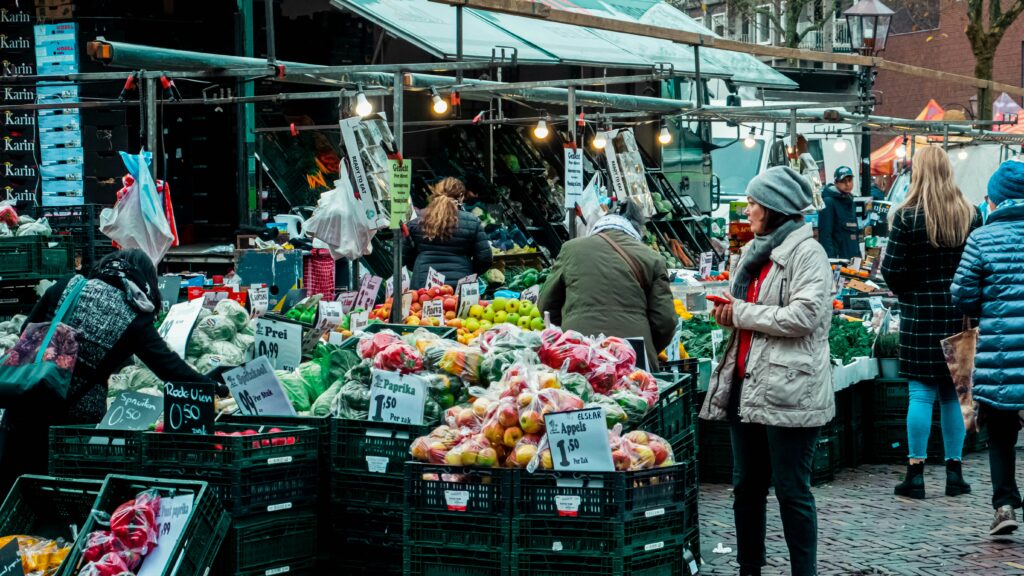
Or Tor Kor feels traditional in a different way because it highlights ingredients as much as prepared meals. Many visitors notice the quality of produce, herbs, and seafood, which is central to Thai flavor. When ingredients are strong, dishes require less manipulation. You will still find cooked foods, but they often taste cleaner and more balanced because the base materials are fresh and well handled. Thai cooking relies on harmony between salty, sweet, sour, and spicy elements, and that balance becomes easier when herbs and aromatics are vibrant. The market also reflects how Thai households actually cook.
8. Shilin Night Market
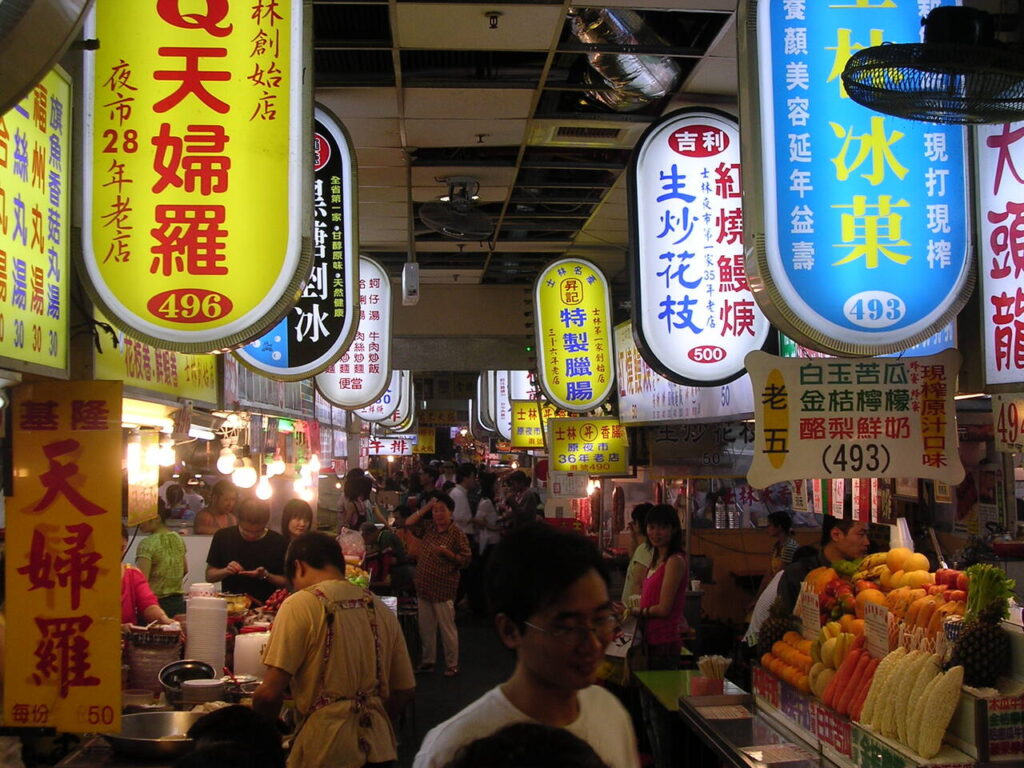
Shilin Night Market is famous because it captures the social side of street food. Night markets are where traditional snacks stay alive through repetition and shared experience. Many Taiwanese street foods are built to be eaten quickly, often crispy, fried, grilled, or braised for maximum flavor in a small serving. The market environment encourages sampling, so vendors make foods that deliver immediate impact. Sauces and seasonings are usually bold, but the flavors still feel traditional because they are tied to local routines. Night markets also act as public dining rooms, so the food is designed to satisfy different ages and tastes.
9. Chow Kit Market
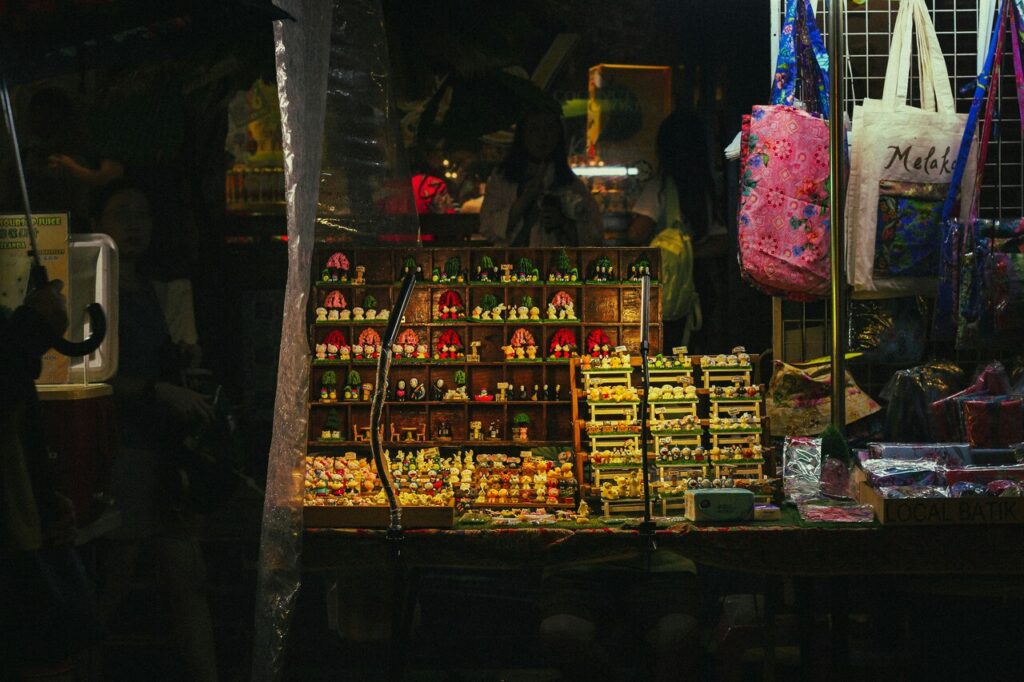
Chow Kit Market feels grounded because it serves residents first. Traditional flavor is most reliable in places where vendors depend on locals returning regularly. Malaysian cooking is known for layered seasoning, with spice pastes, aromatics, and sauces that build depth over time. Markets like Chow Kit support that style by offering both ingredients and prepared foods that reflect everyday eating, herbs, chiles, and fermented components shape flavor, creating bold dishes without being one-note. The market also highlights the diversity of Malaysian food culture, which blends multiple influences while still feeling cohesive.
10. Damnoen Saduak Floating Market
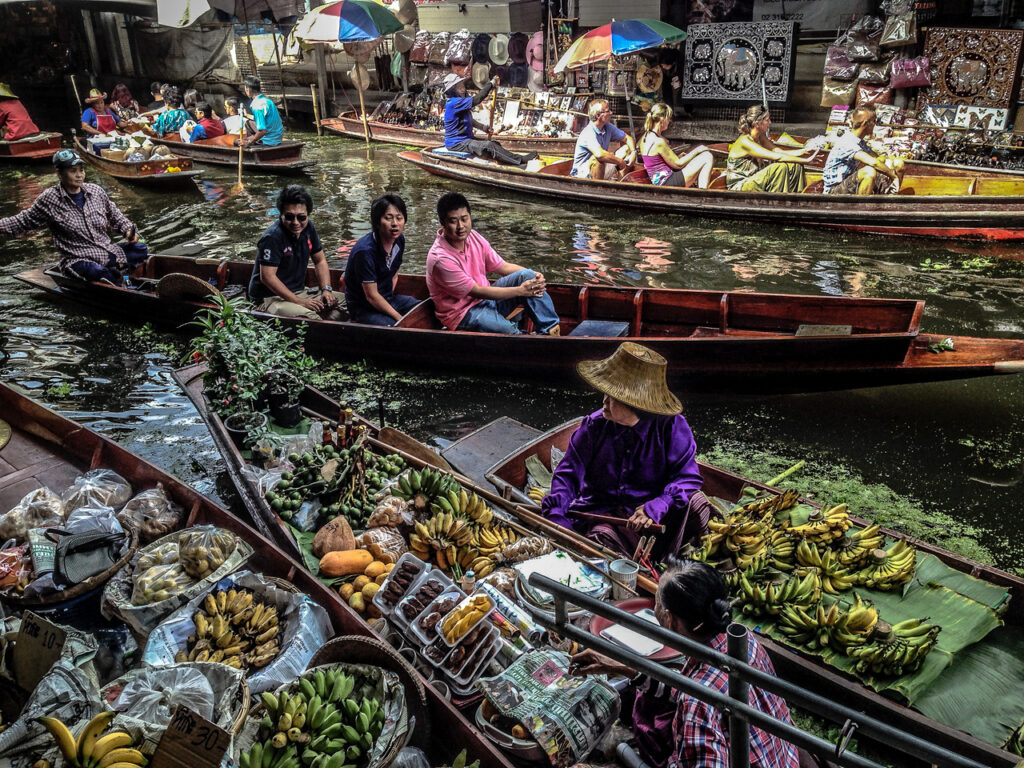
Damnoen Saduak is visually famous, but its traditional appeal comes from how food is sold and eaten on the move. Floating markets reflect an older pattern of commerce shaped by waterways, where vendors bring goods directly to buyers. Many foods here are simple, grilled items, sweets, and small dishes that can be served quickly from a boat. That format naturally supports traditional snacks because they are portable and repeatable. The experience does attract tourists, but the style itself has deeper roots. When cooking space is limited, recipes rely on efficient methods and familiar ingredients.
11. Chandni Chowk
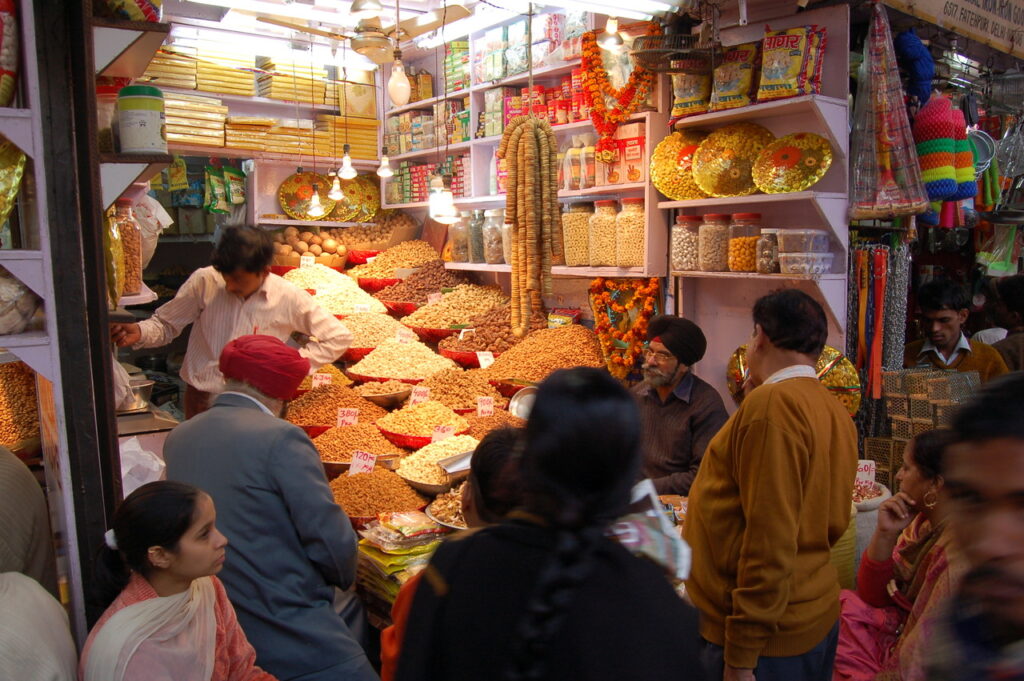
Chandni Chowk is not one market stall but an entire old city food ecosystem, and that is what makes its flavors feel traditional. The area is known for snacks and sweets that rely on established techniques, such as frying, slow simmering, spice blending, and syrup-based desserts. Many vendors specialize narrowly, producing the same item repeatedly, which builds consistency. Traditional Indian street food often balances spice, tang, and sweetness in a single serving, using ingredients like chaat masala, tamarind, yogurt, and fresh herbs. The density of the area also means competition is high, so quality becomes part of survival.
12. Noryangjin Fish Market
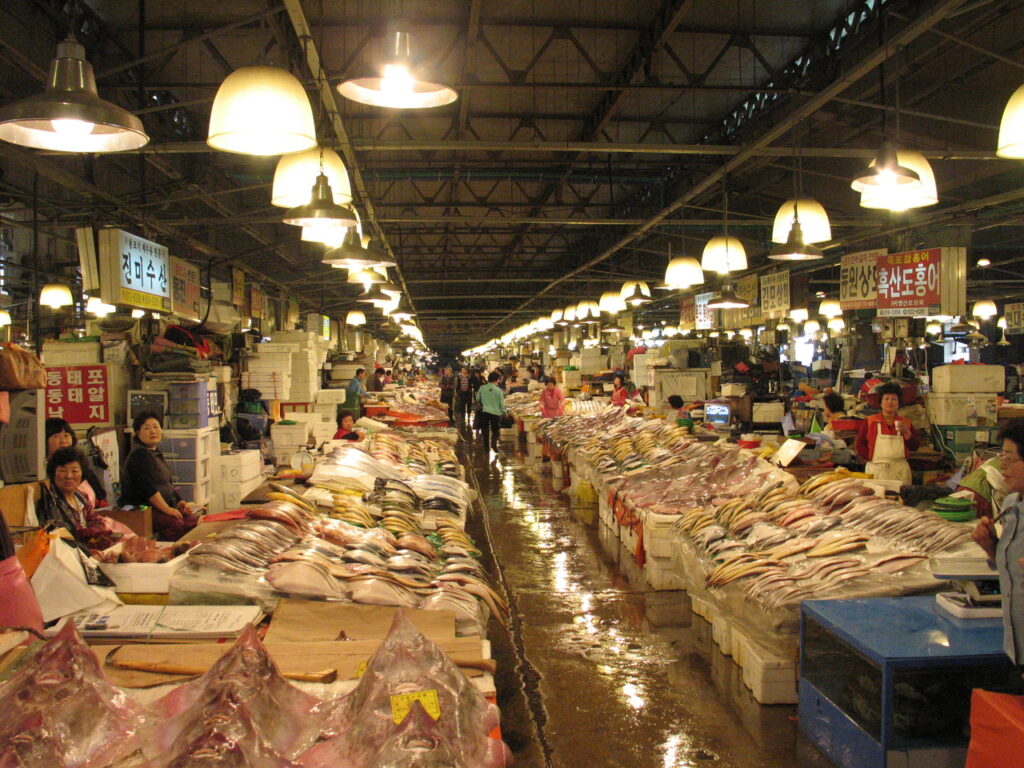
Noryangjin is a market where traditional flavor starts with freshness. Seafood-driven cooking often relies on minimal seasoning because the ingredient quality is the main event. The market experience is built around choosing fish and shellfish, then having them prepared in a direct, straightforward way. That immediacy is what makes it feel traditional. It reflects a long relationship between coastal supply and city demand. Handling matters because seafood changes quickly. Vendors who work with fish daily develop skills in selection and storage, which affects flavor. Sometimes it is ingredient-led eating that highlights what a region values most.
13. Myeongdong Night Market
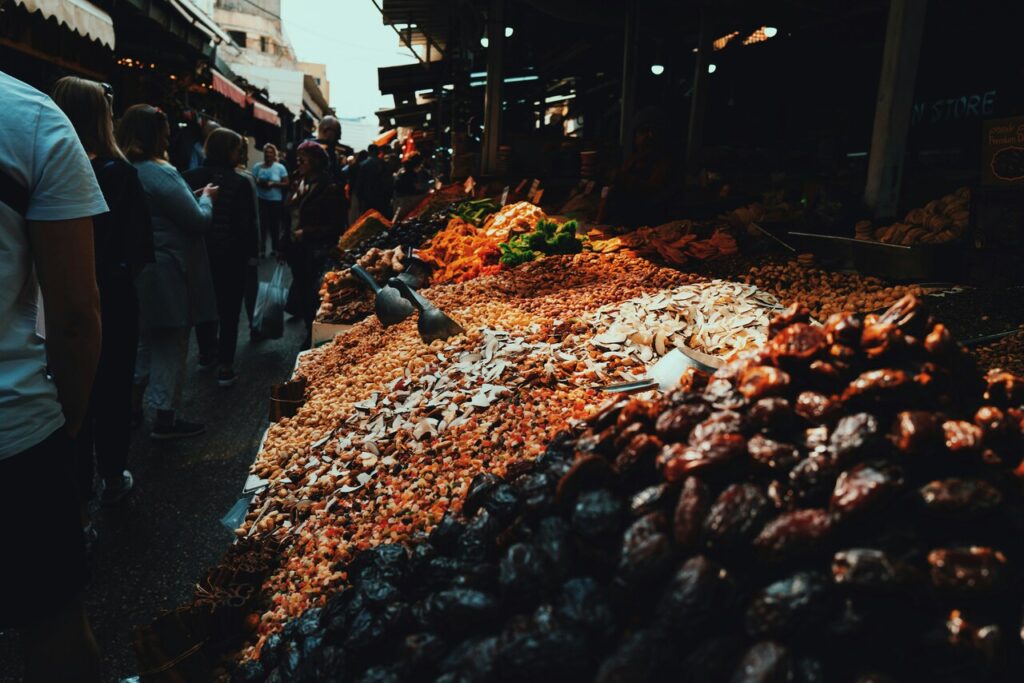
Myeongdong Night Market is a strong example of how traditional flavors can thrive even in a modern, high-traffic shopping district. The food here is built for fast eating, but that does not mean it is careless. Many stalls focus on familiar Korean street food formats that depend on technique, proper heat, and repeatable seasoning. The steady rhythm and consistency come from vendors assembling the same items again and again. Sauces tend to be bold and spicy, but the underlying flavors still reflect classic Korean preferences for balance and richness. When a market serves locals daily, the flavors stay recognizable and rooted.