7 Common Meal Prep Mistakes and How to Avoid Them

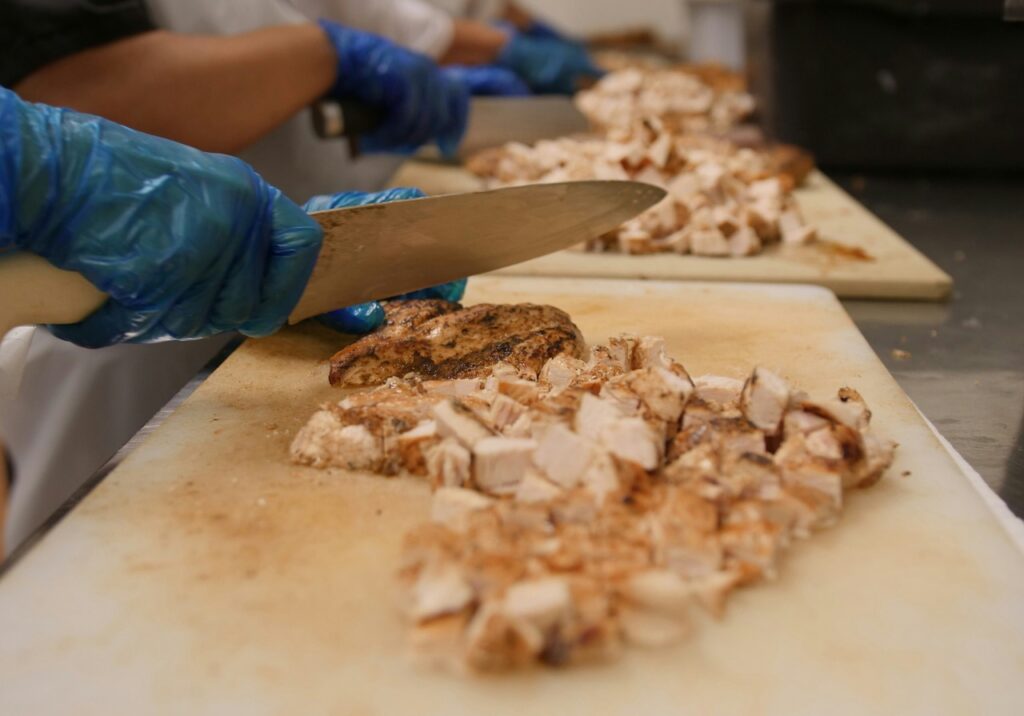
Meal prep works best when small details are handled well. Most problems come from a few repeated mistakes: storing everything in the fridge, skipping labels, choosing meals that reheat poorly, or planning too much in one session. Texture changes, sauces separate, and “mystery containers” get ignored until they spoil. The solution is not more effort. It is a smarter structure. Freezer use, clear labeling, storage-friendly recipes, flexible components, realistic prep sessions, and testing new recipes before scaling them can make meal prep easier to maintain. With these adjustments, meals stay appetizing, waste drops, and planning feels manageable.
1. Ignoring the Freezer
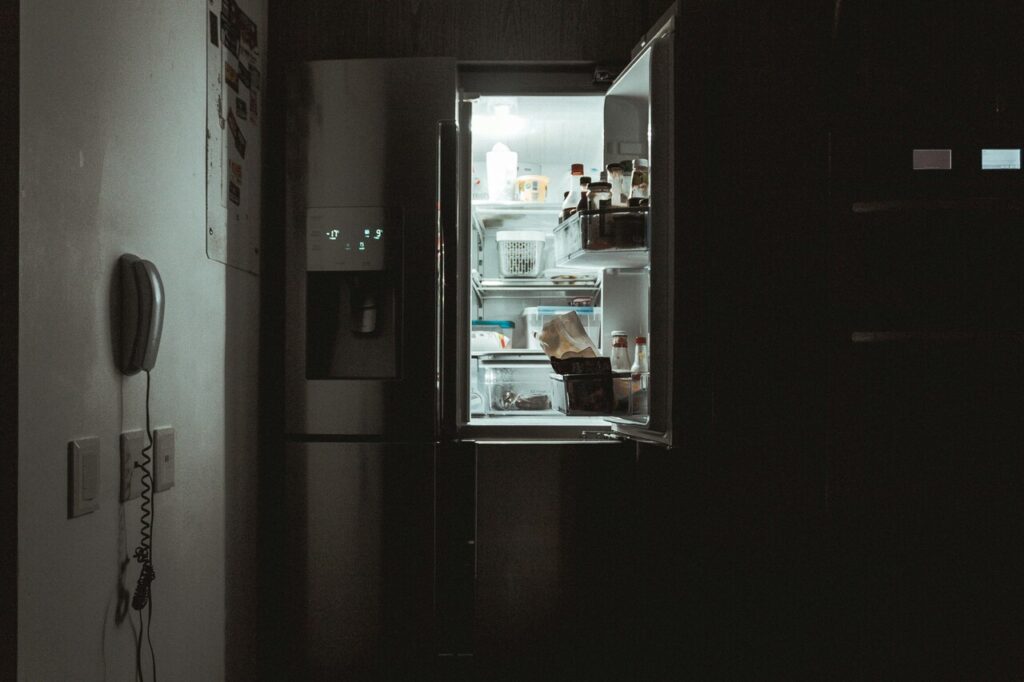
The freezer is one of the most underused tools in meal prep, even though it offers the biggest margin for error protection. Many meals that spoil in the fridge after three or four days can last weeks when frozen correctly. Proteins like cooked chicken, ground meat, beans, and stews freeze especially well because their texture holds after reheating. Grains such as rice and quinoa also recover nicely when frozen in flat portions. Ignoring the freezer often leads to rushed eating, wasted food, or repeating the same meal until boredom sets in. Freezing portions creates flexibility by allowing meals to rotate instead of being eaten in a strict order.
2. Not Labeling Containers
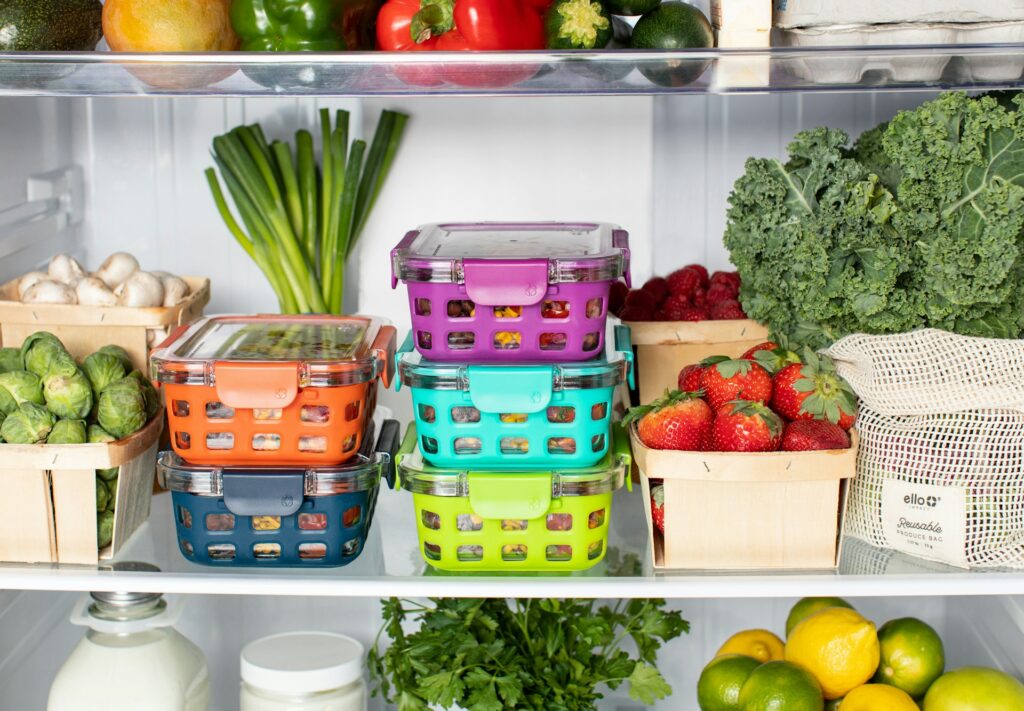
Unlabeled containers turn meal prep into guesswork, which usually ends with food being thrown out. Once meals are stored, it becomes difficult to remember when something was cooked, especially when sauces and grains start to look similar after a few days. Labeling with the dish name and date removes that uncertainty and helps meals get eaten in the right order. This is especially important for freezer meals, where time perception disappears quickly. Labels also support planning because it becomes easier to see what is already prepared before shopping or cooking again. Simple masking tape or freezer labels work well and take only seconds to apply.
3. Making Meals That Do Not Reheat Well
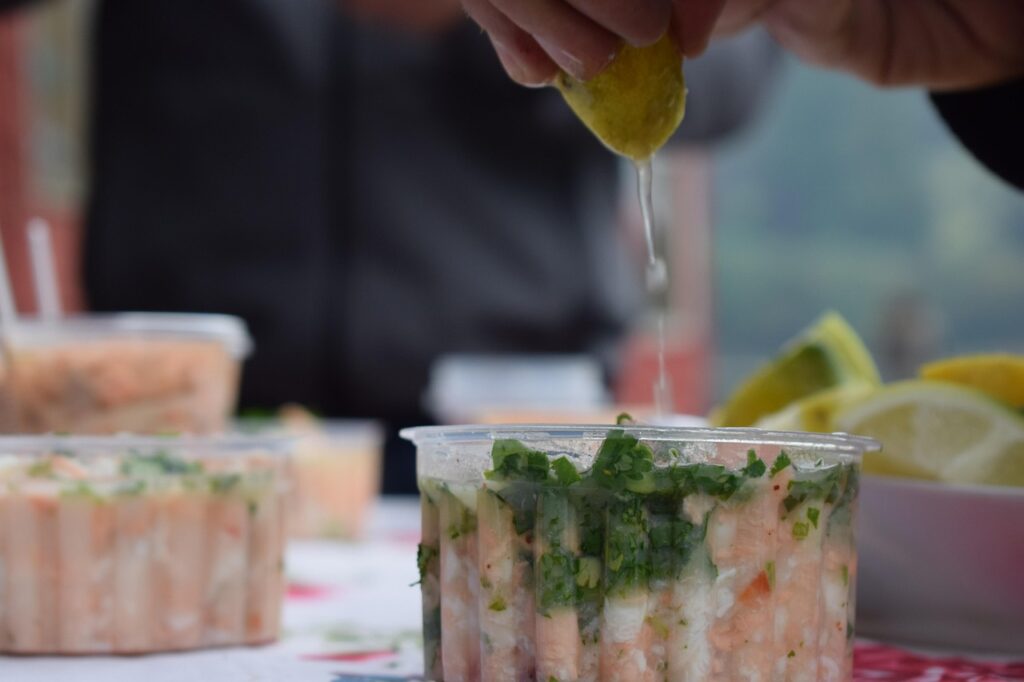
Not every dish is suited for reheating, and overlooking this detail leads to disappointing results. Foods with delicate textures like fried items, creamy emulsions, or leafy salads often lose their appeal after storage. Sauces may separate, breaded coatings soften, and vegetables can turn mushy. Choosing meals that improve or hold steady after reheating makes a major difference in satisfaction. Soups, stews, braises, roasted vegetables, and grain-based dishes tend to reheat evenly and maintain flavor. The reheating method also matters. Gentle heat helps prevent dryness and uneven temperatures.
4. Choosing Recipes That Do Not Store Well
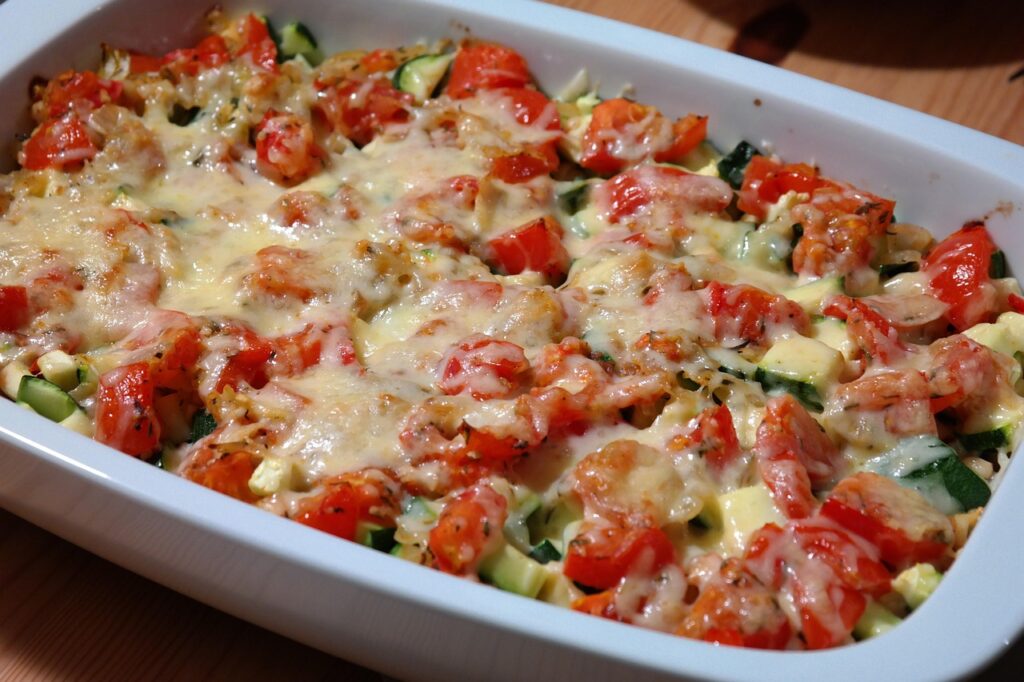
Some recipes taste great on day one but decline quickly in storage because their structure depends on freshness. Dishes with watery vegetables, fragile sauces, or mixed textures often break down after sitting. Salads dressed in advance can wilt, dairy-heavy sauces may separate, and layered meals can lose contrast. Selecting recipes designed for storage avoids these problems. Meals where components are stored separately often hold up better, such as grains kept apart from sauces or toppings added later. When meals are chosen with storage in mind, each portion remains appealing throughout the week rather than only on the first day.
5. Only Prepping Full Meals Instead of Components
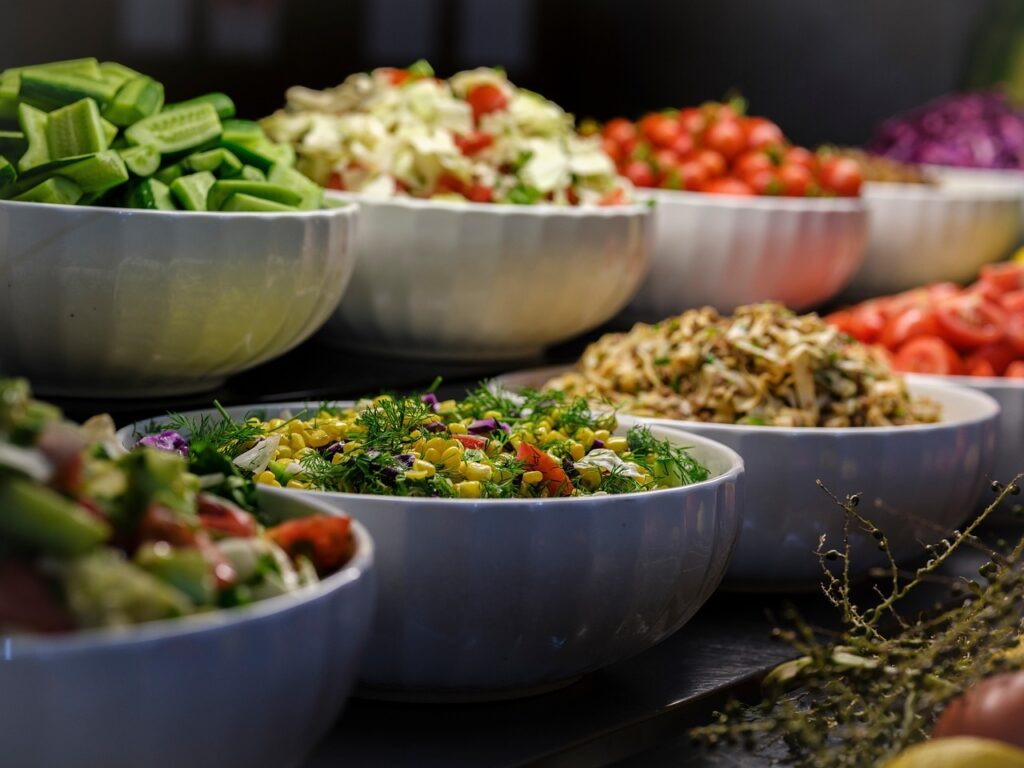
Preparing only fully assembled meals limits flexibility and increases boredom. When every container holds the same dish, variety disappears quickly. Prepping components instead allows meals to change with minimal effort. Cooked proteins, roasted vegetables, grains, and sauces can be combined in different ways across the week. This approach also adapts better to changing appetites or schedules. A grain bowl one day can become a wrap or stir-fry the next. Component prep reduces the feeling of being locked into a rigid plan. It also speeds up daily assembly because most of the work is already done.
6. Doing Too Much Too Fast
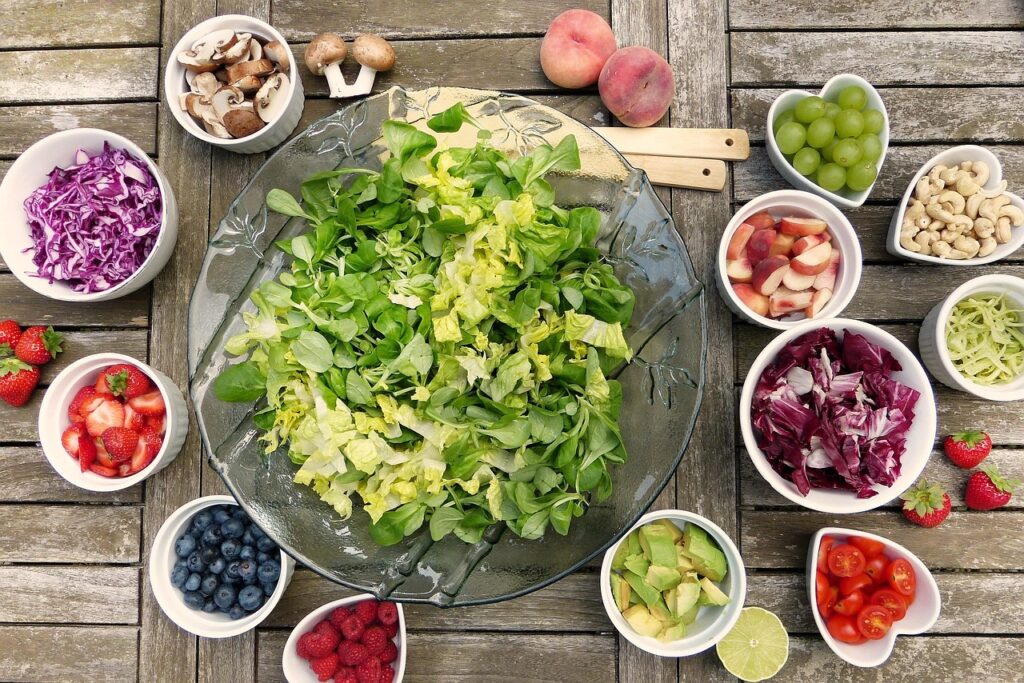
Overloading a single prep session is a common reason meal prep fails long-term. Preparing too many recipes at once can lead to exhaustion, frustration, and a kitchen full of dishes. When the process feels overwhelming, consistency drops. Starting with a realistic amount of food allows habits to form without burnout. Focusing on a few core items often provides enough coverage for several days. Gradually increasing volume as comfort grows makes the process more manageable. Efficient meal prep is not about intensity but repeatability. Keeping sessions shorter and simpler preserves energy and motivation.
7. Batching Untested Recipes
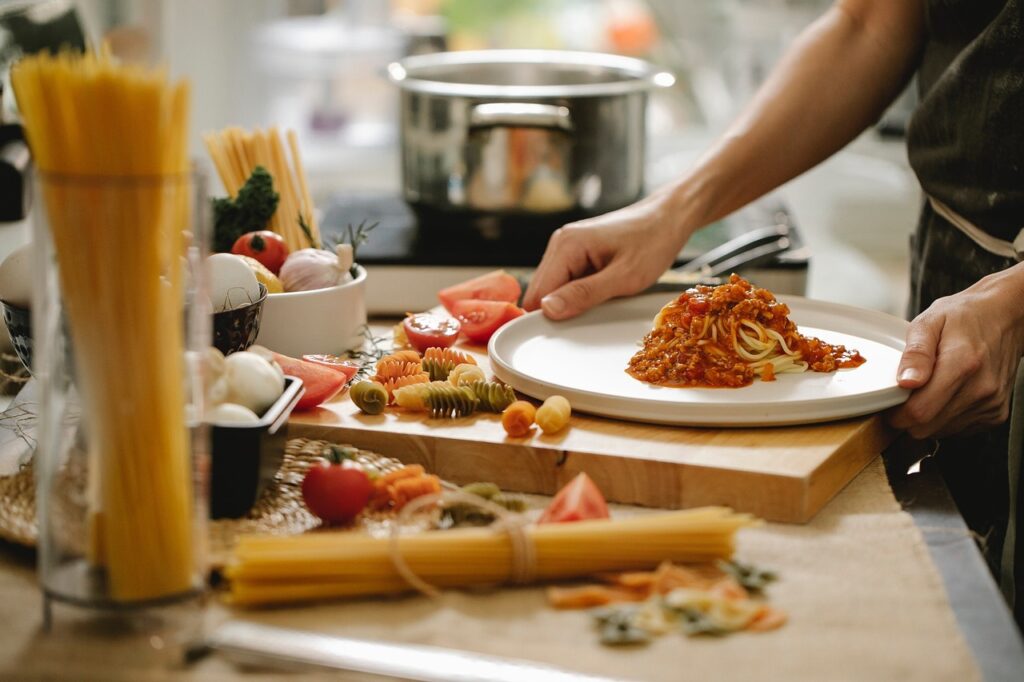
Cooking large quantities of an untested recipe carries unnecessary risk. If the flavor, texture, or seasoning does not work, the result is multiple meals that are unappealing. Testing recipes in small batches first allows adjustments before scaling up. Once a recipe proves reliable, it becomes a strong candidate for repeat prep. Familiar meals also make portioning and storage easier because the process is already known. Building a rotation of tested recipes creates confidence and efficiency. Meal prep works best when it relies on dependable outcomes rather than experimentation at full scale.