What Happens to a Restaurant Menu When the Chef Actually Leaves the Building

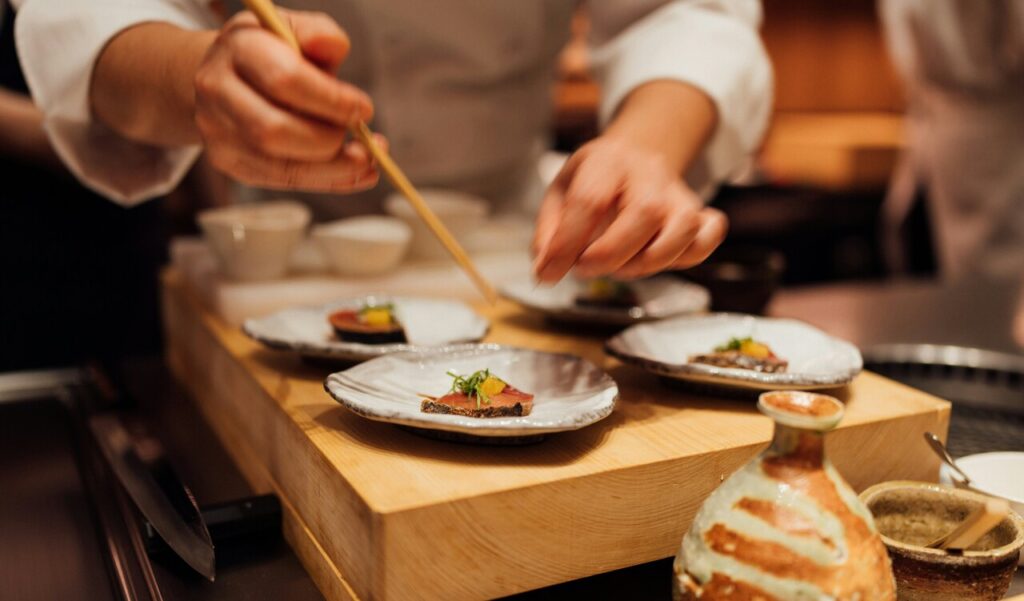
A restaurant menu is often seen as a list of dishes, but in reality it reflects the vision, discipline, and decision making of the chef behind it, so when that chef leaves, the change is rarely limited to leadership alone, because it quietly affects how dishes are executed, how ingredients are chosen, and how the entire kitchen operates, gradually shifting the menu from a carefully guided expression of creativity into something more system driven, where consistency, cost, and practicality begin to take precedence over originality and intent.
The Power Vacuum
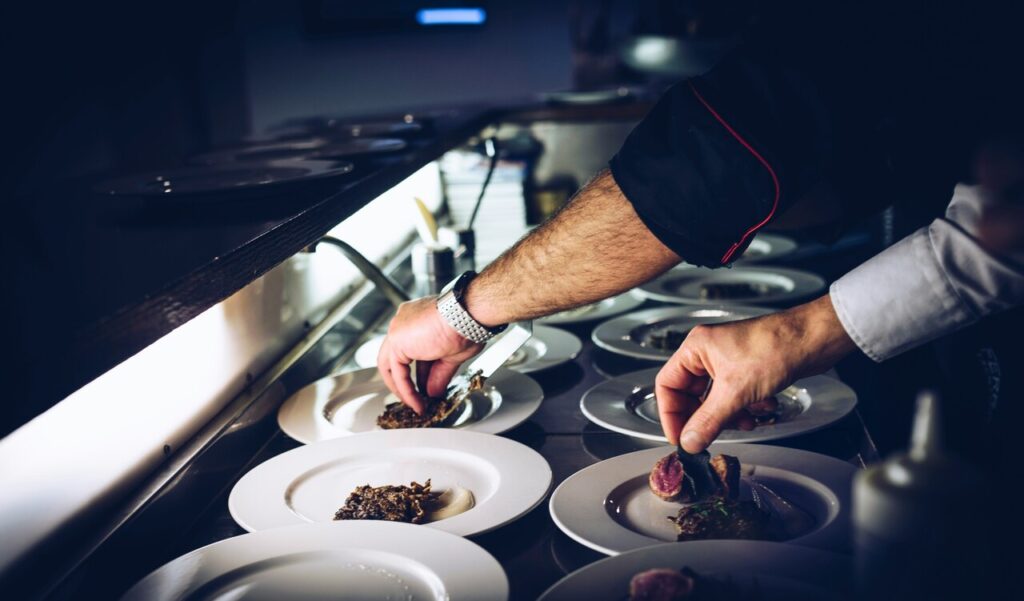
When a head chef leaves a restaurant, the absence is felt immediately because the kitchen loses its central decision maker who oversees not just recipes but timing, coordination, and overall direction. The chef acts as the anchor of daily operations, ensuring that every dish aligns with a defined standard. Without this presence, even routine service can begin to feel uncertain. Staff members may hesitate when making decisions that were once clearly guided. This creates a noticeable shift in how the kitchen functions on a day-to-day basis. This early disruption sets the tone for broader operational challenges.
Leadership in a kitchen is not only about authority but about clarity, and when that clarity disappears, small inefficiencies begin to surface across different stations. Orders may take longer to coordinate, communication can become fragmented, and priorities may not be as sharply defined as before. These issues may seem minor at first, but can quickly compound during busy service hours. The absence of a clear leader affects both speed and confidence. This can lead to a gradual decline in operational flow. Miscommunication between stations becomes more frequent. Timing errors can disrupt the sequence of service.
Over time, this vacuum can influence how the entire team approaches their work, as consistency becomes harder to maintain without a unifying voice. Even experienced staff may interpret standards differently, leading to variation in execution. The kitchen begins to operate more on individual judgment than shared direction. This shift changes the overall rhythm of service. It highlights how much of a restaurant’s stability depends on strong leadership. Individual styles begin to shape output. Uniformity in preparation starts to fade. This gradual shift becomes visible to both staff and customers.
The Menu Unravels

A restaurant’s menu is often a direct reflection of the chef’s vision, so when that chef leaves, the menu can quickly lose its sense of cohesion and purpose. Dishes that were carefully curated to work together may start to feel disconnected. The underlying concept that once tied the menu together begins to weaken. Without a guiding vision, the menu becomes more reactive than intentional. This shift affects both creativity and structure. The balance between items may no longer feel deliberate. Signature combinations can lose their relevance. The menu may start to feel inconsistent. This change alters how customers experience the overall offering.
In many cases, restaurants respond by simplifying the menu to maintain control, removing complex dishes that require precise execution or specialized knowledge. This reduction helps stabilize operations but can also strip away unique elements that defined the restaurant’s identity. The focus shifts toward items that are easier to prepare consistently. This often leads to a more limited selection. While practical, this change can alter the dining experience significantly. High skill dishes may be removed entirely. Preparation processes become more standardized. The menu begins to prioritize reliability over distinction.
As adjustments continue, the menu may evolve based on convenience rather than creativity, with decisions driven by what the current team can reliably execute. This results in gradual changes that may not always align with the original concept. Over time, the menu can feel less distinctive. Regular customers may notice these subtle differences. The absence of a clear creative direction becomes increasingly visible. New additions may lack a unifying theme. Older dishes may be modified for ease. The overall identity becomes less defined. This transition reflects a shift in priorities within the kitchen.
Consistency Begins to Slip
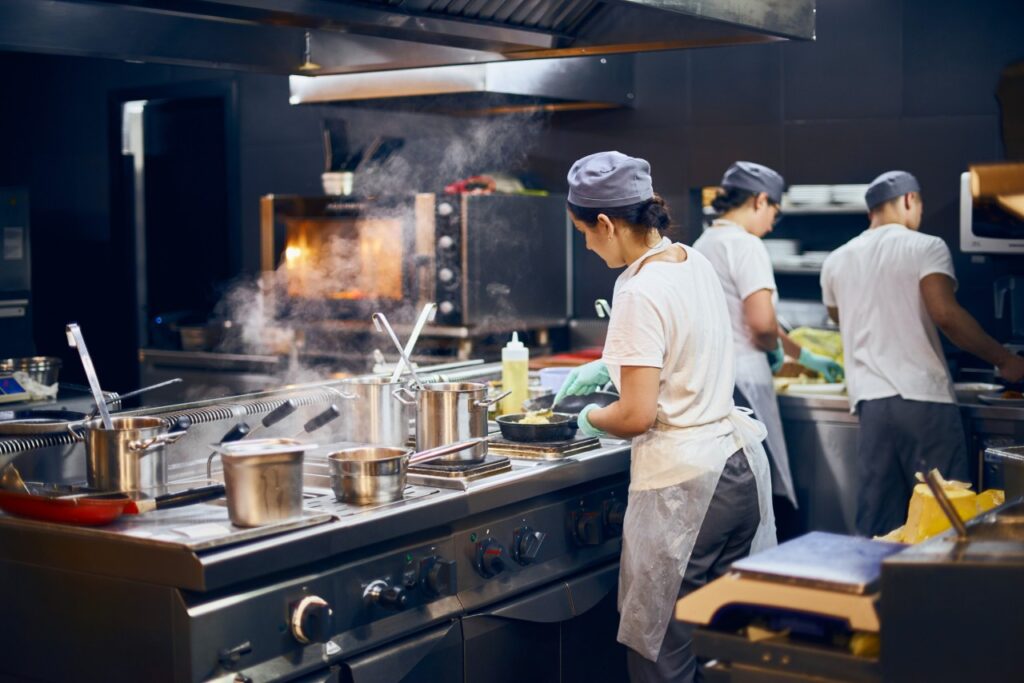
Consistency is one of the most important markers of a well-run kitchen, and it is often the first aspect to be affected when leadership changes. Without the chef’s oversight, maintaining uniform standards across every dish becomes more challenging. Even small variations in preparation can impact the final result. These inconsistencies can accumulate over multiple services. This makes the dining experience less predictable. Portion sizes may begin to vary. Cooking times may not be consistent. Plating styles can differ between shifts. These differences become more noticeable over time. This gradual inconsistency can weaken the restaurant’s overall identity.
Each member of the kitchen may have their own interpretation of how a dish should be prepared, which can lead to noticeable differences in taste, presentation, and portioning. These variations may not always be intentional but arise from a lack of centralized control. Over time, these differences become more frequent. Customers may begin to notice shifts in quality. This can affect their overall perception of the restaurant. Individual techniques may replace standardized methods. Training gaps become more apparent. Coordination between stations may weaken. This lack of alignment reduces the reliability of the dining experience.
As consistency declines, the restaurant’s reputation may also be affected, especially if customers experience different levels of quality on different visits. Reliability is a key factor in customer satisfaction. When that reliability weakens, trust begins to erode. This can lead to reduced repeat visits. It also makes it harder for the restaurant to maintain its standing in a competitive market. Online reviews may reflect these inconsistencies. Word of mouth can shift negatively. Customer expectations may no longer be met. This creates long-term challenges for the business. Recovering from this decline can take significant time and effort.
The Team Without a Center
A kitchen functions as a coordinated team, and the departure of a head chef can disrupt this balance by removing the central figure who defines roles and responsibilities. Without this structure, staff members may be unsure about decision-making authority. This can lead to hesitation during critical moments. The absence of clear leadership affects how tasks are prioritized. It also impacts overall coordination. Staff may wait for direction that never comes. Responsibilities can become unclear. Workflow may slow down during peak hours. This uncertainty affects overall performance. Over time, this can lower team confidence and efficiency.
Role confusion can emerge as different team members attempt to fill the leadership gap, sometimes leading to overlapping responsibilities or missed tasks. This can create tension within the team. Communication may become less efficient. Staff may rely more on informal decision-making. These changes can disrupt the smooth functioning of the kitchen. Over time, this affects both morale and performance. Conflicts may arise over decision-making. Accountability can become unclear. Team cohesion may weaken. This impacts both productivity and atmosphere. This instability can increase actual staff turnover.
In some cases, informal leaders may step in to provide guidance, but without official authority, their influence may be limited. This can create a fragmented leadership structure. The team may struggle to align around a single approach. Differences in working styles can become more pronounced. The lack of a unified direction becomes increasingly noticeable. This highlights the importance of defined leadership roles. Informal leadership may lack consistency. Decisions may vary across shifts. Staff may follow different standards. This fragmentation affects overall output. This makes it harder to sustain consistent service quality.
Cost Starts Driving Decisions
When a head chef leaves, financial considerations often take a more prominent role in menu decisions, as management focuses on maintaining margins and controlling costs. Without a strong culinary voice to balance these priorities, cost efficiency can become the primary driver of change. This shift influences how ingredients are selected. It also affects portion sizes and preparation methods. The focus moves toward financial stability. Budget constraints become more visible in decisions. Cost control measures increase across operations. This shift can gradually reshape the restaurant’s value proposition.
Ingredient substitutions may become more common as restaurants look for ways to reduce expenses while maintaining similar menu offerings. These changes can alter the flavor and quality of dishes. While some substitutions may go unnoticed, others can significantly impact the dining experience. Over time, these adjustments accumulate. This leads to a gradual shift in overall quality. Cheaper alternatives may replace premium ingredients. Supplier choices may change. Recipes may be adjusted to fit budgets. These modifications affect taste and perception. Customers may begin to notice subtle declines in flavor.
As cost considerations continue to shape decisions, the menu may evolve in ways that prioritize profitability over creativity and uniqueness. This can result in a more standardized offering. The distinctive elements that once defined the restaurant may diminish. Customers may perceive a change in value. The balance between cost and quality becomes a central challenge. Menu pricing strategies may shift. Portion control becomes stricter. Customers may begin to notice reduced variety or fewer signature items on the menu. This perception can influence how the brand is viewed compared to its earlier identity.
The Temporary Fix
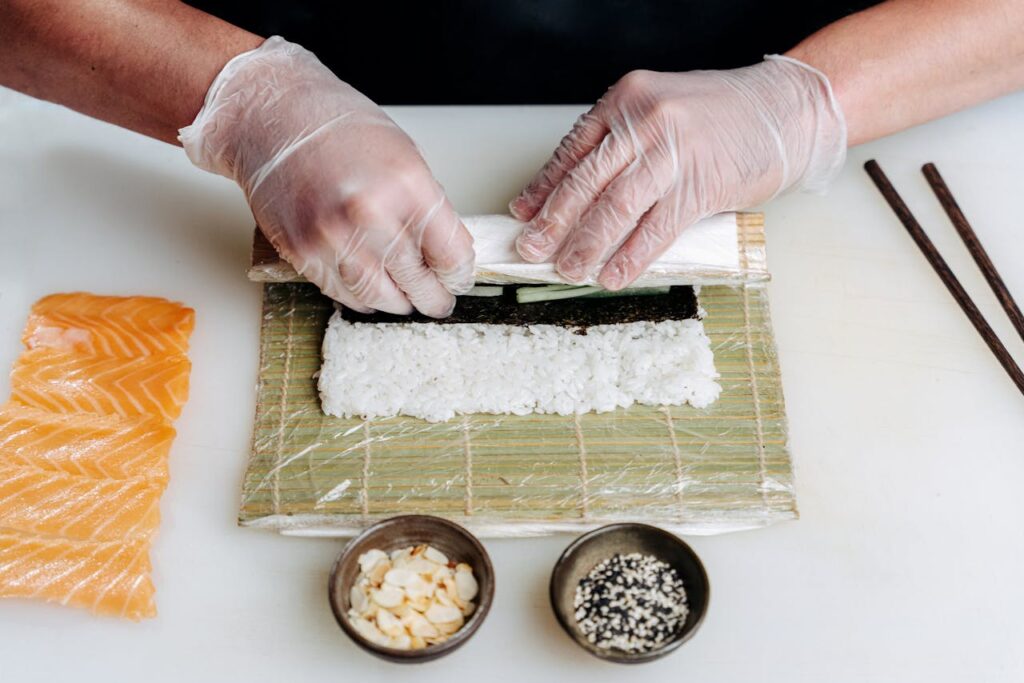
In the immediate aftermath of a chef’s departure, restaurants often rely on internal promotions or interim leaders to maintain continuity and stabilize operations. These individuals are usually familiar with the existing menu and processes. This helps prevent sudden disruptions. It also provides a sense of stability for the team. The transition period is focused on maintaining normal operations. Internal staff may step into larger roles. Existing systems continue to function. Immediate changes are minimized. This creates short-term stability. This approach helps maintain customer confidence during the transition.
However, interim leadership often operates with a focus on preservation rather than innovation, aiming to keep the menu consistent while avoiding major changes. This approach helps manage risk but can also limit creativity. The menu may remain largely unchanged during this period. This creates a holding pattern in development. The focus remains on execution rather than evolution. New ideas may be postponed. Experimentation is reduced. The team prioritizes consistency over change. This slows down menu development. This pause can delay necessary improvements. Teams may also become cautious in proposing bold ideas during this phase.
While this strategy can be effective in the short term, it is not a long-term solution, as the absence of a clear creative leader eventually requires a more permanent direction. Over time, the limitations of temporary leadership become apparent. The need for a defined vision becomes more urgent. This transition phase highlights the importance of strong leadership in shaping the menu. Long-term planning may be delayed. Strategic decisions may be postponed. The restaurant may lose momentum. This underscores the need for stable leadership. Without timely action, the gap in direction can widen further.
What Actually Changes When the Chef Leaves
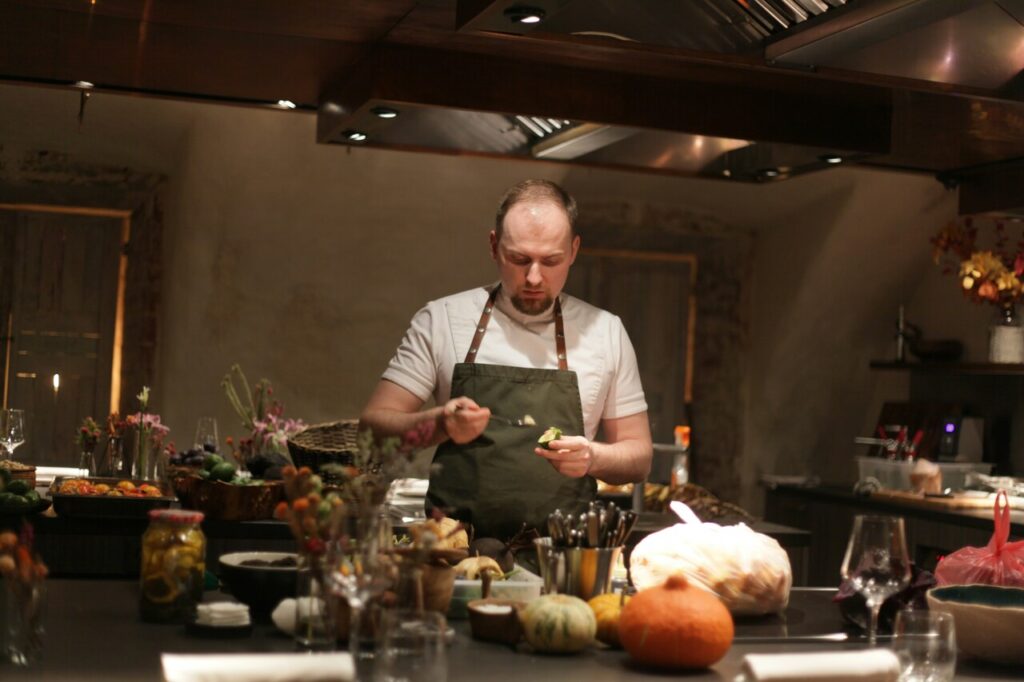
At its core, the departure of a head chef shifts a restaurant from a vision-driven model to a more system-driven approach, where processes and routines take precedence over creativity and experimentation. This change affects how decisions are made across the kitchen. It also influences the overall dining experience. The focus moves toward consistency and efficiency. This alters the character of the menu. Systems replace individual creativity. Standard procedures become more prominent. The kitchen relies on established methods. This changes how dishes are developed. This shift can make the menu feel more predictable.
Menus begin to reflect what the team can reliably produce rather than what a single creative leader envisions, leading to a more standardized and predictable offering. This shift can improve operational stability. However, it may reduce the sense of uniqueness that sets a restaurant apart. The balance between creativity and consistency changes. This impacts how the restaurant is perceived. Signature dishes may lose their edge. Innovation may slow down. The menu becomes more functional. This affects customer engagement. Over time, the experience may feel less memorable. Customers may begin to notice a lack of distinct identity in the offerings.
Ultimately, the menu becomes a reflection of the current leadership structure, showing how much influence a chef has on shaping not just individual dishes but the entire identity of a restaurant. The absence of that influence creates visible changes. Customers may notice differences in both flavor and presentation. The restaurant evolves in response to its internal dynamics. This demonstrates the deep connection between leadership and menu design. Identity becomes less defined. Brand perception may shift. This highlights the importance of strong culinary leadership. Restoring that identity often requires a clear and deliberate vision.