10 Foods That Lost Depth After Brands Removed Unnecessary Steps

Food does not usually lose its soul overnight. It fades quietly, one adjustment at a time. A shorter simmer here. A swapped ingredient there. A step is labeled unnecessary because it slowed production or raised costs.
In kitchens of the past, time was often an ingredient. Dough rested. Sauces reduced. Cultures fermented. Those pauses allowed chemistry to work in the background, building flavor in ways that shortcuts rarely replicate.
This list looks at familiar foods that still taste good, yet feel flatter than they once did. Not out of nostalgia, but because specific processes were removed. When brands streamlined recipes, they gained efficiency. What they surrendered was depth.
1. Boxed Mac and Cheese
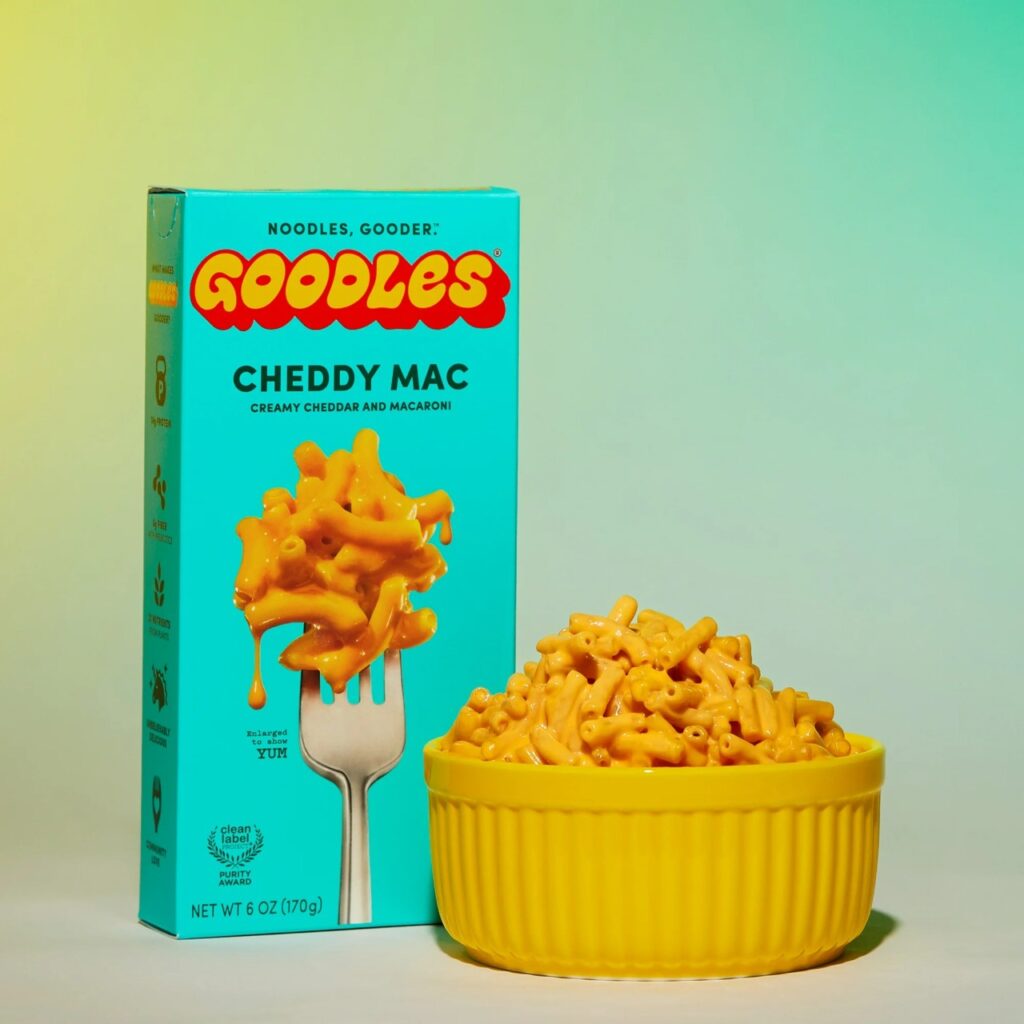
What once tasted buttery and quietly nutty now leans mostly on salt and powder. Early packaged mac and cheese relied more heavily on real dairy and simple roux-style preparation. Butter and milk weren’t just additions. They were essential to building body and depth.
Over time, powdered cheese blends became more engineered for shelf life and uniform color. Anti-caking agents and emulsifiers ensured consistency, but they also narrowed the flavor spectrum. The gentle toasted note from flour and butter largely disappeared.
The result is still comforting and convenient. Yet the layered richness that came from fat, heat, and gradual thickening has been replaced by speed and predictability.
2. Supermarket Bread
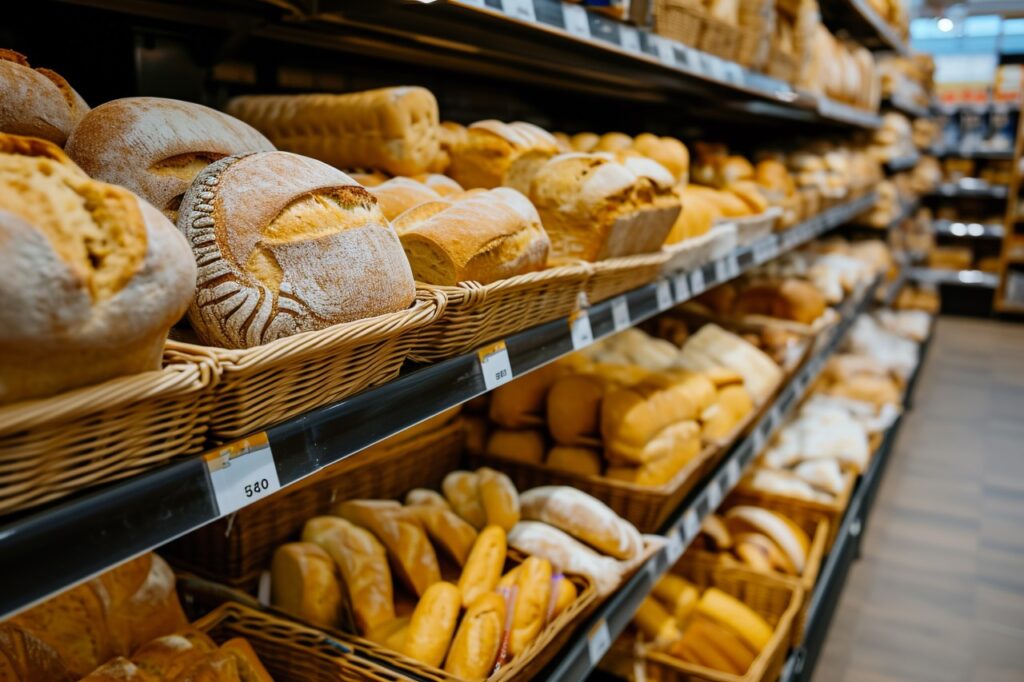
Modern sandwich bread is marvelously soft, but softness came at a cost. Traditional commercial loaves often fermented longer, allowing yeast to slowly break down starches and create organic acids that enhanced flavor.
As production accelerated, many bakeries adopted rapid-rise yeast and dough conditioners. Short fermentation limits the formation of those subtle acids and aromatic compounds. The wheat tastes milder because it simply had less time to transform.
Today’s bread excels at uniform slices and extended freshness. What it lacks is the faint tang and deep grain sweetness that slow proofing once naturally delivers.
3. Ice Cream
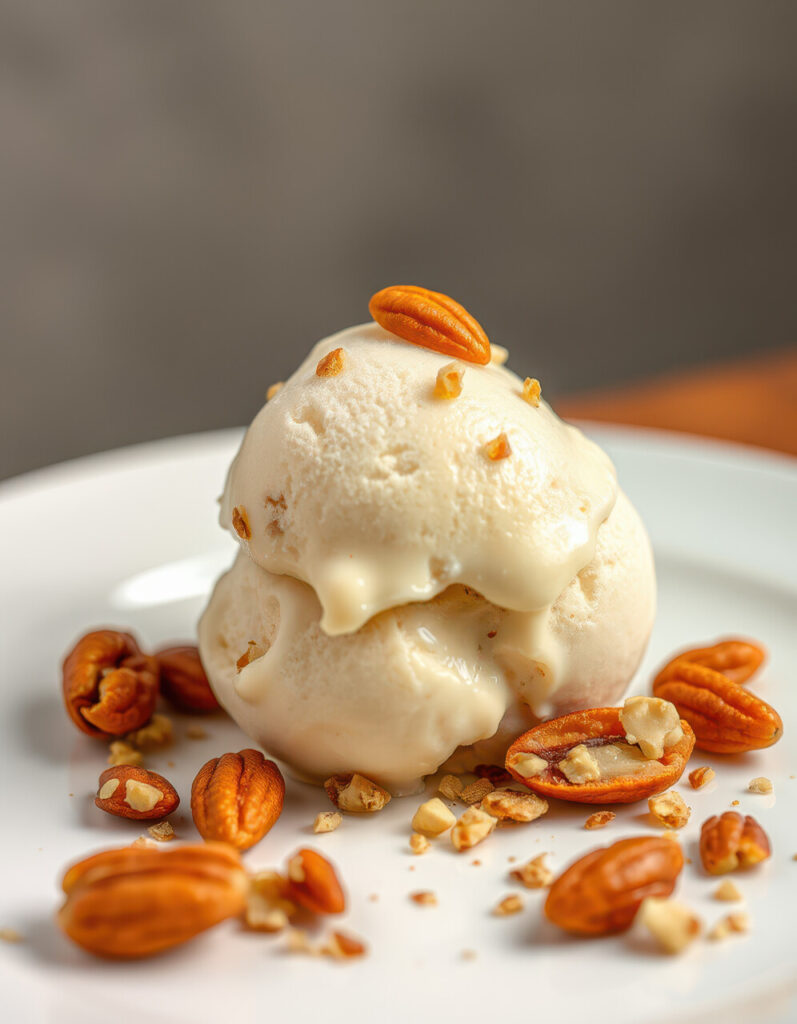
Ice cream once lingered with a buttery finish that unfolded slowly across the tongue. That richness came from higher butterfat and slower churning, which created a denser structure and fuller flavor release.
As production expanded, many brands lowered butterfat and added stabilizers such as guar gum and carrageenan to protect texture during transport and storage. These prevent ice crystals and keep ice cream scoopable, but they do not replicate the flavor-carrying power of dairy fat.
With less fat, aroma compounds fade faster. The sweetness remains, and the texture stays smooth, yet the long, creamy depth that once defined premium ice cream is noticeably reduced.
4. Canned Soup
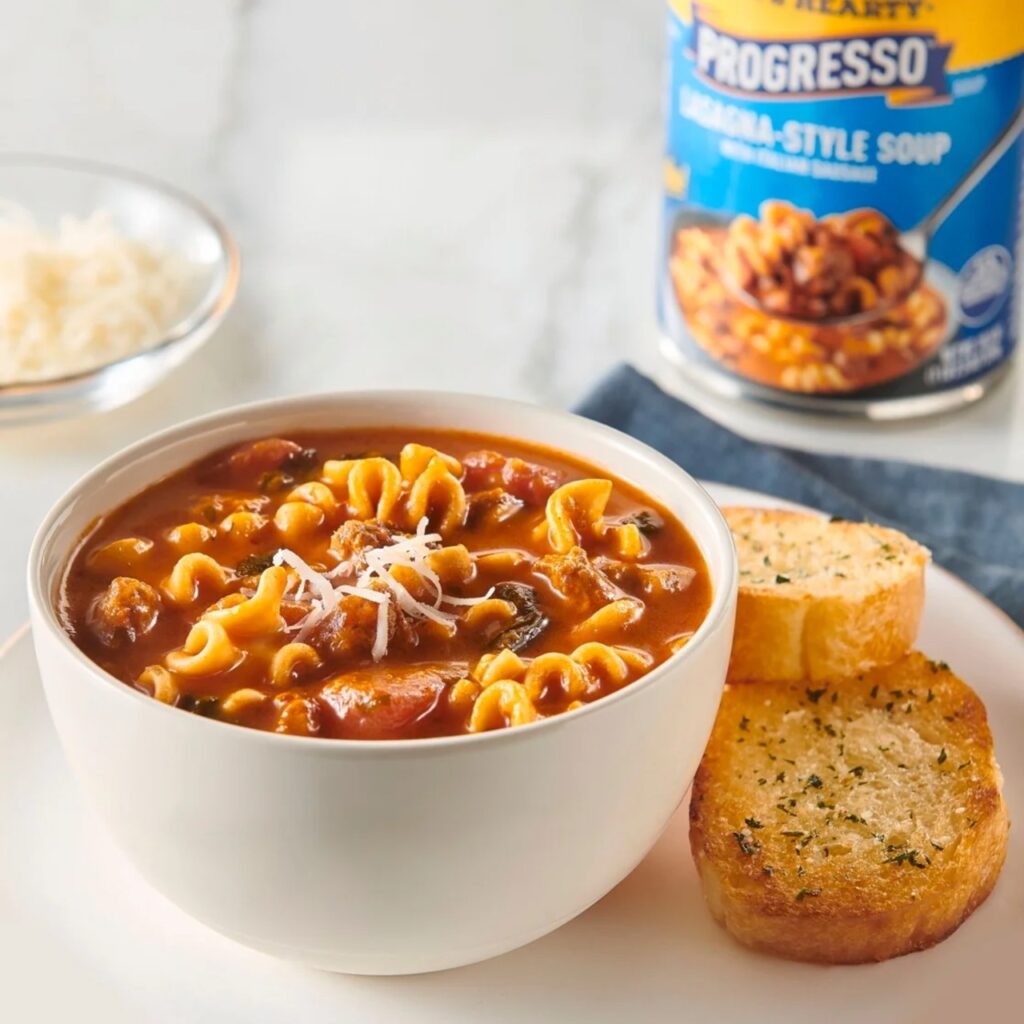
Soup gains character through time. Slow simmering allows vegetables to release natural sugars and proteins to enrich broth, building layers that feel rounded and complete rather than sharp.
Modern industrial systems prioritize speed and uniformity. Shorter cook cycles reduce energy costs and increase output, while flavor bases and enhancers create immediate intensity. These methods ensure consistency, but they bypass gradual extraction.
The first spoonful can taste bold and salty. What is often missing is the mellow depth that develops only when ingredients interact over sustained heat, allowing subtle sweetness and savory notes to fully integrate.
5. Peanut Butter
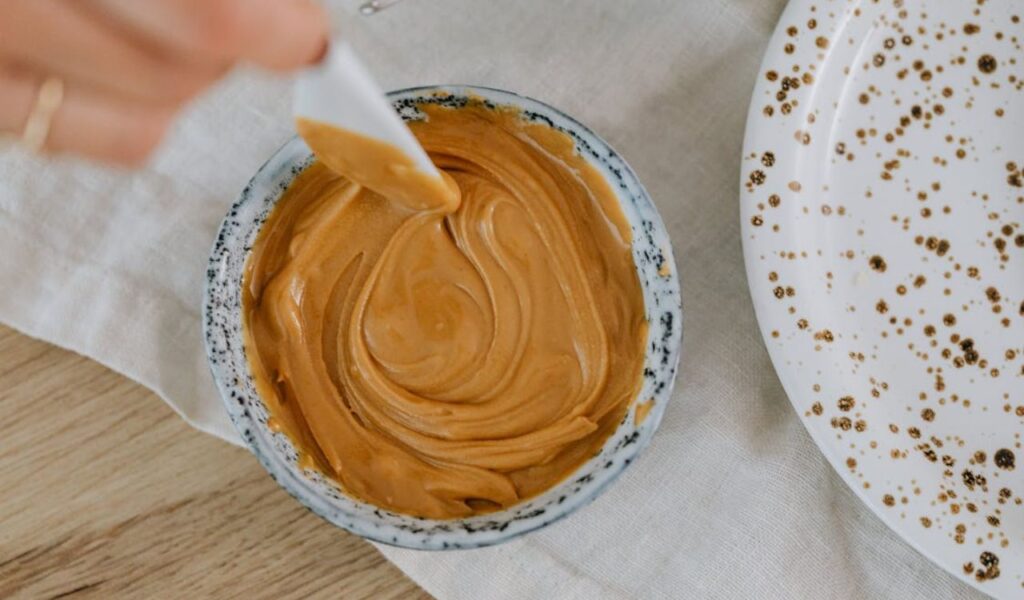
Real peanut flavor is deeper than sweetness. When roasted peanuts are ground fresh, their natural oils carry earthy, slightly bitter notes that balance salt and create complexity.
To prevent oil separation and extend shelf life, many manufacturers introduced hydrogenated oils along with added sugar. These changes improved spreadability and visual stability on shelves, but they softened the sharper roasted edges that once stood out.
The texture became silkier and more uniform. Yet the pronounced nutty intensity that comes from minimally processed peanuts has been muted, replaced by a smoother but simpler taste profile.
6. Frozen Pizza
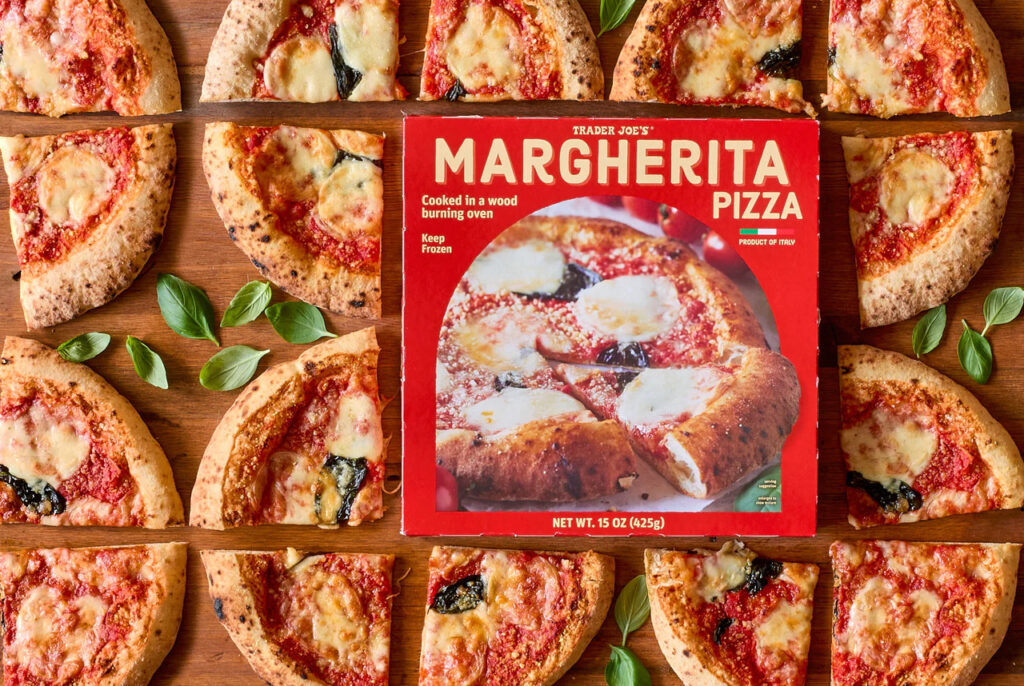
A well-developed crust depends on fermentation. Earlier frozen pizzas often used dough that was partially baked, allowing it to finish rising and browning in the home oven for added texture and flavor.
Today, many crusts are fully baked before freezing to ensure structural reliability and even cooking. While this approach reduces variability, it limits additional oven bloom and deeper caramelization during reheating.
Cheese still bubbles, and toppings still brown. However, the crust frequently lacks the airy interior and toasted grain character that only longer fermentation and final baking can produce.
7. Yogurt
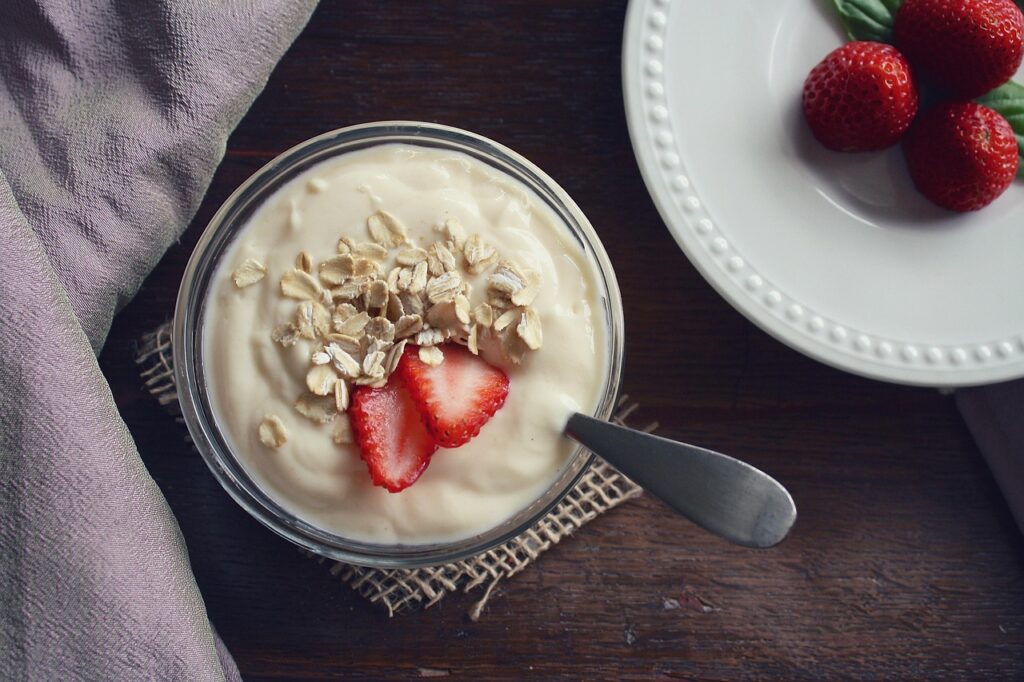
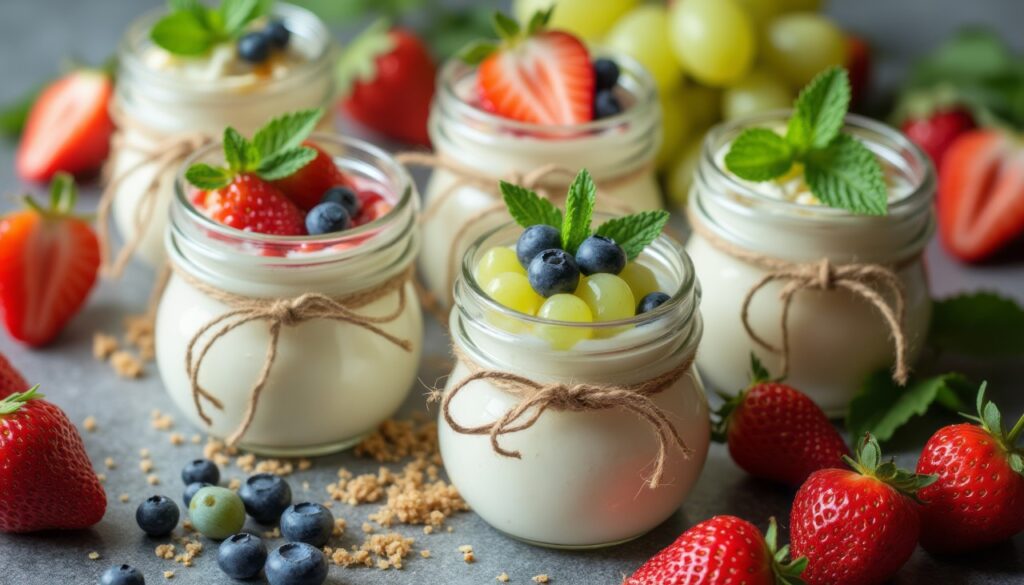
Yogurt earns its flavor through time and live cultures working steadily in warm milk. During longer fermentation, bacteria convert lactose into lactic acid, building natural tang while gently thickening the texture without heavy intervention.
To speed output and standardize results, many manufacturers shorten incubation or rely on stabilizers and mechanical concentration. Ultra-filtration increases protein, yet protein alone cannot reproduce the layered acidity that develops through extended culturing.
The cup remains smooth and reliable. Still, when fermentation is reduced, the balanced sharpness and subtle complexity that define traditionally cultured yogurt become noticeably softer and simpler.
8. Breakfast Cereal
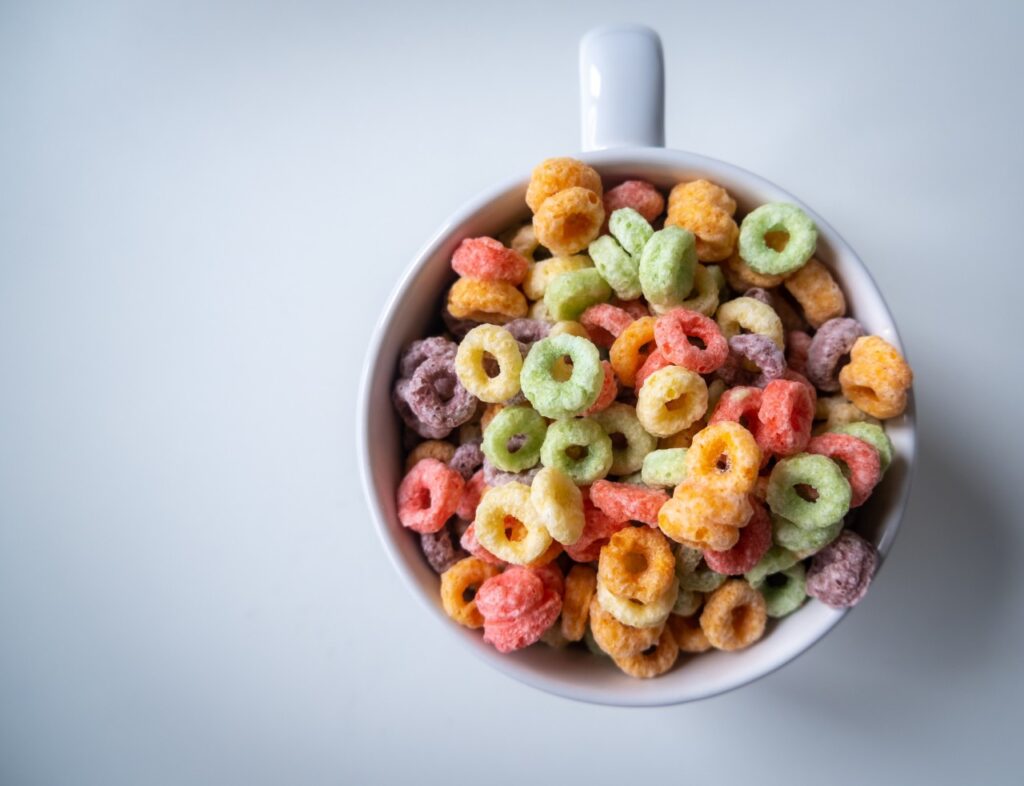
Cereal may seem simple, yet its flavor depends on how the grain responds to heat. Earlier production often allowed flakes and puffs to toast long enough for steady browning, helping natural sugars and proteins form deeper, nutty notes.
As output demands increased, many companies adopted continuous high-speed systems built for uniform crunch and color. Shorter toasting cycles save time and energy, but they limit the Maillard reactions that create warm, roasted complexity.
Today’s cereals are reliably crisp and sweet. However, the subtle toasted backbone that once gave grains a fuller, baked character is often lighter, leaving many bowls tasting brighter but less layered overall.
9. Tomato Sauce
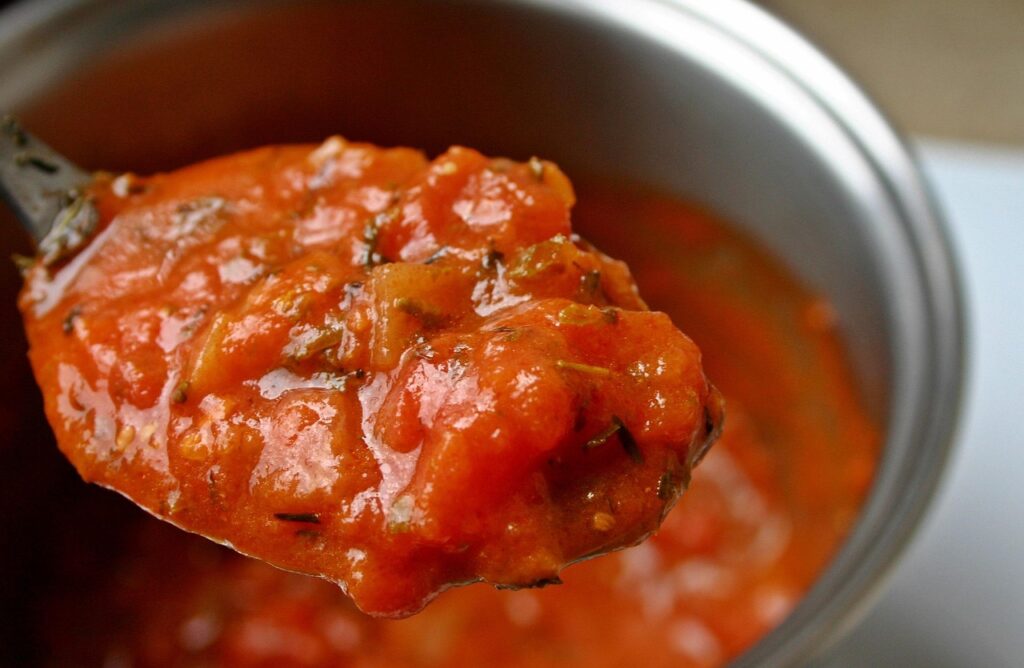
Tomato sauce develops richness when it is allowed to reduce slowly. As water evaporates, natural sugars concentrate, and acidity softens, creating a balance that feels rounded rather than sharp.
In industrial kitchens, shorter simmer times improve efficiency and lower production costs. To compensate, manufacturers frequently use tomato paste, concentrates, or added sugar to achieve thickness and flavor quickly, without extended cooking.
The sauce still appears hearty and coats pasta evenly. Yet without prolonged reduction, the integrated sweetness and gentle depth that come from patient simmering are often less pronounced, leaving a profile that tastes bright but not as developed.
10. American Chocolate Bars

The character of a chocolate bar rests largely on cocoa butter. When it melts at body temperature, it releases aromatic compounds gradually, shaping both texture and lingering flavor.
To manage cost and improve resistance to heat, some manufacturers substitute part of the cocoa butter with alternative vegetable fats. These fats remain stable on shelves, but they melt differently and release fewer complex aromas.
The bar remains sweet and smooth at first bite. However, the finish tends to fade more quickly, and the layered richness once associated with higher cocoa butter content is often less evident in wide mass-market varieties.