9 Restaurant Desserts That Switched to Pre-Portioned Bases

Restaurant desserts still arrive looking polished, rich, and indulgent. The swirl of whipped cream, the glossy drizzle, and the perfect slice all suggest careful hands and fresh preparation behind the scenes.
But in many kitchens, the process has quietly changed. To manage labor costs, speed up service, and reduce waste, more restaurants now rely on pre-portioned bases that are thawed, baked, or assembled in minutes. The result is consistency and efficiency.
This shift has not erased sweetness, but it has reshaped how many classic desserts are made. Behind the familiar flavors lies a system built for precision and predictability rather than daily craftsmanship.
1. Cheesecake Slices Made from Frozen Slabs
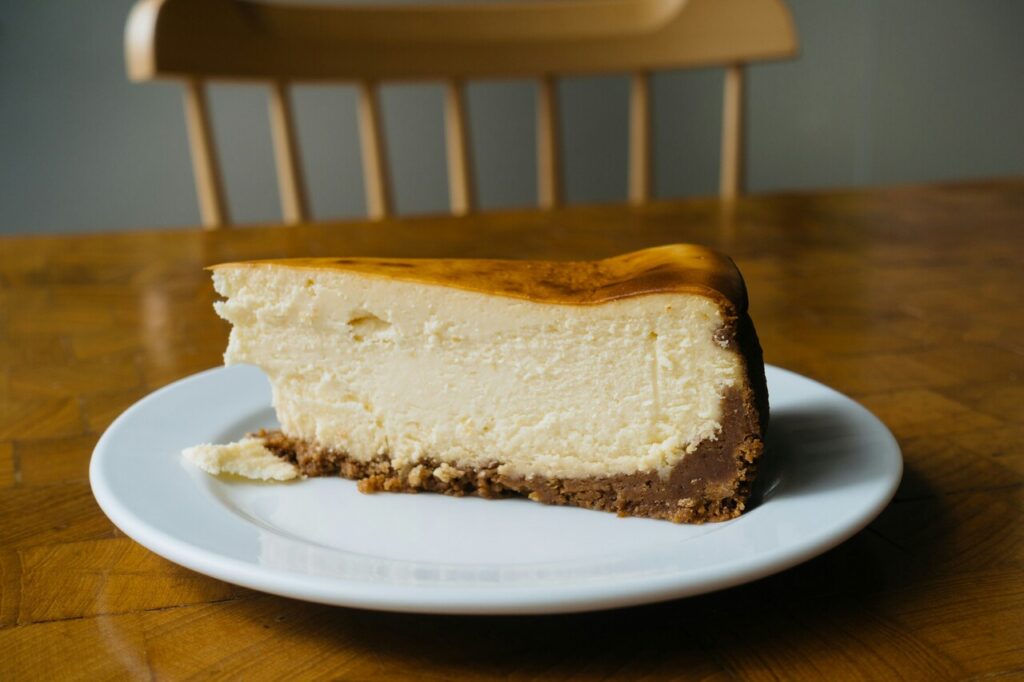
A frozen cheesecake slab is built for precision. Suppliers bake, slice, and freeze each cake before shipping, allowing restaurants to thaw and plate perfectly even portions with minimal labor during service.
Because the cake is fully finished before it reaches the kitchen, staff skip the delicate baking process that prevents cracks and controls density. This reduces waste and saves time, especially in high-volume settings.
For guests, texture is consistent and dependable. Yet the aroma and subtle variation of a freshly baked, in-house cheesecake are often less noticeable, replaced by uniformity and speed.
2. Molten Lava Cakes from Pre-Filled Molds
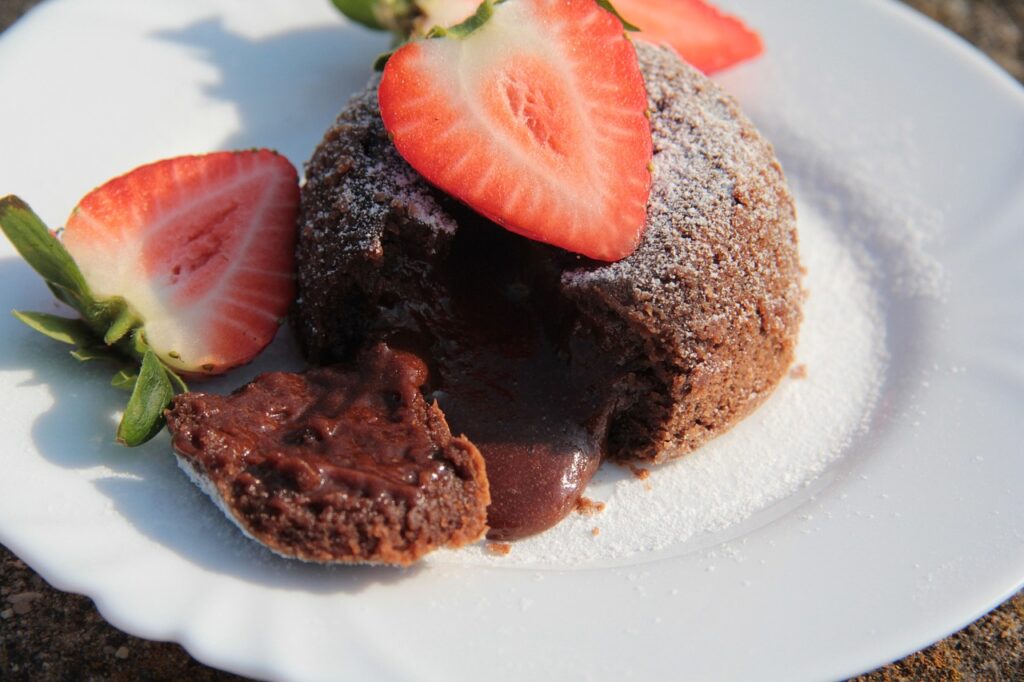
Molten lava cakes are often stocked as frozen, pre-filled cakes that move straight from freezer to oven. Each cake is portioned with a liquid or ganache center already in place, removing the need for hand assembly or careful timing.
Factory production controls center consistency and shelf life. Restaurants benefit from a product that reliably flows when warmed, avoiding the risk of overbaking or undercooking during rush hours.
The convenience improves speed and reduces waste, but it also limits flexibility. Adjusting chocolate intensity, texture, or doneness becomes difficult when the structure is predetermined.
3. Tiramisu from Pre-Assembled Trays
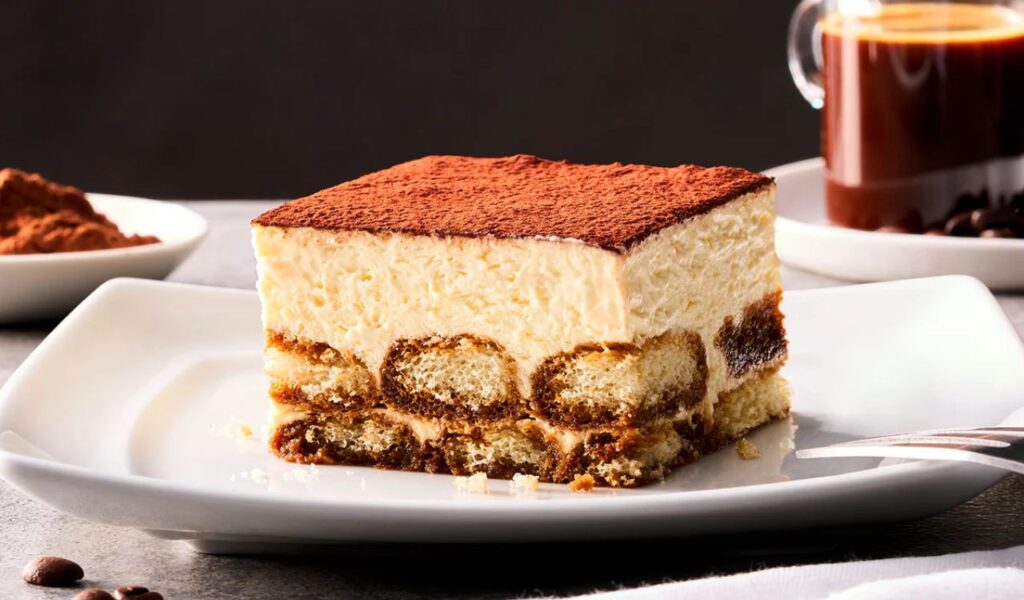
Tiramisu often reaches restaurants as frozen or chilled trays scored into ready portions. Suppliers layer espresso-soaked ladyfingers and mascarpone in bulk, allowing kitchens to thaw and plate with minimal effort and steady consistency.
Prepared in controlled facilities, these trays reduce labor, speed service, and simplify portion control. For busy operations, they make offering a classic Italian dessert far more practical.
What fades is the small-batch balance of coffee strength, liqueur, and cream achieved when assembled by hand. Thawed tiramisu is dependable, yet the fresh, delicate texture of a just-made version is harder to capture.
4. Key Lime Pie from Pre-Made Custard Bases
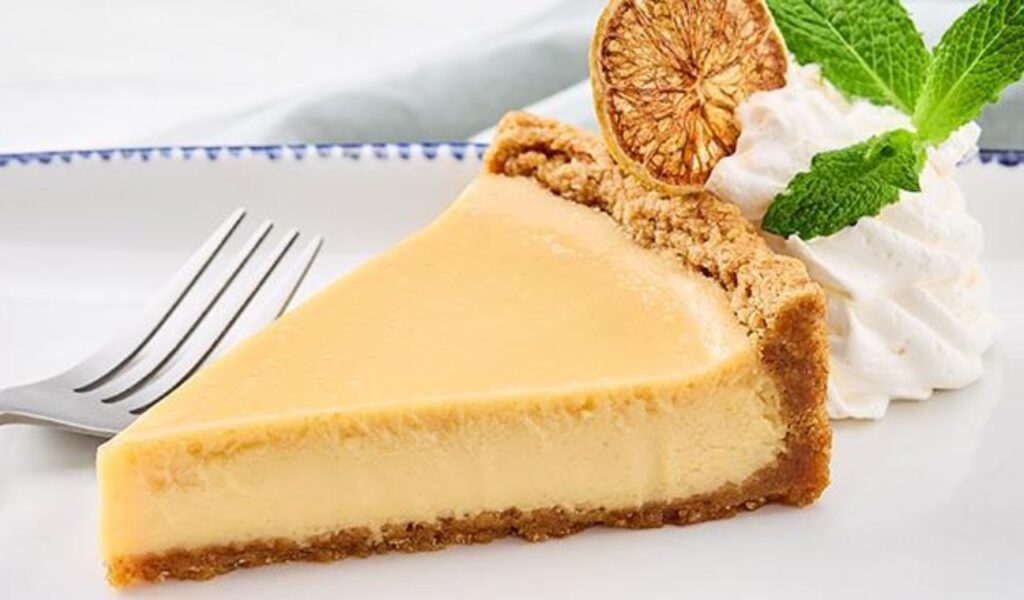
Many kitchens use pre-made custard bases or frozen batter for citrus pies to avoid daily juicing and tempering eggs. These bases are blended and stabilized by manufacturers so that a tart filling can be assembled quickly and baked or chilled with little in-kitchen prep.
The main advantage is consistency: acidity, sweetness, and set point are standardized so each slice meets expectations. For high-volume outlets that need speed and yield predictability, this is a practical solution.
On the flip side, relying on a base reduces opportunities to tune lime intensity or control the textural finish small details that can make a house key lime pie sing. The tradeoff is between speed and the ability to micro-adjust flavor.
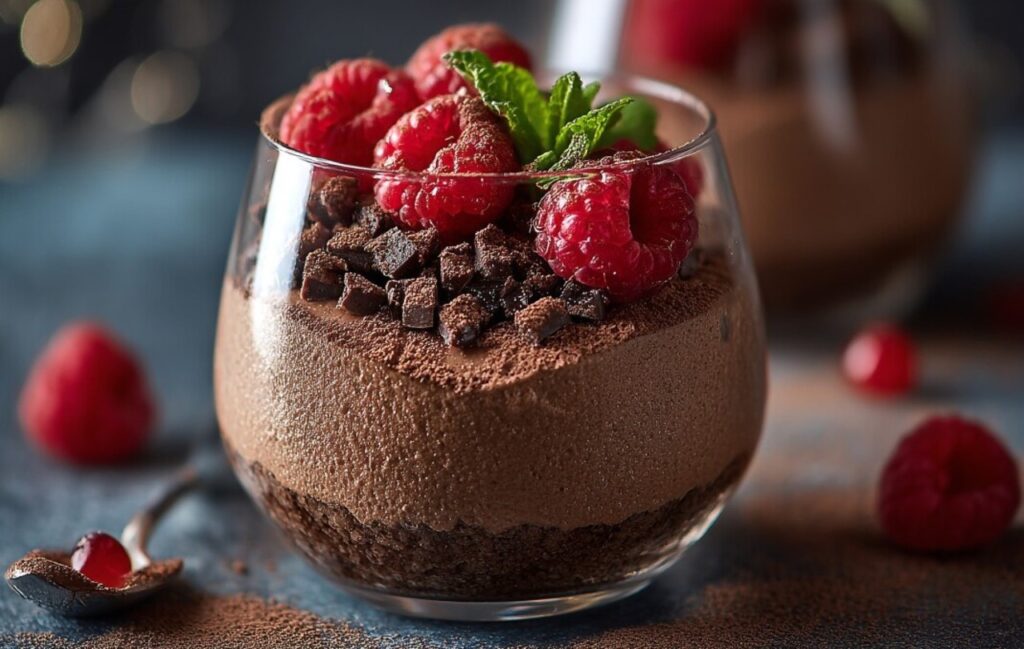
5. Chocolate Mousse from Powdered Mixes
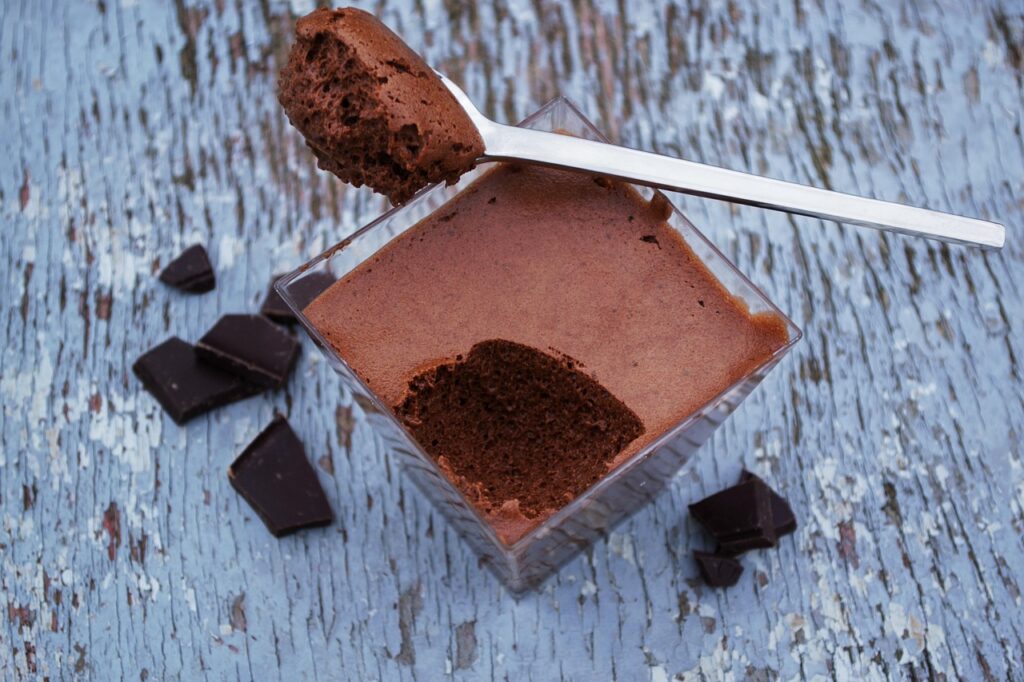
Chocolate mousse mixes and dry bases let staff whip desserts in minutes by simply adding cream or milk. These stabilized mixes use modified starches, powdered chocolate, and emulsifiers to give a light texture without tempering eggs or folding by hand.
For operators, they reduce skill requirements, cut prep time, and extend the shelf life of raw materials. Mousse cups, parfaits, and plated portions can be produced fast and with minimal variability.
However, these mixes produce a mousse that sets through stabilizers rather than through delicate protein structure, so the mouthfeel and depth of a classic egg- or chilled-cream mousse are usually less complex.
6. Bread Pudding from Pre-Cut Cubes and Custard Mix
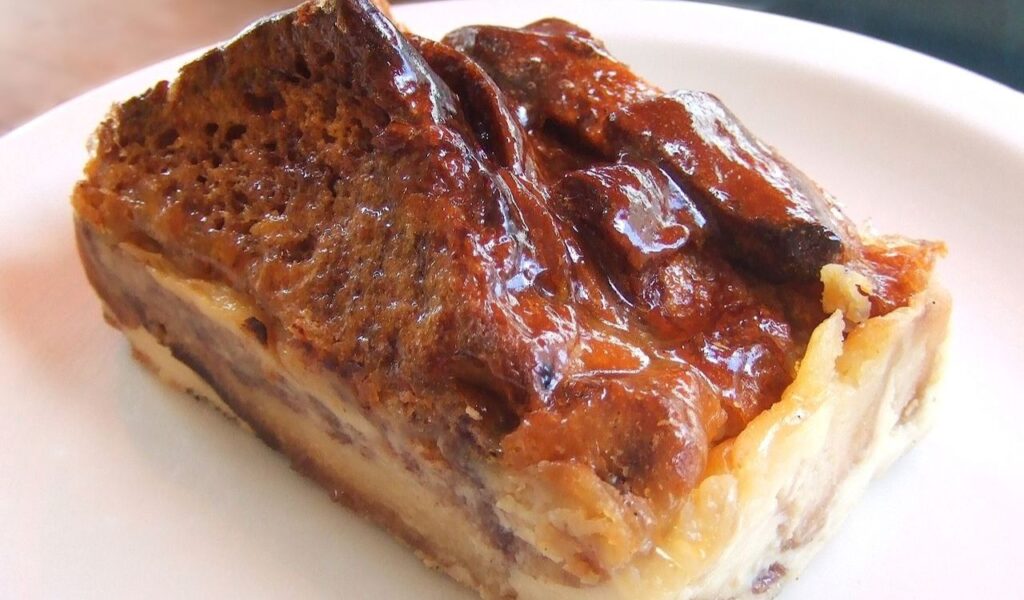
To speed assembly, some kitchens buy pre-cut bread cubes and premixed custard or liquid bases. Pre-portioned bread absorbs custard evenly, and scoring is predictable, while custard concentrates are formulated to gel reliably and limit spoilage risk.
This approach reduces mise en place time and scales easily for banquet service. It also minimizes variation from batch to batch, which helps with cost control in high-volume environments.
The compromise is in texture and flavor nuance: day-old bread chosen and soaked on-site can create more variable pockets of custardy tenderness and crisp edges, a quality that’s blunted when everything is standardized.
7. Brownie Sundaes Using Commercial Brownie Sheets
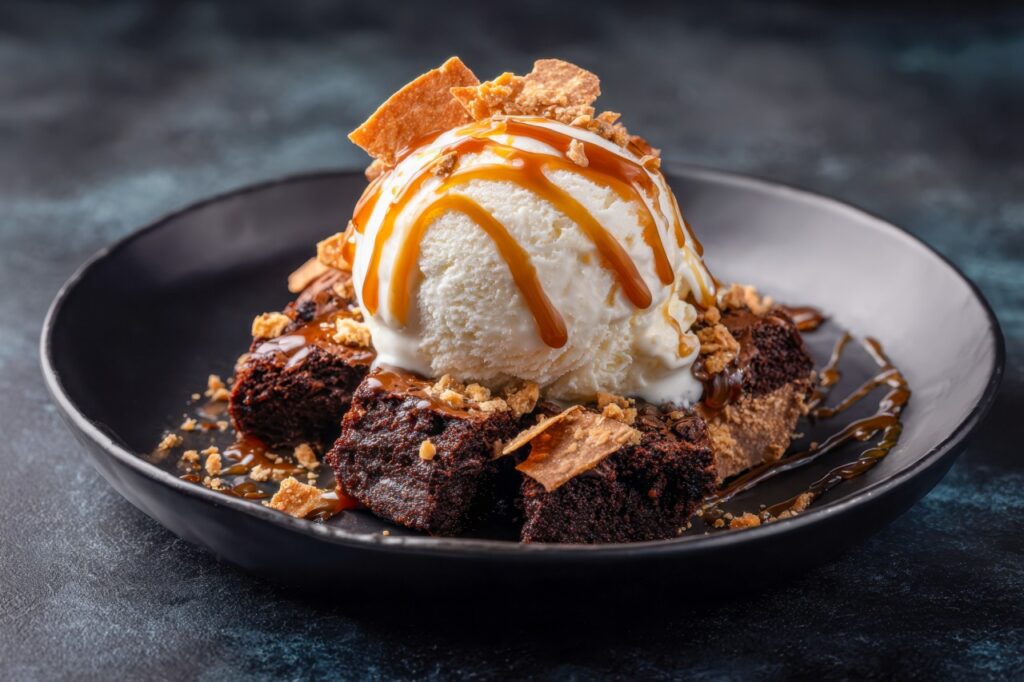
Factory-baked brownie sheets and full-sheet pans are common in foodservice. Kitchens simply thaw, cut, reheat, and plate, saving the time and skill needed to bake dense, fudgy brownies from scratch.
Commercial brownie sheets are formulated for freeze-thaw stability and even slicing. They provide consistent chew and chocolate density, which is valuable for high-turn dessert programs and reduces day-to-day waste.
Yet the difference shows in crumb and aroma. A fresh pan of brownies often has volatile notes and edge caramelization that pre-baked sheets cannot replicate, so the finished sundae can seem slightly less vivid.
8. Crème Brûlée from Shelf-Stable or Liquid Bases
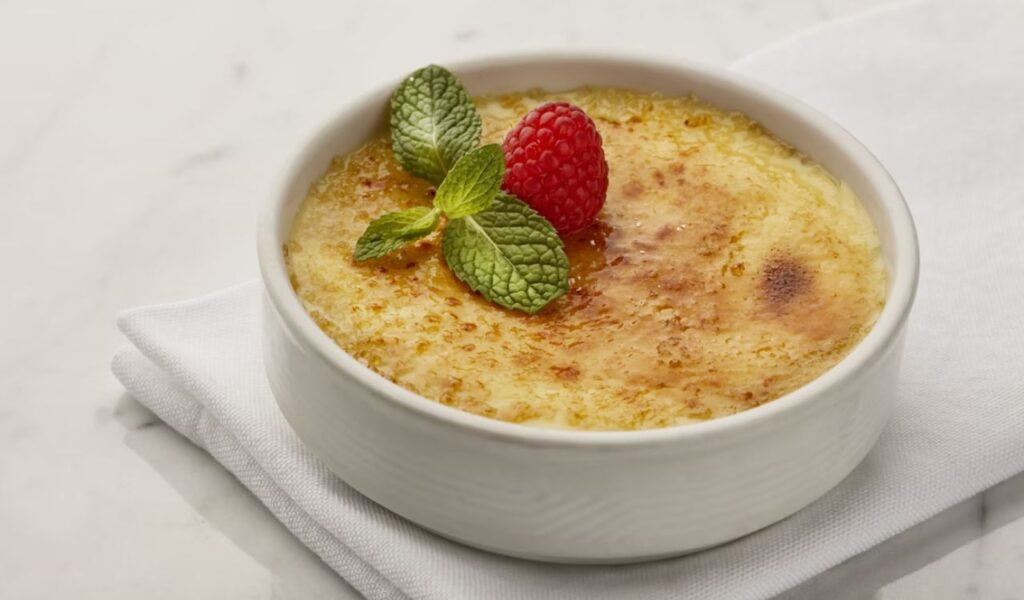
Crème brûlée bases, liquid custards, or powdered mixes arrive ready to portion into ramekins or to be baked and torched. These products remove the tempering of eggs and the careful bake-and-chill steps that the classic requires.
For restaurants, the benefits are obvious: speed, repeatability, and fewer spoiled batches. They also reduce the need for skilled timing during service and let teams torch consistently without a risky custard that might weep.
However, premixed bases can blunt subtle dairy and egg flavors developed during slow cooking, making the finished brûlée reliable but often slightly less nuanced than a scratch custard.
9. Apple Pie from Frozen, Pre-Assembled Units
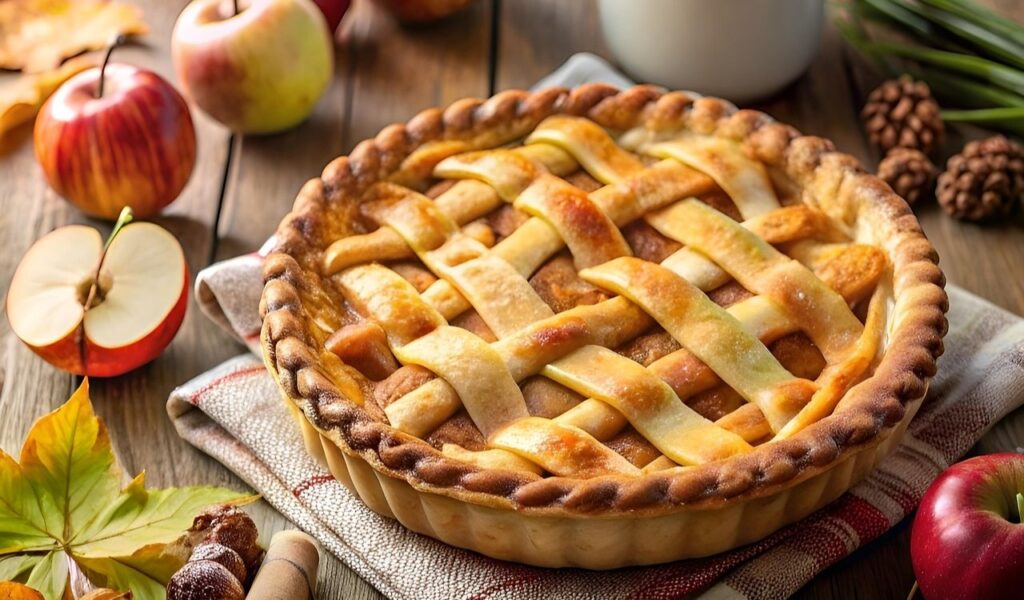
Frozen, fully assembled pies let venues offer hand-held servings with minimal labor: they are baked from frozen or thawed and reheated to order. These pies are layered, glazed, and crimped at the production facility to ensure shelf stability.
They streamline service, reduce prep stations, and make seasonal fruit offerings simpler to manage. For busy operations or limited-kitchen setups, this expands dessert options without heavy investment in pastry skills.
The concession is in fresh texture and flavor nuance; house-cut, hand-juiced fruit and hand-rolled dough produce more variable, aromatic results that frozen units tend to standardize and slightly mute.