12 Store Bought Sauces That Seem Gourmet but Raise Questions in the Kitchen

Store-bought sauces promise a quick way to add big flavor to everyday meals. From pasta sauces and marinades to globally inspired cooking bases, grocery shelves are filled with jars and bottles that look gourmet and convenient at the same time. For busy home cooks, these products can turn simple ingredients into something that feels more restaurant-worthy with almost no effort.
But once the jar is opened and the sauce hits the pan, some of these products start raising small questions in the kitchen. Strong herbs, extra sweetness, unexpected textures, or ingredient lists that feel more complicated than expected can change how the sauce performs in a recipe. Many still deliver solid flavor, yet they often work best when treated as a starting point rather than the finished dish.
1. Rao’s Marinara Sauce Built a Gourmet Reputation That Raises Expectations
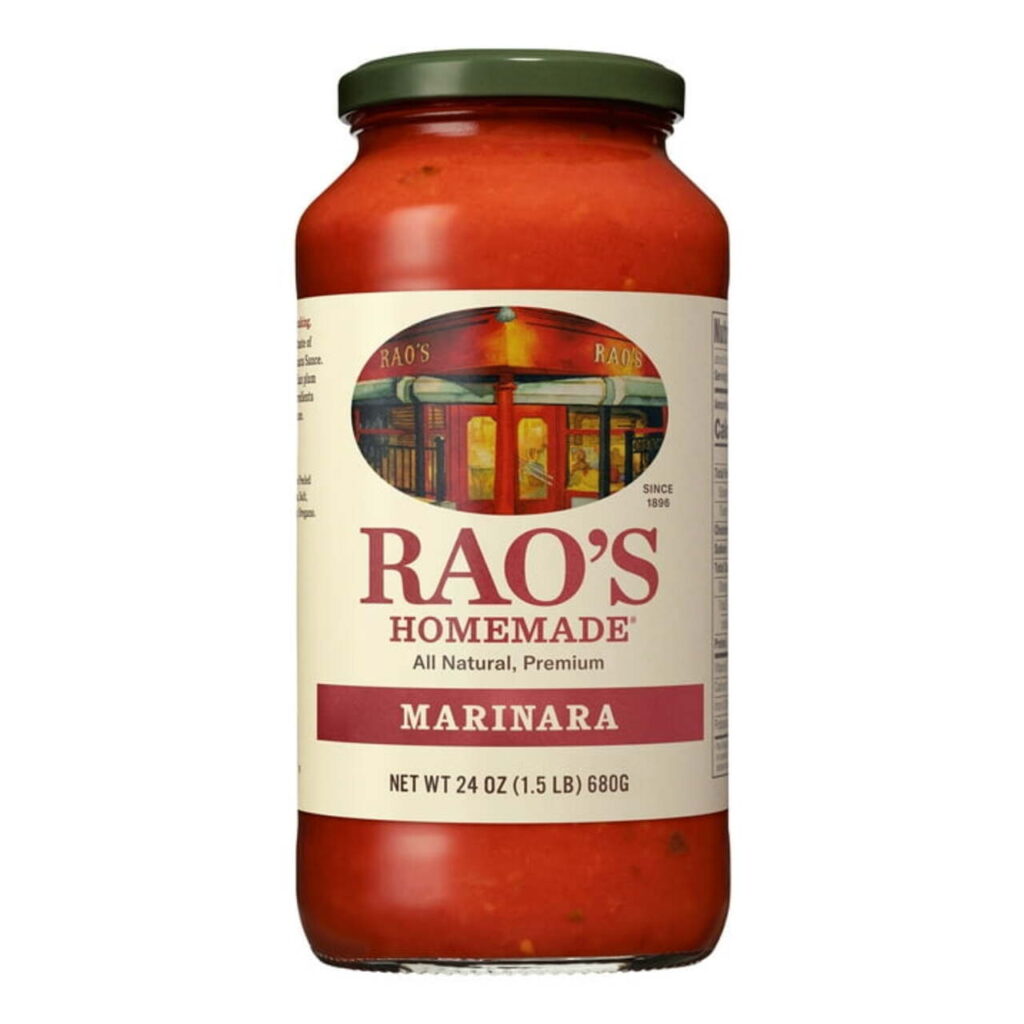
Rao’s marinara sauce has developed a reputation as one of the most premium jarred pasta sauces on grocery shelves. The label highlights simple ingredients such as tomatoes, olive oil, garlic, and basil, which gives the product an image closer to homemade cooking than typical processed sauces. For many shoppers, the brand’s upscale reputation makes it feel like a shortcut to restaurant-quality pasta at home.
That reputation also creates high expectations. Because the jar costs noticeably more than most supermarket pasta sauces, buyers often expect something dramatically better than standard options. When the flavor feels similar to other tomato sauces or slightly mild, it can leave people wondering whether the price reflects quality or branding.
The ingredient list may look simple, but the sauce still arrives fully processed and shelf-stable. Some home cooks begin to question whether a quick homemade tomato sauce made with canned tomatoes, olive oil, and garlic could deliver a similar result for less money. The product remains popular, yet its premium image invites close comparison in the kitchen.
2. Sauz Wild Rosemary Marinara Sounds Sophisticated but Divides Opinions
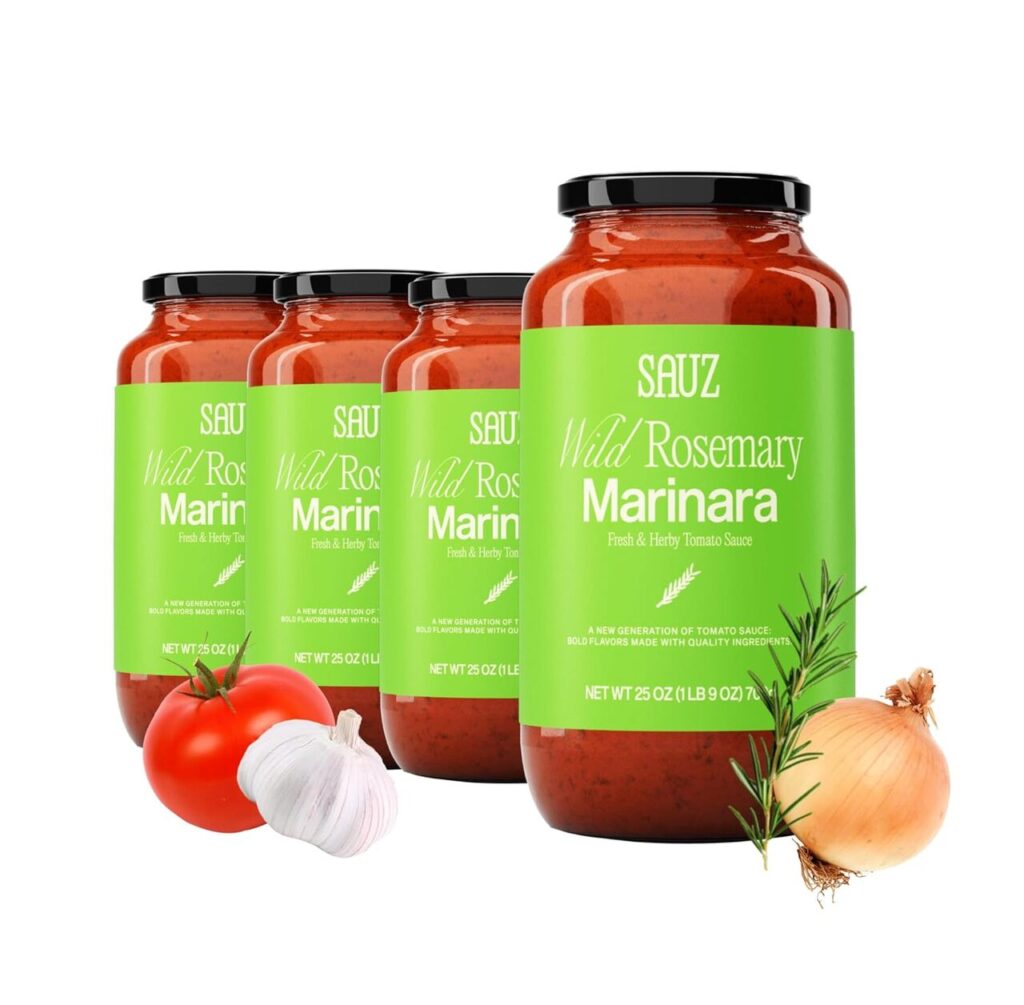
Sauz markets its wild rosemary marinara as a bold twist on traditional tomato sauce. The packaging emphasizes aromatic herbs and small batch inspiration, which makes the jar feel more like a specialty product than a basic pantry staple. For shoppers browsing sauce aisles, the flavor combination promises something more adventurous than standard marinara.
The rosemary, however, can be surprisingly strong. Herbs that taste balanced in fresh cooking sometimes intensify during processing and storage. When rosemary dominates the sauce, it can compete with the natural sweetness and acidity of the tomatoes rather than complement them.
That intensity leads some cooks to treat the sauce more like a flavor base than a finished product. Adding extra tomatoes, olive oil, or other seasonings can help soften the herb profile. While the sauce looks gourmet on the shelf, its bold seasoning sometimes raises questions about how versatile it truly is in everyday cooking.
3. Trader Joe’s Rosatella Sauce Combines Cream and Tomato in a Confusing Way
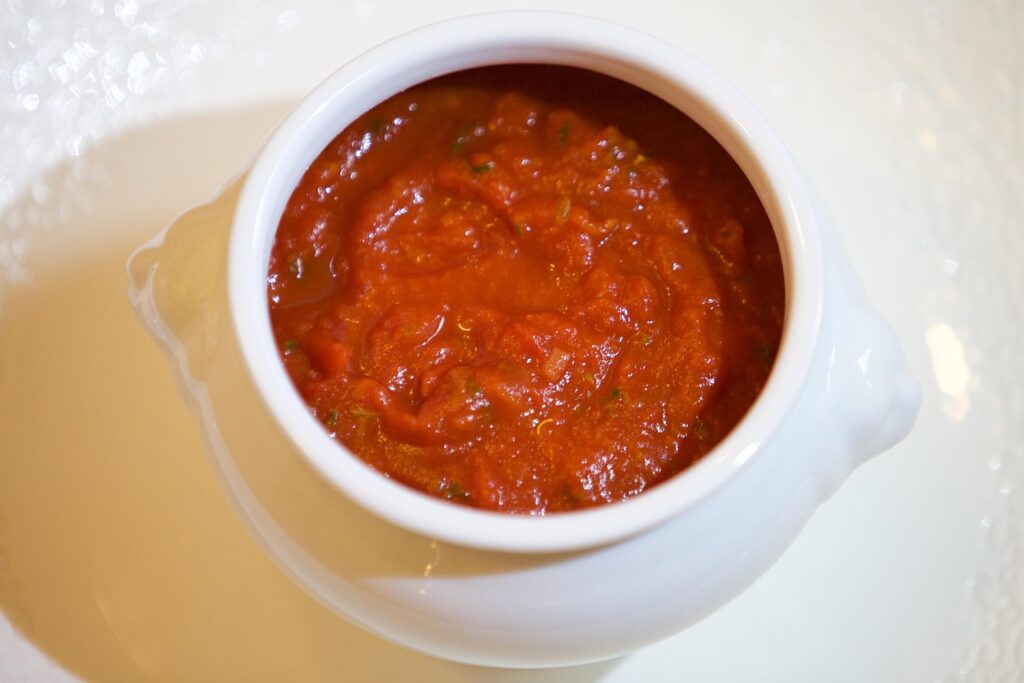
Trader Joe’s Rosatella pasta sauce blends tomato sauce with cream, creating a pink colored sauce that resembles a mix between marinara and vodka sauce. The combination sounds appealing because it promises the brightness of tomatoes with the richness of cream in one jar. On the shelf, it looks like a convenient shortcut to a restaurant-style pasta dish.
In practice, the flavor balance can feel unusual. Tomato sauces usually rely on acidity and herbs, while cream sauces highlight buttery richness. When the two are combined in a jarred product, the result sometimes lands in an awkward middle ground that lacks the depth of either style.
Home cooks often adjust the sauce before serving. Adding parmesan cheese, garlic, or extra herbs can help strengthen the flavor profile. While the concept feels creative and convenient, the jar occasionally leaves cooks wondering whether making a quick cream tomato sauce from scratch might deliver a more balanced result.
4. Melinda’s Peri Peri Garlic Sauce Promises Bold Flavor but Can Overwhelm Dishes
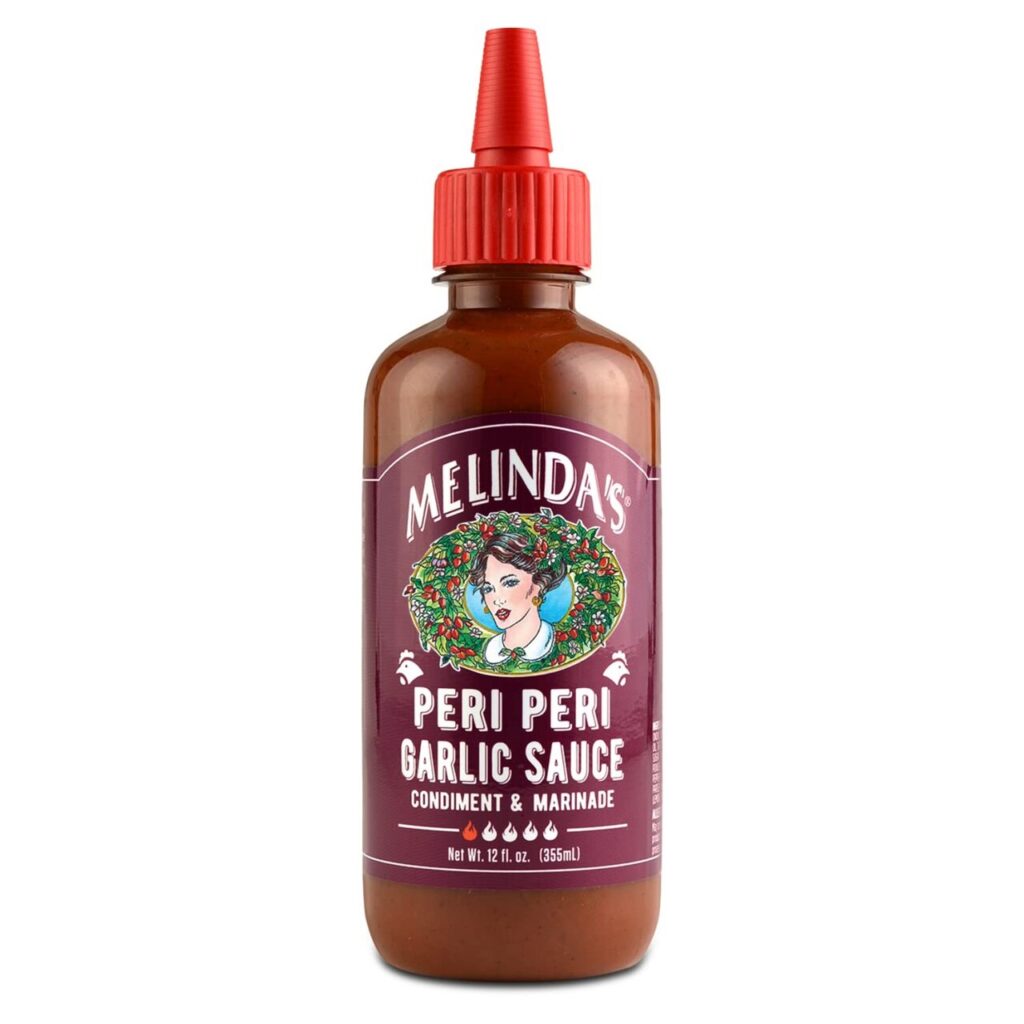
Melinda’s peri peri garlic sauce draws inspiration from the fiery chili sauces popular in Portuguese and African cooking. The blend usually combines chili peppers, garlic, vinegar, and spices into a bright orange sauce designed to add heat and tang to grilled meats or vegetables. Its bold label and vibrant color make it stand out in the condiment aisle.
The challenge comes from balancing the heat and garlic intensity. Peri peri sauces are meant to be spicy, but when garlic and chili compete equally, the flavor can become aggressive rather than layered. In some dishes, the sauce easily dominates instead of enhancing the ingredients it accompanies.
Because of that strength, cooks often end up using smaller amounts than expected. A drizzle may work better than a full coating. The sauce certainly brings excitement to meals, but its powerful flavor can leave people wondering whether it works best as a finishing condiment rather than a cooking sauce.
5. Loisa Sofrito Cooking Sauce Tries to Capture Tradition in a Jar
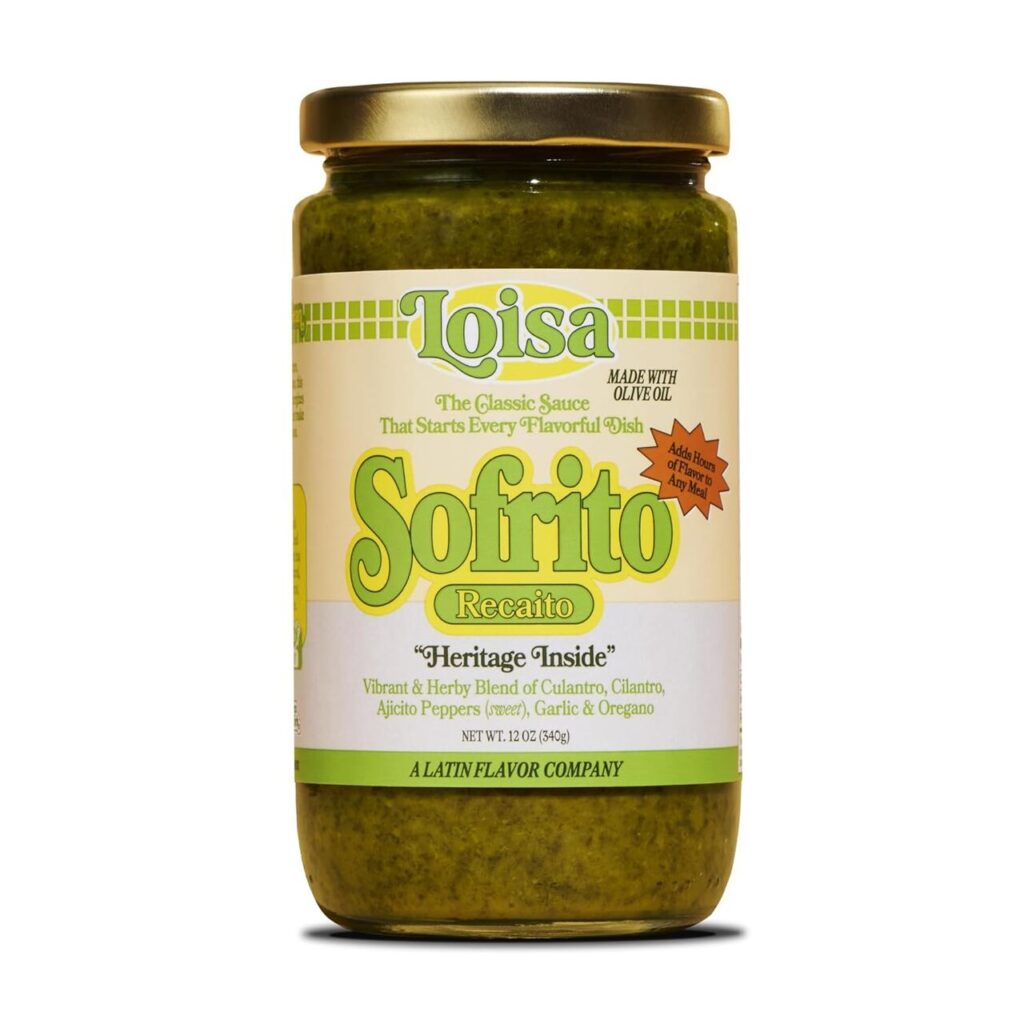
Sofrito is a foundational ingredient in many Caribbean and Latin American kitchens. Traditionally, it is made fresh by blending herbs, peppers, garlic, onions, and oil into a fragrant cooking base. Loisa’s jarred version aims to recreate that essential flavor for home cooks who want the convenience of a ready-made ingredient.
The difficulty with bottled sofrito lies in freshness. Herbs like cilantro and culantro develop their signature flavor when freshly chopped. Once processed and stored in jars, those bright notes can soften, making the mixture taste more subdued than homemade versions.
As a result, many cooks treat jarred sofrito as a starting point rather than the full flavor base. Adding fresh herbs or sautéing extra garlic often restores the punch that traditional recipes expect. The convenience remains valuable, yet the jar inevitably sparks comparison with the fresh version it imitates.
6. Herdez Guacamole Salsa Blurs the Line Between Dip and Sauce
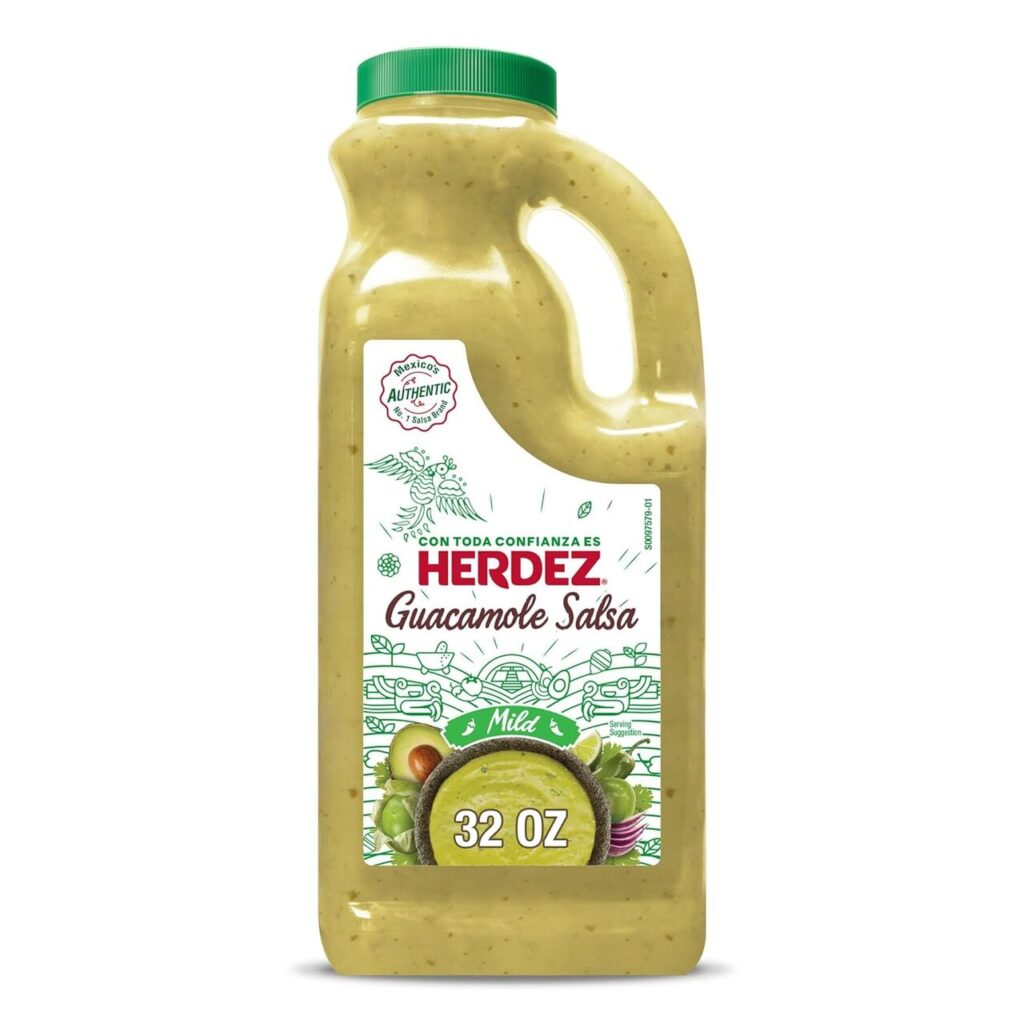
Herdez guacamole salsa is marketed as a hybrid between salsa verde and guacamole. The sauce blends tomatillos, green chilies, and avocado into a creamy green mixture that pours easily over tacos, grilled chicken, or tortilla chips. Its smooth texture and bright color make it look like an instant upgrade for simple meals.
However, the idea of shelf-stable avocado raises curiosity for many shoppers. Fresh guacamole typically browns quickly because avocado oxidizes. Seeing a jarred version that stays green on store shelves naturally leads people to wonder how the flavor and texture compare with the real thing.
The result often tastes closer to a tangy salsa than true guacamole. The avocado adds creaminess, but the tomatillo base dominates the flavor. While the sauce can still enhance tacos or nachos, it sometimes leaves people wishing for the richer taste of freshly mashed avocado.
7. Wegmans Lemon and Garlic Marinade Looks Versatile but Can Feel One-Dimensional
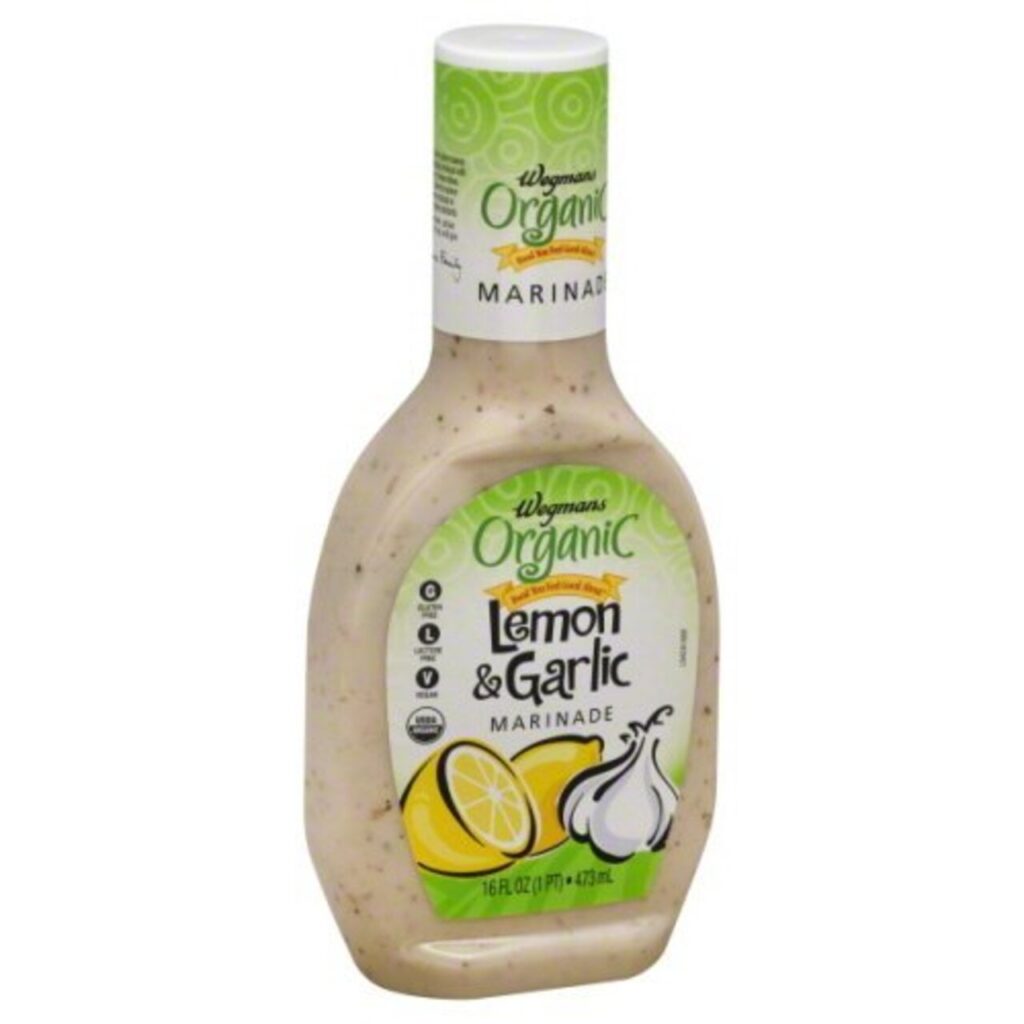
Lemon and garlic marinades promise bright flavor that pairs well with chicken, seafood, and vegetables. Wegmans offers a bottled version designed to simplify weeknight cooking by eliminating the need to mix fresh citrus juice, garlic, and herbs. For busy kitchens, the convenience can be appealing.
The citrus profile, however, can become repetitive. Lemon-based marinades rely heavily on acidity, and when bottled versions emphasize that brightness too strongly, the flavor can dominate the final dish. Instead of creating layers of flavor, the marinade may leave foods tasting sharply lemony.
Many cooks adjust the sauce with olive oil, herbs, or spices before using it. Those additions help soften the acidity and add depth. While the marinade looks like a ready-made solution for quick meals, its strong citrus base sometimes requires extra tweaking in the kitchen.
8. Mike’s Hot Honey Turns a Simple Ingredient Into a Trendy Condiment
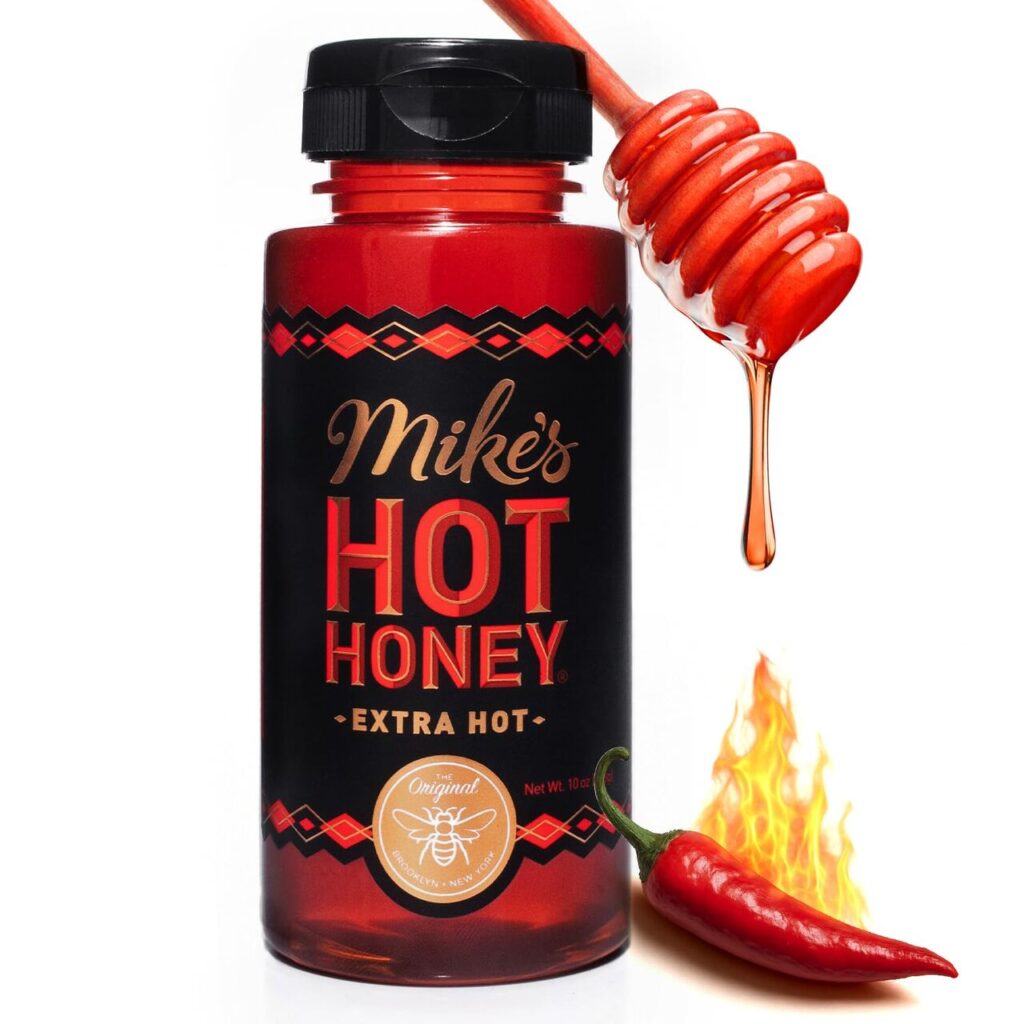
Mike’s Hot Honey blends honey with chili peppers to create a sweet and spicy drizzle that appears everywhere from pizza shops to fried chicken restaurants. The idea is simple but visually appealing, and the golden color with red pepper flakes makes it look like a gourmet condiment.
The combination works well in certain dishes, but its intense sweetness can surprise people who expect more heat. Honey naturally dominates most mixtures, so the chili flavor often arrives as a gentle background warmth rather than a true spicy kick.
Because of that balance, some cooks experiment with their own versions at home. Mixing honey with chili flakes or hot sauce produces a similar effect with ingredients already in the pantry. The store-bought version remains convenient, but the concept itself is so simple that it invites curiosity about making it from scratch.
9. Hidden Valley Ranch Dressing Became Iconic but Still Sparks Ingredient Questions
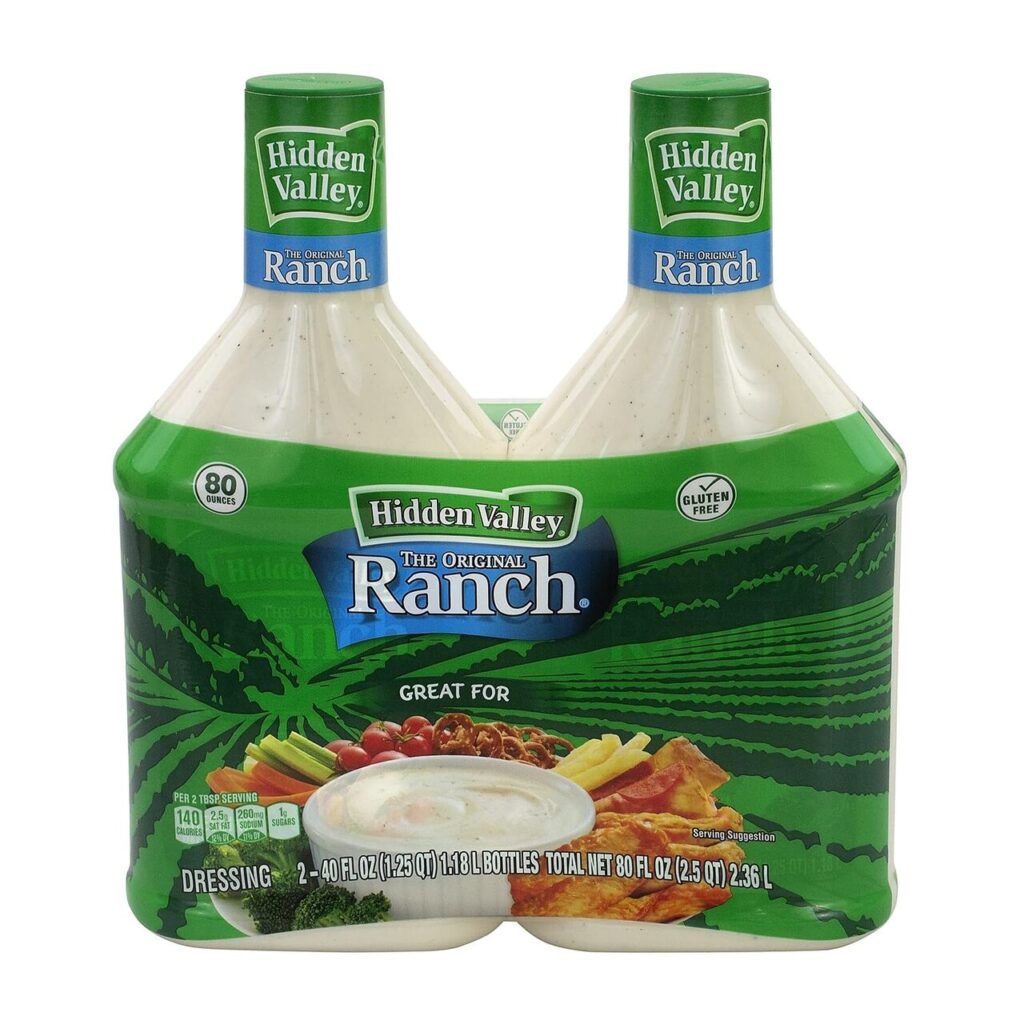
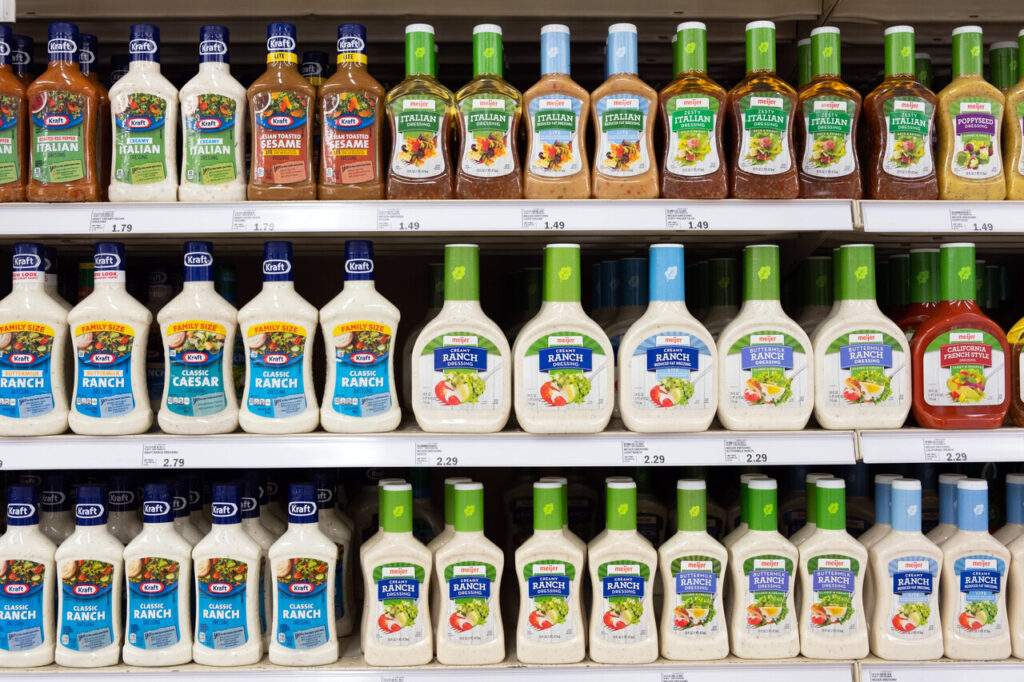
Ranch dressing is one of the most recognizable condiments in American kitchens. Hidden Valley helped popularize the flavor combination of buttermilk, garlic, herbs, and onion that now appears on everything from salads to pizza. Its creamy texture and familiar taste make it a staple in many households.
Despite that popularity, bottled ranch sometimes draws criticism for its ingredient list. Stabilizers, preservatives, and emulsifiers help maintain shelf life and texture, but they also remind cooks that the product is far removed from a freshly mixed dressing.
Some people rediscover homemade ranch and notice a brighter flavor from fresh herbs and real buttermilk. The bottled version remains convenient and consistent, yet its processed nature occasionally raises questions about whether mixing a quick homemade dressing might taste fresher.
10. Maya Kaimal Butter Masala Sauce Brings Restaurant Flavor With Limits
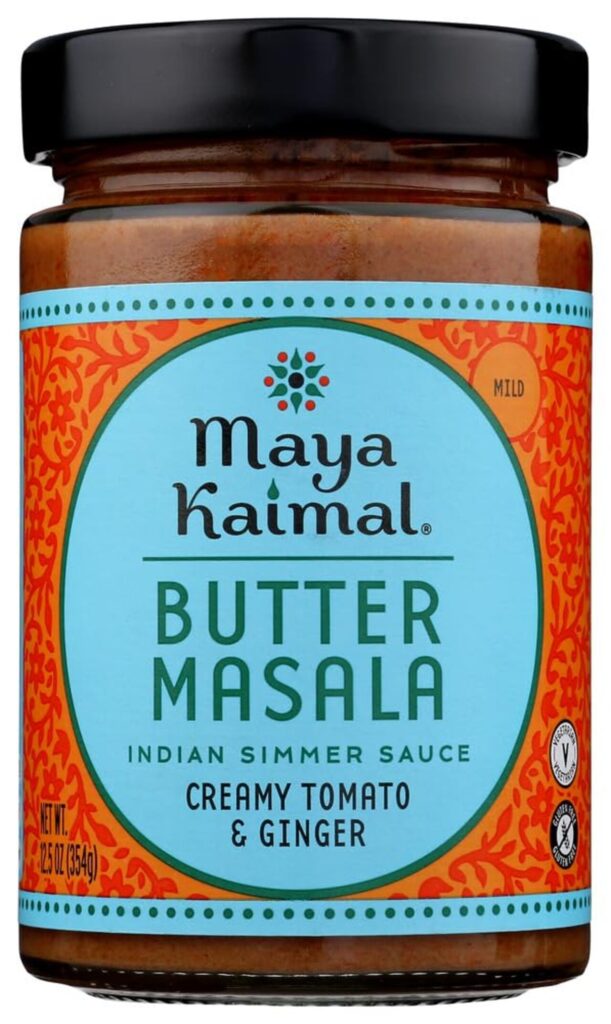
Butter masala sauce is known for its rich tomato base blended with butter, cream, and warm spices. Maya Kaimal’s jarred version aims to recreate the comforting flavor found in Indian restaurant dishes while making the cooking process easier for home kitchens. The sauce often looks inviting with its deep orange color and aromatic spice blend.
Even with carefully chosen ingredients, jarred curry sauces sometimes feel milder than their restaurant counterparts. To appeal to a wide audience, the spice levels are often toned down. This can leave the sauce tasting smoother but less complex than freshly cooked masala.
Many home cooks enhance the jarred sauce by adding ginger, garlic, or extra spices while simmering proteins in it. These adjustments help restore the layered flavors typical of traditional recipes. The sauce provides a helpful shortcut, yet it often works best as a foundation rather than a finished dish.
11. Bachan’s Japanese Barbecue Sauce Combines Bold Flavors That May Feel Too Sweet
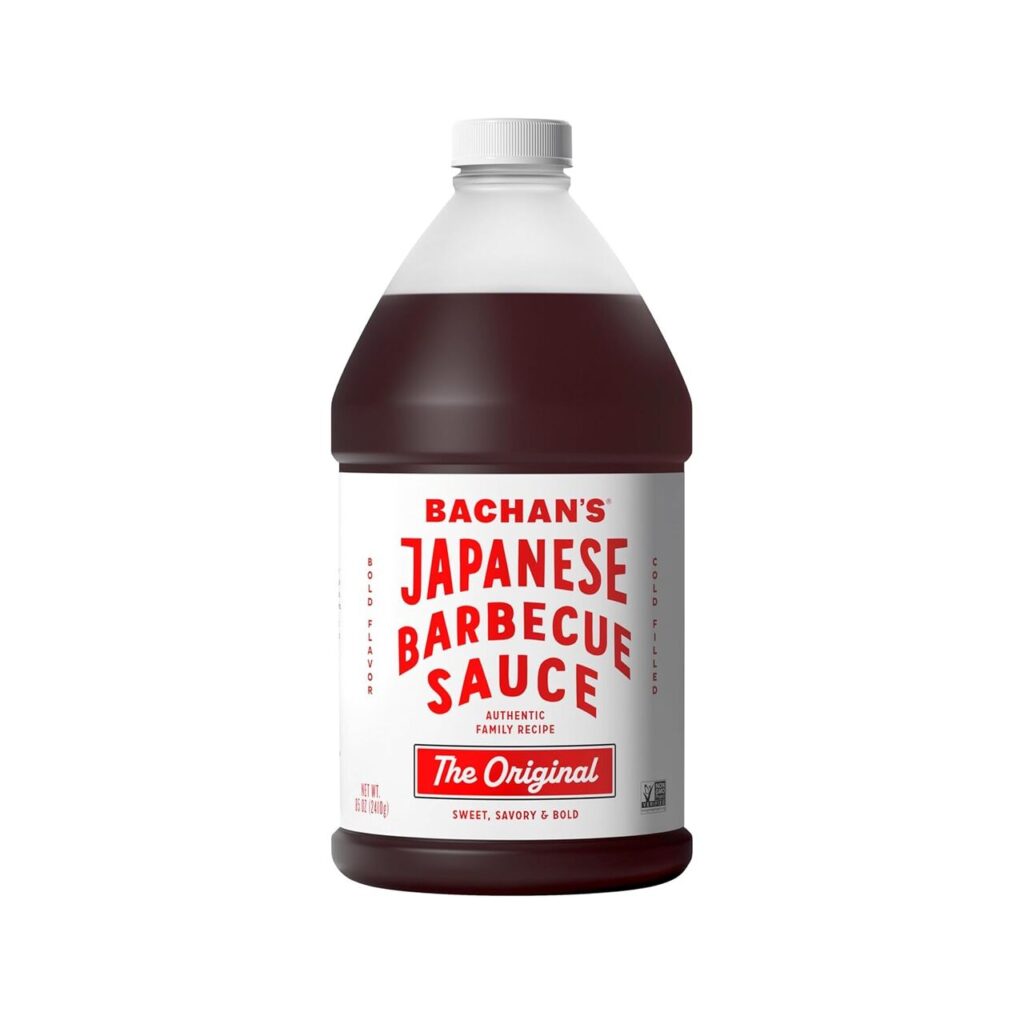
Bachan’s Japanese barbecue sauce blends soy sauce, mirin, garlic, ginger, and sugar into a glossy brown sauce inspired by Japanese grilling traditions. The label emphasizes authentic ingredients and family recipes, which gives the product an appealing artisanal image.
When used as a marinade or glaze, the sauce delivers a sweet and savory profile similar to teriyaki. The sweetness, however, can become prominent, especially when the sauce caramelizes during cooking. For some dishes, the sugar content makes the flavor feel more like a glaze than a balanced barbecue sauce.
Cooks often dilute the sauce with soy sauce, vinegar, or citrus juice to adjust the sweetness. These small changes help highlight the savory elements that make Japanese sauces distinctive. The product remains flavorful, yet its sweetness sometimes encourages experimentation in the kitchen.
12. Classic Jarred Marinara Brands Still Spark Debate About Sweetness
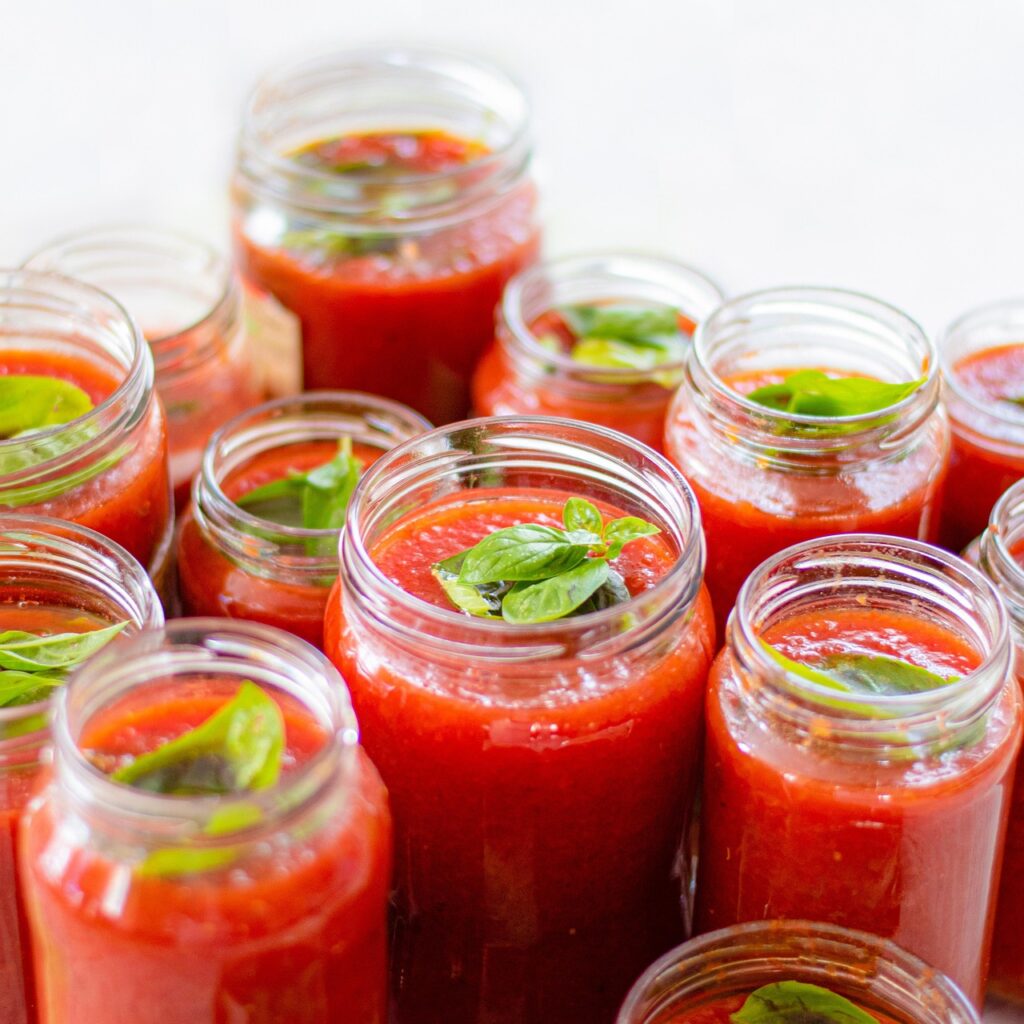
Mainstream marinara brands like Prego, Classico, and Ragù dominate grocery store shelves because they are affordable and widely available. Their labels often feature images of ripe tomatoes and herbs, suggesting a traditional Italian-style sauce ready to pour over pasta.
Many taste tests point out that these sauces lean heavily toward sweetness. Added sugar helps balance tomato acidity and maintain consistency across batches, but it can also make the sauce taste less like fresh tomatoes and more like a processed condiment.
Texture is another point of discussion. Some versions feel thinner than homemade sauces that simmer to concentrate flavor. As a result, home cooks frequently enhance these jars with sautéed garlic, olive oil, or extra herbs. The sauces remain convenient staples, yet they often serve as starting points rather than finished masterpieces.