America’s 8 Biggest Food Launches of 2026 That Missed the Mark

Some food launches arrive with hype so strong, they feel impossible to ignore. Bright campaigns, bold promises, and familiar brand names set the stage for what should be instant success. But in 2026, several of these highly anticipated releases told a different story.
Instead of becoming everyday favorites, many struggled to connect with changing consumer expectations. Rising prices, shifting health priorities, and a stronger focus on taste and value reshaped how people judged new products. What once worked no longer guarantees success.
This list takes a closer look at the launches that missed the mark and why. Behind each one is a clear lesson about what today’s consumers truly want from the food they bring home.
1. McDonald’s Big Arch
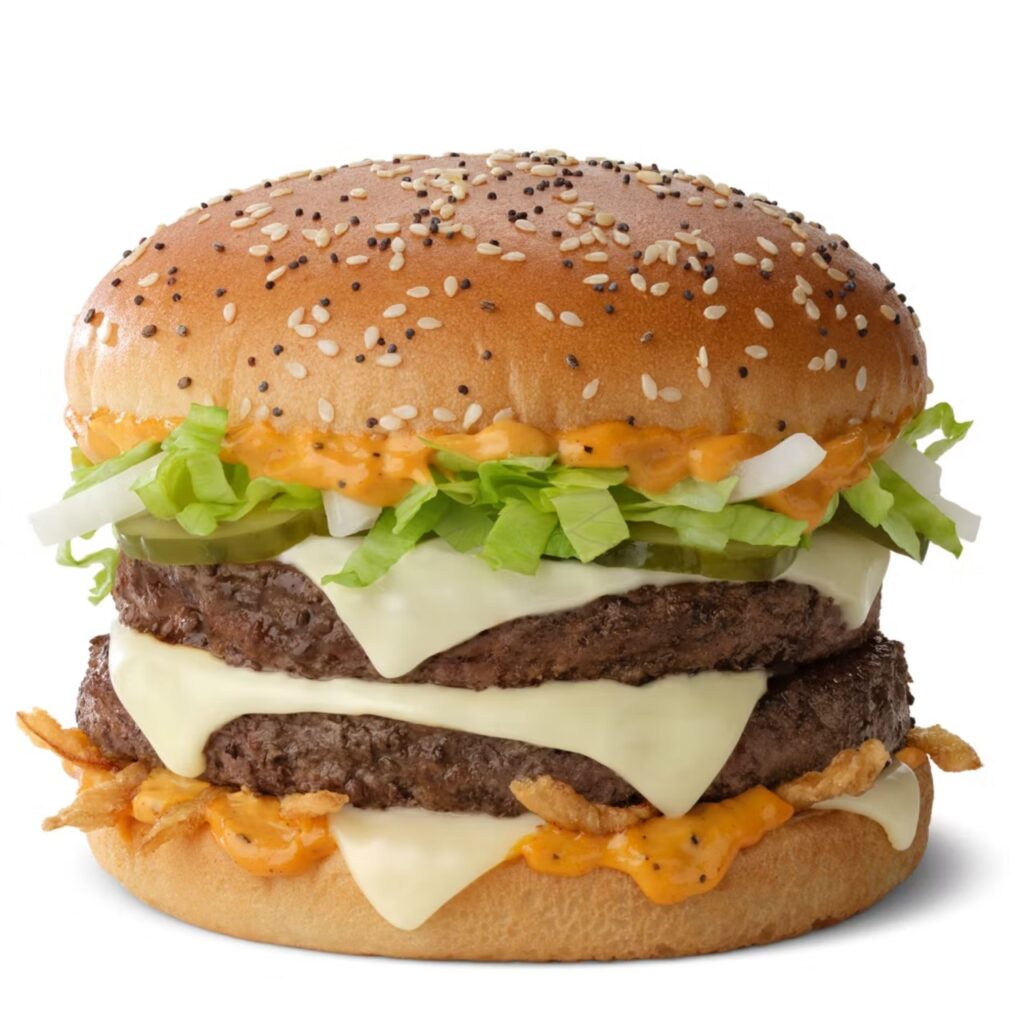
Bigger doesn’t always mean better, and this launch proved it quickly. The Big Arch was designed to feel like a premium, oversized burger, but it arrived at a time when consumers were already feeling pressure from rising food prices. Instead of excitement, it triggered hesitation.
What worked against it was not just the price, but perception. Customers didn’t see enough difference in taste or quality to justify the jump. It felt like a larger version of something familiar rather than a true upgrade, which made it easy to skip.
Timing also played a role. With fast food increasingly judged on value, the Big Arch landed in a market leaning toward affordability and simplicity. It wasn’t rejected outright, but it never became essential.
2. Nutella Peanut
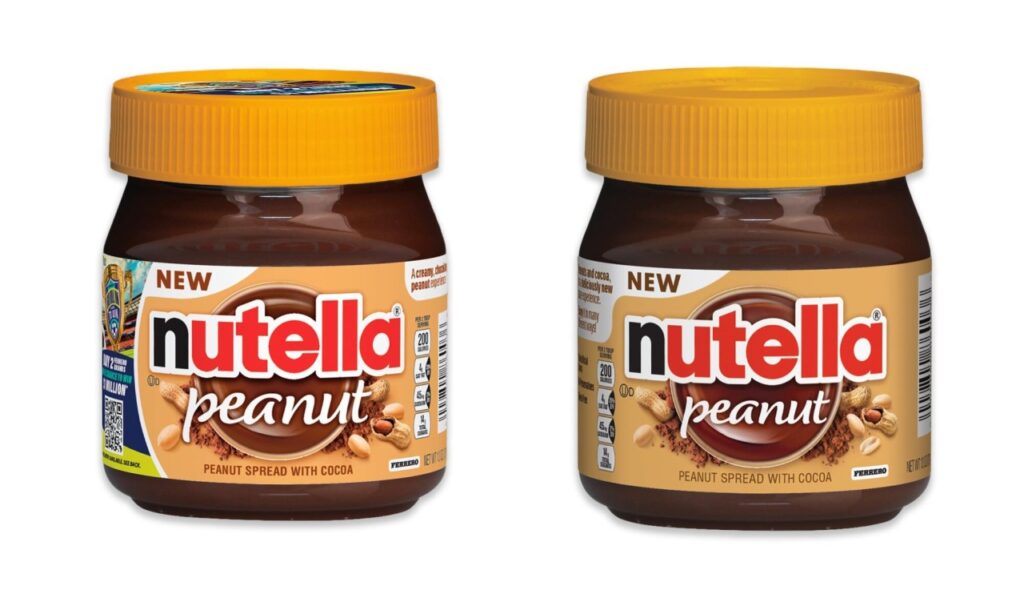
After more than six decades without a new flavor, expectations were naturally high. Nutella Peanut was meant to blend two beloved tastes, but the final product leaned too much on familiarity instead of delivering something clearly new.
The idea sounded stronger than the execution. Many expected a bold peanut butter fusion, yet the result stayed closer to classic Nutella with a subtle peanut presence. That gap between expectation and reality shaped early reactions.
It also showed how difficult it is to evolve an iconic product. When people have a strong emotional connection to a flavor, even small changes can feel underwhelming rather than exciting. Curiosity drove first purchases, but repeat demand stayed limited.
3. PepsiCo “Better-for-You” Snacks
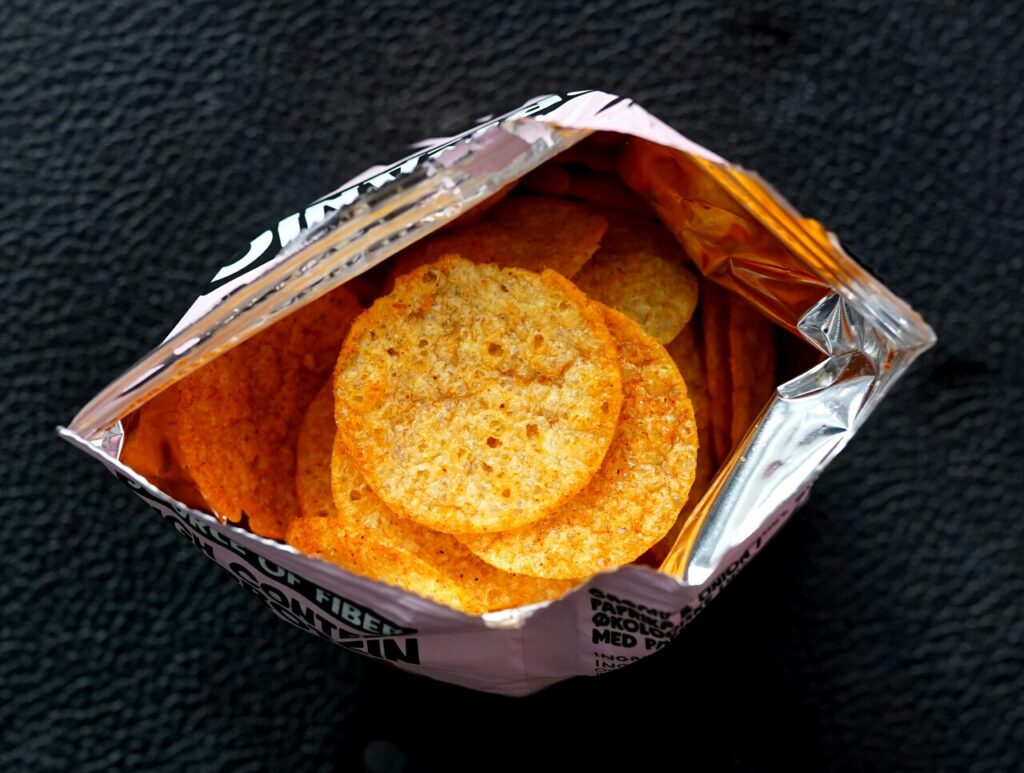
Health-focused snacking has been growing for years, and PepsiCo leaned into it heavily in 2026. Products like protein chips introduced higher protein counts and functional ingredients, aiming to meet shifting expectations.
At the same time, the company made a bold move by cutting nearly 20 percent of its product lineup. This was meant to simplify choices and focus on stronger performers, but it also removed familiar options people were used to buying.
The combination created friction. While the strategy made sense on paper, many consumers felt the new snacks didn’t deliver the same satisfaction. It revealed a key challenge. People want healthier options, but not if it means losing taste or favorite products.
4. Kraft Heinz Healthier Mac & Cheese
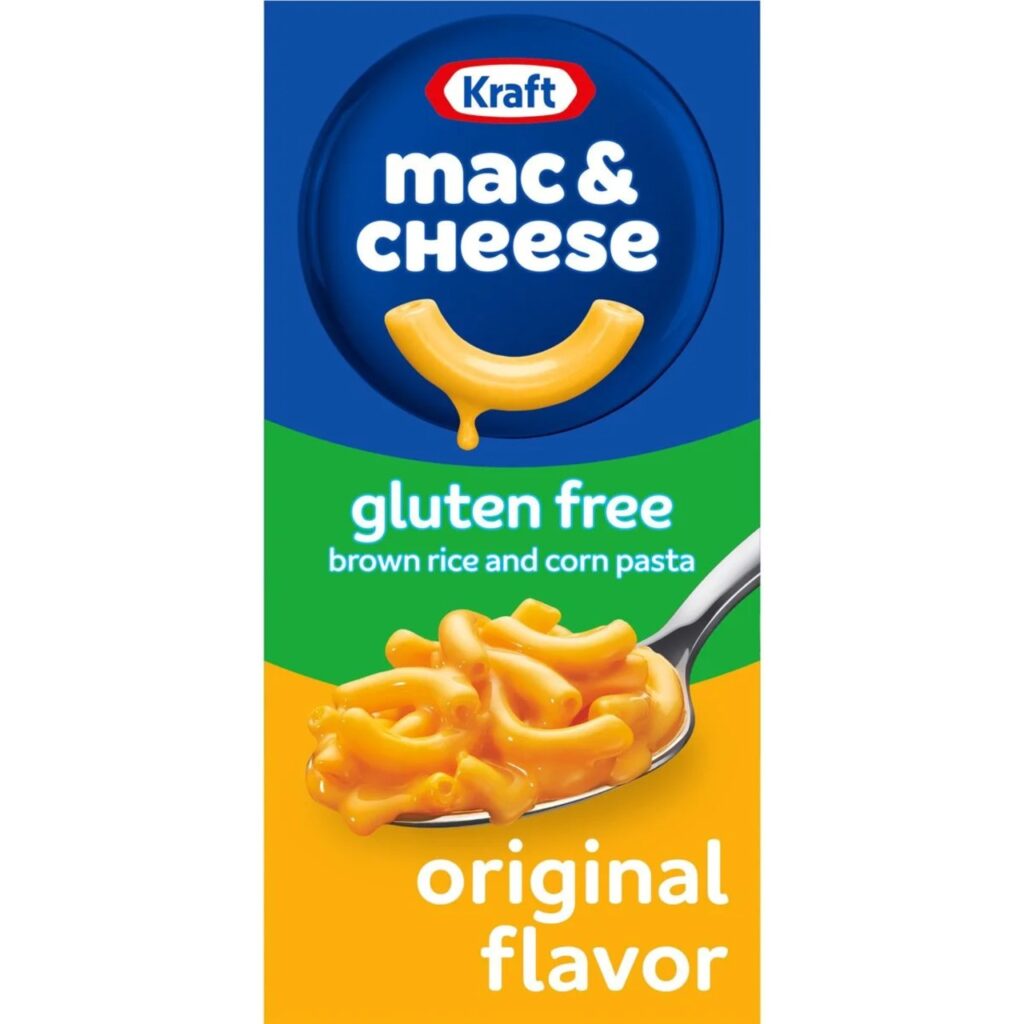
Reinventing a comfort classic is always a delicate move. Kraft Heinz tried to modernize mac and cheese with added protein and cleaner ingredients, but the shift felt more reactive than visionary. It followed trends instead of leading them.
By 2026, many consumers had already explored premium or organic alternatives. That meant the update arrived late, entering a space that had already evolved. The brand still had recognition, but it no longer had the same level of influence.
The biggest challenge was expectation. People turn to mac and cheese for comfort and consistency. Even small changes in taste or texture can feel noticeable. The result was a product that aimed to be healthier, but struggled to deliver the same satisfaction.
5. Artificial Dye-Free Reformulations
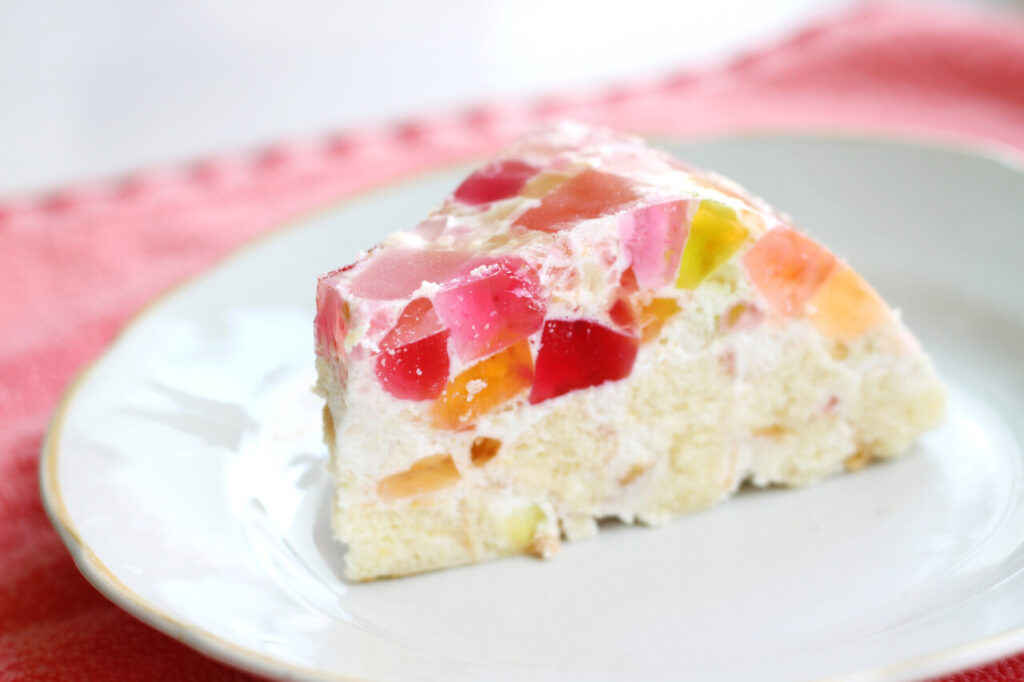
Removing artificial dyes sounds like a clear win, but food is as visual as it is flavorful. When brands began reformulating products to meet cleaner standards, many overlooked how much appearance shapes perception.
Colors became less vibrant, and in some cases, the taste felt slightly different. Even if the nutritional change was positive, consumers noticed the shift immediately. Familiar snacks no longer looked the way people remembered.
This created an unexpected trade-off. Companies improved ingredient lists, but risked losing the visual identity that made products recognizable. It showed that change needs to be gradual and balanced, especially with long-established favorites.
6. Impossible Foods & Plant-Based “Next Wave.”
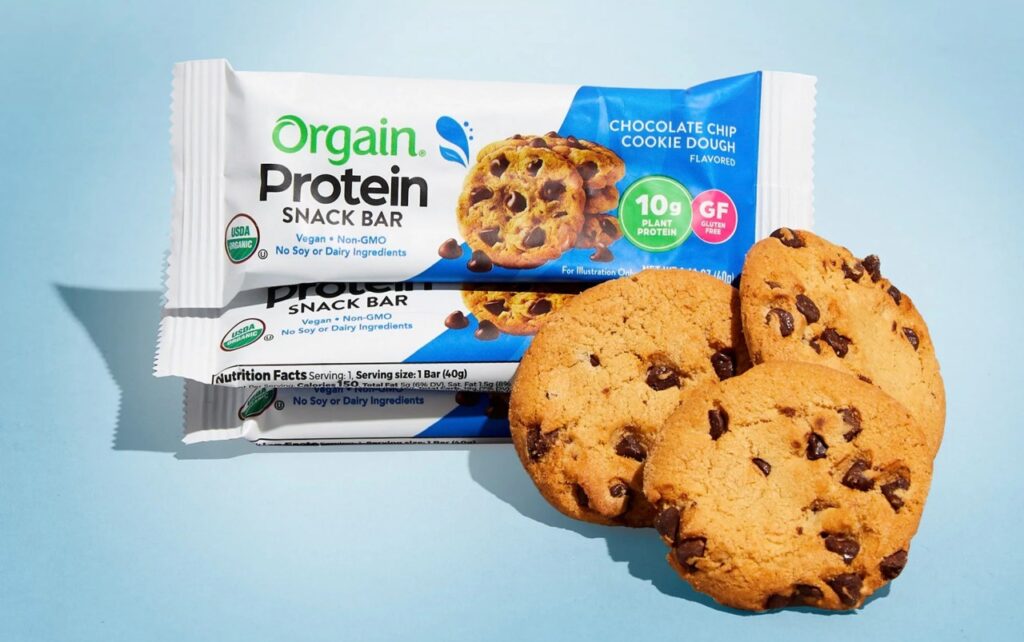
What once felt like the future began to feel routine. Early plant-based products generated excitement because they were new and surprising. By 2026, that novelty had worn off, and consumers started evaluating them more critically.
Price became a major factor. Many plant-based options remained more expensive than traditional meat, making them harder to justify for everyday use. At the same time, concerns around processing and ingredient complexity became more visible.
The category didn’t collapse, but it matured. Instead of rapid growth, it settled into a more selective audience. The lesson was clear. Innovation alone isn’t enough. Long-term success depends on taste, affordability, and trust.
7. Functional Snacks (Protein + Fiber Overload)
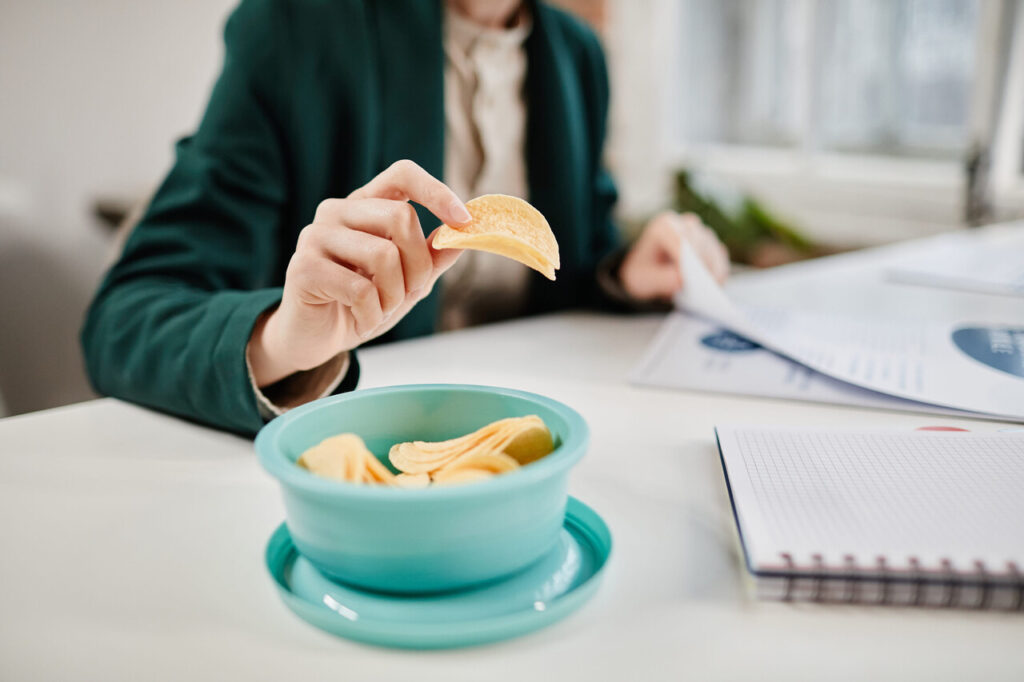
Adding benefits to snacks sounds appealing, but there is a limit to how much function people want in everyday food. In 2026, many brands pushed protein, fiber, and added nutrients into nearly every category.
This created a sense of overload. Instead of feeling like simple treats, snacks began to feel like health products. For many consumers, that shifted the experience from enjoyable to something more calculated.
There was also a broader shift happening. People were already being encouraged to monitor food more closely, and this constant focus on nutrition started to feel tiring. In the end, balance mattered more than enhancement.
8. Clean-Label Reformulated Classics
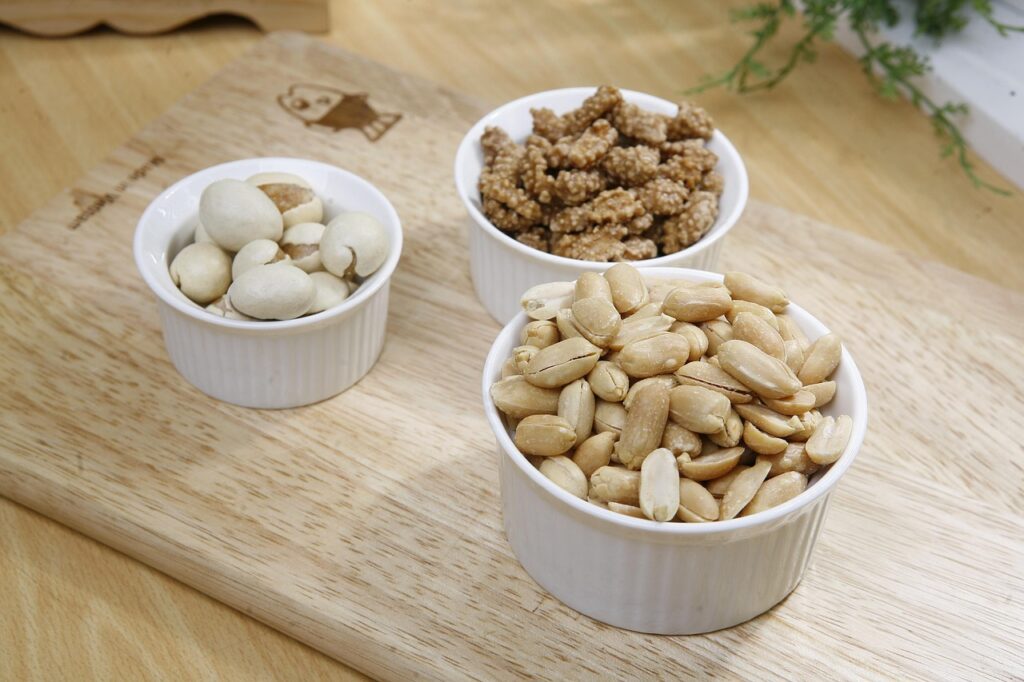
The idea behind clean labels is simple. Fewer ingredients and more transparency. But when applied to classic products, the outcome isn’t always straightforward. Small changes can alter flavor, texture, or shelf life.
Consumers quickly pick up on these differences. Even when they support the idea of cleaner ingredients, they still expect the product to taste the same. When that expectation isn’t met, trust can weaken.
This trend also revealed a deeper tension in the food industry. Companies are trying to meet health expectations while preserving familiar experiences. Many learned that doing both requires more than removing ingredients.